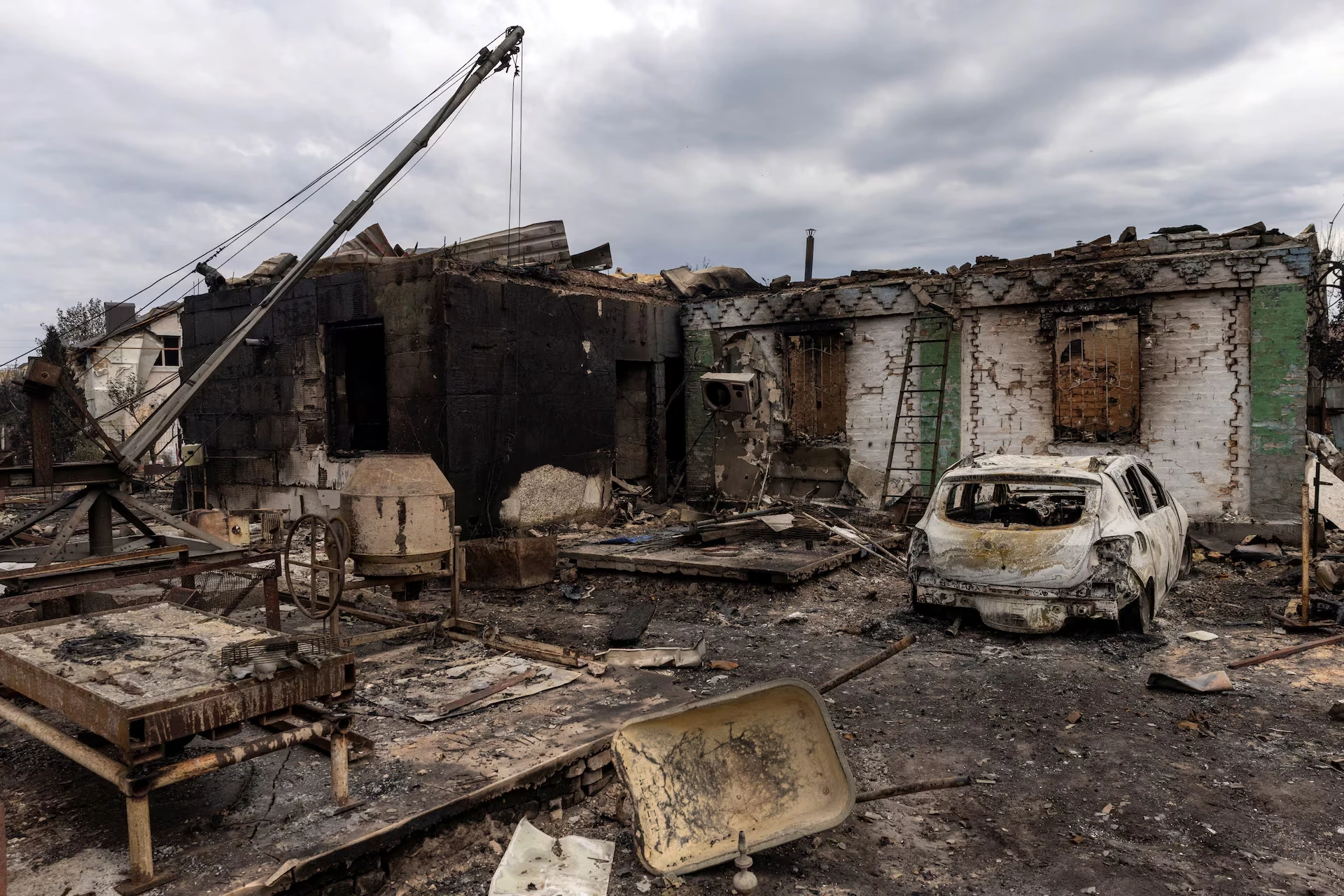






















Ukraine is entering the next winter with a central question that cannot be solved by a single Patriot battery. Russian ballistic missiles remain one of the hardest threats to cities, energy facilities, industry and military logistics. They travel fast, leave little time to react and force the country to live under constant risk.
That is why the agreement between Ukraine and Germany on developing anti-ballistic capabilities matters more than another item on a list of military aid. It marks an attempt to move from urgent deliveries to a long-term defense architecture in which air defense, production, financing and technology work as one system.
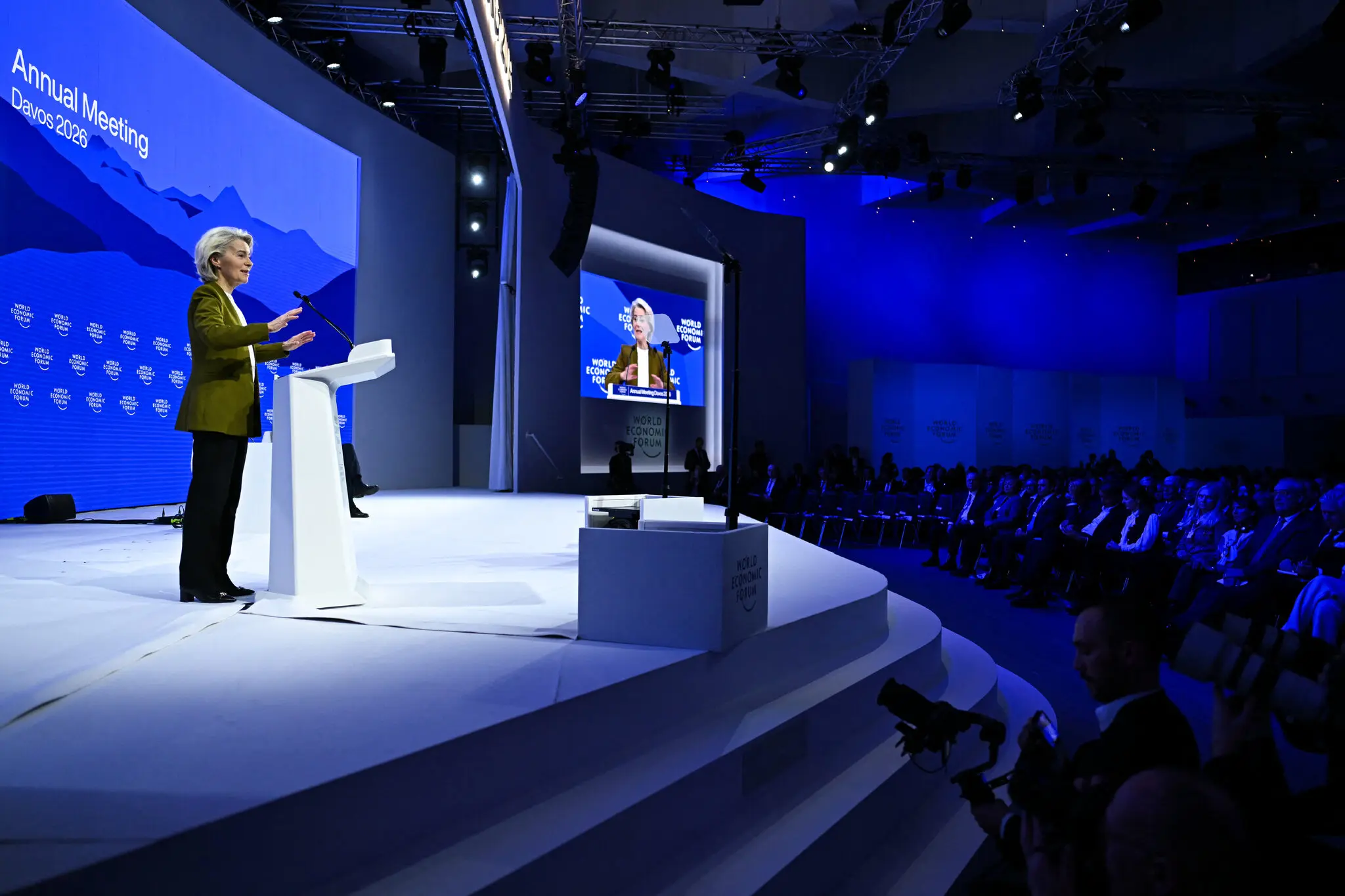
At the Ramstein-format meeting, Volodymyr Zelensky set a clear timeline: by winter, Ukraine must see concrete results from joint work on anti-ballistic defense. This is not a diplomatic phrase. It is a survival calendar for a country Russia attacks most intensely when cold, darkness and pressure on the energy system make society more vulnerable.
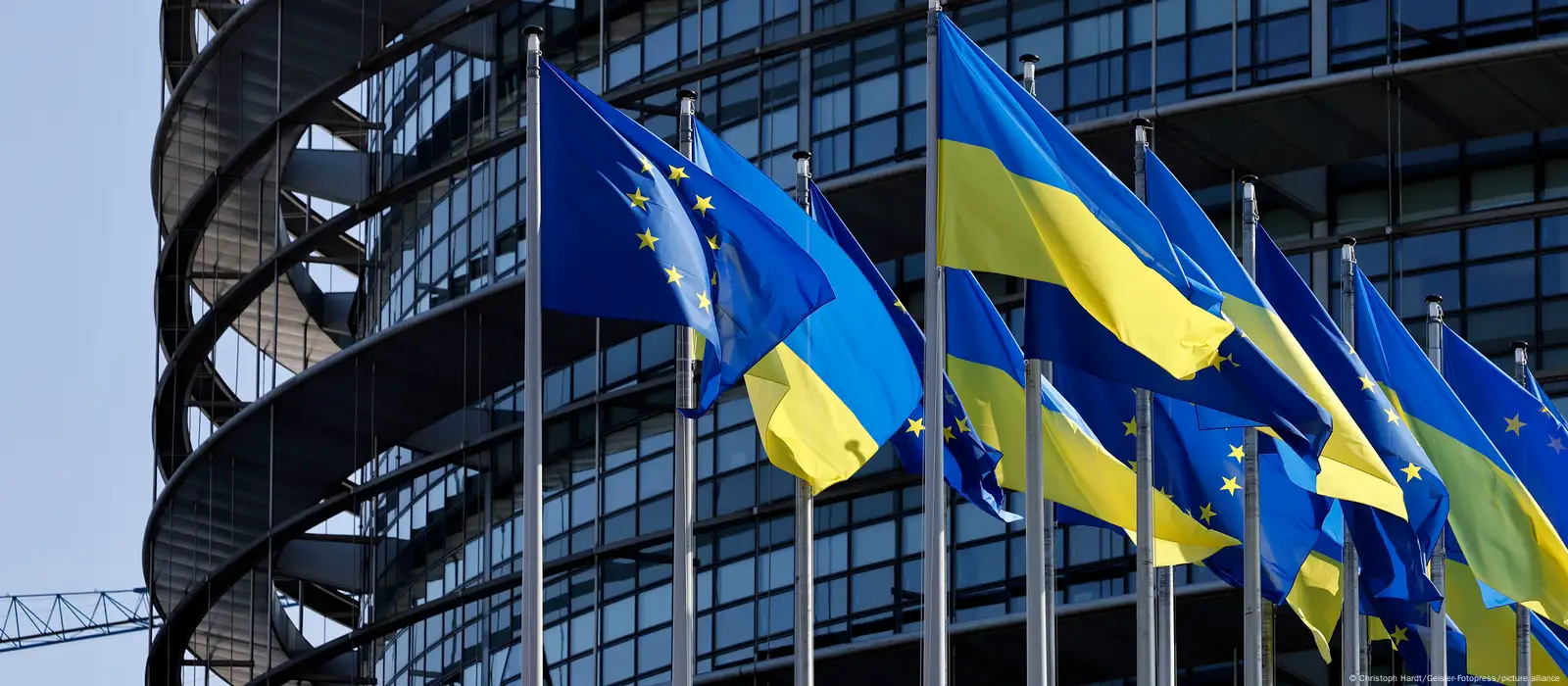
For Daycom, the agreement is significant because it marks a new phase of the war: Ukraine is no longer asking only for ready-made systems to “close the sky.” It is trying to draw allies into building an industrial shield that can be produced, updated, scaled and sustained for years.
Germany’s role in this process is especially important. Berlin has a powerful defense industry, an engineering base, financial capacity and political weight in Europe. If Germany is involved not only in transferring systems, but in developing anti-ballistic capabilities, the nature of support changes: it becomes preparation for the next waves of war, not merely a response to the last strike.
Russian ballistic missiles are not only a military instrument. They are political weapons. They are designed to hit reaction time, the psychology of cities, trust in the state, the economy and energy resilience. When a missile arrives within minutes, an ordinary warning system no longer gives society a sense of protection.
That is why Ukraine needs not only more air-defense systems. It needs a missile-defense layer capable of working against the fastest and hardest targets. That means radars, interceptors, command systems, integration with existing air defense, trained crews, repair capacity, missile stockpiles and the ability to close gaps quickly after Russian attacks.
In this logic, the agreement with Germany should become not a separate project, but part of a broader European response. Zelensky called on other allies to join, and that point is essential. Ukraine’s anti-ballistic defense cannot be the work of two countries alone. When Russia attacks Ukraine’s energy grid, it is also pressuring all of Europe through migration, prices, defense risks and political fatigue.
That is why Zelensky’s statement that such defense is needed not only by Ukraine is precise. Ukraine’s sky has become a testing ground for the future of European security. What is being tested today over Kyiv, Kharkiv, Dnipro or Odesa may tomorrow become the standard for protecting Warsaw, Vilnius, Bucharest or Berlin.
A separate part of the agreement concerns the joint production of the TerMIT unmanned ground vehicle. The platform can carry up to 300 kilograms of ammunition, equipment, water and supplies to front-line positions. At first glance, this may seem smaller than the ballistic missile issue. In reality, it points just as clearly to where the war is moving.
The front increasingly needs robotization. Every trip carrying ammunition or water to forward positions is a risk to soldiers. If ground robots can take over part of that work, the army reduces losses, speeds up logistics and gains more flexibility under drone surveillance, mines and constant artillery fire.
Producing TerMIT in Germany also carries symbolic weight. Ukrainian battlefield experience is being connected with German industrial capacity. This is precisely the type of partnership Kyiv seeks from its allies: not only to deliver finished systems, but to help produce what the front can test in real conditions tomorrow.
The interest of several German companies in the project shows that Europe’s defense industry is beginning to see Ukraine not only as a recipient of aid, but as a co-developer. Ukraine has become a country where technologies undergo the harshest possible test: high-intensity war against a large army. For manufacturers, that is a brutal but unique source of knowledge.
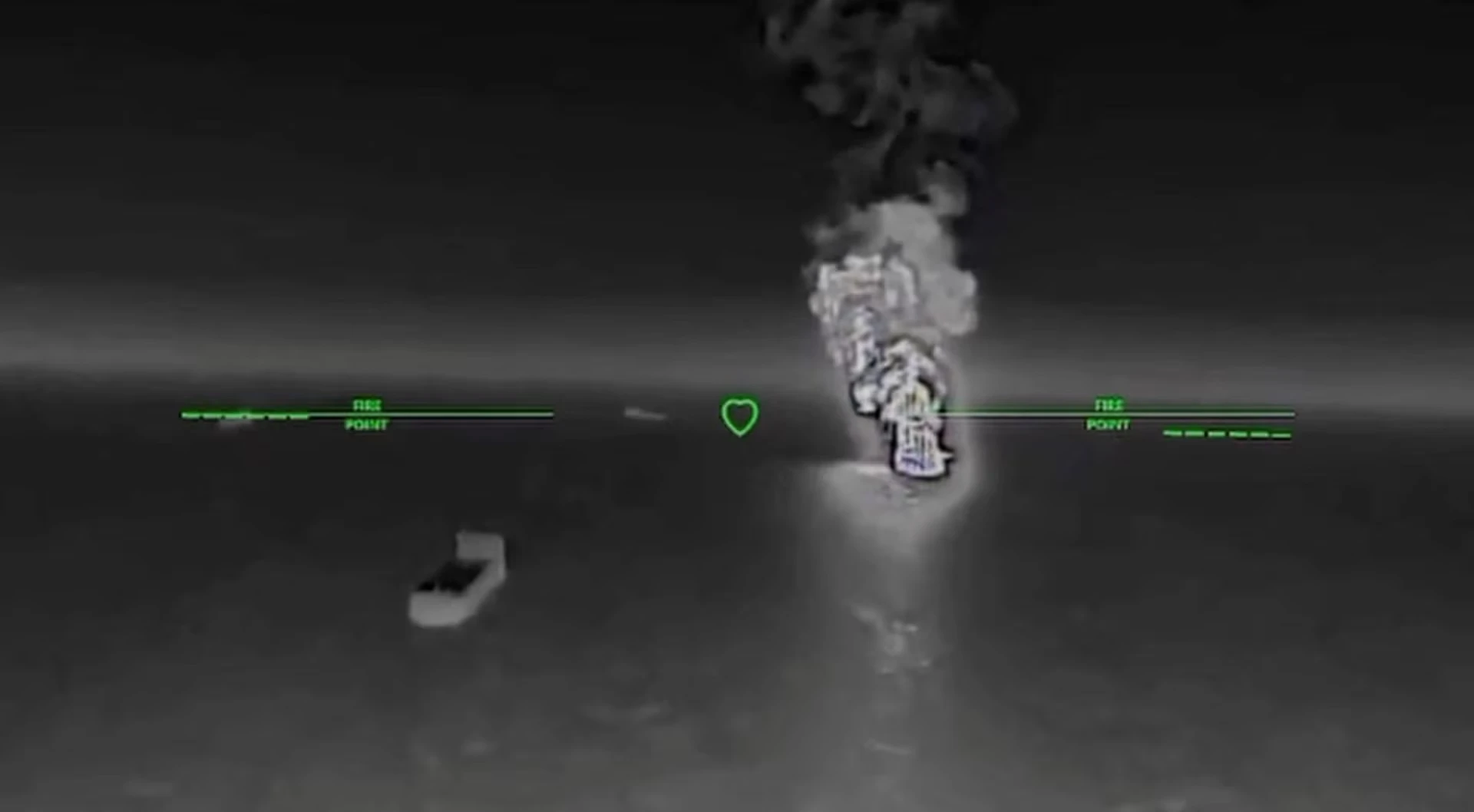
The involvement of Fire Point adds the Ukrainian technological dimension. The company, active in missile and drone development, belongs to Ukraine’s new defense ecosystem: fast, practical, tied to the front and capable of scaling solutions in months rather than years. Such producers are changing the relationship between the state, the army and private engineering.
At Ramstein, Zelensky also spoke about the need for long-range artillery, unmanned systems and long-term financial instruments for the Ukrainian army. These are different needs, but they are connected. Long-range fire allows Ukraine to strike the enemy rear. Drones provide mass and precision. Financing creates rhythm, without which even the best systems quickly become scarce.
Ukraine’s problem is no longer only how to receive the next shipment of weapons. The problem is whether allies can learn to plan for a long war. Russia does not stop because of one aid package. It adapts, changes routes, increases production, seeks ways around sanctions and combines missiles, Shaheds, ballistic weapons and glide bombs.
The response from Ukraine and its partners must therefore also be combined. An anti-ballistic shield for cities. Robotic logistics for the front. Drones for strikes and reconnaissance. Artillery for depth. Financial mechanisms for resilience. Joint production so that every coming winter does not begin with the same panic over shortages.
Germany can play not only the role of donor in this structure, but that of an industrial anchor. Its involvement matters because Europe must learn to produce security, not only buy it from the United States or pull it from old stockpiles. The war in Ukraine has shown that strategic autonomy begins with factories, contracts, components and the ability to deliver promises on time.
For Russia, such agreements are more unpleasant than a one-time transfer of equipment. A single package can be waited out. A contract can be mocked by propaganda. But joint production, new lines, long-term financial tools and technological cooperation mean Ukraine is not exhausting itself as quickly as the Kremlin expects.
Moscow is betting on time. It wants Western support to tire, budgets to fracture, voters to lose interest and Ukraine to enter each winter short of interceptors, energy and money. The agreement with Germany answers that bet directly: time must not work only for the aggressor.
There is not much political space left before winter. If the agreement gets stuck in bureaucracy, Russia will again try to turn cold into a weapon. If it produces even partial results, Ukraine will have a better chance of passing the season with fewer losses to its energy system, cities and front.
This agreement does not create an instant shield. It will not protect every Ukrainian city tomorrow, nor does it remove the need for Patriot, IRIS-T, SAMP/T, NASAMS or new interceptors. But it sets the right direction: from emergency aid to systemic defense, from stockpiles to production, from reaction to preparation.
Ukraine and Germany are, in effect, agreeing on a future in which protection against ballistic missiles and robotic logistics become not exotic tools, but normal features of war. If this work delivers first results by winter, it will mean more than another weapons package. It will show that Europe is beginning to build defense before the strike, not after it.