

















Ukraine is moving toward a new model of energy development built on decentralization, flexibility, and resilience under wartime conditions. As Russian strikes on critical infrastructure continue, the government is shaping a long-term strategy to transform the country’s power system around autonomy, security, and rapid recovery.
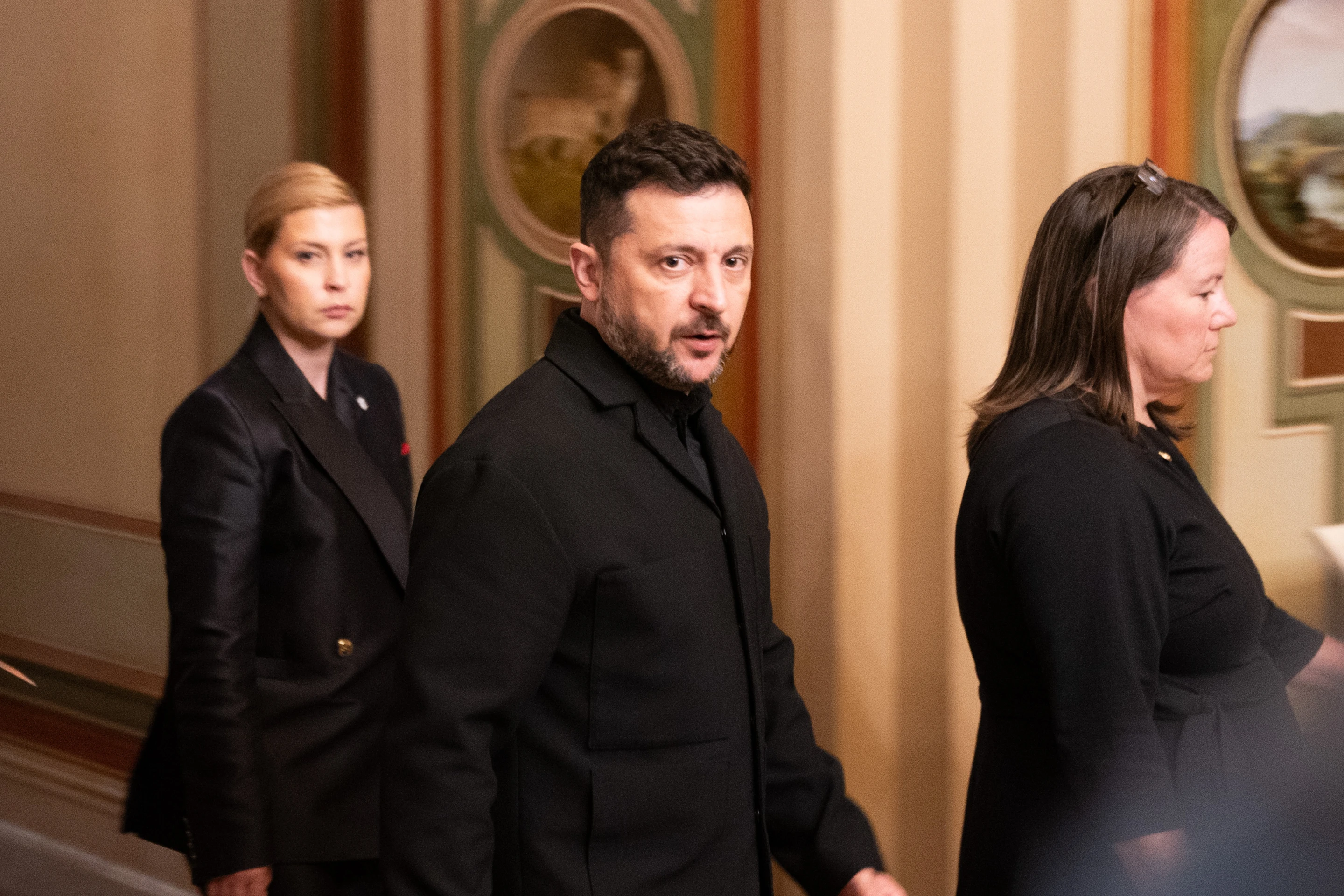
Prime Minister Denys Shmyhal outlined the approach during the international CERAWeek conference in Houston. At the center of the plan is the rollout of so-called “energy cells” — localized generation clusters capable of operating independently from the centralized grid when necessary.
In practical terms, the concept envisions a network of autonomous energy nodes that could continue supplying electricity to regions even if major transmission infrastructure is damaged. The model is intended as a direct response to Russia’s repeated attacks on Ukrainian energy facilities and as a way to reduce the risk of large-scale blackouts.
According to a preliminary analysis by Daycom, the “energy cell” concept could fundamentally change how the energy market functions: shifting from a vulnerable centralized structure to a more flexible system of local generation, where each cluster can balance supply and demand within its own area.
Renewable energy is expected to play a central role in this model, particularly solar and wind generation, alongside small-scale gas-fired plants. That mix would make it possible to restore power more quickly after attacks while reducing dependence on large facilities that are easier to target.
At the same time, the government is not stepping away from nuclear power as the backbone of stable baseload generation. Ukraine plans to modernize its existing capacity and is also considering the construction of new reactors that meet modern safety standards. In the architecture now taking shape, nuclear energy would remain the anchor of long-term system stability.
 Росія завдала руйнівних атак на енергетичну інфраструктуру України — через Reuters
Another major pillar is investment in oil and gas production and transportation. Shmyhal said Ukraine aims to strengthen its domestic resource base and reduce its dependence on imports, particularly at a time of prolonged geopolitical instability and volatile external markets.
Diversification of energy supplies was another key theme of the prime minister’s remarks. That includes not only oil and gas, but also nuclear fuel, where Ukraine has already been gradually reducing its reliance on Russian suppliers. In the context of a full-scale war, this is not simply an economic issue but one of strategic sovereignty.
These decisions have direct implications for both Ukraine’s energy security and the wider region. Over the longer term, Ukraine could become an important element of a new European energy architecture — one that is more integrated, distributed, and resilient to external shocks. In that sense, Ukraine’s experience may prove to be not an exception, but a preview of a broader shift across Europe.
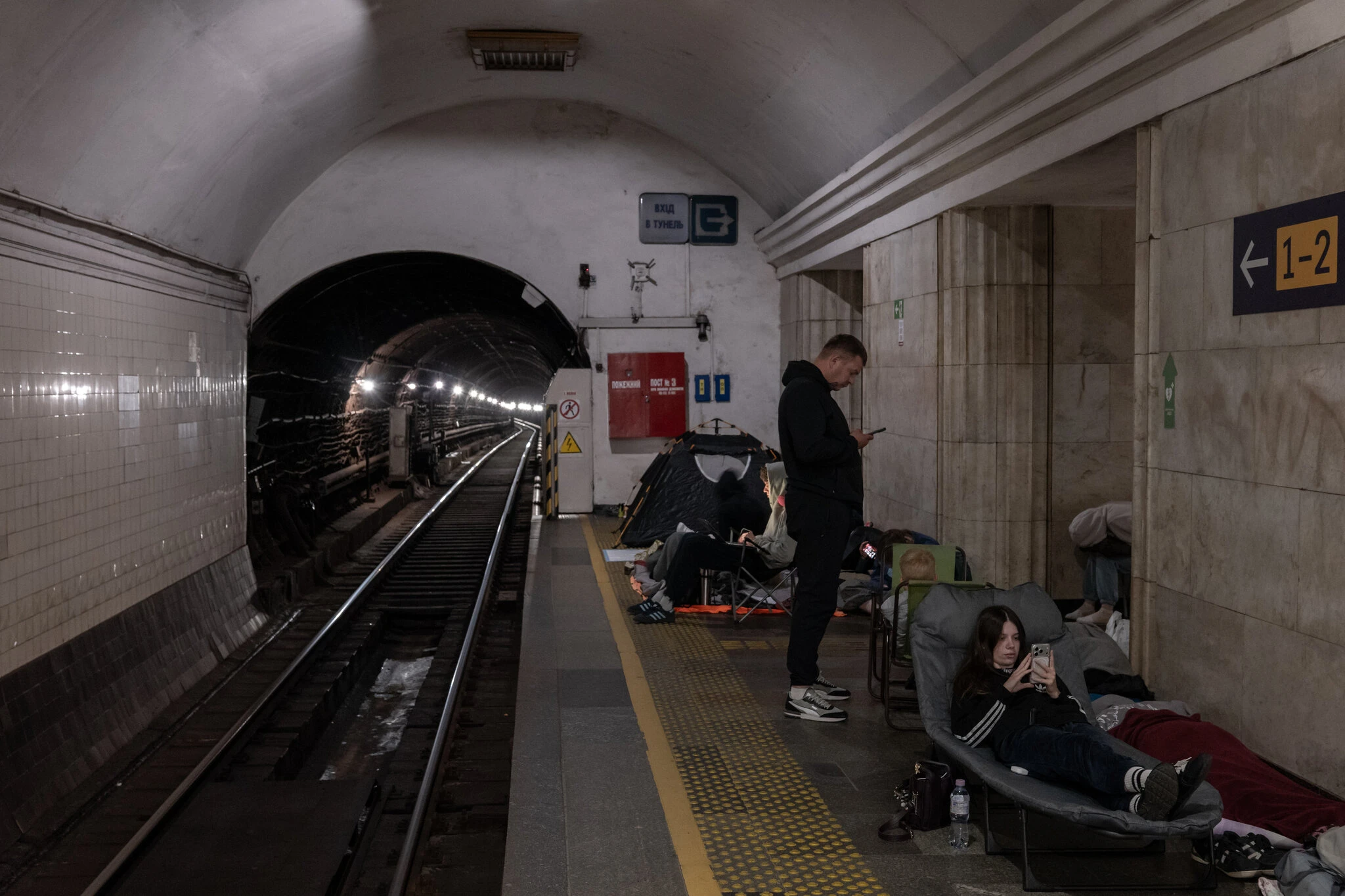
For now, however, the system remains under intense strain. As of March 25, consumers in several regions, including Odesa and Kharkiv, were still facing electricity outages caused by shelling. That reality underscores just how exposed the existing system remains and why structural reform has become a strategic necessity rather than a policy option.
Energy-market experts say the transition to an “energy cell” model will require significant investment, new engineering solutions, and time. The effort will depend in large part on the development of smart grids, energy storage systems, digital flow management, and mechanisms for rapid local balancing. Without those components, decentralization risks remaining more vision than reality.
As analysts in the sector note, decentralization is not only about protection from attack; it is also about efficiency. Local generation can reduce transmission losses, improve system flexibility, and enable faster responses in crisis scenarios. In wartime, that capacity for adaptation becomes one of the defining measures of whether an energy system can endure.
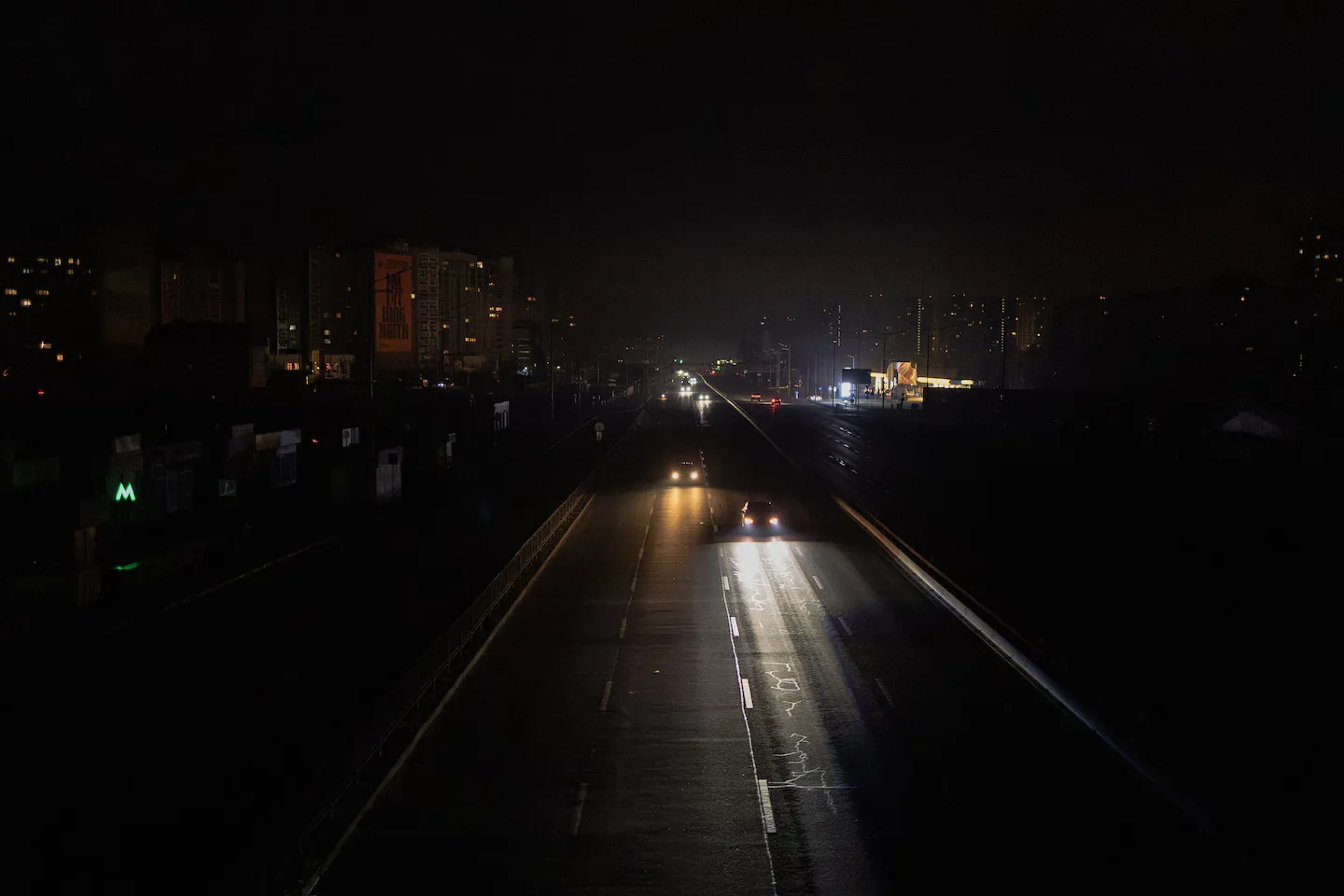 У середу в Києві відключено електроенергію після ракетних атак та атак безпілотників з Росії на українську енергетичну інфраструктуру — Роман Пилипей
That is why Ukraine is actively seeking international partners for the next phase of these projects. The presentation at CERAWeek was aimed squarely at investors prepared to operate in a high-risk environment in exchange for long-term returns. For Kyiv, this is not merely a search for capital, but an effort to embed its future energy system within global investment and technology networks.
Potential areas for cooperation include energy infrastructure development, grid modernization, innovative generation technologies, energy storage, and deeper integration with European power systems. The stronger those links become, the less room there will be for energy coercion and external pressure.
Over the medium term, this strategy could reshape not only Ukraine’s domestic energy system but also the balance of power across the European energy market. Resilience, autonomy, and the ability to operate under threat are increasingly becoming new measures of competitiveness — alongside price, capacity, and supply security.
In that sense, Ukraine’s turn toward “energy cells” is more than a wartime response. It is a strategic choice that may define the country’s future economic and geopolitical role. Step by step, Ukraine is moving away from a highly vulnerable centralized model toward a system designed to withstand shocks, adapt under pressure, and contribute to a more resilient European energy order.