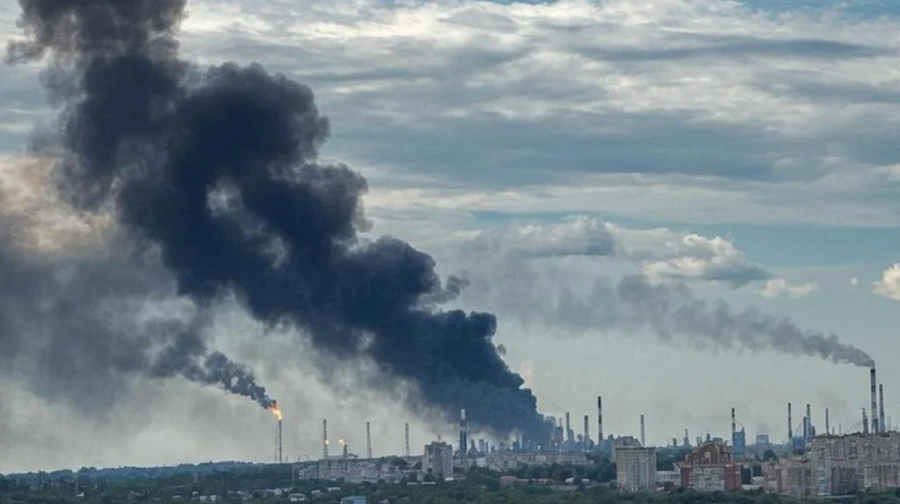
















Ukrainian drones reached Moscow again, and this time the strike was more than another episode in the long-range war. The aircraft hit the Moscow oil refinery for the second time in a week, disrupted the capital’s airports and turned the morning in Russia’s largest city into a demonstration of new vulnerability.
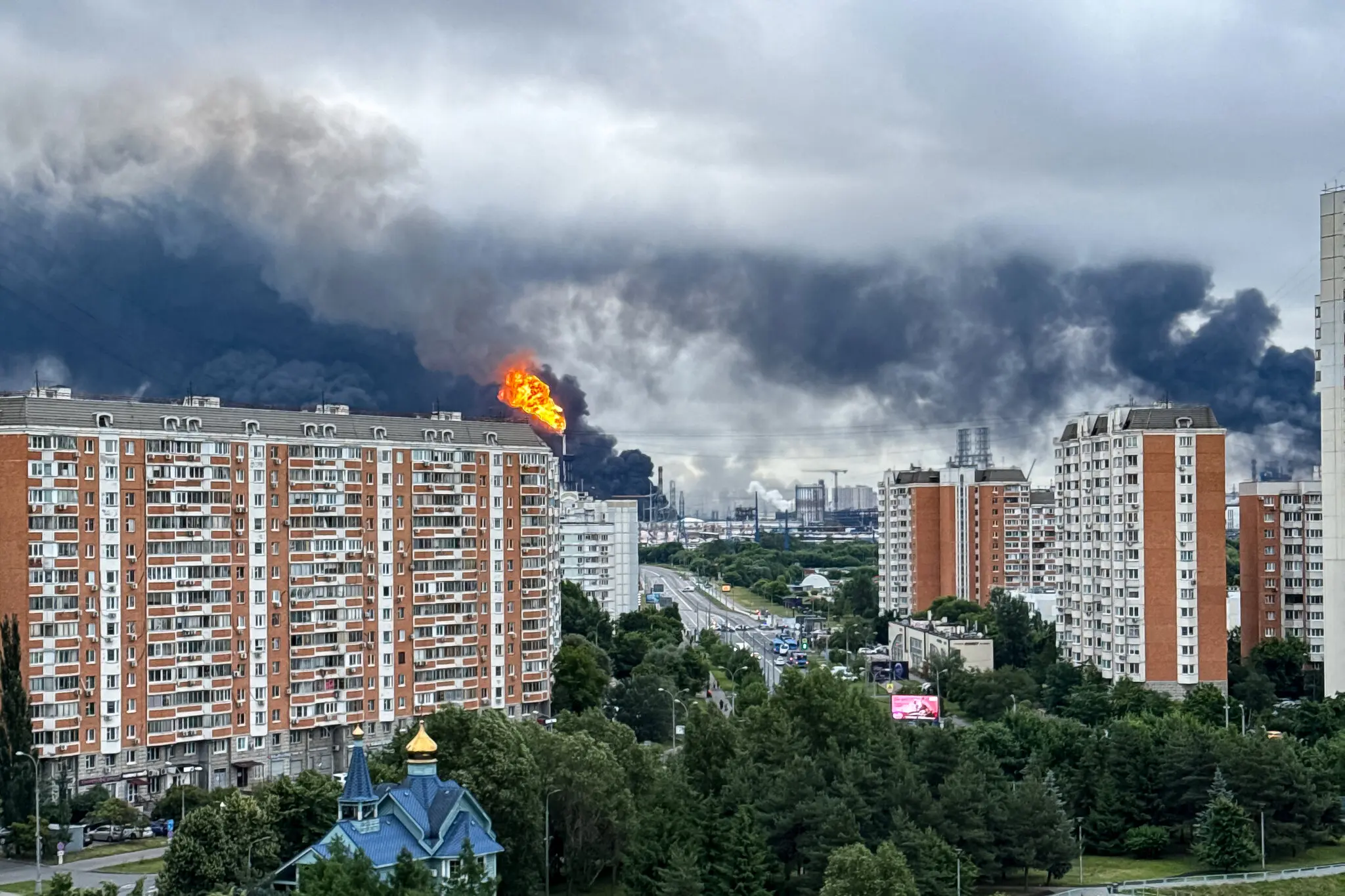
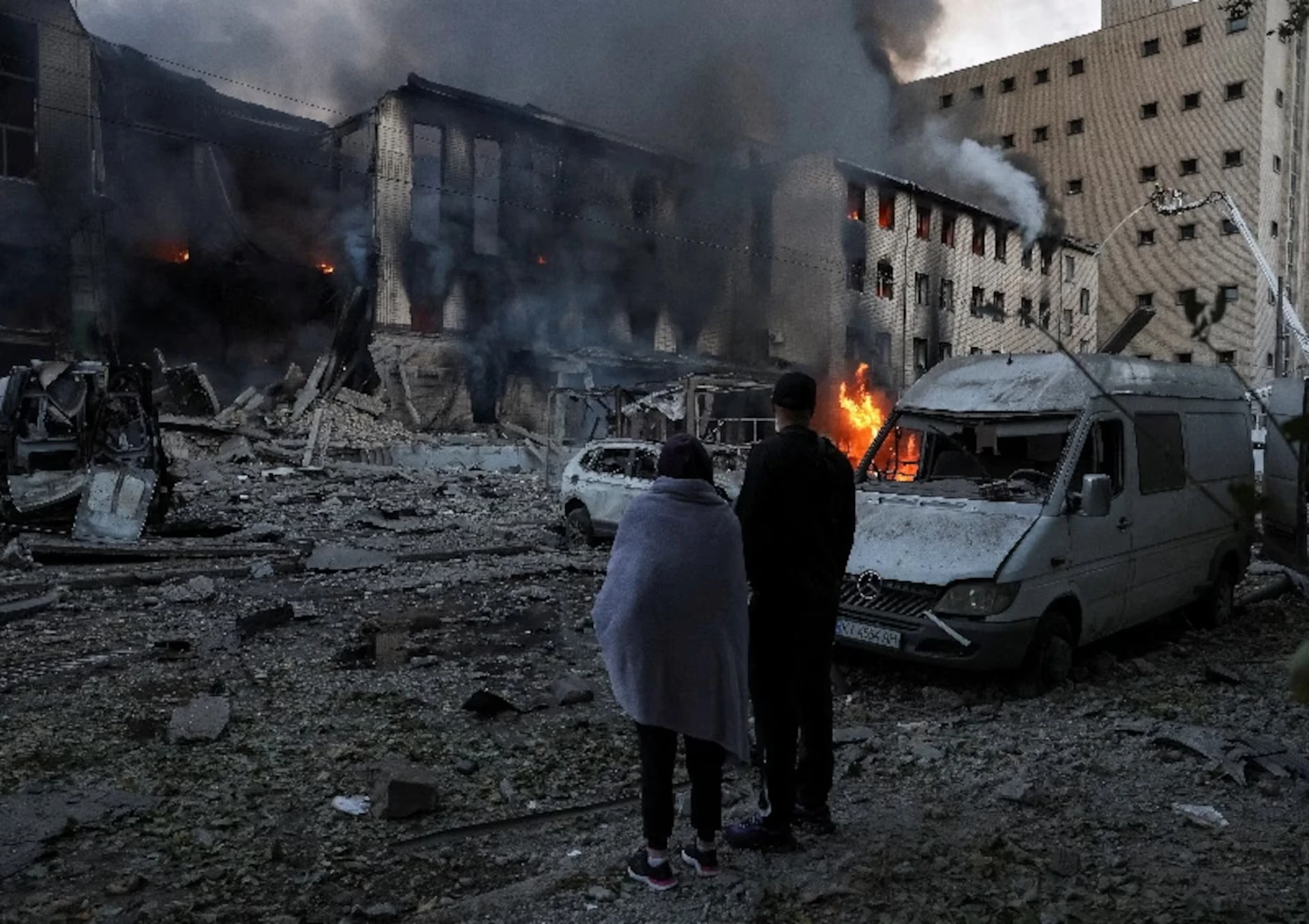
Flames and smoke rose over Kapotnya, a densely populated district in southeastern Moscow. That is where the refinery supplying a significant share of the capital’s fuel needs is located. If previous attacks on Russian energy infrastructure could be framed as strikes on the periphery, this one took place at the center of Russia’s political geography.
Moscow described the assault as one of the largest drone attacks of the year. Russia’s Defense Ministry said 555 unmanned aircraft had been shot down across the country, while city authorities reported 180 drones intercepted around Moscow alone. Some still reached the refinery, while damage was also reported at a shopping center, a residential building, an industrial site and private houses in the region.
According to Daycom’s assessment, the weight of this attack lies not only in the number of drones or even in the size of the fire. Ukraine showed that it can simultaneously overload Russian air defenses, strike the capital’s oil-refining infrastructure, disrupt the transport rhythm of a megacity and apply psychological pressure on a society used to watching the war from a distance.
All Moscow airports temporarily suspended operations. Sheremetyevo, the busiest of them, was evacuated. Traffic on sections of the ring road near the refinery was also halted. These are not secondary details. They are part of the effect: even when drones do not fully destroy a strategic facility, they force a major city to live by wartime protocols.
For the Kremlin, this is especially painful. Moscow long remained a symbol of distance between the war and daily life in Russia’s center. The front was on the news, missiles flew at Ukrainian cities, mobilized men left from the regions, while the capital preserved the rhythm of a large city. That distance is now shrinking with every new wave of drones.
The Moscow refinery had already been attacked on Tuesday, and that earlier strike reportedly halted part of its operations. The repeated attack on Thursday showed a different logic: Ukraine is not looking for a one-time effect, but is pressuring facilities that matter to Russia’s war economy, fuel market and domestic stability.
Russia is one of the world’s largest oil producers, but strikes on refining create a different kind of problem. Producing crude is not enough. It must be turned into gasoline, diesel and aviation fuel, then moved, distributed, stored and fed into the domestic market. Ukraine is targeting precisely that chain.
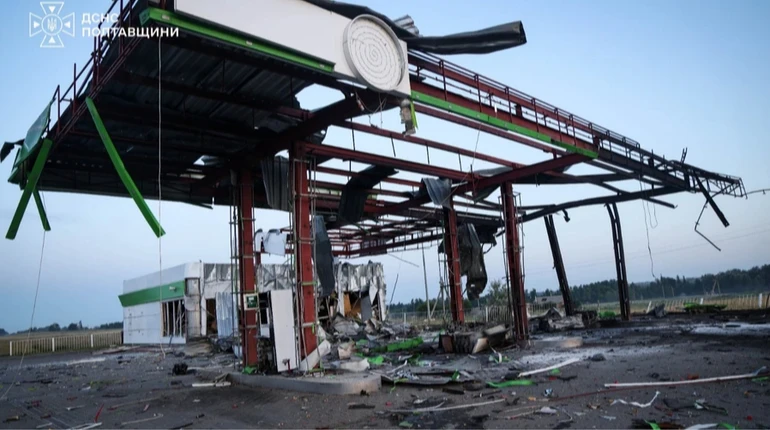
Fuel tension is no longer limited to reports of isolated accidents. Several regions have faced disruptions, lines have appeared at gas stations in Crimea and southern Russia, and some networks have introduced fuel-purchase limits. Now Russia’s fuel system is being forced to prepare even for seaborne fuel imports to ease gasoline shortages after refinery strikes.
This does not mean Russia faces an immediate energy collapse. Its system is large, inertial and still has reserves. But a war of attrition rarely works through instant breakdown. It works through repairs, downtime, insurance risks, stock redistribution, facility protection, more expensive logistics and growing market nervousness.
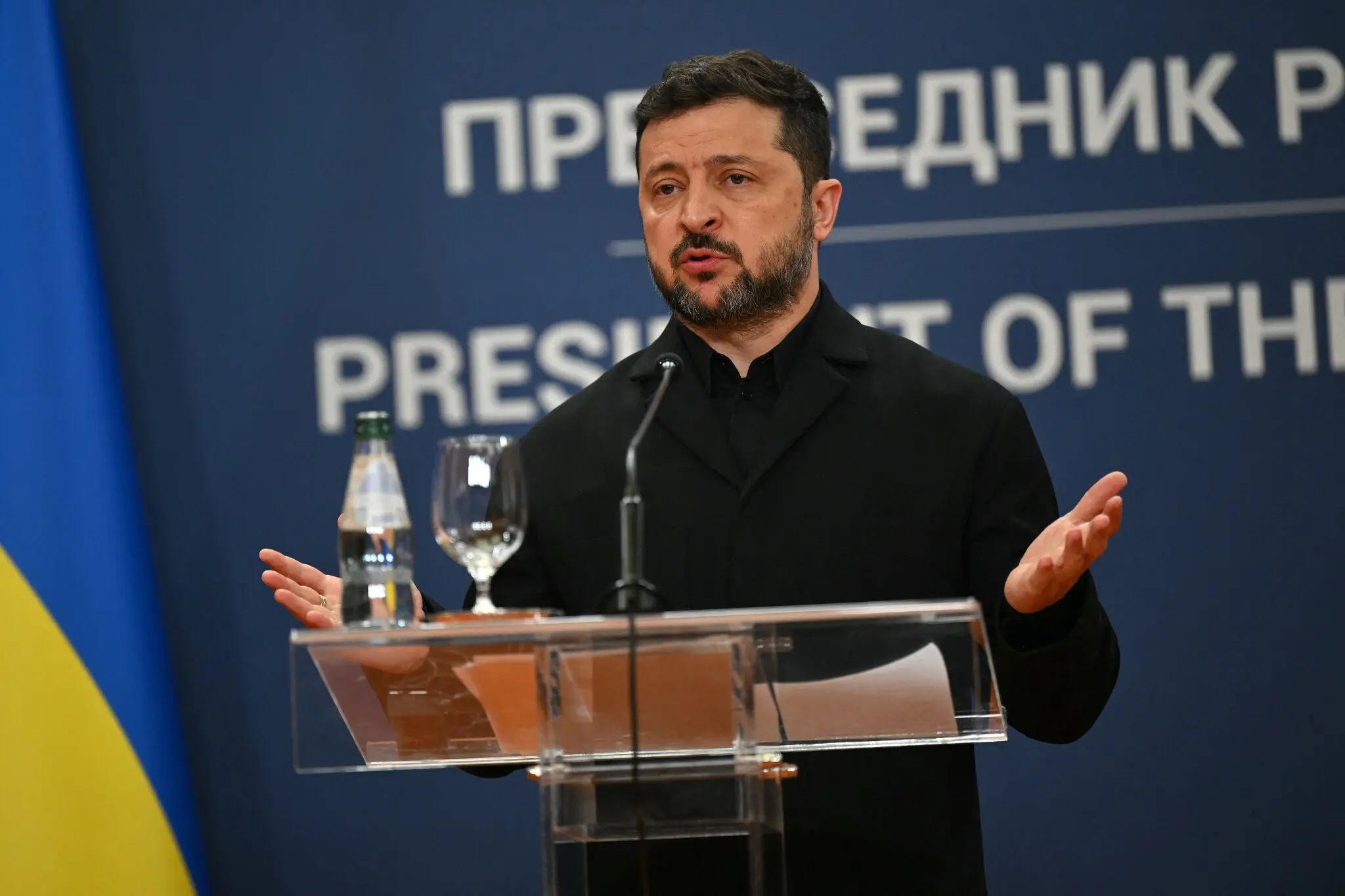
Ukraine’s logic behind the strikes was stated directly. Volodymyr Zelensky called attacks on Russian facilities a fair response to strikes on Ukrainian cities and communities, as well as the result of military work against infrastructure supporting Russia’s war machine. This is not the language of symbolic revenge. It is the language of systemic pressure.
Foreign Minister Andrii Sybiha addressed Muscovites asking what was happening. His answer was politically simple: Russia started a war of aggression, has spent years killing Ukrainians, and the question should be directed to Putin — when he intends to end it. In that phrase, Kyiv shifted responsibility for fear in Moscow back to the source of the war, not its consequences.
At the same time, Russia was again striking Ukraine. Explosions sounded in Kyiv, authorities warned of a ballistic missile attack, and air alerts covered much of the country. In Sumy, one person was reported killed in a drone strike. This continued the Russian campaign that earlier in the week damaged a medieval monastery complex in Kyiv.
That parallel matters. Moscow is trying to show that it can continue hitting Ukrainian cities, energy systems, cultural heritage and civilian infrastructure. Kyiv is answering by transferring pressure to the Russian rear — not to abstract territory, but to fuel and logistics nodes without which the war becomes more expensive.
This also changes the diplomatic frame. Ukraine argues that its growing drone capabilities should force Russia to take peace more seriously. After years in which Russian forces made slow advances on the battlefield, Kyiv is speaking of a shift in momentum: medium-range drones cutting supply chains, long-range drones inflicting pain in Russia’s rear.
Russia, by contrast, continues to present itself as the side with the advantage and demands new Ukrainian territorial concessions before any serious discussion of peace. That leaves little diplomatic space. Moscow wants negotiations to formalize its seizures. Kyiv wants to show that prolonging the war will carry costs not only for Ukraine.
That is why strikes on Moscow matter not only militarily, but also as a negotiating signal. They demonstrate that the Russian rear is no longer a safe reservoir of resources. Every refinery, depot, terminal, airport and industrial hub becomes part of a wider risk map that the Kremlin cannot fully close with air defenses.
At the same time, such a campaign is complicated for Ukraine. Long-range drone warfare always carries the risk of secondary consequences: debris, intercepted aircraft, impacts on civilian sites and Russian air-defense activity in densely populated areas. That does not remove Russia’s responsibility for starting the war, but it makes precision and target selection strategically important for Kyiv.
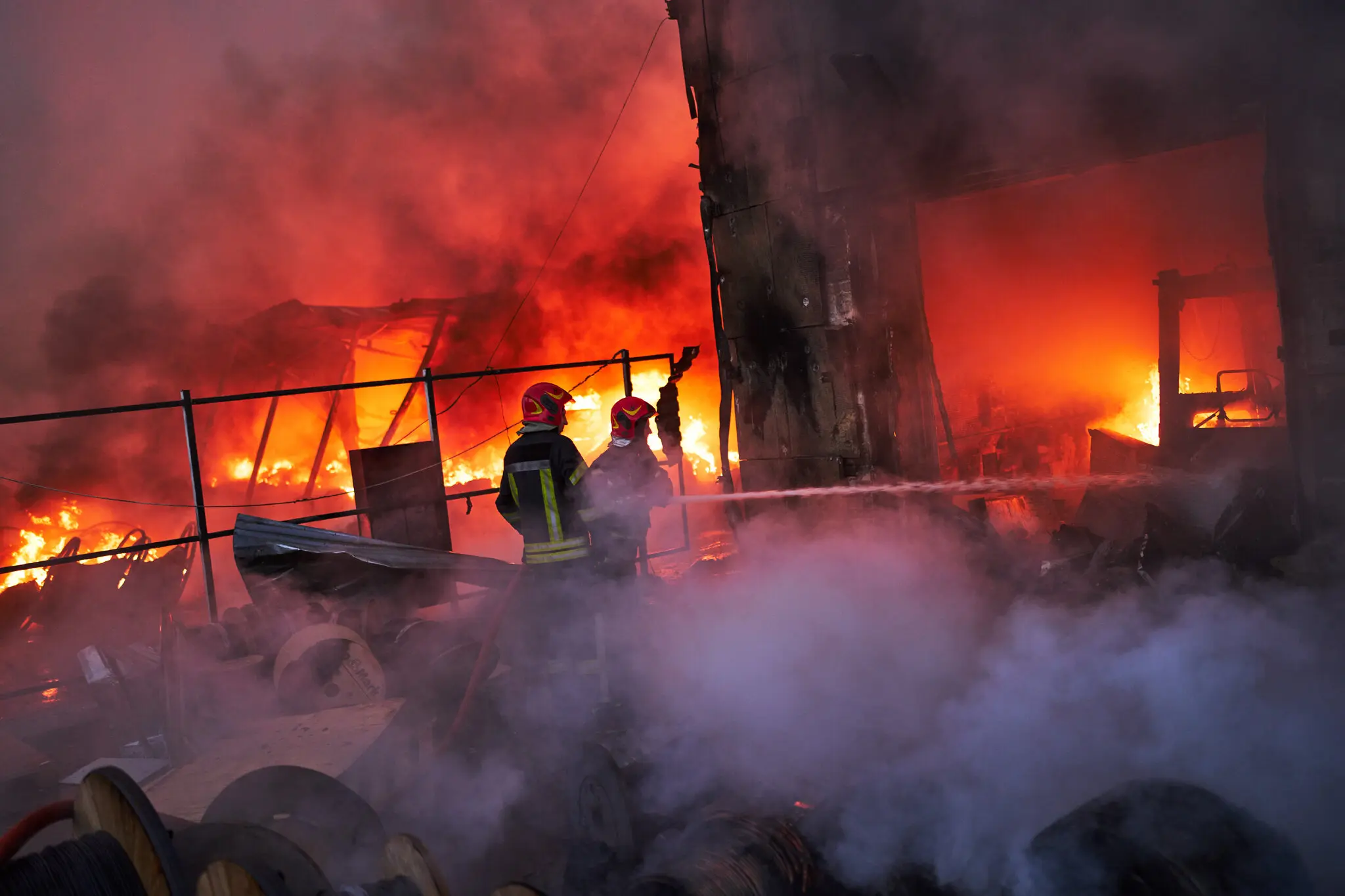
Thursday’s attacks were not limited to Moscow. Russian officials reported one man killed in a car after a drone strike in the Belgorod region, and another death with fires at commercial facilities in the Rostov region. The scale of the campaign is clear: Ukraine is applying pressure not only on the capital, but across several Russian regions at once.
For Russia, the central problem is now the stretching of defense. Its territory is enormous, its critical infrastructure is dispersed, and drones can fly along different routes. Moscow, refineries, airfields, arsenals, oil depots, border regions and the deep rear cannot all be protected with equal density.
This is where the quantity of Ukrainian drones begins to turn into quality. Even if most are shot down, some get through. Even if damage is limited, the system spends missiles, fuel, crew time, radar capacity, airport hours and public trust. In a war of attrition, that too is a result.
The Kremlin can try to minimize the consequences and speak of control. But every repeated attack on Moscow narrows the space for that rhetoric. When residents of the capital see smoke, hear sirens, cannot fly out of an airport or read about nearby damage, the war stops being an abstraction.
For Ukraine, this is not a guarantee of quick victory. Russia’s war machine still has resources, its army continues offensive operations, and missile strikes on Ukrainian cities have not stopped. But a different balance is emerging: Russia can no longer strike the Ukrainian rear with impunity while feeling no regular pressure on its own infrastructure.
This is the new reality of this phase of the war. Moscow is trying to force Ukraine into peace on the terms of power. Kyiv is trying to prove that power is no longer one-sided. Drones over the Russian capital, fires at refineries, closed airports and fuel limits do not end the war. But they change its cost — and that cost may become one of the factors that determines when the Kremlin finally starts to see peace as more useful than continued aggression.