




















Ukraine’s railway has again reached the point where the economics of war cease to be abstract. Trains must keep moving under fire, cargo must reach ports and borders, people must be evacuated, and debt, repairs and security must be paid for not with slogans, but with money.
Ukrzaliznytsia is seeking to raise freight tariffs by at least 45% this year. For business, this is a painful increase in costs. For the company itself, it is an attempt to cover at least half of a projected cash shortfall of 26 billion hryvnias and avoid weakening its talks with creditors.
This is not a routine tariff dispute between a monopoly and its customers. In the fifth year of the full-scale war, the railway has become a critical artery of the state: it carries grain, steel, fuel, military cargo, civilian passengers and the logistical flow between industrial regions, ports and the western border.
According to Daycom’s earlier analysis, the central issue is the changing role of Ukrzaliznytsia itself. It is no longer simply a transport company with financial indicators. It is part of Ukraine’s defense infrastructure, expected to function at once as a business, a social service, a logistics command system and a target for Russian strikes.
The company’s chief executive, Oleksandr Pertsovskyi, explains the tariff increase in direct terms: the railway can no longer subsidize other sectors of the economy from its own resources. Steelmakers, farmers and exporters have also been hit by war, high energy prices and unstable logistics. But the railway no longer has the reserve from which to absorb their losses.
This is an uncomfortable but honest boundary. For years, Ukraine’s economy grew used to Ukrzaliznytsia carrying part of the country’s hidden costs: keeping tariffs lower, transporting passengers at socially sensitive prices, repairing damage and filling logistical gaps. The war has made that model almost impossible to sustain.
A 45% increase would not solve the whole problem. It would only allow the company to hold on, stabilize liquidity and return to negotiations on debt restructuring. Ukrzaliznytsia has more than $1 billion in bond obligations, and creditors are looking not at its patriotic role, but at its ability to generate cash.
In 2022, the company secured a delay on payments for $895 million in Eurobonds. It has made some coupon payments, but a full new agreement on the debt has not yet been reached. Without tariff indexation, Ukrzaliznytsia’s position in talks weakens: creditors see not reform, but a deficit growing faster than revenue.
For the government, this is a difficult political task. Raising tariffs means provoking resistance from major freight customers. Refusing to raise them means risking the financial stability of a company without which much of the economy simply cannot function. In wartime, a transport tariff is not an accounting line. It becomes a measure of national endurance.
Farmers and steelmakers are the most vocal opponents of the increase. Their argument is clear: Ukrainian products already compete on global markets with added war costs, expensive insurance, port risks, power shortages and unstable logistics. A new tariff could consume margins or make some shipments uncompetitive.
The railway answers with its own argument: without a financially viable carrier, there will be no competitive exports either. Cargo means little if there is nothing to move it. A port cannot function as an export gateway if trains do not reach it. A factory cannot plan production if locomotives, depots and substations become daily targets.
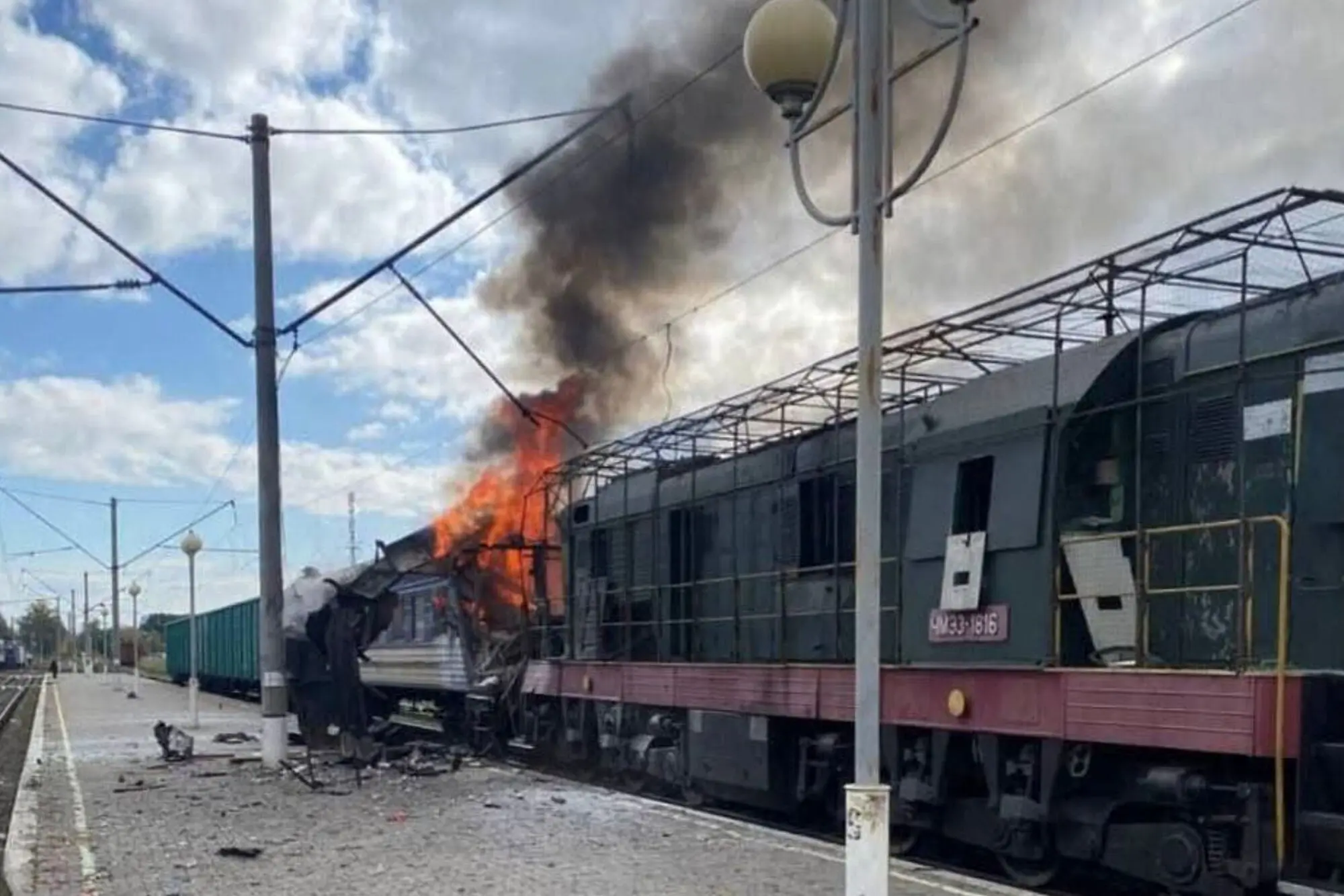
Russian strikes have sharply changed the financial picture. The targets are no longer only tracks or stations. Locomotives, repair bases, power substations, bridges and operational junctions are also under attack. More than 100 locomotives of different types — diesel, electric, AC and DC — have already been targeted.
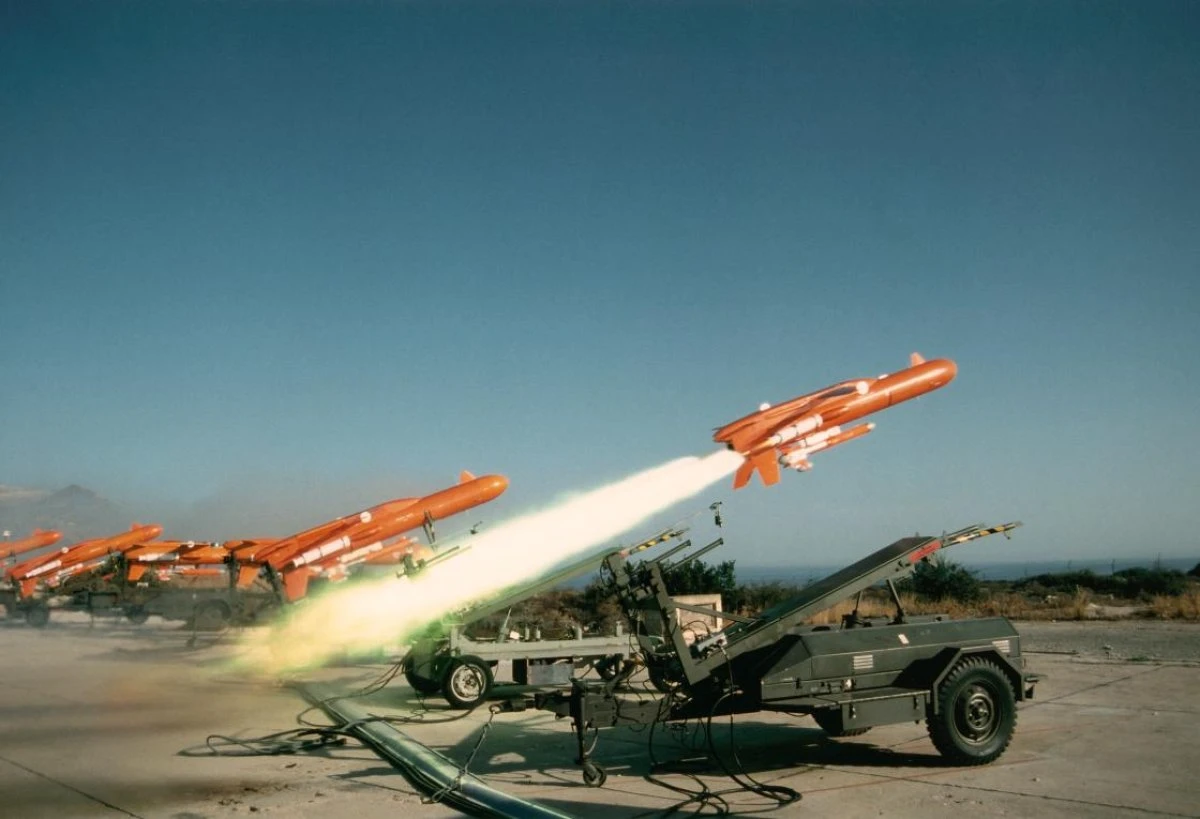
This marks a new level of war against logistics. Russia is trying not only to damage infrastructure, but to disable rolling stock in real time. Drones equipped with cameras and online control make it possible to hunt not by old map coordinates, but by live targets: a locomotive pulling cargo, standing in a depot or preparing for a route.
Such attacks have a double effect. They immediately disrupt part of the transport flow while also increasing the costs of security, repairs, backup routes, energy supply and redundancy for critical processes. Every damaged locomotive is not only metal and machinery. It is a broken schedule, a backlog of cargo and an additional risk for exports.
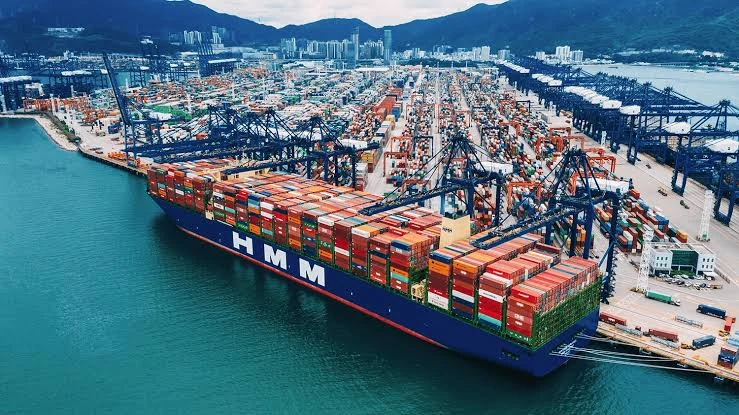
Routes to the ports of Odesa remain especially important. Since the restoration of the maritime export corridor, the railway has been the key link between the industrial east, Kryvyi Rih, Zaporizhzhia, agricultural regions and the Black Sea. A strike on this chain hits not only the company, but the country’s foreign-currency earnings.
For Russia, this is a rational target. If Ukrainian exports cannot be fully blocked at sea, the delivery of cargo to ports can be made harder. If metallurgy or agriculture cannot be stopped with one strike, their logistics costs can be increased. If the economy cannot be broken instantly, it can be forced to operate more expensively month after month.
That is why the tariff question cannot be separated from security. Ukrzaliznytsia is taking part in projects to strengthen private and state air defense for critical infrastructure. The details are not disclosed, but the need is obvious: in a drone war, the railway must protect not only stations, but traction, energy supply, repair capacity and routes.
This changes the economic nature of transport. The cost of moving a tonne of grain or steel now includes more than fuel, electricity, wages and depreciation. It also includes air defense, shelters for equipment, backup substations, post-strike repairs, risk insurance and the human endurance of those who send trains back onto the line after night attacks.
Ukraine has reached an unpopular truth: war makes cheap logistics impossible. The state can restrain tariffs for a time, business can demand compromise, and the government can look for gradual indexation. But if critical infrastructure lives under attack, someone will still pay for its survival.
The only question is how to distribute that burden. If it is left entirely on Ukrzaliznytsia, the company will lose financial stability and creditworthiness. If it is shifted sharply and without compensation onto business, exports will suffer. If the decision is delayed, the problem will become more expensive and debt talks more difficult.
That is why the proposed 45% compromise looks less like a final answer than an attempt to buy time. It will not close the whole deficit, remove the need for restructuring, protect locomotives from drones or ease business fears about competitiveness. But it may give the system minimal financial oxygen.
There is no comfortable side in this story. Business is genuinely exhausted. The railway is genuinely overloaded. The state is genuinely constrained in resources. Russia is genuinely targeting what holds Ukraine’s economy together. That is why simple answers — “do not raise tariffs” or “raise them without debate” — only conceal the depth of the problem.
Ukrzaliznytsia is now one of the institutions that reveal the real price of resilience. It is less visible in political speeches than air defense or the front line, but without it, defense production, exports, evacuation, humanitarian logistics and the country’s economic circulation would begin to lose rhythm.
Russia understands this, which is why it strikes rails, locomotives and substations. Ukraine must understand it as well, which is why tariffs must be discussed not as a technical increase, but as part of the wartime economy. In a long war, survival belongs not only to those who have weapons. It also belongs to those who can deliver everything necessary to the place where those weapons are needed.