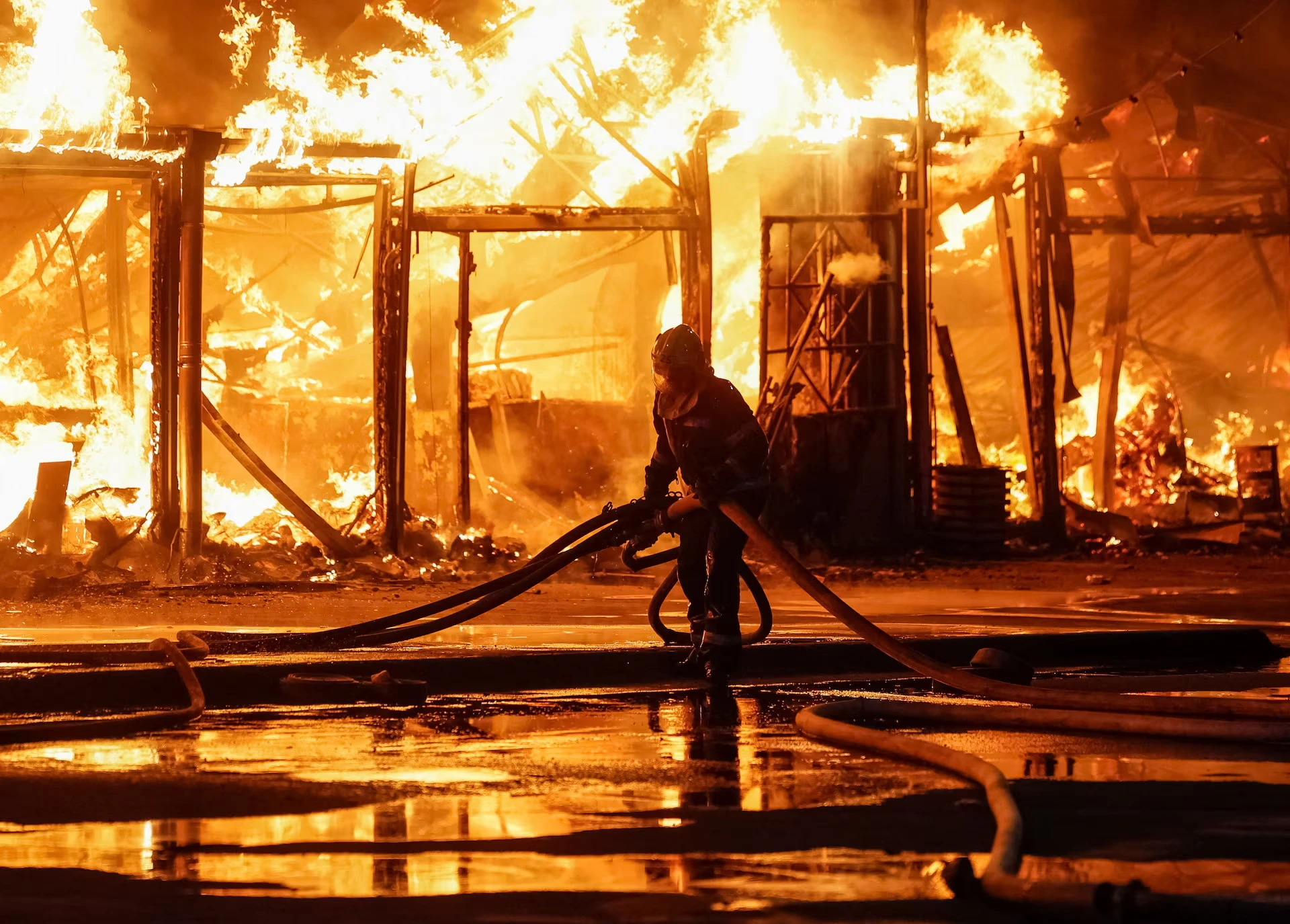

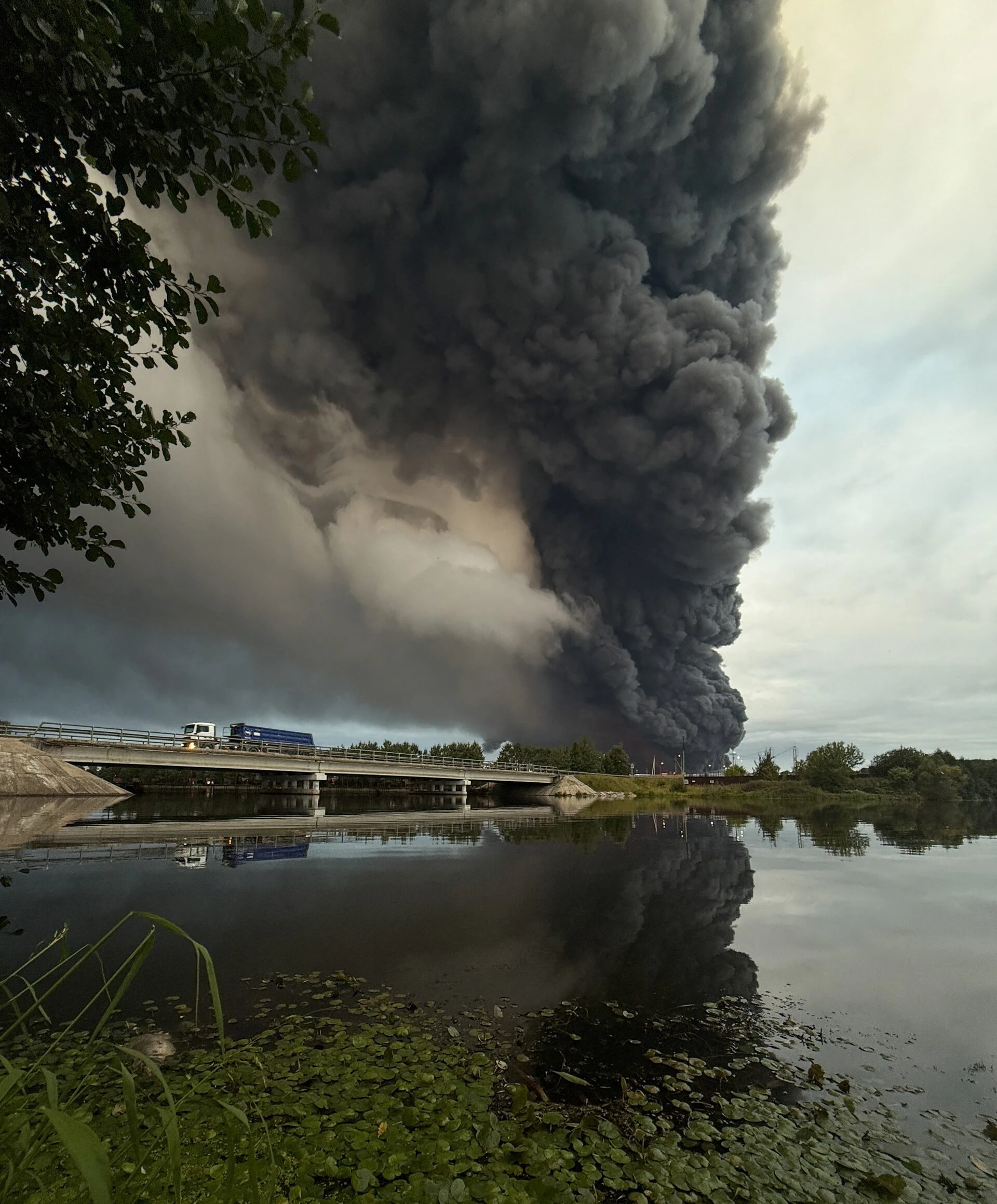


















Russian authorities moved quickly to contain the fire at the port of Ust-Luga. No deaths were reported, and officials said the consequences of the attack had been cleared by morning. Under the logic of an ordinary industrial accident, that might have ended the story. In a wartime economy, however, the significance lies not only in the damage but in the fact that one of Russia’s key Baltic export hubs was hit at all.
Ust-Luga sits far from the Ukrainian border, near St. Petersburg, and plays an important role in Russia’s oil and port logistics. Authorities reported that more than 50 drones were intercepted across the region that night. Moscow was therefore defending not a single site, but an entire industrial and transport belt in the country’s northwest.
Ukraine’s strategy is increasingly aimed not at one symbolic facility but at a system. In recent months, strikes have reached oil refineries, export terminals, warehouses and other logistics infrastructure. More than a dozen major refineries have been hit, some repeatedly, while fuel shortages have spread across parts of Russia.
As Daycom has previously assessed, this is why a quickly extinguished fire at Ust-Luga does not make the strike strategically irrelevant. The effect of such a campaign is measured not only by how many tanks burn, but by how many air-defense systems, personnel, reserves and rubles Russia must permanently allocate to every potential target.
That is the fundamental problem for Russian defense.
The country is enormous, while its critical infrastructure is scattered across thousands of kilometers. Refineries, oil depots, ports, power plants, industrial facilities, warehouses and railway junctions cannot all be defended with equal density at the same time.
Every new axis of drone attack forces Moscow to redistribute a finite air-defense resource.
A system deployed near Ust-Luga cannot simultaneously protect a refinery in southern Russia. A radar moved toward St. Petersburg is not covering another industrial zone. A mobile unit guarding a port cannot defend a warehouse hundreds of kilometers away.
This creates an economy of stretched defense.
Ukraine does not necessarily have to destroy every target. It can impose costs simply by creating enough potential directions of attack that protecting them all becomes a permanent burden.
Ust-Luga is particularly important within that logic.
Russia’s Baltic ports have become increasingly significant as the war reshaped trade flows and concentrated export activity through a more limited number of maritime hubs.
Any disruption therefore affects more than a single berth.
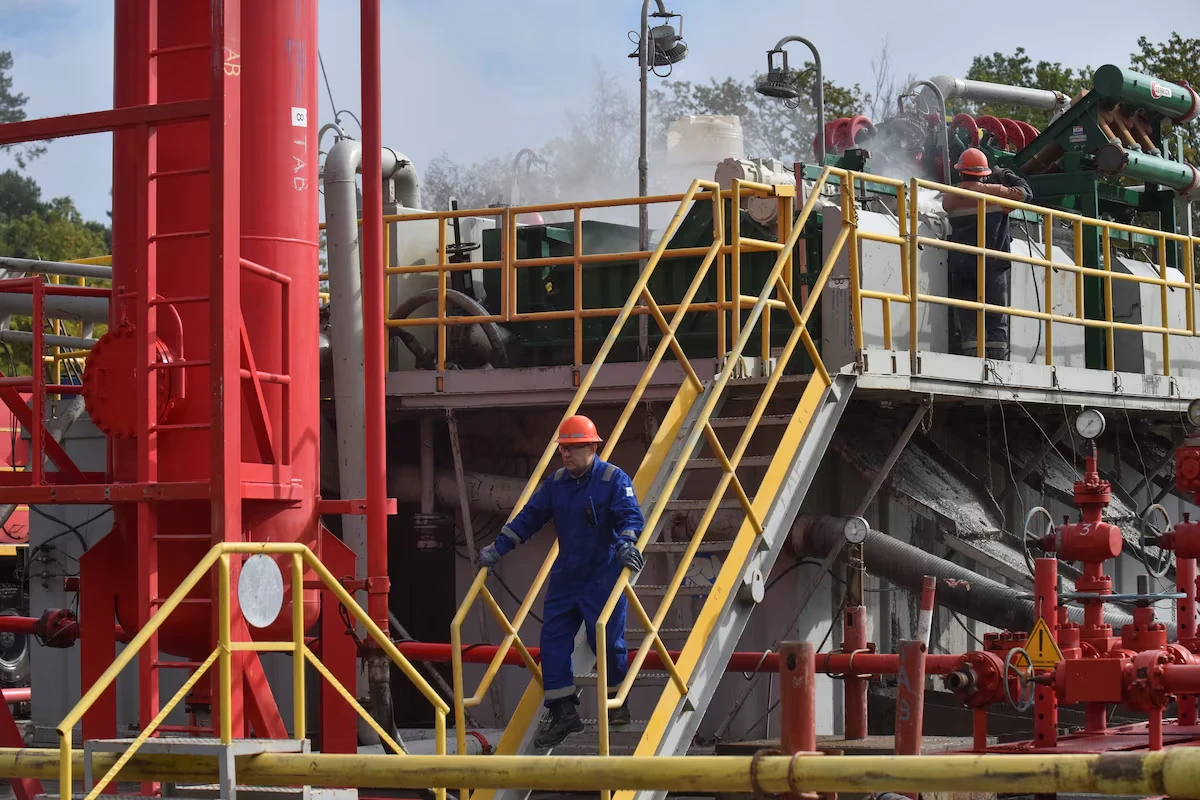
A port is a network of storage tanks, rail lines, pipelines, cargo stations, control systems, tugboats, ships, insurance contracts and loading schedules. Even a short interruption can ripple through the entire chain.
A tanker may wait longer.
A railcar may be held back.
A cargo may remain in storage.
The next shipment may be pushed out of sequence.
Each delay looks minor in isolation. Across a major port, dozens of such disruptions become real money.
That is why the official statement that “all consequences have been cleared” describes only the physical condition of the site.
It says nothing about the cost of intercepting dozens of drones, reorganizing air-defense shifts, possible operational delays, higher insurance risk or the need to strengthen protection the following night.
And the following night is the real problem.
If an attack is isolated, the port returns to normal. If strikes become recurrent, the operating model itself begins to change.
Operators have to plan for interruptions.
Security services expand the perimeter.
Businesses create backup procedures.
Authorities keep more air-defense systems nearby.
Infrastructure can therefore remain technically functional while becoming more expensive to operate.
Russia has already experienced this with its refineries.
One plant can be repaired. A damaged unit can be replaced. Production can be shifted elsewhere. Fuel can be moved by rail or shortages partly offset through imports.
But when more than a dozen major refineries come under attack, the nature of the problem changes.
The system is no longer managing one repair.
It is managing permanent instability.
The consequences appear far from the plants themselves.
Higher fuel prices raise trucking costs. Logistics firms cut long-distance routes. Deliveries from China become more expensive. The Russian economy absorbs another inflationary shock.
Now similar pressure is spreading to ports.
Novorossiysk on the Black Sea has already experienced temporary oil-loading disruptions after drone attacks. Ust-Luga shows that the same logic is reaching the opposite end of European Russia — the Baltic.
That dramatically expands the geography of risk.
If the Black Sea, Baltic ports, southern refineries and the industrial belt around Moscow all require heightened protection at the same time, Russia is no longer defending isolated areas near the war zone.
It is defending a large part of its economic map.
The Ust-Luga attack also did not happen in isolation.
In the Tver region that same night, drone debris damaged the wall of a warehouse belonging to the major online retailer Wildberries. Its facilities have been targeted more than 20 times over the past month.
A damaged warehouse by itself does not alter the course of the war.
But the repetition points to another trend: risk is spreading beyond military and energy infrastructure into civilian commercial supply chains.
For businesses, that creates an entirely new category of expenses.
Warehouses need protection. Delivery routes must be altered. Backup inventories must be built. Surveillance systems have to be purchased. Property has to be insured against a risk that barely existed a few years ago.
Eventually, every one of those costs enters the price of goods.
In that sense, drone warfare operates much more broadly than through physical destruction alone.
It changes behavior.
A company begins treating a nighttime strike as a recurring operational risk.
A port treats it as a scheduling factor.
A driver sees it as a reason to change routes.
An insurer sees it as grounds for a higher premium.
The state sees it as a reason to deploy another air-defense battery.
That behavioral shift is what makes the effect durable.
There is also a broader Baltic dimension.
On the same Friday, fighter jets shot down a drone that entered Latvian airspace. Finland temporarily restricted movement in parts of the Baltic because of the drone threat.
The origin of the specific aircraft over Latvia requires separate determination, but such incidents show how widely the consequences of a large drone campaign can spread.
The Baltic is a tightly compressed security environment.
Russian ports and military facilities sit close to NATO airspace. Drones may lose navigation, alter course under electronic warfare or travel close to international borders.
The more aircraft are in the air at once, the greater the risk of error, accidental border crossing or misidentification.
The issue therefore extends beyond Russia’s economy.
It becomes a regional security problem.
A drone is vastly cheaper than the fighter aircraft that may be scrambled to intercept it.
That asymmetry is increasingly defining the economics of modern air defense.
A relatively inexpensive attacking system can force the defender to respond with costly radars, missiles, aircraft and hours of continuous readiness.
When there are dozens of targets in a single night, the arithmetic becomes unfavorable even for a large state.
Russia is adapting.
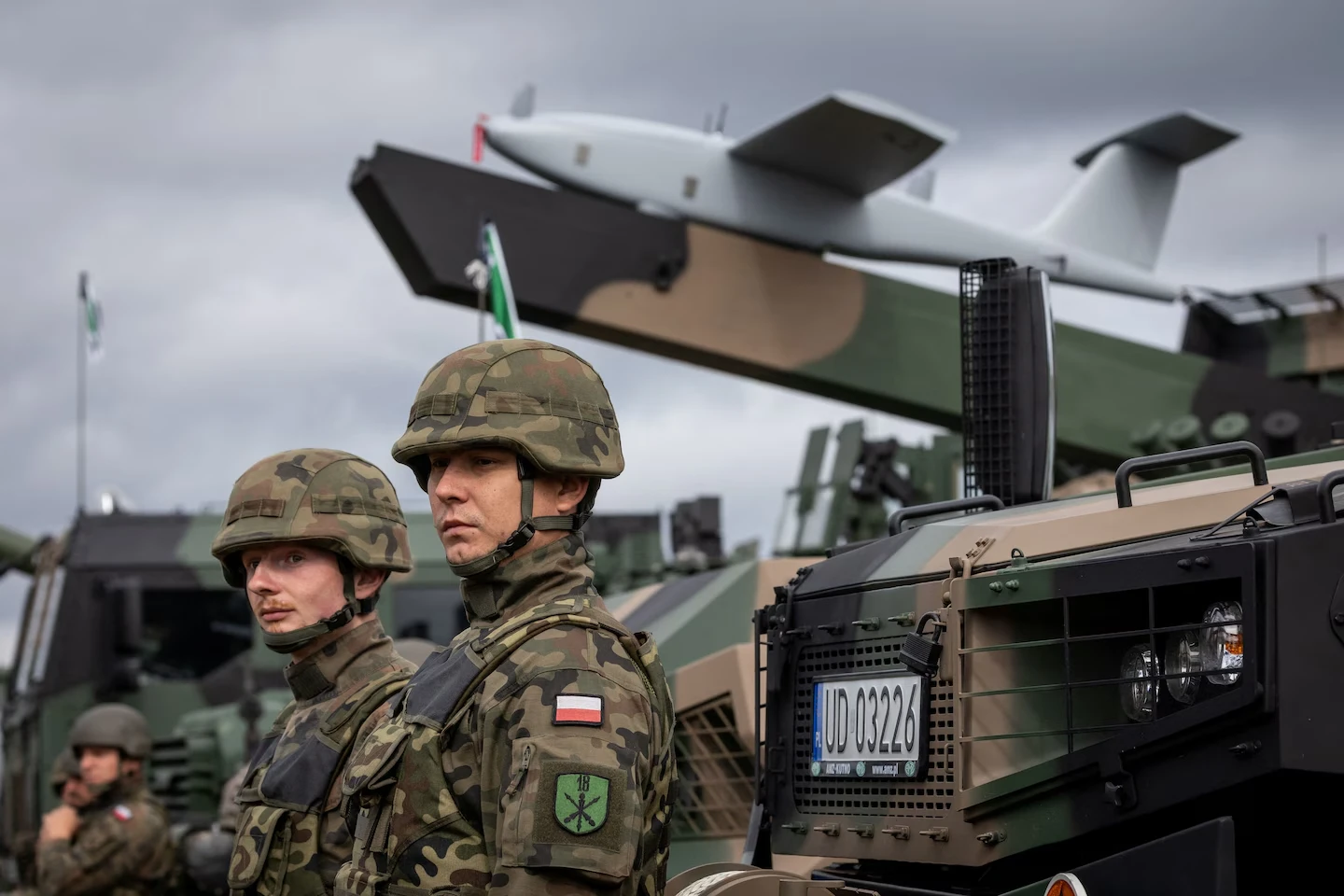
It is deploying mobile teams, electronic warfare systems, additional air-defense assets and local protection around sensitive facilities. Many drones are indeed intercepted, as illustrated by the reported destruction of more than 50 aircraft around St. Petersburg.
But a high interception count does not only demonstrate defensive effectiveness.
It also reveals the scale of the resources required to achieve it.
If protecting one region for one night means dealing with more than 50 airborne targets, the central question is no longer simply how many drones got through.
It is how many nights like that the system can sustain.
That is why the campaign against Russian infrastructure should be understood as a war of costs.
Ukraine uses long-range drones to force Russia to pay not only when something is hit.
Moscow also pays for every drone that is intercepted.
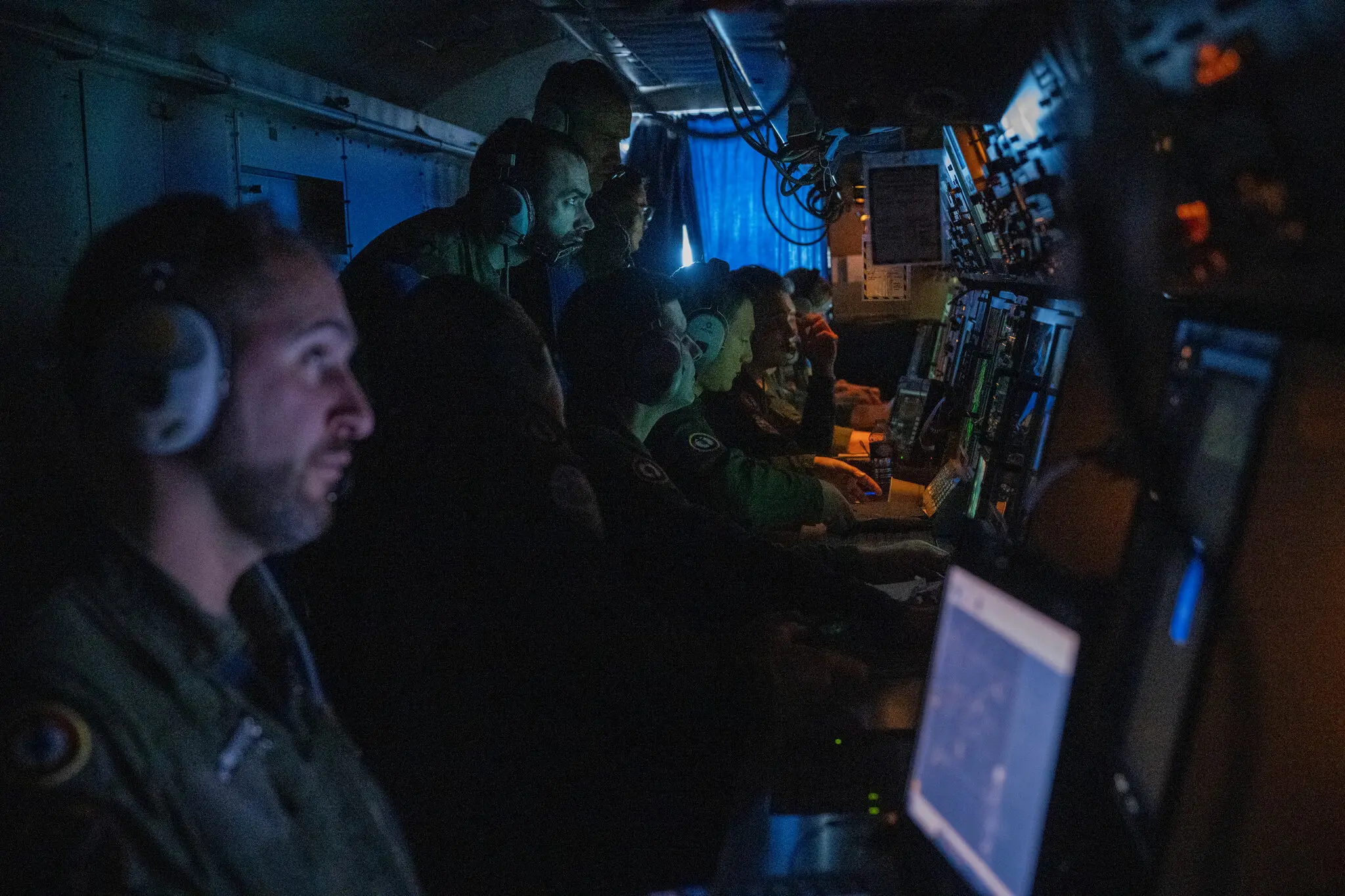
For the radar that detects it.
For the crew standing watch.
For the air-defense system moved to the port.
For repairs after falling debris.
For the operational shutdown.
For the higher insurance premium.
For the backup route.
The strategic effect lies in the sum of those costs.
Ust-Luga may be operating normally today.
The fire may have been extinguished within hours without severe damage.
But the port still has to be defended the following night as though another attack could come.
That is the real change.
Ukrainian drones do not necessarily have to reduce a Russian export port to ruins.
It may be enough to make sure that no night there can again be assumed to be completely safe.
For a state that spent years trying to keep the war away from the everyday functioning of its own economy, that may become one of the most expensive consequences of all.
Ust-Luga may have returned quickly to a normal appearance after the strike.
The Baltic itself no longer looks quite the same.
It is becoming less like a protected Russian rear area and more like another space where the war shapes shipping routes, port operations, air-defense deployment and the cost of every night that follows.