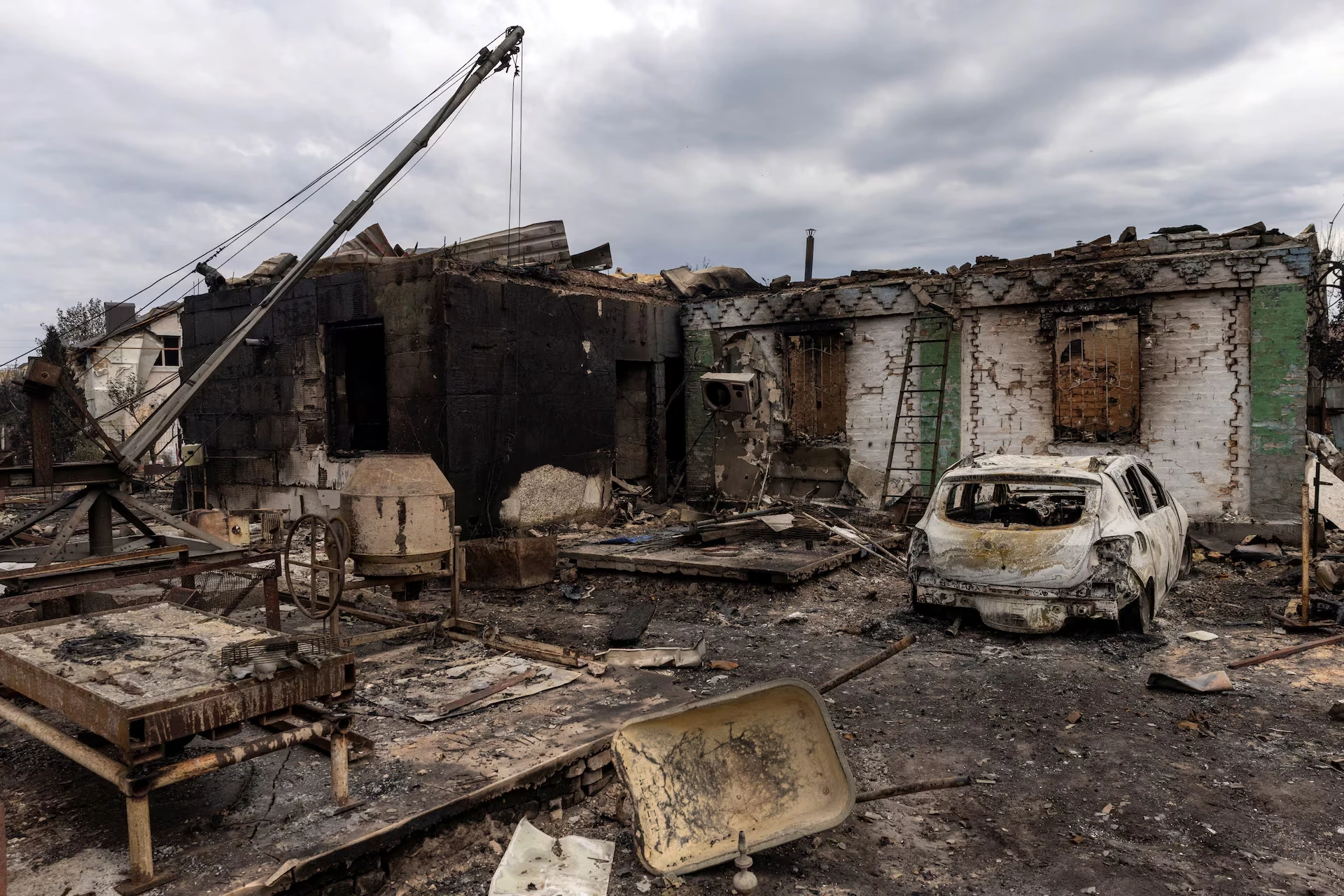






















Russia’s war against Ukraine has crossed another dark threshold. Combined losses in the two armies have surpassed two million troops killed or wounded. Behind that number stands not only the scale of the fighting, but the nature of a war that increasingly resembles the industrial exhaustion of human beings.
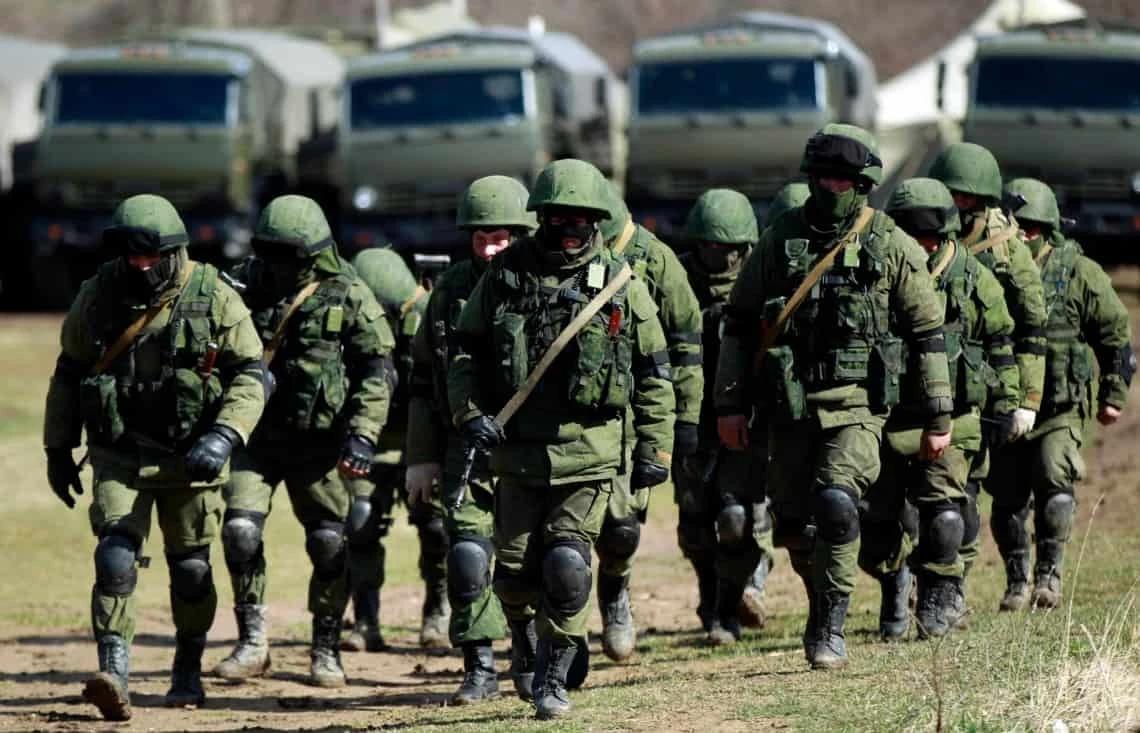
Russia has paid the heavier price. Since the start of the full-scale invasion, its losses are estimated at about 1.4 million troops killed or wounded. Around 450,000 of them may have been killed — more than the United States has lost in all wars combined since World War II.
Ukraine’s losses are estimated at 525,000 to 625,000 troops, including 125,000 to 150,000 killed. Those figures are lower than Russia’s, but their strategic weight for Kyiv is not lighter: Ukraine has a smaller army, a smaller population and a much narrower demographic base from which to replenish its ranks.
According to Daycom’s earlier analysis, the relationship between losses and manpower has become one of the central questions of this phase of the war. Russia may be losing more in absolute numbers, but Ukraine feels each loss more sharply because it is a smaller country fighting a larger mobilization machine.
That does not make Russia’s losses any less destructive. On the contrary, they show the price the Kremlin is paying for slow progress. In some sectors, Russian troops are advancing by only dozens of meters a day, consuming men, equipment and ammunition for minimal territorial change.
The spring of 2026 was especially revealing for Moscow. Russian control over Ukrainian territory shrank, and in April and May Russia lost more ground than it captured. These were its first net monthly territorial losses since August 2024 and another sign of the Russian army’s difficulties.
For the Kremlin, this is a painful contrast with the rhetoric of inevitable advance. Russia is trying to seize the rest of Donetsk region, but its strategy is running into Ukrainian defenses, long-range strikes, strained logistics and the rising cost of every kilometer.
In February, Ukraine gained more ground than it lost for the first time in a long period. A temporary pause in Russian forces’ ability to use Starlink satellite communications helped, easing drone pressure for a short time and giving Ukrainian units more freedom of movement.
Still, the front remains deeply imbalanced. Russian forces outnumber Ukrainian forces by almost three to one. More than 400,000 Russian troops may be facing roughly 250,000 Ukrainians along the line of contact. That ratio does not guarantee Moscow a breakthrough, but it creates constant pressure.
Russia has maintained the size of its army through a wide search for new manpower: mobilization, recruitment of convicts and debtors, large cash payments and coercive incentives for people trapped in criminal or social vulnerability. Human beings have become expendable material in state policy.
The North Korean factor has added another layer. In 2024 and 2025, Pyongyang sent more than 10,000 soldiers to help Russia retake western Kursk region, where Ukraine had seized territory. That showed the Kremlin is no longer relying solely on its own mobilization reserve.
At the same time, the pace of Russian losses is beginning to exceed the pace of replenishment. In 2026, Russia’s monthly casualties are estimated at 30,000 to 34,000 troops, while recruitment may be around 27,000 new soldiers a month. If that dynamic continues, Russia’s advantage will become costlier and less stable.
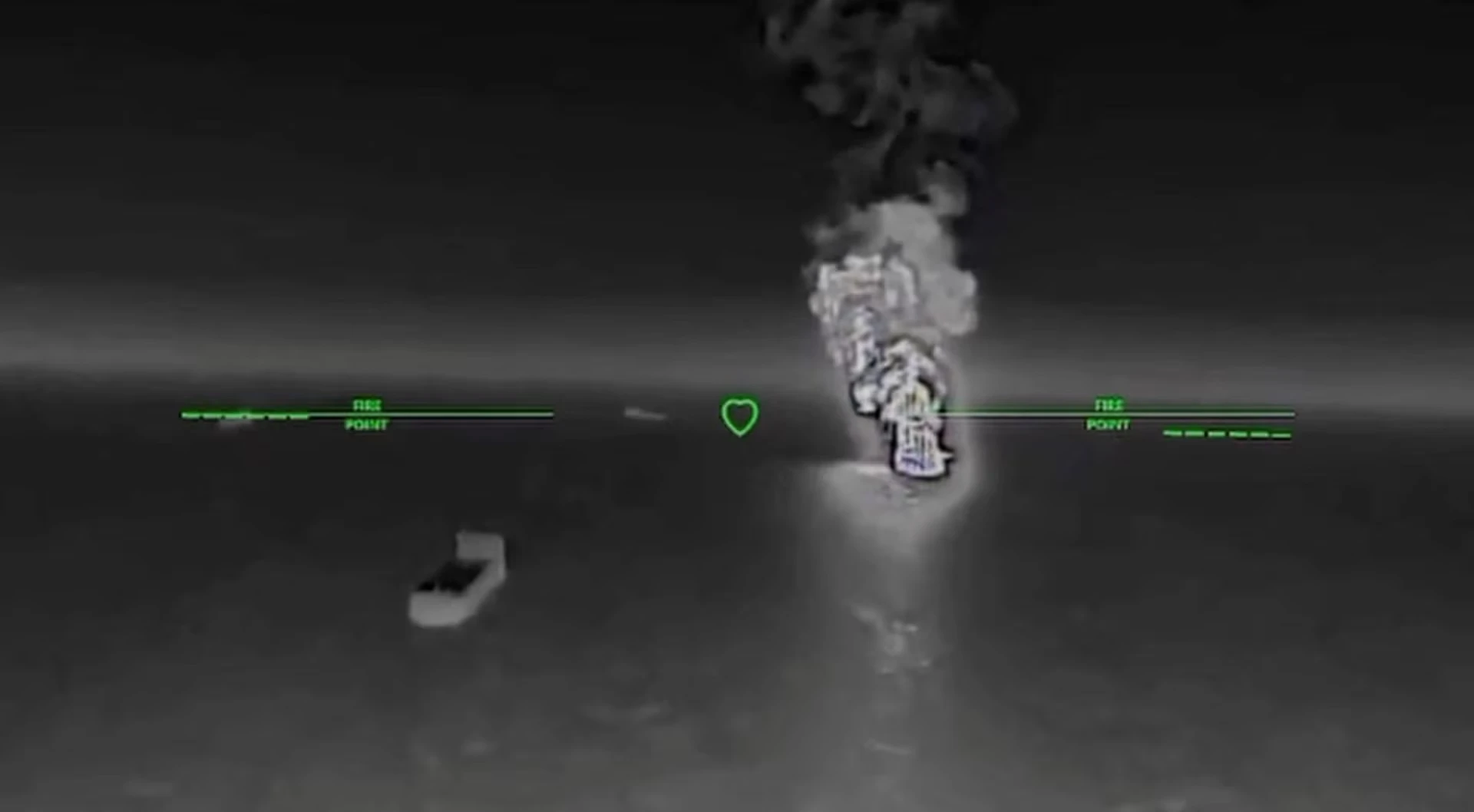
This is where Ukraine’s strategy gains an opening. Kyiv is increasingly taking the war into Russia’s rear — with drones, missiles and strikes on oil refineries, military sites, logistics, Crimea and even Moscow. For Russians, the war is no longer only a television image.
Ukraine’s largest drone strike on Moscow became a symbol of this shift. For the Kremlin, this is not just a military problem, but the erosion of the psychological distance between the front and the capital. Russian citizens are increasingly seeing that the war is returning to cities once considered protected.
Crimea carries separate weight in this picture. Strikes on the peninsula, along with power, fuel and water disruptions, undermine Russia’s image of the annexed territory as fully integrated and secure. For Putin, this is a symbolic front where vulnerability is especially unwelcome.
Despite all this, the Kremlin shows no readiness to stop. On the contrary, Putin is trying to demonstrate that losses, sanctions, rear-area strikes and economic strain will not change his intention to continue the war. That is why the figure of 1.4 million Russian casualties has not become a political limit for him.
This is the central brutality of the current stage. Russia can suffer colossal losses and continue offensive operations. Ukraine can deliver increasingly painful strikes against the enemy’s rear and still remain under pressure from a larger army.
The U.S. position has become an additional source of uncertainty for Europe. Donald Trump is distancing himself more visibly from the war, presenting American involvement less as a strategic defense of the European security order and more as a humanitarian and commercial episode.
That creates a new reality for European capitals. If Washington no longer wants to play its former role as guarantor, Europe will have to increase its own support for Ukraine faster, expand weapons production, finance defense and recognize that Kyiv’s defeat would not remain only a Ukrainian problem.
Supporters of Ukraine in American politics continue to insist that stopping Russia in Ukraine matters beyond Kyiv itself. If Putin emerges from this war with a sense of victory, other eastern NATO countries may become the next targets of pressure.
The casualty study therefore matters not only as statistics. It shows that Russia is entering one of the darkest periods of the war since the invasion: the economy is sputtering, prices are rising, coffins are returning from the front, and drones are increasingly reaching Russian cities.
But darkness for Russia does not automatically mean light for Ukraine. Kyiv is also paying an enormous human price, and its resilience depends on whether allies can sustain the front faster than Moscow replenishes its battalions.
Two million casualties are not merely a military figure. They are an indictment of a policy that turned the Kremlin’s territorial obsession into Europe’s largest human meat grinder in a generation. Until Russia faces pressure strong enough to make continuing the war impossible, that number will only keep rising.