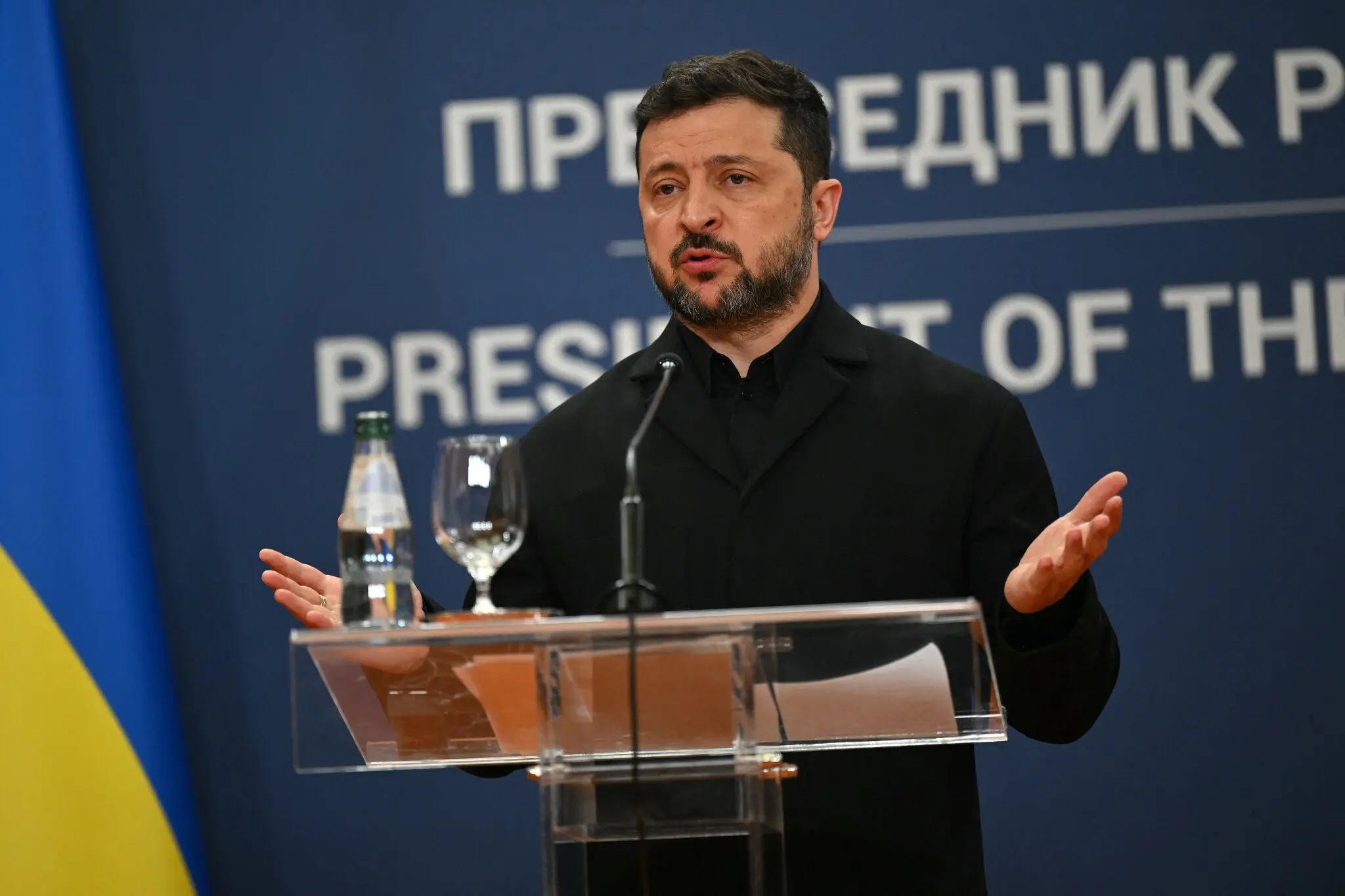




















Ukrainian President Volodymyr Zelensky has spoken with U.S. presidential envoys Steve Witkoff and Jared Kushner about reviving diplomacy and moving closer to an agreement that could end a war now in its fifth year.
The conversation came after a period in which Washington’s attention shifted heavily toward the conflict involving Iran, slowing U.S.-led efforts on Ukraine. The renewed contact suggests that Kyiv is trying to restore the war to the center of the White House’s foreign-policy agenda before diplomatic momentum is lost entirely.
Zelensky described the exchange as important and said Ukraine remained ready for peace, but only for a settlement that preserved sovereignty, security and political agency. In Kyiv’s language, “peace with dignity” means more than an end to active fighting; it means guarantees strong enough to prevent a ceasefire from becoming a pause before another Russian offensive.
As Daycom noted in an earlier analysis, diplomacy around Ukraine is increasingly inseparable from military balance. Kyiv’s negotiating power depends less on declarations of goodwill than on its ability to protect cities, hold the front and preserve allied support while Washington’s strategic priorities shift.
The call also included senior Ukrainian officials, among them presidential chief of staff Kyrylo Budanov and lead negotiator Rustem Umerov. Their participation indicates that the discussion went beyond ceremony and formed part of broader coordination between Ukraine’s political, military and diplomatic leadership.
Zelensky said the diplomatic track remained active every day, but framed the central question in blunt terms: whether Russia is genuinely prepared to end the war. For Kyiv, there is a fundamental difference between negotiations designed to stop aggression and negotiations used by Moscow to gain time, rebuild capacity and return to the battlefield under more favorable conditions.
At the same time, Ukraine is intensifying pressure on Washington over air defense. During a meeting in Kyiv with U.S. Ambassador to NATO Matthew Whitaker, Zelensky raised the issue of production licenses for Patriot interceptor missiles, faster deliveries and deeper integration between Ukrainian manufacturers and the American defense industry.
Patriot remains one of the most valuable elements of Ukraine’s air-defense architecture. Its importance lies particularly in its ability to intercept ballistic missiles, a category of threat against which many other systems offer limited protection. Yet the effectiveness of every Patriot battery ultimately depends on a steady supply of interceptors.
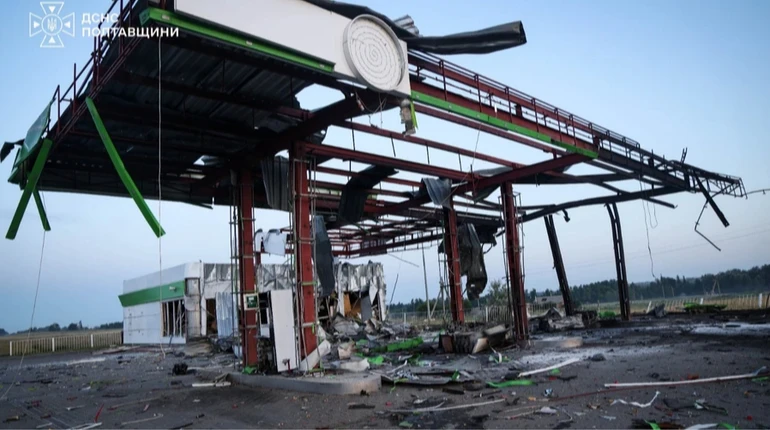
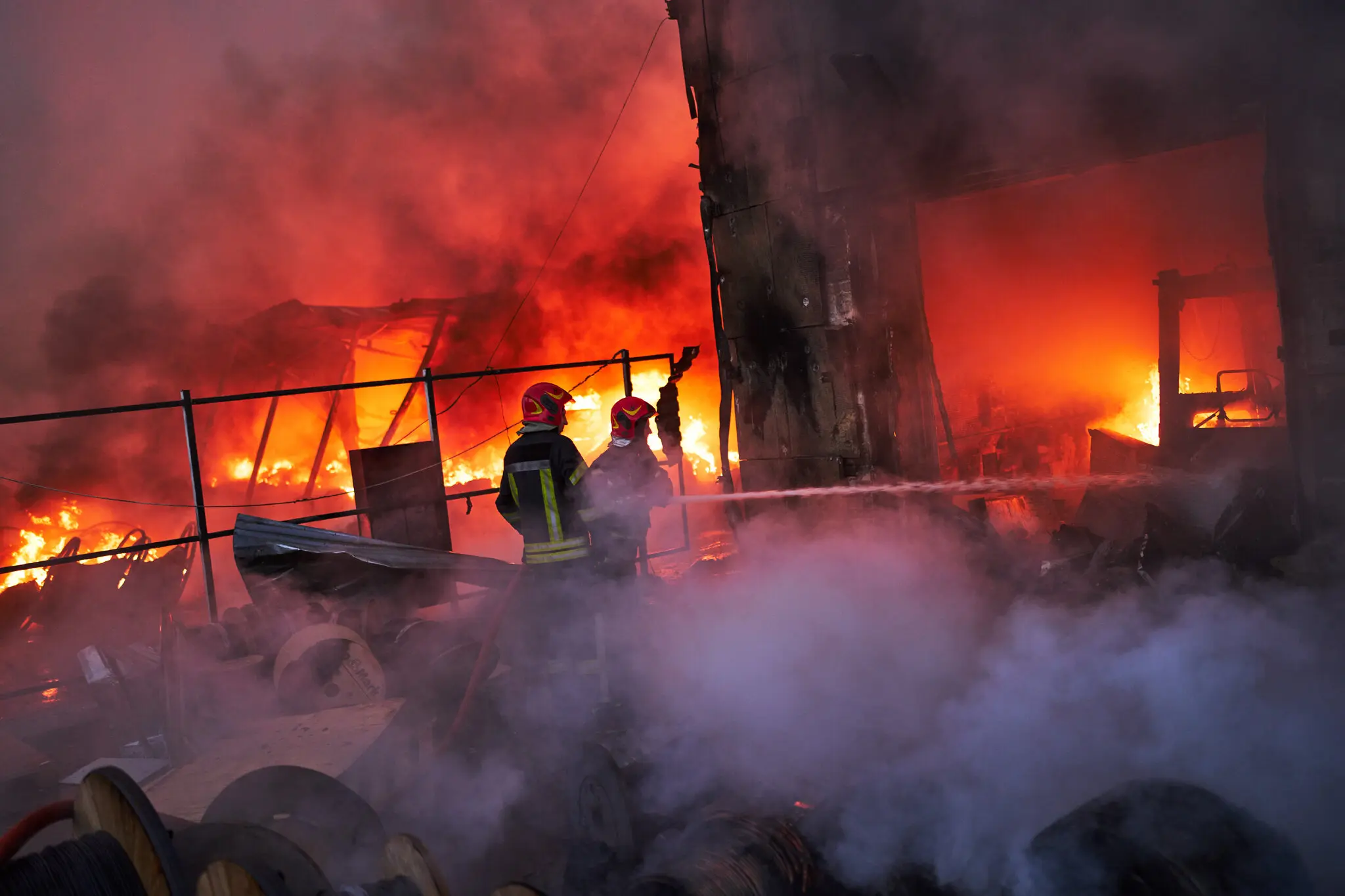
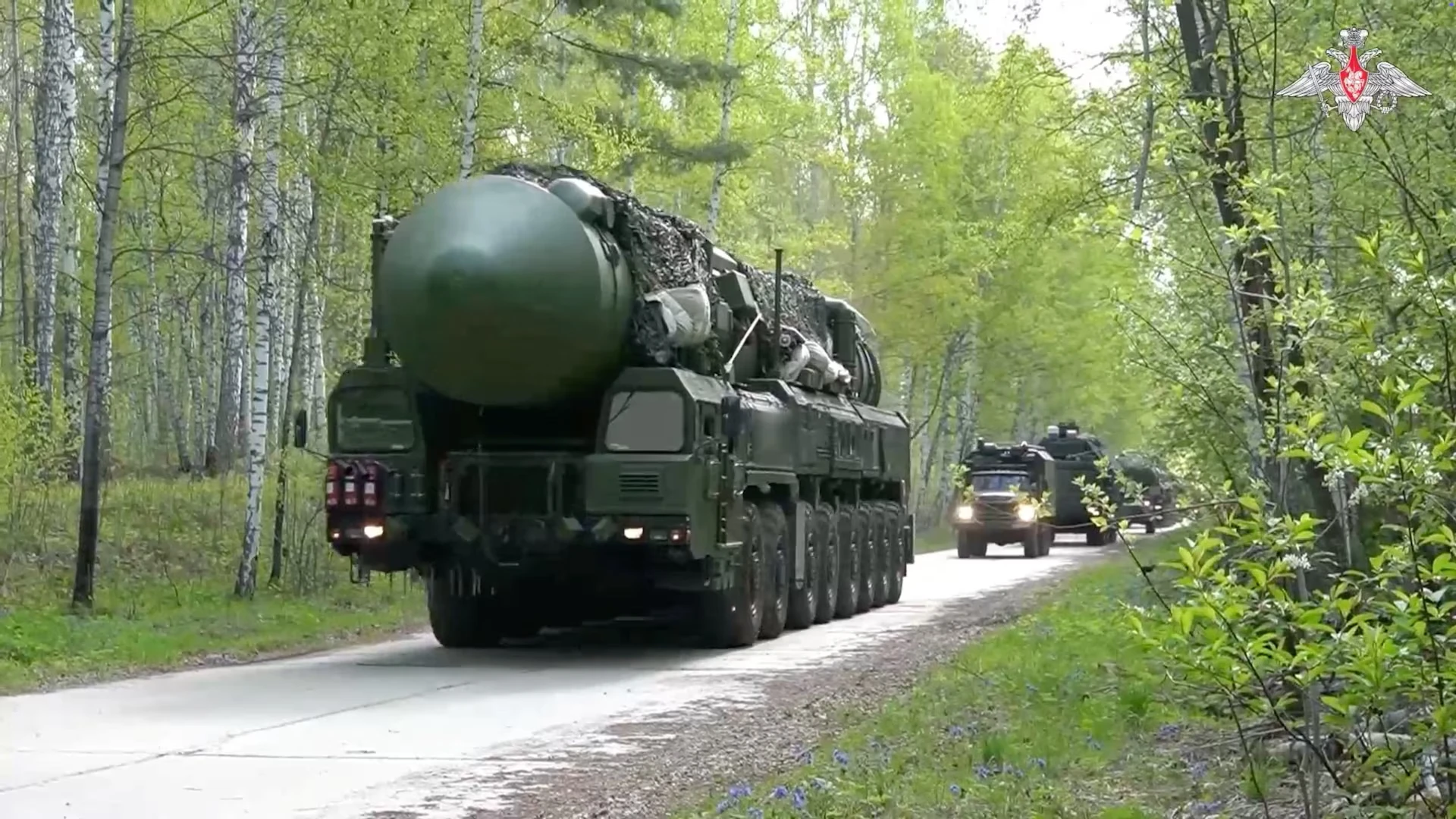
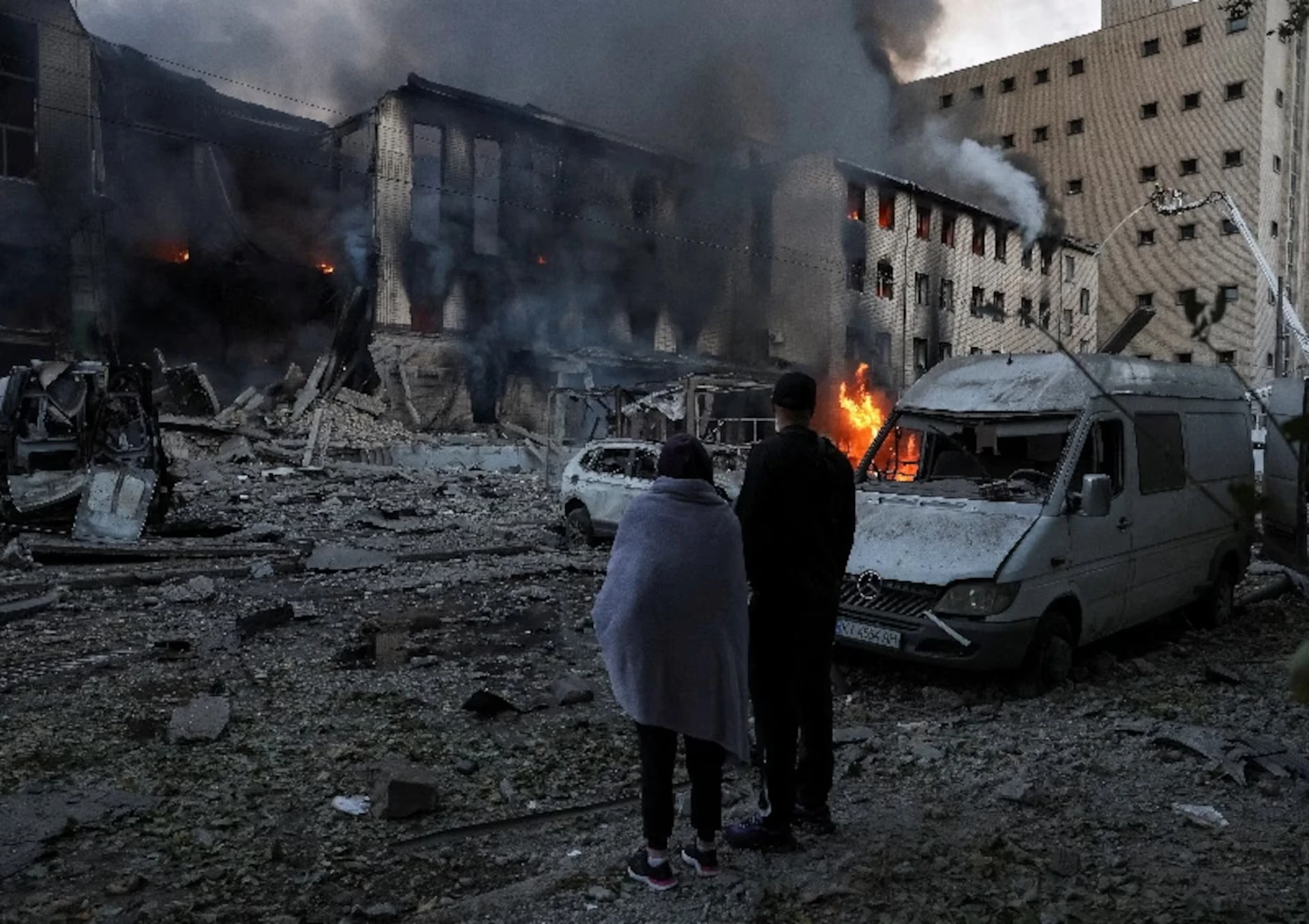
Recent months have been especially punishing for Ukraine as Russia has continued large-scale combined attacks involving drones, cruise missiles and ballistic weapons. The logic of these strikes is cumulative: inexpensive drones force defenders to expend resources, while more advanced missiles test weakened layers of protection.
That is why Zelensky is asking not merely for additional shipments, but for a faster transition toward licensed production. Kyiv wants to reduce its dependence on irregular deliveries, shifting political priorities and the limited stockpiles of its allies.
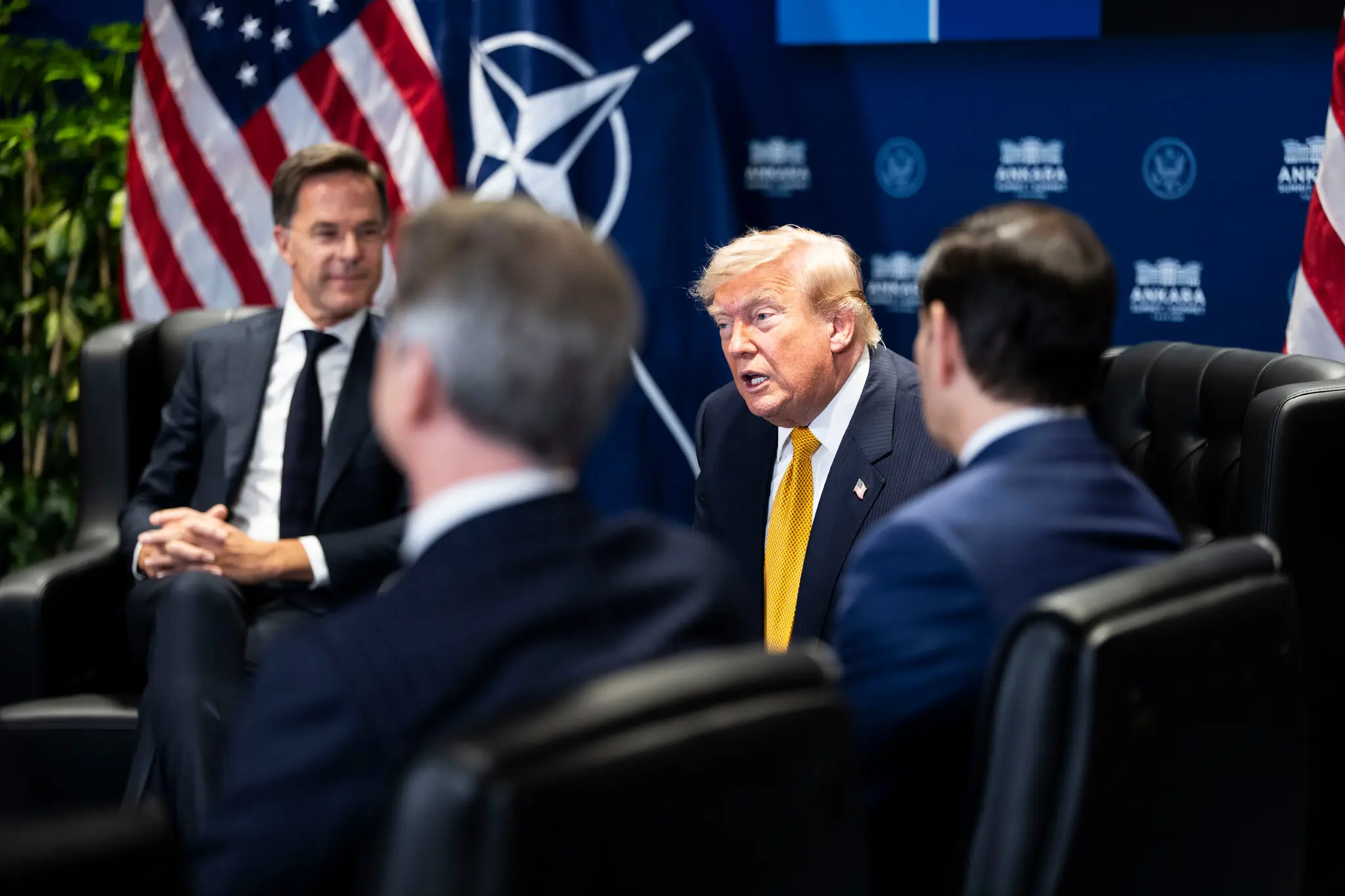
During the NATO summit in Turkey, Trump agreed in principle to grant Ukraine a license to manufacture Patriot interceptors. If implemented, the decision could become one of the most consequential defense-technology agreements of the war, replacing episodic assistance with long-term industrial cooperation.
But a license alone will not solve the problem. Production would require access to components, guidance technology, certification procedures, financing and integration into U.S.-controlled supply chains. The distance between a political commitment and the first operational missile may still be considerable.
Until then, Ukraine will remain dependent on the speed of outside deliveries. Russia can continually alter the composition of its strikes, increase drone volumes and combine several missile types in a single attack. Any shortage of interceptors leaves energy infrastructure, industrial facilities and civilian areas more exposed.
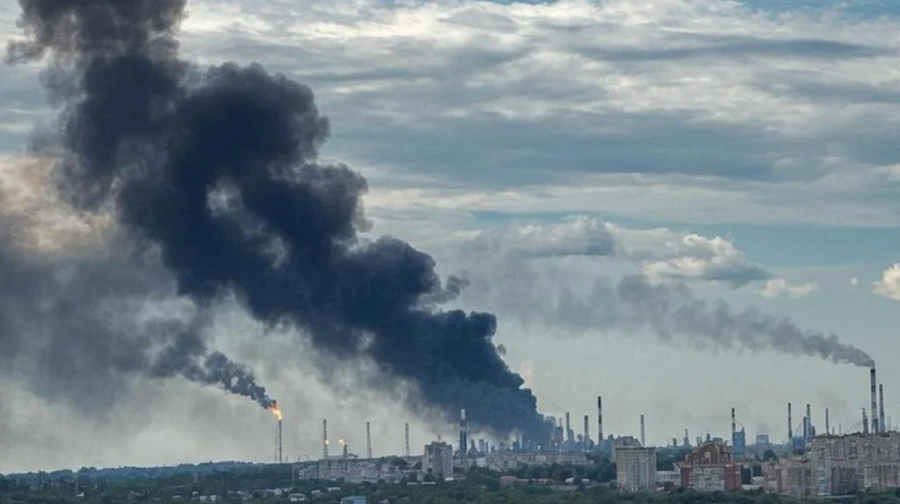
Ukraine, meanwhile, has expanded medium- and long-range drone operations against Russian energy and military targets. These attacks increase the cost of the war for Moscow, but they do not substitute for the defense of Ukrainian cities. Offensive operations create pressure; air defense preserves the state’s ability to function.
The renewed contact with Trump’s envoys shows that Ukraine is returning to the active diplomatic agenda in Washington. Kyiv’s challenge is to ensure that renewed negotiations do not become a pretext for reducing military assistance or rushing toward a settlement without credible security mechanisms.
For Ukraine, diplomacy and weapons are not competing strategies. They are parts of the same one. Negotiations carry weight only when the country can withstand pressure and deny Russia the expectation that exhaustion will eventually deliver victory.
The central issue in the current dialogue with the United States is therefore not whether Kyiv must choose between peace and military support. It is whether sufficient military support can make any future peace durable.