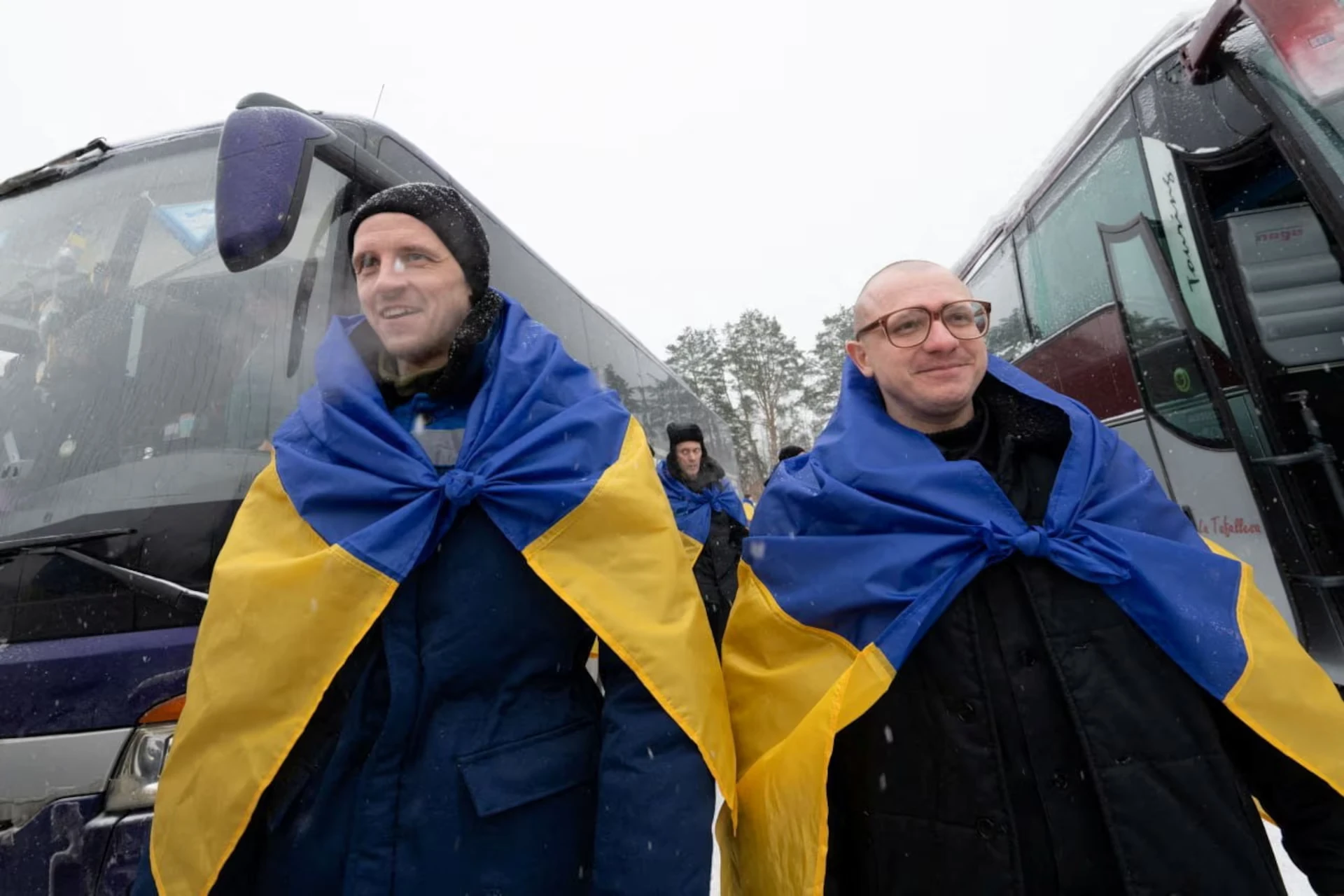























On June 5, Ukraine and Russia carried out a new prisoner exchange in the 185-for-185 format. For Kyiv, the day meant the return of 185 Ukrainian service members and one civilian who had been held by Russia since 2022.
This was one of those exchanges whose meaning goes beyond arithmetic. Most of the Ukrainians released had spent years in Russian captivity, taken during the first phase of the full-scale invasion, when front lines were collapsing, cities were under siege, and many names disappeared into closed lists.
Among those brought home were members of the Armed Forces of Ukraine, the National Guard and the State Border Guard Service. They had fought on the Donetsk, Luhansk, Kharkiv, Kherson, Zaporizhzhia, Sumy and Kyiv fronts, and some had taken part in the defense of Mariupol.
According to Daycom’s earlier analysis, the central meaning of this exchange lies not in diplomacy, but in the return of people whom the war had turned into names in files. Prisoner swaps remain one of the few processes in which both sides are forced to deal with individual human lives rather than abstractions.
One detail gives this exchange particular weight: among those released was a participant in the helicopter mission to Azovstal. For Ukraine, that operation is not merely a military episode. It is part of the memory of Mariupol, where resistance became a measure of the price paid for the country’s survival.
The age range of those released is also telling. The youngest returnee is 26, the oldest 62. Between those numbers lies much of the social geography of the war: young soldiers whose adult lives began under invasion, and older defenders for whom captivity became a test of physical endurance.
The return of a civilian alongside military personnel points to another, less visible line of the war. Russia’s system of detention does not concern prisoners of war alone. Civilians often lack the same clear exchange status, making their release slower, more fragile and politically harder to secure.

The June 5 exchange formed part of a broader arrangement to return 1,000 prisoners from each side, linked to a brief ceasefire in May. That mechanism did not alter the nature of the war, but it created a narrow humanitarian corridor that continues to function even without a political settlement.
In that sense, prisoner exchanges serve two purposes at once. On one level, they are practical operations involving lists, identification, routes, medical checks and secure handovers. On another, they test whether a minimal space for negotiation still exists when public diplomacy has almost stopped moving.
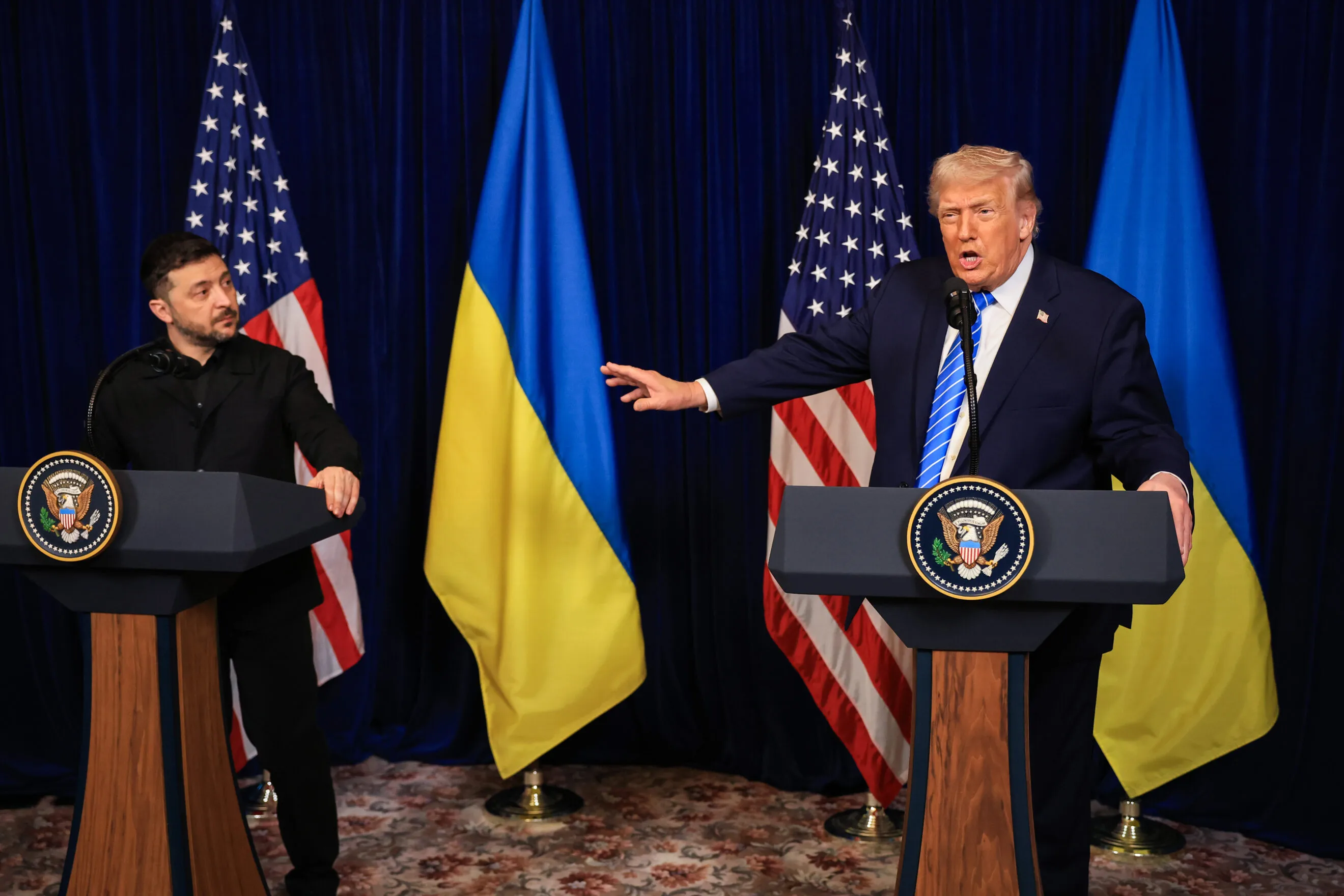
The involvement of the United States and the United Arab Emirates shows that even humanitarian agreements in this war require outside architecture. Ukraine receives a channel to bring its citizens home. Moscow secures the return of its own personnel. Mediators obtain one of the few tangible results in a conflict where larger political deals quickly run into incompatible demands.
After release, those who return face medical examinations, treatment, document recovery, payments and rehabilitation. None of this is procedural routine. Long captivity damages health, memory, trust and the ability to return to ordinary life. Coming home begins another, quieter stage of survival.
For the families of those released, the exchange ends one form of waiting. For thousands of others, it renews hope. Each freed prisoner brings back not only a personal story, but fragments of information about those still held. Sometimes such testimony is the first sign that a missing person is alive.
That is why the 185-for-185 exchange cannot be measured only by the number of people returned. It shows that Ukraine continues to pull soldiers and civilians out of captivity even when the front offers little reason for easy optimism. In a war of attrition, bringing people home becomes part of the state’s resilience.
The exchange did not bring peace closer by itself. But it returned 186 Ukrainians home — and reminded the country that behind every formula, every list and every closed negotiating channel lies the simplest goal: to get a person out of captivity before time and the system break their life beyond repair.