
















Ukraine and Russia have carried out a prisoner exchange in the format of 205 for 205. In a war where diplomatic initiatives quickly fall silent under drone and missile strikes, this is one of the few results that can be seen not in statements, but in the faces of people returning home.
Most of the freed Ukrainians had been in Russian captivity since 2022. Some had taken part in the defense of Mariupol, one of the hardest and most symbolic battles of the first year of the full-scale war. They have now returned to a country that has changed during their absence, but has not stopped waiting.
President Volodymyr Zelensky described the exchange as the first step in a broader arrangement that is supposed to bring home 1,000 prisoners of war from each side. That number matters not only because of its scale. It shows how many human lives remain hostage to war, negotiation and political will.
For Daycom, this exchange is not merely a humanitarian event. It reveals the paradox of the current phase of the war: even when peace talks are effectively stuck, the sides can still agree on what carries the highest human value — the return of the living and the bodies of the dead.
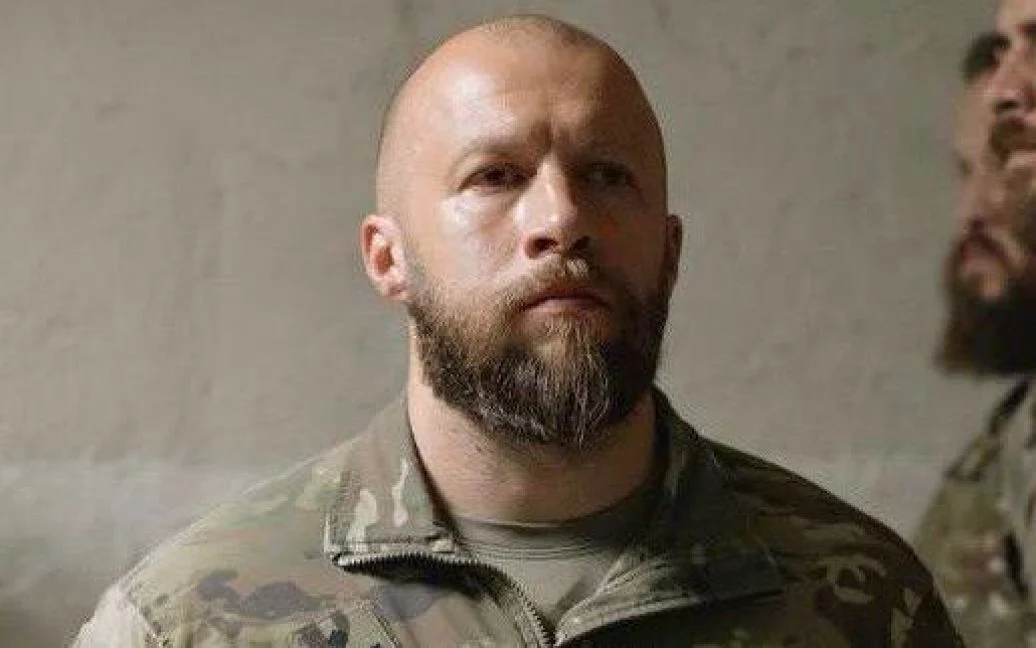
The images of released Ukrainian servicemen — flags over their shoulders, smiles, exhaustion, an apple in hand after years of captivity — say more than diplomatic formulas. Captivity compresses time and life into waiting. A person returns not simply from another place, but from an experience that cannot quickly be translated into peacetime language.
One of the freed servicemen said the most important thing: some of his comrades are still there, waiting and hoping that their country will get them out. There was no ceremonial rhetoric in those words. There was the basic ethic of a state at war: bringing one person home does not end the obligation to the others.
Ukrainian military intelligence said the released men included soldiers, sergeants and several dozen officers. That matters for the army not only morally, but practically. Those who have endured captivity carry testimony about detention conditions, transfer routes, systems of pressure and the behavior of Russian structures.
At the same time, the two sides exchanged the bodies of those killed in combat. Russia handed over 526 bodies to Ukraine, while Ukraine returned 41. These numbers carry a different weight from lists of the living. They mean the end of a search for families, the possibility of burial, legal recognition of death and the last form of return home.
Exchanges of bodies are the hardest part of wartime humanitarian work. They bring no joy, but they give families the right to truth. In a war where the missing have become a separate trauma for society, even such terrible certainty matters.
The United Arab Emirates mediated the process. Its role shows that channels between Kyiv and Moscow exist not only through major powers speaking about peace plans, but also through states able to technically manage the most sensitive agreements.
The exchange was linked to a brief three-day ceasefire earlier this month. It was meant to be part of a broader attempt to move negotiations forward, but quickly lost political force. Both sides accused each other of violations, and after the pause ended, the fighting returned with renewed intensity.
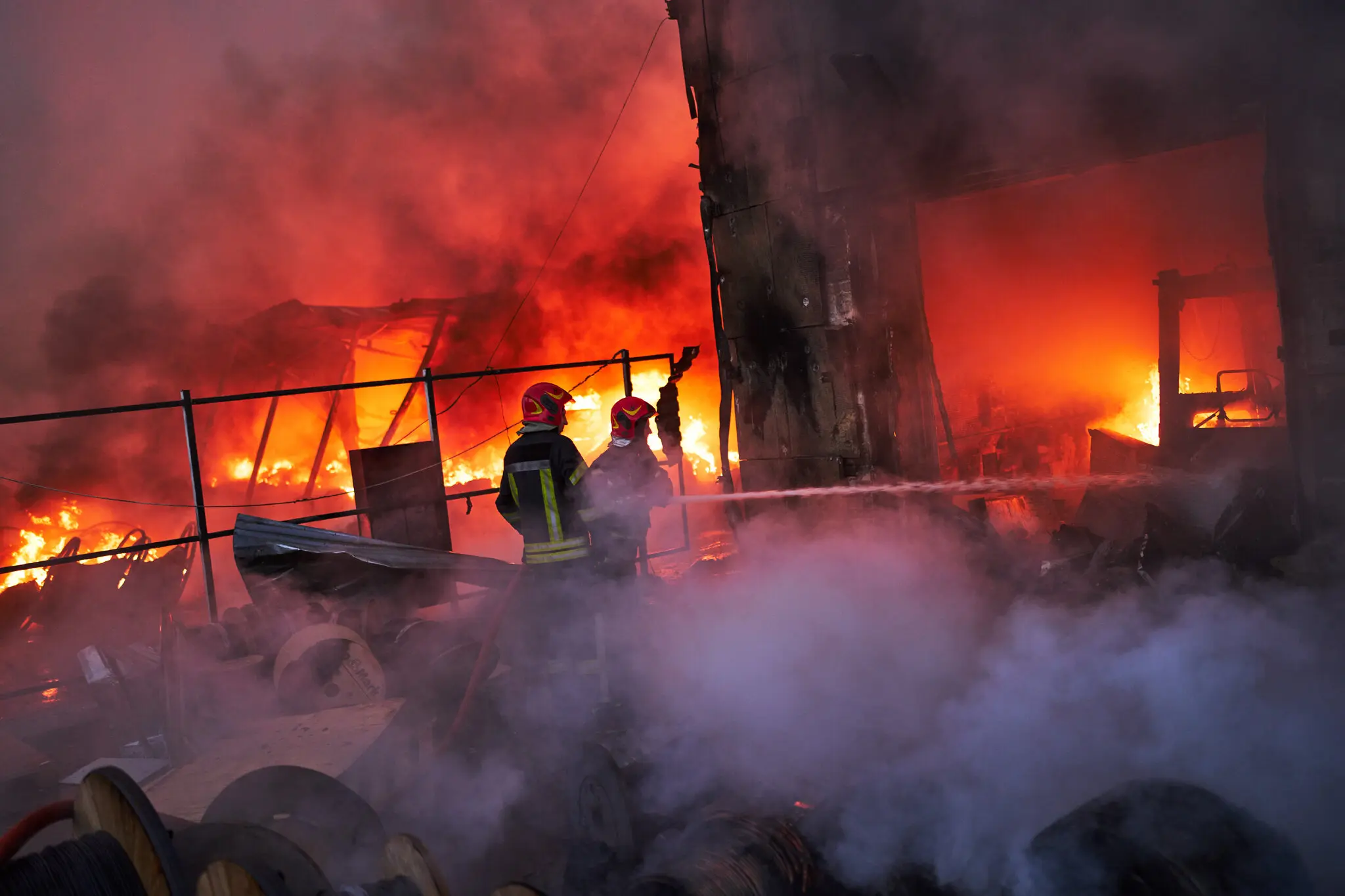
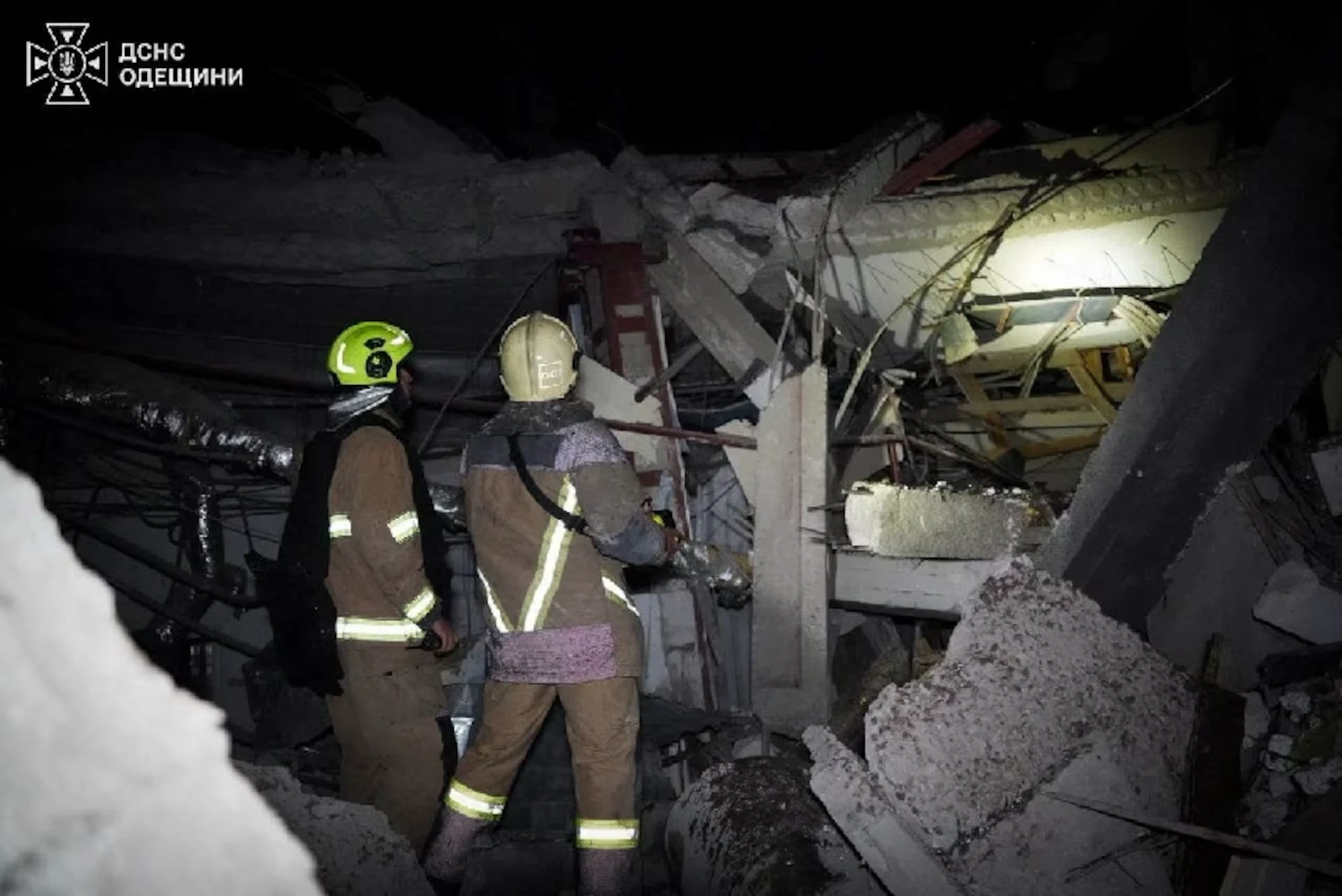
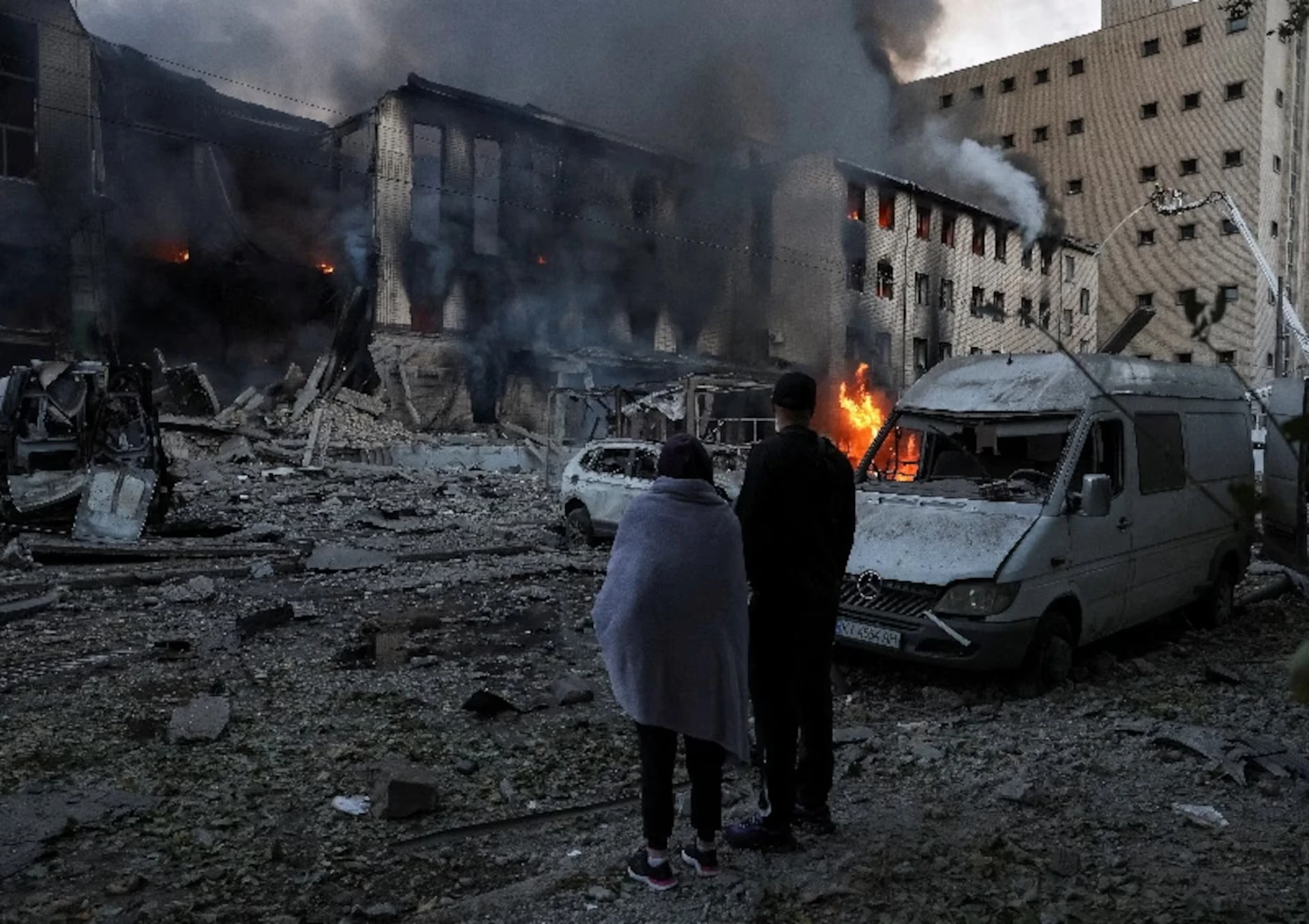
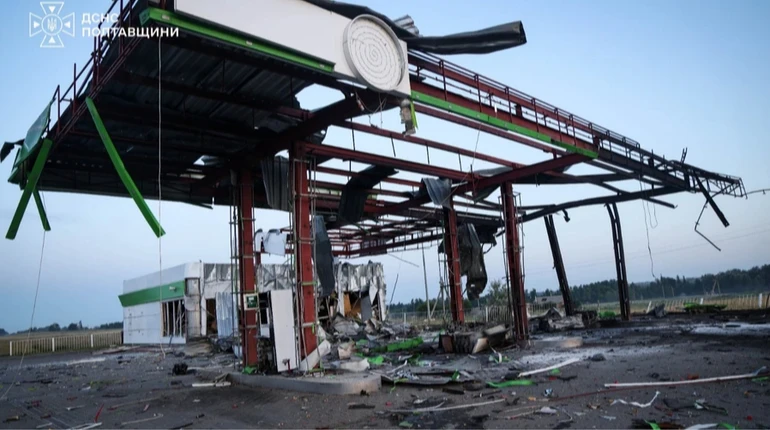
The darkest sign came soon after the ceasefire expired, when Russia launched one of its heaviest aerial attacks on Ukraine since the beginning of the war. More than 1,500 drones and dozens of missiles over several days killed people in Kyiv and other cities, destroyed homes and again cast doubt on talk of a rapid end to the war.
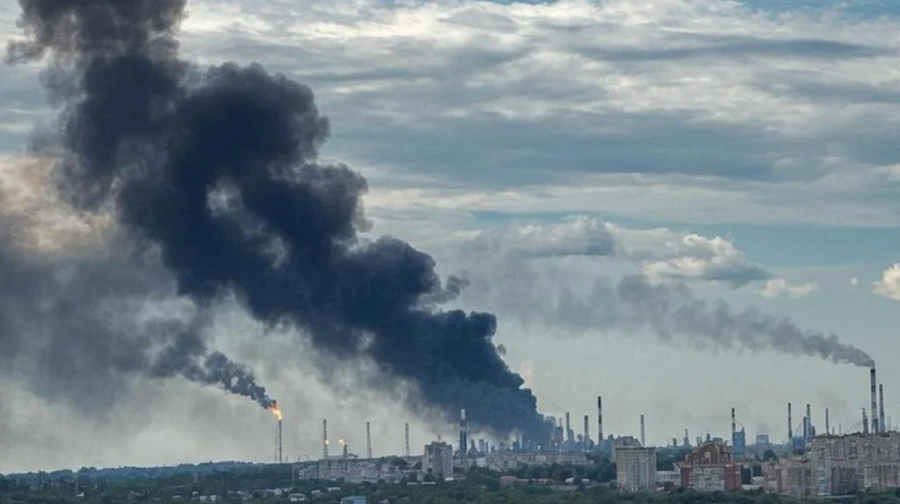
Ukraine, for its part, continues to strike targets inside Russia, especially oil infrastructure, depots, pipelines and facilities tied to the war economy. This is part of the logic of pressure on the aggressor’s resource base, but it also means that the war is moving deeper into the rear areas of both countries.
Against that background, the prisoner exchange looks almost like an exception to the general movement toward escalation. It does not cancel the strikes, automatically open a path to peace or prove that the sides are close to a political settlement. But it confirms that even in the harshest phase of the war, narrow corridors of humanitarian agreement still exist.
The problem is that such corridors are fragile. Every mass strike, every attack on an apartment block, every new list of the dead narrows the space for trust. If prisoner exchanges remain the only visible result of the negotiating process, they will become not a bridge to peace, but small islands of humanity in the middle of a war of attrition.
For Ukraine, the return of prisoners also has a domestic dimension. Society has lived for years with photographs of the missing, appeals from families, rallies in public squares and the painful question of whether the state is doing enough. Every exchange answers that question partly, but never finally.
For Russia, the return of its servicemen also carries propaganda value, but it is increasingly difficult to separate from the reality of losses. The longer the war continues, the longer the lists of prisoners, dead and missing become. Exchanges bring people back, but they also remind both societies of the scale of the price.
The central question now is whether the 205-for-205 format will become the beginning of the larger agreement or remain a separate episode against the backdrop of stalled peace efforts. The promise of 1,000 from each side creates expectation. Failure to meet that expectation would be another blow to families that have lived for years between hope and fear.
The return of prisoners of war does not end the war, but it restores its human dimension, easily lost behind maps, front-line reports and strike statistics. Two hundred and five Ukrainians are home. But the real meaning of this day lies in those still waiting — and in whether the state can turn a single exchange into the systematic return of its people.