

















The ceasefire between Israel and Lebanon lasted longer on paper than in the skies above the southern villages. Just a day after its three-week extension was announced, strikes and exchanges of fire intensified, bringing the region back to its central question: can an agreement stop a war if one of the decisive armed actors is not at the table?
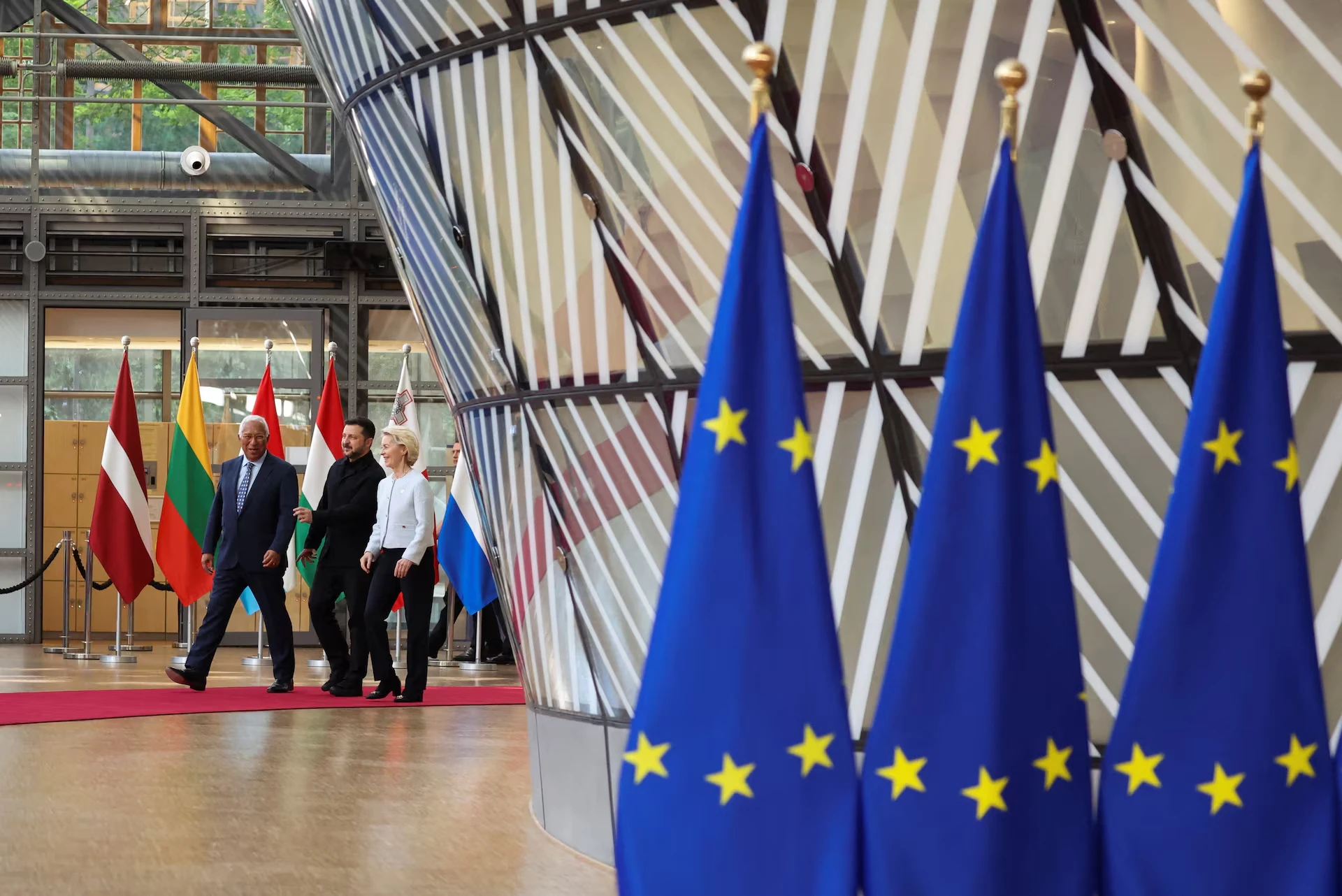
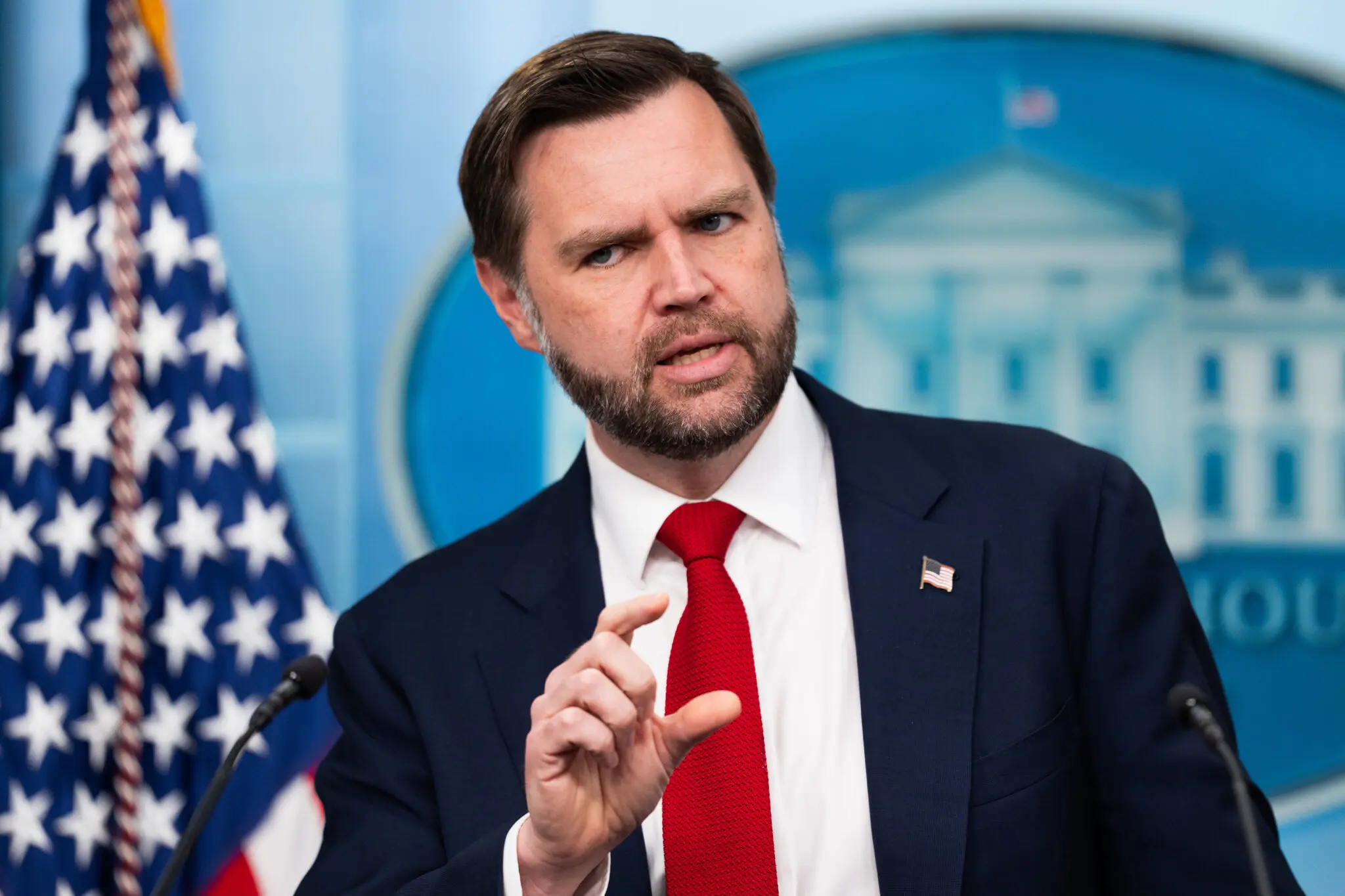
President Donald Trump announced the extension after hosting Israeli and Lebanese diplomats in Washington. Formally, the move was meant to open space for higher-level talks between Israel and Lebanon. But Hezbollah, the Iranian-backed group Israel is targeting, is not part of the negotiations, though it has said it will observe the ceasefire if Israel does the same.
That is the main fracture inside the agreement. The Lebanese state is part of the diplomatic process, but it does not fully control the armed force that defines security realities in the country’s south. Israel negotiates with Beirut, but it fights Hezbollah. The result is a ceasefire in which the political address and the military address do not match.
According to Daycom’s assessment, the current crisis does not show the failure of diplomacy as such, but its limit. Washington can extend deadlines, shape formulas and bring state representatives into one room. It cannot automatically turn the Lebanese government into the sole holder of force inside the country, nor persuade Israel to abandon strikes it defines as self-defense.
After the ceasefire began, the intensity of attacks did fall. But reduction did not become silence. Both sides continued to exchange fire, and recent days have shown that even limited violence can quickly destroy trust. In southern Lebanon, for civilians, the difference between full war and a fragile truce is often measured not in diplomatic language, but in the sound of drones overhead.
In the town of Qana, 49-year-old Fatima al-Masri visited the grave of her husband, an emergency worker killed in the conflict. Her question — what kind of ceasefire exists while drones still circle above and people still bury their loved ones — captures the psychological reality of the south. For civilians, an agreement exists only when it changes the night, the road, the ambulance route and the possibility of returning home.
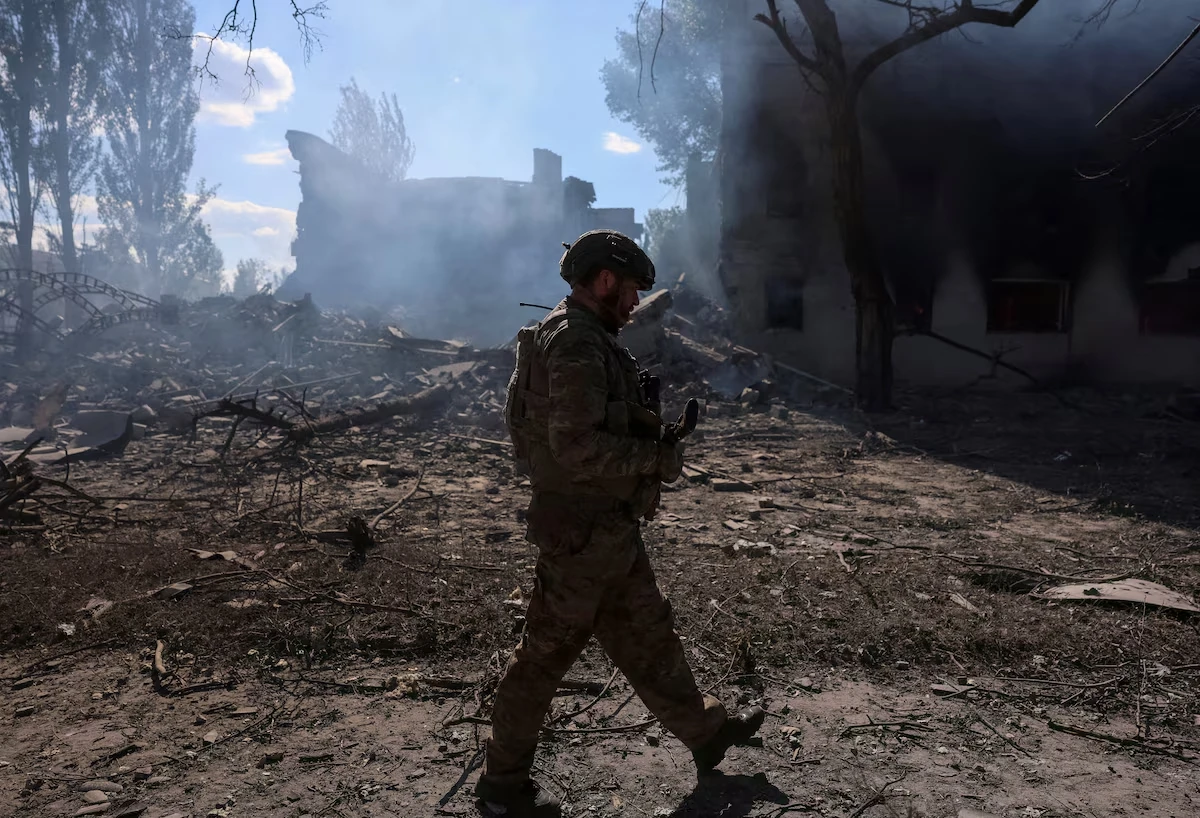
The cost of the conflict has already become devastating for Lebanon. Roughly 2,500 people have been killed, and hundreds of thousands have been displaced from the south. In Israel, civilians and soldiers have also been killed. Yet even these numbers do not capture the full damage: border communities on both sides live in suspended life, where going home depends not on a family’s will, but on military decisions.
The latest phase began after Hezbollah fired rockets into Israel in support of Iran. Israel responded with a large-scale bombing campaign and a ground operation in southern Lebanon. The war quickly moved beyond familiar border tension and became part of a wider regional arc in which Iran, the United States, Israel and their allied forces are testing the limits of deterrence.
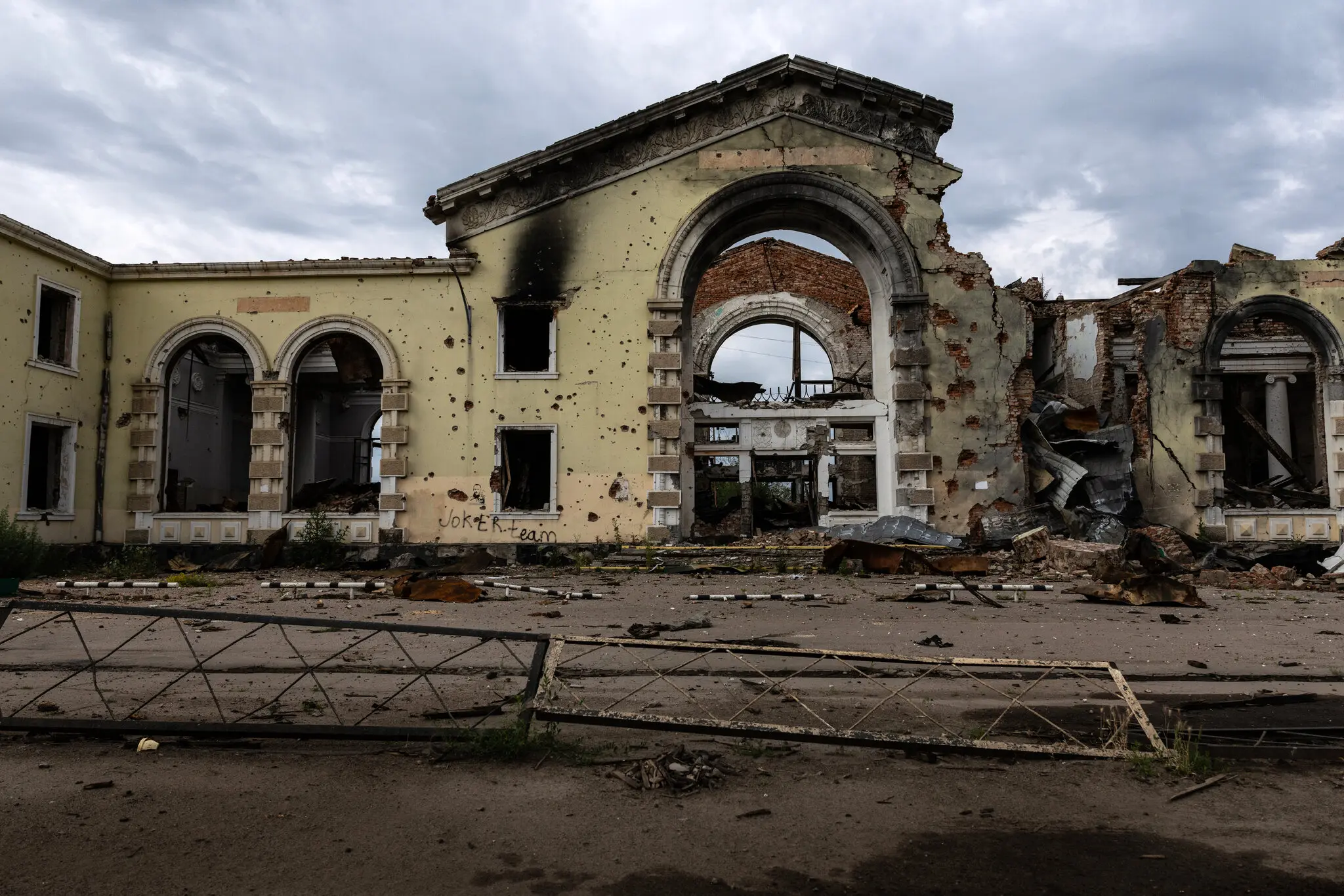
Israeli forces remain deployed across a broad section of southern Lebanon. Israel’s official logic is to create a security space for its northern communities and prevent Hezbollah from rebuilding positions near the border. For Lebanon, that presence looks like occupation, especially when it comes with demolitions, evacuation warnings and strikes beyond the declared line of control.
On Friday, Israel warned residents of Deir Aames to evacuate before launching airstrikes on the town. The location matters: it lies beyond the six-mile “forward defense line” Israel said it would control during the ceasefire. That immediately raised doubts not only about the truce’s durability, but also about the geographic limits of Israel’s freedom of action.
The Israeli military said Hezbollah had launched rockets from the area toward northern Israel the previous day. Hezbollah, in turn, said it had fired drones at Israeli troops in southern Lebanon. A closed loop is forming: each side presents its actions as a response, and the ceasefire becomes not a pause, but a dispute over who broke it first.
The most dangerous part of the agreement is the formula preserving Israel’s right to self-defense against planned, imminent or ongoing attacks. Legally, it is understandable: no state would agree to leave its citizens unprotected. Politically, it creates enormous room for interpretation. If almost any threat can be described as emerging, almost any strike can be presented as defensive.
For Prime Minister Benjamin Netanyahu’s government, that formula guarantees freedom of action. He insists Israel will keep striking any threat, including those still forming, and accuses Hezbollah of trying to sabotage peace efforts between Israel and Lebanon. The position answers the domestic demand for security in northern Israel, but leaves little room for complete silence.
For Hezbollah, the same formula is proof that the ceasefire is not real. Mohamad Raad, the head of its parliamentary bloc, described the arrangement as not a ceasefire at all and urged Lebanese authorities to cancel direct negotiations with Israel. This is not only a military message, but an internal challenge to Beirut: Hezbollah is making clear that the state cannot negotiate as if the question of its weapons has already been settled.
The Lebanese government is in the most difficult position. It wants an end to the destruction, the return of displaced people and an open diplomatic channel, but it does not fully control Hezbollah. In Washington, Lebanon pushed for a halt to Israeli demolitions of border towns and villages. Yet Beirut’s ability to guarantee Israel’s security remains deeply uncertain.
This is an old Lebanese problem sharpened by a new war. The state formally represents the country internationally, but part of its territory and military reality depends on an organization with its own weapons, its own political logic and its own connection to Iran. In a peace process, that duality becomes nearly impossible to resolve: negotiations must be held with the government, but the government is not the only force that fires.
For Israel, the risk is different. Security for northern communities has become one of the main political tests after months of evacuations, attacks and fear. If residents of the north cannot return, any ceasefire will look hollow. That is why Israel is unwilling to limit itself so much that Hezbollah can rebuild positions along the border.
The agreement is trapped between these two fears: Lebanon’s fear of prolonged occupation and Israel’s fear of Hezbollah’s return to the frontier. Extending the ceasefire for three weeks does not resolve the contradiction. It only moves it forward. Time has been bought, but it remains unclear whether it will be used for a political settlement or for preparation for the next round of strikes.
It is especially alarming that the violence has already reached those who should remain outside the logic of battle. Strikes this week killed a journalist and wounded another in southern Lebanon. Emergency workers and medical infrastructure have also come under fire. When war enters the space of ambulances, reporters, funerals and cemeteries, it destroys not only the front line, but society’s ability to record its own losses.
Washington’s diplomacy is now working against time. Three weeks is enough to launch a negotiating mechanism, but too little to change the balance of force in southern Lebanon. A durable peace requires more than signatures and statements. It requires answers to three questions: where the actual security line will run, who will control Hezbollah’s weapons, and when Israeli forces will leave Lebanese territory.
Without those answers, the ceasefire will remain a structure with an internal fuse, ready to ignite after any rocket launch, drone strike or evacuation warning. Each side already has its explanation for why its own action is defensive and the other’s is a violation. This is the most dangerous form of peace: when both sides speak the language of an agreement while continuing to think in the logic of war.
Southern Lebanon today is not only a line of confrontation between Israel and Hezbollah. It is a test for the entire regional architecture after the latest wave of U.S.-Iranian tension. If the truce collapses there, it could pull down not only the Lebanese front, but a broader system of deterrence already held together by temporary arrangements.
The central meaning of recent days is not that the ceasefire was extended. It is that it was extended precisely when it was already cracking. This is not peace, but a pause being tested every day by drones, artillery, political ultimatums and the memory of families burying their dead.
Lebanese civilians want the war to end. Israelis want security restored to the north. Washington wants to prove it can hold a diplomatic framework together. Hezbollah wants to preserve the right to armed response. Until these goals can be brought into one reality, the ceasefire will remain not the end of the war, but a thin line between two of its phases.