

















For Ukraine, a license to produce Patriot missiles could become one of the most important defense decisions of the full-scale war. But the license itself is not a missile. It will not close the sky tomorrow, replace urgent deliveries or remove the difficulties that even America’s closest allies have faced while building their own production capacity.
The experience of Germany and Japan is not an argument against Kyiv’s ambition. It is a sober frame for expectations. Both countries already have U.S. approval to produce advanced PAC-3 interceptors. Both have strong industrial bases, engineering schools and long-standing defense cooperation with Washington. Yet neither has been able to scale production as quickly as Ukraine now needs.
Germany received permission to manufacture Patriot missiles in 2022, when fears in Europe grew over Russia’s missile threat. But the factory meant to produce those interceptors has not yet delivered a single missile. Production is expected to begin only next year. In that gap between political approval and an actual missile lies the central challenge for Kyiv.
According to Daycom’s assessment, Ukraine’s Patriot debate needs one crucial clarification: a license is not the finish line, but the entrance into the most expensive and complex part of the process. It opens access to a technological architecture, but it does not automatically create a production line, suppliers, certification, personnel or a protected industrial site.
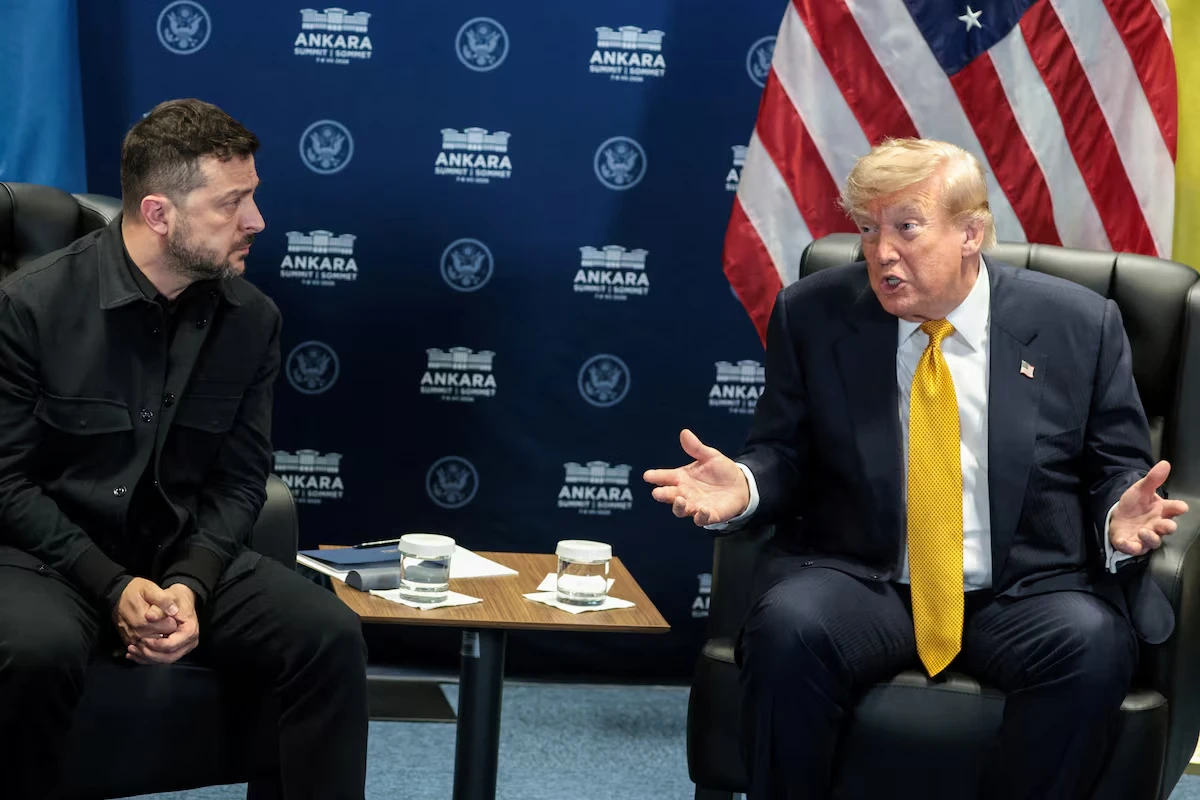
President Donald Trump has said he is ready to grant Ukraine the long-sought permission to produce the interceptors. For Kyiv, this is a political breakthrough, because Patriot remains one of the few systems capable of shooting down Russian ballistic missiles. But precisely because the decision matters so much, it should not be surrounded by the illusion of an immediate result.
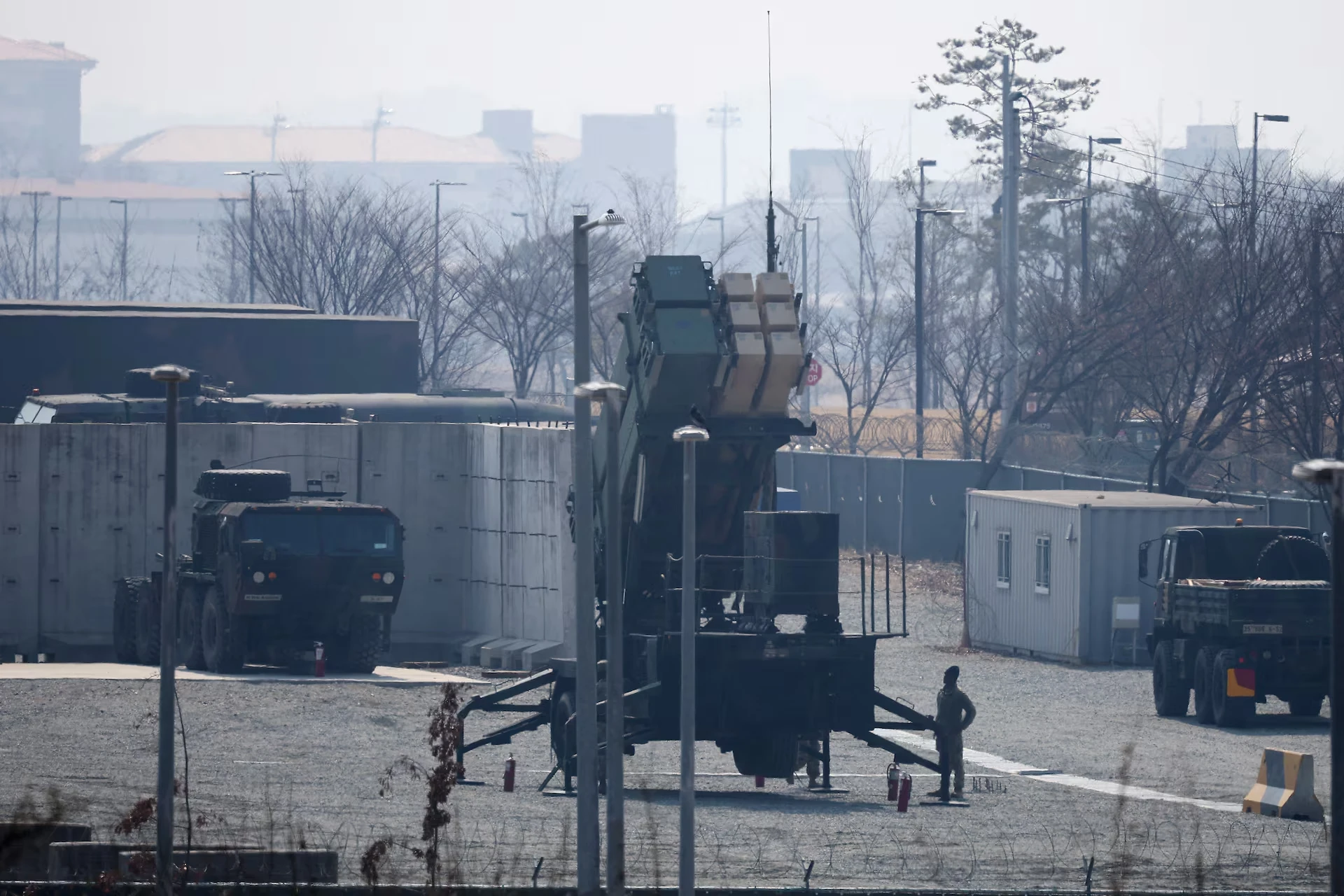
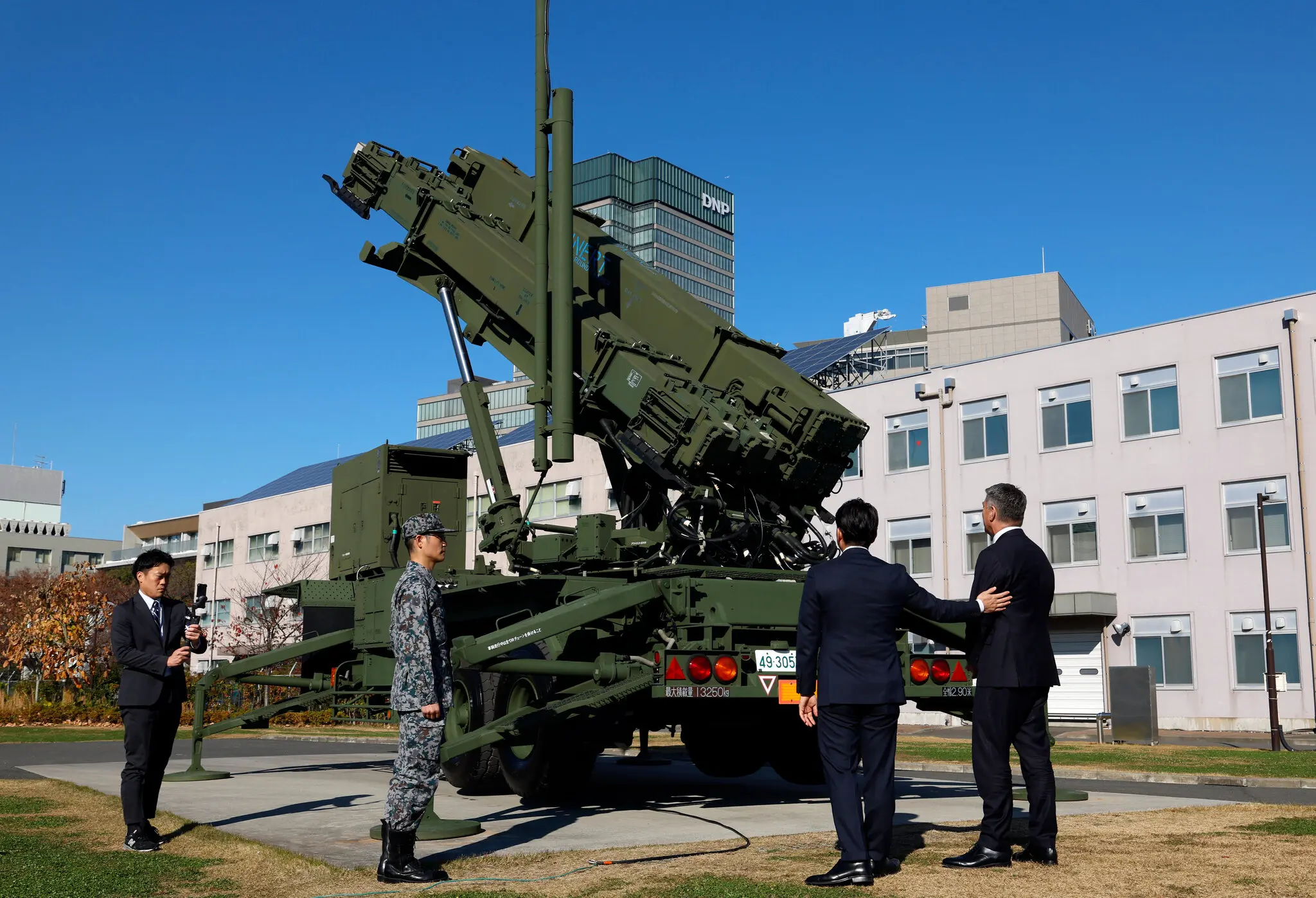
The PAC-3 is not a standard munition that can simply be moved to another assembly line. It is a complex aerospace product combining precision electronics, motors, guidance systems, software, specialized materials, quality control and strict technology-protection rules. A mistake in such production is measured not only in money, but in lives during a real interception.
Japan received its license in 2005, when Tokyo was increasingly concerned about North Korea’s missile and nuclear programs. That decision came after years of defense cooperation with the United States, mutual trust and an already mature industrial culture. Even then, Japan needed roughly three years before conducting its first successful PAC-3 test.
Today, Japan produces only a limited number of these missiles — by some estimates, several dozen a year. For peacetime, that is a serious achievement. For the high-intensity war Ukraine is fighting, it shows the scale of the problem: the needs of the front and rear cities can grow far faster than even well-organized production can supply.
Germany’s path also shows that industrial strength alone does not eliminate delays. Berlin received its license amid fears that, after Ukraine, Russian missiles could one day threaten Western Europe. A contract later followed for the supply of up to 1,000 missiles to several European countries. But the factory in Schrobenhausen is still preparing to start work.
This matters for Ukraine for two reasons. First, in the near term, Germany and other allies will be able to deliver ready-made interceptors faster than Kyiv can build its own production system. Second, even after Ukrainian production begins, the country will continue to need external support for a long time, because domestic lines will not immediately produce the required volume.
The global shortage of Patriots makes the issue sharper. Russia’s war against Ukraine and the renewed conflict around Iran have sharply increased demand for air-defense missiles. Allied stockpiles have shrunk, while production capacity has failed to keep pace with consumption. The world has again seen the weak point of even the most powerful defense systems: they are produced more slowly than wars consume them.
Japan has already sold some of its domestically produced Patriots back to Washington to help backfill American shipments to Ukraine. This reveals a new reality: interceptors have become not only a military resource, but part of a global redistribution of security. Every missile now has several potential destinations, and every government must decide whose risk is most urgent.
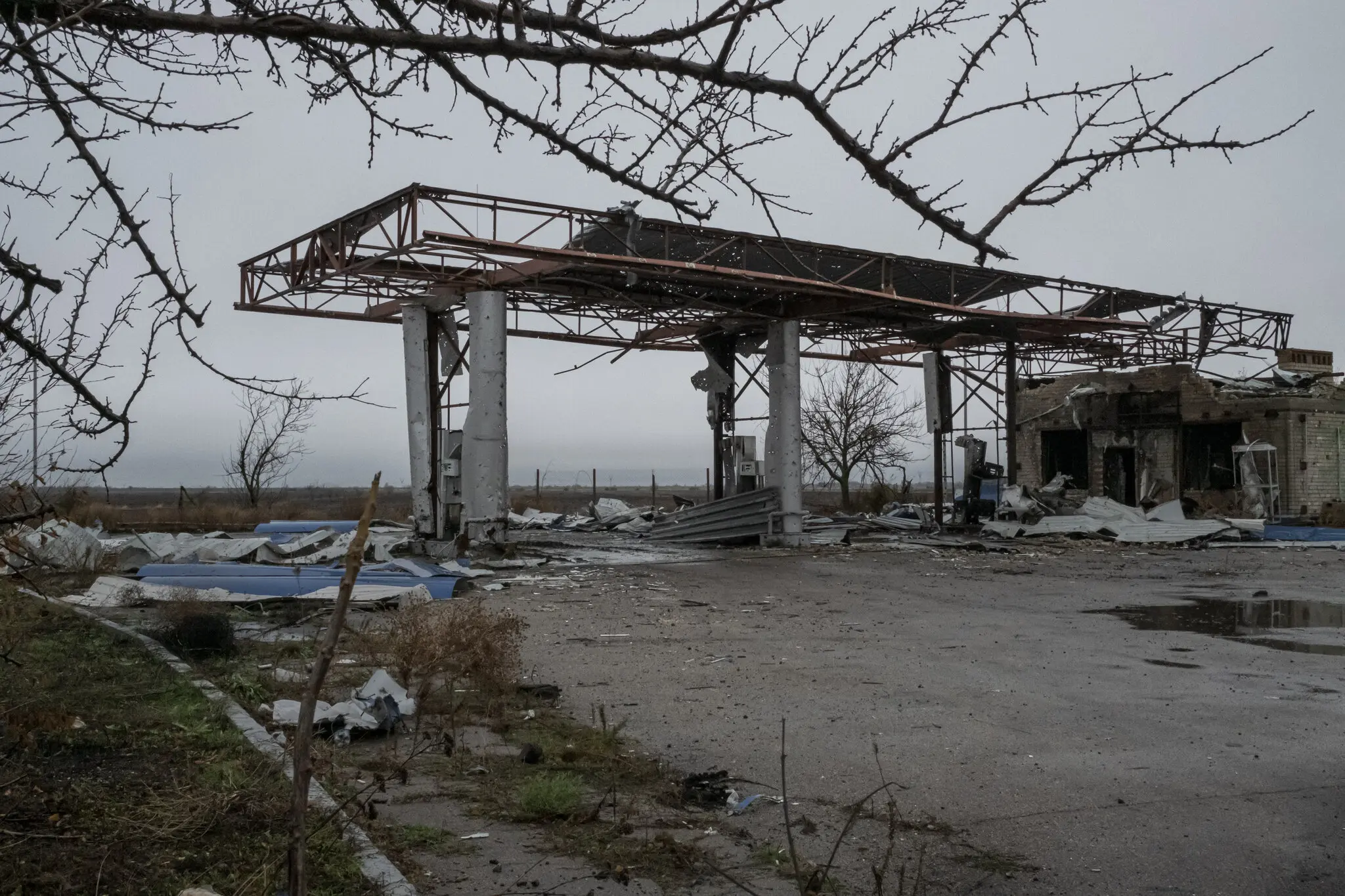
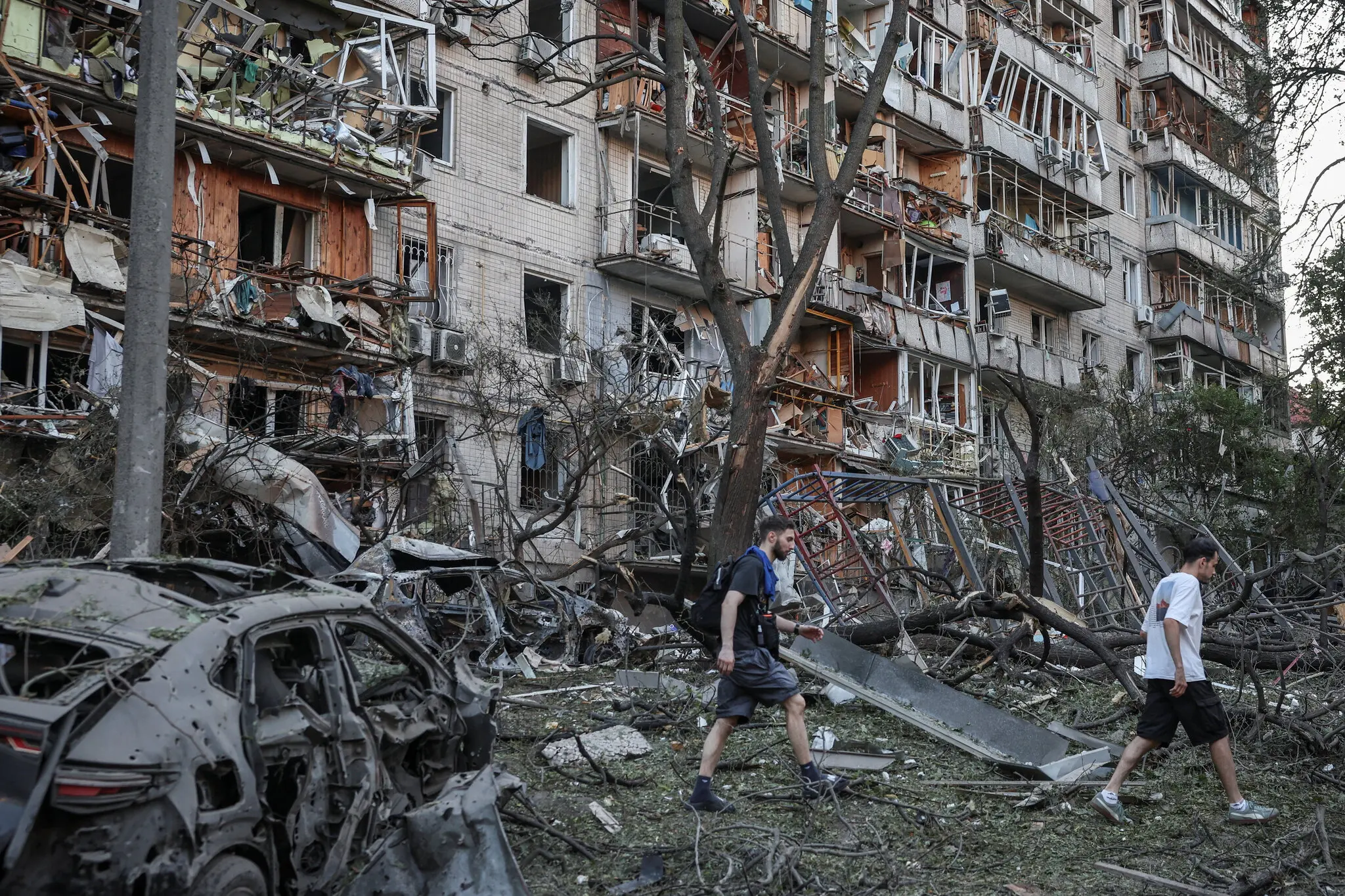
For Ukraine, that competition is especially painful. Russia attacks cities with ballistic missiles, cruise missiles and drones, forcing Ukrainian air defenses to spend expensive interceptors in a daily war. Every delay in deliveries raises the risk for Kyiv, energy infrastructure, industry, ports and military logistics.
That is why a production license is strategically necessary. It does not replace fast assistance, but it can reduce Ukraine’s dependence on political cycles in the United States and Europe. If Kyiv can create its own or joint production base, Patriot will no longer be only the subject of negotiations over the next aid package. It will become part of a long-term defense architecture.
The path there, however, will be difficult. Producing a single interceptor requires a network of suppliers, roughly two dozen separate licensed production areas, specialized components, quality control and coordination with American manufacturers. This is not a matter of transferring blueprints to Ukraine. It is the construction of an entire industrial chain.
Germany had an important advantage: companies linked to future production had already spent years maintaining American-made Patriot systems. They knew the equipment, had relationships with suppliers, worked with the tools and understood the standards. Ukraine, despite its strong defense engineering and wartime experience, is starting in far harsher conditions.
Kyiv does not have the luxury of peacetime. Japan could stockpile missiles without daily mass attacks on its cities. Germany is building its factory on relatively safe territory. Ukraine must create production during a war, when Russian intelligence will treat any industrial site connected to Patriot as a priority target.
That means PAC-3 production for Ukraine immediately includes the security of the factories themselves. Production lines must be protected, dispersed, technologically sealed and integrated into the air-defense system. Otherwise, Moscow will try to destroy not only finished missiles, but the very possibility of producing them in the future.
Financing will be a separate test. Patriot is an expensive system, and interceptor production cannot rest on short political promises. It requires multiyear contracts, purchase guarantees, the participation of American companies, risk insurance and a clear division of responsibility among Ukraine, the United States and European partners.
Trust in technology protection will be no less important. The United States grants such licenses only to its closest allies because the systems involve sensitive defense technologies. For Ukraine, this is not only a technical barrier, but a political test. Kyiv must prove that it can protect technologies, production data and supply chains under wartime conditions and constant Russian attempts at penetration.
At the same time, Ukraine has an advantage Germany and Japan did not possess in the same form: it tests air-defense systems in a real war every day. Ukrainian forces know exactly how Russia combines missiles, drones, decoys and repeated waves of attacks. That combat experience could accelerate the adaptation of production to the practical needs of the front.
But combat experience cannot replace industrial discipline. Missile production leaves little room for the improvisation that often helps on the battlefield. It demands standards, repetition, control, certification and stable component supplies. Ukraine’s innovation will become an advantage only if it is joined to a strict engineering system.
The most realistic scenario for Ukraine is not a rapid full-cycle production model, but a phased entry into the process. At first, this could mean individual components, repair, maintenance, assembly or integration into part of the chain. Later, deeper localization may follow. Such a path is less politically dramatic, but far more honest industrially.
This does not reduce the importance of Trump’s decision. On the contrary, it shows that the United States is ready to discuss not only the transfer of finished weapons, but Ukraine’s long-term inclusion in the Western defense system. For a country fighting a nuclear power with a large missile program, that represents a fundamentally different level of trust.
But the public should understand the time horizon. A license does not mean Ukrainian Patriots will appear in the necessary quantities within a few months. It means the beginning of a long effort that may shape the country’s security for years. In war, that is almost a paradox: the decision is needed immediately, but its real result matures slowly.
That is why Ukraine must work at two speeds. The first is urgent: securing ready-made missiles from the United States, Germany, Japan and other allies now. The second is strategic: building its own production capacity, even if it cannot protect the country from the next wave of strikes. Without the first, Ukraine is at risk today. Without the second, it remains vulnerable tomorrow.
The experience of Germany and Japan should not cool Ukraine’s plans. It should make them more precise. Patriot is not only an air-defense system; it is a symbol of whether Ukraine can move from the logic of survival to the logic of long-term defense autonomy. The license opens the door. Passing through it will require industrial patience, allied discipline and the understanding that the hardest part begins after political approval.