
















Donald Trump’s promise to let Ukraine produce Patriot systems landed as a rare strong signal at a moment when Kyiv has learned to view Washington without illusions. For Ukrainians, it is important news, but not a reason for euphoria: too often, political promises have moved faster than actual weapons deliveries.
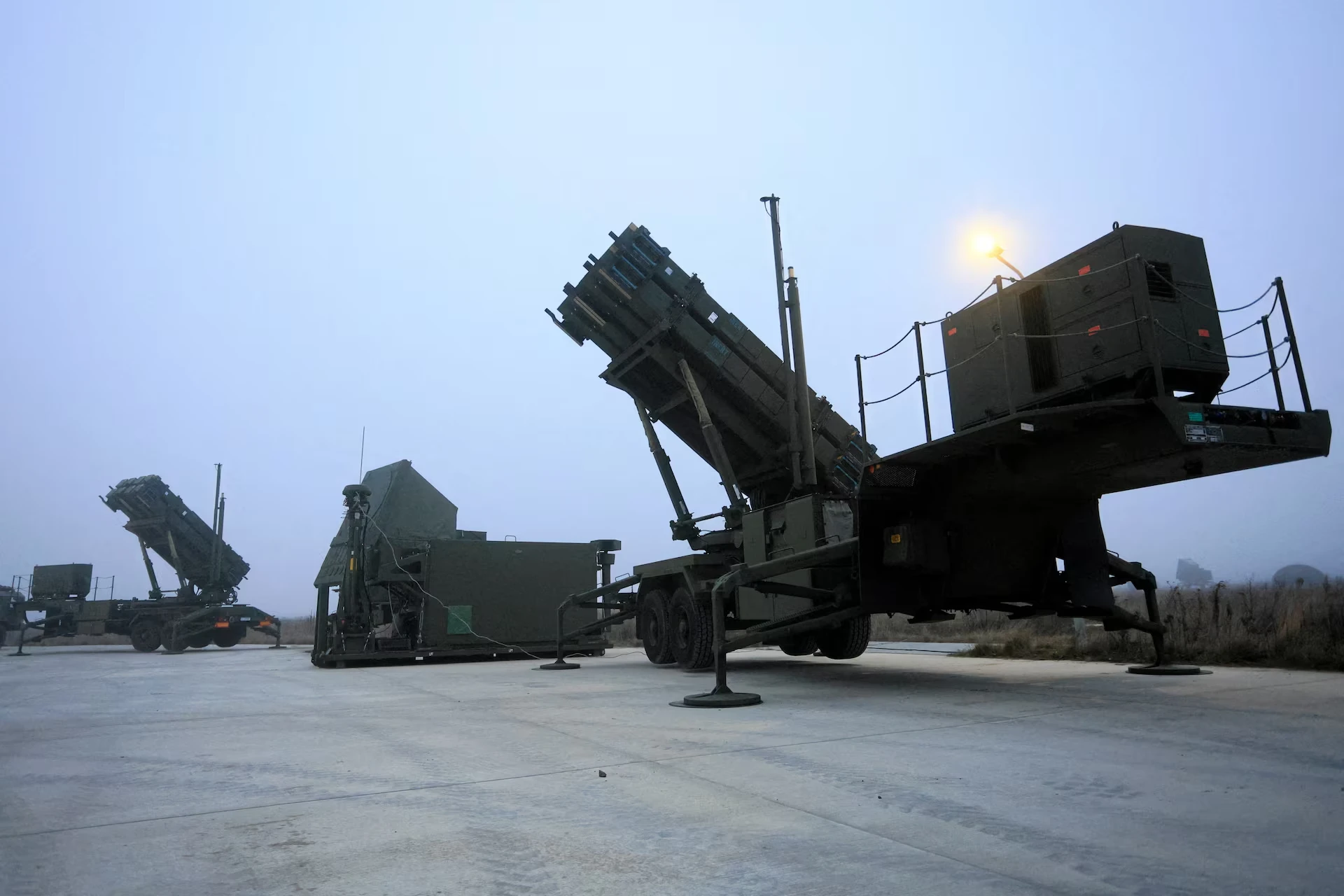
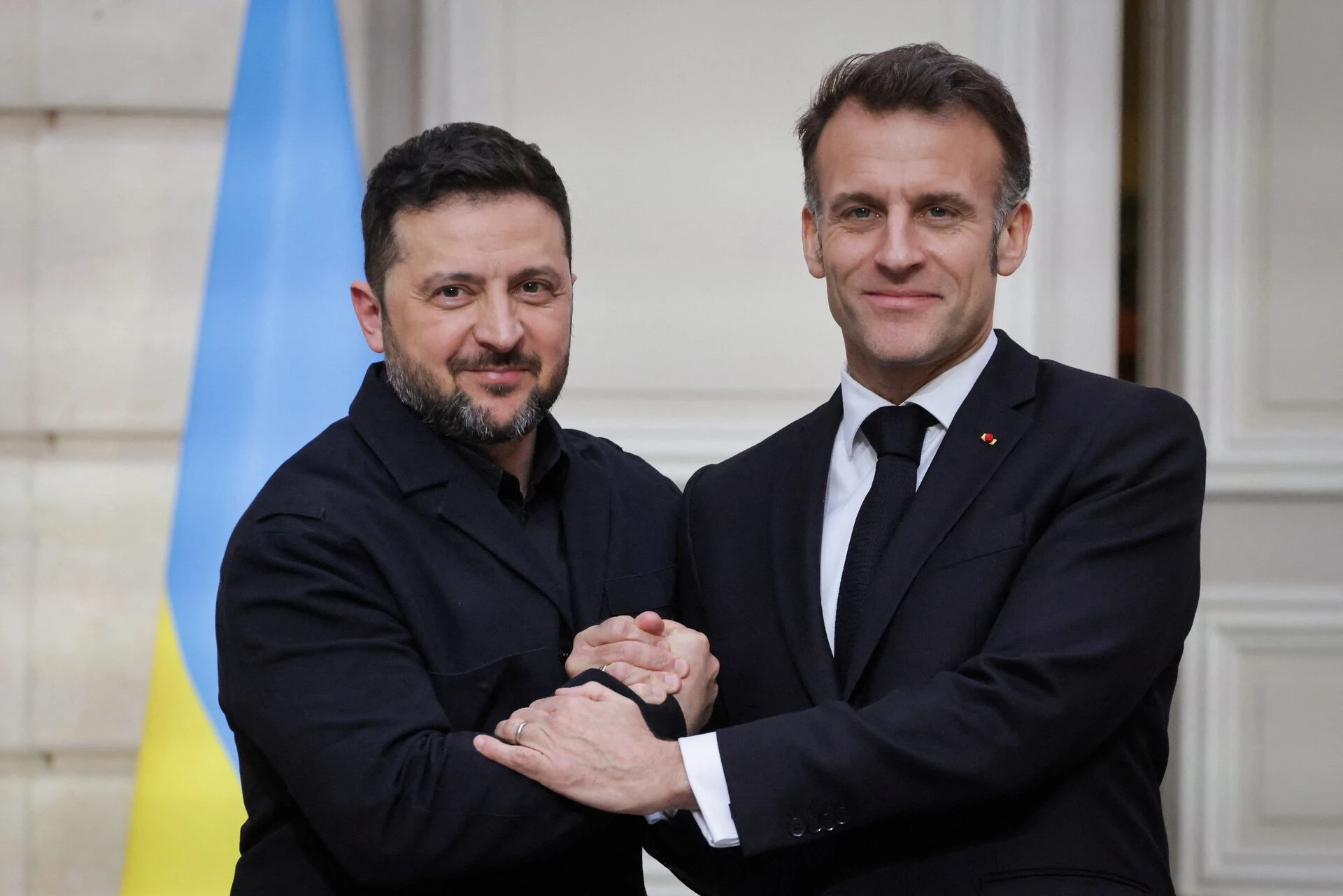
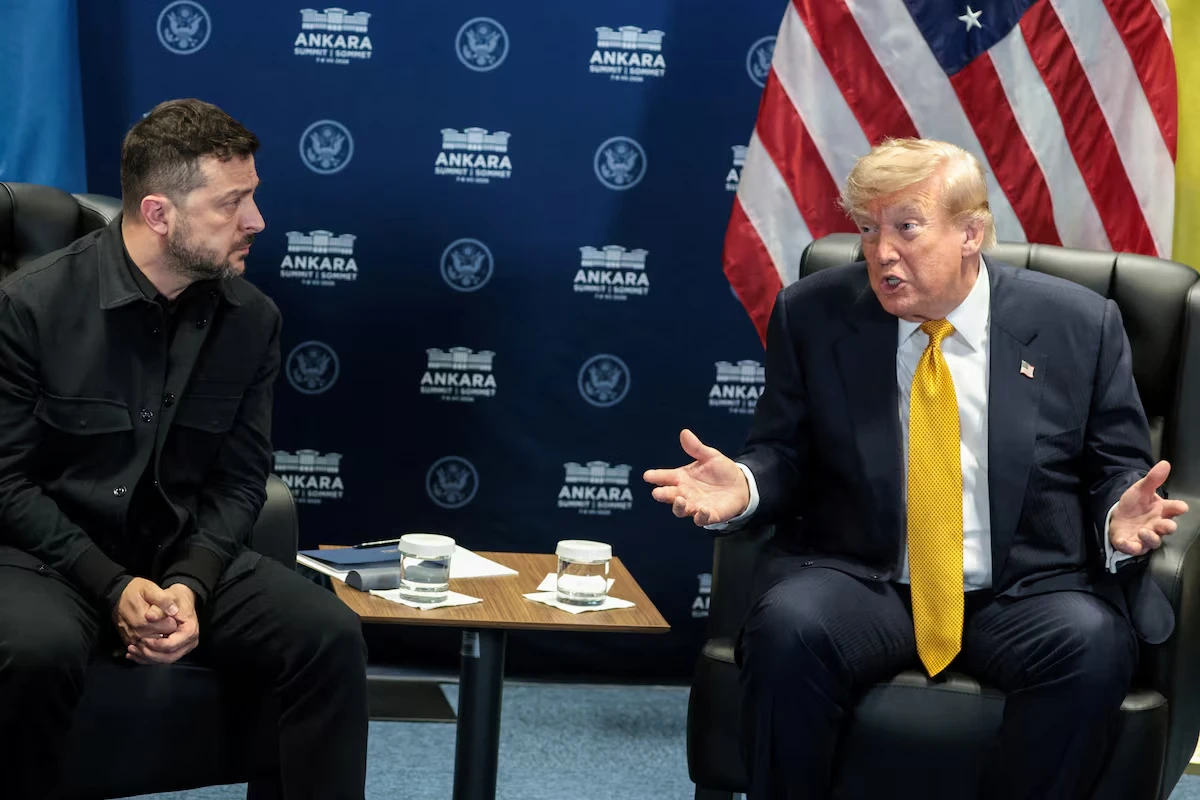
The announcement came during Trump’s meeting with Volodymyr Zelensky on the sidelines of the NATO summit in Ankara. The American president said the United States was ready to grant Ukraine a license to produce Patriot systems, which can intercept ballistic missiles. That threat remains one of the most painful gaps in Ukraine’s air defenses.
Ukraine’s reaction has been restrained not because the idea lacks value, but because of the experience of war. Between a sentence spoken at a summit and an interceptor missile on combat duty lie months, perhaps years. Patriot is not a simple munition, but a complex technological system tied to American components, export controls, production chains and strict security requirements.
According to Daycom’s earlier analysis, Trump’s statement has a double meaning. Politically, it shows that Washington is not prepared to leave Ukraine alone against Russia’s air war. Practically, it still does not solve the central problem: the shortage of interceptors that Kyiv needs not in a future production cycle, but tonight.
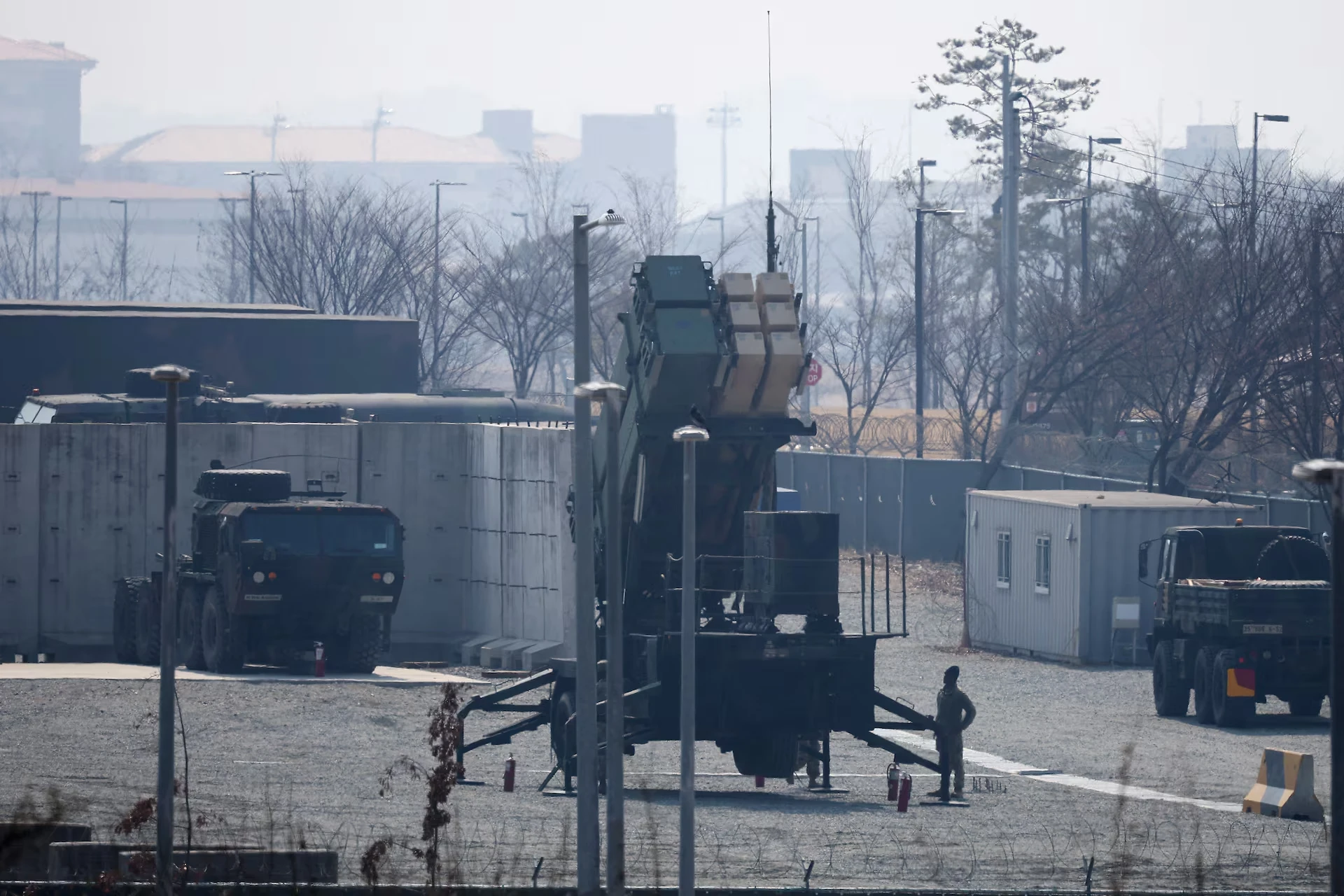
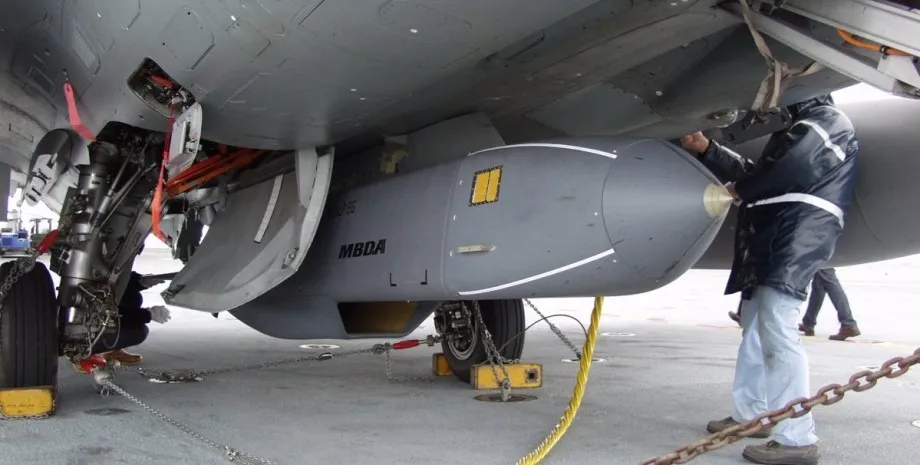
For Ukraine, Patriot is not a status symbol or a diplomatic trophy. It is a weapon for the survival of cities. Its radars, command modules and launchers form one of the few defensive layers capable of stopping Russian ballistic missiles, which fly at high speed, on steep trajectories and leave almost no time to react.
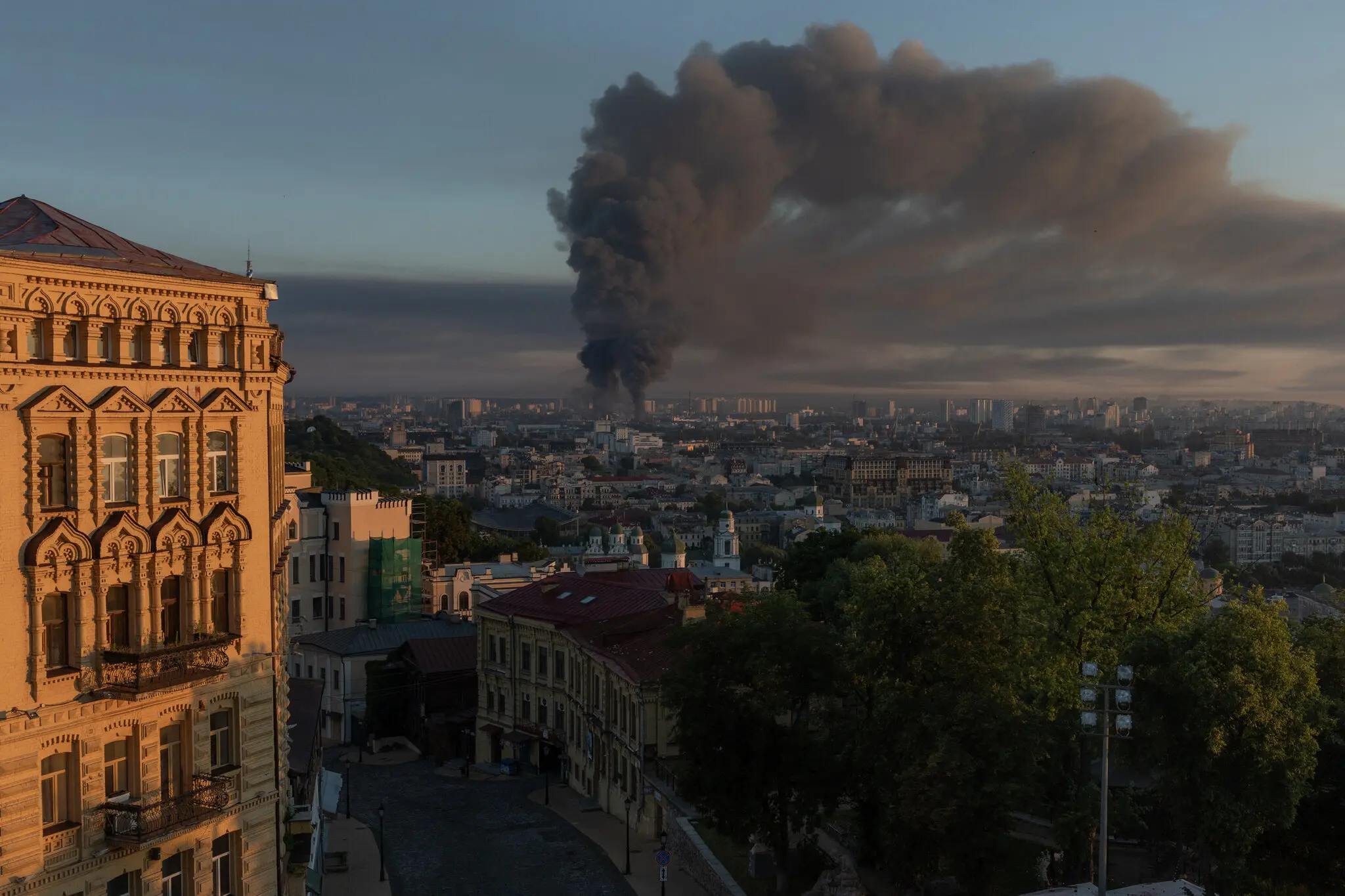
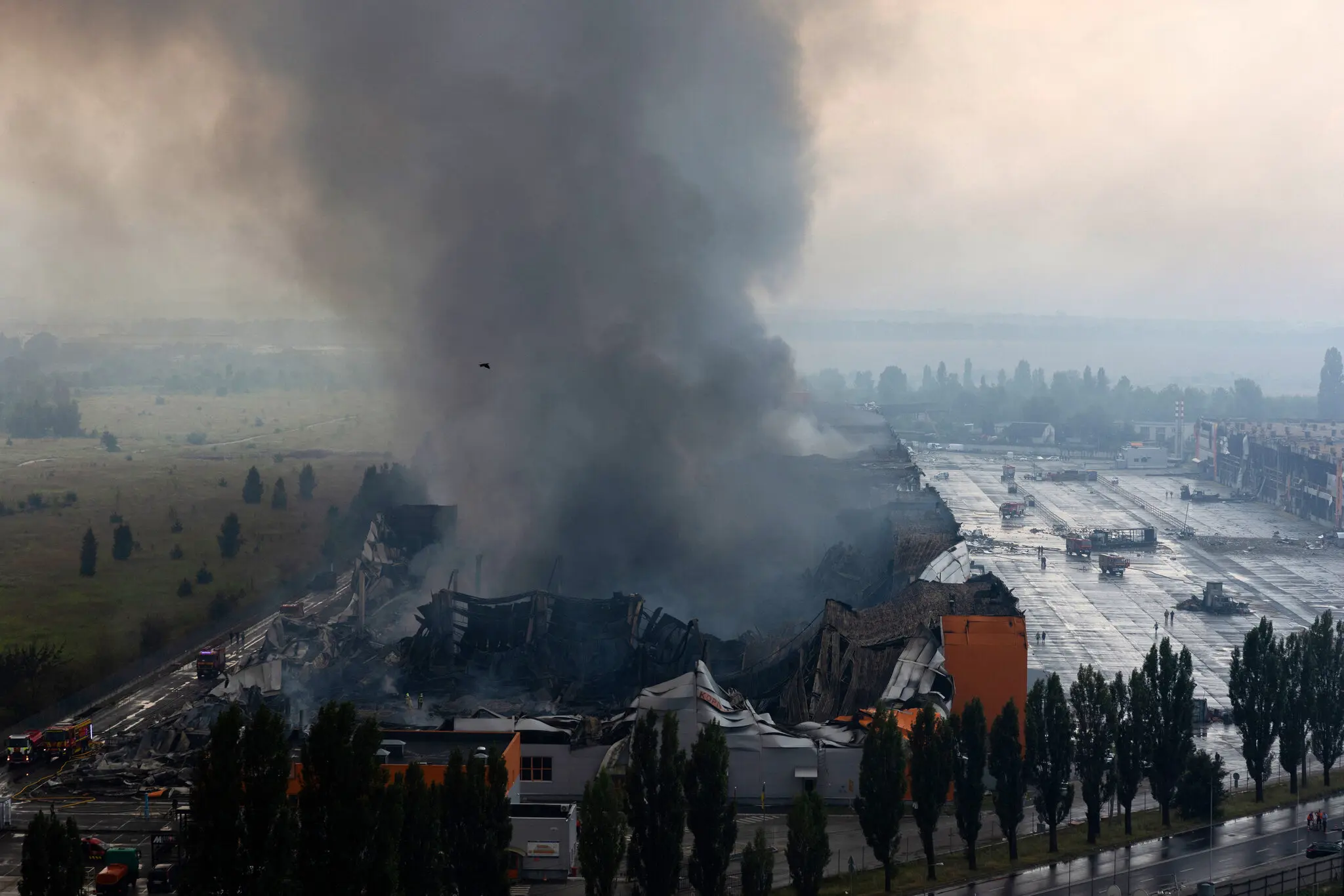
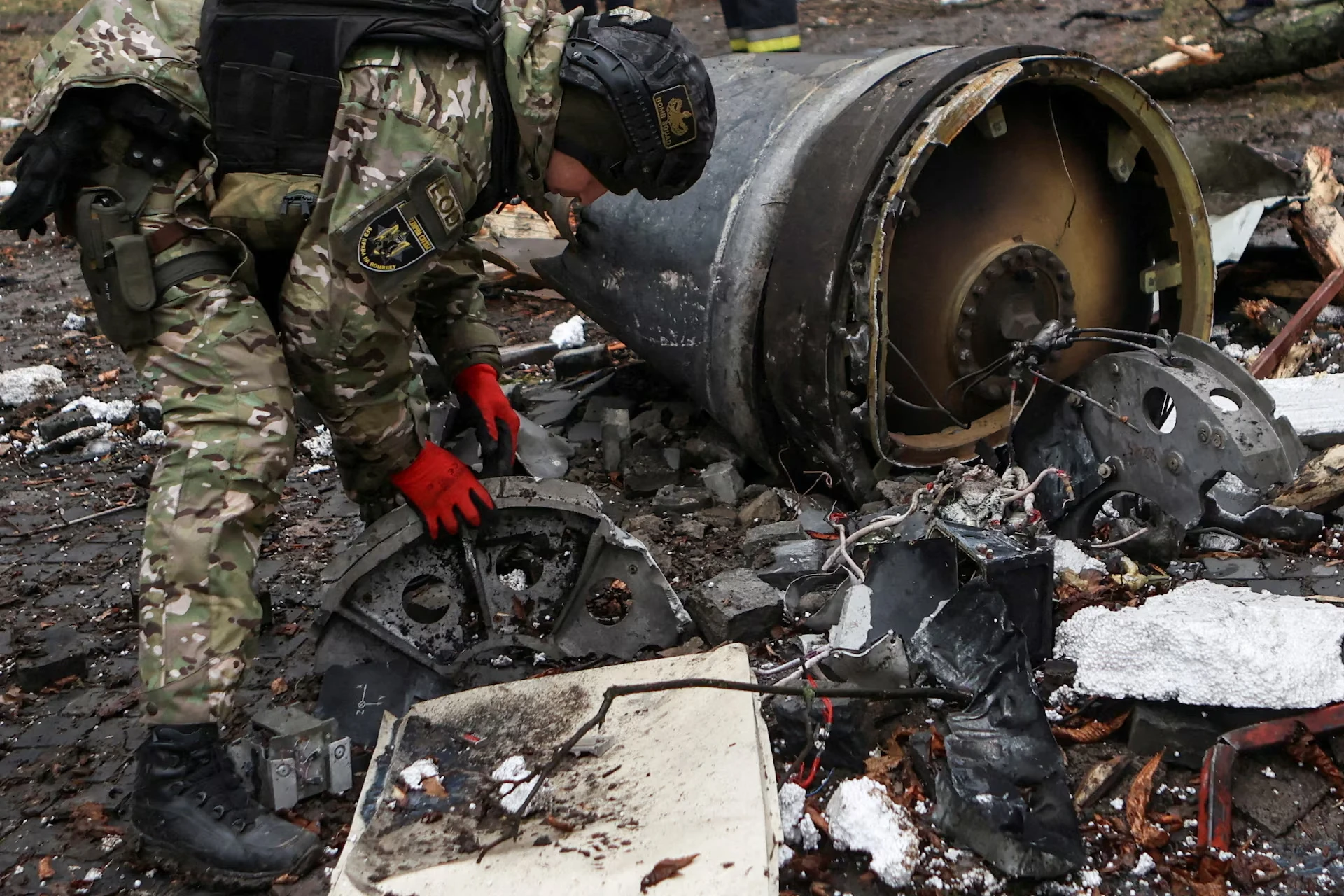
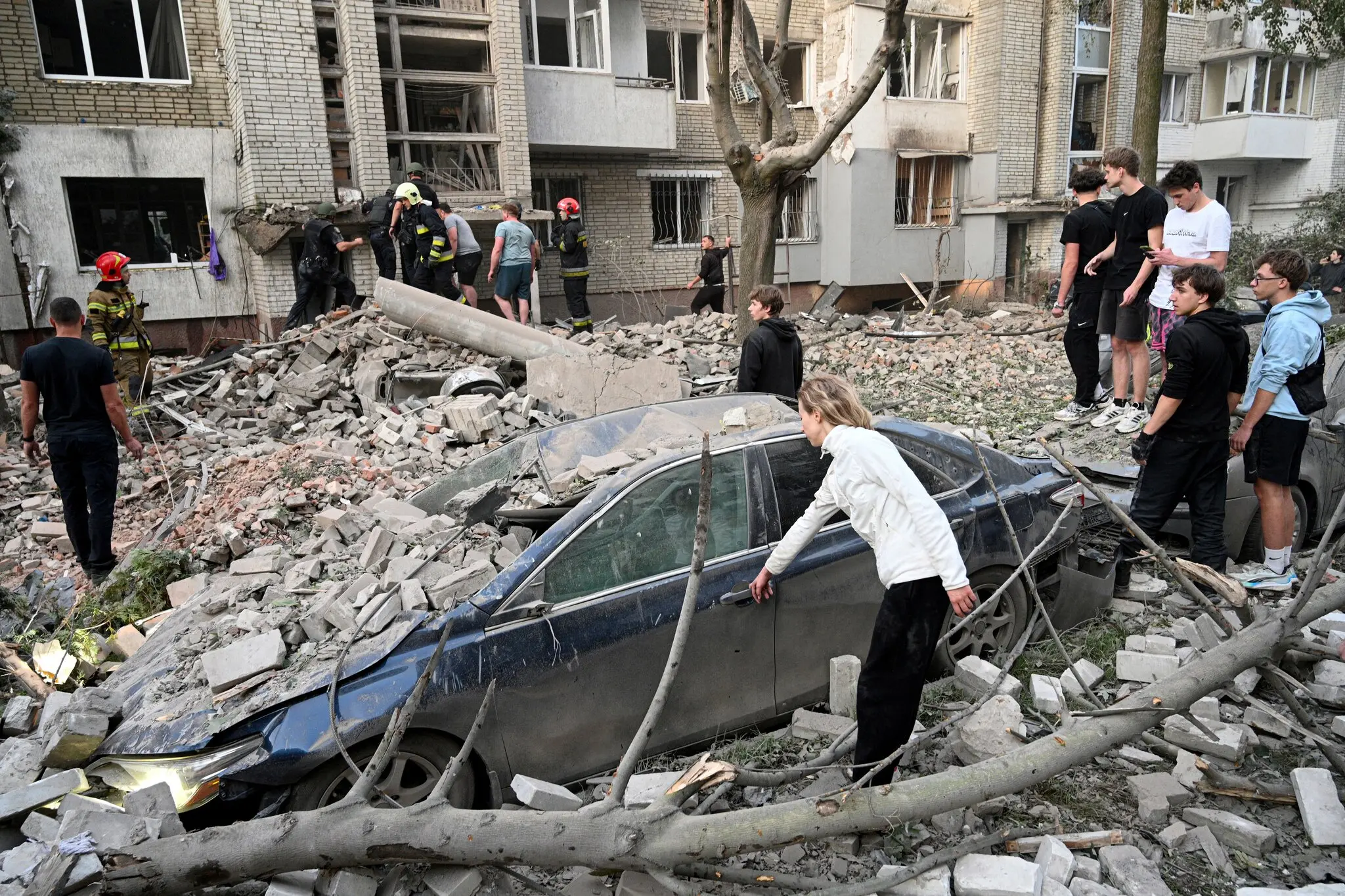
That is why Kyiv has been seeking not only new batteries, but above all a stable flow of interceptor missiles. Without them, even the most advanced system becomes an expensive structure of waiting. Ukrainian air defenses can shoot down dozens of drones in a single night, but a few ballistic missiles can break through and destroy a house, a district or a piece of critical infrastructure.
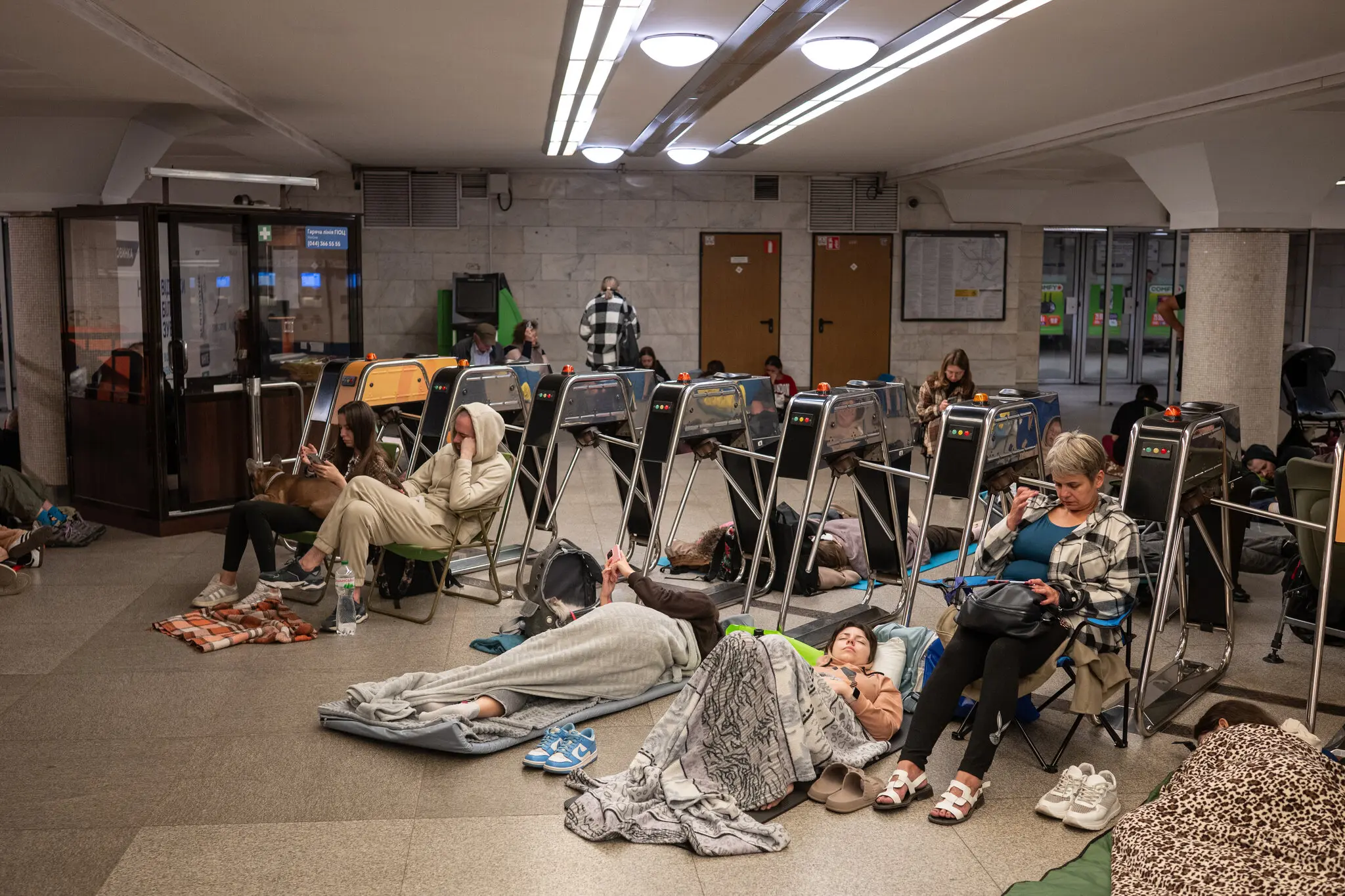
This is the source of Ukrainian caution. People hear a powerful promise, but they live in the reality of nightly air-raid alerts. In Kyiv, Kharkiv, Dnipro, Odesa and other cities, air defense has long ceased to be a subject only for military specialists. It has become an everyday question of survival: will there be something to shoot down the next missile when it comes?
Trump presented the decision in his familiar style — as a deal after which Ukraine supposedly would no longer be able to complain about insufficient deliveries. But behind the striking formula lies a more serious logic. The United States is effectively acknowledging that transfers from existing stockpiles are not enough. The war has become too long, the needs too large and Western production too slow.
That is an important shift. Until now, Ukraine has largely acted as a recipient of aid. Now the discussion is about creating production capacity, even if it is based on an American license and perhaps not located directly on Ukrainian territory. If such a mechanism works, Kyiv could gradually reduce its dependence on political cycles in Washington.
Yet the word “if” remains decisive. Ukraine has already seen grand statements collide with bureaucracy, elections, fear of escalation, shortages in stockpiles and shifts in mood at the White House. At different moments, Trump has criticized Zelensky, spoken of good relations, promised to end the war quickly and distanced himself from it.
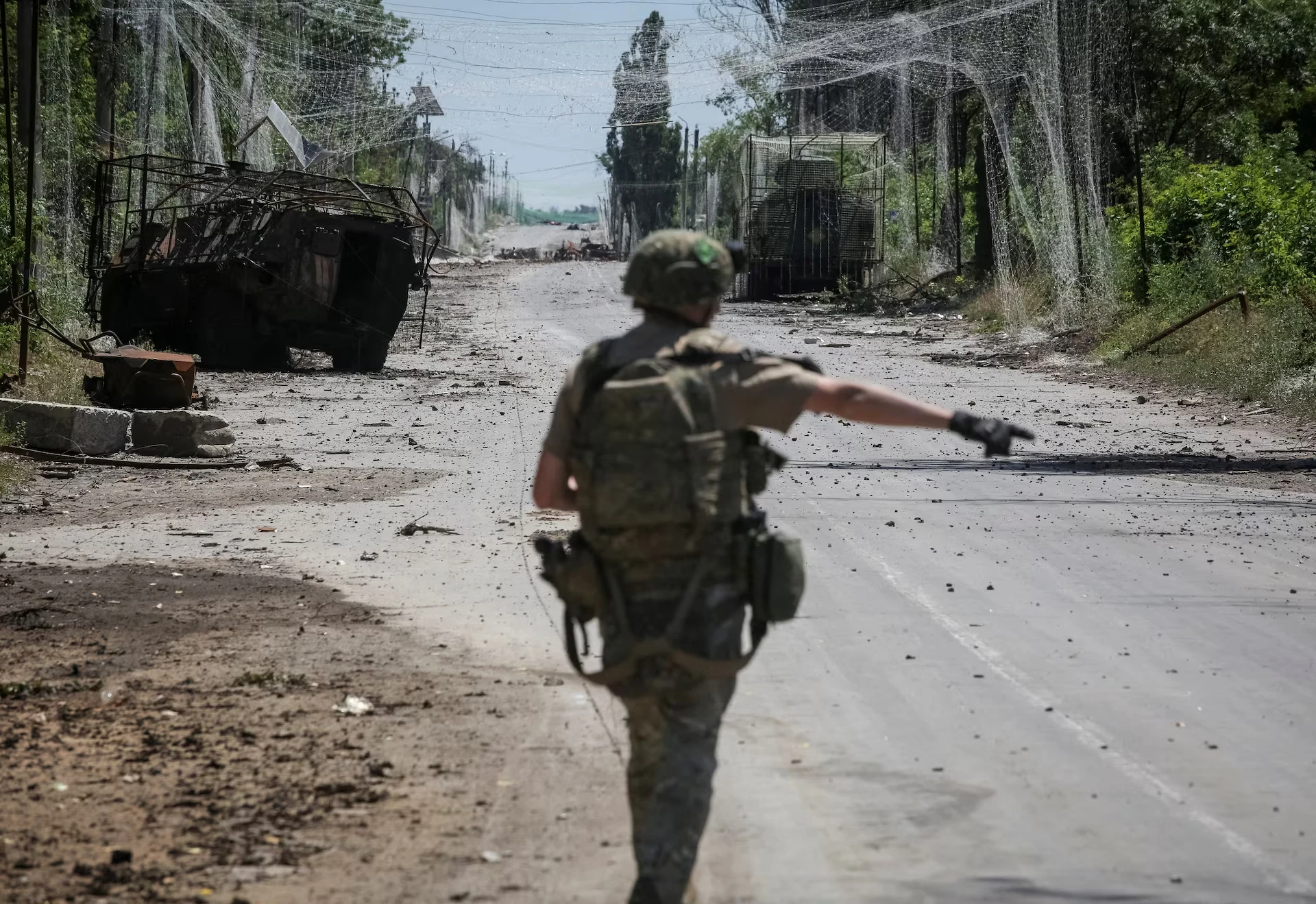
This caution is not ingratitude. It is the experience of a country that has paid too high a price for dependence on other people’s decisions. Ukrainians know that a gulf can lie between the words “we support you” and the arrival of weapons. Between the words “there will be a license” and the first produced interceptor, the distance may be even greater.
It is especially important that producing Patriots could take months or years. That means that even in the best-case scenario, Ukraine will still need immediate deliveries of interceptors. Factories of the future do not protect against today’s strike. A licensing prospect does not replace the ammunition that must be loaded onto launchers now.
Against this background, Ukrainian hope sounds pragmatic: if the country managed to rapidly expand drone production, it wants to build its own defensive shield as well. The difference is that Patriot is incomparably more complex. It is not a quickly scalable drone platform, but a high-tech missile-defense architecture with a limited circle of manufacturers and strict access controls.
A likely production arrangement in Germany or another European country looks more realistic than placing key facilities in Ukraine. Russian strikes on Ukrainian defense plants would make such a project a permanent target. A European site could reduce those risks while also integrating Ukraine’s needs into a broader NATO defense framework.
For Europe, this is also a lesson. The war has shown that the continent was not prepared for the long-term consumption of modern air-defense systems. Russia’s strategy is built on exhaustion: drones overload crews, cruise missiles test layered defenses, and ballistic missiles strike at the most expensive and scarce resource. The response to such a war cannot depend only on old stockpiles.
Politically, Trump’s statement also sends a signal to Moscow. If Ukraine gains not only systems but a sustainable channel for producing interceptors, Russia’s bet on missile pressure will gradually lose part of its effectiveness. The Kremlin has grown used to assuming that Western aid will tire faster than Russia’s war machine. A Patriot license strikes at that calculation.
But for Kyiv, the signal to Putin is not enough. Predictability matters. Ukraine needs decisions that do not disappear after a sharp remark, a phone call or a new crisis elsewhere in the world. If the license is backed by contracts, production schedules, financing and component supplies, it will become a real asset. Without that, it will remain a polished episode from a summit.
The relationship between Trump and Zelensky adds another layer of uncertainty. Their meeting in Ankara looked calmer than many had expected, but Ukraine’s defense strategy cannot depend on the tone of one meeting. Trump remains a politician of abrupt turns. Today, he can give Ukraine a strong promise; tomorrow, he may again present himself as an arbiter between Kyiv and Moscow.
That is why Ukrainians are greeting the news without ceremonial blindness. They understand its value, but they are waiting for proof. The proof will not be a quote, but a document. Not a gesture, but a production line. Not a promise of future protection, but an uninterrupted flow of interceptors able to close the sky over cities.
In this war, air defense has become one of the main forms of social protection. It preserves power plants, hospitals, schools, homes, railways and the basic possibility of normal life under attack. When interceptors are lacking, the war reaches not only the front, but bedrooms, kitchens, stairwells and children’s rooms.
Trump’s promise could mark the beginning of a new model of support for Ukraine — not the endless transfer of scarcity, but the creation of its own capacity to produce protection. Yet history will not judge by words. It will judge by how many missiles are intercepted, how many cities endure and how quickly a summit phrase becomes metal, electronics, propulsion, launch — and a saved life.