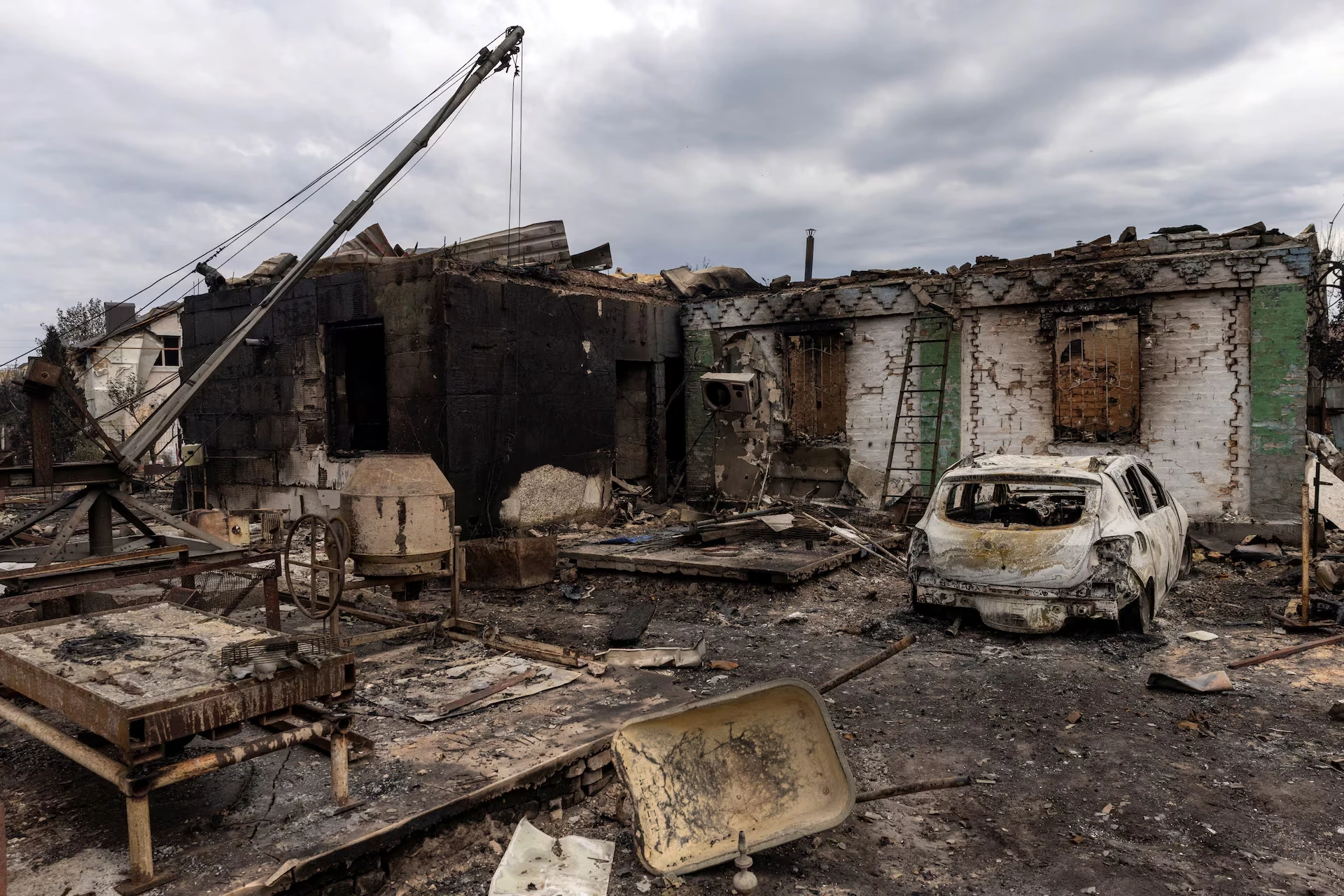



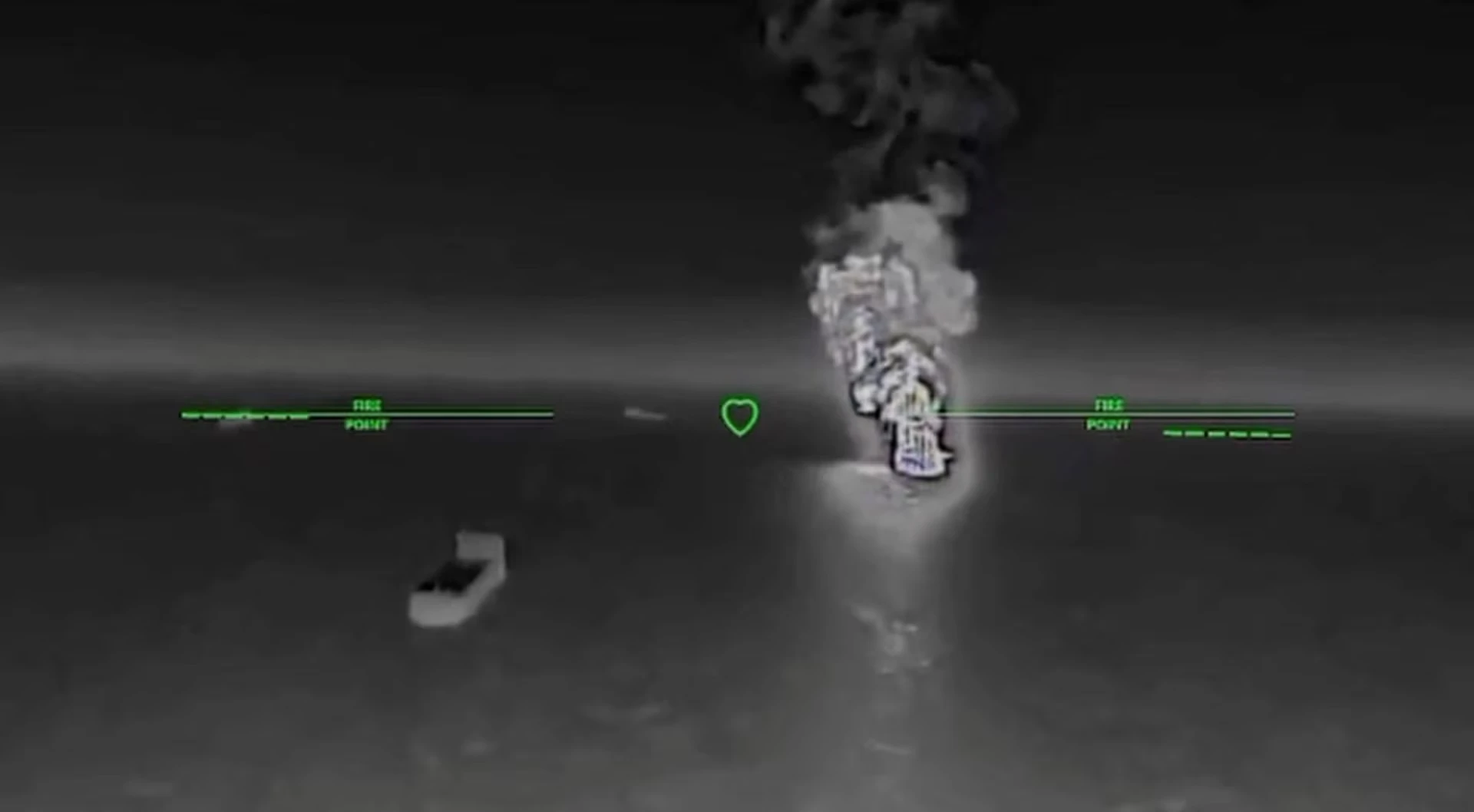




















The overnight strike on Kyiv revealed not only new ruins, but an old and increasingly dangerous problem: Ukraine’s air defenses enter each major attack with too few missiles in reserve. The city can withstand waves of drones and ballistic missiles, but its margin of safety is not endless.
Before the Russian attack, Ukraine’s air-defense stockpiles had already been heavily drained. NATO allies have regularly sent Patriot interceptors, which can shoot down ballistic missiles, but those deliveries remain modest compared with the tempo of Russian strikes.
In this war, a shortage of interceptors is measured not in spreadsheets, but in shattered apartment entrances. When even some missiles break through, the result is not abstract “infrastructure damage,” but dead civilians, fires, hospitals, rescuers and bodies beneath rubble.
According to Daycom’s earlier analysis, air defense has become the main boundary between Ukraine’s resilience and Russia’s strategy of terror. Moscow is fighting not only with the number of missiles it launches, but by exhausting Ukrainian stocks and forcing Kyiv to count every interceptor.
Patriot has special importance for Ukraine because it is one of the few systems capable of working effectively against ballistic missiles. When Moscow launches such targets at the capital, air-defense crews face a brutal choice: fire quickly, fire accurately and often without the luxury of a second attempt.
But even the best system cannot protect a city without enough missiles. A battery may be on combat duty, its crew may be experienced, its radars may see the threat, but if interceptors are scarce, technical superiority turns into a limited opportunity.
That is why Kyiv’s appeal to partners after the overnight attack does not sound like diplomatic routine. Foreign Minister Andrii Sybiha directly urged allies not to delay decisions on air defense. After a night of horror for the capital, this became Ukraine’s main request.
There is no excess emotion in that appeal. It reflects the arithmetic of war. Russia can accumulate drones, cruise missiles and ballistic missiles, combine them in waves, overload defense systems and force Ukraine to spend expensive interceptors protecting its cities.
Ukraine, in turn, cannot produce enough Patriot missiles on its own. It depends on the political speed of allies, NATO stockpiles, production lines, budget decisions and the ability of partners to understand that every delay has a physical price.
That price became especially visible in Kyiv. When an air-raid alert lasts for hours, people sit in metro stations, children sleep on the floor, pets lie beside packed bags and air defenses work above the city, deliveries stop being a topic for closed meetings. They become a matter of life.
Russia’s tactics are built on repetition. Moscow does not need to destroy the entire air-defense system in one strike. It is enough to force it into constant overload: Kyiv today, the energy grid tomorrow, then Odesa, Kharkiv, Dnipro or other cities.
This exhausts more than military resources. It drains sleep, nerves, hospitals, emergency services, repair crews, city budgets and people’s confidence that the next night will be safe. Russia is trying to turn a shortage of interceptors into a psychological weapon.
For allies, this creates a difficult but honest question. If they recognize Ukraine’s right to defend itself from Russian attacks, they must provide not symbolic, but sufficient air-defense capacity. A few missiles after each tragedy do not change the strategic arithmetic.
The problem is not only volume, but predictability. Ukraine cannot plan the defense of its capital, energy system and front-line cities if deliveries arrive in small batches, unevenly and often after the latest disaster. Air defense needs reserves, not just reaction.
This is where the difference between assistance and military strategy becomes clear. Assistance responds to an event. Strategy gets ahead of it. If Russia spends weeks accumulating missiles, allies must accumulate interceptors for Ukraine faster than the Kremlin prepares the next strike wave.
NATO is already supplying Ukraine with defensive systems, but the current tempo of war requires another scale. Russian industry has adapted to a long conflict, increased drone and missile production, searched for components, repaired damaged facilities and prepared new attacks.
Europe and the United States cannot answer this with peacetime logic. If Patriot missiles remain a rare resource, Moscow will inevitably try to find the moment when Ukraine’s defense is forced to choose among targets, districts and cities.
For Ukraine, such a choice is morally unbearable. A state cannot calmly decide which district of the capital has a better chance of protection and which becomes a risk because of ammunition shortages. The task of allies is not to force Kyiv into those calculations.
After mass attacks, words about Ukrainian resilience are often heard. They are fair, but insufficient. Resilience does not shoot down ballistic missiles. Courage does not replace interceptors. Bravery cannot perform the function of a Patriot battery.
Russia is counting precisely on the gap between political support and material speed. Its strategy is to attack more often than allies make decisions and to launch more targets than Ukraine can reliably intercept.
That is why Kyiv’s request for air defense is not a separate need after one night. It is the central test of the entire Western policy toward Ukraine. If cities are not protected, the economy cannot recover, the energy system remains vulnerable, people leave and the front receives less stability from the rear.
Air defense has become the foundation of Ukraine’s state endurance. It protects not only homes, but factories, hospitals, power plants, railways, government institutions and the sense that the country can continue functioning under attack. Without it, every other form of aid works under worse conditions.
After the overnight strike, Kyiv is asking its partners not for a gesture, but for an instrument of survival. Interceptor missiles, Patriot systems, steady deliveries and fast decisions are the answer not to one attack, but to Russia’s entire model of war against cities.
Allies can speak at length about supporting Ukraine, but the real language of that support is now measured in air-defense launches. When the next ballistic missile flies toward Kyiv, what will matter is not a formula of solidarity, but whether there is something to shoot it down.