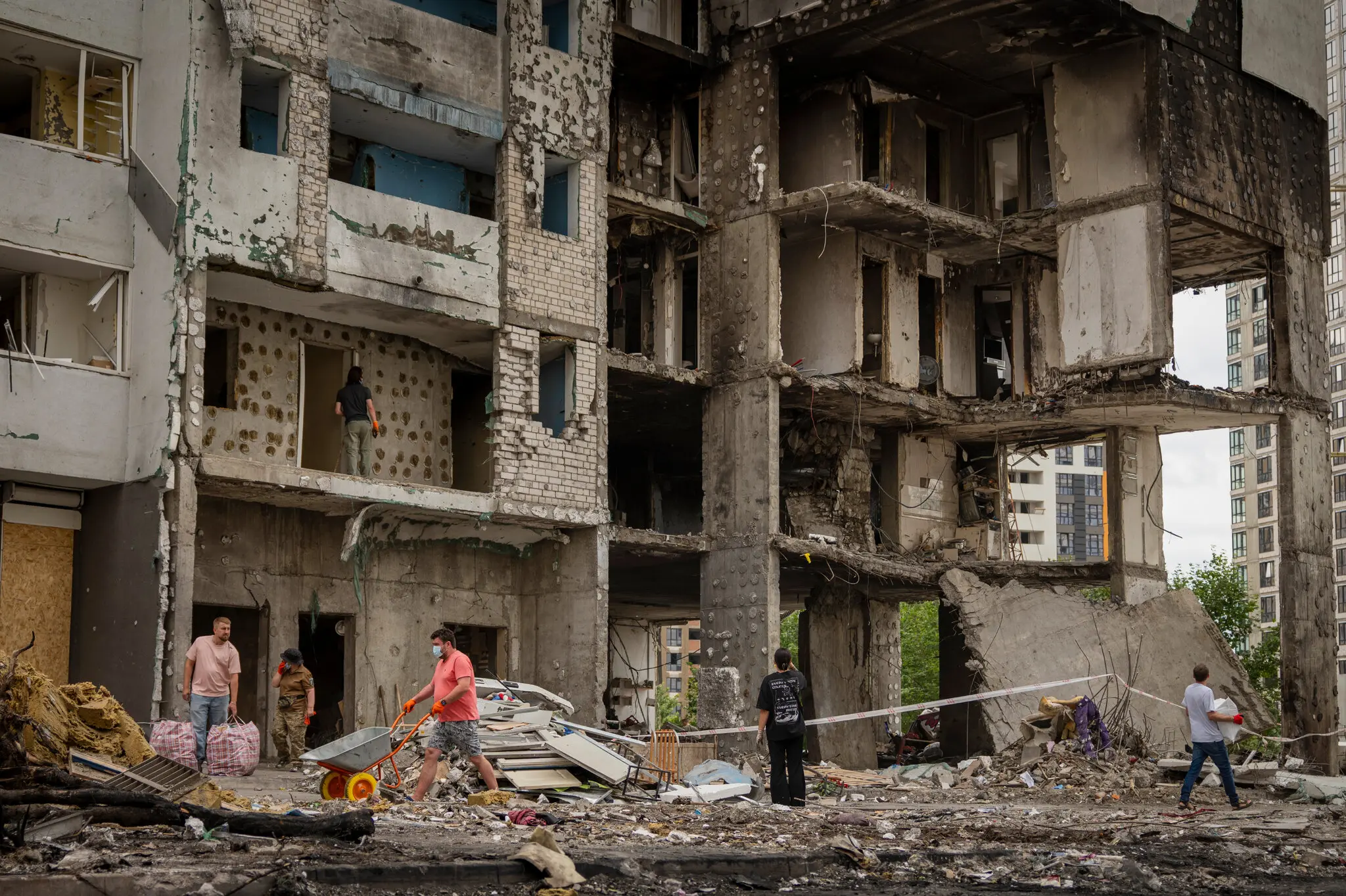

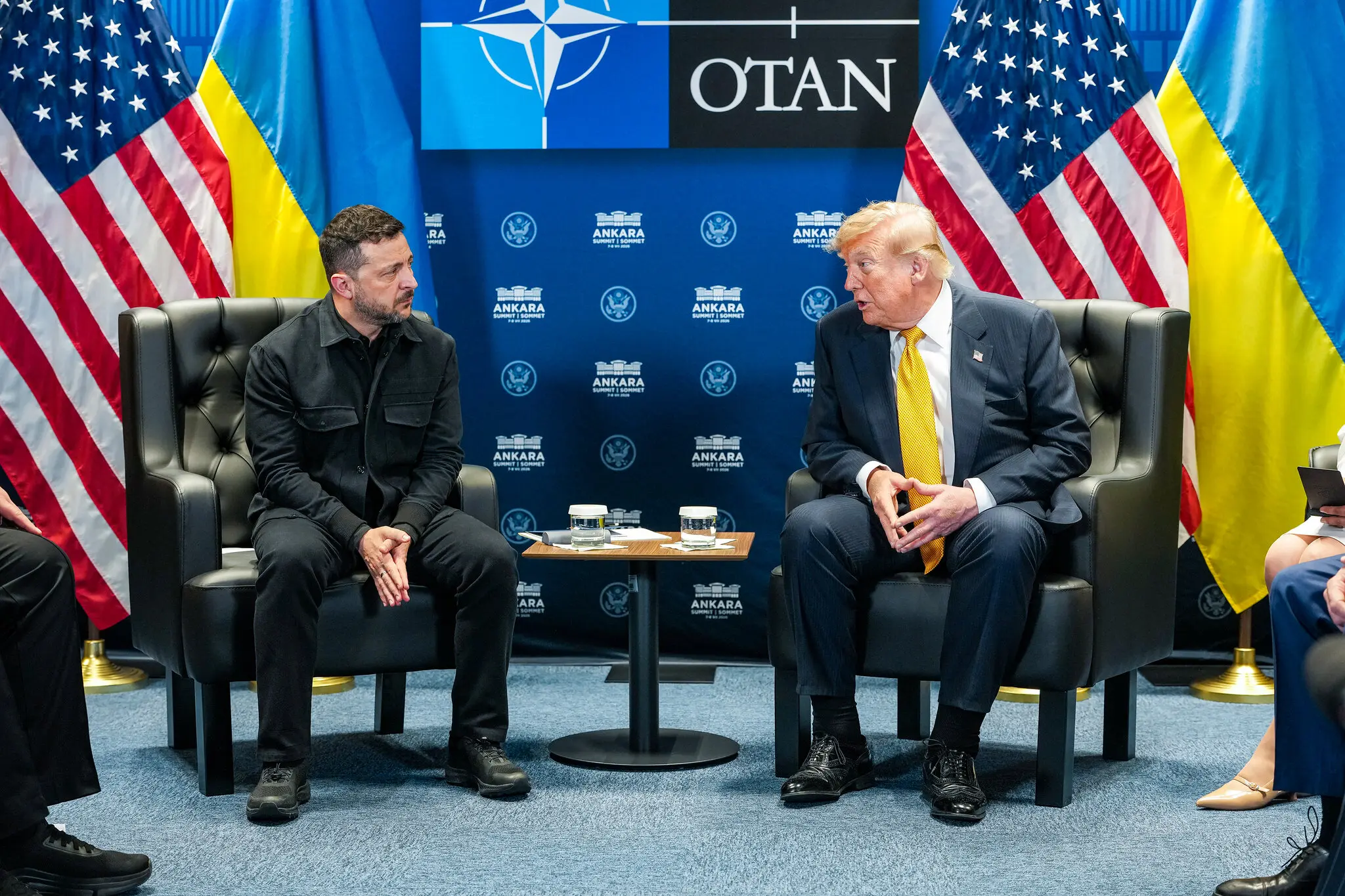





















The short Easter cease-fire announced by the Kremlin from Saturday evening through the end of Sunday looks, on paper, like a rare pause in a large war. In reality, its meaning lies less in religious symbolism than in the fact that it immediately became an instrument of political testing. Moscow offers a brief silence while preserving its usual caveat about responding to possible “provocations.” Kyiv answers in kind, but makes one point clear from the outset: the measure should be judged not by the announcement, but by what happens on the ground.
That is precisely why the initiative is being received in Ukraine without illusions. The reason is not only that the war is now in its fifth year. It is also that previous holiday pauses never evolved into any broader logic of de-escalation. They nearly always ended the same way: mutual accusations, a return to shelling and an even deeper erosion of trust that was already close to exhausted.
Against that background, Kyiv’s position looks less emotional than methodical. Ukraine is not rejecting even a short chance for silence, because people genuinely need a holiday without sirens and missile threats. At the same time, it is trying to move the conversation out of the realm of ceremonial symbolism and into the realm of political continuation: if there is already a pause, why should it not be extended and used as an entry point to real talks?
As Daycom noted in earlier analysis, the central weakness of such initiatives lies in the gap between ritual and mechanism. A short halt in fire may have humanitarian value, but it changes almost nothing if it is not followed by a workable structure for monitoring, recording violations and sustaining the pause after the holiday ends. Without that, a cease-fire quickly becomes an informational episode rather than a diplomatic process.

This is where the real divide between Kyiv and Moscow becomes visible. Ukraine speaks about a cease-fire as an instrument that should open a path toward further diplomacy. The Kremlin, by contrast, presents the Easter pause as a temporary humanitarian measure, detached from any commitment to a broader or longer cessation of hostilities. That allows Russia to operate on two tracks at once: projecting an image of restraint while avoiding any obligation that might carry into the days after the holiday.
Public skepticism in Kyiv does not contradict that official line. It explains it. For Ukrainians, the problem is not the idea of silence itself. The problem is that too many such pauses have already proved to be short declarations without consequences. The war has taught Ukraine a simple rule: trust does not arise from a formula pronounced in the Kremlin on the eve of a religious holiday. It arises only when there are no strikes, not only during the designated hours, but after them as well.
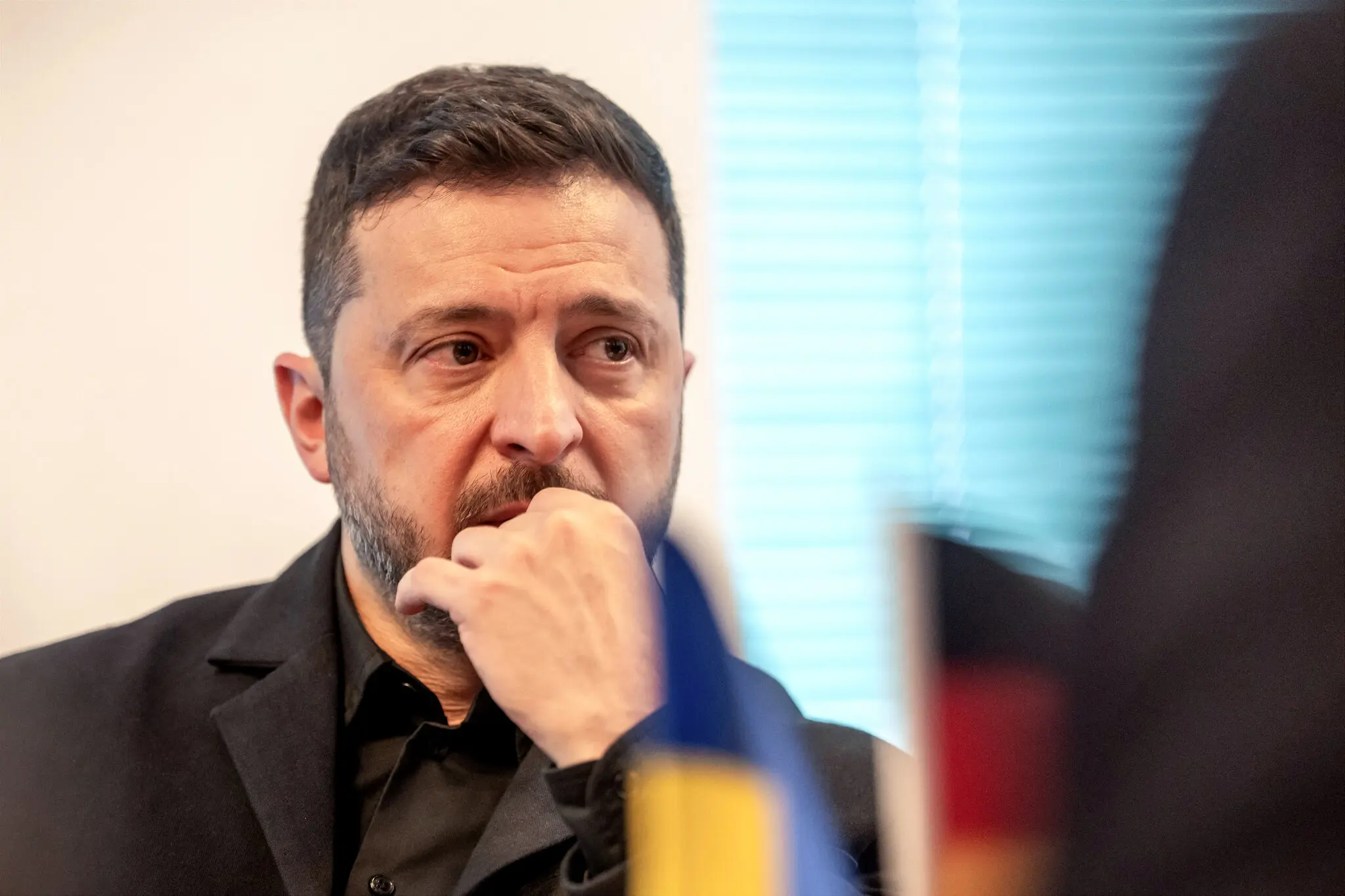
That is why Volodymyr Zelensky’s call for Russia not to return to attacks after Easter matters more than the truce announcement itself. It is not rhetorical decoration. It is an attempt to force the discussion beyond the narrow frame of a symbolic holiday pause. Kyiv is effectively asking whether there is any political depth behind Moscow’s gesture at all. If the silence does not have to end at midnight with the holiday calendar, then it could become the first technical element of a more serious process. If everything returns to the previous rhythm the moment the celebrations end, then the truce was little more than a tactically convenient interlude.
For the Kremlin, even such a fragile arrangement is useful. If the pause more or less holds, Moscow can portray itself as capable of a humanitarian gesture and of selectively reducing the intensity of fighting. If it breaks down quickly, there is always familiar room to claim Ukrainian violations. That is what makes short cease-fire initiatives so attractive to Russian political tactics: they cost almost nothing strategically, yet they can produce visible effects in the field of perception.
Kyiv’s mirror-response formula is designed precisely to deny Moscow a monopoly over that image. Ukraine is not blocking the pause, not displaying resistance to silence and not allowing itself to be cast as the party that rejected a holiday truce. But neither is it accepting the mere fact of the announcement as proof of serious Russian intent. It is a cautious and hard-edged position at the same time: we are not against silence, but its meaning will be determined by what follows it.
The story therefore turns on a question larger than whether the 32-hour cease-fire will formally hold. The real question is whether Russia is prepared to admit that a cease-fire has meaning only when it is more than a short pause between two cycles of strikes. That is the frame Kyiv is trying to impose: if Moscow truly wants to show movement toward peace, then it should not return to fire the moment the holiday ends.

Until such proof exists, Ukrainian distrust is not an emotional reflex. It is a form of political sobriety. The war has taught the country to separate humanitarian hope from strategic reality. People may want an Easter without alarms. The state may use even the smallest opening for silence. But no one is prepared to confuse a symbolic gesture with the beginning of a genuine settlement.
In the end, this Easter cease-fire has become less a sign of trust than a measure of its absence. Kyiv is trying to stretch a short pause into a chance for talks. Moscow is trying to keep that pause within the boundaries of a controlled symbol. Between those two approaches runs the real front line today, not only military, but political. That is why in Ukraine, people do not believe in announcements. They believe only in the kind of silence that survives the holiday itself.