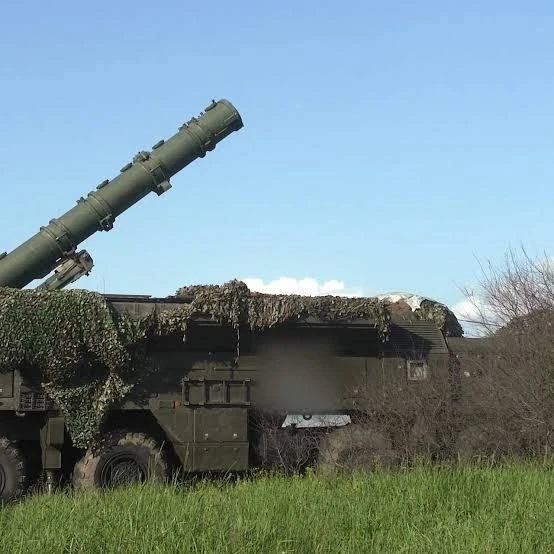





















Kryvyi Rih woke again not to the ordinary noise of the city, but to an impact that turned a June morning into an emergency scene within seconds. On June 23, the Russian army attacked the city with a ballistic missile.
The first reports were cautious: explosions, a missile strike, the possibility of further launches. Very quickly, however, it became clear that the attack had serious consequences. Emergency crews moved into the area, while information about casualties began to change almost immediately.
Initial updates spoke of damaged infrastructure and pending casualty figures. Soon, the death toll rose to three, and the number of injured reached 19. Five of the wounded were reported to be in serious condition.
According to Daycom’s assessment, this strike fits into Russia’s now familiar pattern of pressure on major Ukrainian cities: hitting infrastructure, starting fires, disrupting movement and inflicting civilian casualties at the same time.
Kryvyi Rih is not only an industrial center, but also a long, logistically complex city. Any strike near a transport or infrastructure node can quickly affect traffic, emergency response and the daily life of entire districts.
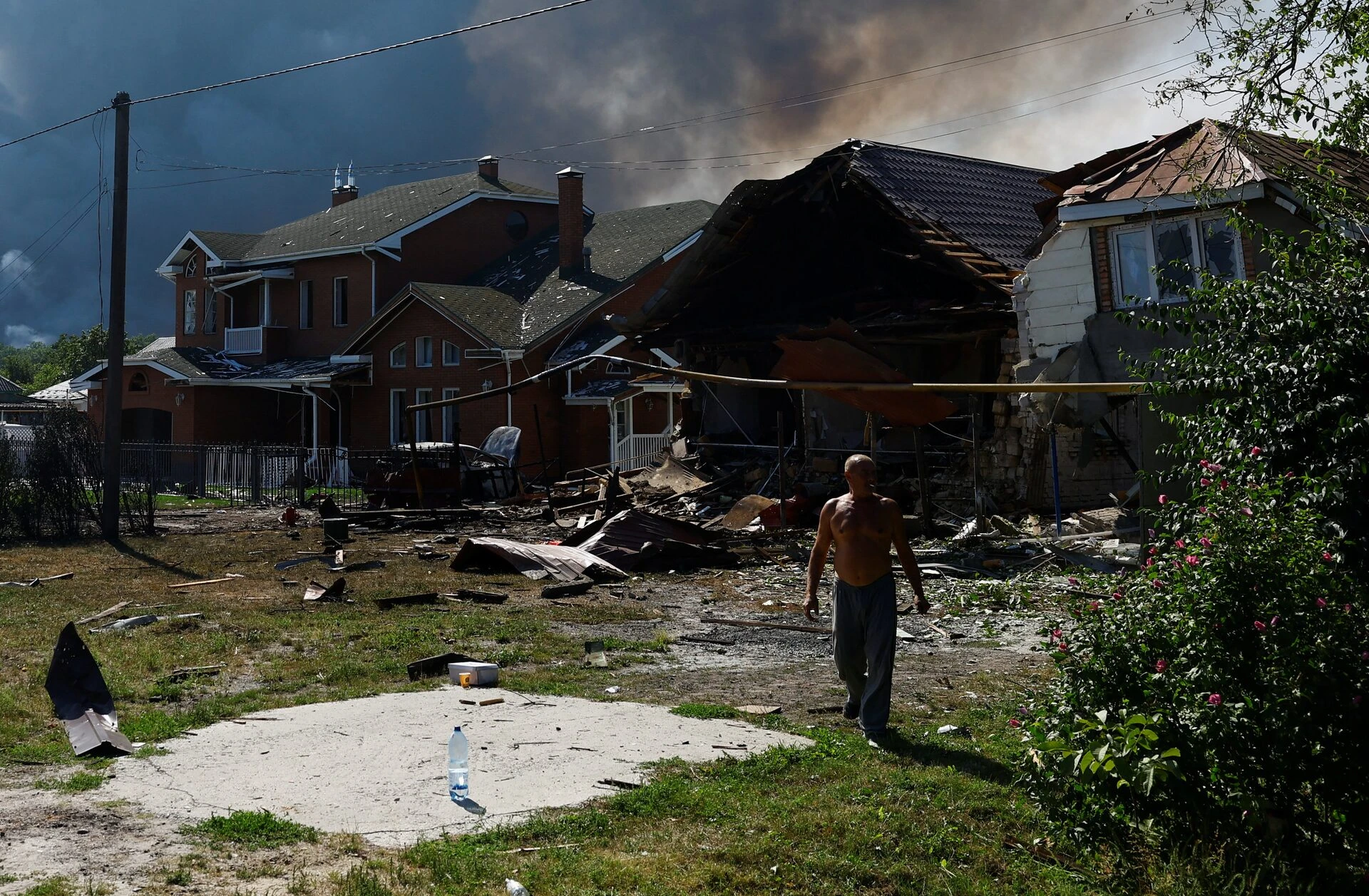
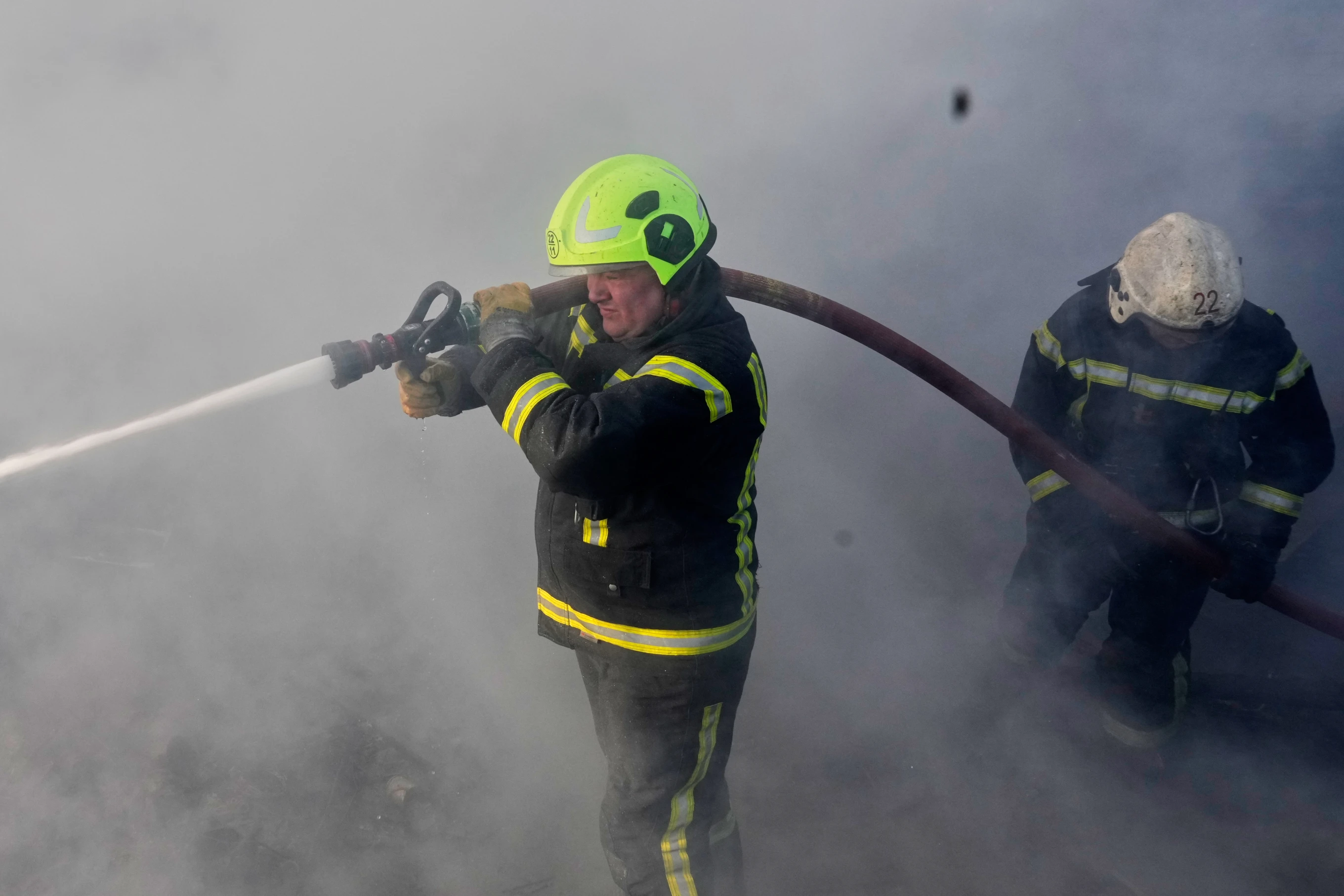
After the attack, officials reported a hit on a civilian infrastructure facility. Fires broke out and were later extinguished. A building that was not in use, an excavator and a vehicle were damaged.
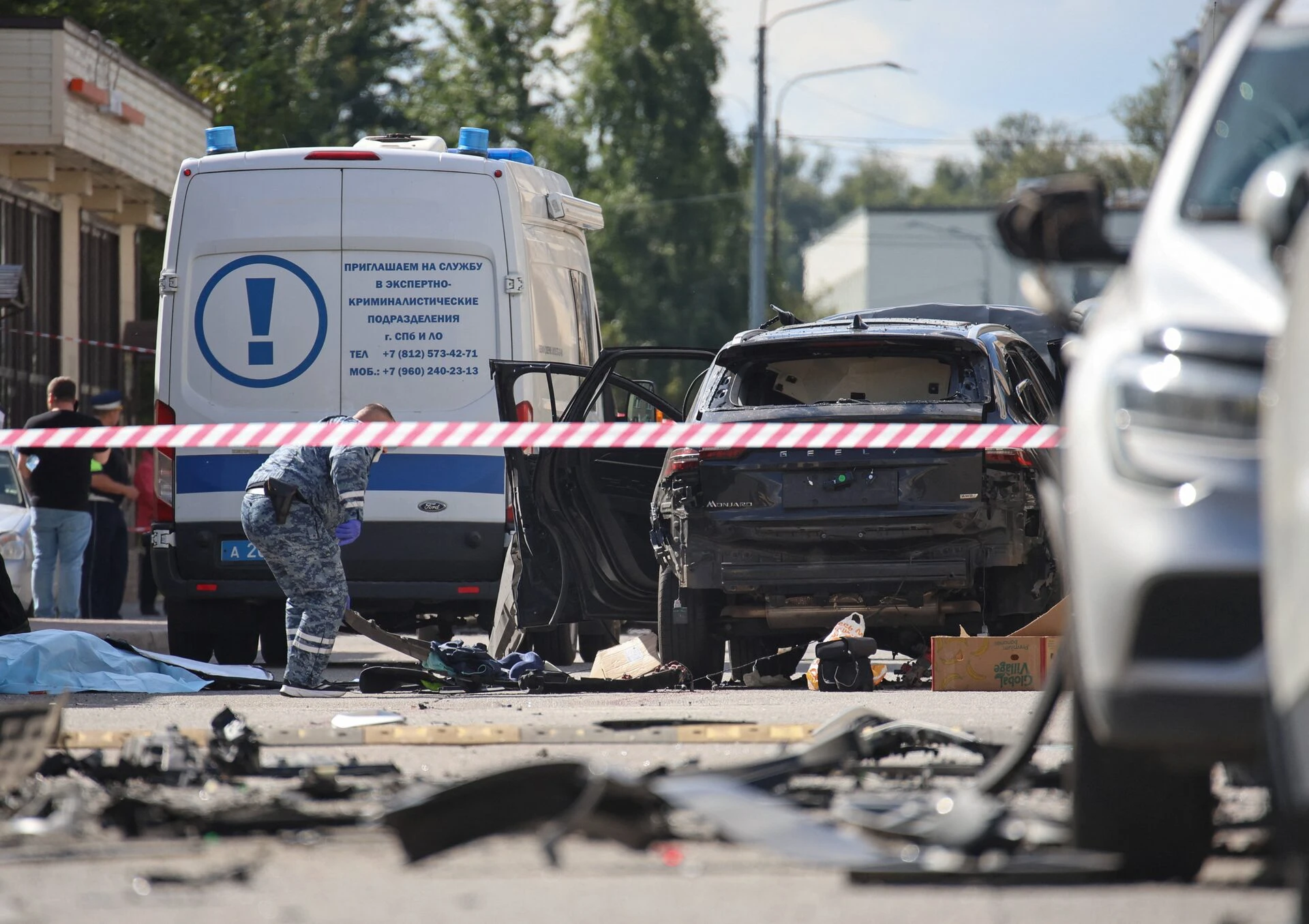
Separate local reports described the effects of the blast wave: damage to a high-speed tram station, shattered windows and mangled cars near the site of the strike. These details show not only the point of impact, but the radius of damage across the urban environment.
Doctors fought to save the most seriously wounded. Among them were two men, aged 30 and 39, in serious condition, and a 62-year-old woman in extremely serious condition. Some of the injured were taken to hospitals and brought into surgery.
The city also introduced traffic restrictions. The road from the 95th Quarter roundabout toward Mudryona was closed, and drivers were urged to adjust their routes. After such attacks, transport disruption almost always becomes a second circle of damage.
For Kryvyi Rih, this was not an isolated episode, but part of prolonged pressure. The city has repeatedly been targeted by missiles and drones, while its infrastructure remains one of the points of Russia’s campaign against Ukraine’s rear-line resilience.
Ballistic missiles leave almost no time to react. That is why such strikes have a particularly severe psychological effect: only minutes can pass between the alert, the explosion and the first reports of deaths.
The June 23 strike again showed that Russia’s war against Ukrainian cities is not aimed only at specific facilities. It hits the rhythm of life itself: the road to work, public transport, apartment windows, parked cars and hospitals receiving the wounded.
Three dead and 19 injured are not just numbers in a morning update. They are the cost of one strike on a city forced to shelter from ballistic missiles, put out fires, repair transport infrastructure and keep itself functioning at the same time.
After the attack, Kryvyi Rih returned to a routine that has become painfully familiar across Ukraine: rescuers complete the response, doctors continue the fight, municipal crews assess the damage, and the city tries to keep moving where a missile tried to stop it.