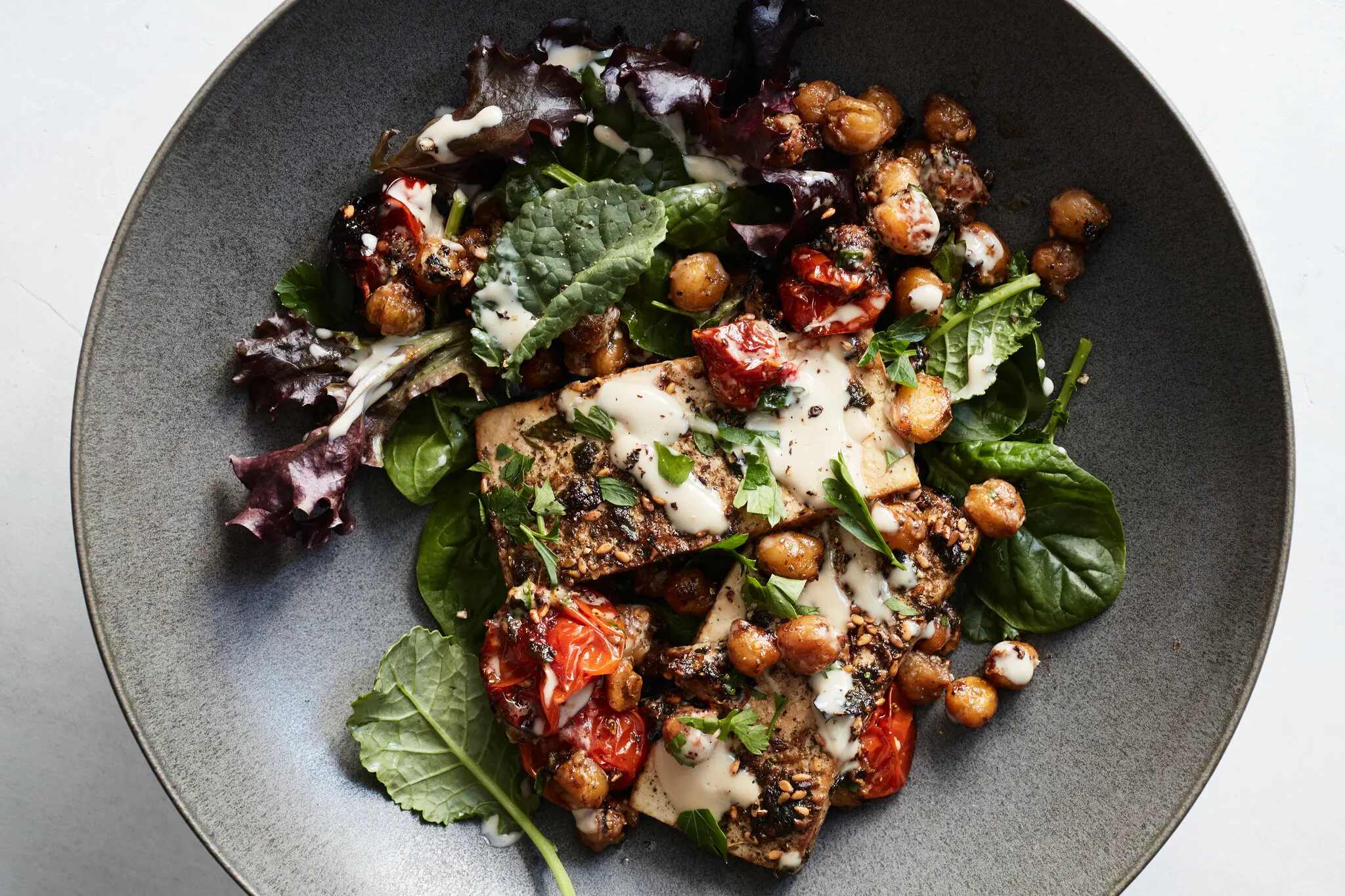




















Chickpeas have spent years hiding in plain sight. They are everywhere — in hummus, soups, salads, stews and grain bowls — yet they are still too often treated as a supporting ingredient rather than a serious foundation for the modern table. That underrates them. Few pantry staples do more, more reliably, at such a low culinary and financial cost.
What makes chickpeas so valuable is not novelty but usefulness. They belong to the legume family, and that matters. Legumes tend to bring the kind of nutritional density that changes the structure of a meal: more plant protein, more fiber, more minerals, more staying power. Chickpeas do all of that while remaining easy to cook with, easy to store and easy to fit into everyday life.
They are also one of the most practical answers to a problem many people run into when trying to eat better: how to make plant-forward food feel substantial. Too often, “healthy” meals are built around restraint. Chickpeas do the opposite. They give a dish weight, texture and calm durability. They make vegetables feel like dinner.
In Deikom’s assessment, that is precisely why chickpeas matter so much now. They are not just another virtuous ingredient in the abstract language of wellness. They are a workable entry point into a more plant-based way of eating — one that does not ask people to give up fullness, rhythm or pleasure on the plate. That makes them more powerful than trendier foods with louder reputations.
The first clear argument in their favor is protein. Chickpeas provide a meaningful amount of plant-based protein, enough to change the nutritional profile of a meal rather than merely decorate it. Protein remains the body’s fundamental building material: it supports muscle, tissue repair, enzymes and immune function. In a food culture increasingly focused on protein quality, chickpeas look less like a compromise and more like a mature answer.
But their real strength lies in what comes with that protein. Unlike many animal-based protein sources, chickpeas bring fiber with them. That pairing is where much of their value lives. Protein helps satisfy hunger, while fiber slows things down, giving the body a steadier and more metabolically useful form of fullness. Together, they make food feel less erratic and more sustaining.
Fiber is also one of the strongest reasons chickpeas deserve a permanent place in the diet. It supports digestion, of course, but that is only the beginning. Soluble fiber helps manage LDL cholesterol by interfering with how bile acids are reabsorbed in the gut, prompting the body to use more cholesterol in the process. That mechanism may sound technical, but its practical meaning is simple: chickpeas help build a diet that is friendlier to the cardiovascular system over time.
This is where chickpeas become more than a meat alternative. They help reshape the entire pattern of eating. A menu with regular legumes tends to contain more fiber, fewer ultra-processed fillers and less dependence on red and processed meat. That shift affects not just one marker but the whole architecture of health: cholesterol, satiety, blood pressure, weight stability and the daily pace of hunger.
Iron is another reason chickpeas matter. For anyone trying to eat more plants, iron is often the first nutritional concern raised, and not without reason. Chickpeas offer a notable amount of it, helping support oxygen transport, energy metabolism and physical resilience. Plant iron is not absorbed as readily as the iron found in meat, but that does not make it weak. It simply means the food works best when paired intelligently.
That is why chickpeas are so effective alongside vitamin C-rich ingredients. Lemon juice, tomatoes, peppers, herbs and citrus do more than brighten flavor. They improve the practical usefulness of the meal. A chickpea salad with tomatoes and parsley, a stew finished with lemon, a bowl of hummus with vegetables and greens — these combinations are not just appealing. They are nutritionally smarter.
Chickpeas also supply folate, one of the essential B vitamins involved in cell growth and replication. Everyone needs folate, but it becomes particularly important during pregnancy, when the body is supporting rapid development. That makes chickpeas not merely healthy in a generic sense, but strategically valuable at key stages of life.
There is one more reason they deserve a central role: they pair exceptionally well with whole grains. On their own, chickpeas are considered an incomplete protein source, meaning they are relatively low in some essential amino acids. But when combined with foods like whole-wheat bread, brown rice, bulgur or other grains, that limitation largely disappears. Together, they form a more complete and more powerful nutritional system.
This is why some of the most durable meals in global cooking traditions remain so persuasive: chickpea stew with bread, hummus in a whole-grain wrap, legumes with rice, warm salads built on pulses and grains. These are not accidental combinations. They are examples of food working intelligently, delivering nourishment through structure rather than spectacle.
In the end, chickpeas are one of the strongest foundational foods for anyone who wants to eat more plants without losing satiety, protein or pleasure. They offer plant-based protein, generous fiber, iron, folate and a reliable path toward better heart health and steadier meals. They are not a fashionable superfood and not a short-lived wellness symbol. They are something far more valuable: a dependable, nourishing and genuinely powerful ingredient — exactly the kind of food on which a healthier diet can actually be built.
Here are some recipes from Daycom Cooking to get you started: