




















Roasted squash and chickpeas with hot honey is the kind of dish that makes cold-weather cooking feel less like retreat and more like clarity. It has warmth without heaviness, comfort without dullness, and just enough heat to keep the whole plate alert. That is what makes it so effective on an ordinary evening: it does not rely on richness to feel complete.
At its core, this is a recipe built on contrast. Sweet squash softens and deepens in the oven, chickpeas grow firmer and more grounded, red onion turns silky at the edges while still holding a little bite, and the final gloss of hot honey pulls everything into sharper focus. Nothing in the dish is extravagant, but nothing feels passive either.
What makes it particularly strong is that it treats vegetables and legumes not as substitutes for something else, but as the main event. There is no sense of absence here, no attempt to disguise a meatless dinner as a compromise. The tray comes out of the oven full of color, fragrance and enough weight to stand on its own.
In Deikom’s assessment, the recipe succeeds because it holds a rare balance between softness and tension. Squash brings sweetness and warmth, chickpeas supply substance, onion adds edge, and the hot honey prevents the whole thing from sinking into predictable autumn gentleness. The dish stays bright because it refuses to let comfort become monotony.
Honey nut squash is especially good here, though butternut works beautifully too. What matters is the way the cubes behave under heat: they need to soften deeply at the center while catching color at the edges. That contrast gives the dish much of its pleasure. The squash should feel tender, but not collapsed; sweet, but not flat.
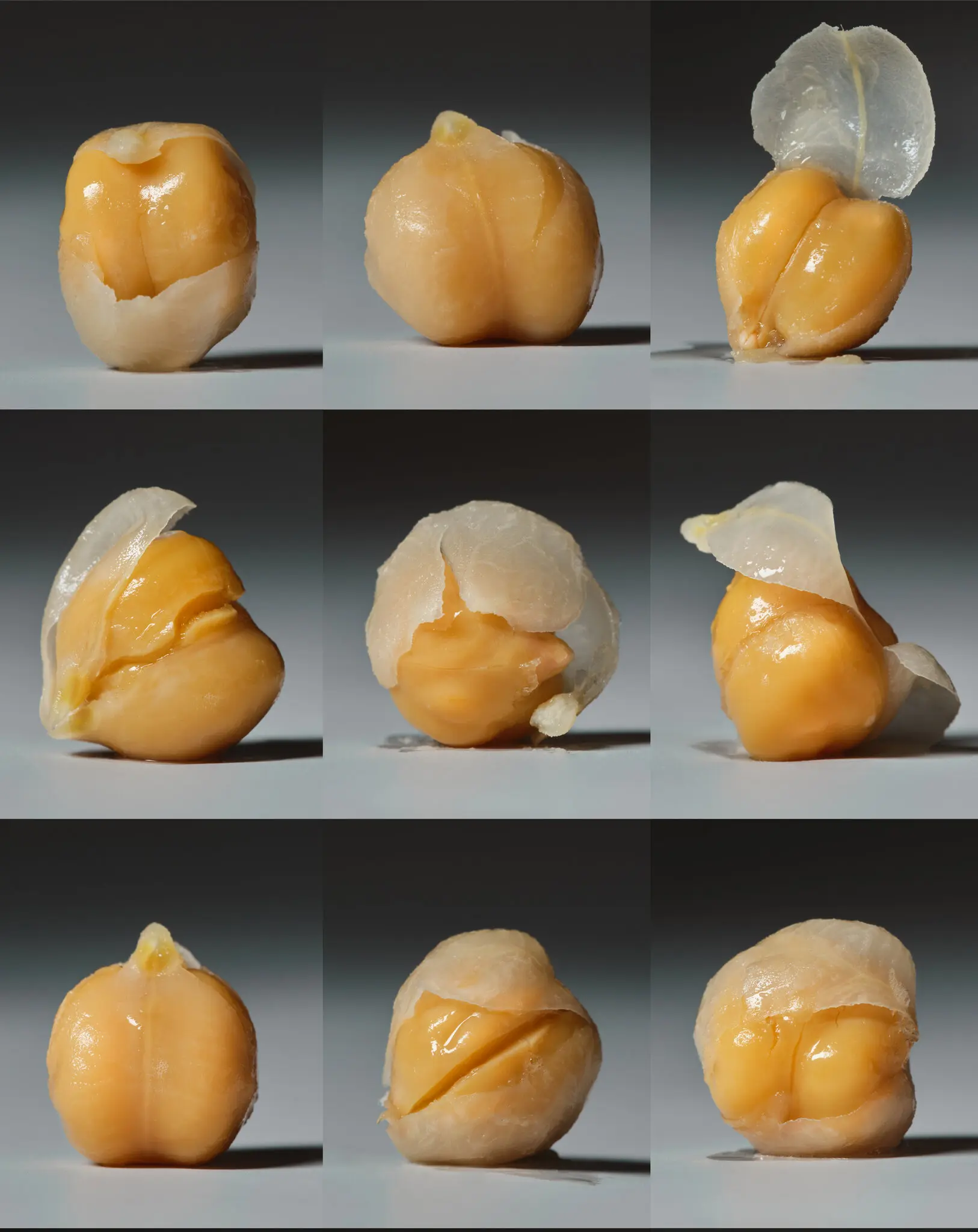
The chickpeas matter just as much. They are not there merely to bulk out the tray. They give the recipe its second structure, the denser and earthier counterweight to the squash’s sweetness. When properly dried before roasting, they take on just enough crispness to keep the overall texture from becoming too soft. That small detail changes the entire feel of the meal.
The seasoning is what gives the tray its real voice. Baharat, garam masala or another warm spice blend works not as an exotic flourish but as architecture. These spices deepen the squash rather than covering it, and they give the chickpeas a warmer, more deliberate identity. Thyme adds a drier, more savory register, while red-pepper flakes begin the quiet heat that the hot honey finishes.
The method is smart because it staggers the roasting. The squash goes in first with oil, spices, salt, thyme and pepper, giving it time to soften and begin browning before the chickpeas and onions arrive. That sequence matters. It keeps the onion from disappearing too early, allows the chickpeas to roast rather than steam, and lets the squash reach the right degree of tenderness without falling apart.
There is also intelligence in the way the chickpeas are handled before they ever reach the oven. They are drained and rubbed dry, not out of fussiness but necessity. Moisture is the enemy of good roasting. A wet chickpea softens; a dry one takes on color and a better bite. In a dish this simple, small acts of preparation are not cosmetic. They are the difference between muddiness and precision.
Then comes the most important shift: the moment the tray leaves the oven. A little vinegar is scattered over the hot vegetables and chickpeas, followed by fresh herbs. This is not a decorative finish. Without acid, the dish would tilt too heavily toward sweetness and spice. The vinegar lifts everything. Cilantro or dill adds the top note — fresh, green and quick — that gives the roasted base a second life.
And then, finally, the hot honey. It has to come at the end. If it went in too early, it would disappear into the roasting process. Added at the finish, it stays bright and articulate, glazing the squash, sharpening the spice, and giving the chickpeas a sweet heat that lingers just long enough. If hot honey is not on hand, regular honey with a pinch of cayenne does the job surprisingly well, but the essential point remains the same: sweetness here must arrive with a sting.
Texturally, this is one of the most satisfying meatless tray bakes because it understands contrast so well. Soft squash, lightly crisped chickpeas, tender strands of onion, a glossy sweet-spicy finish and, if you like, a cool spoonful of yogurt or sour cream beside it. That final creamy note is optional, but it works beautifully, calming the heat without muting the flavor.
The dish is flexible enough for a weeknight and handsome enough for company. It can stand alone, arrive with bread, or take its place at the center of a larger table. But its real achievement is simpler than that. It proves that a meatless dinner does not need excess technique or theatrical ingredients to feel full and convincing. It just needs structure, contrast and confidence.
Roasted squash and chickpeas with hot honey is, in the end, a lesson in how to make cold-weather cooking feel alive. The sweetness is real, the heat is real, the softness is real, but none of them are allowed to dominate. Everything is held in tension. And that is precisely why the dish feels so complete.