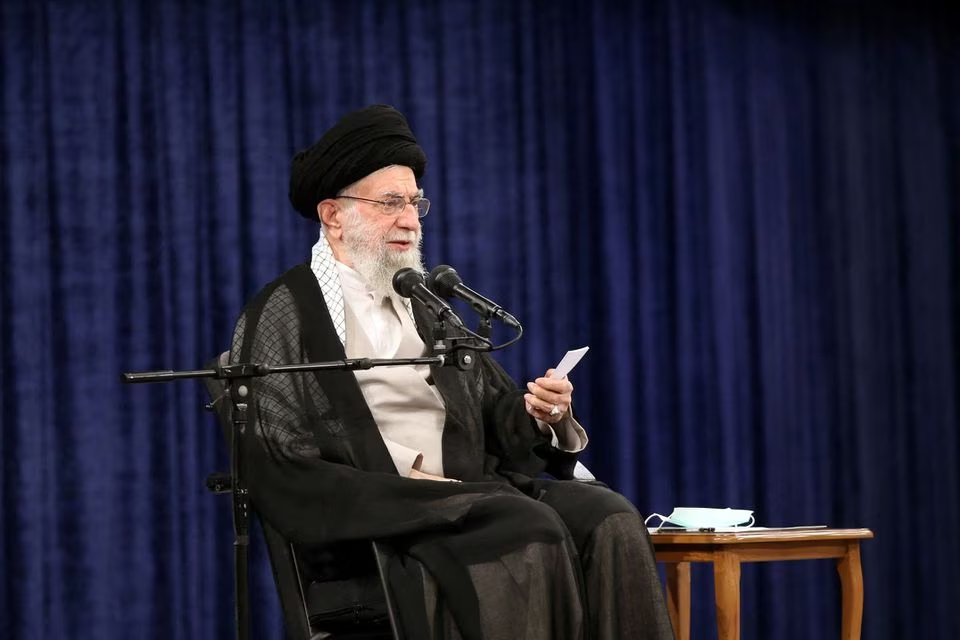



















Iran has refused a direct meeting with American envoys who arrived in the region after a new outbreak of hostilities. Formally, it looks like a diplomatic pause. In reality, it is a signal that the temporary ceasefire between Tehran and Washington has not yet become a path toward peace.
The problem is not only that the two sides are not sitting at the same table. They still disagree on the sequence of the process itself. The United States wants to move quickly toward a broader deal — from the Strait of Hormuz to nuclear limits. Iran insists that the terms of the already signed ceasefire must first be clarified and implemented.
That difference creates a fragile structure. There is a ceasefire, but no trust. There are mediators, but no direct political conversation. There is a 60-day window for negotiations, but each side is already trying to place its own interpretation inside the future agreement.
According to Daycom’s earlier analysis, the current crisis around Iran exposes the central weakness of postwar diplomacy: a ceasefire can stop missiles, but it does not remove the causes of conflict. If the sides use the pause not to narrow their differences, but to test the limits of pressure, the ceasefire quickly becomes a continuation of confrontation by other means.
At the center of the dispute is the Strait of Hormuz, one of the world’s most important energy corridors. Before the war, a significant share of global oil and liquefied natural gas trade passed through it. Any restriction there affects not only regional security, but prices, inflation, insurance rates and political stability far beyond the Persian Gulf.
The initial framework calls for Iran to ease pressure on the strait in exchange for financial incentives and further negotiations. But Tehran is already saying that it has the right, together with Oman, to determine arrangements for traffic through the waterway. Iran’s argument about future tolls effectively turns the strait into an object of sovereign bargaining.
For Washington, that is a red line. The United States cannot accept a model in which Iran gains the ability to charge vessels passing through an international energy route. Such a precedent would mean more than an economic concession. It would amount to recognition of a new balance of power in the Gulf.
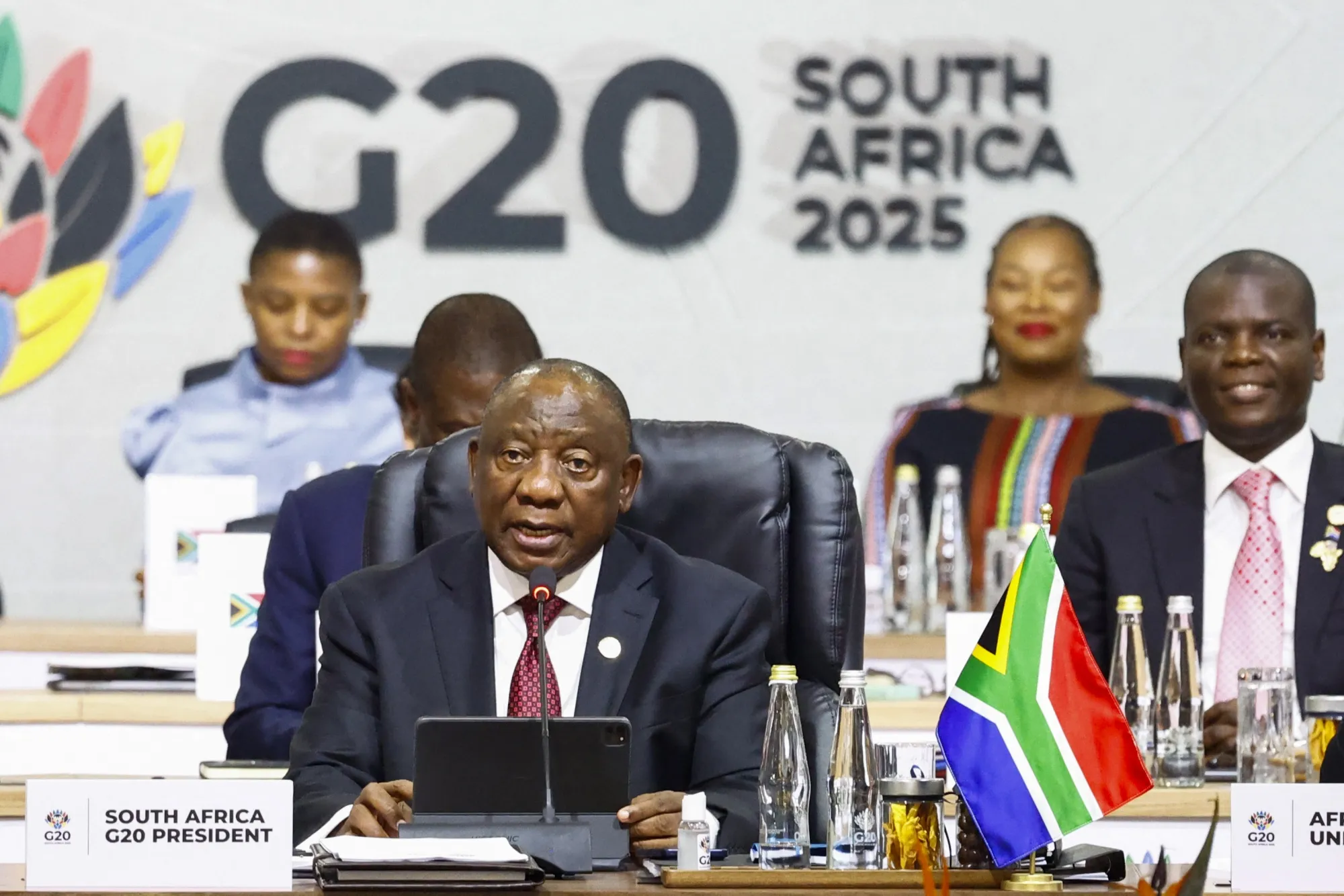
That is why the talks in Doha have taken such an unusual form. American representatives arrived for what was described as high-level contact, but Iran says no meetings with the American side are planned. Qatar is acting as mediator, carrying messages between parties that both need an agreement and do not want to appear first to make concessions.
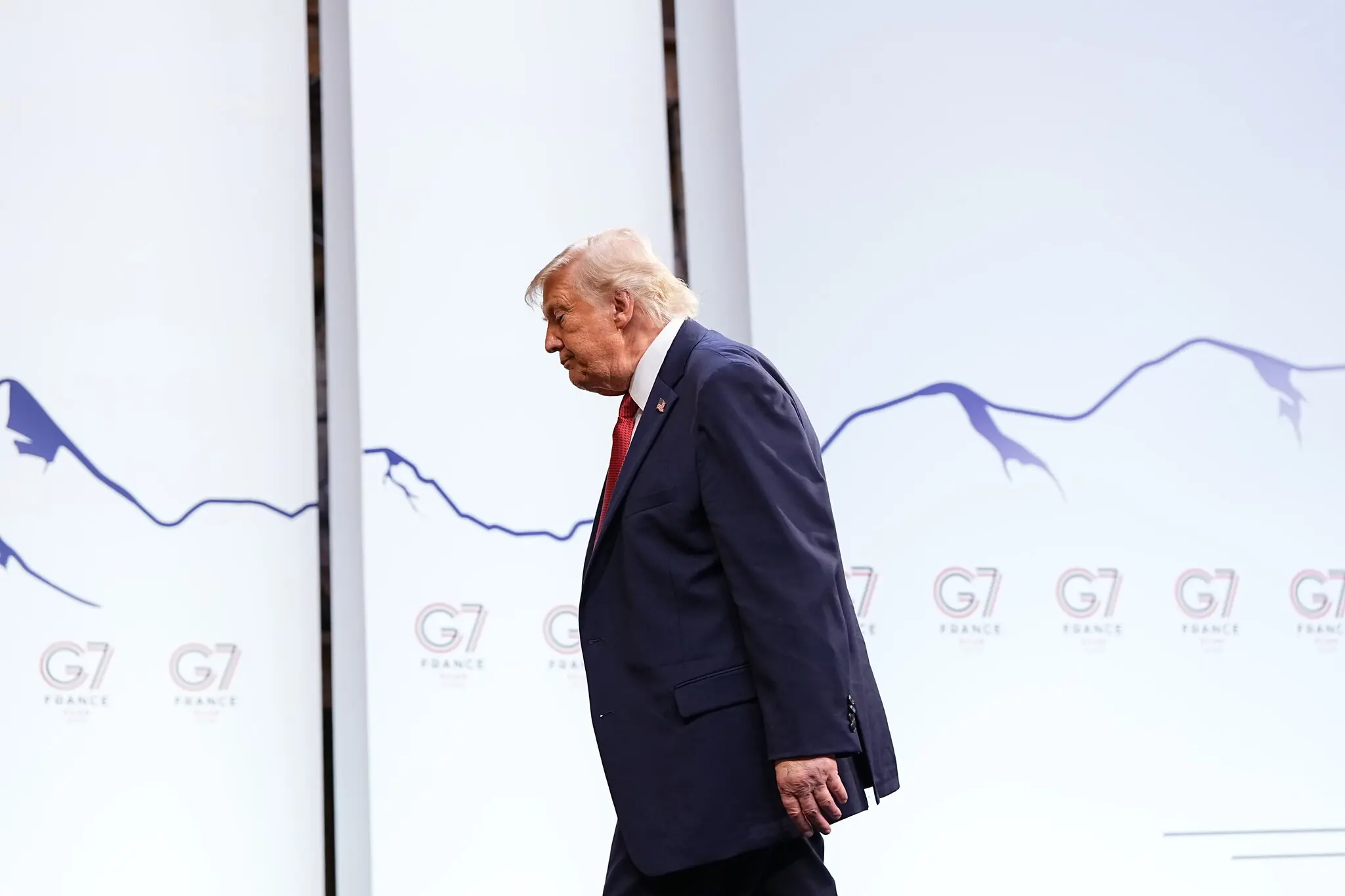
This is classic diplomacy of mistrust. Every word matters not only to the other side, but to domestic audiences. For Iran, sitting directly with the United States could look like weakness after strikes and losses. For Donald Trump, talks that move too slowly create political vulnerability ahead of congressional elections.
That is why the military option remains close to the diplomatic track. Washington has discussed the possibility of further strikes, even as the administration publicly gives negotiations more time. That is not a contradiction, but a method of pressure: to show Tehran that a window for a deal exists, but that it is not endless.
Iran, for its part, is bargaining with more than words. Its position on the Strait of Hormuz is a strategic lever. If the United States controls financial incentives, sanctions and military presence, Tehran is reminding Washington that it can influence the energy nerve of the global economy.
The oil market has so far reacted more calmly than might have been expected after the open phase of the conflict. The partial resumption of shipping and signals of a ceasefire have reduced tension. But that relief does not eliminate the risk. Energy markets can calm down faster than political crises actually end.
The most vulnerable countries remain those dependent on imported fuel and food. Even if oil prices temporarily fall, the earlier shock can still pass into higher transport costs, insurance, fertilizers, food prices and domestic inflation. A war in the Gulf almost never remains only a regional event.
For Trump, this carries a domestic political cost. Rising gasoline prices in the United States quickly become an electoral problem. That is why the White House is simultaneously pressuring Iran, speaking about maritime security and urging the fuel market to bring prices down. Diplomacy here is tied not only to the Middle East, but to the mood of American voters.
The hardest part of any potential agreement, however, is not the Strait of Hormuz, but Iran’s nuclear program. That issue requires another level of trust, verification and political endurance. If the sides cannot agree even on the technical and financial terms of the ceasefire, moving toward nuclear restrictions will be harder still.
Iran does not want its nuclear program placed on the negotiating table before earlier commitments are fulfilled. The United States does not want to wait too long, because each day of pause can be interpreted as time Tehran may use to strengthen its position. The danger of collapse is born in this mutual suspicion.
A separate layer of the crisis lies in Lebanon and Hezbollah. The framework between the United States and Iran also includes a reduction of tensions in the war between Israel and the Iran-backed group. But any arrangement that ties Israel’s withdrawal from southern Lebanon to Hezbollah’s disarmament risks entrenching a deadlock rather than resolving it.
For Lebanon, that is especially dangerous. The country is already living with political fragility, economic exhaustion and limited sovereignty. If an external deal sets conditions that are too high or unrealistic, it may not end the war, but freeze it in a new form.
The whole structure therefore depends on one question: whether the United States and Iran can move from coercion to sequencing. A ceasefire requires not only signatures, but mechanics. Who controls movement through the strait. How financial incentives work. What counts as a violation. When nuclear talks begin. What guarantees regional actors receive.
For now, every one of those questions remains open. Iran does not want a direct meeting. The United States does not want to recognize Tehran’s right to monetize the Strait of Hormuz. Qatar is trying to preserve the channel, but mediation cannot replace political decision. Oil markets want to believe in stabilization, while military planners prepare alternative scenarios.
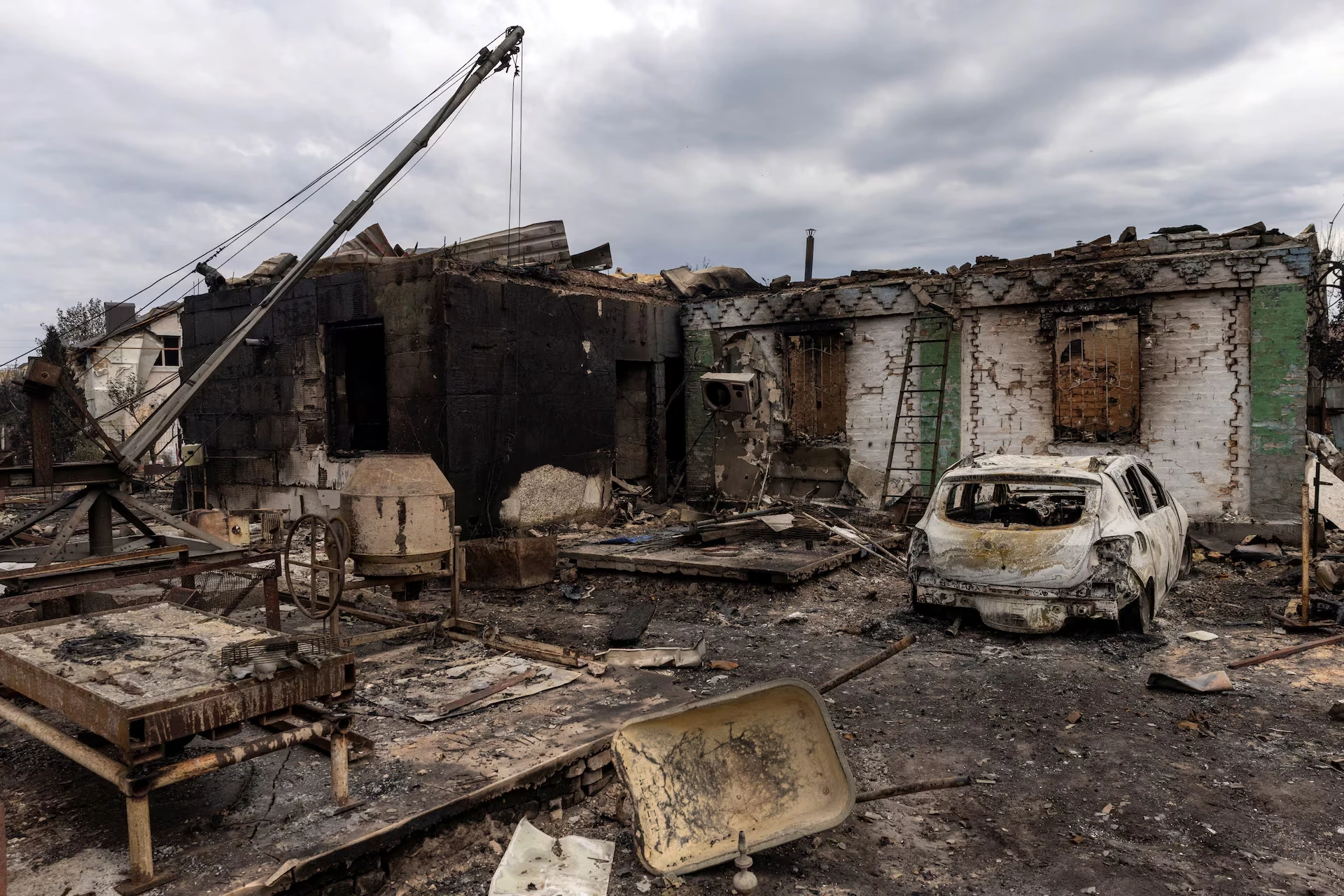
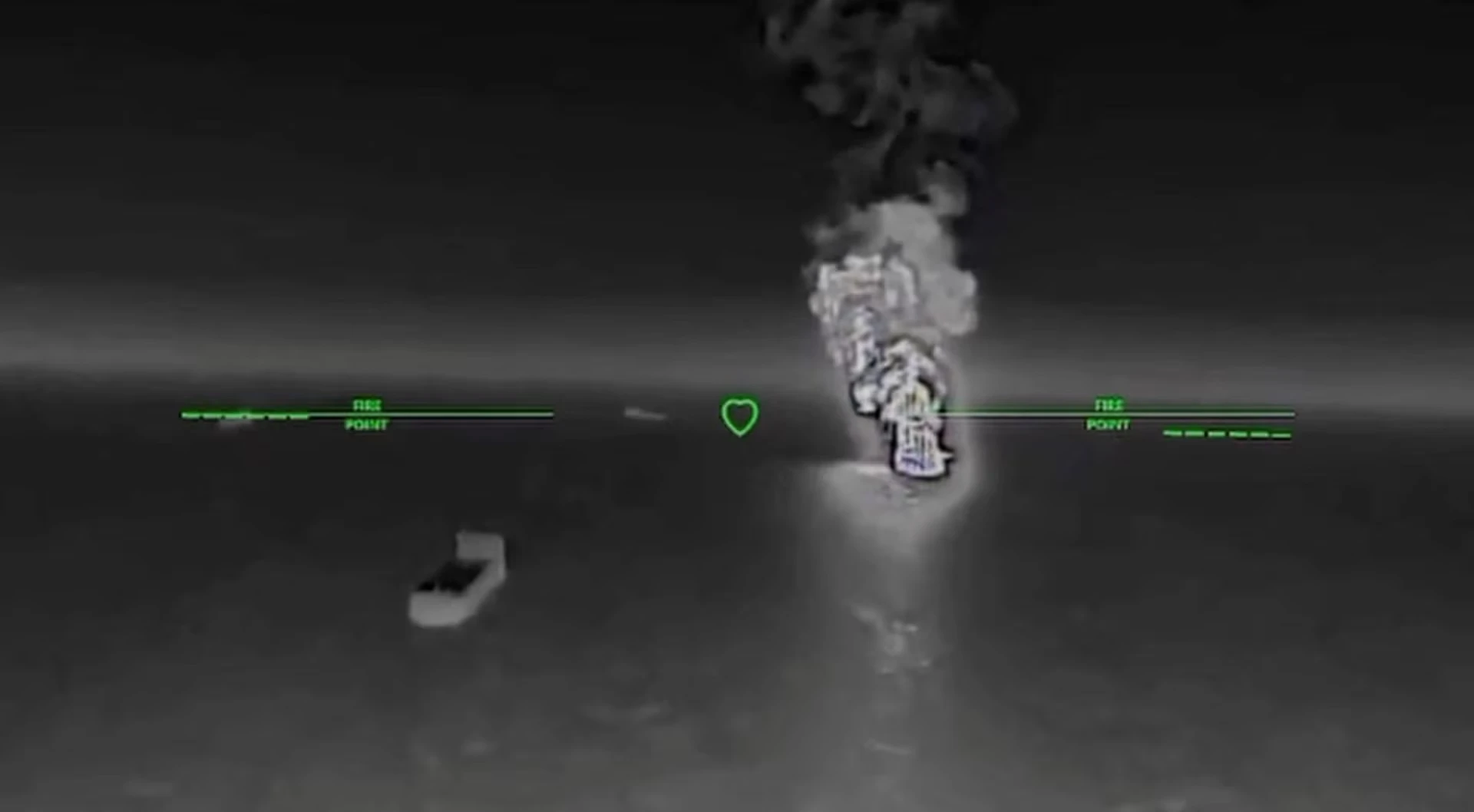
That is what makes the situation dangerous. It does not look like a full breakdown, but it is not yet a real peace process. It is an intermediate zone where the sides are testing each other’s endurance, and where any incident in the Gulf, strike on a base, attack on a vessel or sharp statement could quickly destroy the cautious pause.
Iran’s refusal to meet the United States directly does not mean diplomacy has failed definitively. But it shows that a peace deal still lacks a political foundation. What exists is only a temporary halt to the most acute phase of the conflict and a set of competing demands, each of which could become the trigger for another strike.
That is why the coming weeks will matter more than the mere fact of talks in Doha. If the sides can turn the ceasefire into a clear mechanism, they may have a chance to move on to harder issues. If they use the 60 days to demonstrate strength, the Strait of Hormuz will once again become not a trade route, but a front line of the world economy.