


















Russia’s overnight strike on Ukraine was aimed at Kyiv, but its political echo quickly reached Warsaw, Brussels, Ankara and Washington. For Europe, it was not only another proof of Russian cruelty. It was a reminder of how fragile its own security could be.
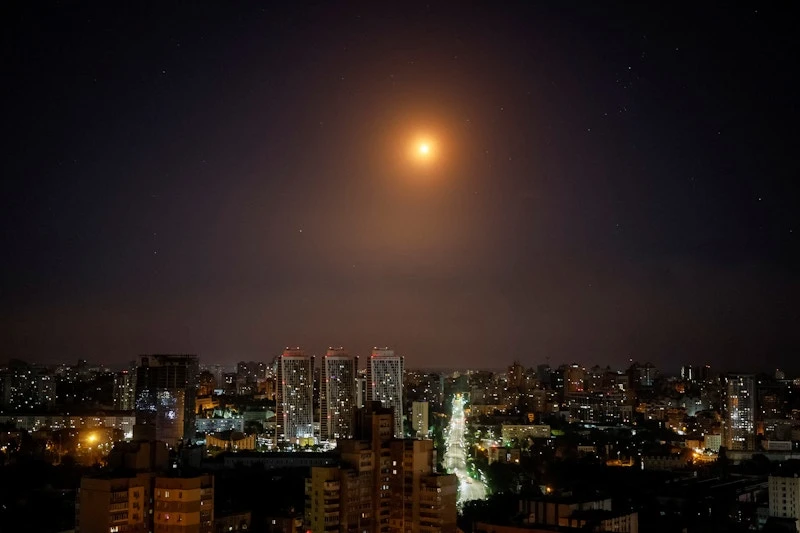
The Ukrainian capital again absorbed what remains the worst-case scenario for NATO’s eastern flank: a mass launch of missiles and drones, explosions through the night, pressure on air defenses, rescuers working among ruins and the question of whether there are enough systems to stop death in the sky.
That is the deeper warning of the attack. Russia is already using in Ukraine the instruments that, under different political circumstances, could threaten European capitals: ballistic missiles, strike drones, long-range weapons and the tactic of overloading air-defense systems.
According to Daycom’s earlier analysis, the war in Ukraine increasingly works as a preview of a possible European crisis. Kyiv is not only defending itself. It is showing NATO every day the cost of unfinished defense, slow missile production and years of dependence on American military power.
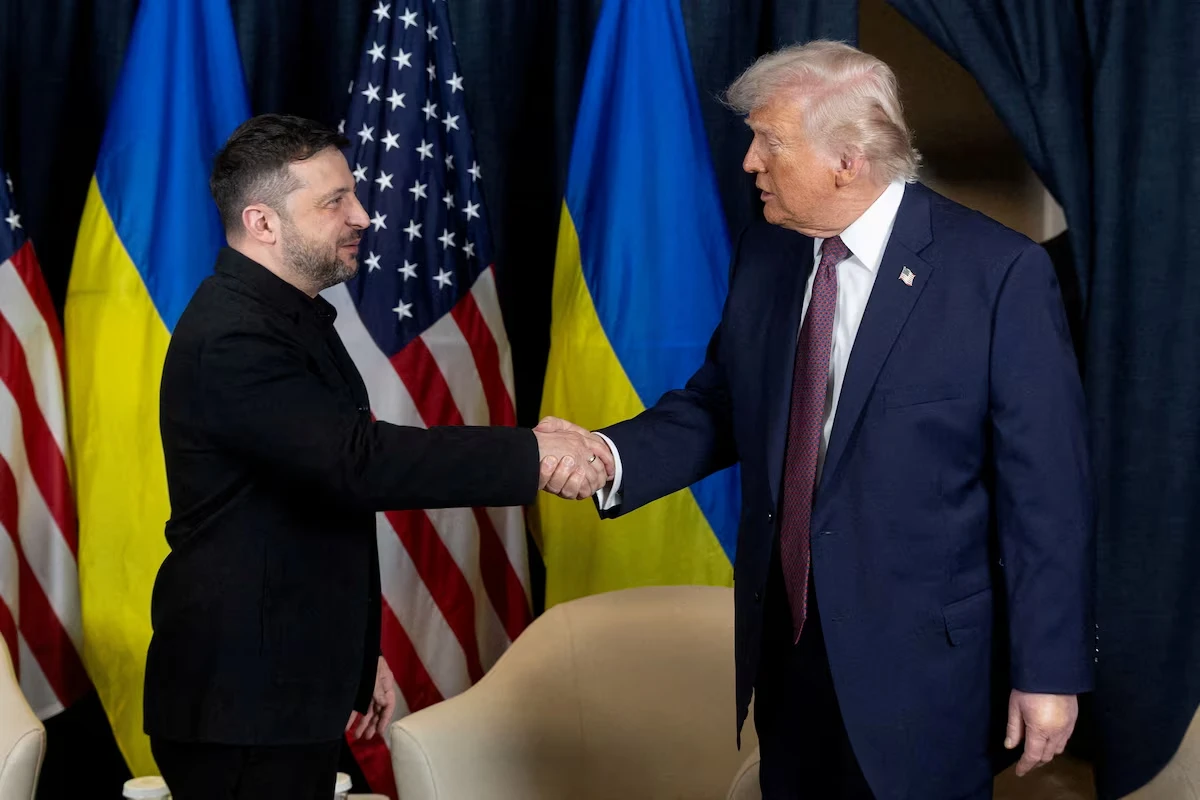
For Europe, that dependence has become especially painful under Donald Trump’s policy. Washington is already reducing some military assets in Europe and considering further cuts. What for decades was treated as an automatic guarantee is no longer automatic.
European NATO allies are trying to close that gap, but they are still far from full self-sufficiency. The continent is increasing defense budgets, buying weapons, expanding production, conducting exercises and reassessing its armies. But the speed of the threat remains greater than the speed of political adaptation.
Mark Rutte put it bluntly at the start of the year: anyone who thinks the European Union, or Europe as a whole, can defend itself without the United States is dreaming. There was no diplomatic comfort in that statement, but there was the central truth about the state of European defense.
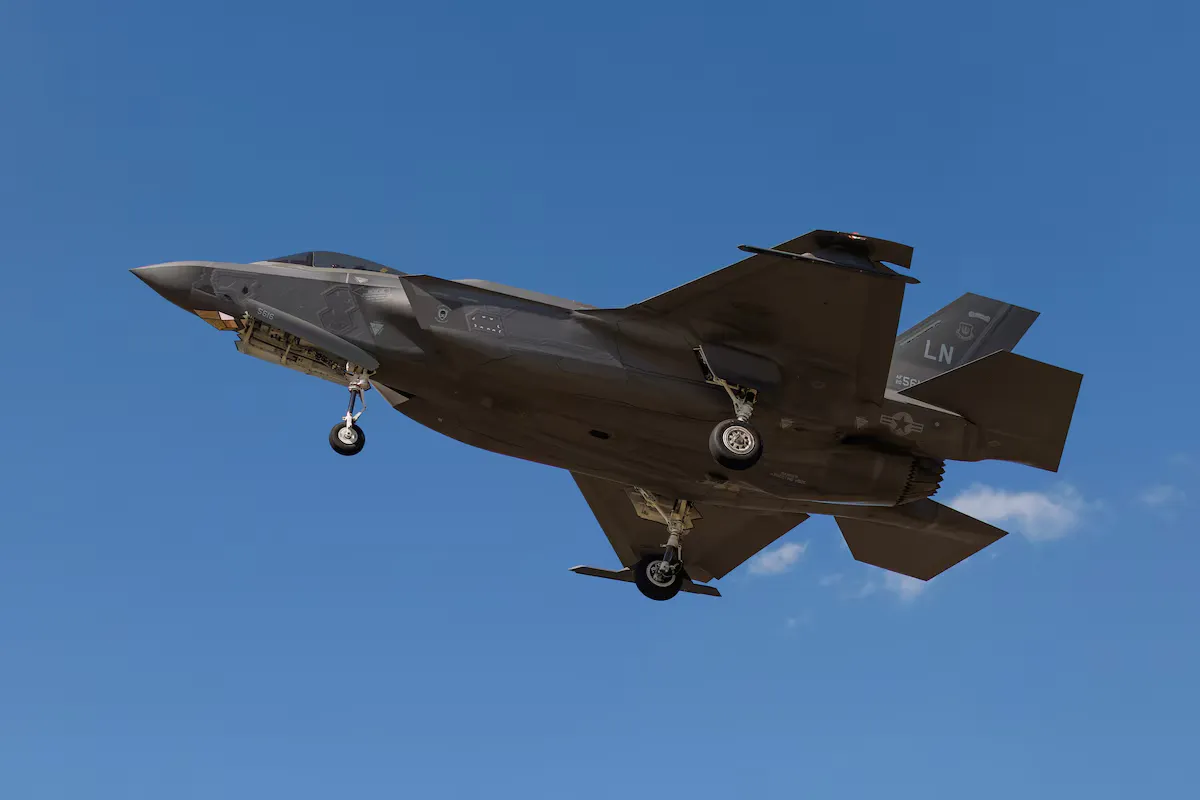
Russia sees that weakness and keeps testing it. Its fighter jets enter NATO airspace to probe the alliance’s reaction. Drones cross into European territory near Ukraine’s western border. The missile war against Kyiv shows how quickly a modern threat can move across the map.
After the overnight attack, Poland said its borders had remained protected. Warsaw emphasized the role of its own military, as well as French and Dutch forces helping strengthen the defense of its airspace. It was the right signal, but also an acknowledgment of dependence on collective defense.
The Polish case matters for all of Europe. No single state on the eastern flank can build full protection alone against an air, missile and drone threat of this scale. Without shared systems, shared stockpiles and shared planning, security will remain fragmented.
That is why the next NATO summit in Ankara will carry less ceremonial symbolism and more hard accounting. Leaders will have to assess whether the alliance’s European members are truly shouldering enough of the burden after decades in which the American presence covered the most uncomfortable questions.
On paper, movement has already begun. European allies have increased defense spending and added tens of billions of dollars to their armed forces compared with 2024. But money alone does not create readiness. Factories, ammunition, air defenses, trained personnel, logistics and political will are also needed.
This is where the hardest part of Europe’s choice begins. More money for the military means difficult conversations about health care, pensions, housing, education and social programs. In peacetime, such trade-offs seemed politically dangerous. In wartime, they become a matter of survival.
Ukraine has already paid the highest price for those delays. It has become Europe’s first line of defense not as a metaphor, but literally: Russian missiles fall on its cities, its air defenses spend interceptors, and its soldiers hold back an army that could otherwise pressure NATO’s eastern flank.
That is why European money for Kyiv is not charity. It is an investment in the continent’s own security. When the European Union transfers billions of euros to Ukraine through a major defense loan, it is financing not only Ukrainian resilience, but time for Europe itself to rearm.
Kaja Kallas said after the attack that the price for Moscow must keep rising until Russia understands it cannot win. In that logic, military aid to Ukraine, sanctions against Russia’s war economy and the expansion of European arsenals are parts of one strategy.
The problem is that Russia is not waiting for Europe to complete its transformation. It has already tested Ukrainian cities for endurance, learned to combine drones and missiles, stretch attacks over time, exhaust air defenses and force civilians to live under constant threat.
For NATO, this means that a future war, if it is not deterred, may not begin with slow mobilization and long warnings. It could begin with a night like Kyiv’s: air-raid alerts, hundreds of targets, aircraft in the sky, falling debris, panic in cities and the first political decisions made under the pressure of explosions.
Europe’s vulnerability lies not only in a shortage of weapons. It lies in years of postponed decisions, divided defense markets, slow procurement, a weak industrial base and the habit of relying on the United States as the final authority of security.
Trump has merely exposed what had existed for a long time. The American guarantee was the foundation of the postwar order, but it was never supposed to replace European responsibility. Now that this guarantee has become less predictable, Europe must mature strategically at speed.
That does not mean a break with the United States. On the contrary, Rutte’s words about mutual need remain accurate. Europe cannot easily replace American intelligence, missile-defense capabilities, strategic aviation, logistics and nuclear deterrence. But it can and must reduce its own helplessness.
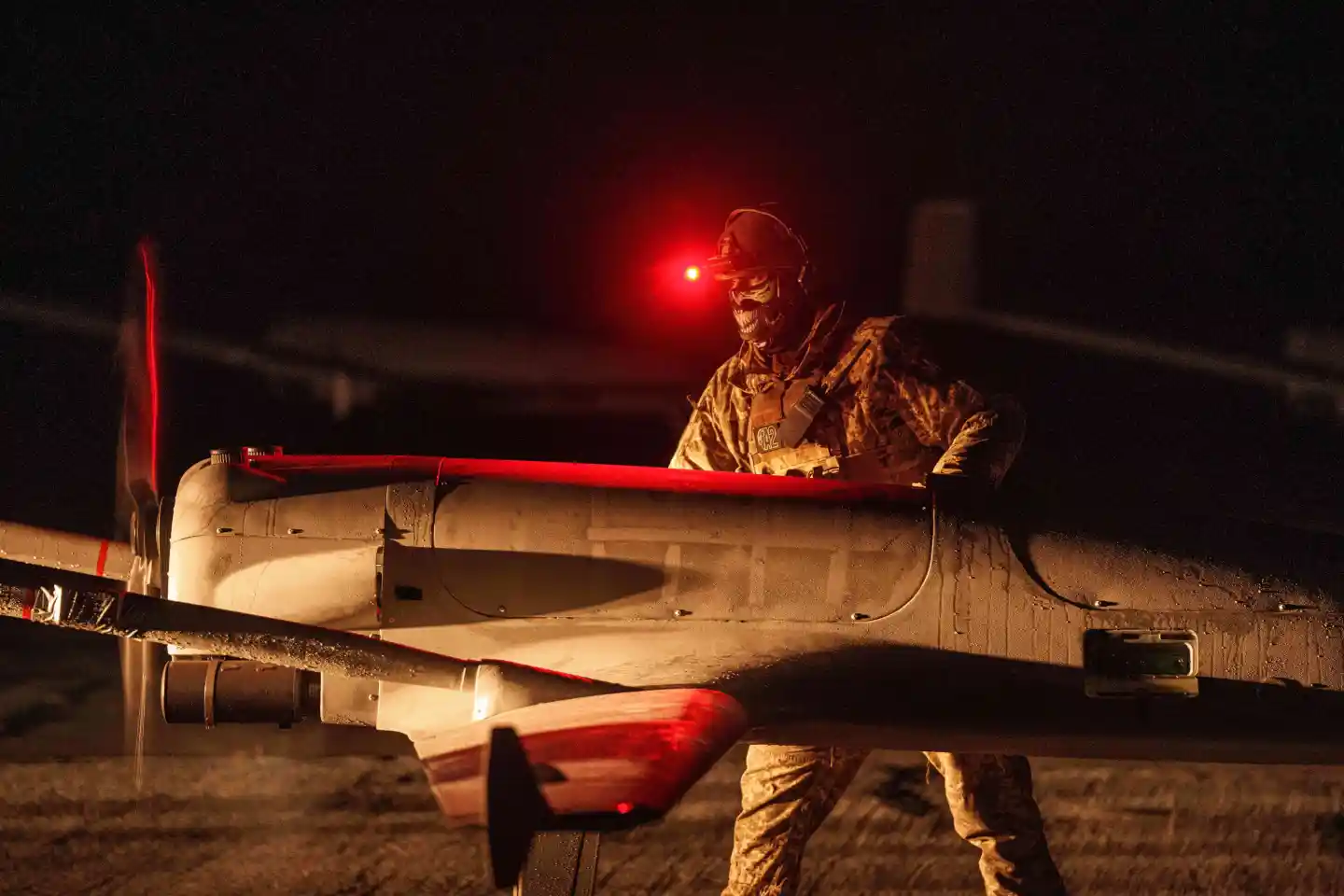
Ukraine’s experience already shows where to begin. Europe needs layered air defenses, mass drone production, interceptor stockpiles, resilient energy systems, protected logistics, civilian preparedness and an industry capable of operating not in the mode of exhibition contracts, but in the mode of war.
The Russian strike on Kyiv became a dangerous mirror for Europe. In it, one can see not only Ukrainian ruins, but a possible future for the continent if political decisions continue to lag behind the pace of Russia’s war machine.
As long as Ukraine holds the first line, Europe still has a chance to rebuild without a direct strike on its own cities. But that chance will not last forever. Every attack on Kyiv shortens the time in which NATO can afford to argue about percentages, procedures and the comfort of the old era.
The deadly night in Ukraine reminded Europe of a simple truth: security is no longer the background of politics. It has again become its center. If the continent wants to remain a space of peace, it will have to learn to defend its skies as if the next missile might not be flying only toward Kyiv.