



















When the lid of an oil storage tank flies into the sky over Moscow, it is no longer just an image of a fire. It is a sign that the war the Kremlin has tried for years to keep outside the capital’s daily life is returning to its economic and political center.
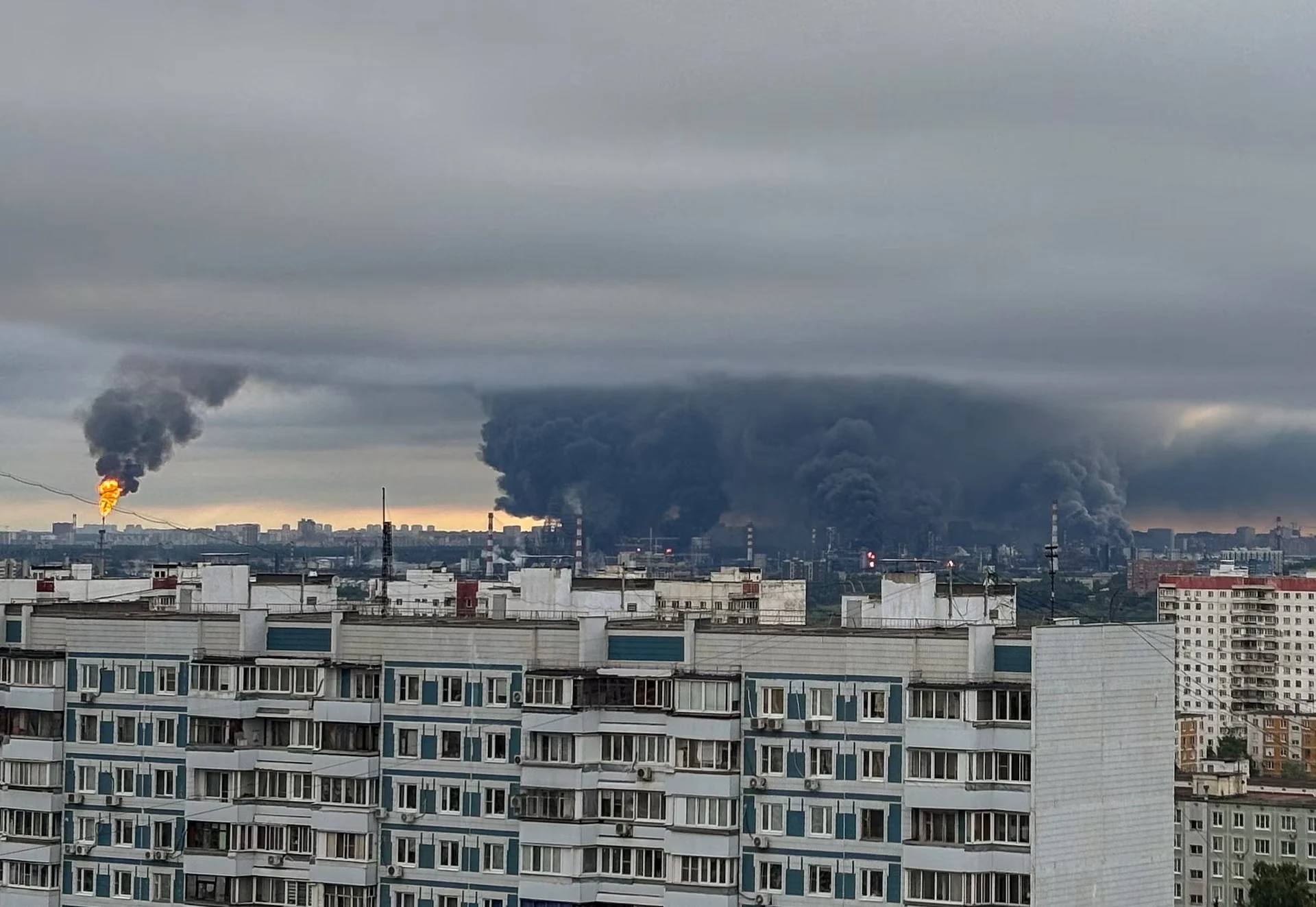
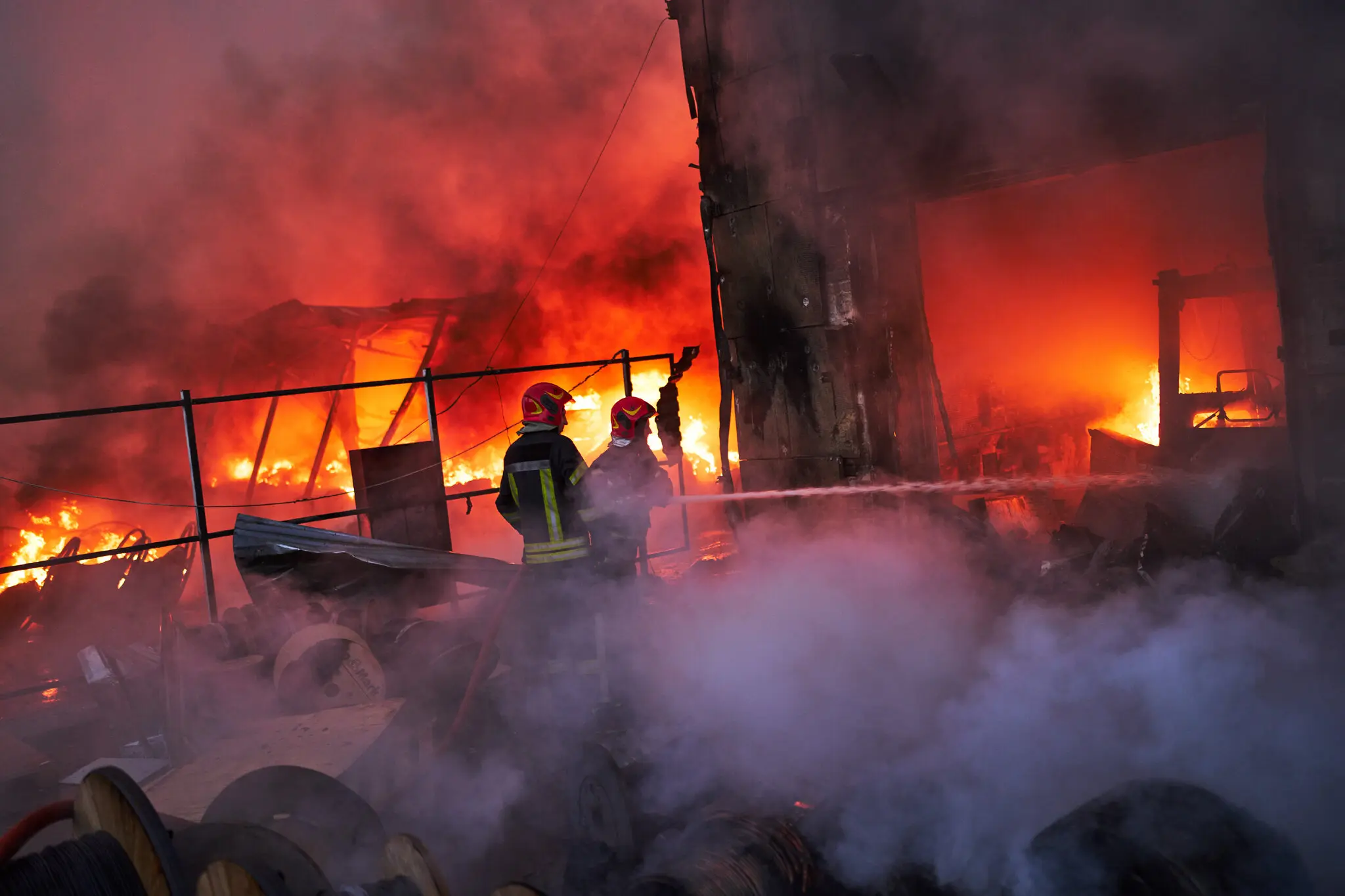
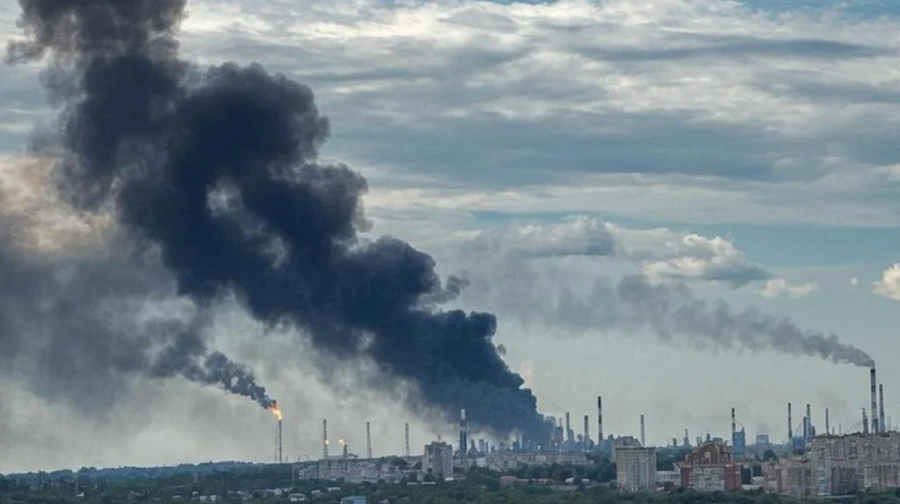
Ukrainian drones struck an oil refinery in southeast Moscow for the second time in three days, hitting inside the ring road and only a short distance from the Kremlin. The strike caused a major fire, black smoke over the city and large disruptions to transport.
The target was not accidental. Oil refining is one of the key elements of Russia’s war machine. Fuel moves tanks, trucks, aircraft, railway logistics and the domestic market. When a refinery burns in Moscow, the blow lands not only on storage tanks, but on the system that feeds aggression.
For Daycom, the attack matters as part of a new Ukrainian strategy: Kyiv is increasingly moving pressure deep into Russia, striking oil infrastructure, fuel logistics and the symbolic security of the capital. For Moscow, the war is ceasing to be an abstraction from television.
For years, Russian authorities offered citizens a convenient formula: the war is somewhere far away, the army controls everything, the capital lives as usual, and the “special military operation” carries no direct cost for those sitting in cafés, driving to airports or watching the news from a safe distance.
Drones are breaking that shell. On Thursday, Moscow airports suspended operations, Sheremetyevo was evacuated, traffic near the refinery was halted, and residents discussed in chats the absence of sirens and the strange smoke. For a city of 13 million people, this was the war entering everyday life.
That everyday effect may be the most unpleasant part for the Kremlin. Battlefield losses can be hidden behind the language of military reports. The destruction of Ukrainian cities can be presented as “strikes on military targets.” But closed Moscow airports, oily stains on cars after rain and a black column above a refinery are harder to explain.
The attack also exposed the weakness of Russian air defense. If drones can reach critical infrastructure inside the capital twice in a short period, the question is no longer about one facility. It is about how many plants, depots, substations and fuel nodes Moscow can protect at the same time.
Ukraine’s campaign against Russian oil infrastructure works through accumulation. One strike can be called an accident. Ten strikes create a new reality for repair services, logistics, insurance, the domestic fuel market and military planning. Russia is forced to defend a rear it recently considered safe.
The economic effect is already moving beyond individual fires. Some Russian regions are experiencing fuel strain, and a country among the world’s largest oil producers has had to seek additional fuel by sea. This is not yet collapse, but it is already a symptom of systemic pressure.
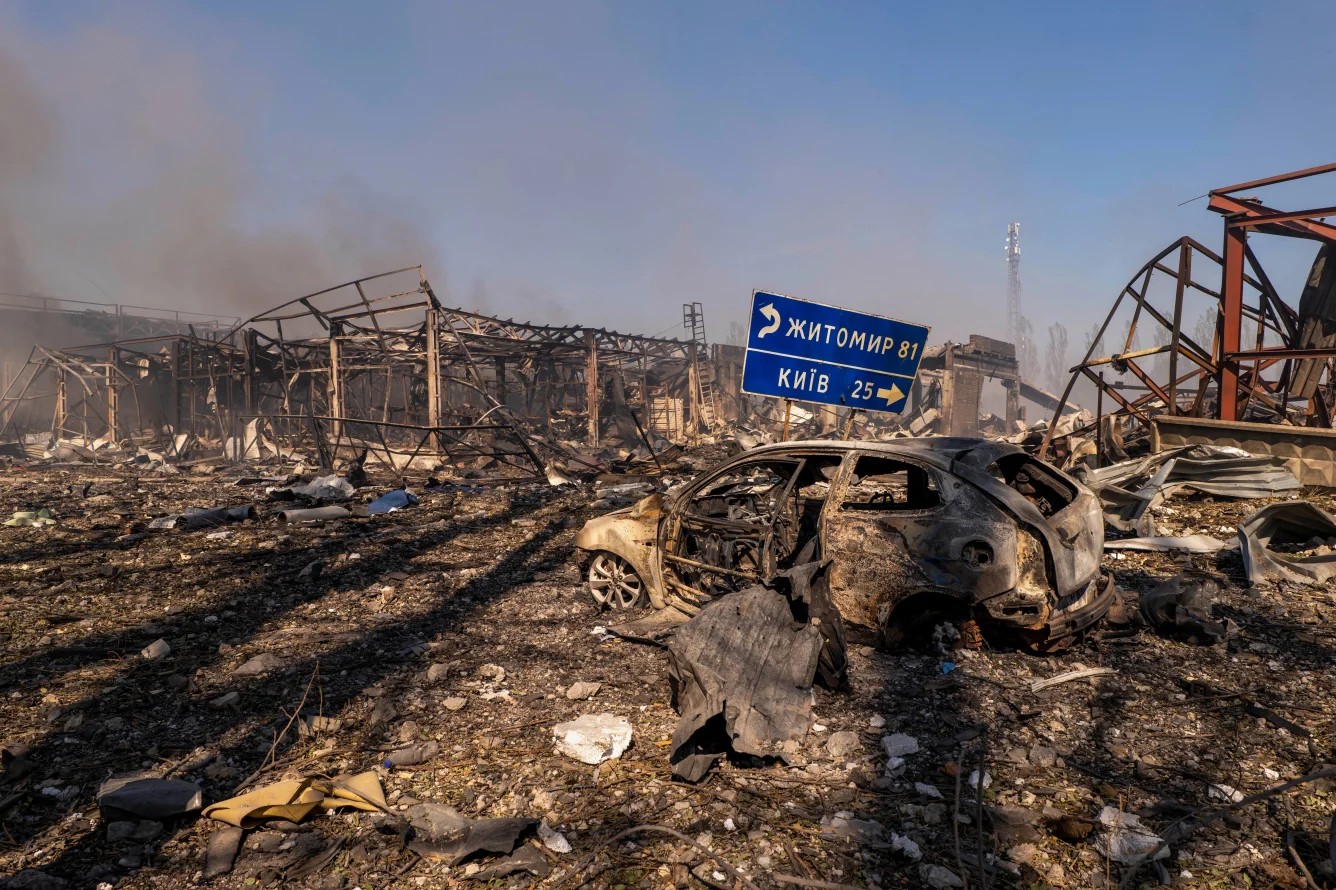
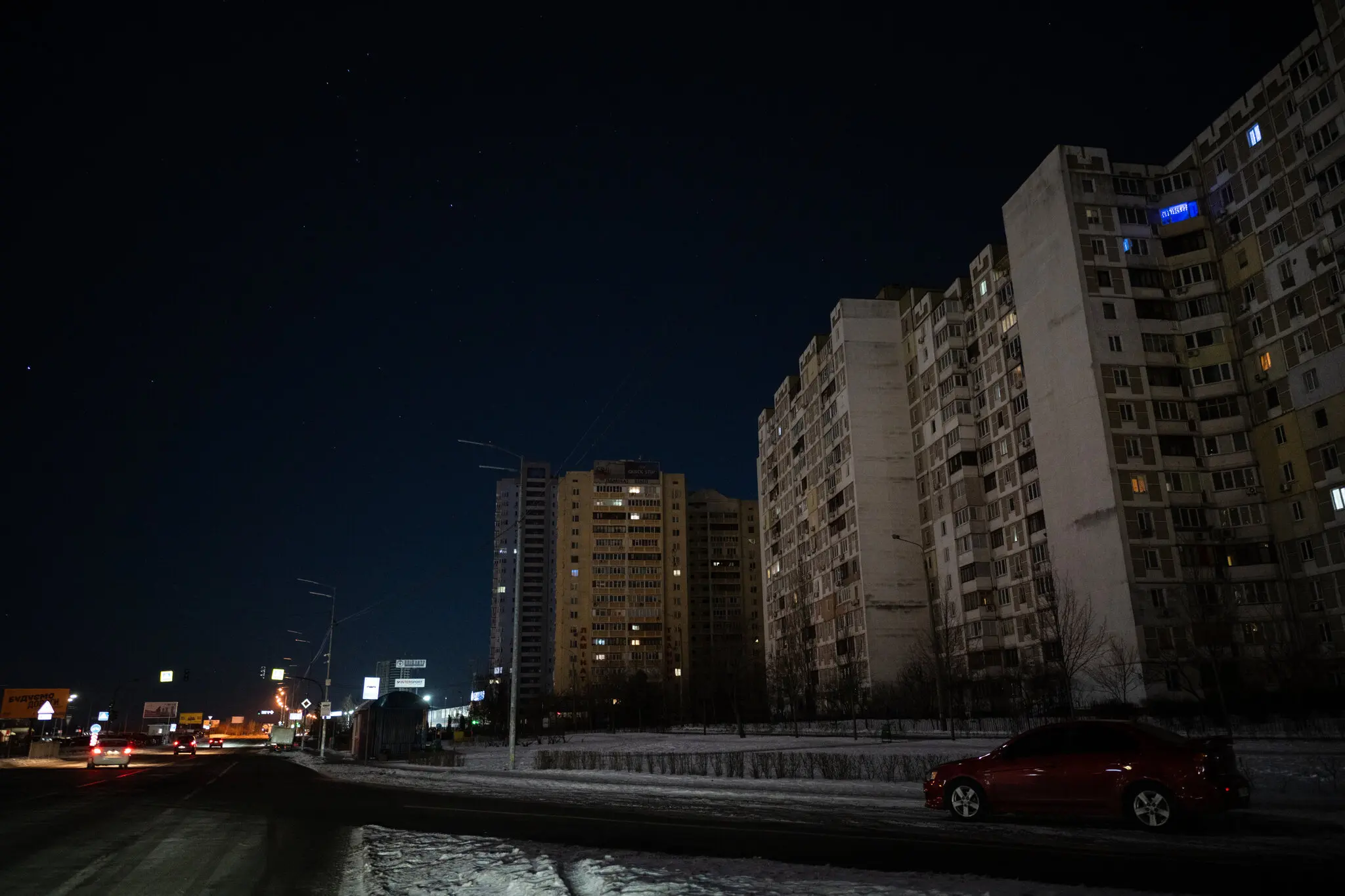
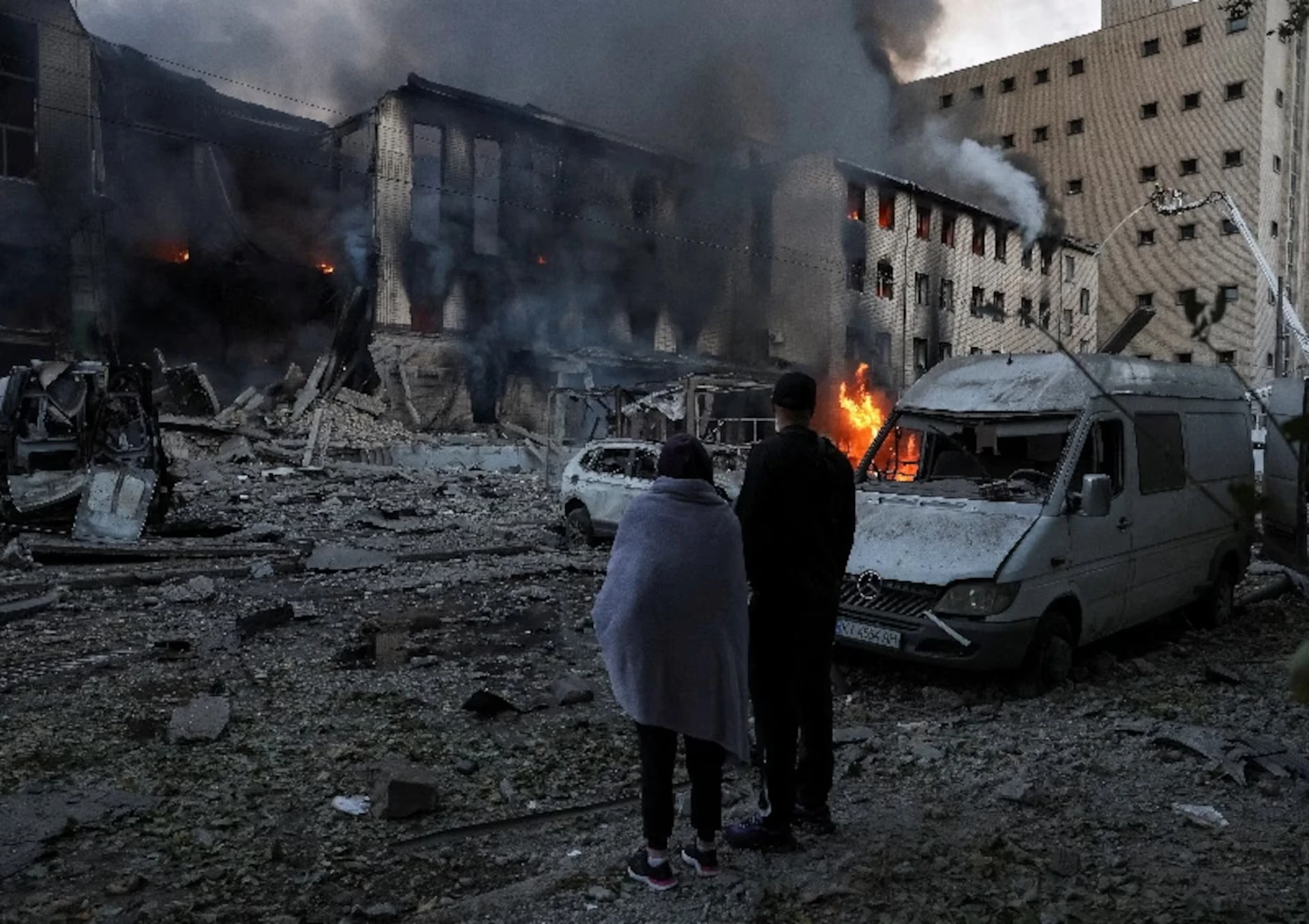
For Ukraine, strikes on refineries are not only a response to Russian attacks on energy facilities, ports, hospitals and residential districts. They are a way to make the continuation of the war more expensive for the aggressor. If fuel becomes scarcer, logistics more difficult and repairs more frequent, Russia’s offensive loses tempo.
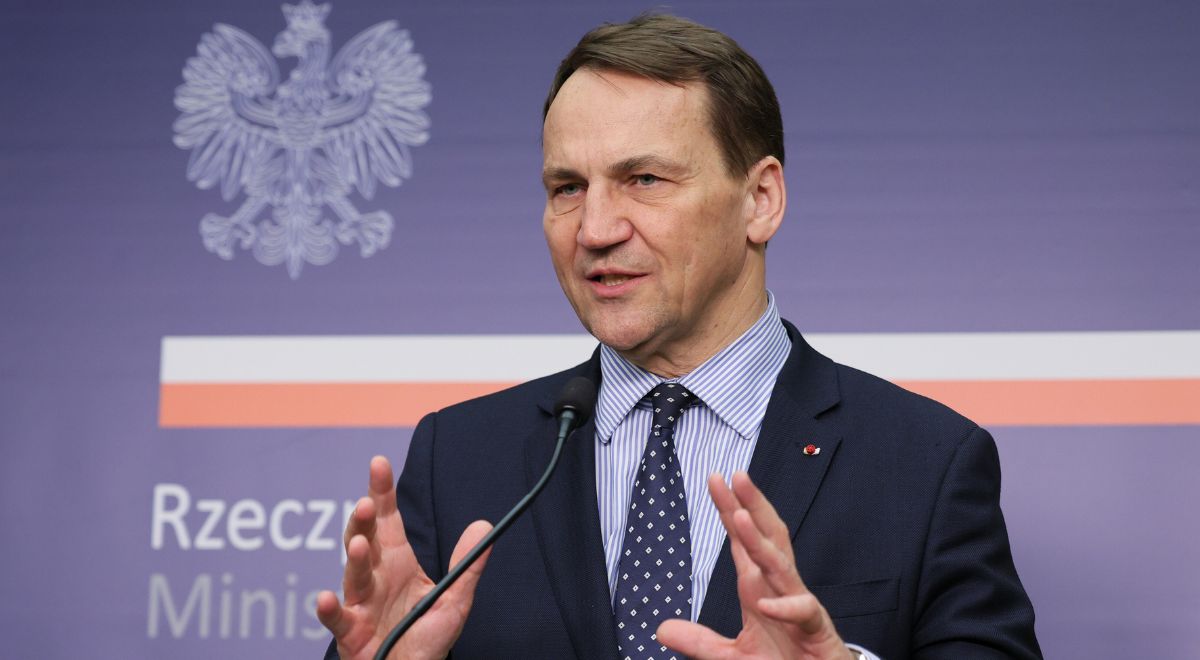
There is also a psychological dimension. Foreign Minister Andrii Sybiha answered Muscovites asking what was happening: their country had started a war of aggression, had spent years killing Ukrainians, and now they should ask Putin when he plans to end it. This was not a diplomatic formula. It was responsibility returned directly to the addressee.
The Kremlin, by contrast, will do everything to prevent that responsibility from becoming a mass feeling. Authorities will speak of a controlled situation, working emergency services and normal fuel supplies. Pro-war bloggers will demand punishment for those filming fires, because images destroy official calm faster than any analysis.
That reaction is revealing. The Russian system fears not only the strike, but the visibility of the strike. Photos and videos of black smoke over Moscow destroy the state’s monopoly on explaining the war. They give Russians an unpleasant but simple question: if everything is under control, why is a refinery near the Kremlin burning?
For Kyiv, the attack also has diplomatic meaning. Ukraine is trying to prove to its allies that the war has not frozen into a positional stalemate. Drone strikes deep inside Russia, against refineries, logistics and military-industrial nodes, show that Moscow is not unreachable and that its war economy has vulnerable points.
That matters against the backdrop of talk about negotiations. Russia wants to look like the side dictating terms, but a country whose capital closes airports because of Ukrainian drones can no longer fully sustain the image of an untouchable power. The strike on Moscow changes not the front map, but the political optics.
At the same time, such operations are not a quick path to victory. They do not replace artillery, air defense, mobilization, financing or diplomatic pressure. But they add a new cost for Russia — in the rear, in the capital, in the economy, in the feeling of safety and in the ability to convince its own population that the war does not concern their lives.
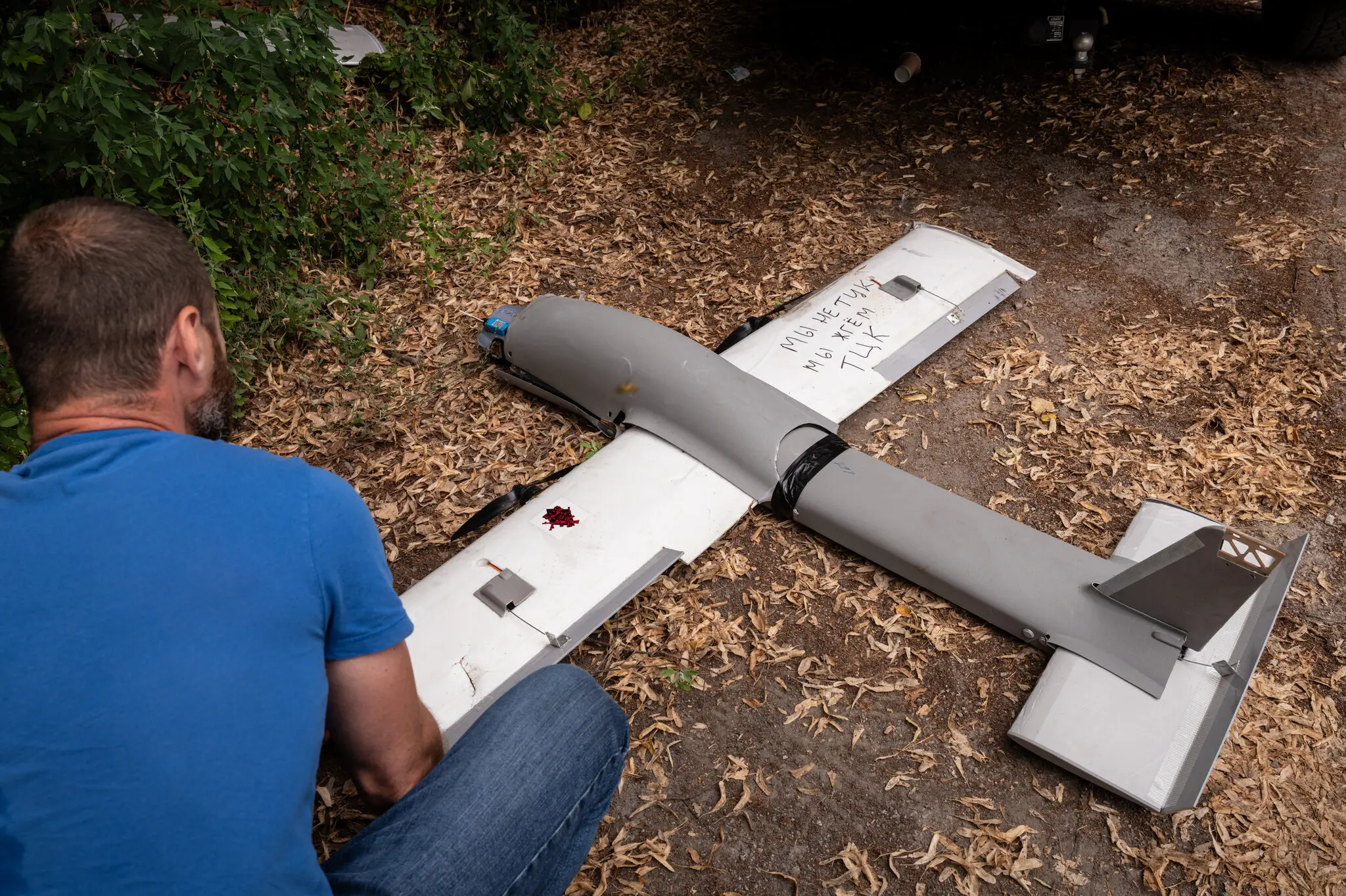
This is the strategic power of drones. They do not require a symmetrical fleet or air force to strike critical nodes of a large state. They force the aggressor to spend resources defending everything, stretch air defense, rebuild logistics and live with constant uncertainty.
Moscow wanted to remain a stage of power, not a space of war. Ukrainian drones have changed that feeling. Smoke above a refinery, grounded flights and panic in chats now say that aggression has a return route.
When war reaches the oil heart of the capital, it strikes more than storage tanks. It strikes the Kremlin’s central myth: that Russia can spend years destroying Ukrainian cities while preserving for its own capital the illusion of invulnerability. That illusion no longer looks secure.