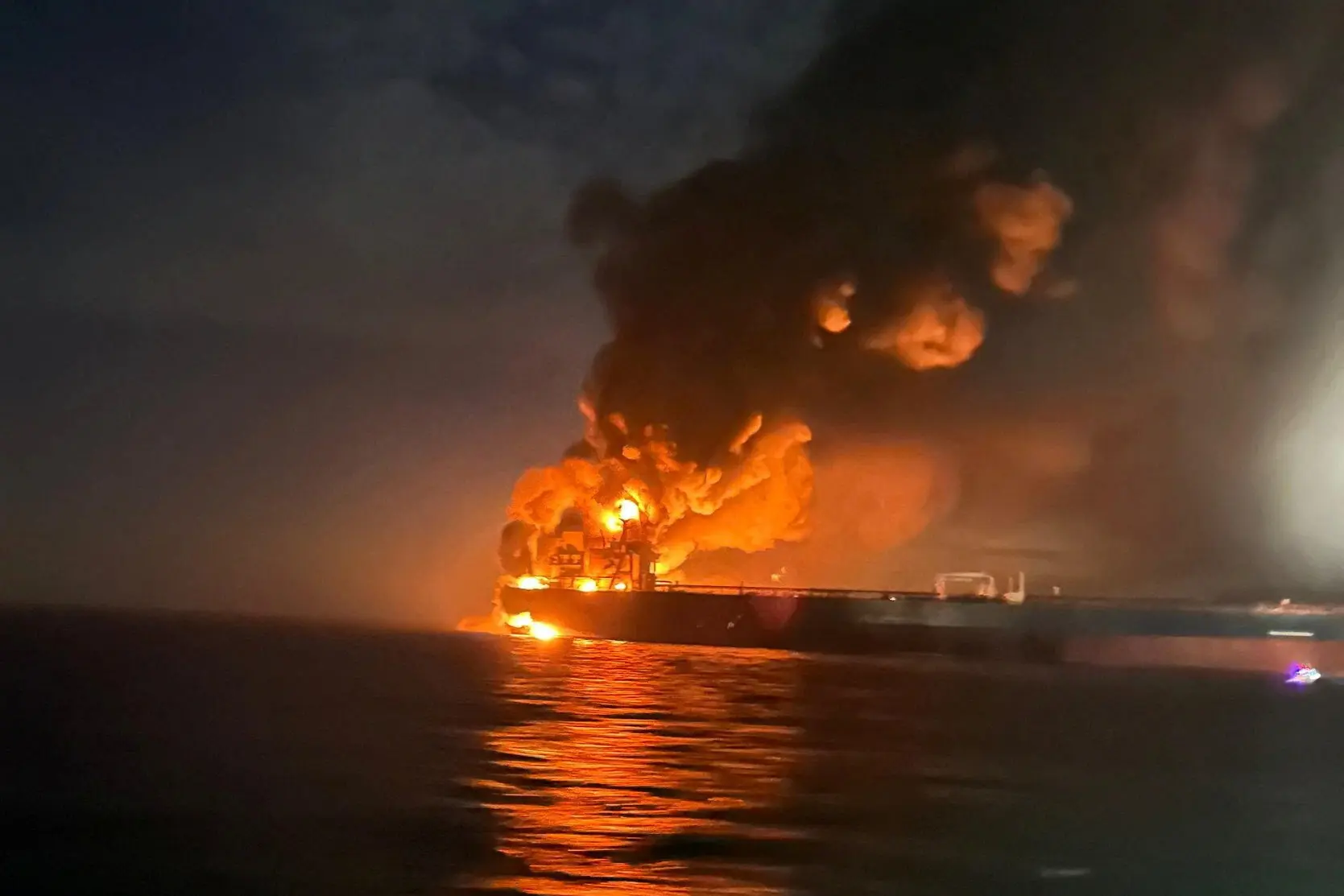



















Russia has temporarily banned vessels from entering or leaving the port of Novorossiysk between midnight and 5 a.m. The restriction was introduced in response to the threat of Ukrainian drone attacks, which are increasingly affecting not only military facilities but also the operating rhythm of Russia’s maritime trade.
The order appears to have been delivered verbally rather than through a formal public document. Outside the five-hour night window, the port continues to function normally, and grain shipments have not yet suffered any direct disruption.
The significance of the measure lies less in its duration than in where it has been imposed. Novorossiysk is Russia’s largest port by cargo volume and handles as much as one-third of the country’s grain exports. It is also a major outlet for oil, metals, container traffic and other strategically important goods.
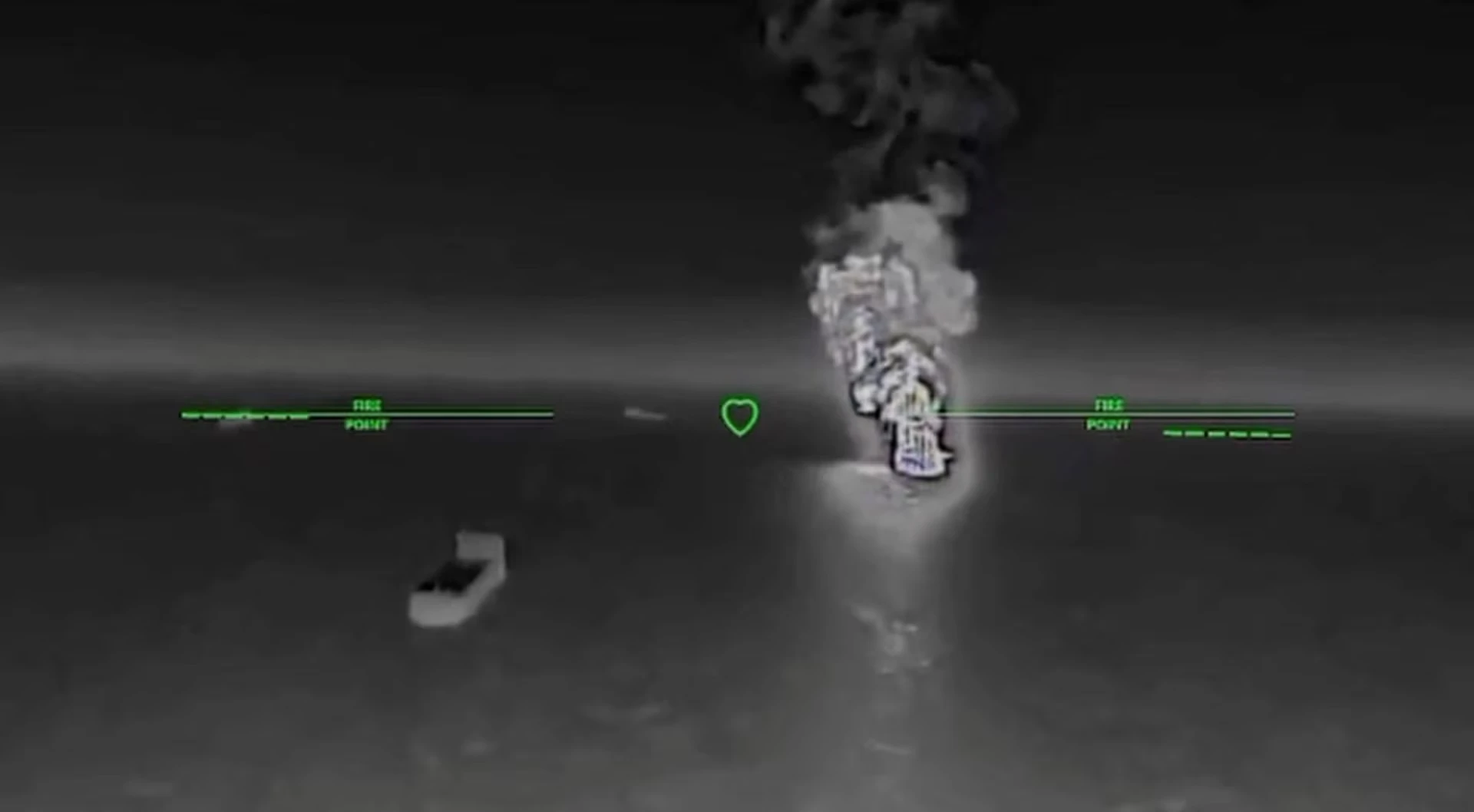
According to Daycom’s earlier analysis, the night-time restriction reflects a broader shift in the Black Sea security environment. Ukrainian drones are forcing Russia to alter port procedures even before an attack causes physical damage: the threat itself is now enough to shorten navigation hours and complicate vessel movements.
A five-hour pause does not automatically translate into lower export volumes. Large terminals may compensate by accelerating daytime loading, adjusting berthing schedules and holding vessels at anchorage. That model remains workable, however, only while the restrictions stay limited and predictable.
Each new drone alert creates the possibility of an additional suspension. Vessel queues may lengthen, while operators lose the ability to plan pilotage, towing, docking and passage through port approaches with precision. In maritime trade, even brief uncertainty quickly becomes an additional cost.
The grain market is especially sensitive to such disruptions. Wheat exports depend on the synchronized operation of railways, storage facilities, terminals and bulk carriers. When one part of the chain slows, cargo begins to accumulate elsewhere, forcing traders to revise delivery schedules and price in a higher risk premium.
September wheat futures on Euronext rose by 4.5% after reports of the night-time closure. The move did not indicate an immediate shortage. It showed how quickly markets respond to the possibility of disruption at one of the most important grain-export hubs on the Black Sea.
Pressure on Novorossiysk is also increasing because alternative routes are becoming less reliable. Russia had already introduced traffic restrictions in the Sea of Azov and the Kerch Strait. A separate government order prohibited vessels from anchoring in parts of the ports of Azov and Kavkaz that lack air-defence protection.
As a result, some grain previously shipped through the Sea of Azov is expected to be redirected to Novorossiysk. Yet the port now receiving that additional cargo is itself operating under a nightly pause. Russia’s export system is entering a period in which even backup routes require increasingly restrictive security measures.
For the Kremlin, this creates a difficult trade-off. A broader suspension of navigation would reduce the risk to ships during drone attacks but would also damage export revenues. Keeping the port open requires wider air-defence coverage, tighter control of coastal waters and acceptance of the risk that civilian infrastructure may still be hit.
Novorossiysk matters far beyond grain. The port also handles oil, petroleum products, metals and containerized goods, meaning that prolonged restrictions could affect several sectors at once. For shipowners, that would mean higher insurance costs, longer voyages and more complicated port-call planning.
For now, the night ban remains a limited administrative measure rather than a blockade. Its informal nature nevertheless adds another layer of uncertainty because shipping companies lack a document defining its duration, exemptions, enforcement rules or the conditions for restoring unrestricted navigation.
Drone warfare is gradually changing the economics of the Black Sea. Its impact is no longer measured only in damaged facilities, but also in lost operating hours, higher freight and insurance costs, vessel congestion and fluctuations in global commodity prices. Novorossiysk is another example of how a military threat can become a structural logistics risk.
Russian grain exports are still moving without major disruption. But the longer night restrictions remain in place, and the more widely similar measures spread across other ports, the harder it will be to recover lost time. The central risk is no longer a single strike, but the steady contraction of safe operating space for Russian shipping.