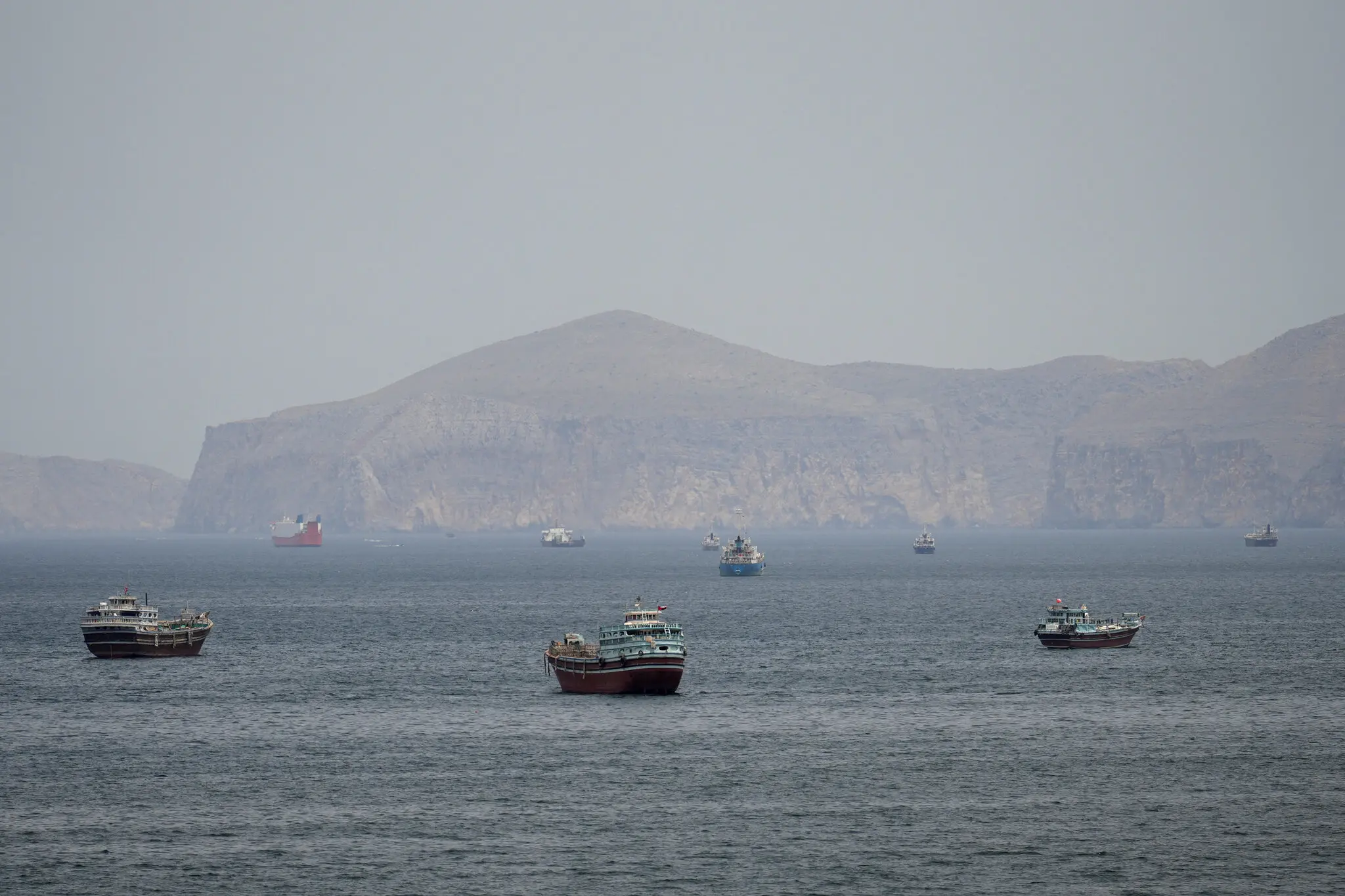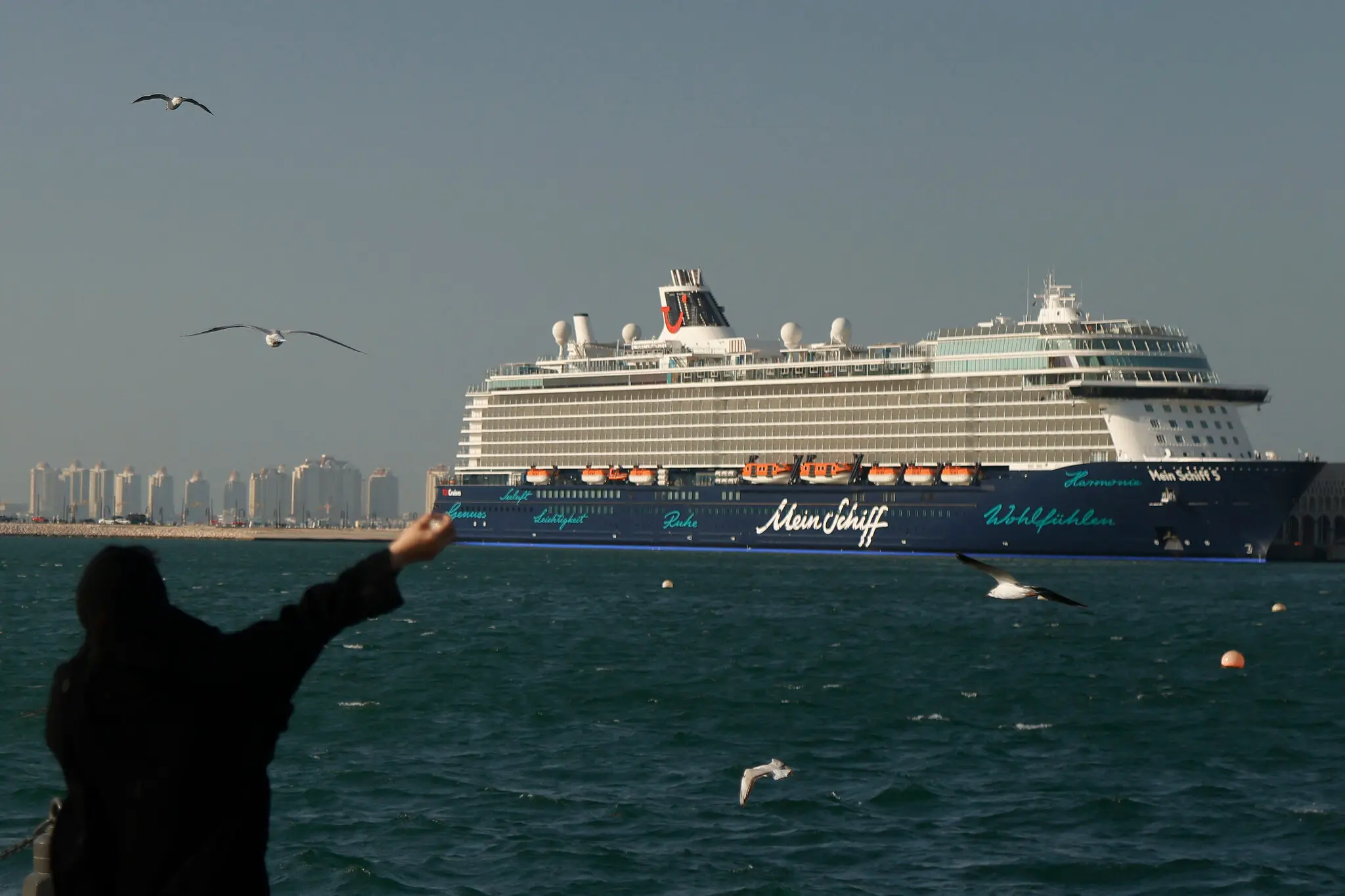


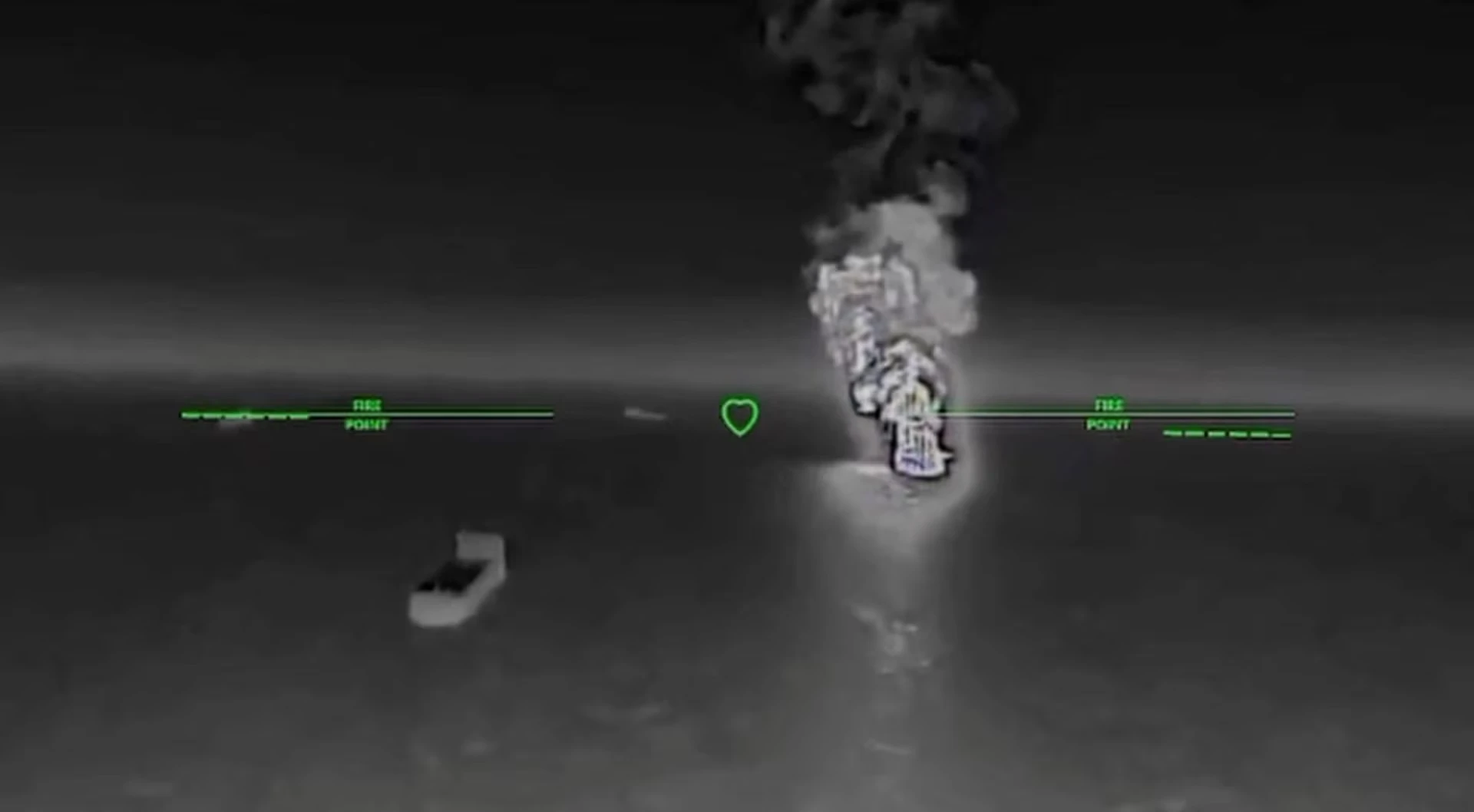





















The global oil market is once again reacting not to diplomacy, but to force. New reports of cargo ship seizures near the Strait of Hormuz have triggered another wave of anxiety, pushing crude back above the psychologically important threshold of $100 a barrel. The move itself says a great deal: the market no longer needs a full-scale rupture. A handful of incidents in the right location is enough for fear to reassert itself as the dominant pricing force.
The Strait of Hormuz has long ceased to be merely a narrow passage on the map. It is an artery through which a critical share of the world’s oil and gas flows. That means any disruption to navigation there instantly becomes a global economic event. Even a partial blockade, selective detentions or limited attacks on ships can produce consequences far beyond the local scale of the incidents themselves.
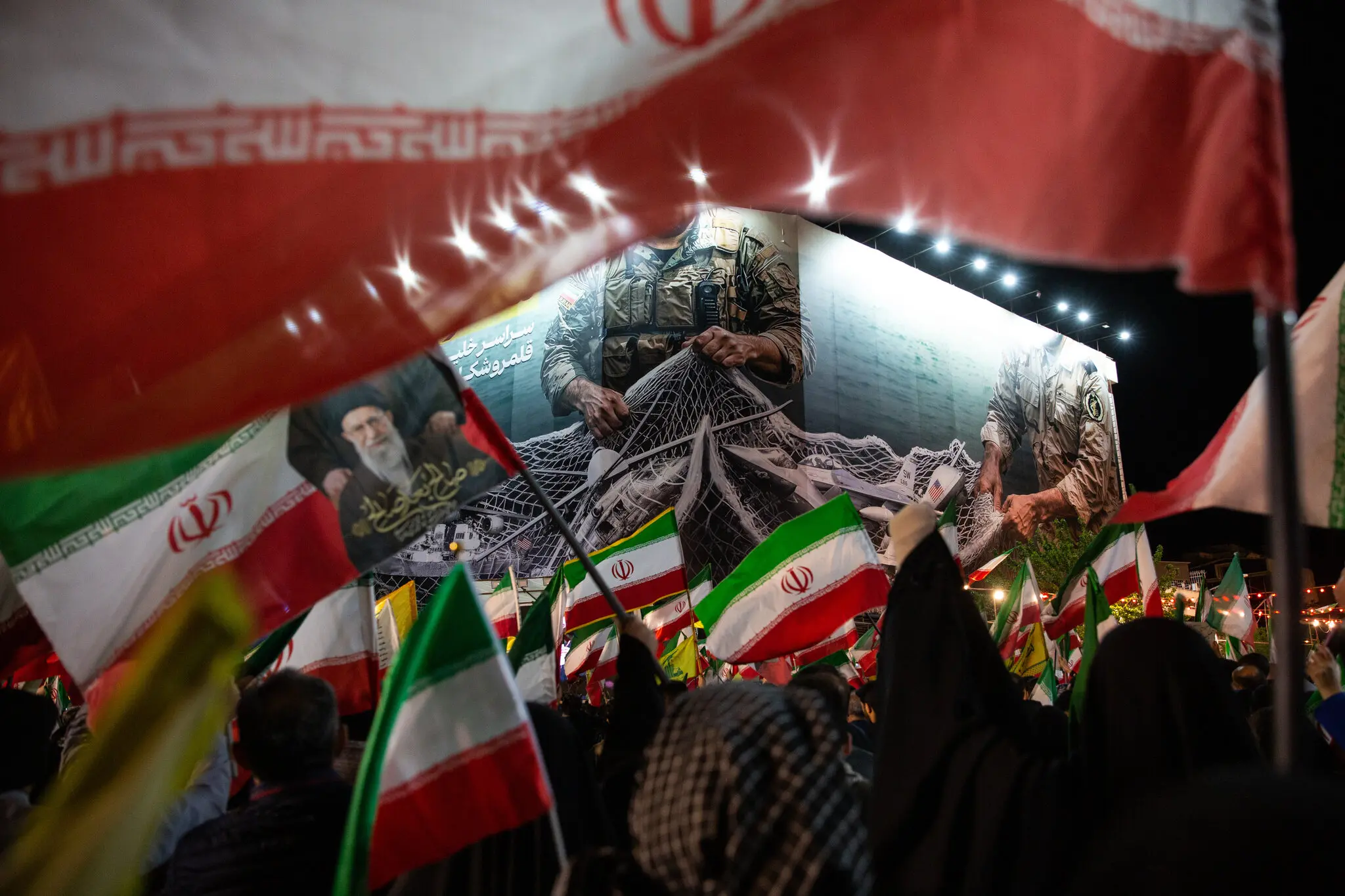
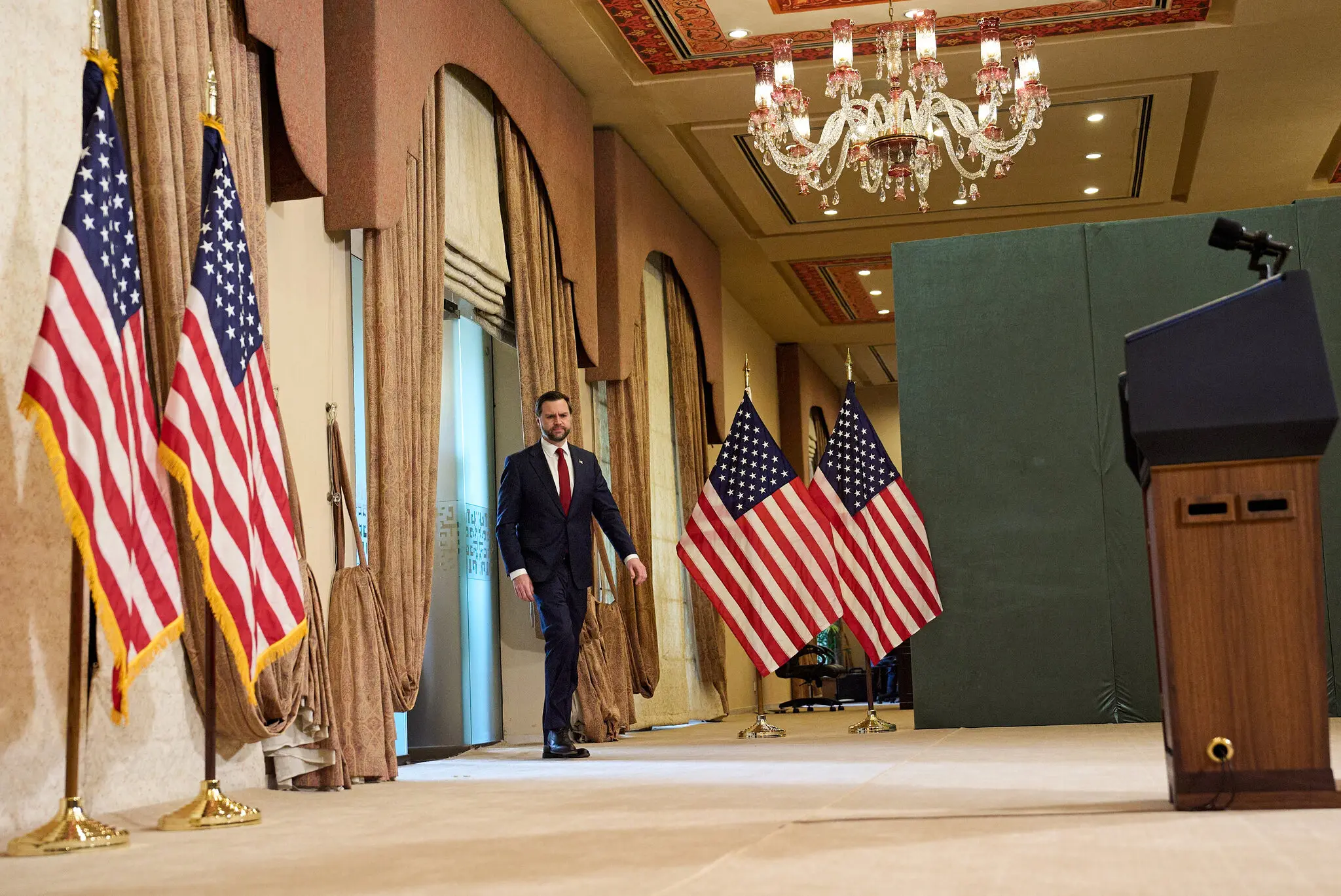
What makes the current moment more dangerous is the political ambiguity surrounding it. Washington is showing no urgency about restarting talks with Tehran, while at the same time declining to treat Iran’s latest reported actions as a direct breach of the cease-fire. That creates a hazardous gray zone in which the conflict is not formally collapsing, yet is continuing to expand through maritime pressure, blockades and calibrated acts of coercion.
The global oil market is once again reacting not to diplomacy, but to force. New reports of cargo ship seizures near the Strait of Hormuz have triggered another wave of anxiety, pushing crude back above the psychologically important threshold of $100 a barrel. The move itself says a great deal: the market no longer needs a full-scale rupture. A handful of incidents in the right location is enough for fear to reassert itself as the dominant pricing force.
The Strait of Hormuz has long ceased to be merely a narrow passage on the map. It is an artery through which a critical share of the world’s oil and gas flows. That means any disruption to navigation there instantly becomes a global economic event. Even a partial blockade, selective detentions or limited attacks on ships can produce consequences far beyond the local scale of the incidents themselves.
What makes the current moment more dangerous is the political ambiguity surrounding it. Washington is showing no urgency about restarting talks with Tehran, while at the same time declining to treat Iran’s latest reported actions as a direct breach of the cease-fire. That creates a hazardous gray zone in which the conflict is not formally collapsing, yet is continuing to expand through maritime pressure, blockades and calibrated acts of coercion.
According to Daycom’s earlier analysis, this gray zone is now the central problem for energy markets. Investors, traders, insurers and shippers can adapt more easily to open war or to a clearly defined peace than to a situation in which both sides appear to avoid escalation while preserving nearly all of their coercive tools. For markets, that means risk no longer looks like a temporary spike. It begins to harden into a new baseline condition.
It also matters that the latest Iranian moves did not emerge in a vacuum. They followed a U.S. naval blockade that prevented dozens of ships from entering or leaving Iranian ports. This is no longer a story of isolated incidents at sea. It is a story of reciprocal pressure, in which nearly every move by one side produces a mirrored response from the other. That is precisely the kind of dynamic that makes de-escalation so difficult to restore.
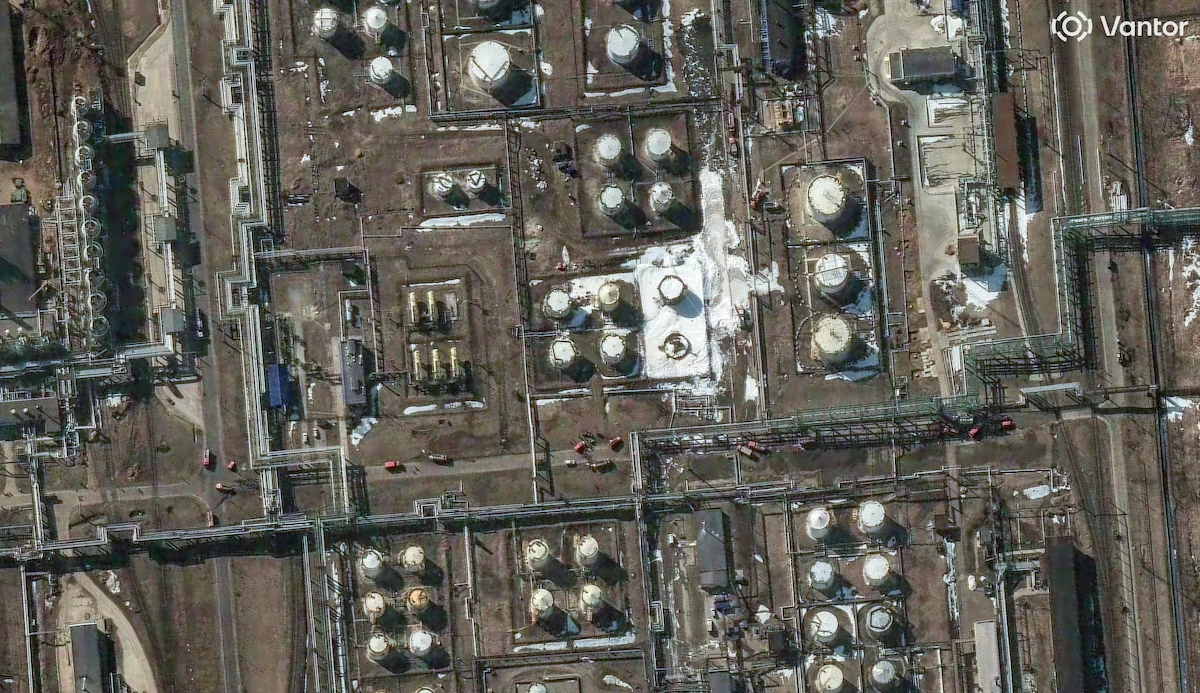
The market is reading that reality harshly. If the strait remains effectively obstructed, and major shipping companies continue to keep vessels away because of the danger of attack, then the issue is no longer a hypothetical threat to supply. It is a real disruption to logistics. Even before a physical shortage appears, the expectation of shortage is enough to push prices higher. Energy markets do not trade only on barrels. They also trade on the fear that barrels may soon be harder to move.
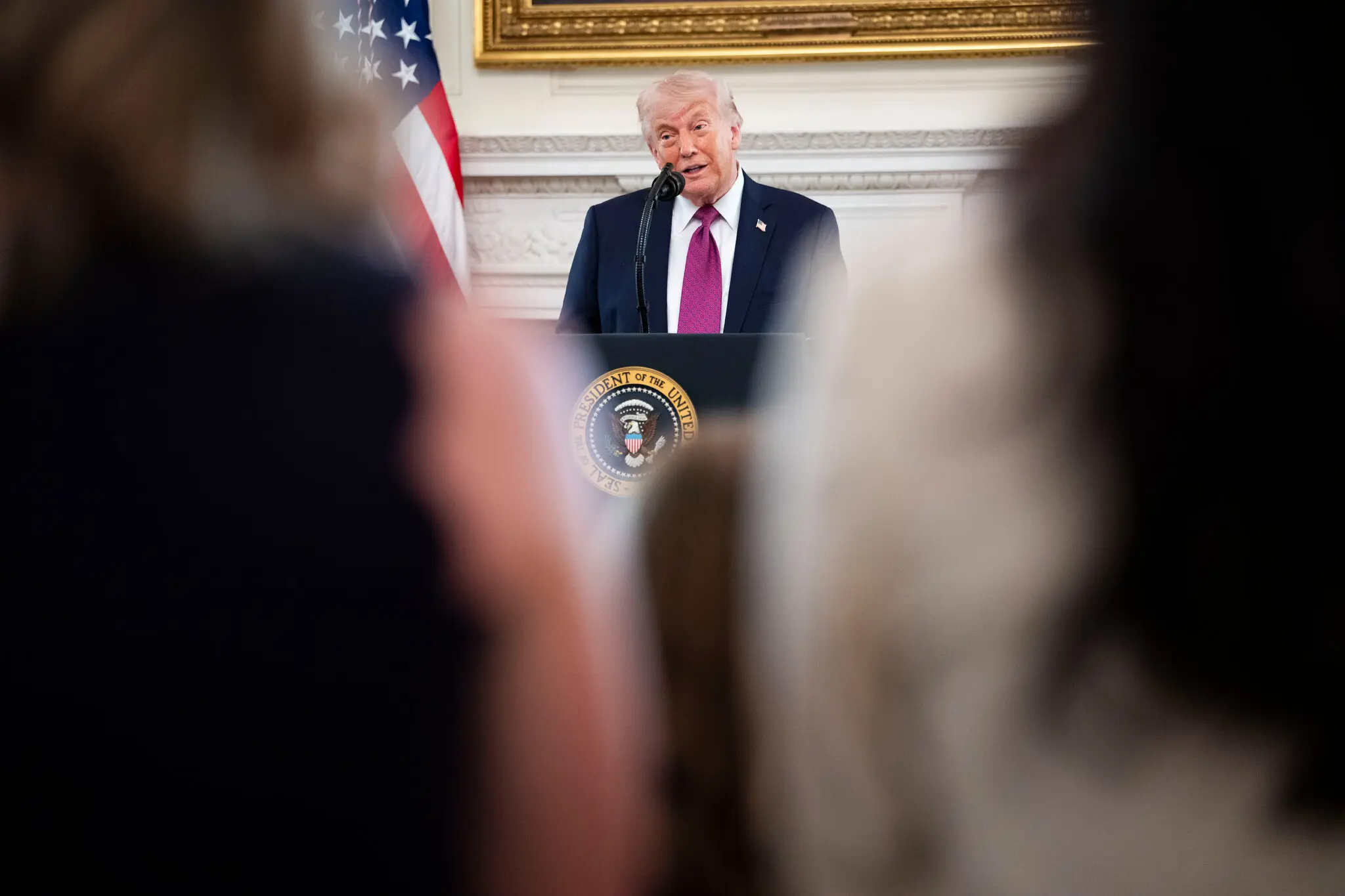
In that sense, the White House response matters almost as much as the incidents themselves. By refusing to classify the reported seizures as a cease-fire violation, the administration may be preserving room for diplomatic maneuver. But it is also sending another signal: the boundaries of what remains tolerable are still unclear. And when those boundaries are unclear, markets begin pricing in a longer period of instability because they cannot see the point at which political tolerance will actually run out.
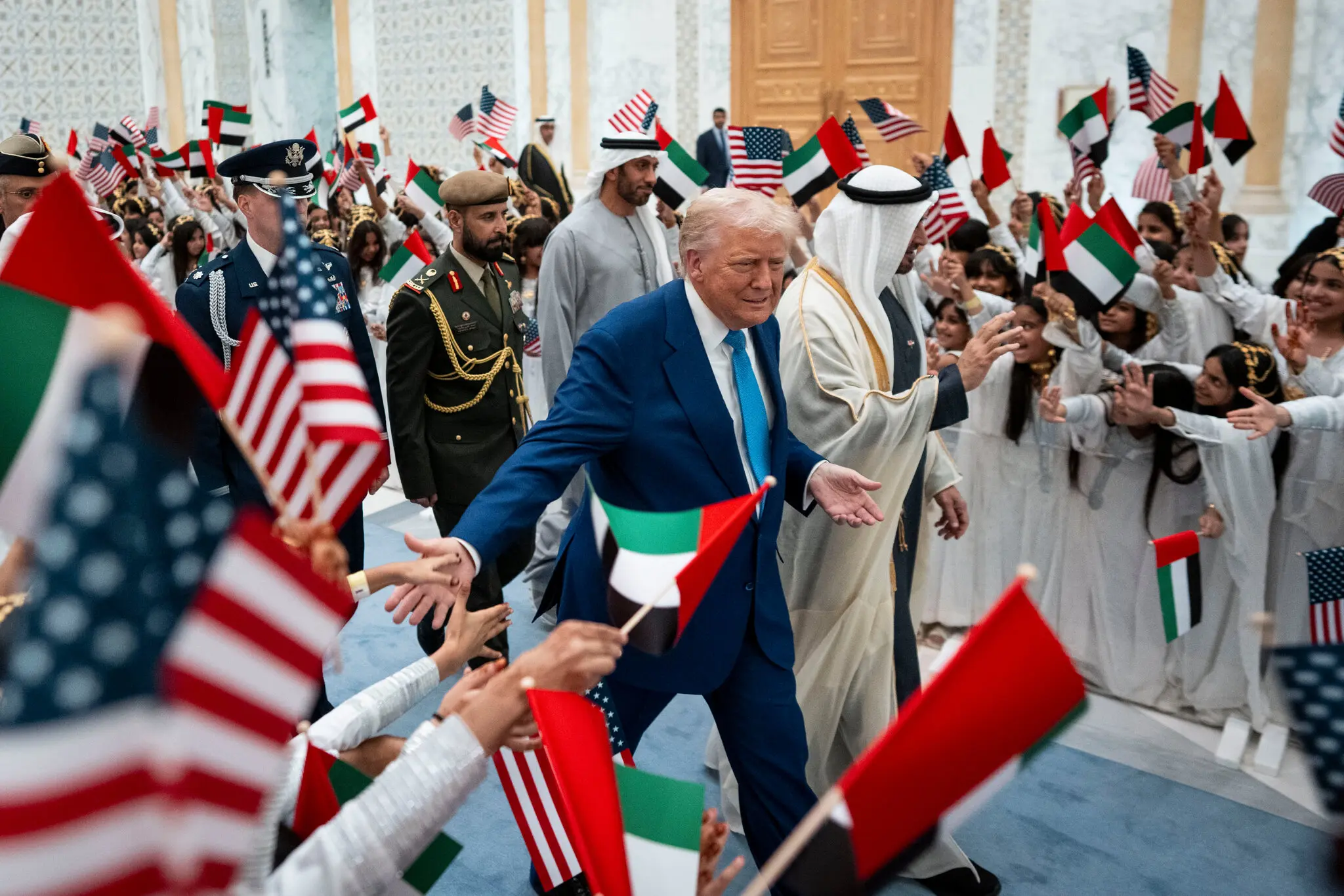
The international discussions now underway on reopening the strait add another important layer. Formally, governments are trying to restore freedom of navigation. But the mere fact that such summits are needed already marks a profound change in reality. Until recently, Hormuz was viewed as a risky but functioning route. Now it must be politically and militarily “reopened,” which places it in an altogether different category of instability.
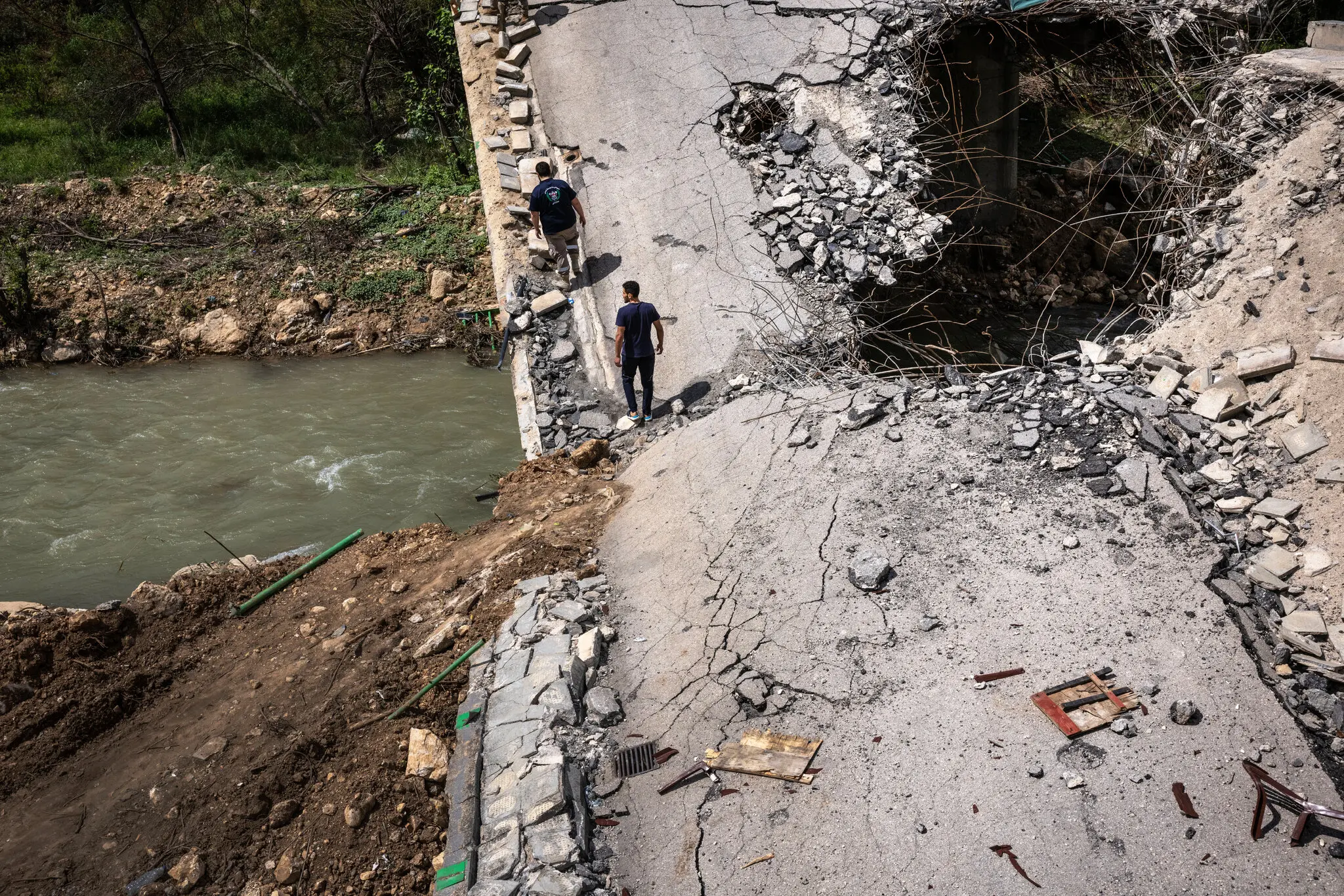
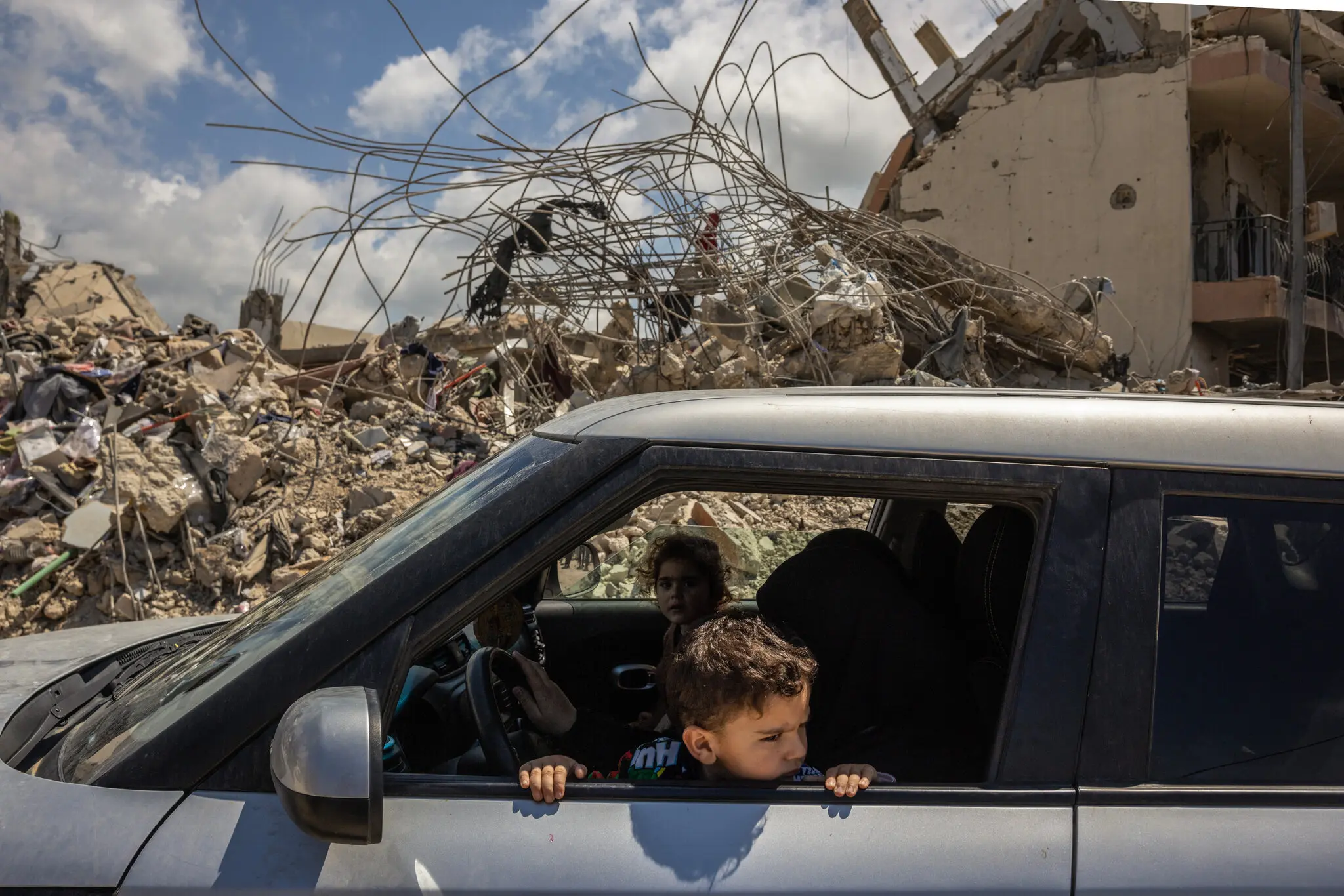
At the same time, the Hormuz crisis cannot be separated from the wider regional landscape. The Israel-Lebanon cease-fire remains fragile, peripheral clashes continue, and American domestic politics is showing ever less unity over the use of war powers. That means oil-market stress is not an isolated problem tied to one waterway. It is being fed by a broader web of overlapping conflicts, each of which reinforces the others.
For the global economy, the implication is blunt. If the crisis around Iran drags on without a clear diplomatic framework, energy prices will remain hostage not only to battlefield developments, but to every new signal of a detained ship, a burst of gunfire, a blockade or a pause in negotiations. In that environment, oil rises not only because of physical risk, but because confidence is eroding that anyone still controls the trajectory of the crisis.
That is why the latest surge of anxiety around the Strait of Hormuz matters as much more than another Middle East headline. It shows that a formal cease-fire, by itself, is no longer enough to calm markets. What markets are watching now is not the language of pause, but the movement of ships, the persistence of blockades and the willingness of both sides to keep applying pressure under the cover of an undeclared peace. As long as that logic remains in place, oil will continue to trade not merely as a commodity, but as a barometer of fear over the next major escalation.