






















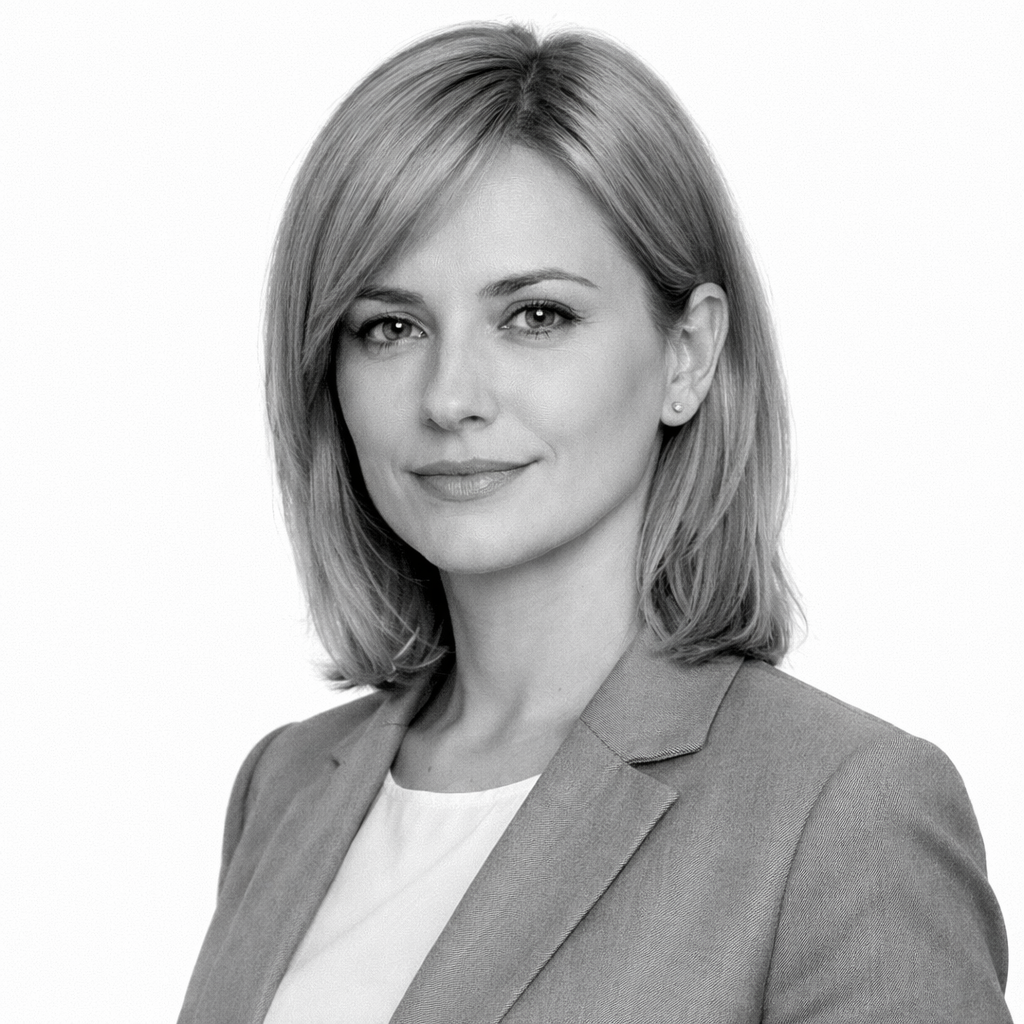
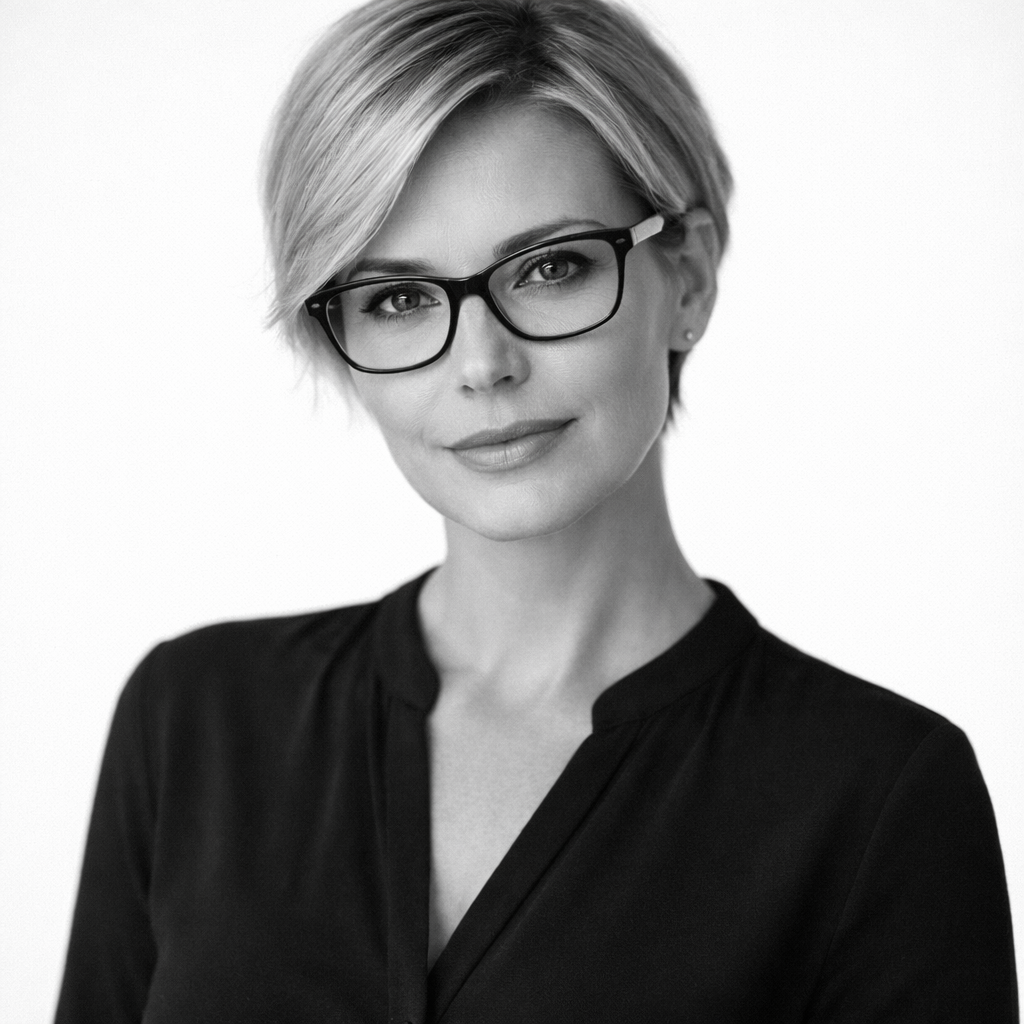

Wealth today is increasingly not displayed but staged. Across Instagram and TikTok, users are taught how to look expensive: muted colors, a well-cut blazer, polished shoes, restrained grooming, calm speech, almost no visible logos. The old-money aesthetic has moved from the codes of a narrow social class into a mass digital template.
That shift matters. Not long ago, status in popular culture was loud: oversized branding, conspicuous luxury, performative consumption. Now the algorithm rewards something else: quiet luxury, immaculate grooming, measured manners, control over posture, voice and pace. Status no longer shouts. It implies.
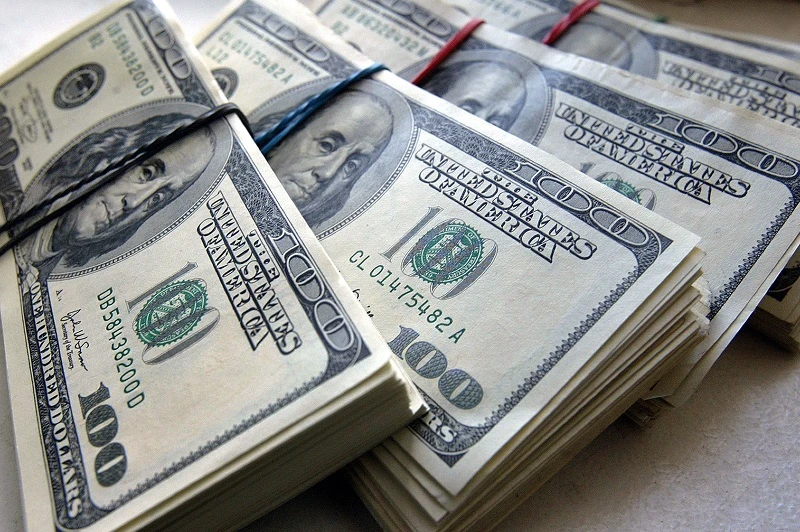
The popularity of this trend is not just a fashion story. It expands in moments of social anxiety. As the real distance between the ultrawealthy and everyone else grows wider, the market begins to sell at least an external version of access to that world. Not capital, not inheritance, not networks — only the image of them, made portable for everyday use.
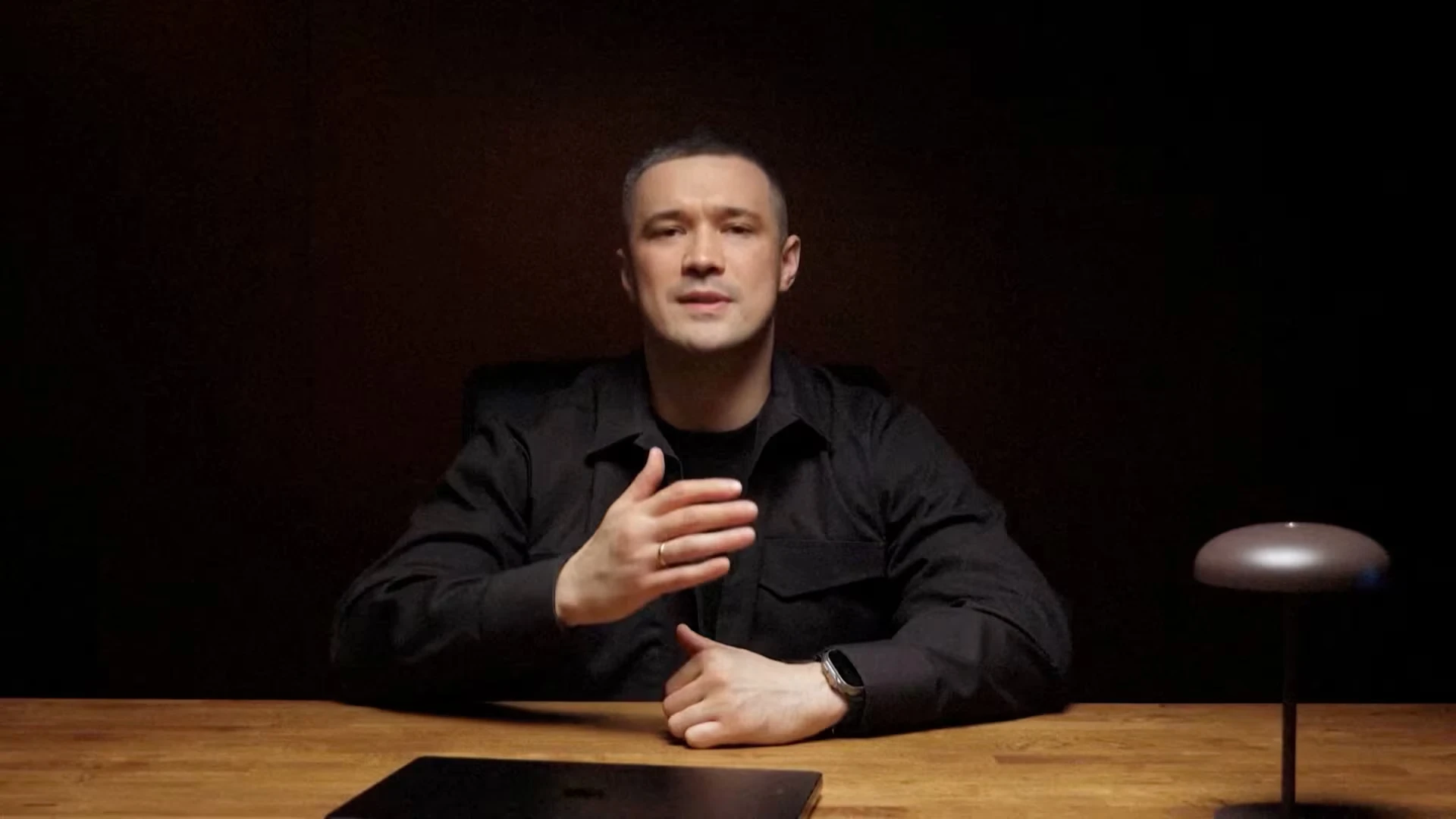
In Deikom’s assessment, the boom in old-money style is less a fascination with aristocratic taste than a response to an era in which wealth has become almost invisible as lived social reality and overwhelmingly visible as aesthetic surface. People are not trying to become rich. They are trying to be read as the kind of people who do not need to prove anything.
This is where social media finds its perfect product. It sells not a jacket but a sense of belonging. Not a shirt but a behavioral script. Not grooming but a social translation manual: how to enter a room, how to sit, how to speak, how not to rush, how to appear like someone for whom time and space are already secure. This is no longer fashion content in any simple sense. It is a marketplace of class mimicry.
Within older elite cultures, such knowledge was passed on almost invisibly — through family, school, clubs, and environments where speech, gesture and dress were absorbed over years rather than taught outright. Today that chain of transmission is either broken or inaccessible to most people. Digital creators step into the gap, turning etiquette, grooming, class markers and status performance into subscription-friendly content.
That is where the central illusion begins. Social media suggests that wealth can be rehearsed as an image: remove the excess, wear monochrome, learn to move slowly, buy the right belt, order the right coffee. But the real power of old money never rested on fabric, palette or the way someone holds a glass. It rested on inheritance, networks, education, property, time and the privilege of never needing to hurry.
That is why imitation works best at a distance. The camera loves surfaces. It captures cashmere, a leather folio, a discreet watch, a pale interior, a private lounge, a colorless manicure. But closer contact tests what no outfit can fully purchase: ease of speech, cultural memory, fluency within elite environments, the habit of navigating not only objects but risk, money, people and space.
Still, the phenomenon should not be dismissed as pure falseness. For part of a younger audience, especially Gen Z, this trend also restores an interest in self-discipline, restraint, courtesy, neatness and attention to detail. After a decade shaped by streetwear maximalism, irony and visual overstimulation, public taste has begun searching for a different kind of calm.
But that calm is also a commodity. Wealth aesthetics are presented online as a democratic route to a better self, when in practice they often replace a conversation about inequality with a conversation about self-presentation. Instead of asking why capital is concentrated so far above ordinary life, people are encouraged to learn how to look as if that system suits them. For platforms, this is an ideal conversion: structural imbalance becomes a matter of styling.
That helps explain the intense appeal of advice about manners. Clothing can still be sourced cheaply or cleverly styled. Tone, restraint, emotional control, the ability to say little and explain less are sold as the true currency of high class. The algorithm understands that users are not looking only for a look. They are looking for a shortcut to social safety — the feeling that they will not be read as out of place, poor or accidental.
The deeper paradox is that genuinely wealthy circles are rarely invested in visibly performing wealth at all. For them, money is not a costume but a context. It is built into property, habit, geography, children’s education, leisure, risk tolerance, even into the way a person falls silent. That is why the strongest class signal is usually understated: it does not ask to be noticed because it assumes recognition will come anyway.
The old-money trend has become so powerful because it touches a central nerve of the present. In a world where real mobility has slowed and status anxiety has intensified, people are not buying luxury so much as a usable shell of control. A disciplined wardrobe, minimal logos, polished loafers, a trench coat, skincare, monochrome dressing, luxury aesthetics, status symbols, quiet luxury — together they form a language through which society now speaks its uncertainty.
So the question is not quite whether it is possible to fake being rich. The sharper question is why so many people feel compelled to look wealthy even when they know it is only an image. The answer is uncomfortable in its simplicity. In 2026, appearance is increasingly used not for self-expression but for self-protection. The imitation of wealth has ceased to be a vanity project. It has become an everyday technique of social survival.