





















Vladimir Putin congratulated Donald Trump on his 80th birthday in a form that is rarely accidental in diplomacy. He called the U.S. president a “bright, remarkable person and politician” and placed a personal tone at the center of a public signal.
The phone call lasted 55 minutes. The Kremlin described it as an informal contact, but such contacts often serve to test the limits of what may be possible before major summits, when official positions are already known and the real bargaining is still underway.
In his message, Putin emphasized the “mutual understanding” that, in his view, allows the two leaders to speak openly even about the most difficult issues. This was not just a complimentary phrase. It set a frame: Moscow wants to show that it can deal directly with Washington.
According to Daycom’s assessment, the main meaning of the gesture lies not in birthday rhetoric, but in the Kremlin’s attempt to personalize the Russian-American dialogue. Putin is again betting on a leader-to-leader format, where institutions, allies and Ukraine risk being pushed into the background.
For Kyiv, that logic is dangerous. Russia has long sought to turn its war against Ukraine into the subject of a grand bargain between Moscow and Washington. In that model, Ukraine is not treated as an actor defining its own security, but as an item inside a broader package of Russian-American relations.
That is why Putin’s words about giving Russian-American relations a “new quality” carry sharp political weight. For him, this does not mean normalization for the sake of stability. It means a chance to restore Russia’s status as a power with which the West must negotiate the order of Europe despite war, occupation and missile terror.
Trump is the central addressee in this situation. His political style is built around personal deals, quick results and the display of an ability to end conflicts. The Kremlin understands that vulnerability well and is trying to present itself not as an aggressor, but as a partner for a major diplomatic stage.
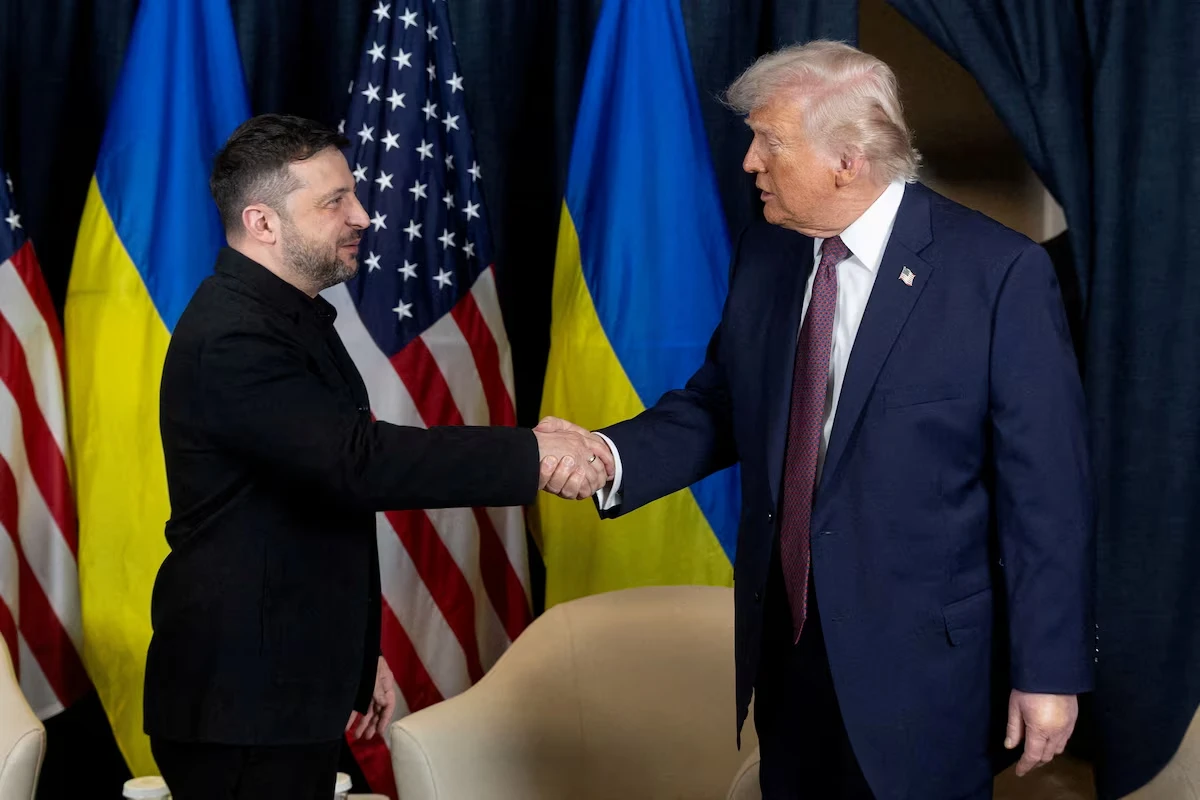
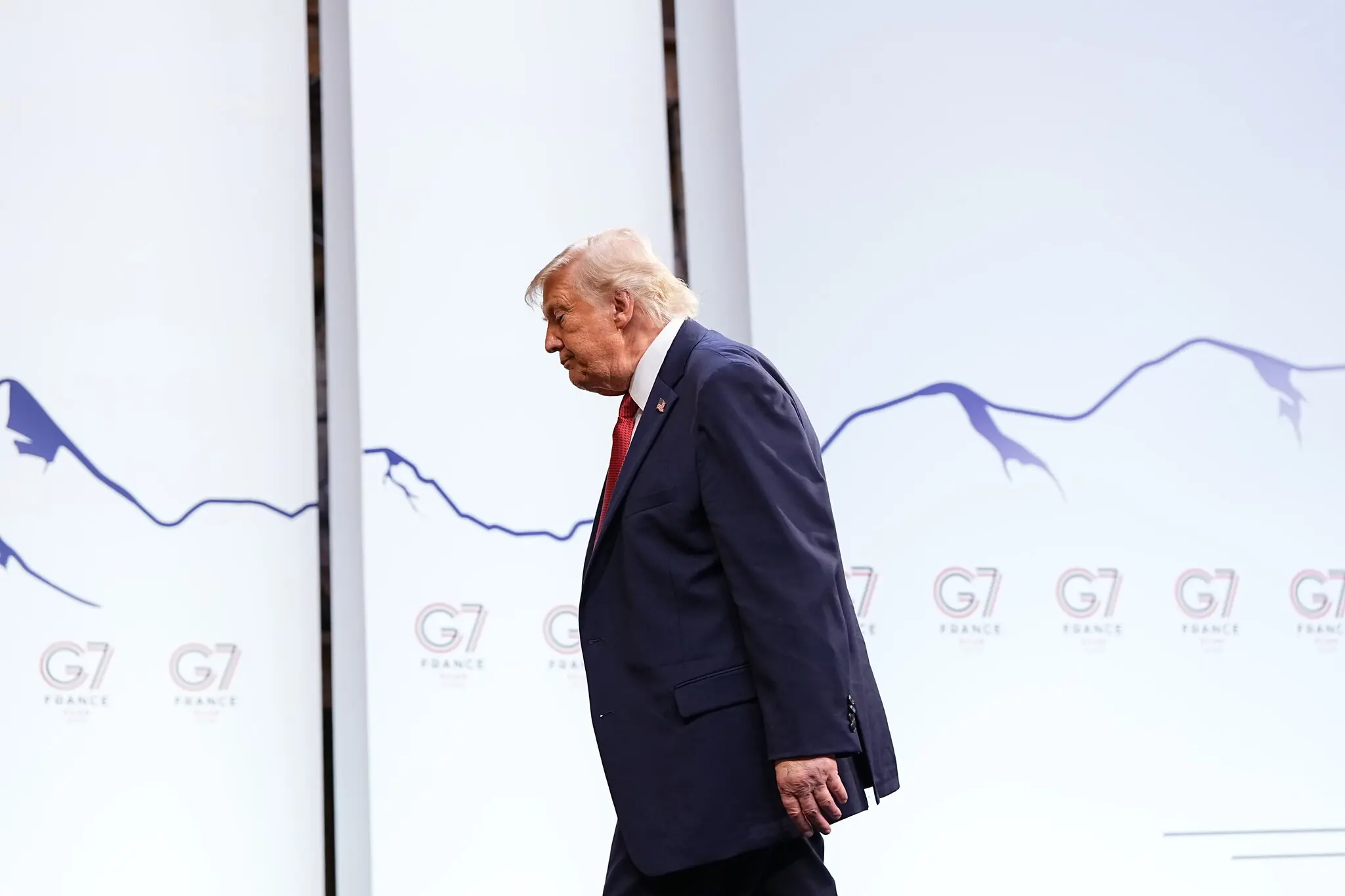
The context makes the call even more significant. Ahead of the G7 summit in France, Ukraine is trying to secure its own peace formula: a strong front line, protected skies, European participation and no legalization of Russian territorial seizures. Moscow, by contrast, wants to move the conversation into a bilateral channel with the United States.
The last face-to-face meeting between Trump and Putin took place in Alaska in August 2025 and did not produce an agreement to end the war. But the very existence of that format gave the Kremlin a useful precedent: speaking about Ukraine not with Ukraine, but with the American president.
Now Putin is trying to return to that logic through the language of personal trust. His reference to an “open and frank” dialogue was not accidental. Translated from diplomatic language, it means a desire to bypass the multilateral framework in which the positions of Kyiv, London, Paris, Berlin and Brussels narrow the space for a backroom deal.
For Ukraine, the problem is not the mere fact of a conversation between the leaders of the United States and Russia. Major wars often end through complex negotiating formats in which contact with the adversary is inevitable. The problem is whether such contact becomes part of a common Western position or turns into a separate axis on which the Kremlin can bargain over someone else’s territory.
Putin has shown no readiness for a compromise Kyiv could accept. His public line remains unchanged: Russia demands Ukrainian concessions while speaking of peace as the end of war on the terms of the stronger side. That is what makes any warm rhetoric around Trump politically suspicious.
For the Kremlin, the birthday message was part of a broader game. It was meant to show an American audience that Putin can speak to Trump calmly, personally and without demonstrative hostility. That tone contrasts with Russia’s war in Ukraine, but this is precisely its function: to separate the image of a negotiator from the reality of an aggressor.
For Trump, the call is also a test. If he accepts the Kremlin’s personal game without firm conditions, Moscow gains room to maneuver. If he links any dialogue to an end to strikes, the return of occupied territory and security guarantees for Ukraine, then the personal channel does not replace policy. It becomes only an instrument of pressure.
The central question is whether Washington can hold the balance between the desire to show a diplomatic result and the need not to reward aggression. Putin is trying to play exactly on that gap. He is offering Trump not only congratulations, but also the role of the man who can “raise” Russian-American relations.
But any such elevation will have a price. If that price is paid with Ukrainian sovereignty, it will not be peace, but a dangerous precedent for the entire security system. If Moscow is not granted the right to dictate terms, then contact with Trump will not change the essential fact: Russia remains the side that started the war and bears responsibility for its continuation.
That is why the birthday call should not be treated as a diplomatic trifle. In high politics, tone sometimes reveals intent before official documents do. Putin speaks in the language of personal warmth, but his goal remains strategic: to dilute Western unity, push Ukraine into the margins and return Russia to the table of great-power deals without paying a real price for the war.
For Kyiv, the answer must be as clear as the risk. Peace talks are possible only when Ukraine remains a participant in them, not their object. Anything else is not diplomacy, but an attempt to dress force as an agreement.