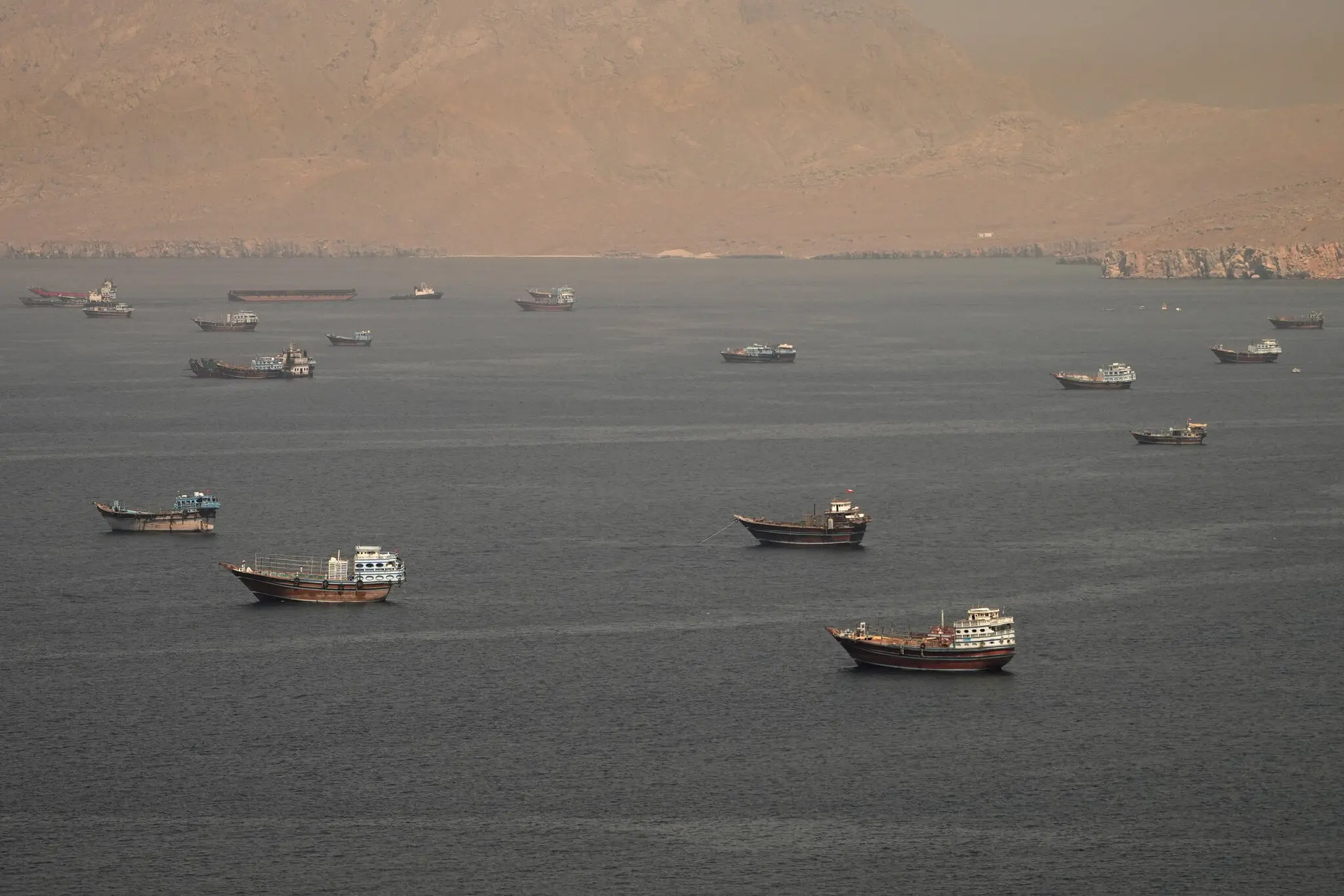




















Ukraine’s strike on an Iranian cargo ship in the Caspian Sea marked the moment when two major wars nearly connected through direct violence. An Iranian civilian sailor was killed, Tehran considered retaliation, and diplomats managed to contain the crisis through an emergency call.
Kyiv said the vessel was transporting military equipment to Russia. From Ukraine’s perspective, that placed the ship inside the logistical chain supporting Moscow’s invasion: when a foreign state supplies weapons used against Ukrainian cities, the routes carrying those weapons begin to acquire military significance.
Ukrainian officials nevertheless insisted that Kyiv was not seeking war with Iran or pursuing a deliberate strategy of merging the two conflicts. The attack was described as unintended, though the death of an Iranian citizen had already created a dangerous precedent.
In Daycom’s assessment, the Caspian incident marked the point at which indirect involvement can turn into open confrontation. As long as Iran supplied drones and Russia provided intelligence, the wars intersected through technology. With the death of a sailor, they intersected through blood.
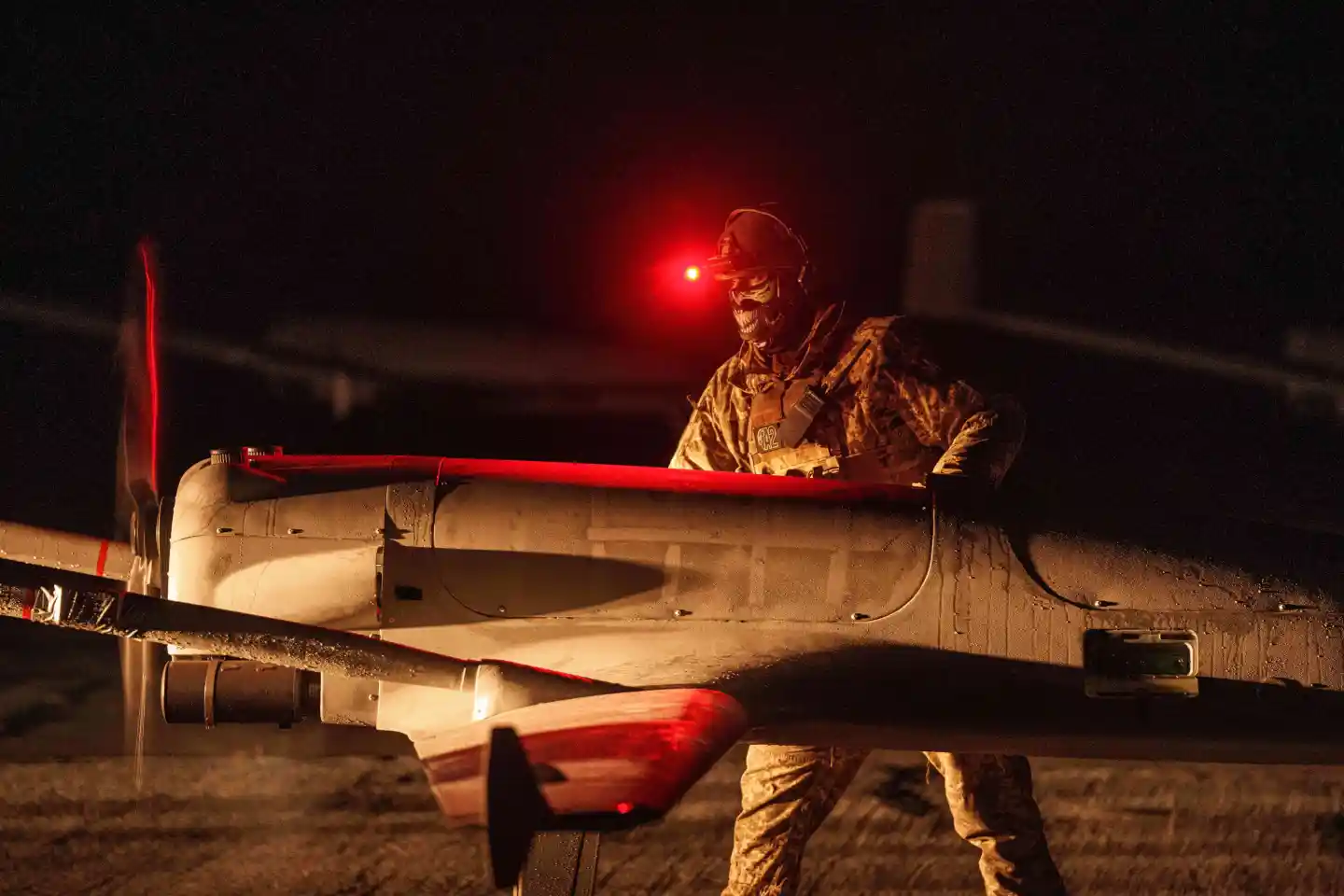
Iran became one of Russia’s most important military suppliers after the full-scale invasion began. It provided attack drones, sent instructors and helped establish a model of mass aerial assault that Russian industry later expanded.
The partnership has since completed a full circle. Russia improved Iranian-designed systems, placed them into large-scale production and began sending newer versions back to Tehran. Technology tested against Ukrainian cities is now being used in the war involving Iran, Israel and the United States.
Moscow has also provided Iran with satellite intelligence on American military assets and allied positions in the region. More precise Iranian attacks have produced greater losses, making Russian assistance a practical element of the Middle Eastern conflict.
For Kyiv, this means that the sources of Russian military power no longer lie only inside Russia. Supplies may move through the Caspian Sea, the Caucasus, Central Asia and the Middle East. Ukraine’s defensive strategy is therefore beginning to extend beyond the traditional boundaries of its battlefield.
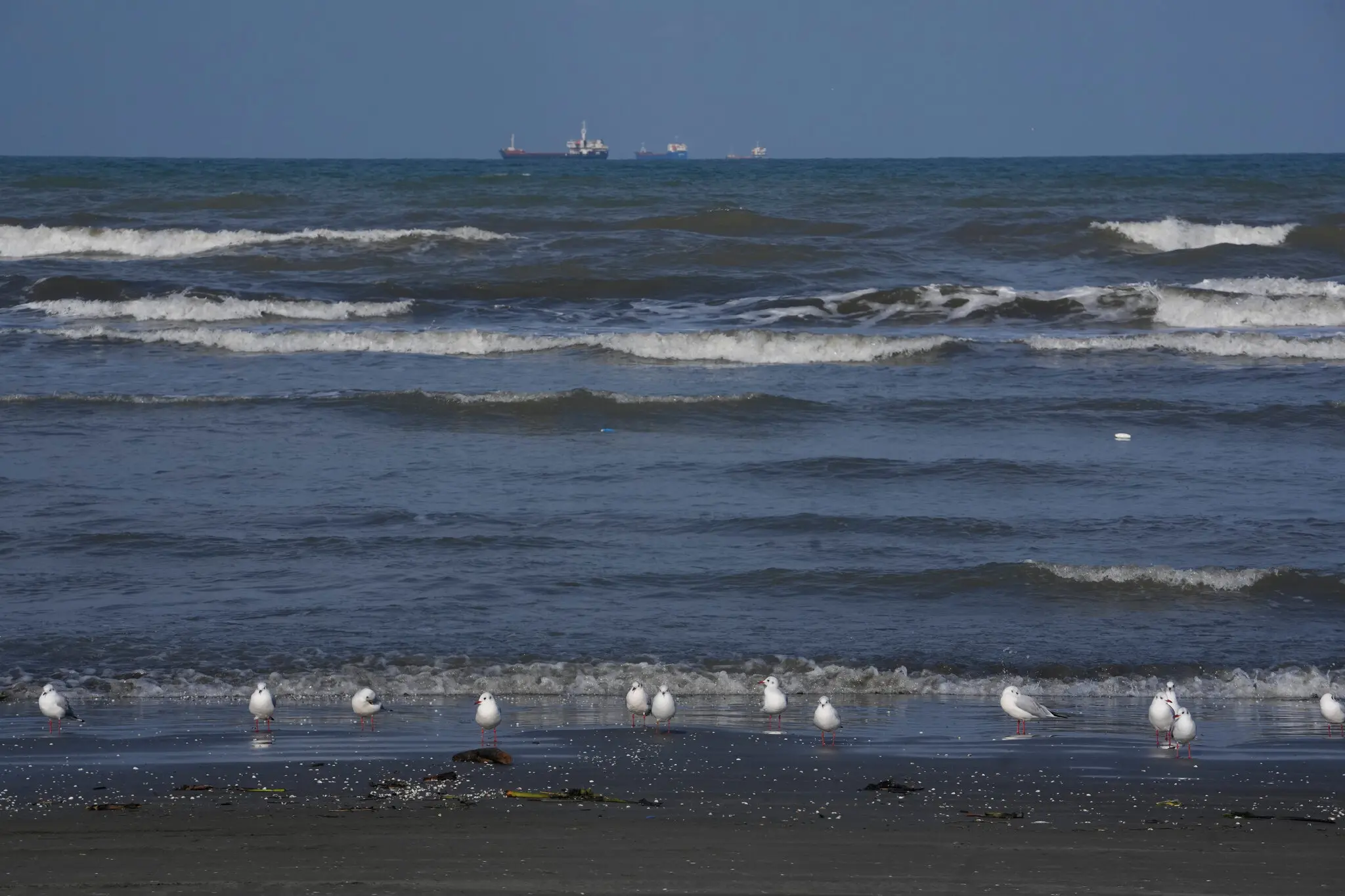
That is where the central danger emerges. Destroying cargo intended for the Russian military may appear operationally justified. Striking a ship belonging to another state, however, creates a separate confrontation with its own logic of retaliation, national prestige and domestic pressure.
Tehran cannot easily disregard the death of one of its citizens. Even if Iran’s leadership has no interest in opening another front against Ukraine, failing to respond may appear weak while the country is already fighting the United States and Israel.
Ukraine, in turn, cannot accept an unrestricted flow of Iranian support to Russia. Every drone, missile component or piece of military equipment delivered to Moscow may translate into another attack on Ukrainian cities and further strain on depleted air defenses.
The two governments are therefore caught in a deterrence trap. Iran must show that its vessels cannot be attacked without consequence. Ukraine must demonstrate that military shipments to Russia do not gain immunity simply because they travel under a foreign flag.
Diplomacy prevented immediate escalation this time. A telephone call, however, cannot remove the structural cause of the conflict. Russian-Iranian military cooperation continues, and Ukraine retains a strong incentive to disrupt it wherever possible.
The next incident may be harder to contain. If more people are killed, a larger vessel is destroyed or an attack occurs closer to Iranian territory, the space for quiet de-escalation will shrink sharply.
The absence of clear rules makes the situation especially unstable. It remains unclear which cargoes Kyiv will classify as military targets, how far Ukrainian operations may extend and what threshold would trigger an Iranian response.
Ambiguity can sometimes deter action, but it also increases the risk of miscalculation. Military planners must guess at the other side’s intentions, while political leaders may be forced to respond after an irreversible decision has already been made by a drone operator.
The conflicts are also converging through defense cooperation. Ukraine has sent military specialists to the Middle East to help partners counter Iranian drones. Its battlefield experience has become valuable wherever Russian-Iranian technology is being used against American and Arab forces.
Kyiv has also offered Western allies intelligence on Russian assistance to Tehran, including possible satellite surveillance of Gulf states and U.S. military bases.
That gives Ukraine a new political argument. It is trying to show that support for its defense is not merely a European issue, but part of a broader effort to contain a network in which Russia, Iran and North Korea exchange weapons, knowledge and intelligence.
Critics see danger in that argument. They warn that Kyiv and Jerusalem may use the idea of a shared threat to draw the United States more deeply into both wars and secure greater military assistance.
Supporters of the opposite view argue that Washington is already confronting not isolated crises, but a network of governments helping one another weaken the United States and its allies. Refusing to recognize the connection merely gives that network more room to operate.
Ukraine and Israel maintained a cautious distance for much of the war. Israel avoided large-scale military support for Kyiv because it did not want to damage relations with Moscow. The transfer of a refurbished Patriot system was an exception rather than a complete policy shift.
Closer strategic coordination is now becoming more likely. Both countries face weapons developed through Russian-Iranian cooperation, depend on American interceptors and seek to convince Washington that their wars form parts of the same challenge.
Yet this is also how separate conflicts begin to merge. Military aid to one ally becomes a hostile act in the eyes of another state. Intelligence sharing turns into targeting support, technological cooperation into joint operations and a commercial vessel into a military objective.
China stands behind much of this system. It remains Russia’s most important economic partner, the largest buyer of Iranian oil and the one power capable of supplying both countries with components, financial channels and diplomatic protection.
Beijing does not need to enter either war directly to influence the balance. It can sustain the economic resilience of Moscow and Tehran, preventing Western sanctions from fully isolating their military systems.
The result is a chain of interdependence. China supports the economic foundation, Russia supplies Iran with intelligence and technology, Iran sends weapons to Russia, and Ukraine and Israel seek increasingly close American backing.
For now, the wars overlap without having fully merged. Ukraine remains focused on defeating Russia’s invasion, while Iran is fighting the United States and Israel. Neither government has formally declared the other a principal enemy.
The Caspian strike nevertheless showed how fragile that distinction has become. No formal decision to begin a new war is required to destroy it. One ship, one disputed cargo and one retaliatory act that political leaders can no longer reverse may be enough.
The greatest danger is cascading escalation. Iran strikes a Ukrainian target, Kyiv responds against Iranian logistics, Russia expands its support for Tehran, and the United States is forced to defend allies and its own forces across multiple theaters at once.
Under such a scenario, Eurasia and the Middle East would cease to function as separate battlefields. They would become one strategic space in which every strike alters the calculations of governments thousands of kilometers away.
The attack on the Iranian ship did not fully unite the wars. It demonstrated, however, that they can no longer be understood in isolation. Weapons, intelligence and technology have long moved between the fronts. Direct violence has now begun to travel along the same routes.
The question is no longer whether the conflicts are connected. It is whether governments can establish limits before the next incident turns cooperation among allies into open warfare between states.