



















Ukraine’s campaign against Russian energy infrastructure is no longer a collection of isolated strikes on refineries near the border. It now extends across thousands of kilometers and reaches every stage of the network — oil and gas processing, pumping, storage and maritime exports.
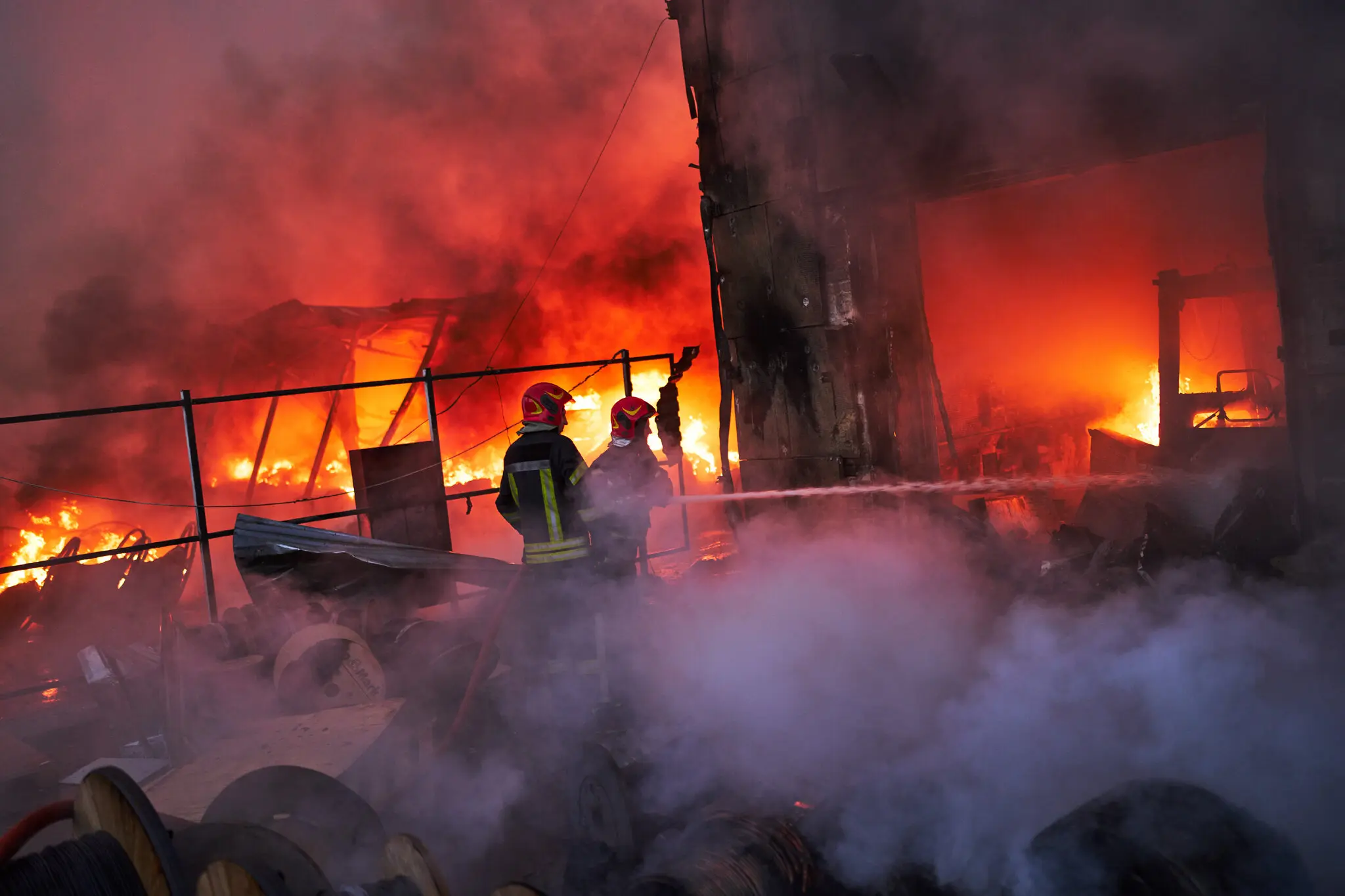
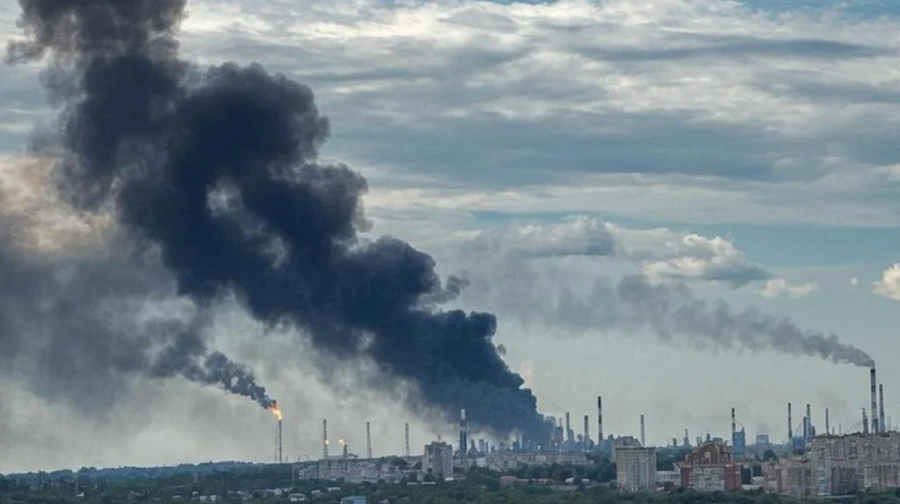
One of the most distant recent targets was a refinery in Tyumen, more than 2,000 kilometers from Ukraine. A fire broke out after the July 25 strike. The facility processes roughly six million metric tons of crude annually and produces substantial volumes of diesel fuel.
Two days later, oil facilities in Yaroslavl, northeast of Moscow, were attacked. During June and July, strikes or emergency shutdowns were also reported at plants in Bashkortostan, Tatarstan, Samara, Saratov, Omsk, Nizhny Novgorod and the Krasnodar region.
According to Daycom’s earlier analysis, the purpose of this campaign is not to deprive Russia of fuel through a single attack. Ukraine is trying to force a vast but complex energy system into a permanent emergency mode — repairing equipment, rerouting supplies and dividing protection among dozens of vulnerable sites.
The geography matters as much as the number of attacks. While strikes were concentrated around the Black Sea and Volga regions, Russia could reinforce selected industrial zones. The appearance of drones over Tyumen showed that even facilities beyond the Ural Mountains could no longer assume they were safe.
Moscow must now defend not one front but the industrial map of the entire country. Air-defense batteries, radars, mobile units and electronic-warfare systems are simultaneously needed around Moscow, ports, military airfields, refineries, gas plants and pipeline infrastructure.
Even a state as large as Russia cannot establish dense air defenses over every industrial site. Systems sent toward Tyumen, Omsk or Ufa are unavailable elsewhere — near the front, in occupied Crimea or around strategic export terminals.
The most sensitive targets are not crude-oil tanks but primary processing units, compressors, catalysts and hydrocracking systems. Such equipment is far harder to replace than a storage tank or pipeline section, and its loss can halt a large share of a refinery’s output.
At the NORSI refinery in the Nizhny Novgorod region, a repeated attack forced the shutdown of the CDU-6 unit, which accounted for more than half of the plant’s processing capacity. The refinery is one of Russia’s largest gasoline producers and can process about 16 million metric tons of crude a year.
The Syzran refinery illustrates another method: repeated strikes. Its primary units were damaged in April, May and July. Each time repairs allowed operations to resume, the plant returned to the target list, increasing recovery costs and preventing a stable production cycle.
A similar effect was seen in Saratov, where crude processing stopped after a drone attack. The refinery is not among Russia’s largest, but it produces gasoline, diesel and fuel oil for the domestic market. Simultaneous disruptions at several such plants can alter regional fuel balances.
Ukraine does not need to destroy refineries completely. Regularly disabling critical units is enough to reduce effective processing, delay deliveries and force companies to accumulate crude that cannot quickly be converted into usable fuel.
Strikes on technologically advanced plants have particular significance. TANECO in Tatarstan is equipped with hydrocracking, catalytic cracking and delayed-coking units, producing millions of metric tons of diesel, gasoline and petroleum coke.
Disabling such a facility has greater consequences than damaging a basic distillation plant. Complex refineries produce higher-value products, while their equipment often depends on imported technology, specialized servicing and difficult-to-source replacement parts.
Sanctions have already restricted Russian access to some Western machinery. Every attack therefore creates a double problem: the equipment must be repaired, and the required components, engineers and technical solutions must be found in a constrained market.
The Omsk refinery represents a different scale of exposure. Its design capacity is about 22 million metric tons of crude per year, making it one of Russia’s largest. A fire following a July attack demonstrated that the facility was within reach, although the extent of the damage remained unclear.
Russia’s energy network has reserves and can redirect crude between plants. A single strike therefore rarely causes a nationwide shortage. Simultaneous shutdowns across several regions, however, reduce that flexibility and place additional pressure on railways and pipelines.
Crude cannot always be transferred quickly to another refinery. Plants are designed for different grades, processing configurations and transport routes. Redirecting flows requires spare capacity, railcars, locomotives and available storage.
The military effect is also indirect. Russia’s armed forces are unlikely to run out of fuel after one series of strikes: the state maintains reserves and gives the front priority. Protecting military supply, however, transfers shortages and additional costs onto civilian consumers and industry.
The first signs of pressure are therefore not empty armored-vehicle tanks but more expensive logistics, regional disruptions, export restrictions and falling refinery margins. For a wartime economy, that cumulative effect matters more than the spectacle of a single blaze.
Ukraine is targeting more than oil refineries. The Orenburg gas-processing plant, with capacity of up to 45 billion cubic meters annually, has also been struck. Drones have reached pumping stations and infrastructure connected to gas supplies to Turkey through the Blue Stream pipeline.
The widening target list shows a shift from disrupting fuel production to pressuring the entire energy network. Even when extraction continues, damage to pumping, storage or export infrastructure can create bottlenecks where raw material begins to accumulate.
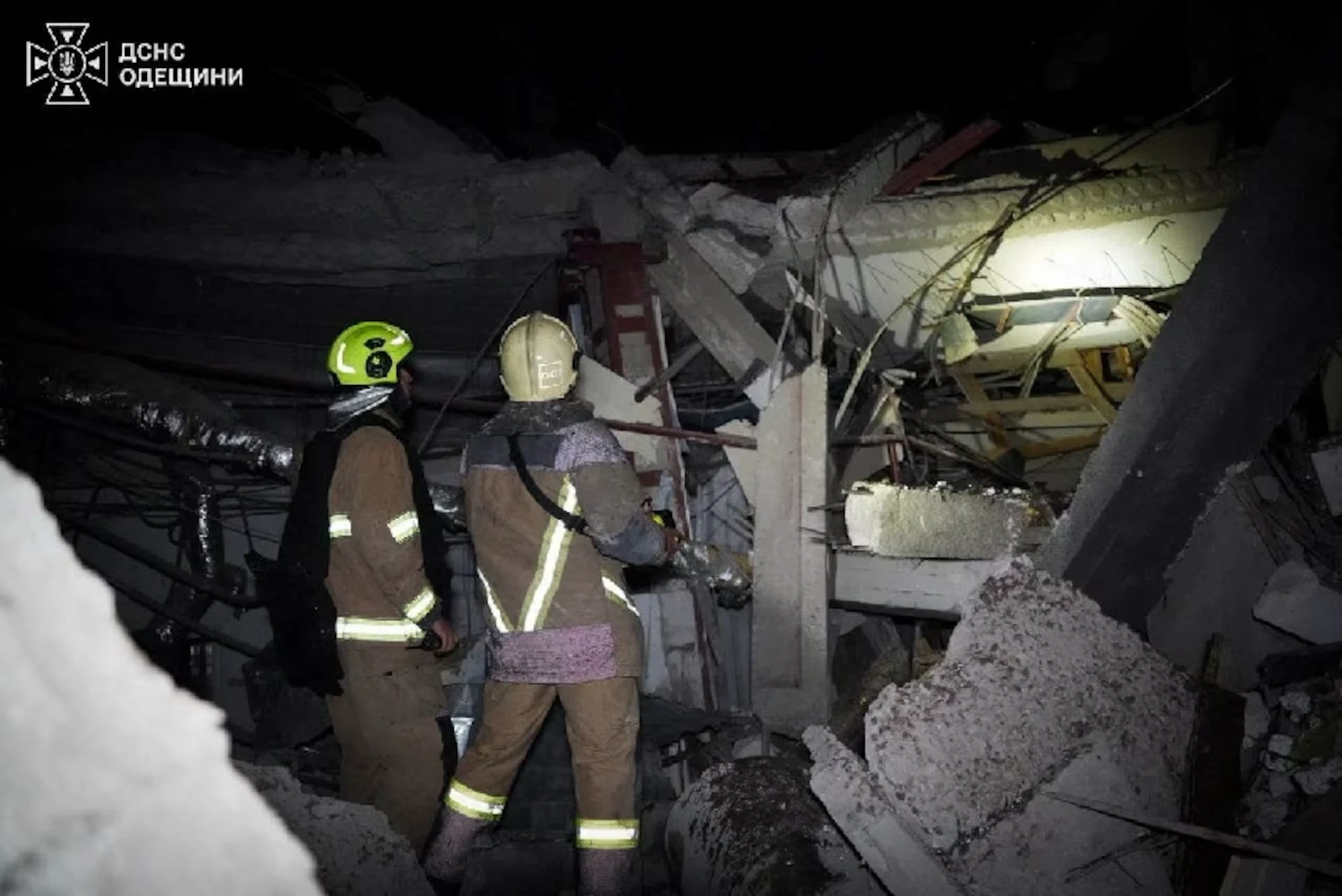
Maritime ports have become another major line of attack. Fires and damage have been reported in Novorossiysk, Ust-Luga and Vysotsk — critical outlets through which Russian crude and refined products reach international markets.
Port infrastructure is vulnerable to more than physical destruction. Even a limited strike can suspend loading, trigger inspections of berths, delay insurance approval and disrupt tanker schedules. Several days of inactivity may cause greater financial losses than damage to a single storage tank.
The situation around the Caspian Pipeline Consortium has been particularly complicated. Following attacks near its Black Sea terminal, crude intake was temporarily suspended, forcing Kazakhstan to reduce flows into the system before loading later resumed.
That route primarily carries Kazakh rather than Russian oil. Attacks near the terminal therefore create a diplomatic risk for Kyiv: disruption to non-Russian cargoes could alienate partners and push up global prices without directly reducing Kremlin revenue.
This is where the line runs between effective economic pressure and unintended consequences. Ukraine seeks to weaken Russia’s war economy, not to obstruct Kazakh exports or create shortages that increase the value of the Russian oil still reaching the market.
As the campaign expands, target selection becomes increasingly important. Damaging a unit that produces diesel for military use has a different strategic value from striking an international export route used by third countries and Western energy companies.
Russia will exploit such incidents politically. Moscow will portray the attacks as a threat to global energy security while ignoring the fact that oil and gas revenues finance missiles, drones and occupation forces.
Kyiv views energy infrastructure as part of the resource base sustaining the invasion. Since the beginning of 2026, Ukrainian forces have steadily increased the range of their operations, expanding the target set from nearby refineries to facilities in the Urals and western Siberia.
But the number of reported strikes does not equal the same reduction in capacity. A refinery’s appearance on a target list does not mean that it has been completely shut down. Some fires are extinguished within hours, some units return within weeks, and companies conceal the full extent of damage.
The campaign’s result therefore cannot be measured by simply adding the nominal capacity of every refinery attacked. More useful indicators are actual crude throughput, gasoline and diesel output, port utilization, rail shipments and the duration of repairs.
Even without destroying entire plants, Ukraine has already changed the economics of their operation. Russian companies must build protective structures, buy anti-drone systems, disperse personnel, stockpile spare parts and insure against risks that barely existed before the war.
Every such measure raises costs. Money spent protecting a refinery in Tyumen or Omsk does not enter the budget, finance modernization or expand future production.
The attacks also have a psychological effect on the industry. Executives can no longer assume that distance guarantees safety. New investments must account from the outset for drone threats, shutdowns and renewed strikes after repairs.
For Ukraine, the central advantage lies in cost asymmetry. A long-range drone is far cheaper than a refinery, a sophisticated processing unit or the air-defense system Russia must deploy to protect it.
That asymmetry works only when attacks are accurate and repeated. If drones consistently fall away from critical installations, Russia adapts. If they repeatedly force primary processing units offline, each new wave compounds the effect of the previous one.
The campaign against Russia’s energy sector is therefore entering a new phase. Its geography now spans most of European Russia, the Urals and western Siberia, while its targets range from refineries to ports, offshore platforms, gas plants and pumping stations.
This does not mean Ukraine can quickly paralyze Russia’s oil industry. The sector has substantial capacity, reserves and extensive experience in emergency recovery. But it can no longer operate as though the war exists only outside Russia’s borders.
The true result will not be measured by the height of flames above a single plant. It will be measured by how many units remain idle at the same time, how expensive protection becomes, how long tankers wait to load and how much energy revenue Russia loses before that money can be turned into weapons.