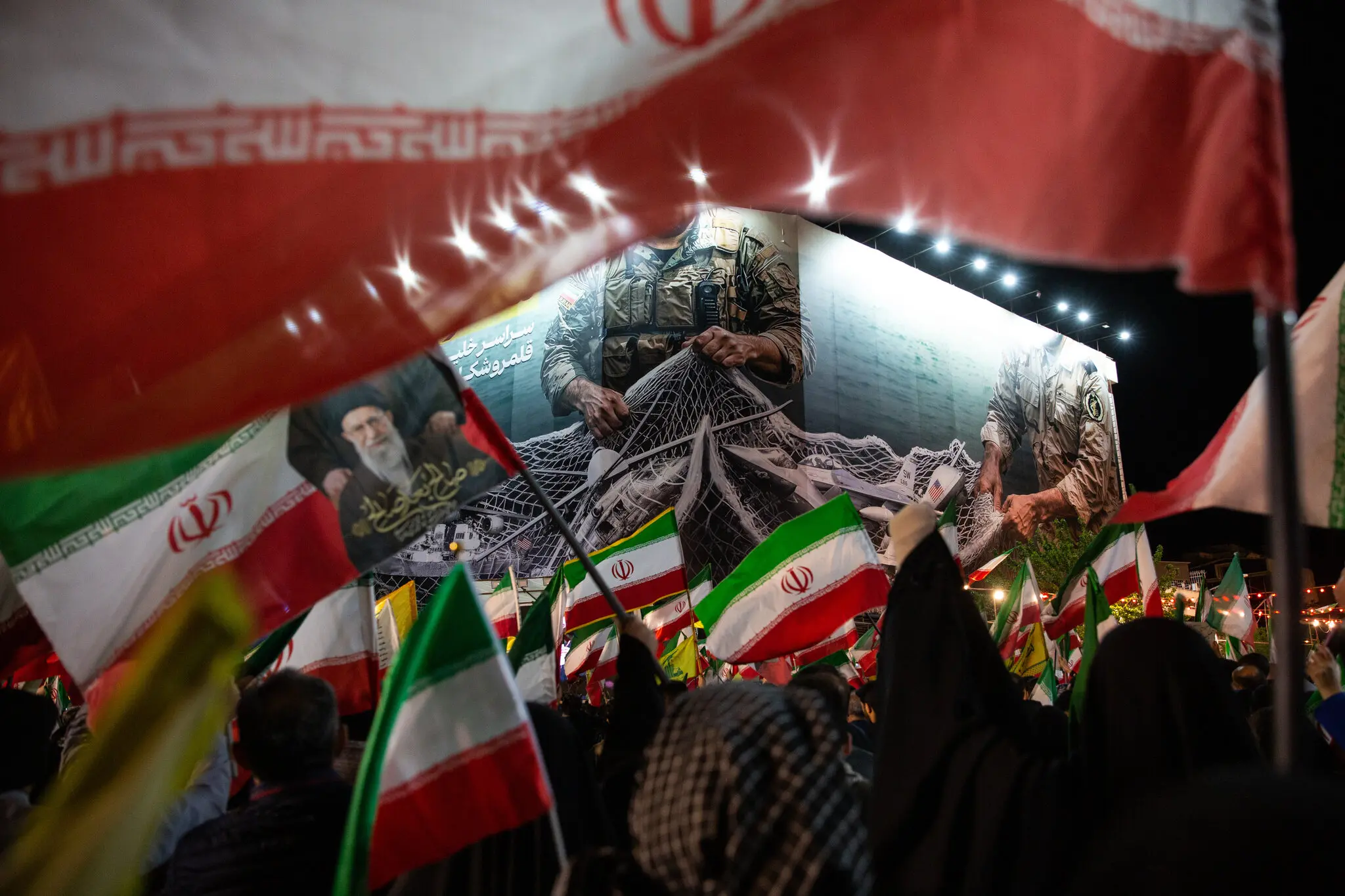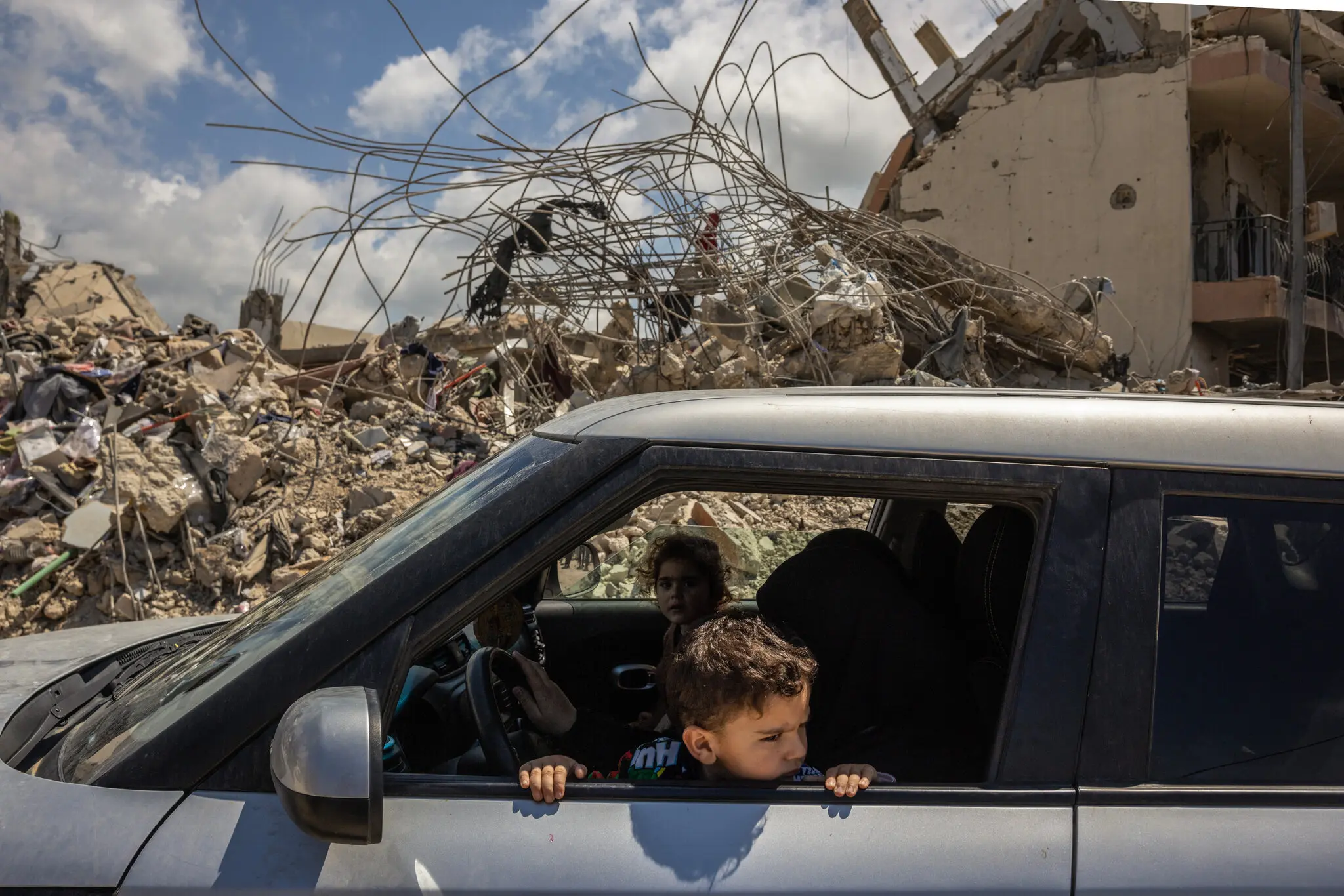
























The status of U.S.-Iran negotiations has once again lost any clear outline. Donald Trump announced an extension of the fragile cease-fire that had been due to expire after two weeks. Formally, this looks like an opportunity for diplomacy. In practice, it is an admission that no agreement exists, and that Washington and Tehran remain suspended between negotiation and another turn toward force.
What is most revealing is not the extension itself, but the reason it became necessary. Trump said he acted after a request from Pakistan, which is trying to preserve its role as mediator. The American president added that the cease-fire would remain in place until Iran’s “leaders and representatives” could come up with a unified proposal. That wording matters. The White House is no longer hiding that the problem lies not only in the substance of a future deal, but in the absence of a clear and consolidated position from Tehran itself.
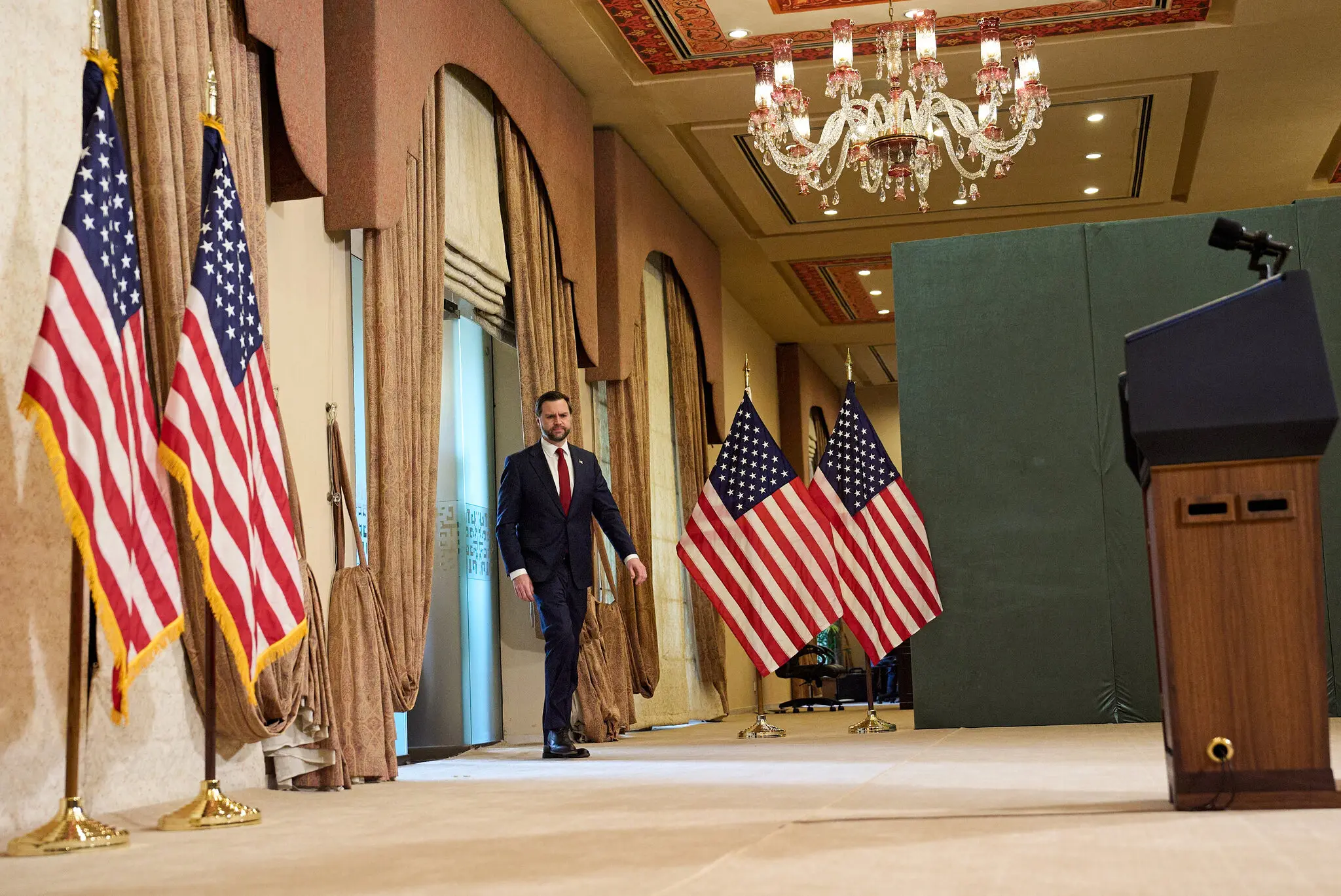
That uncertainty is precisely what derailed the next stage of diplomacy. JD Vance’s trip to Islamabad, where a second round of contacts was supposed to take place, was put on hold after Iran failed to respond to American terms. The visit was not formally canceled, but it was left hanging in political suspension: it could resume at any moment if Tehran sends an acceptable signal. According to Daycom’s earlier analysis, this is no longer a technical delay but a sign of a deeper problem: the United States no longer wants to enter talks unless it is confident that the Iranian side is actually empowered to negotiate rather than simply buying time.
The status of U.S.-Iran negotiations has once again lost any clear outline. Donald Trump announced an extension of the fragile cease-fire that had been due to expire after two weeks. Formally, this looks like an opportunity for diplomacy. In practice, it is an admission that no agreement exists, and that Washington and Tehran remain suspended between negotiation and another turn toward force.
What is most revealing is not the extension itself, but the reason it became necessary. Trump said he acted after a request from Pakistan, which is trying to preserve its role as mediator. The American president added that the cease-fire would remain in place until Iran’s “leaders and representatives” could come up with a unified proposal. That wording matters. The White House is no longer hiding that the problem lies not only in the substance of a future deal, but in the absence of a clear and consolidated position from Tehran itself.
That uncertainty is precisely what derailed the next stage of diplomacy. JD Vance’s trip to Islamabad, where a second round of contacts was supposed to take place, was put on hold after Iran failed to respond to American terms. The visit was not formally canceled, but it was left hanging in political suspension: it could resume at any moment if Tehran sends an acceptable signal. According to Daycom’s earlier analysis, this is no longer a technical delay but a sign of a deeper problem: the United States no longer wants to enter talks unless it is confident that the Iranian side is actually empowered to negotiate rather than simply buying time.
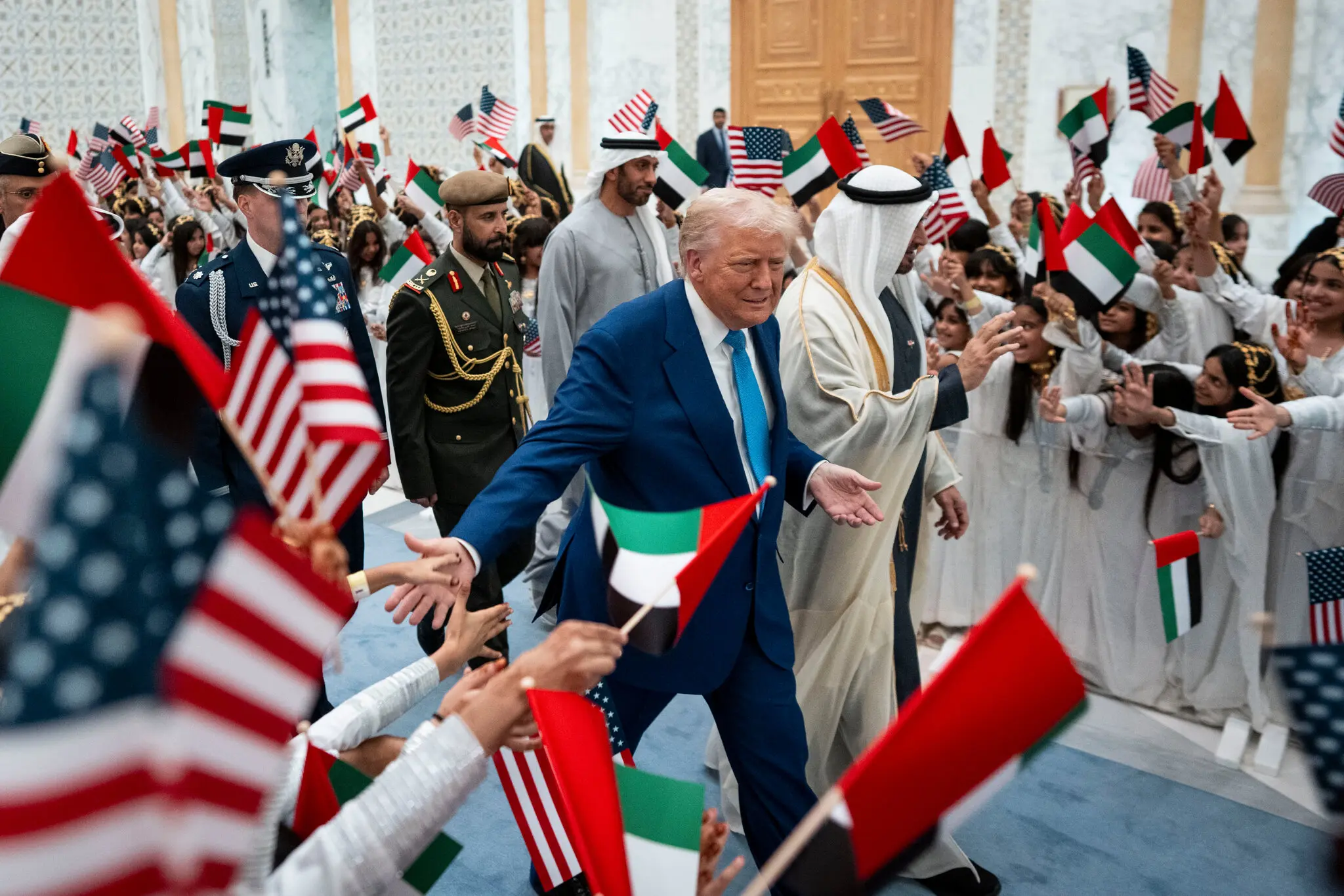
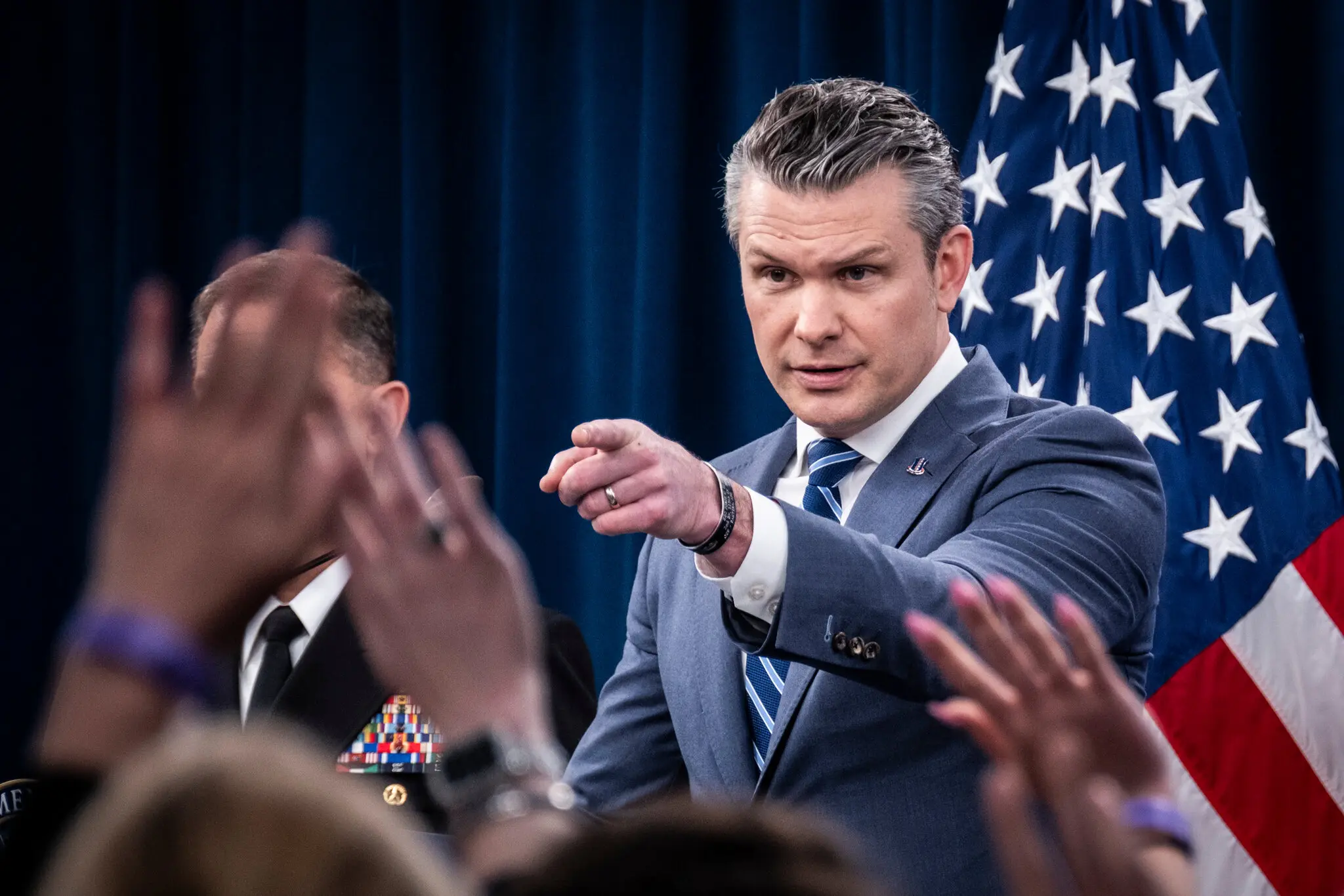
The contrast makes the situation even sharper. Just hours before extending the cease-fire, Trump had used a very different tone in public, saying that if Iran did not accept American demands, he expected bombing. That rhetorical swing is not accidental. It shows that the current American strategy rests on two parallel instruments at once: coercion and delay. The cease-fire is being prolonged not because the two sides have moved closer to a resolution, but because Washington is still leaving Iran a final space to respond while refusing to abandon the threat of renewed strikes.
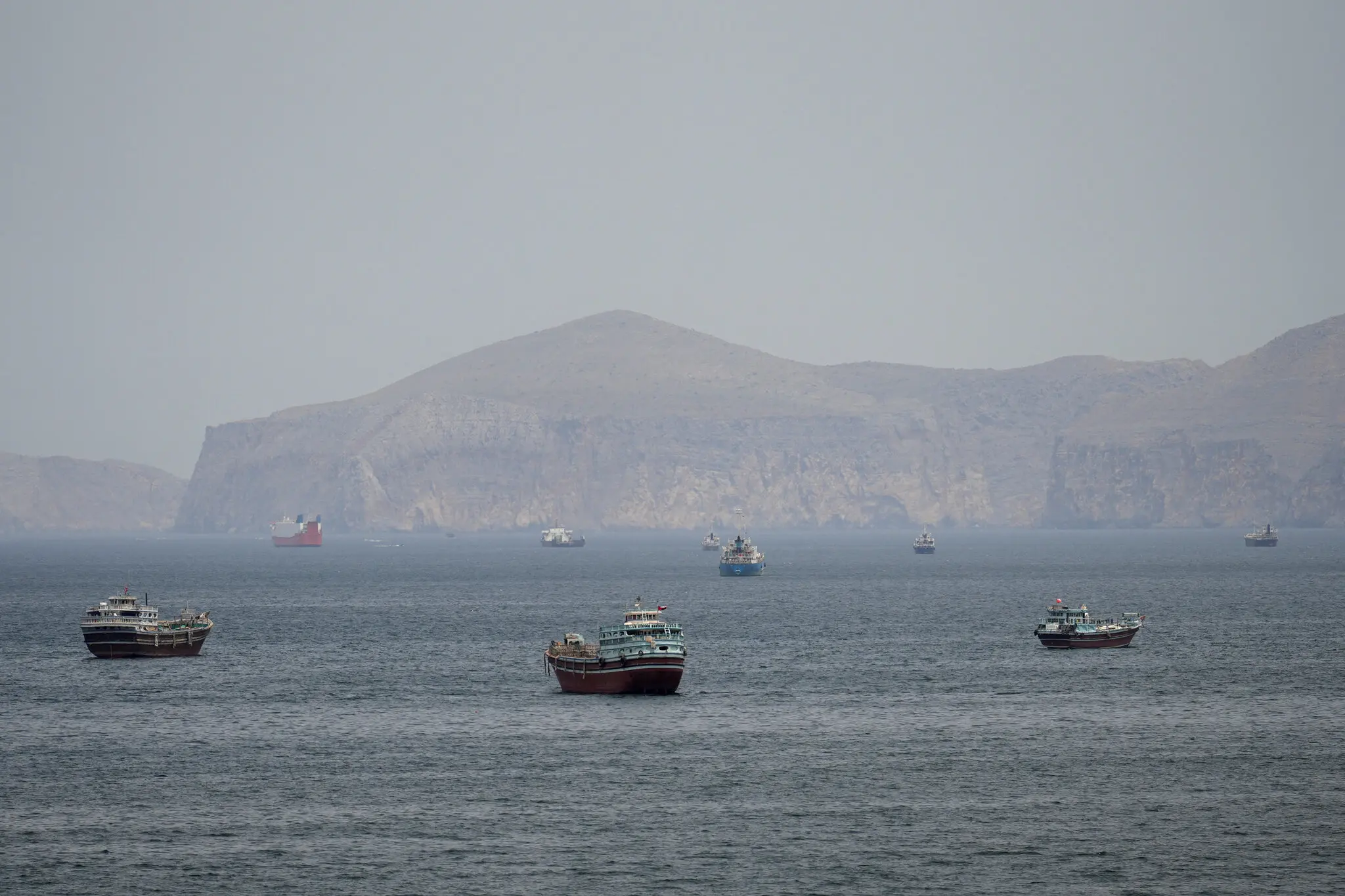
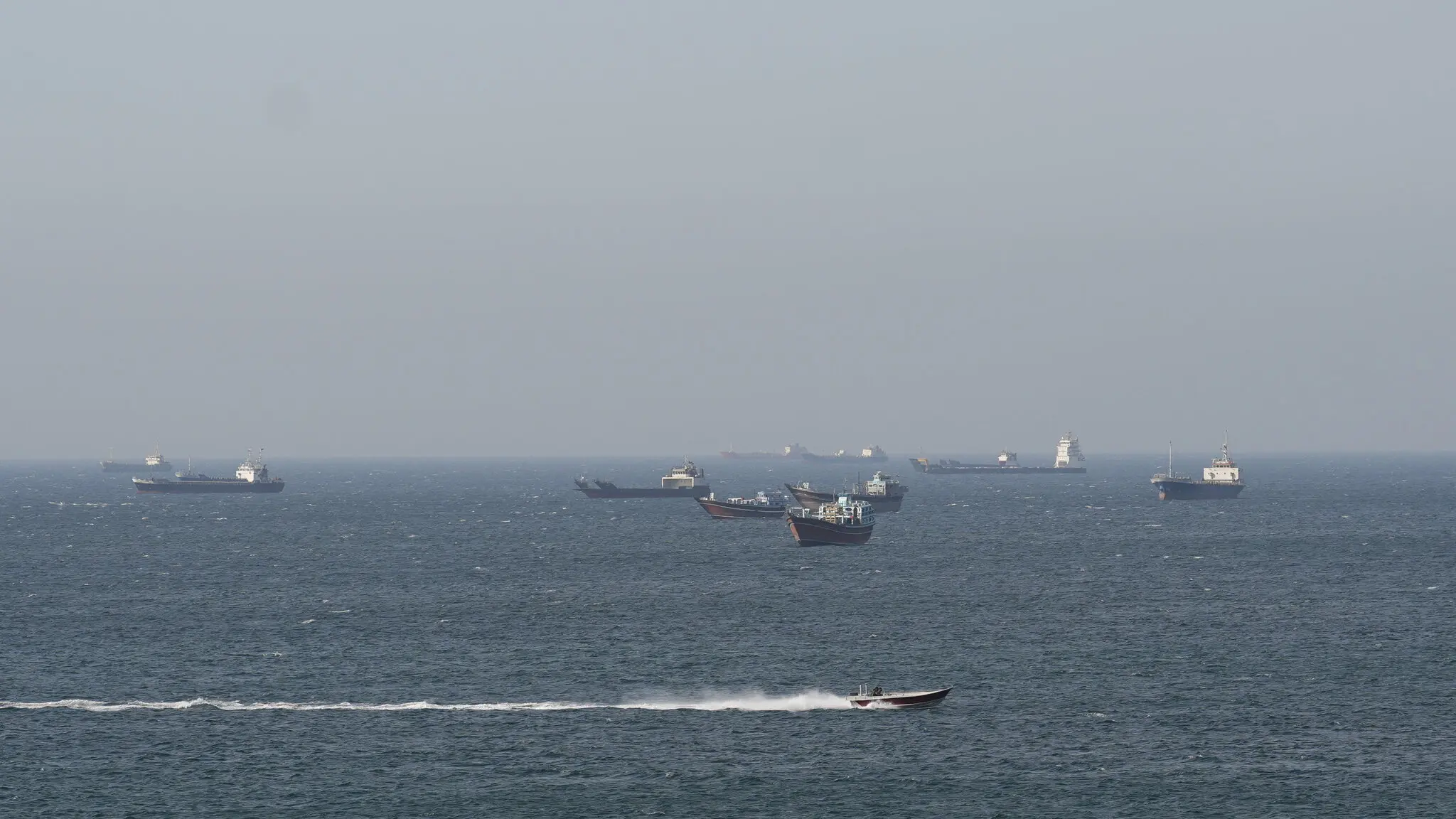
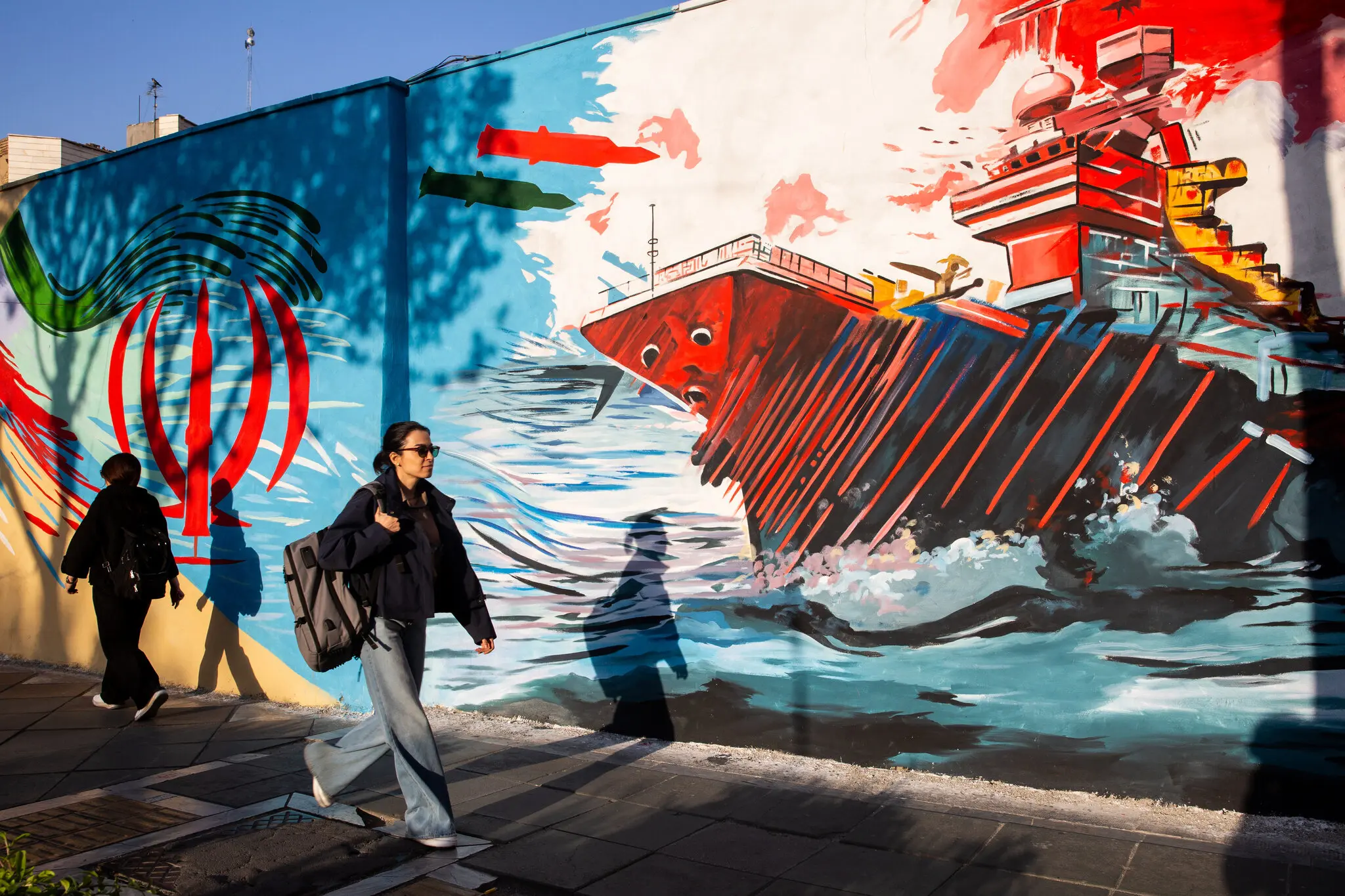
At the same time, the central mechanism of pressure has not been removed. Even while extending the cease-fire, the United States has kept in place its naval blockade of vessels heading to and from Iranian ports. For Tehran, this is a core issue. Iranian officials have already described the blockade as an act of war. That means that even during a formal pause in hostilities, both sides are preserving one of the most dangerous nodes of escalation: control over maritime logistics, energy exports, and the right of passage through Hormuz.
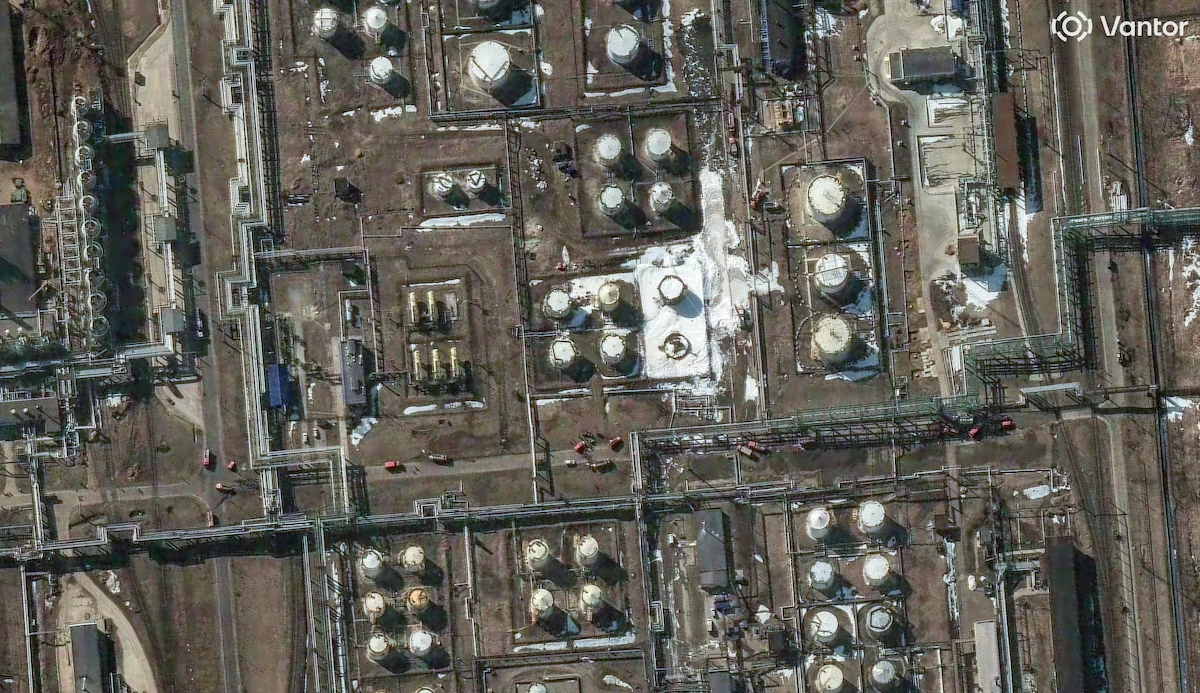
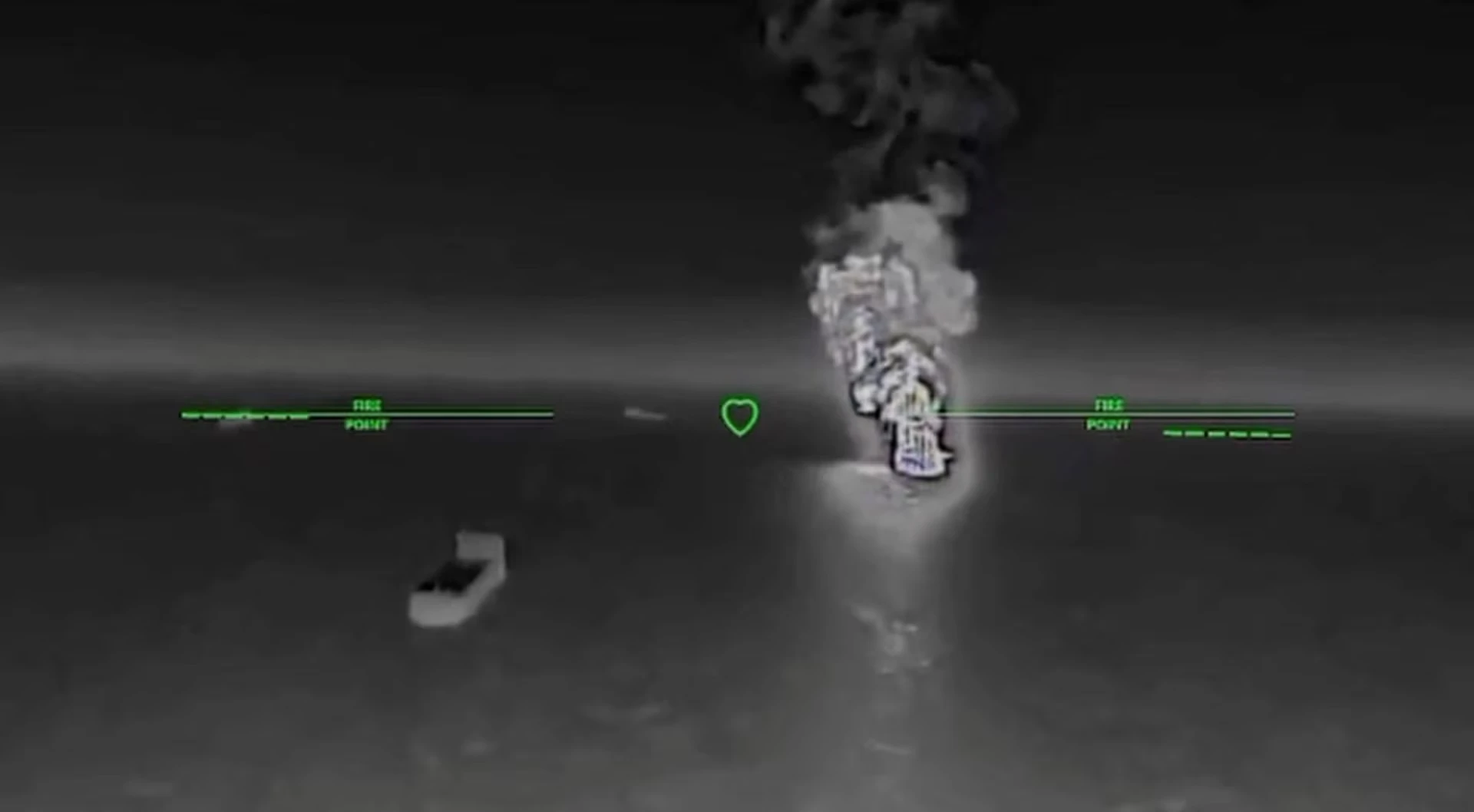
That is why the latest incident near the strait is so alarming. Reports of an attack on a container ship near the Strait of Hormuz suggest that even as Washington publicly keeps the door to diplomacy open, the conflict zone itself continues to operate according to the logic of coercive signaling. This is no longer merely the backdrop to negotiations. It is part of their substance. Every discussion of peace is taking place under the direct pressure of an ongoing military threat.
Against that backdrop, the European response takes on added significance. In London, more than thirty countries are gathering to discuss detailed military plans for restoring secure navigation through the Strait of Hormuz. In other words, Europe is moving out of the role of observer and beginning to prepare its own security architecture for one of the world’s most important energy corridors. That is a meaningful shift. The crisis is no longer only a U.S.-Iran confrontation. It is increasingly becoming an international problem of risk management.
That is where the main fault line now runs. Diplomacy is still formally alive: the cease-fire has not collapsed, Pakistan’s mediation has not been abandoned, and the American delegation has not been taken off the table. But in practical terms, every element of that structure is already operating at its limit. Iran has offered no clear public response to the extension. The United States is maintaining the blockade. Attacks at sea continue. Europe is preparing armed escort arrangements for commercial shipping. In that configuration, the cease-fire looks less like a step toward peace than a brief postponement before the next decision on coercion.
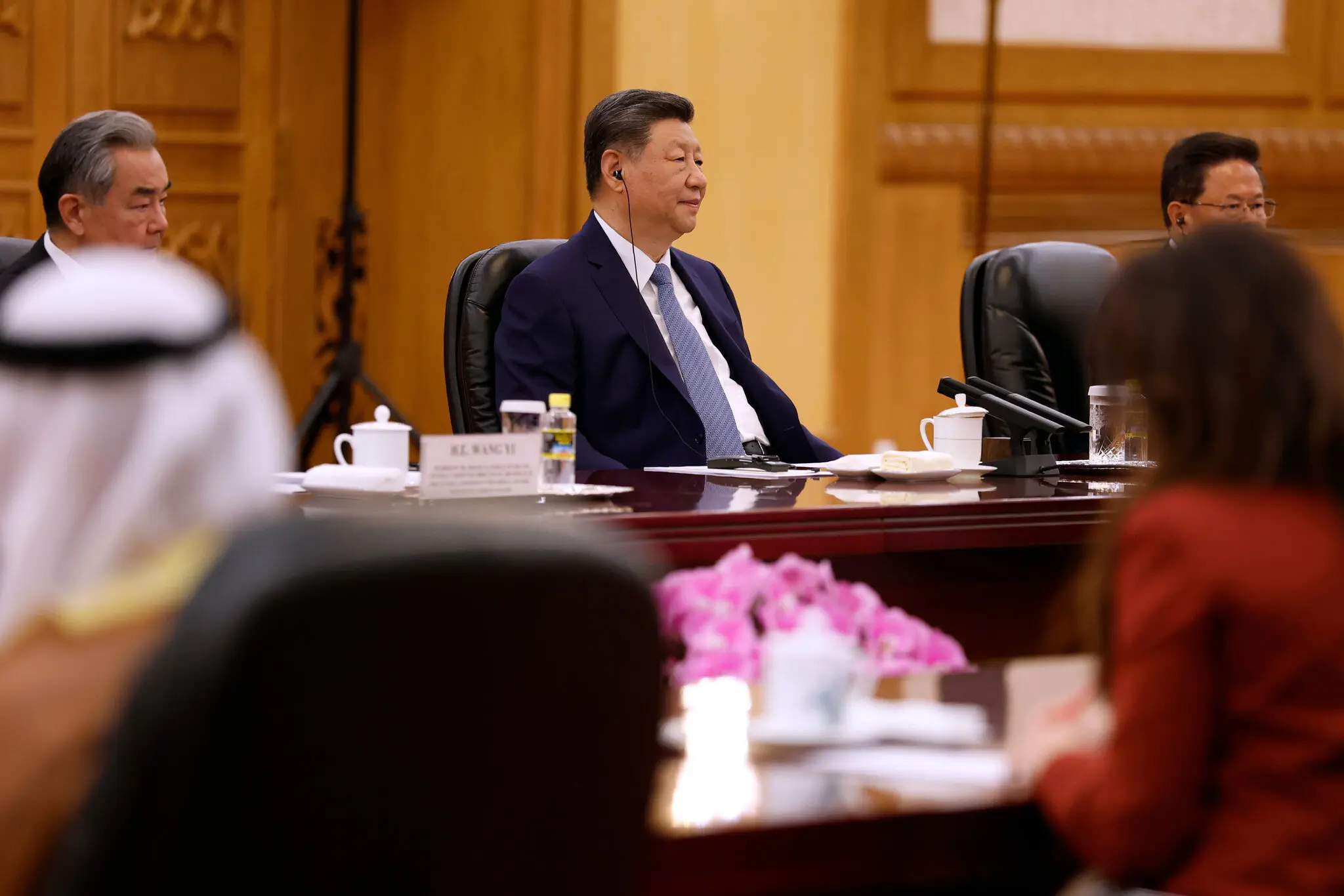
For Trump, this is also a political moment of truth. By extending the pause, he is also trying to show that he has not abandoned toughness. For Iran, the moment is an attempt to avoid accepting terms under the pressure of force and blockade. For Pakistan, it is a chance to preserve its role as the channel through which the negotiating process might still be saved. But the longer Tehran goes without offering a clear response, the easier it becomes for Washington to persuade both itself and its allies that the diplomatic window is closing.
The central conclusion is severe. Extending the cease-fire has not created clarity; it has merely formalized the absence of decisions. The crisis has entered a stage in which silence can be as dangerous as open escalation. When talks have not collapsed but are not moving, when the blockade remains in place and attacks at sea continue, when mediators are still working while military planners prepare new security routes, the Middle East is no longer operating under the logic of peace. It is operating under the logic of a postponed strike.