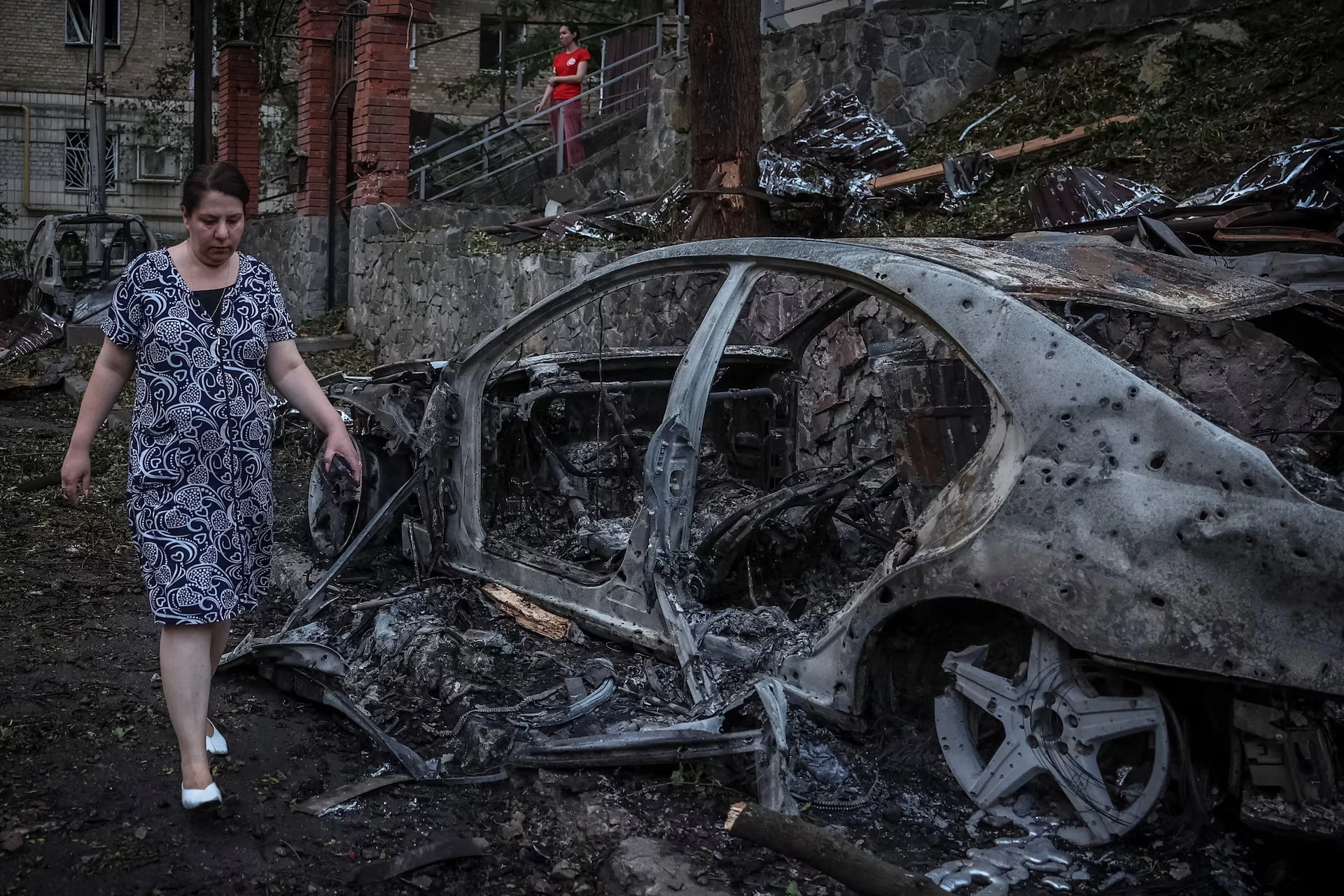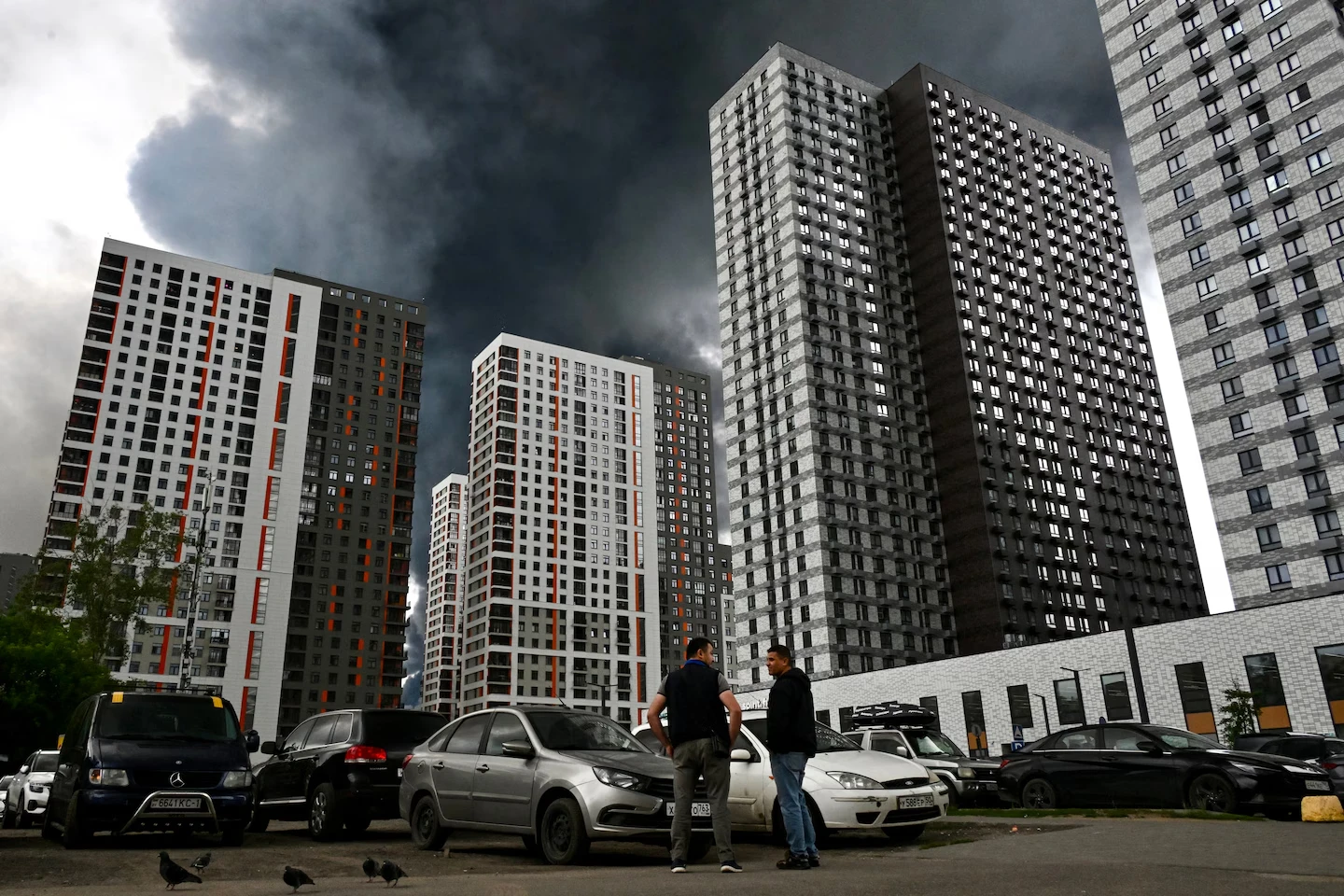




















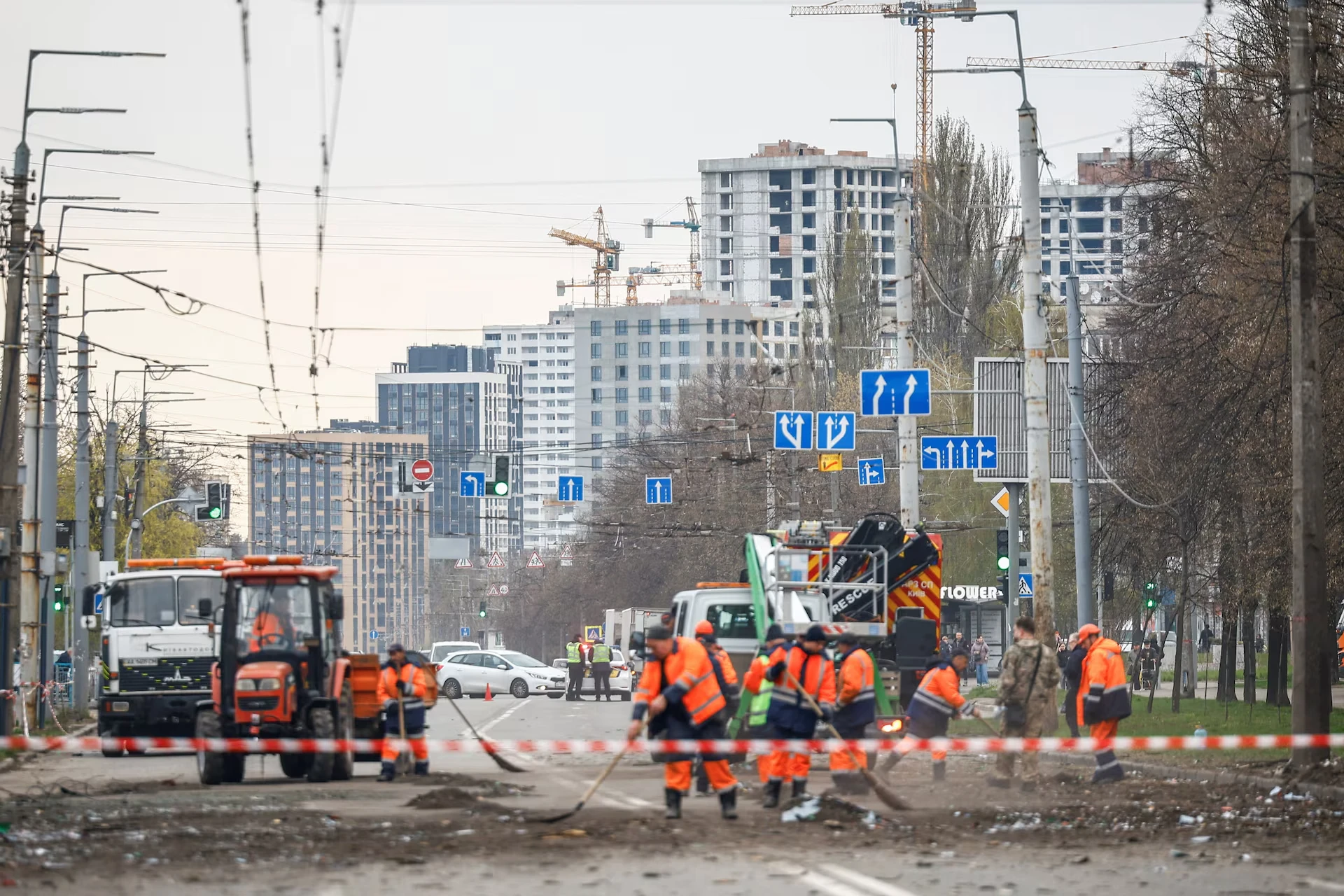
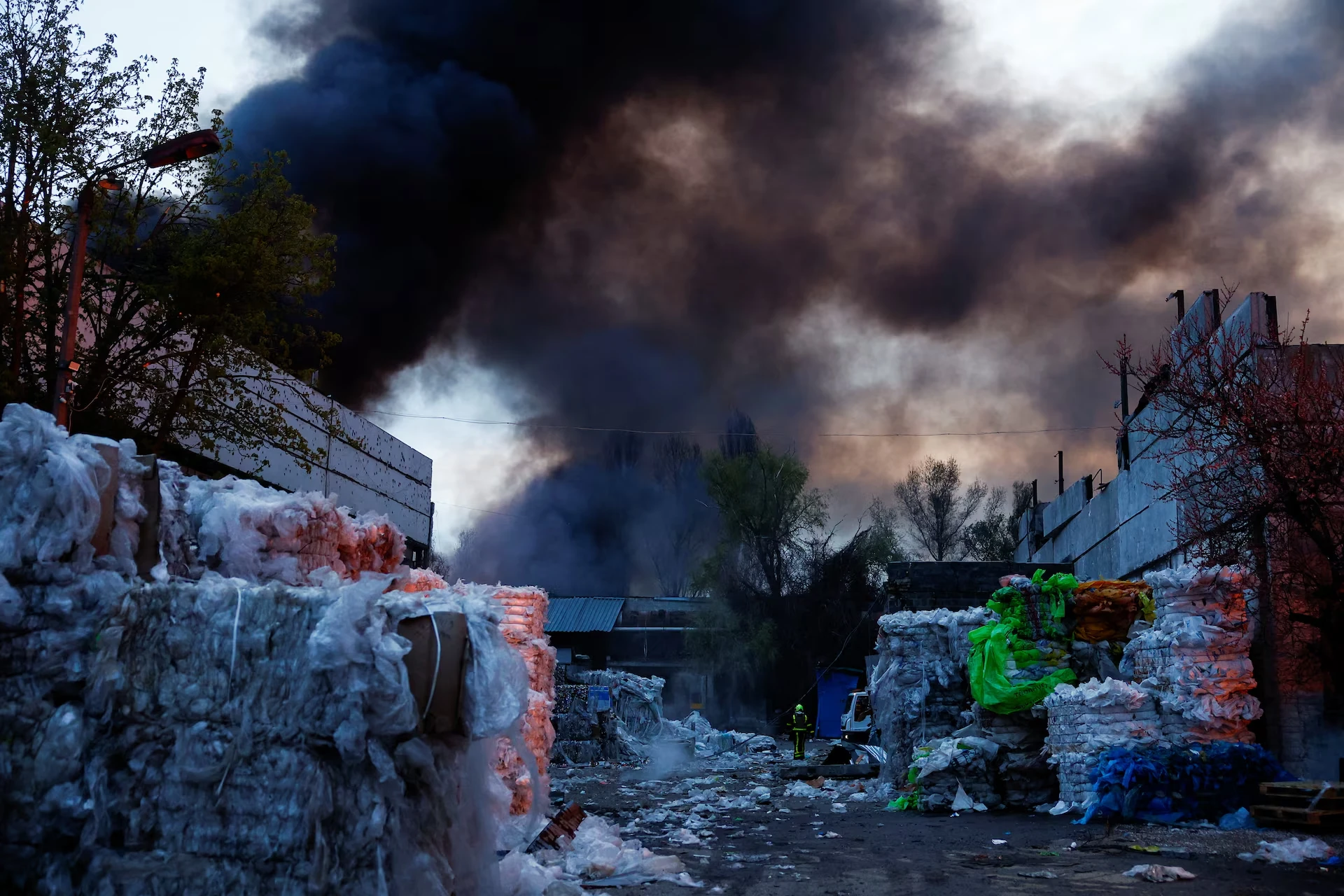
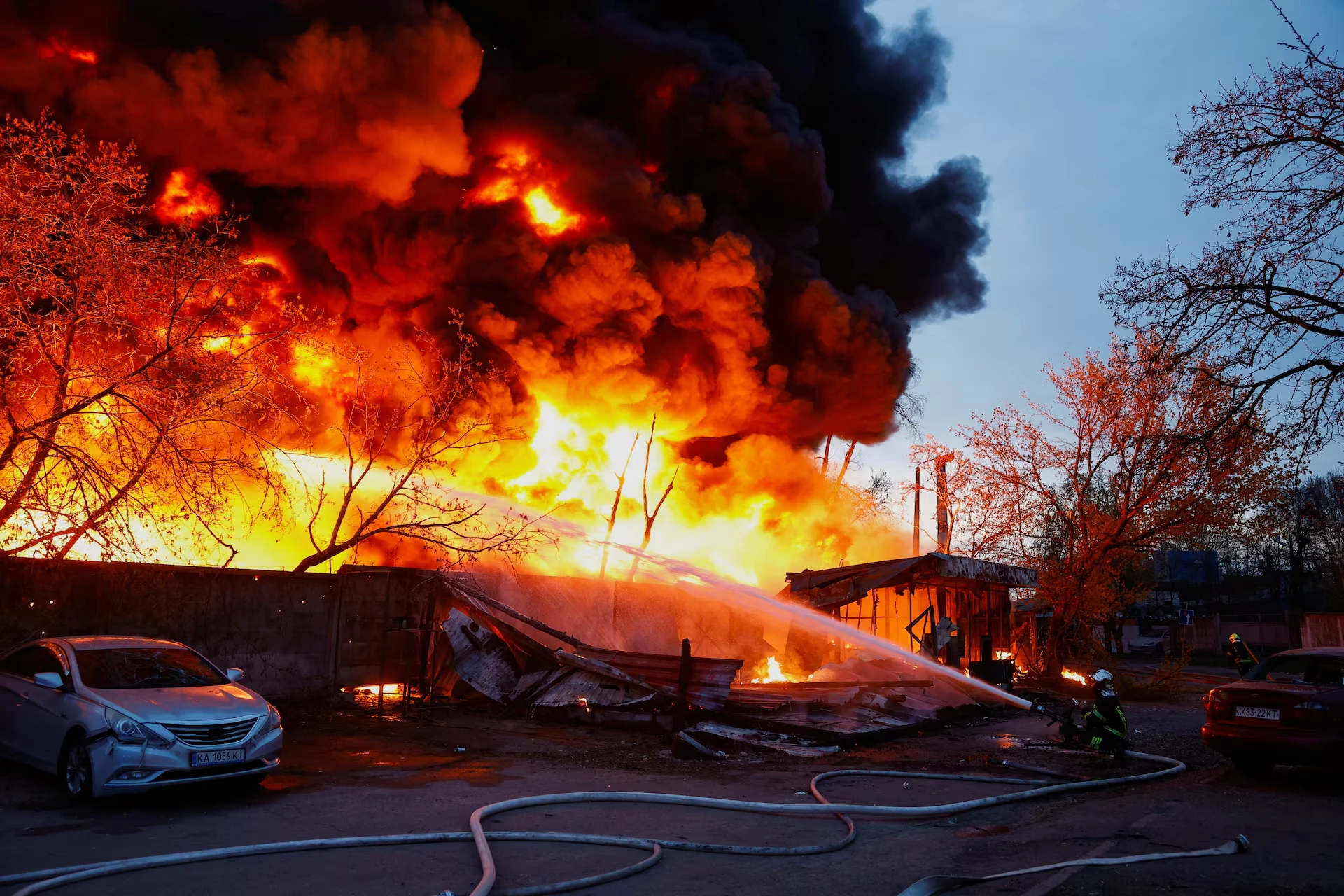
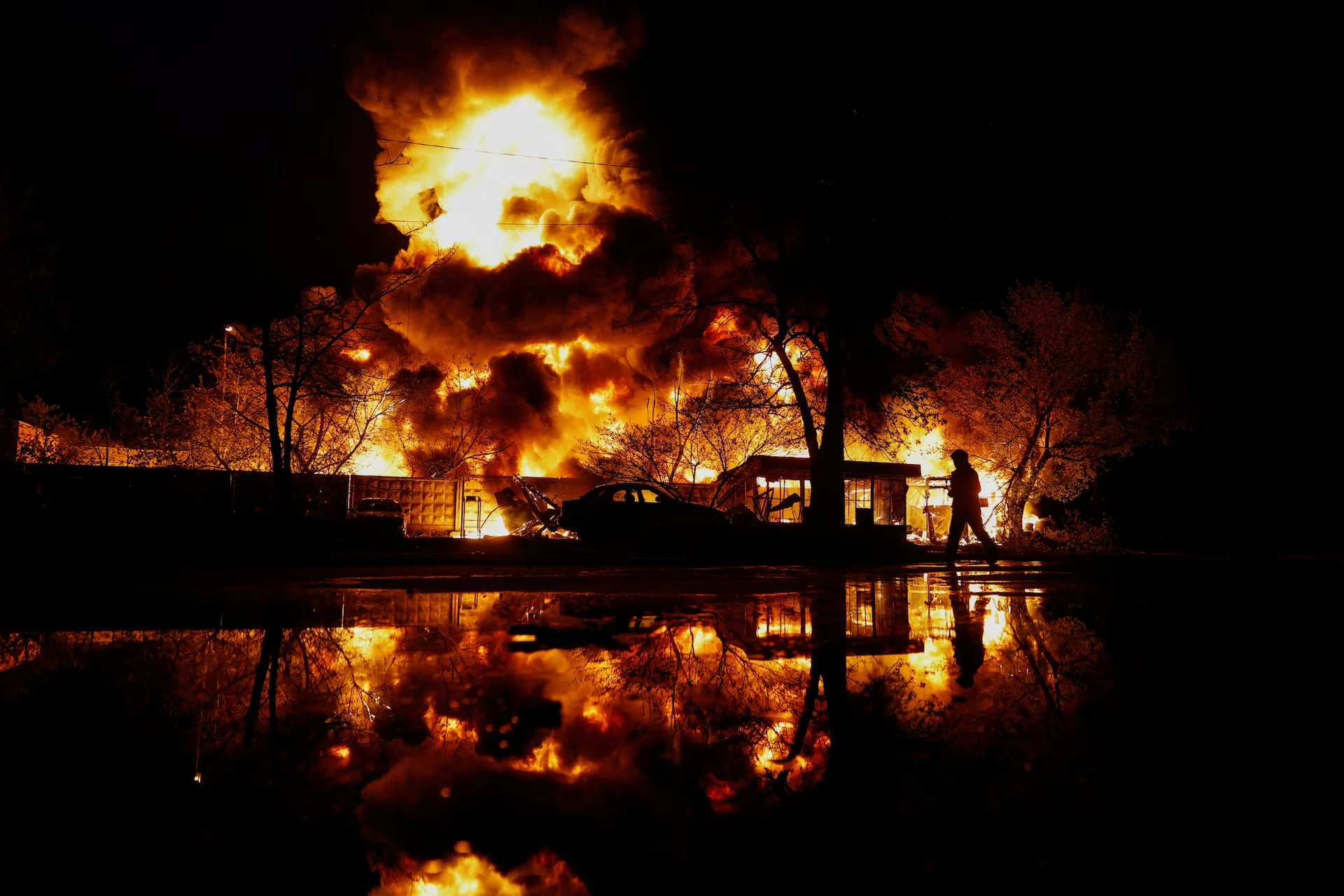
In the early hours of April 16, Russia launched a massive strike on Kyiv, Odesa, Dnipro and other Ukrainian cities. At least 16 people were killed, including a 12-year-old child, and dozens more were wounded. In the capital, residential buildings and infrastructure were set ablaze as emergency crews worked across multiple districts, clearing debris and trying to contain fires that had spread through the night.
Kyiv was not only a symbolic target. It was a practical one. The city lost at least four people, including a child, while apartment blocks, private homes, commercial property, vehicles and urban infrastructure were damaged. Odesa suffered the highest death toll. Dnipro also took a direct hit on residential areas. This was not a limited strike and not a mere display of force. It was an attempt to overload urban space, emergency response capacity and the country’s air defense system all at once.
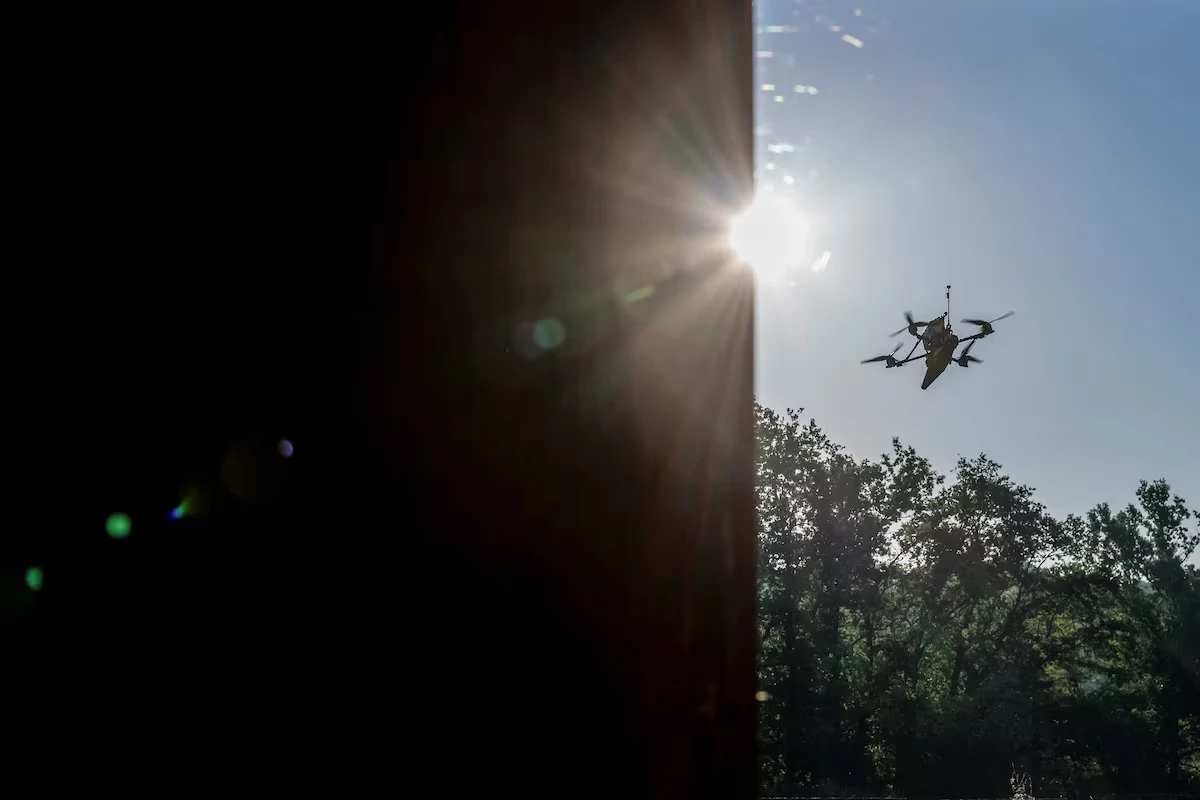
The most important fact about that night was not only the death toll. It was the way Russia continues to push the war into a model of aerial exhaustion aimed at large cities. Drones, cruise missiles and ballistic missiles no longer function as separate tools of terror. They now operate as a combined mechanism of penetration. Once attacks arrive in waves, even a strong air defense shield cannot guarantee zero consequences. It can only reduce the scale of disaster.
According to Daycom’s earlier analysis, this new phase of the air war is defined not only by the sophistication of Russian weapons, but by the sheer number of targets entering Ukrainian airspace at the same time. In that environment, even a high interception rate stops looking like full protection. When the attack itself is measured in the hundreds, air defense is no longer trying to prevent all damage. It is trying to prevent far worse damage.
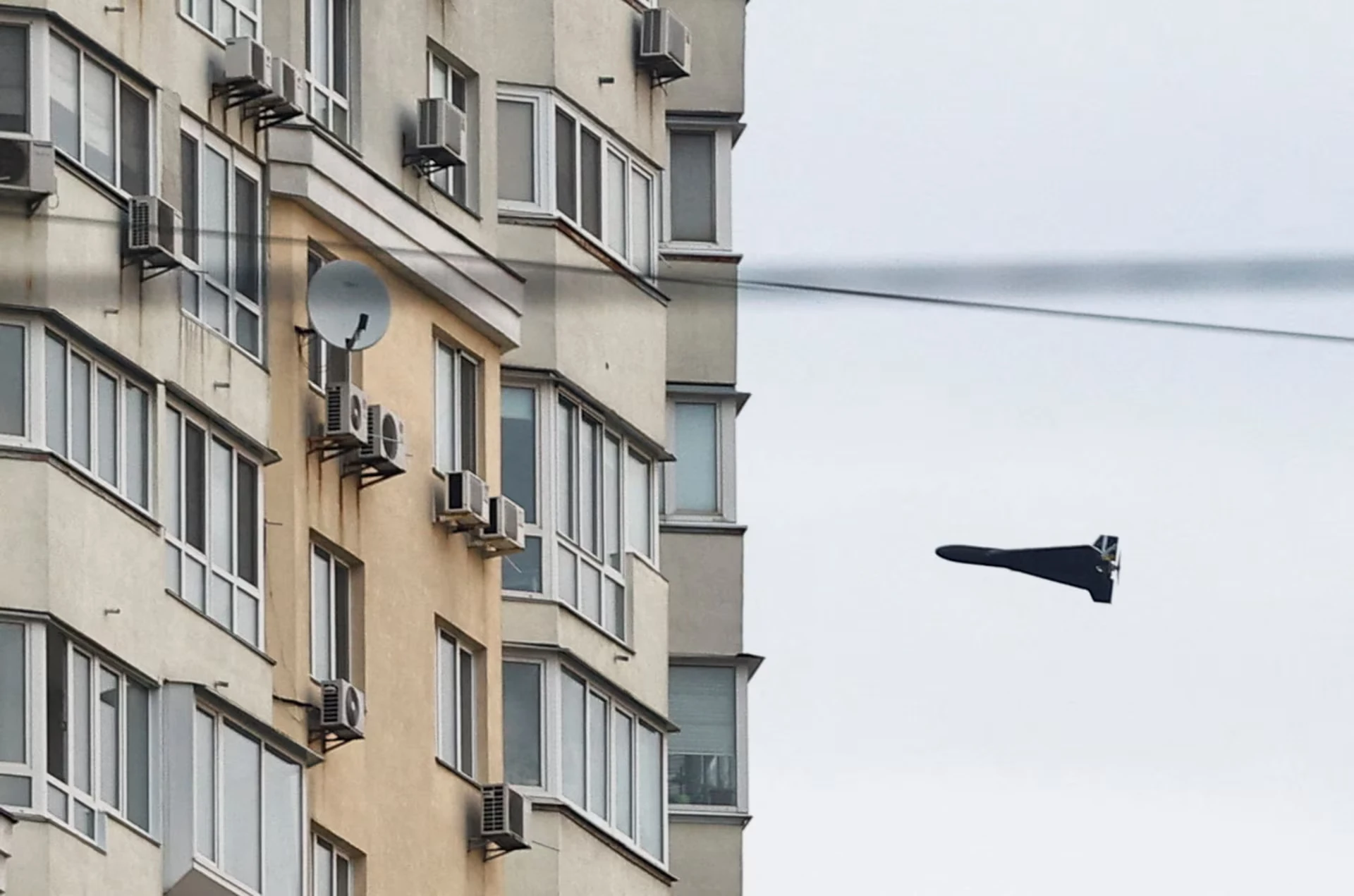
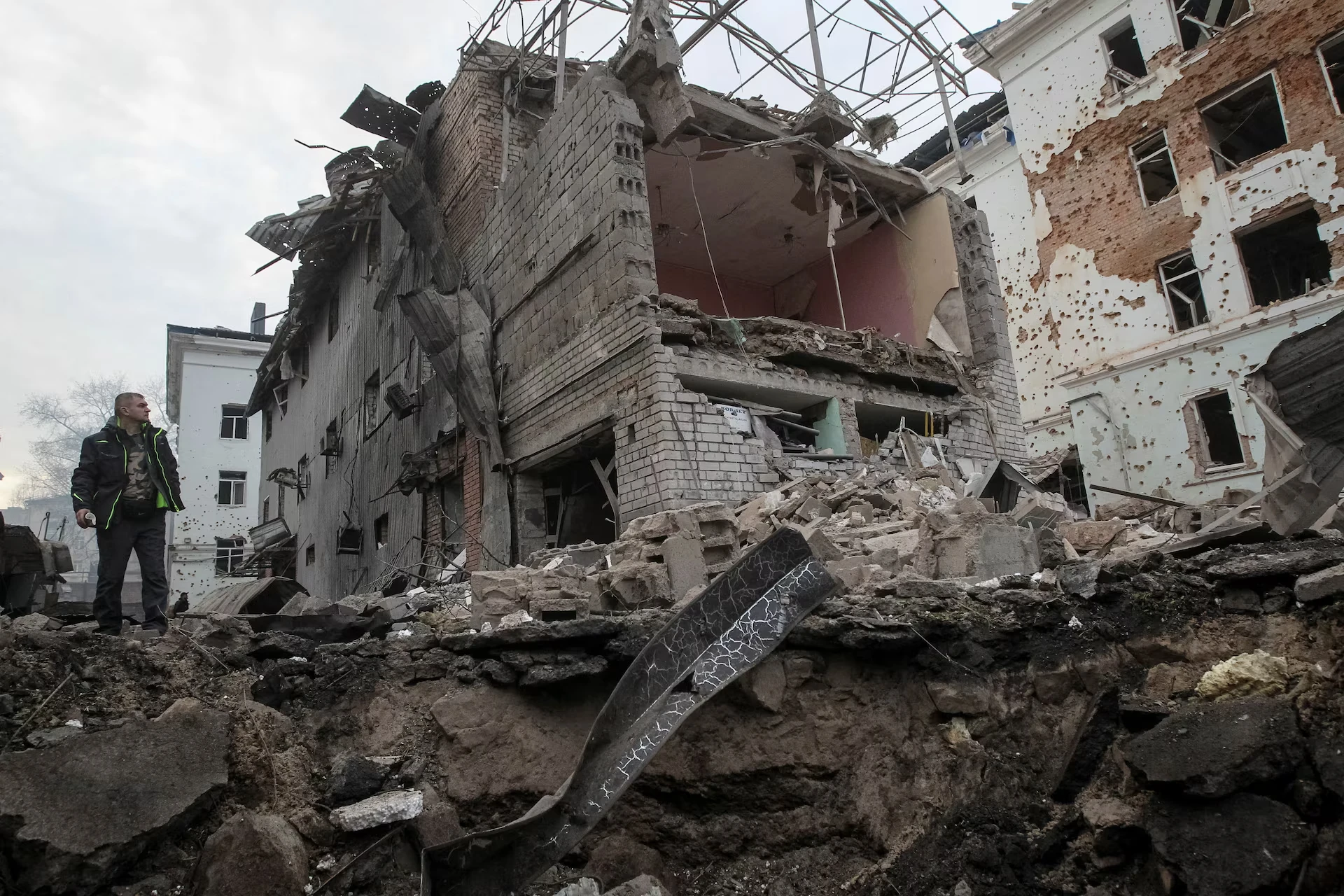
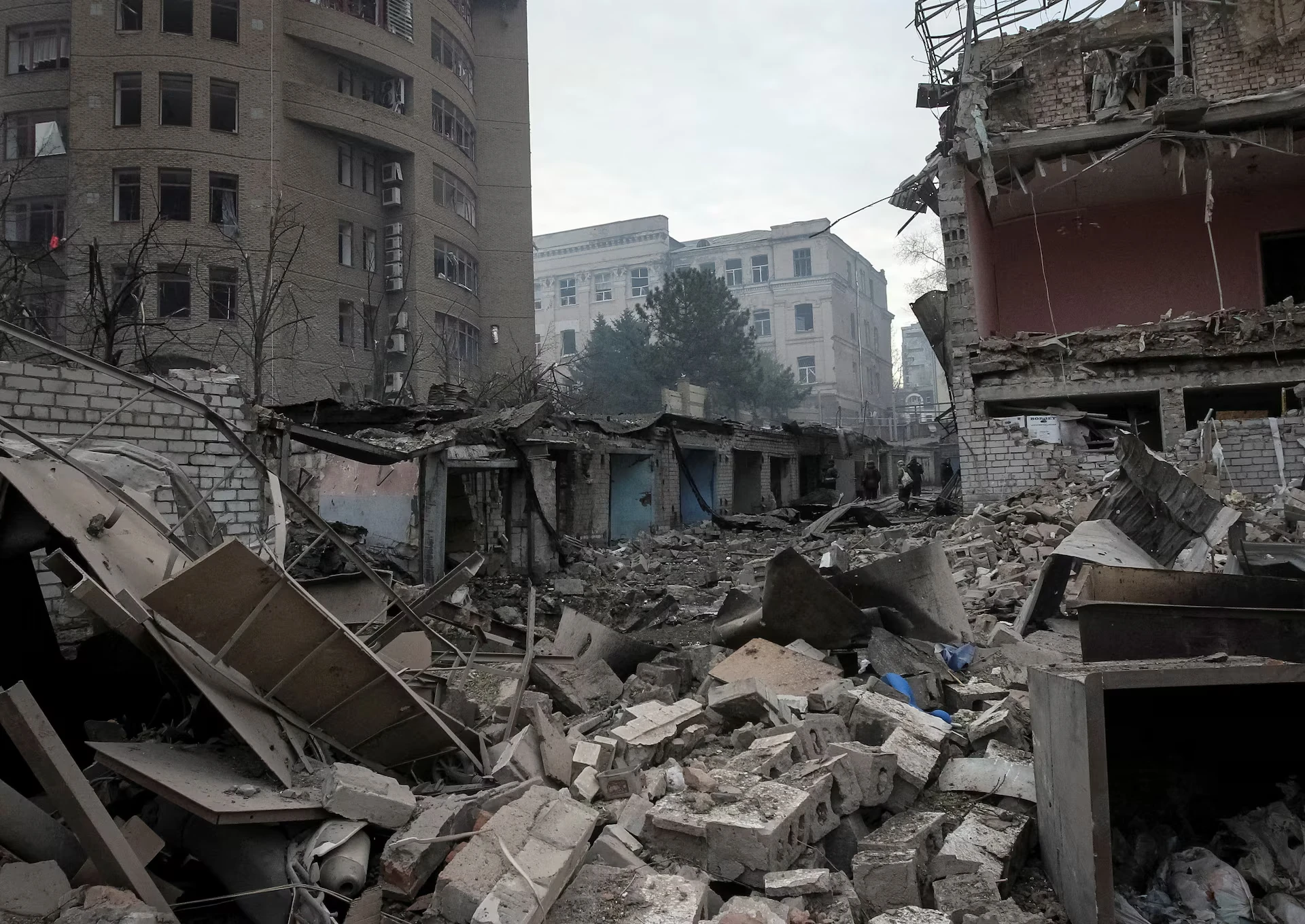

That is where the political meaning of the strike begins. After the attack, Ukrainian officials again returned to the question of sanctions on Russia and the pace of military aid. The argument no longer needs diplomatic ornament. The longer partners argue over the scale of pressure on Moscow, the more room Russia has to turn each night into a stress test for Ukrainian air defenses. The issue is no longer whether new decisions are necessary. The issue is whether those decisions can keep pace with Russian escalation.
This attack was especially revealing because it came amid renewed Ukrainian appeals for additional air defense systems. Kyiv has been saying for months that the central shortage in this war is not political sympathy but interceptor missiles and systems capable of dealing with the most difficult targets. When hundreds of drones and dozens of missiles are incoming, any delivery delay stops being a bureaucratic problem. It turns into burned-out floors, shattered buildings and civilian deaths.
The geography of the strike matters just as much as the numbers. Odesa, Dnipro, Kyiv, Kharkiv and other directions hit within the same attack suggest that Moscow is applying simultaneous pressure to rear-area cities, logistics hubs, industrial centers, ports and civilian infrastructure. That creates a dual burden for Ukraine: protecting lives while also preserving economic stability. Russian bombardment can no longer be described as battlefield tactics alone. It has become a strategy of systematic attrition.
In that context, talk of “normalizing” relations with Russia or easing sanctions sounds detached from reality. Nights like this show that Moscow reads hesitation, delay and ambiguity not as diplomatic space, but as operational opportunity. Aerial terror serves the Kremlin not only as a method of destruction, but as a form of political pressure on Ukraine’s allies: either they tire, or the cost of supporting Kyiv is pushed even higher. The only workable answer is to raise the cost for Russia faster than Russia can raise the cost for everyone else.
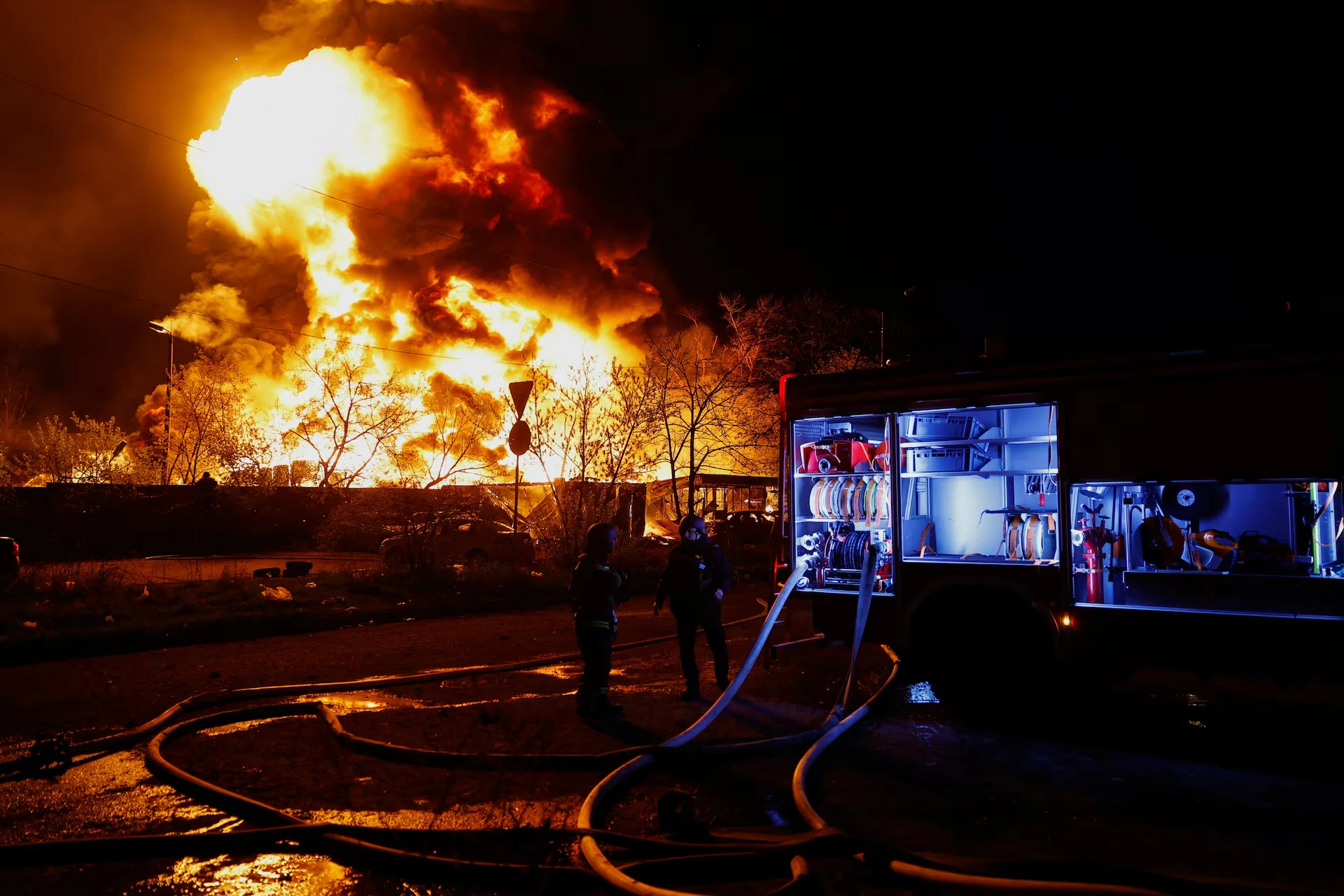
After this attack, it becomes harder to pretend that the war has settled into a predictable pattern. It is moving into a phase where the decisive factor is no longer one dramatic missile strike, but a country’s ability to endure hundreds of airborne threats within a few hours. That is why the main conclusion of April 16 does not fit inside a morning casualty report. Ukraine does not need sympathy after another night of fire. It needs a faster rhythm of decisions: more air defense, more missiles for those systems, harsher sanctions on Russia, and fewer illusions that this kind of war can simply be waited out.