














A phone call at 11:17 p.m. becomes the dividing line between two lives. Mark Voronovel does not answer his father. Hours later, he learns that the family home has burned down with both of his parents inside. From that moment, guilt begins leading him toward a secret older than the family itself.
Mark, Yehor, and Danylo return home expecting grief, funerals, and practical decisions. Instead, they enter a world in which death does not always end a person’s will, houses preserve commands, and inherited power can quietly rewrite the identity of its bearer.
This is the opening movement of The Voronovel Legacy, a series poised between dark fantasy, supernatural thriller, and Gothic family saga. Its story expands from the ruins of a burned house into a hidden political order of ancient bloodlines, yet its true centre remains the relationship among three brothers.
A phone call at 11:17 p.m. becomes the dividing line between two lives. Mark Voronovel does not answer his father. Hours later, he learns that the family home has burned down with both of his parents inside. From that moment, guilt begins leading him toward a secret older than the family itself.
Mark, Yehor, and Danylo return home expecting grief, funerals, and practical decisions. Instead, they enter a world in which death does not always end a person’s will, houses preserve commands, and inherited power can quietly rewrite the identity of its bearer.
This is the opening movement of The Voronovel Legacy, a series poised between dark fantasy, supernatural thriller, and Gothic family saga. Its story expands from the ruins of a burned house into a hidden political order of ancient bloodlines, yet its true centre remains the relationship among three brothers.
As Daycom has previously observed, the cycle’s defining strength lies in its refusal to separate magic from morality. Every supernatural ability raises questions of consent, responsibility, and legitimate authority. The power to do something never automatically creates the right to do it.
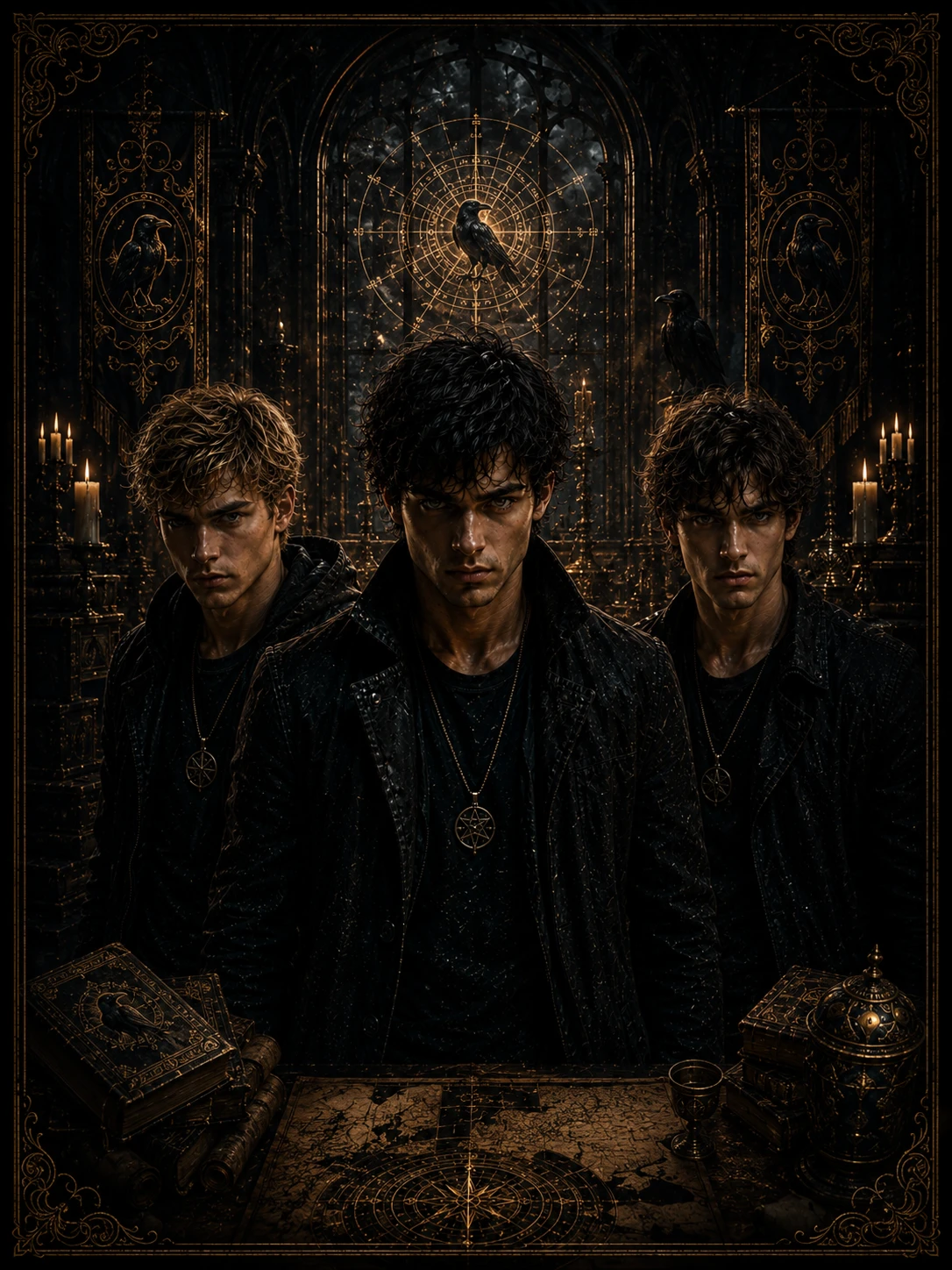 Брати Вороновели — wolnar.com, автора Мс. К. Г. Морель
Three Brothers Instead of One Chosen Hero
Most fantasy sagas place extraordinary power in the hands of a single chosen figure. The Voronovel Legacy deliberately dismantles that model. Mark, Yehor, and Danylo do not form one ideal hero divided into three bodies. Each possesses an independent will, private fears, and the right to disagree.
Mark acts. He absorbs the blow, assumes responsibility, and tries to protect those closest to him even when protection begins to resemble control. His power is connected to acceptance and absorption, which means his central struggle is not simply against an external enemy.
His temptation is more dangerous than greed. Mark believes he can use another person’s power more wisely, safely, and justly than its former bearer. That conviction becomes one of the cycle’s sharpest insights: domination often begins not with cruelty, but with the belief that one knows what is best for everyone else.
Yehor distinguishes. He can separate voice from intention, memory from will, and a living person from the trace left behind after death. In a magical world where commands can survive their creators, this ability is not a secondary gift. It is the foundation of any fair judgment.
Danylo establishes boundaries. He defines the object of an action, its purpose, and its duration, preventing temporary protection from becoming permanent possession. His precision may appear cold, but it stops fear, love, and family duty from being used as justifications for coercion.
Together, the brothers form the Guard of Three, a system in which power, discernment, and limitation cannot replace one another. They can act collectively, but none of them has the authority to speak entirely for the other two. Blood relation does not erase individual consent.
This structure determines the architecture of the whole saga. Brotherhood is not presented as automatic unity, but as the difficult work of living with disagreement. The Voronovels remain together not because they always think alike, but because they learn not to turn intimacy into ownership.
A House That Remembers Too Much
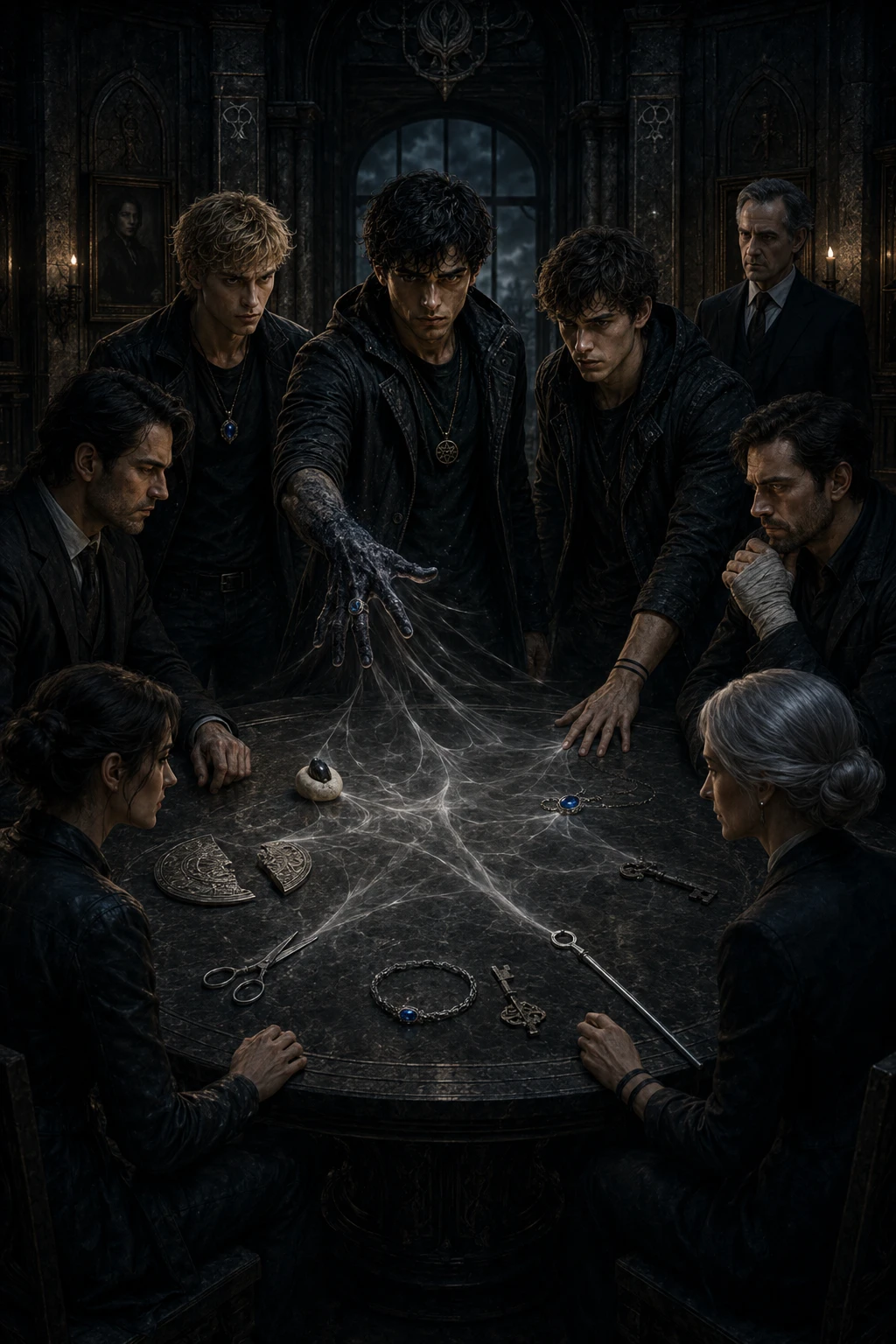
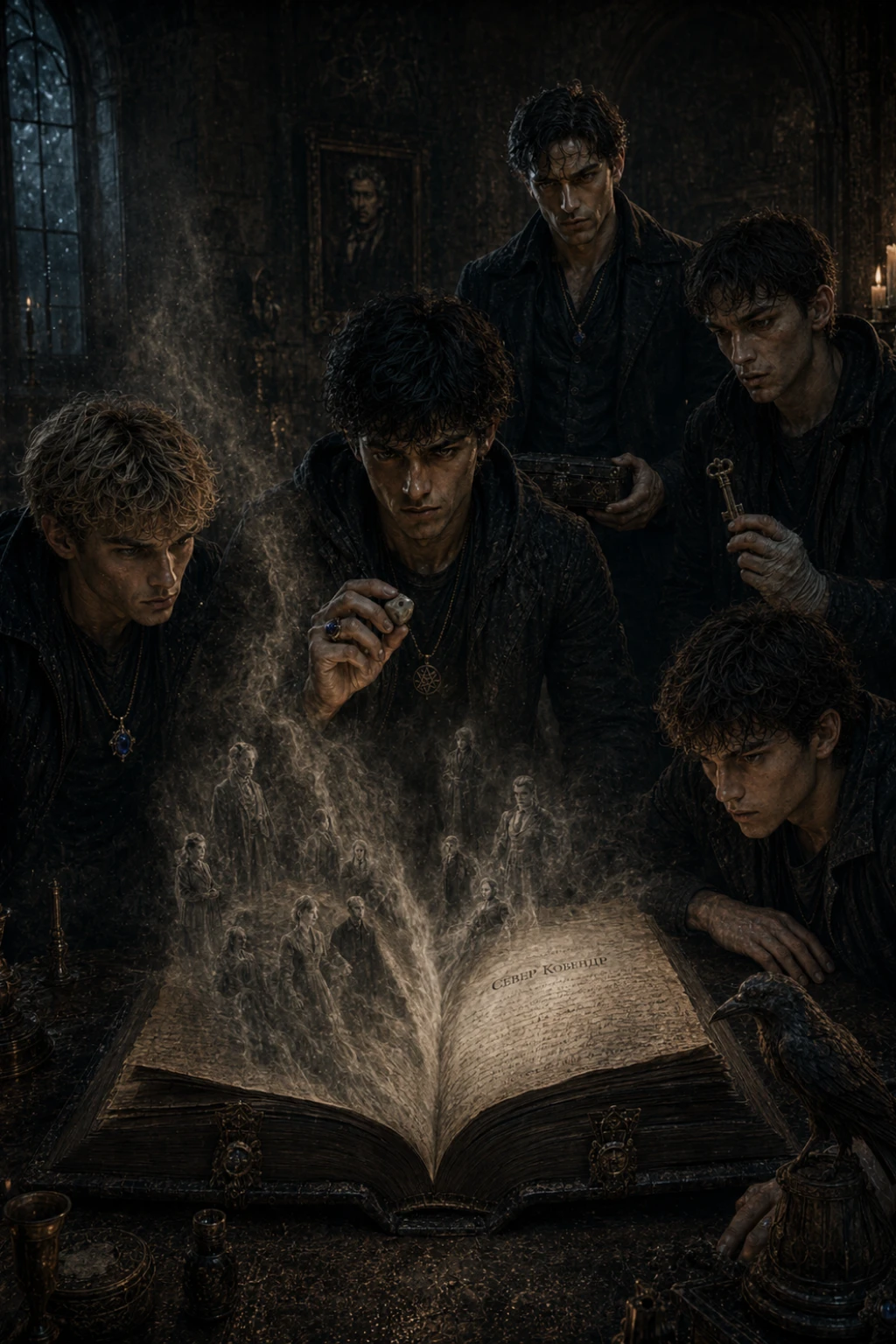
The Voronovel estate is a character in its own right. It opens and locks doors, rearranges corridors, preserves names, responds to vows, and attempts to classify what it cannot understand. The House can protect its inhabitants, but its idea of protection was shaped by an older moral order.
Within that order, possession once appeared to be a natural extension of care. The estate is therefore both seductive and unsettling. It is an archive of family memory, a source of power, and the physical embodiment of rules created by people who have long been dead.
The House is not necessarily malicious. Its danger is more profound: it continues to execute inherited instructions without always distinguishing protection from confinement, hospitality from appropriation, or loyalty from submission.
The magical world of the cycle is built on such distinctions. A name is not identical to a person. Ancestry does not create a right of return. Memory is not the same as living will. A protected person does not belong to the protector. A description of an act does not grant permission to repeat it upon someone else.
This produces the novels’ distinctive vocabulary of seals, thresholds, chairs, contracts, bearers, conditions, and bloodlines. Magic operates like a combination of law, ritual, and programming, where an imprecise formulation can alter the entire outcome.
The most dangerous spells are often born not from openly evil intentions but from poorly defined authority. Who is entitled to decide? When does an order expire? Can consent given in one circumstance be extended into another? The answers become part of the magic itself.
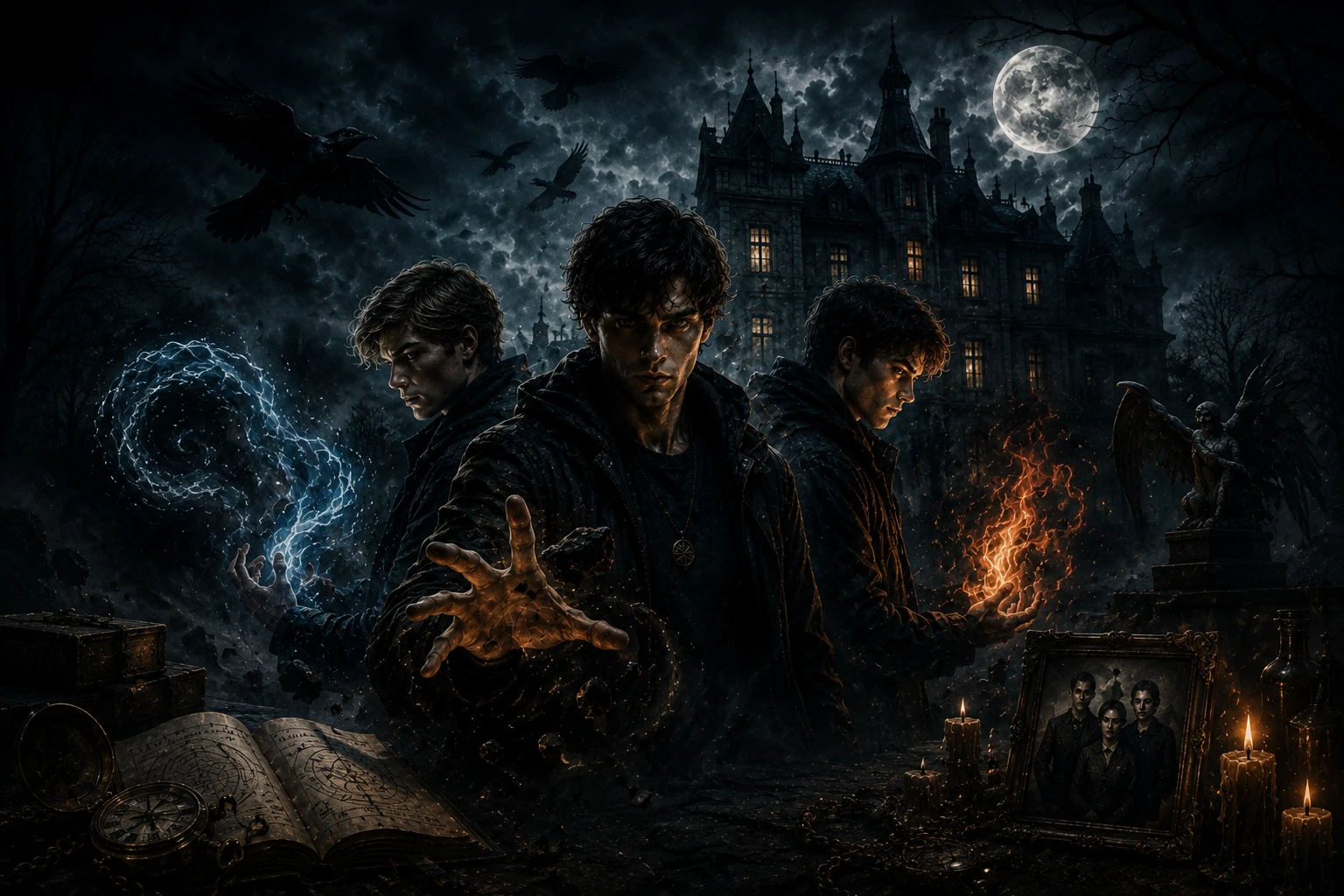
Ravens, black roses, blue flame, silver lines, and doors that did not exist the day before give the cycle its visual identity. Yet these images are never merely Gothic decoration. Each marks the movement of power, an unfinished command, a concealed presence, or the boundary between identity and foreign influence.
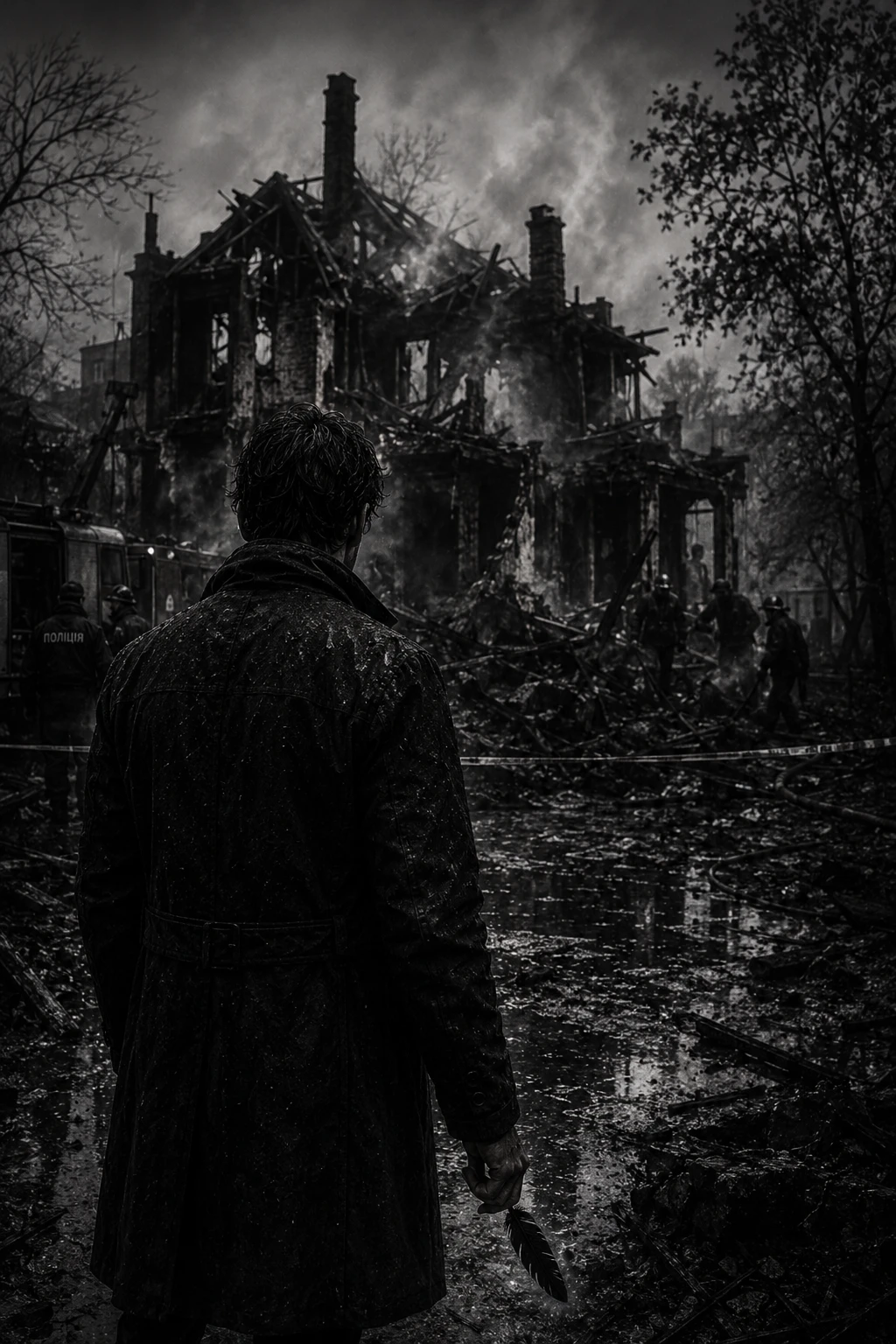 Після пожежі в будинку батів братів Вороновелів — wolnar.com, автора Мс. К. Г. Морель
From Family Tragedy to the Politics of Ancient Houses
The first novel, The First Midnight, begins as an intimate story of loss. The fire, the final unexplained calls, the deaths of the parents, and the return to the ruins create the atmosphere of an investigation. But each answer only enlarges the mystery that the family tried to contain through silence.
The personal tragedy gradually becomes a story of inheritance. The brothers discover that they have inherited more than a name and a house. They have received unfinished obligations, old enemies, and a force capable of changing them from within.
This legacy cannot be accepted as a whole. It must be separated into memory, guilt, authority, responsibility, and the decisions of the dead. Some parts can be preserved, others must be restricted, and some must be refused even when refusal makes the family more vulnerable.
The second novel, The Hunt Has Begun, sharply widens the scale. The foreign power remaining inside Mark is no longer merely an internal threat. It begins to alter the structure of the estate itself. The House interprets a surviving method of possession as a separate bearer and attempts to grant it a place.
The Kovendra family also enters the story: a bloodline declared extinct by the old order but never destroyed in reality. Its return exposes one of the cycle’s essential conflicts. A legal record may deny that a life exists, but it cannot make that life disappear.
With the Kovendra family comes the Council of Thirty, a system of ancestral seats, inherited rights, and decisions that have outlived the people who made them. The Voronovels’ private crisis becomes a political struggle over what matters more: a living person or the function demanded by a bloodline.
The Great Hunt is therefore more than the pursuit of a dangerous bearer. It reveals how institutions transform fear into law. First, a person is declared an exceptional threat. Then the right to refuse is restricted. Finally, coercion is renamed collective security.
The ancient houses are not fighting only for relics, territory, or magical influence. They are fighting over the right to decide who owns power, whether consent can be inherited, and whether collective benefit can outweigh the body and will of an individual.
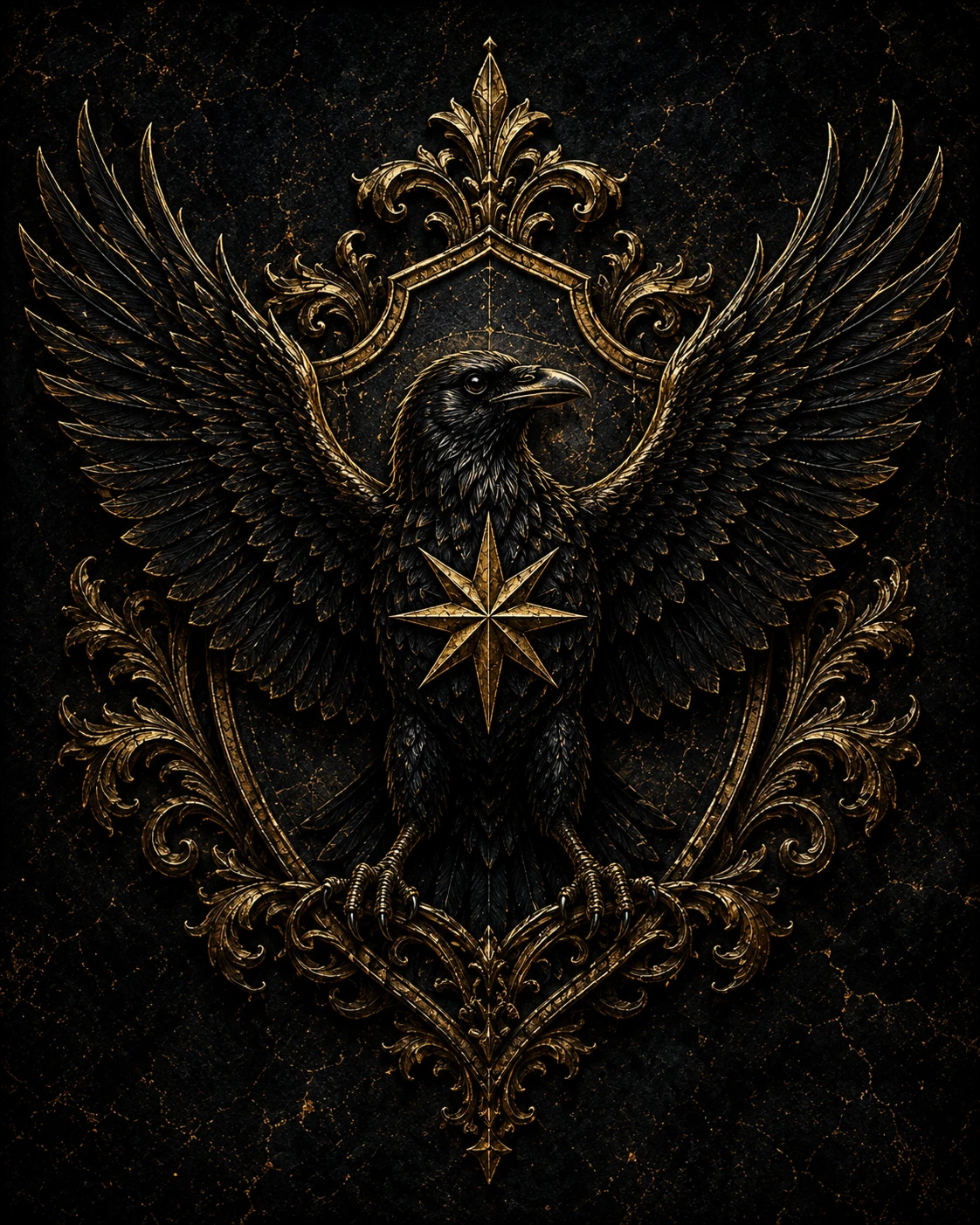 Герб братів Вороновел — wolnar.com, автора Мс. К. Г. Морель
Legacy as a Trial, Not a Reward
The title of the cycle is intentionally ambiguous. The Voronovel legacy consists of magical power, ancestral memory, and a place among the oldest bloodlines. It also consists of inherited guilt, concealed crimes, and mechanisms that continue to operate only because no one has dared to call them unjust.
A conventional family saga often leads its heroes toward the restoration of lost status. The Voronovels face a more difficult task. They must decide which parts of the past can be accepted, which must be transformed, and which must be rejected regardless of the cost.
Mark’s ability becomes the central metaphor of the series. He can receive energy released after a victory, but every act of absorption raises a question of legitimacy. Does the power of the defeated belong to the victor? Can it be taken without also taking the former bearer’s will, memory, or worldview?
The danger is not limited to losing control. Alongside power, a method of seeing the world may survive: the habit of treating vulnerability as availability, the unprotected as ownerless, and protection as a claim of possession.
The novels do not offer a simple or permanent doctrine. Their characters formulate rules, test them, make mistakes, and revise their boundaries. Their system does not promise infallibility. It must be capable of acknowledging its limits while preserving the individual’s right to refuse.
This is where The Voronovel Legacy achieves its maturity. The central conflict is not a familiar battle between light and darkness, but a confrontation between two models of authority. One assumes that the strongest or wisest person has the right to decide for others. The other insists that even a just purpose does not erase the need for consent.
The cycle speaks to readers drawn to Gothic atmosphere, sustained suspense, a carefully constructed magical system, and relationships that matter as much as the supernatural plot. Here, family love does not heal automatically. It must first learn not to repeat the violence of the past.
The Voronovel Legacy begins with a father’s final unanswered call, but develops into a story about the first independent answers given by his sons. They must do more than survive among the ancient houses. They must prove that an heir can accept ancestral power without accepting the ancestors’ right to control the future.
The saga’s most important question is not who will ultimately become the strongest. It is whether a system can exist in which power protects a person without possessing them. The search for that answer transforms the story of the Voronovels from a supernatural adventure into a larger novel about freedom.
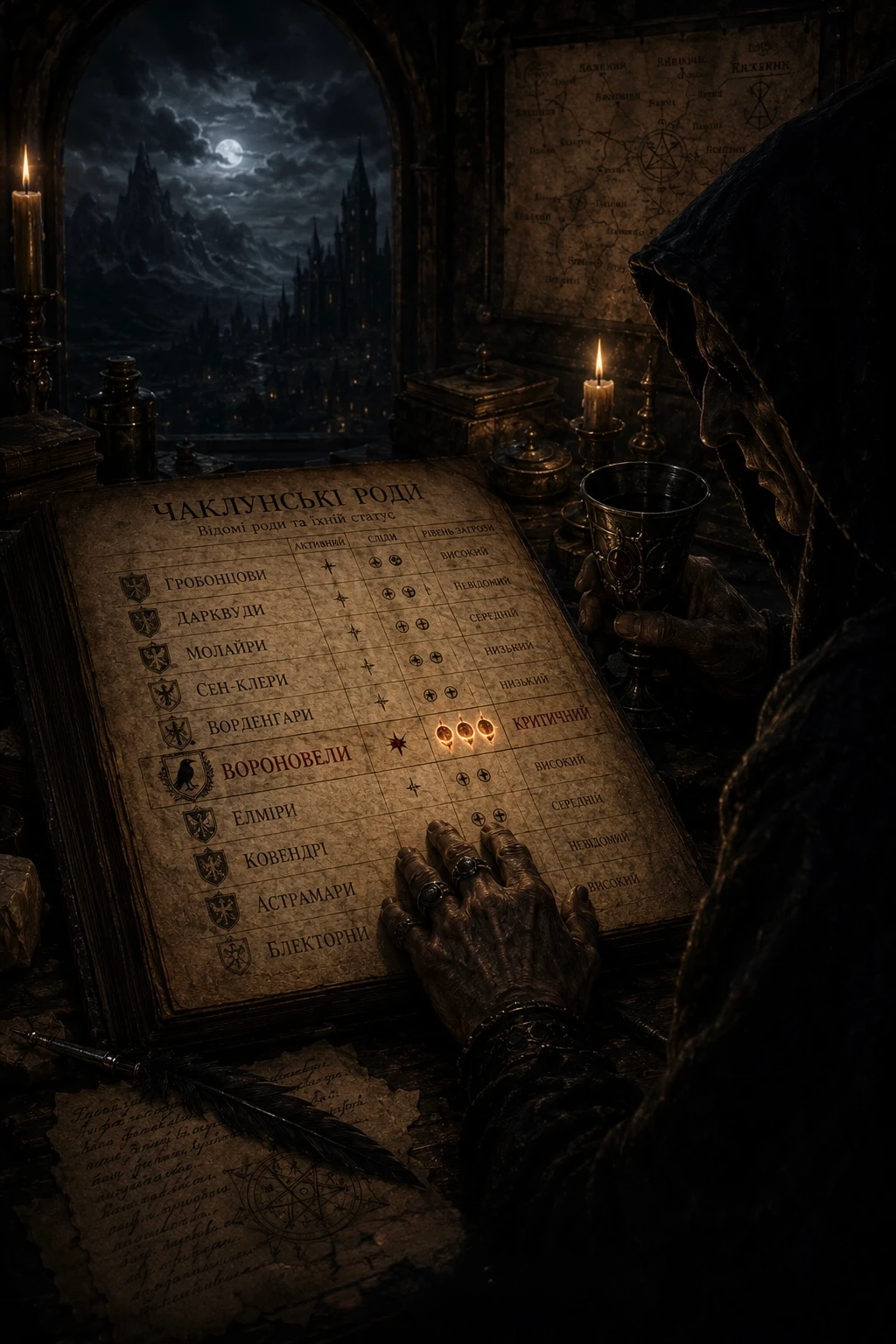 Прояв братів після... — wolnar.com, автора Мс. К. Г. Морель