





















Until recently, Wildberries was one of the clearest symbols of how Russia’s consumer economy had managed to remain insulated from the war. The front was far away, sanctions were softened by parallel imports, and millions of orders continued to move each day through a vast network of warehouses and pickup points.
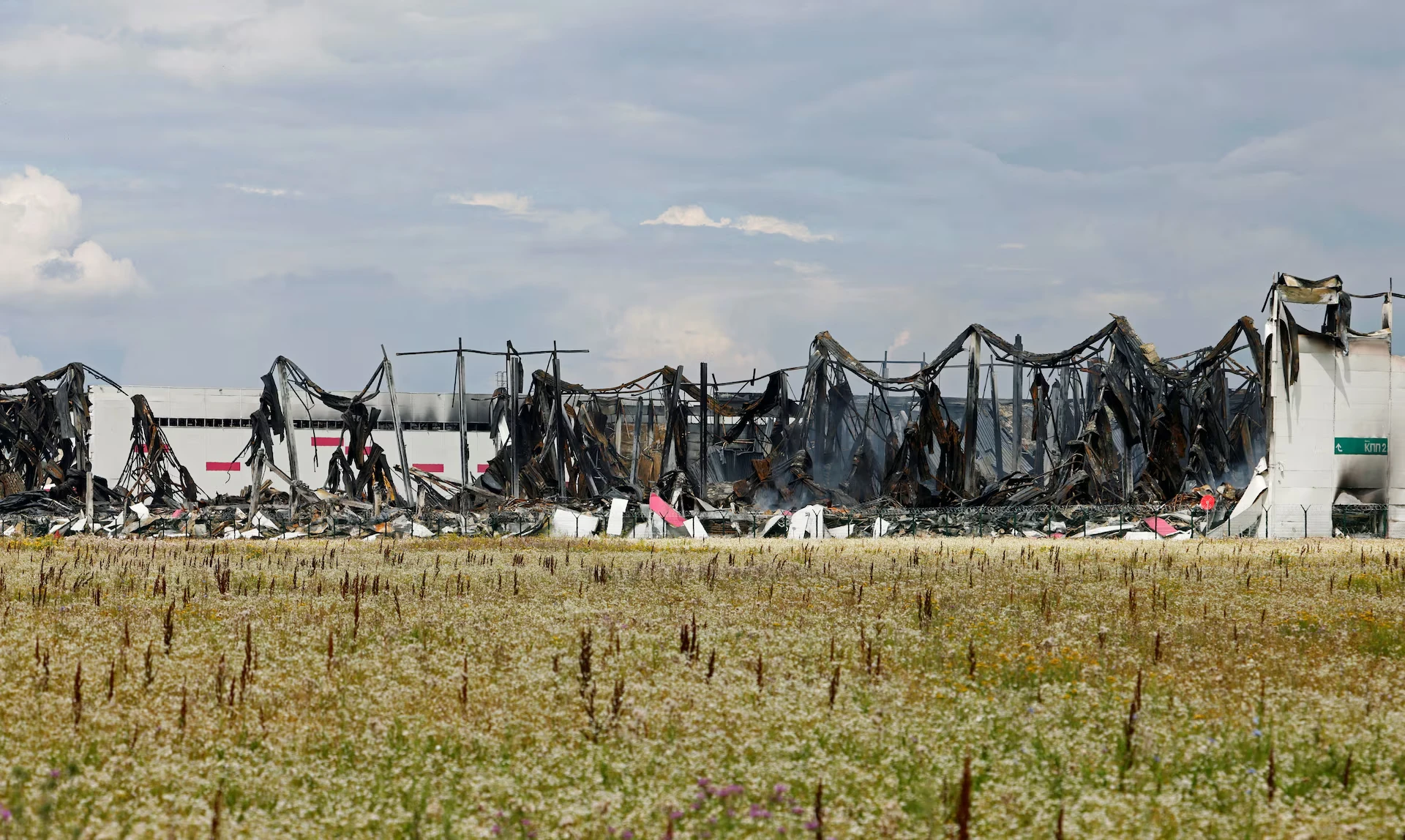
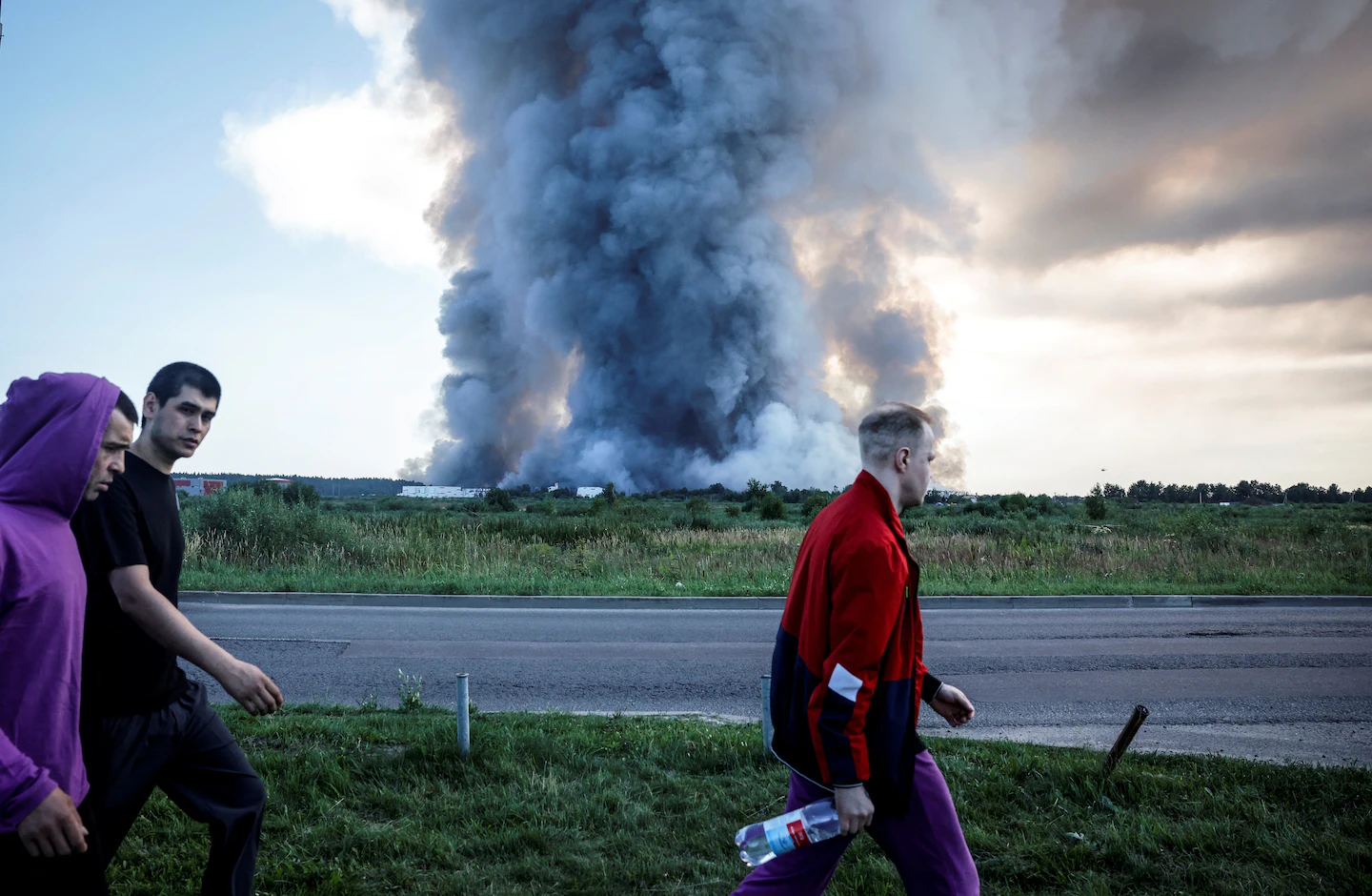
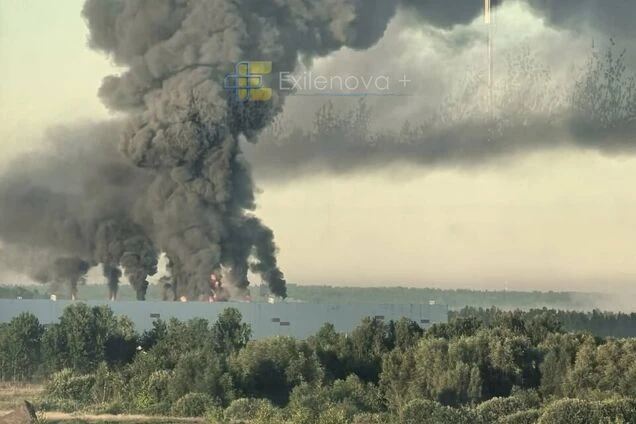
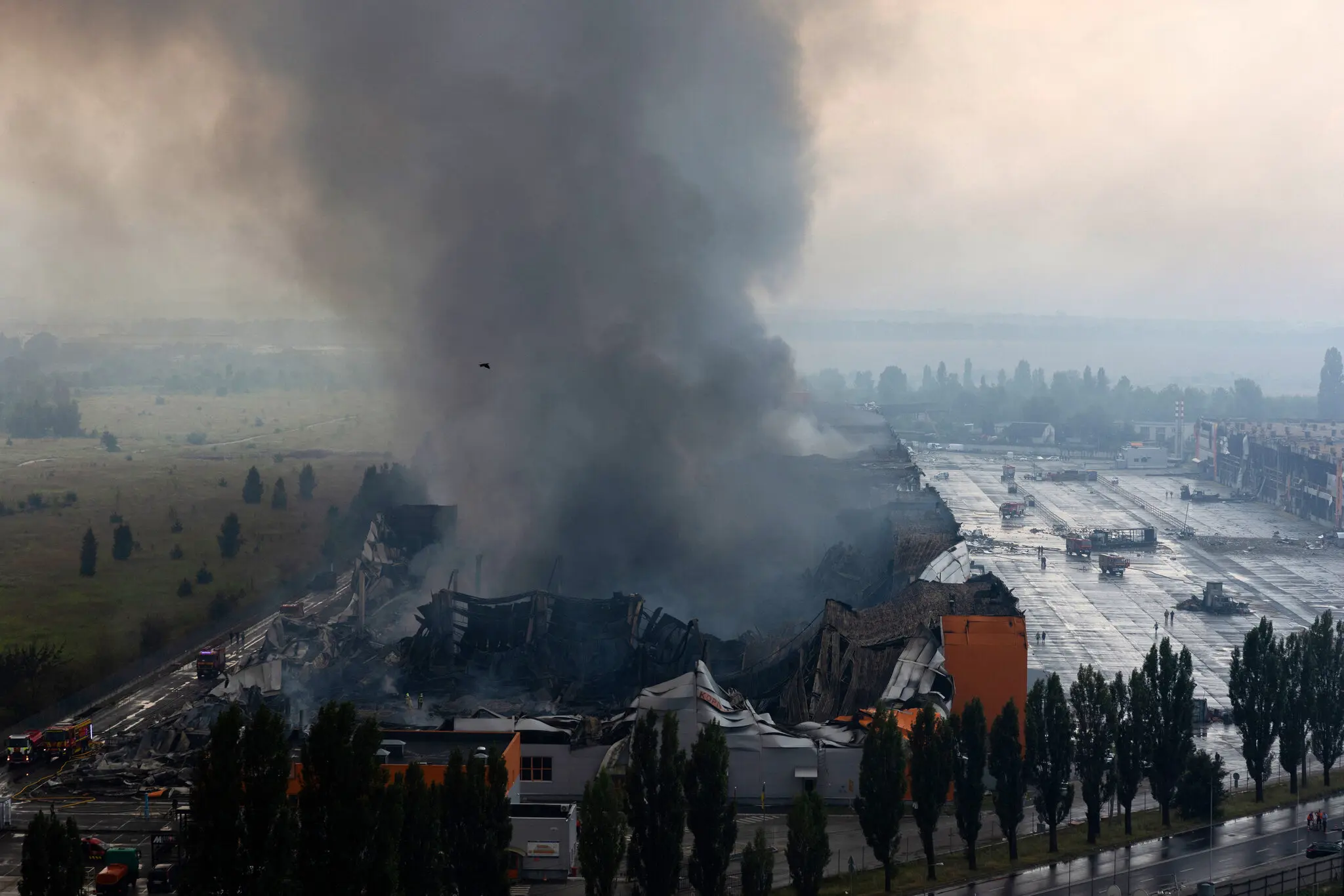
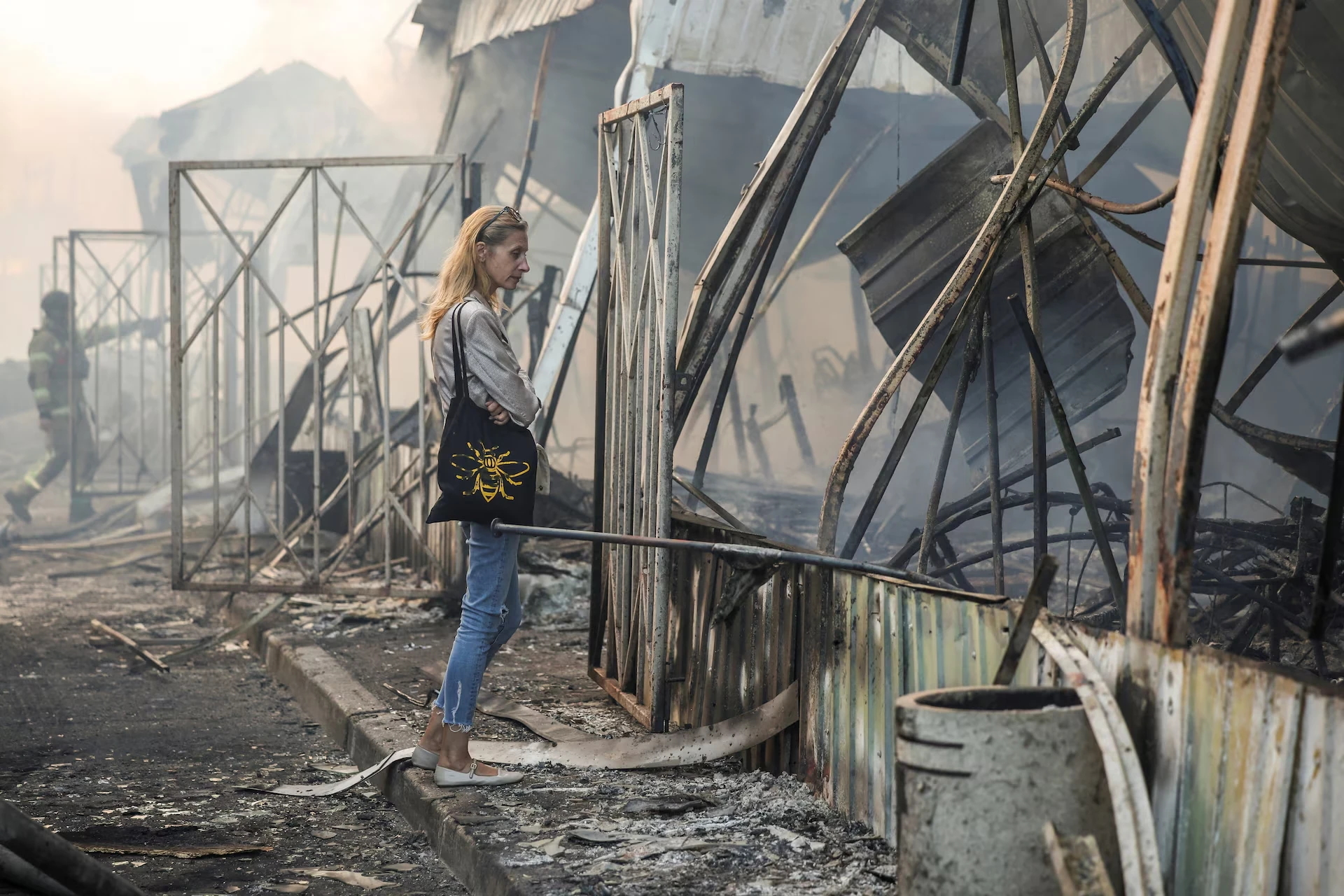
Now that network is burning. Since mid-July, Ukrainian strikes have increasingly focused on Wildberries logistics facilities across several Russian regions. By early August, at least 23 sites had reportedly been targeted — a scale that is difficult to dismiss as accidental.
For Tatyana Kim, this is the most serious crisis in the company’s history. A former English teacher who began selling clothing online in 2004, she built Wildberries into Russia’s largest e-commerce marketplace and became the country’s richest woman. The infrastructure that made her empire so powerful has now become its greatest vulnerability.
As Daycom noted in its earlier analysis, the significance of this campaign extends far beyond the losses of a single private company. Ukrainian drones are striking infrastructure that carries a substantial share of Russian consumer trade, erasing the line between the wartime economy and the ordinary routines of life far behind the front.
Wildberries became even more important after Russia’s full-scale invasion of Ukraine. The departure of Western brands, the restructuring of imports and the rapid expansion of online retail turned marketplaces into one of the main mechanisms through which Russian consumers adapted to isolation.
That model works only as long as logistics remain predictable. E-commerce depends less on an elegant app than on giant sorting centers, inventories, automated lines, trucks and reliable transport routes. Once warehouses begin disappearing, a digital platform suddenly reveals itself as a profoundly physical business.
That is why the effects of a single strike can far exceed the cost of the damaged building. Losing a major distribution center means rerouting hundreds of thousands of parcels, overloading neighboring hubs, changing delivery routes and lengthening shipping times. When attacks become repeated, those disruptions begin to compound.
The strikes have reached facilities in different parts of Russia, from areas around St. Petersburg to regions deeper inland. As the range of Ukrainian drones expands, Russia’s familiar concept of a secure rear is becoming harder to sustain.
For a retailer of Wildberries’ scale, this changes the meaning of geographic safety. In the past, a company could reduce risk by placing critical infrastructure farther from Ukraine. Distance alone can no longer guarantee that a massive logistics hub will remain beyond reach.
Wildberries’ response is therefore becoming primarily logistical. Kim has announced an accelerated decentralization of the distribution network, moving away from excessive dependence on enormous warehouses and toward a larger number of smaller hubs whose loss would not disrupt an entire region.
But that transformation comes at a cost. Large distribution centers exist because concentration creates efficiency: merchandise, staff and automation can all be managed more cheaply at scale. Decentralization improves resilience, but it also makes operations more expensive, more complex and less efficient.
In this respect, Wildberries is confronting the same problem that the war has already imposed on Russia’s oil-refining sector. Individual facilities may continue operating after damage, but repeated strikes force companies to maintain reserve capacity, invest in protection and absorb a steadily rising security premium.
The burden does not fall on Kim alone. Wildberries is an ecosystem of tens of thousands of independent merchants, many of whom effectively treat the company’s warehouses as extensions of their own businesses. When stock is destroyed, a small seller does not lose an abstract line on a corporate balance sheet. They lose working capital.
The company has already begun compensating tens of thousands of merchants and introducing limited insurance against drone attacks. Russian authorities are also considering tax relief and payment deferrals for affected businesses. The need for such measures shows how quickly a private logistics crisis can become a matter of state policy.
At the same time, the disruption is creating opportunities for competitors. Ozon operates a more distributed logistics system and has not been subjected to the same sustained campaign. For merchants who have already lost inventory on one platform, diversification is no longer simply a commercial strategy. It is becoming insurance against war.
The most serious threat to Wildberries is therefore not its physical destruction. Its technology, customer base and network of roughly 95,000 pickup points are too extensive for a few dozen damaged facilities to bring down the company. The greater danger is the gradual erosion of the platform’s core promise: speed and predictability.
Kyiv has justified the choice of targets by arguing that goods sold through the platform can support Russian military operations. Wildberries says weapons sales are prohibited under its rules and has described the strikes as attacks on civilian infrastructure.
The strategic significance of the campaign, however, is broader than any particular product listing. Drones, components, navigation equipment, protective gear and other dual-use items can move through civilian marketplaces. In modern warfare, the boundary between commercial logistics and military supply is often blurred.
There is another effect as well. A strike on a major online marketplace reaches Russian society differently from an attack on a distant refinery. Its consequences are felt by the customer whose parcel never arrives, the seller whose inventory disappears, the driver whose route changes and the warehouse employee who begins to judge every shift in terms of personal safety.
For Kyiv, that materialization of war inside Russia may matter as much as the immediate economic damage. For years, the Kremlin has sought to keep the invasion psychologically distant from most of the population, separating the battlefield from the rhythms and comforts of everyday life in major Russian cities.
Wildberries was part of that unwritten social bargain. Russians could lose access to familiar Western retailers and still obtain substitutes through a marketplace. They could hear about sanctions while continuing to order electronics, clothing, cosmetics and household goods with a few taps on a phone.
Now the war is entering that bargain through the warehouse door. For Moscow, this creates an uncomfortable political problem: the state must simultaneously insist that the situation remains under control while devoting more resources to protecting private infrastructure hundreds or thousands of kilometers from the front.
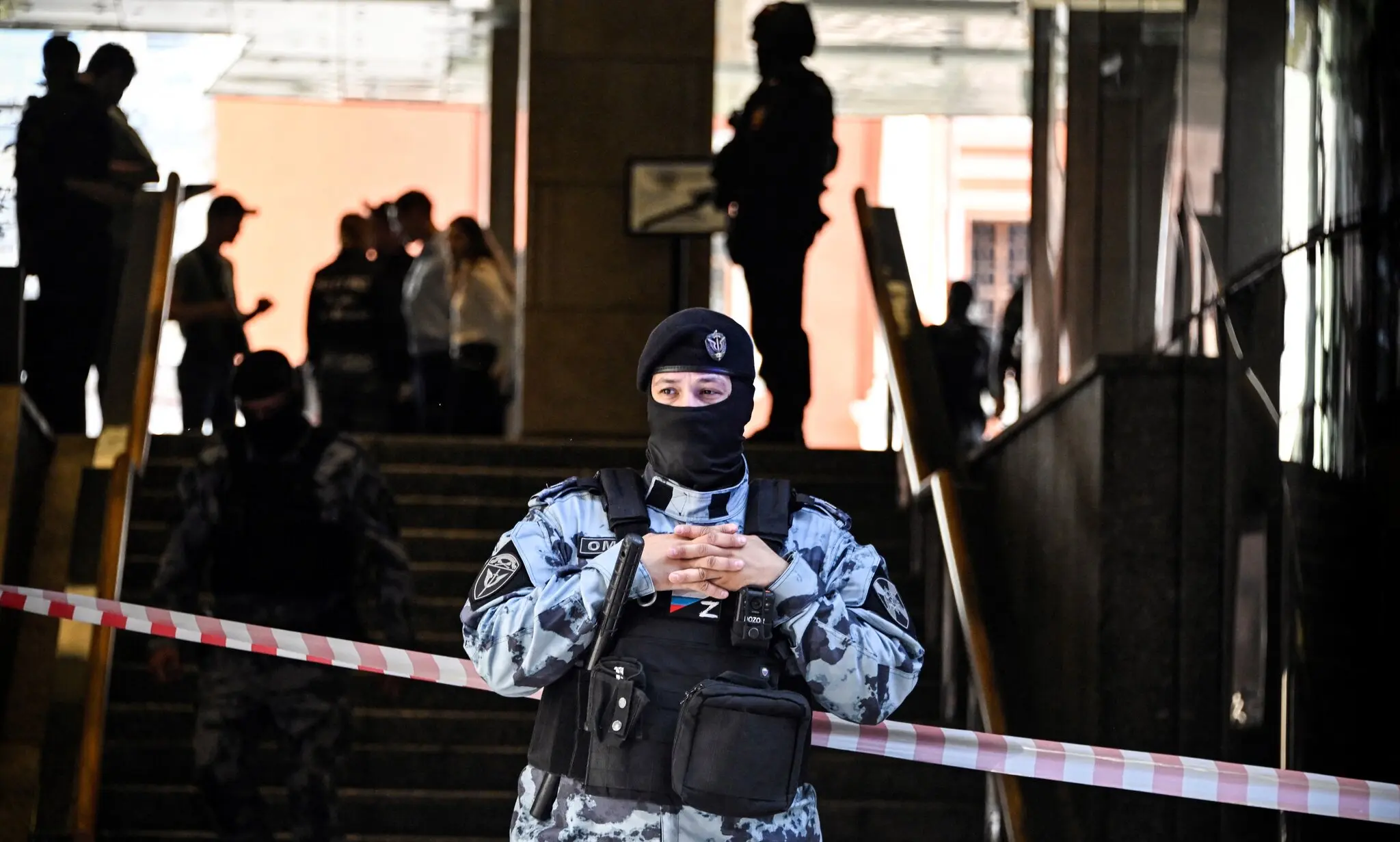
For Kim, the moment is particularly symbolic. Only a few years ago, she survived a bitter corporate conflict surrounding the merger of Wildberries with the advertising company Russ, a divorce from co-founder Vladislav Bakalchuk and an armed confrontation near the company’s Moscow office that left people dead.
She survived that fight for control. The present threat is harder because it cannot be resolved through a corporate agreement, a court ruling or political mediation. Wildberries is now facing the expanding geography of war itself, shaped by the increasing reach of Ukrainian drones.
The company is unlikely to disappear. Its scale, technology, financial resources and position in Russian retail provide a substantial cushion. But Wildberries is already being forced to evolve from a system optimized for maximum efficiency into one designed first for survival.
That means higher spending on security, insurance, backup warehouses, dispersed inventory and alternative transport routes. In the end, those costs will be divided among the company, its sellers, the state and consumers — through commissions, prices, taxes and declining service quality.
This is the broader effect of Ukraine’s campaign against Russia’s rear. The war is beginning to reshape not only military bases, factories and oil refineries, but the architecture of the ordinary economy. And the longer it continues, the more expensive it becomes to preserve the illusion that daily life can remain untouched.