



















In recent days, Donald Trump has insisted that the United States is engaged in “very good” and “productive” discussions with Tehran about ending the war. The White House has also continued to speak publicly about “productive contacts,” pairing that message with threats of further strikes if no agreement is reached.
Iran has responded almost symmetrically — but in the opposite direction. Iranian officials, along with state media and outlets close to the security establishment, have repeatedly said that no negotiations with Washington are taking place, and that Trump’s claims are either fiction or part of an American information strategy.
At first glance, this looks like diplomatic absurdity: one side says it is talking, the other says it is not. But in reality, this contradiction makes perfect sense at the current stage of the war. Both capitals have their own reasons for shaping the public image of negotiations, even if certain contacts through intermediaries do in fact exist.
As Daycom assesses, this is less a matter of one side lying than of two sides pursuing different communication goals. Washington is trying to cool the markets and reduce domestic political pressure, while Tehran is trying not to appear weak and not to hand Trump the image of a peacemaker on his own terms.
For Trump, talk of negotiations serves several purposes at once. First, it creates the impression that the war might end quickly and under control. Second, such rhetoric helps show the American public that the White House supposedly retains not only military but also diplomatic initiative.
There is also a very tangible effect. After Trump’s remarks about possible agreements and delays in further strikes on Iran’s energy infrastructure, oil prices fell sharply, and other markets also partially recovered from wartime panic. Signals like these allow Washington, at least temporarily, to stabilize the mood of investors and consumers.
This is where the political arithmetic begins. If the American president can lower oil prices and calm stock markets, even briefly, simply by talking about “productive contacts,” he buys time. Not only for himself politically, but also for the movement of additional military resources into the region.
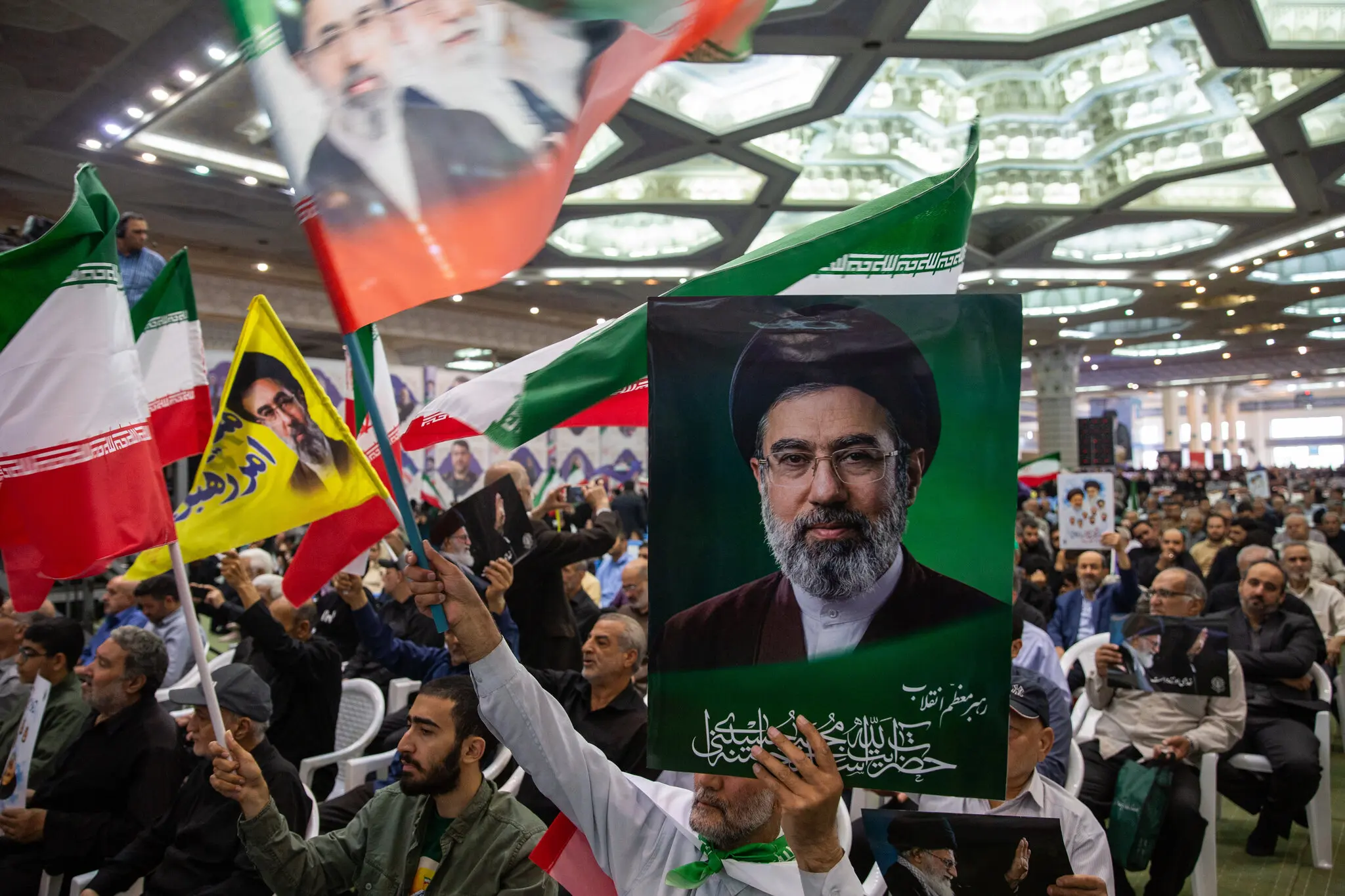
Iran’s logic is exactly the opposite. For Tehran, acknowledging negotiations now would mean publicly admitting that American and Israeli pressure is working. Domestically, that would look like a concession made under bombardment. Internationally, it would look like a symbolic victory for Trump, who had forced Iran to the table.
In addition, Iran has no interest in quickly reducing global anxiety over energy supplies. Risks surrounding the Strait of Hormuz and the oil market remain among the few levers Tehran can still use to exert indirect pressure on the West. The higher the tension in the markets, the more visible the cost of war becomes for the United States and its allies.

That is why publicly denying negotiations is not some minor propaganda gesture for Iran, but part of a broader strategy of resistance. It allows the regime to show its own society and its allies that it is not capitulating, not asking for a cease-fire, and not entering dialogue from a position of weakness. That is exactly the tone Tehran has tried to maintain in recent weeks.
At the same time, a total public denial does not mean there are no contacts at all in reality. The most likely scenario is that some messages are still being passed through intermediaries, third countries, and closed channels. In conflicts of this kind, that is standard practice, especially when openly admitting talks is politically inconvenient for both sides.
The most plausible picture, then, is not one of direct formal negotiations, but of a layered back channel involving mediators, unofficial messages, and situational diplomatic contacts. Public acknowledgment is not necessary for such a format. In fact, its effectiveness may depend precisely on both sides being able to deny that dialogue is taking place.
The paradox is that these conflicting public lines may not obstruct diplomacy, but actually encourage it. Trump is selling his audience an image of swift conflict management and control over the crisis. Iran is selling its audience an image of defiance and refusal to negotiate under pressure. Both sides preserve room to maneuver by avoiding any premature admission of mutual concessions.
At the same time, the boundaries of a possible compromise remain narrow. Iran has repeatedly signaled that it sees little reason to talk to the United States if Washington itself supported the strikes, and that any future agreement, from Tehran’s point of view, cannot ignore questions of sovereignty, sanctions, and strategic security leverage.
For the United States, the problem is different. Trump wants to project strength while also cultivating the image of a leader who “can make a deal.” But the longer he talks about negotiations without a publicly confirmed result, the greater the risk that these statements will start to look like an effort to buy time rather than evidence of a real breakthrough.
That is why the current communication war over negotiations matters no less than the strikes on the ground and in the air. It affects oil, the expectations of allies, the domestic politics of both countries, and the terms from which the parties may eventually approach a real negotiating table.
In the coming days, the intensity of contacts may well increase — whether publicly acknowledged or not. And that is the essence of the current dispute: Trump talks about negotiations because it serves his interests for people to believe in them. Iran denies them because it serves its interests for those contacts not to look like a concession.