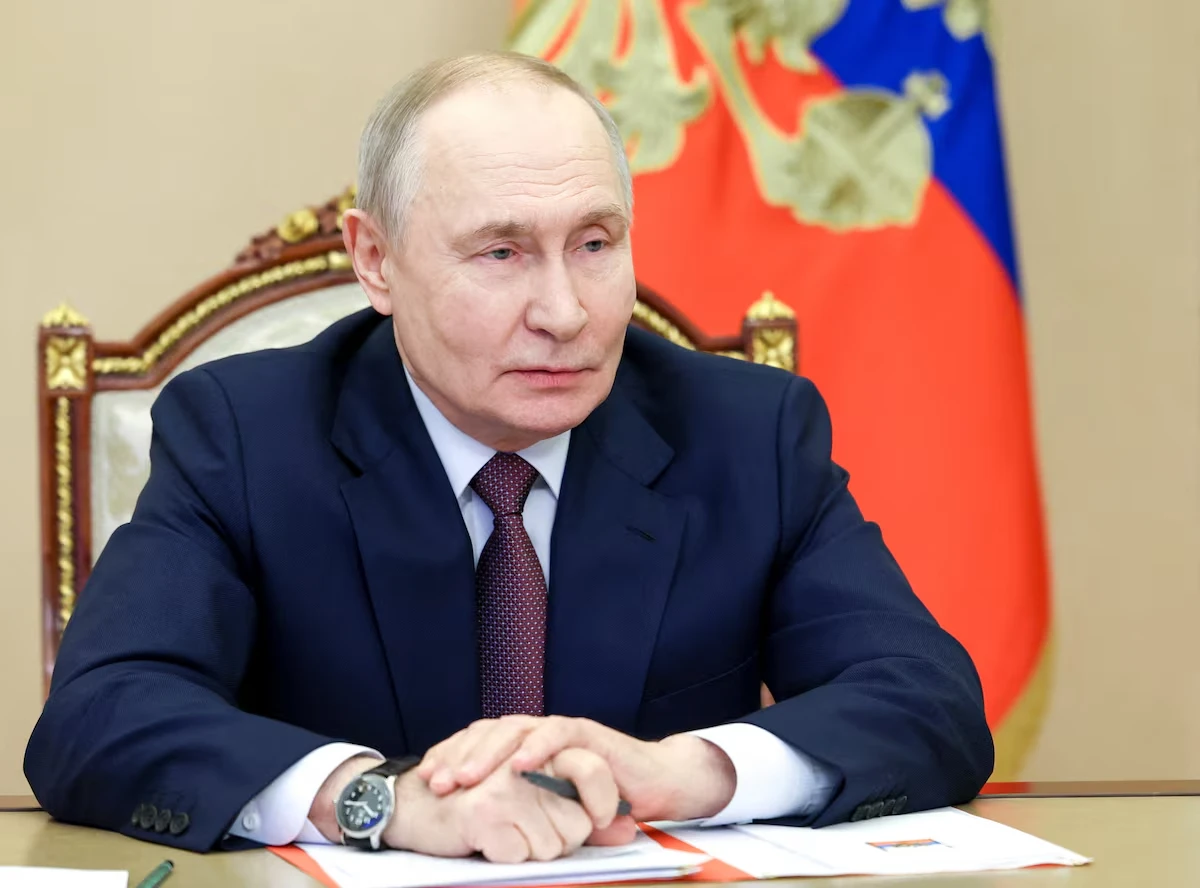






















Donald Trump’s phone call with Vladimir Putin came at a moment when the war in Ukraine is again moving into the diplomatic focus of the West. The Kremlin said the U.S. president described a cessation of hostilities as vital and expressed readiness to help together with Europe and Kyiv.
According to Moscow’s account, the call lasted 55 minutes and covered not only Ukraine, but also Iran. The Kremlin presented it as a conversation in which Washington is searching for quick solutions to several crises at once, while the White House had not immediately issued its own public account.
The timing matters. The call came ahead of the G7 summit in Evian, where Ukraine is again expected to convince its partners that military and economic support is not a gesture of solidarity, but the condition for any real negotiation.
According to Daycom’s assessment, the main meaning of the call is not that Moscow has suddenly moved closer to peace. Its significance lies elsewhere: the Kremlin is trying to seize the diplomatic frame before the G7 and present itself as a side supposedly ready to talk, while shifting responsibility for prolonging the war onto Kyiv and Europe.
That was the line set out by Yuri Ushakov. He said Europeans and Volodymyr Zelensky would try to present the situation in the opposite way at the summit and propose ideas that, in Moscow’s telling, would only prolong hostilities. This is not the language of compromise. It is an attempt to discredit Ukraine’s position in advance.
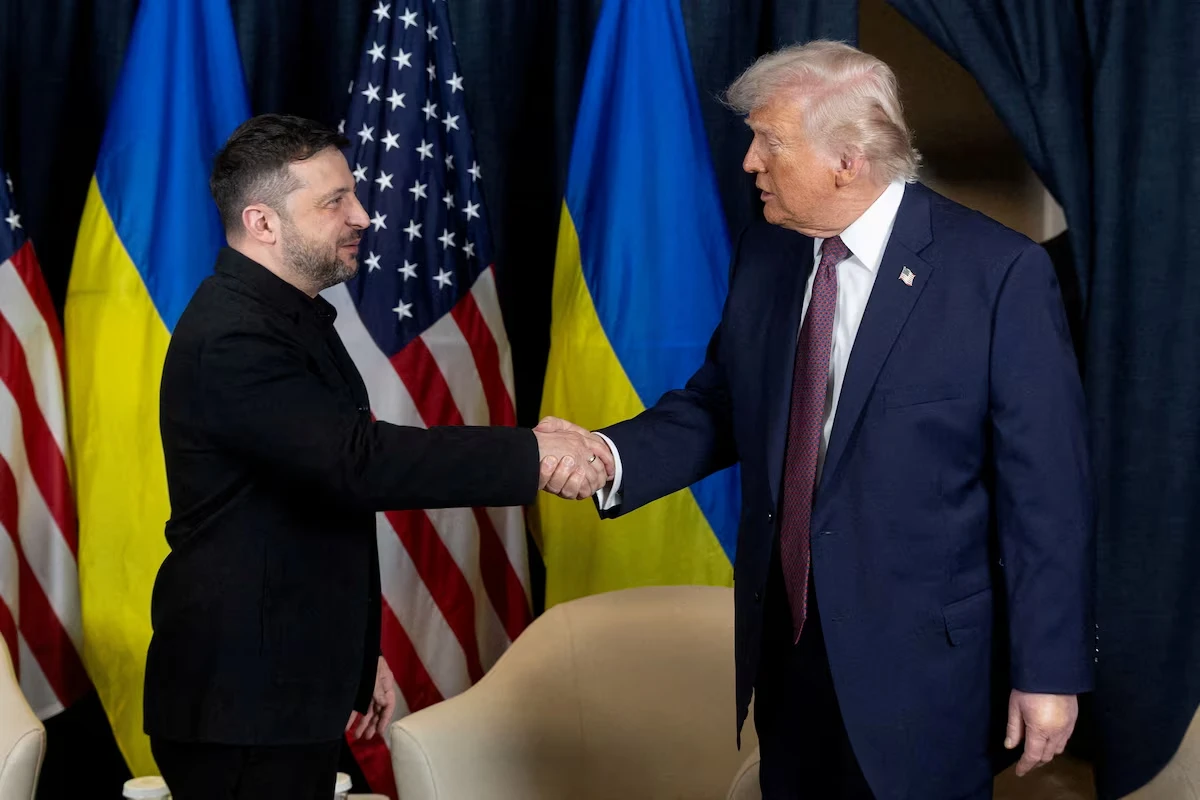
At the same time, the Kremlin is sending a signal to Washington: a rapid end to the war could open a “new quality” of U.S.-Russian relations. In that formula, Ukraine is effectively turned into an obstacle to a larger bargain, not a country against which Russia is waging a war of conquest.
This is an old Russian diplomatic construction in new conditions. Moscow proposes talking not about troop withdrawal, occupation, war crimes or security guarantees for Ukraine, but about a broader balance with Washington. Aggression is reframed as a “conflict” that can supposedly be closed through a political deal among great powers.
For Trump, the conversation has its own logic. He enters the G7 summit seeking to show that he can manage several crises at once: Ukraine, Iran, relations with Europe and global energy pressure. The Kremlin understands this and is trying to place Ukraine inside a wider package of bargaining.
The Iranian context is not secondary. Ushakov said Trump told Putin that an agreement to end the conflict with Iran was close. If Washington is indeed concentrating on the Middle East, Moscow gains room for maneuver: Ukraine risks becoming one of several crises competing for American attention.
For Kyiv, this is a dangerous diplomatic geometry. Ukraine wants to use the moment when Russia’s offensive momentum is faltering and strikes on Russian logistics and energy infrastructure are creating new costs for Moscow. Zelensky presents this as a window of opportunity for a stronger negotiating position.
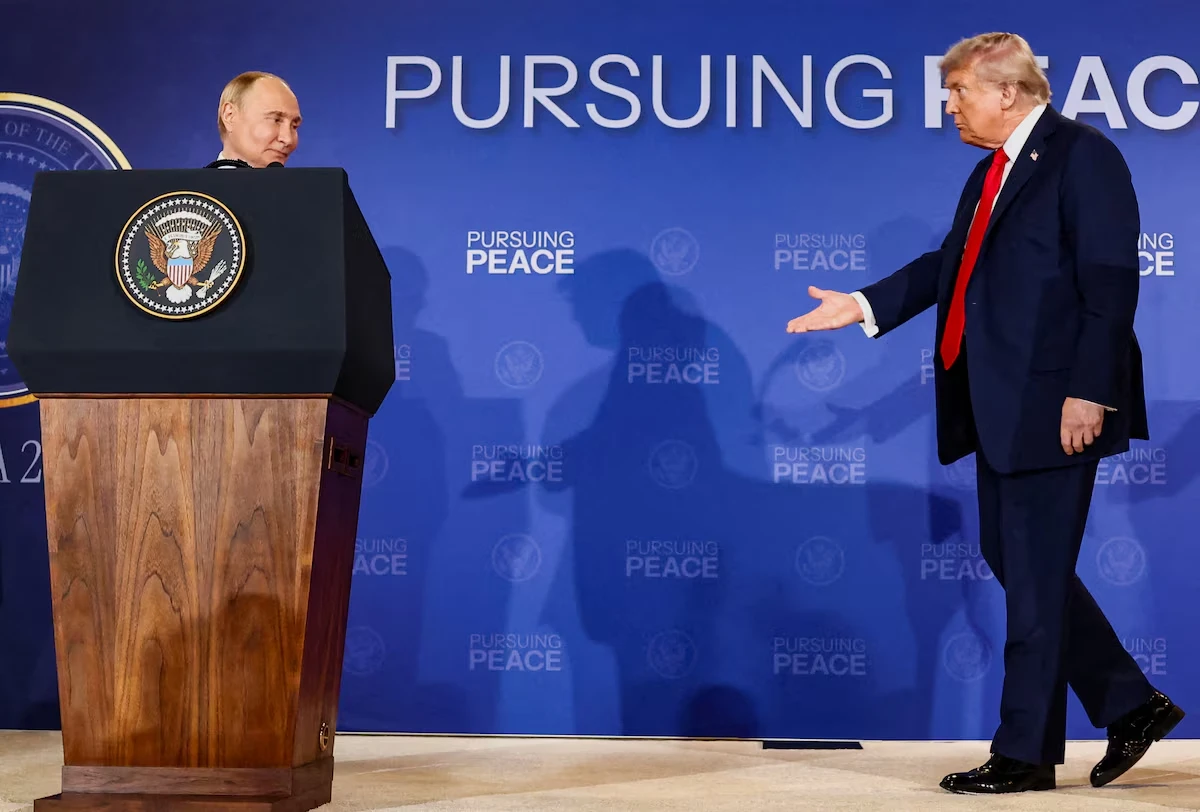
The Kremlin answers with the opposite claim: that Ukrainian strikes on Russian targets will not change the situation on the battlefield. This is a political denial of visible pressure. If those strikes had no significance, Moscow would not spend so much effort portraying them as an argument against Kyiv.
At this point, diplomacy and war converge. Ukraine is trying to show its allies that the Russian army is not invincible and that continued support can alter the balance. Russia is trying to convince Washington that battlefield dynamics are not worth further expense and that the time has come for a “quick solution.”
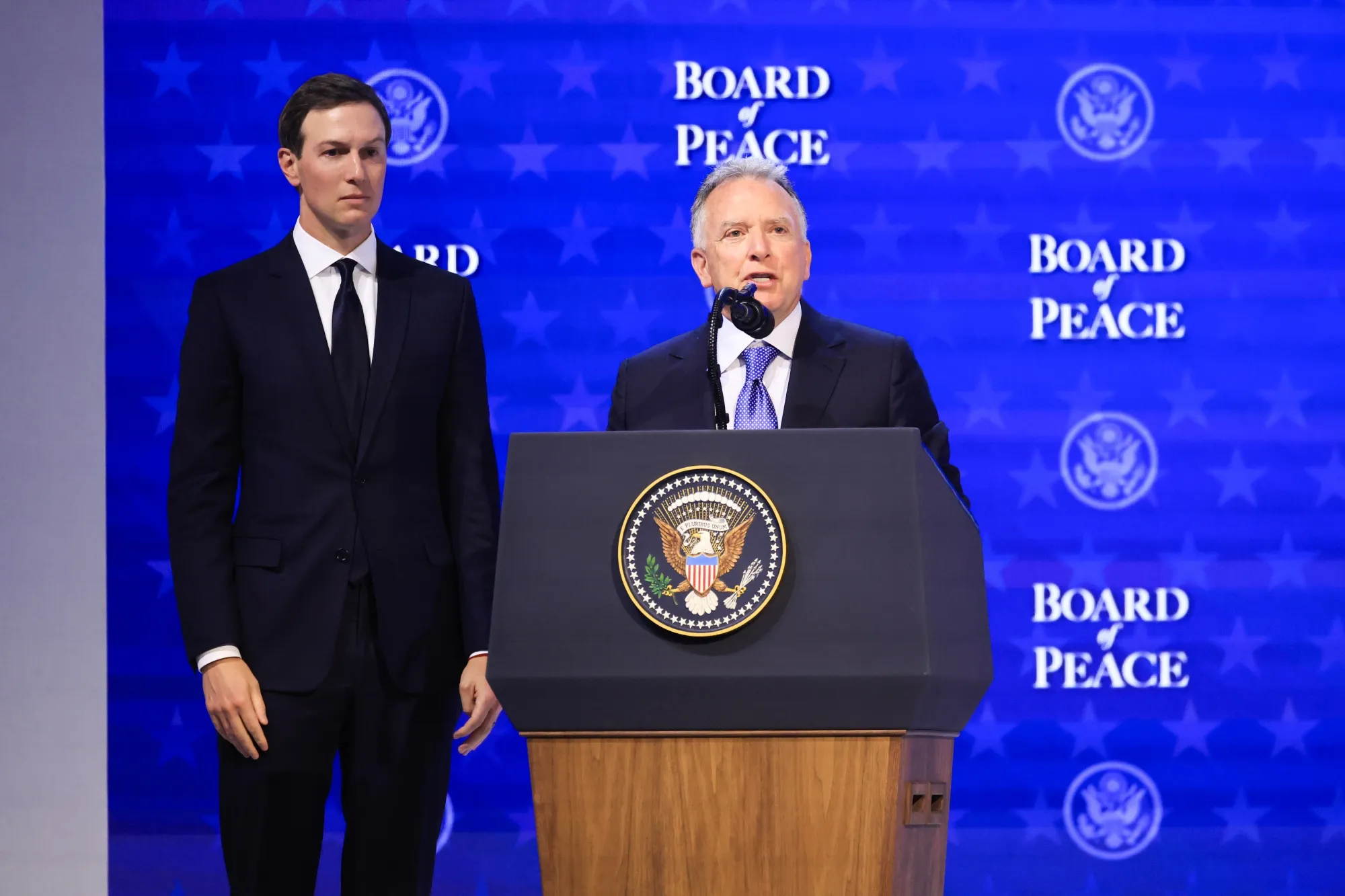
The expected visit to Russia by U.S. envoys Steve Witkoff and Jared Kushner, mentioned by Ushakov, may become the next attempt to test the limits of this formula. But the existence of a channel does not yet mean progress. In a war where the sides speak of peace while expanding strikes, negotiations can easily become the continuation of the front by other means.
The central question for the G7 is not whether peace should be pursued. It is what kind of peace is being proposed. For Ukraine, a cease-fire without guarantees, without pressure on Russia and without an answer on occupied territories may not be the end of the war, but a pause before its next phase.
Europe understands this better than Moscow would like. That is why the Kremlin is trying in advance to portray Europeans as the force “dragging out the conflict.” In reality, Europe’s interest is not an endless war, but an end that does not reward aggression.
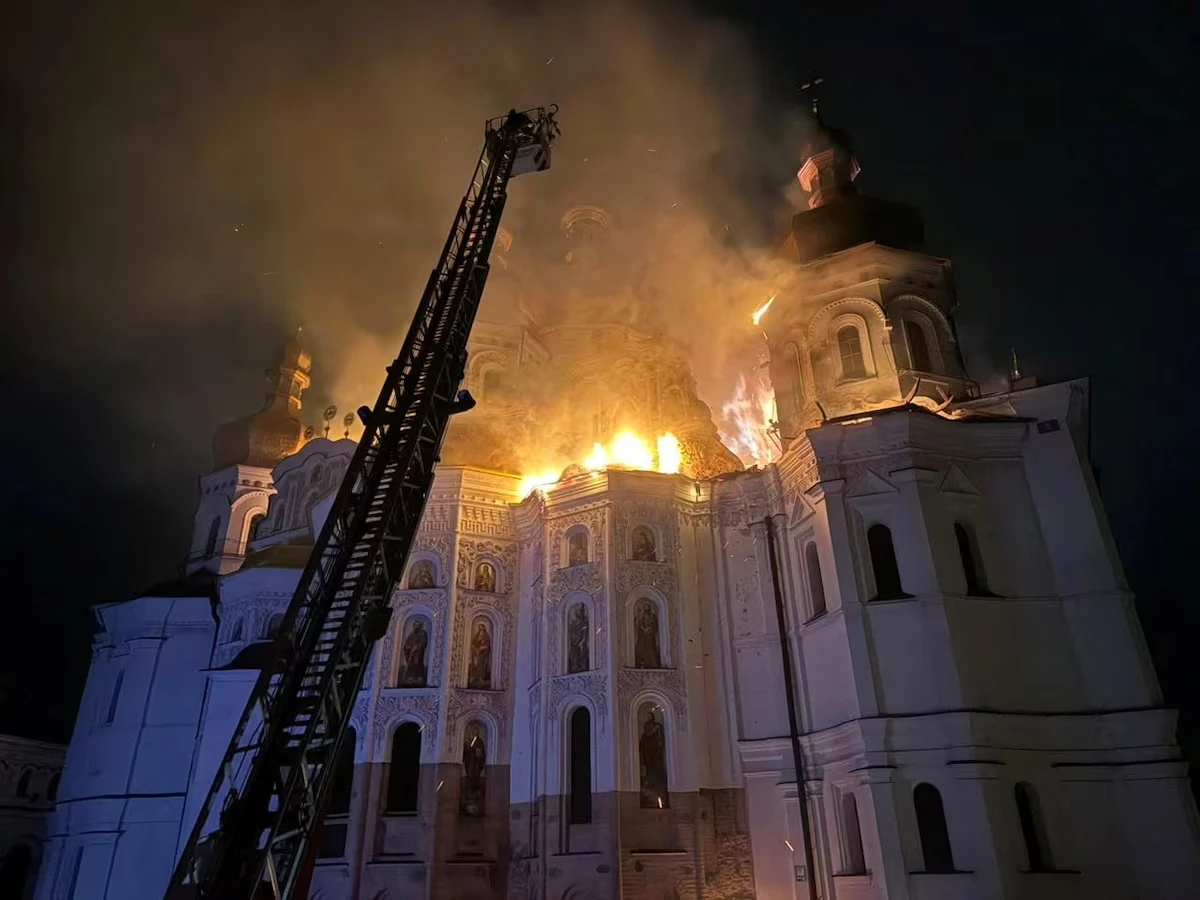
For Trump, the temptation of a quick deal is clear. It would give him a political result, a symbolic victory and a way to speak about restoring manageability in U.S.-Russian relations. But speed in this war can become a trap if it is bought at the price of Ukrainian security.
Putin, in turn, is using the conversation as proof that Russia remains an indispensable interlocutor for Washington. That matters no less than Ukraine itself. The Kremlin wants to return to the status of a state with which the world order is negotiated, not a state forced to answer for destroying it.
That is why Kyiv’s task at the G7 is not only to ask for weapons or sanctions. It must preserve the right frame: this war is not an abstract “conflict” that major capitals can close with a technical formula. It is Russian aggression against a European state, and any settlement must stop the mechanism of aggression itself.
The Trump-Putin call showed that diplomacy is returning to the center of the game. But it also showed how dangerous diplomacy can be without clear strength. Moscow speaks of peace when it wants to reduce pressure, not when it recognizes the limits of its own war.
The coming days in Evian will therefore matter not only for the language of a communiqué. They will show whether the United States, Europe and Ukraine can speak with one voice: peace is necessary, but not as a screen for a Russian pause; negotiations are necessary, but not as a way to bypass Ukrainian sovereignty.

The most important element in the Kremlin’s account is what is almost absent from it: Russia’s responsibility for starting and continuing the war. As long as that word remains outside the frame, any readiness to “help end the conflict” risks becoming not a peace plan, but another struggle over who gets to set the price of Ukraine’s future.