

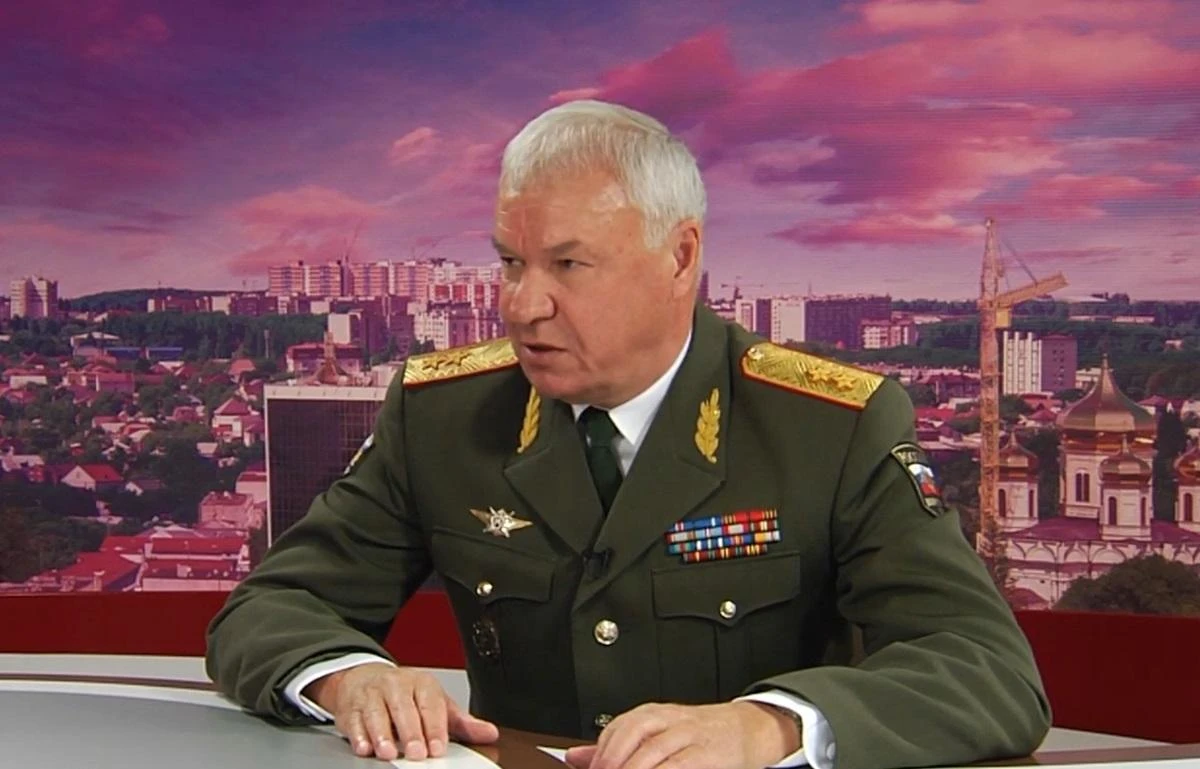






















After the overnight attack on Kyiv, during which the Kyiv Pechersk Lavra caught fire, Moscow chose a familiar line of defense: it denied striking the historic monastery and claimed that the religious site had been damaged by a U.S.-made Patriot air-defense missile.
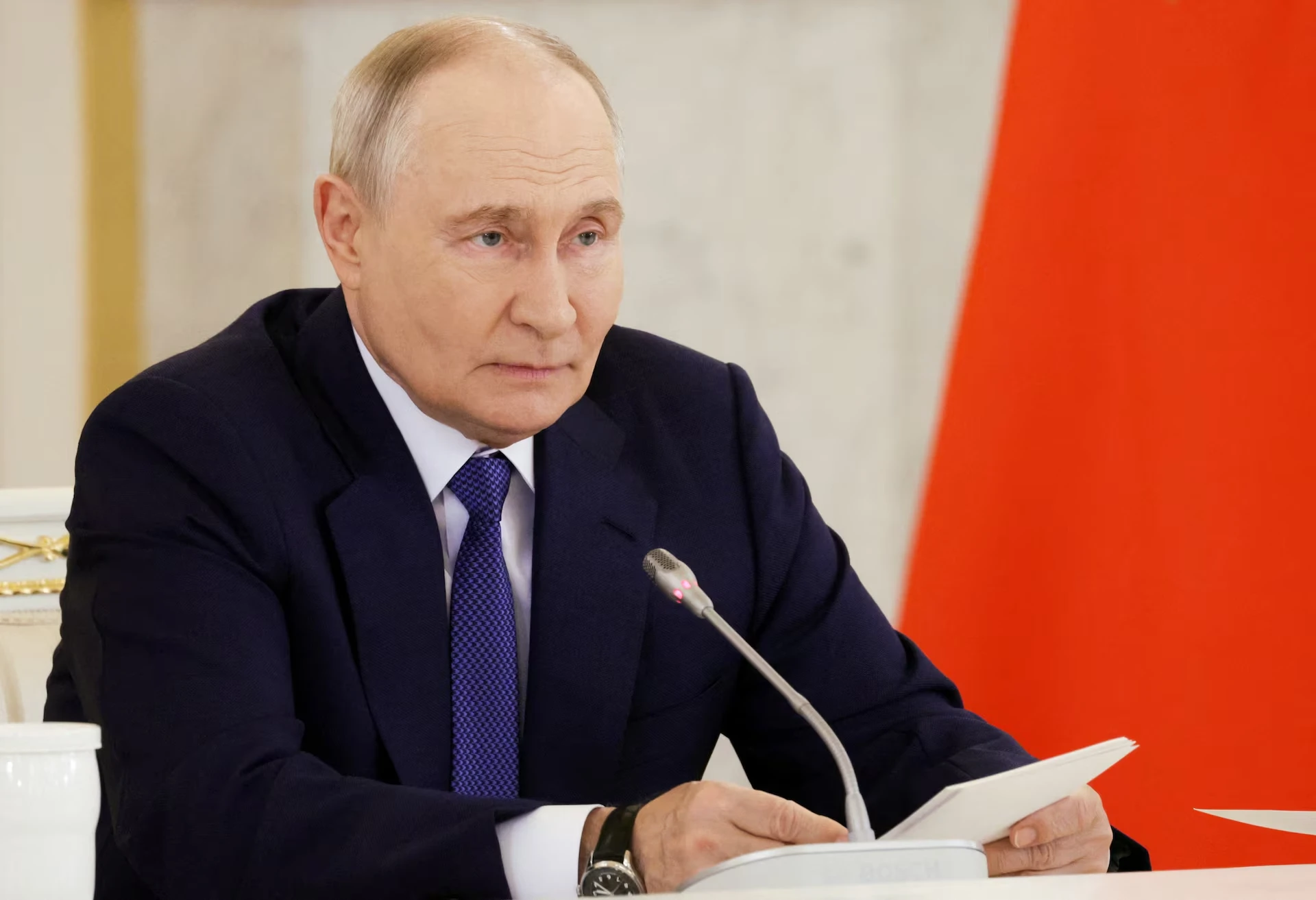
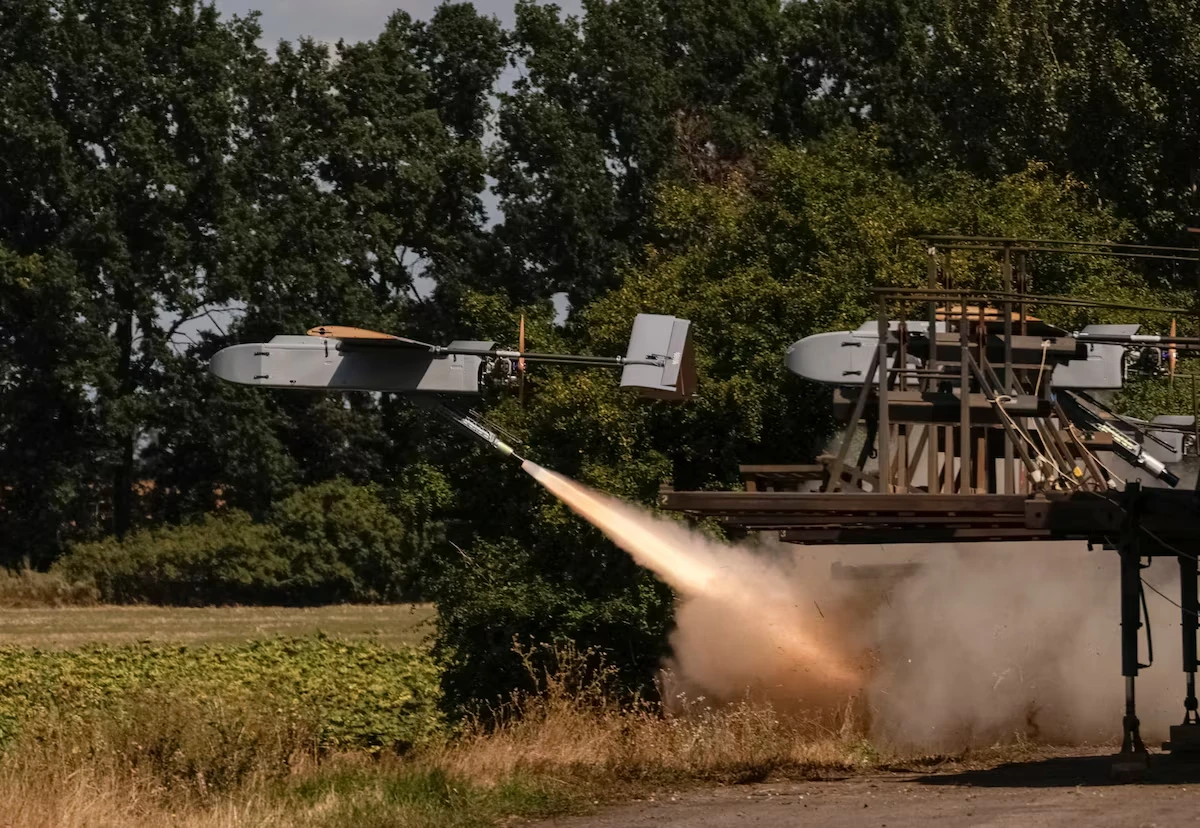
Russia’s Defense Ministry said its targets in Kyiv were drone-production facilities, not civilian or cultural infrastructure. In the same statement, Moscow repeated the formula it has used throughout the full-scale war: that Russian forces do not plan or carry out strikes on civilian sites.
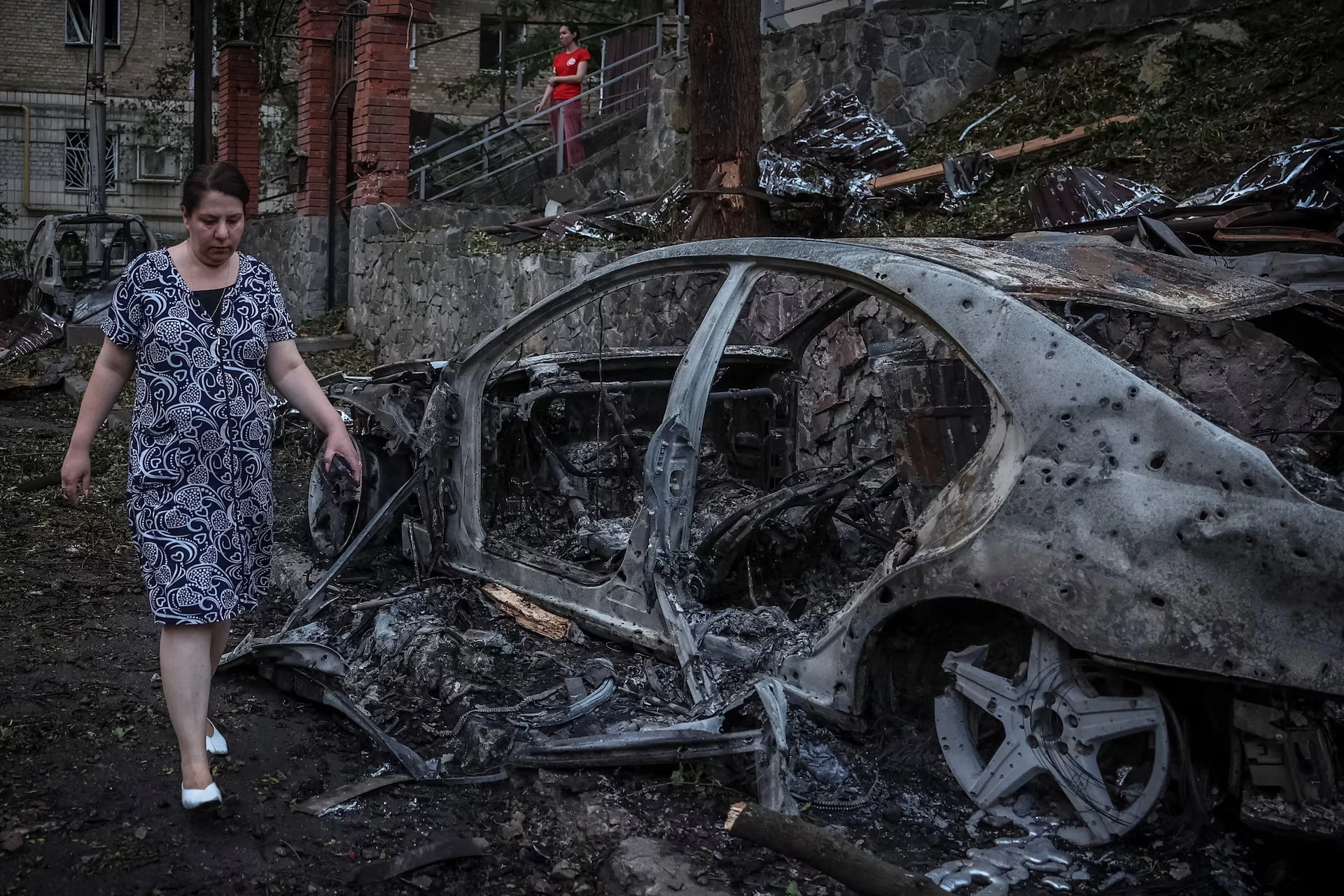
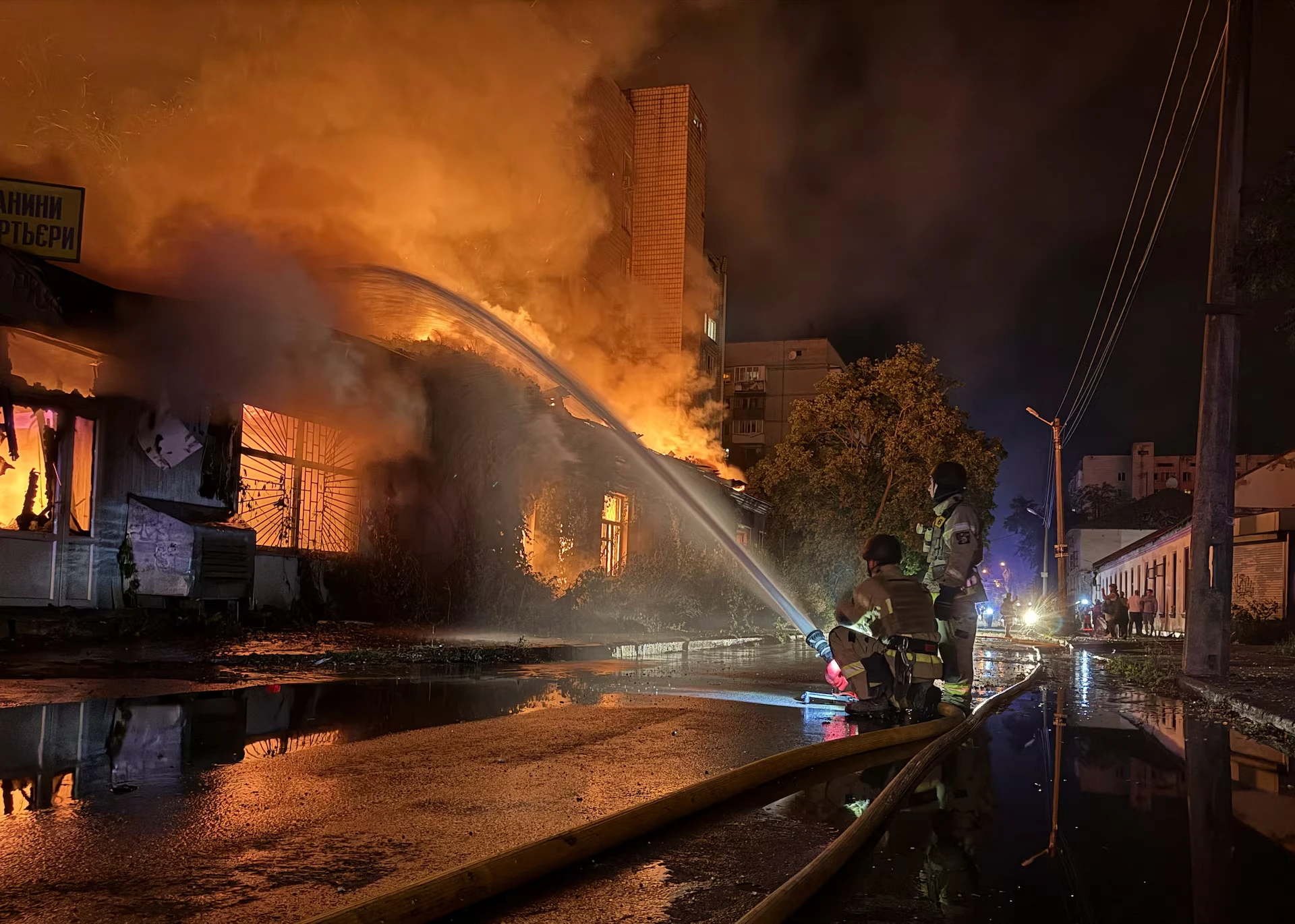
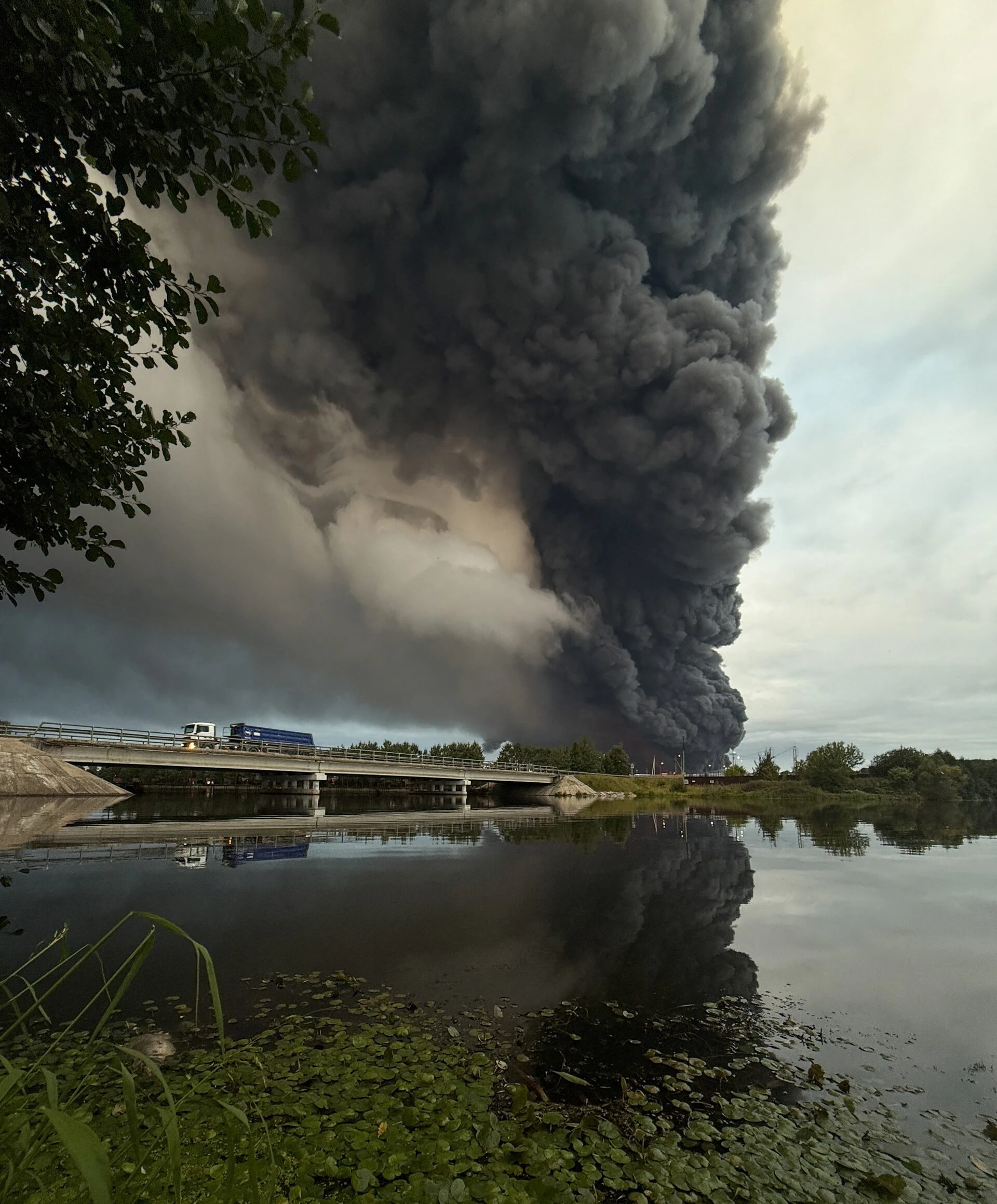
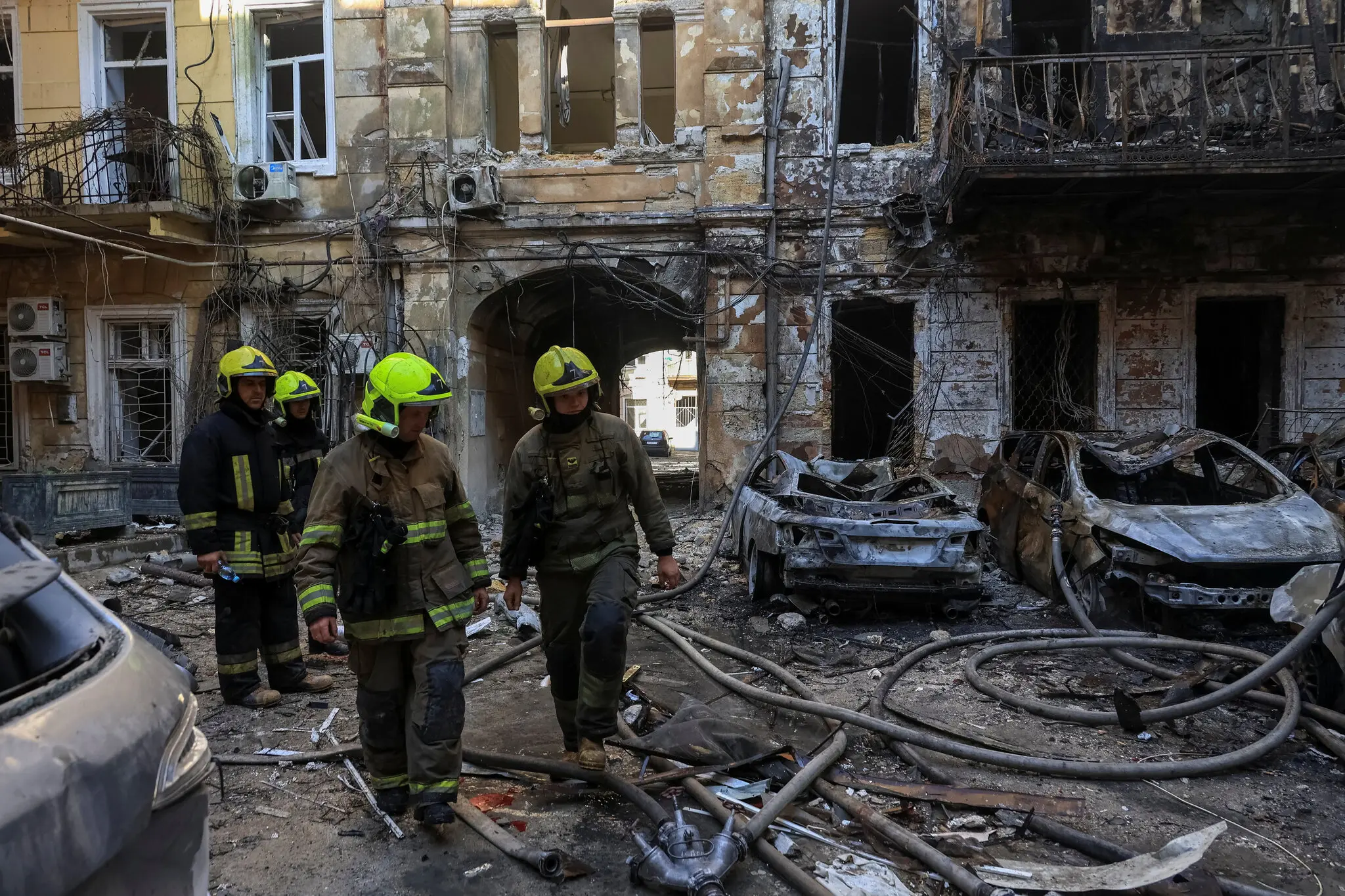
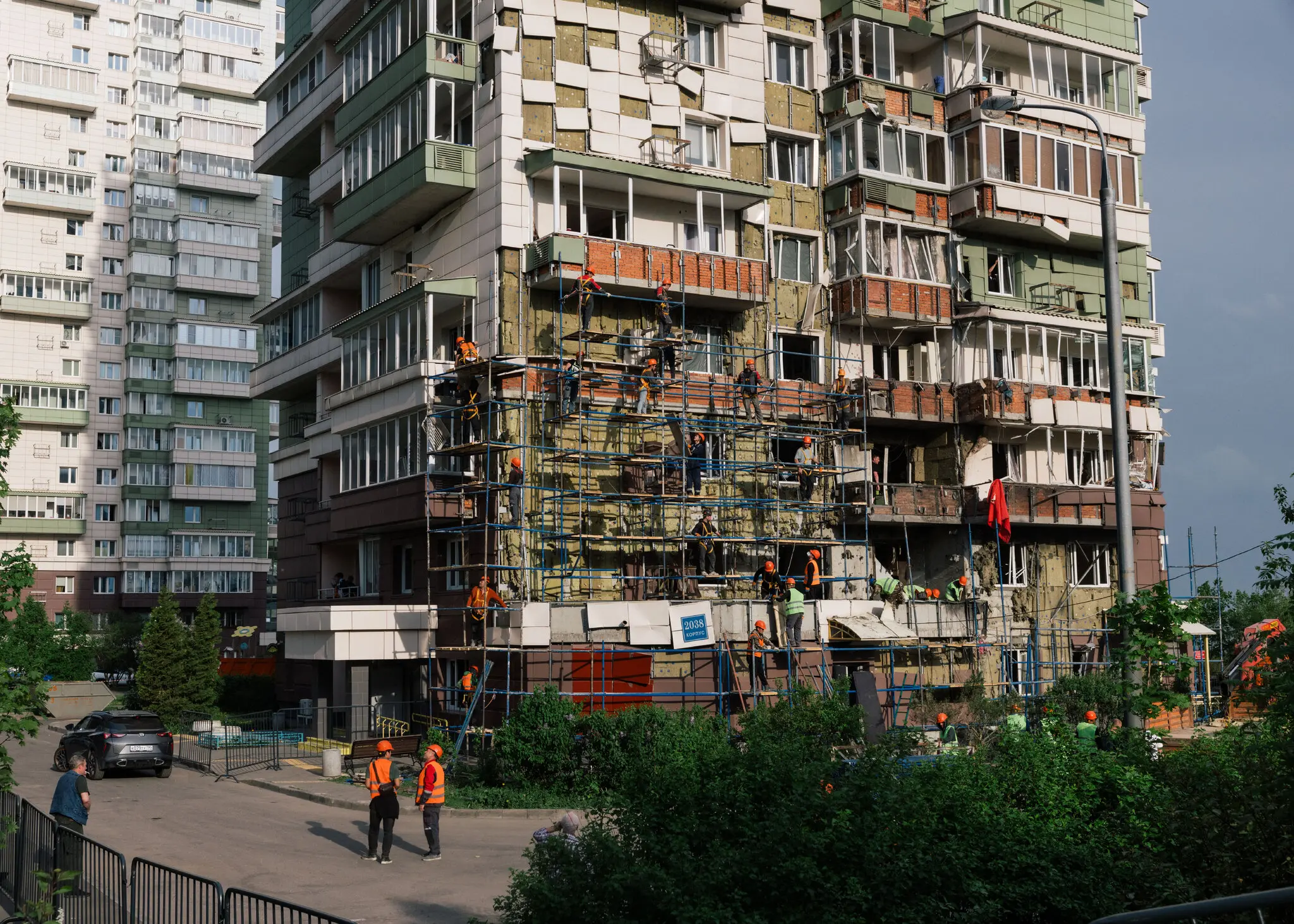
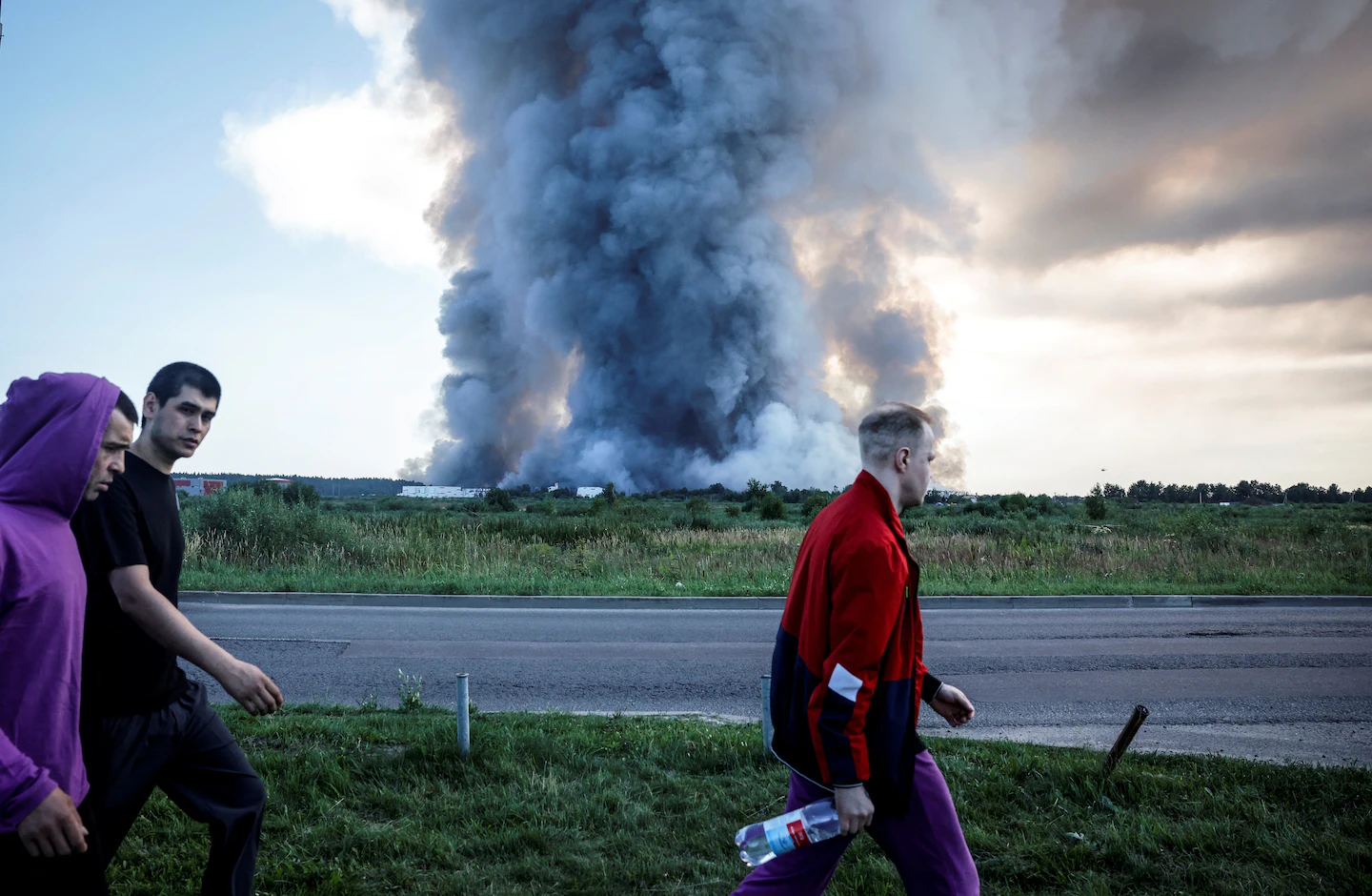
The denial came after the heaviest attack on the Ukrainian capital in two weeks. The Kyiv Pechersk Lavra, a UNESCO World Heritage site and one of the central symbols of Ukraine’s spiritual history, caught fire during an overnight assault that also damaged residential buildings and power lines.
After the overnight attack on Kyiv, during which the Kyiv Pechersk Lavra caught fire, Moscow chose a familiar line of defense: it denied striking the historic monastery and claimed that the religious site had been damaged by a U.S.-made Patriot air-defense missile.
Russia’s Defense Ministry said its targets in Kyiv were drone-production facilities, not civilian or cultural infrastructure. In the same statement, Moscow repeated the formula it has used throughout the full-scale war: that Russian forces do not plan or carry out strikes on civilian sites.
The denial came after the heaviest attack on the Ukrainian capital in two weeks. The Kyiv Pechersk Lavra, a UNESCO World Heritage site and one of the central symbols of Ukraine’s spiritual history, caught fire during an overnight assault that also damaged residential buildings and power lines.
According to Daycom’s assessment, the new Russian version matters not only as an attempt to explain one fire. It shows the mechanism of Moscow’s information war: after a strike on a sensitive symbol, responsibility is not accepted, but immediately transferred to Ukraine, the West or a supposedly defective foreign weapon.
In this logic, Patriot becomes not a system defending Ukraine’s skies, but a convenient object of accusation. Moscow claimed that the missile could have malfunctioned because Western countries allegedly supplied Kyiv with expired ammunition. The construction allows Russia to attack Ukraine, the United States and the entire architecture of military assistance at once.
The political purpose of this version is clear. Russia is trying to turn the strike on the monastery from a question of its own responsibility into a debate about the quality of Western weapons. The center of the conversation shifts: instead of asking who launched a mass attack on a city, the audience is invited to discuss what Ukraine used to repel it.
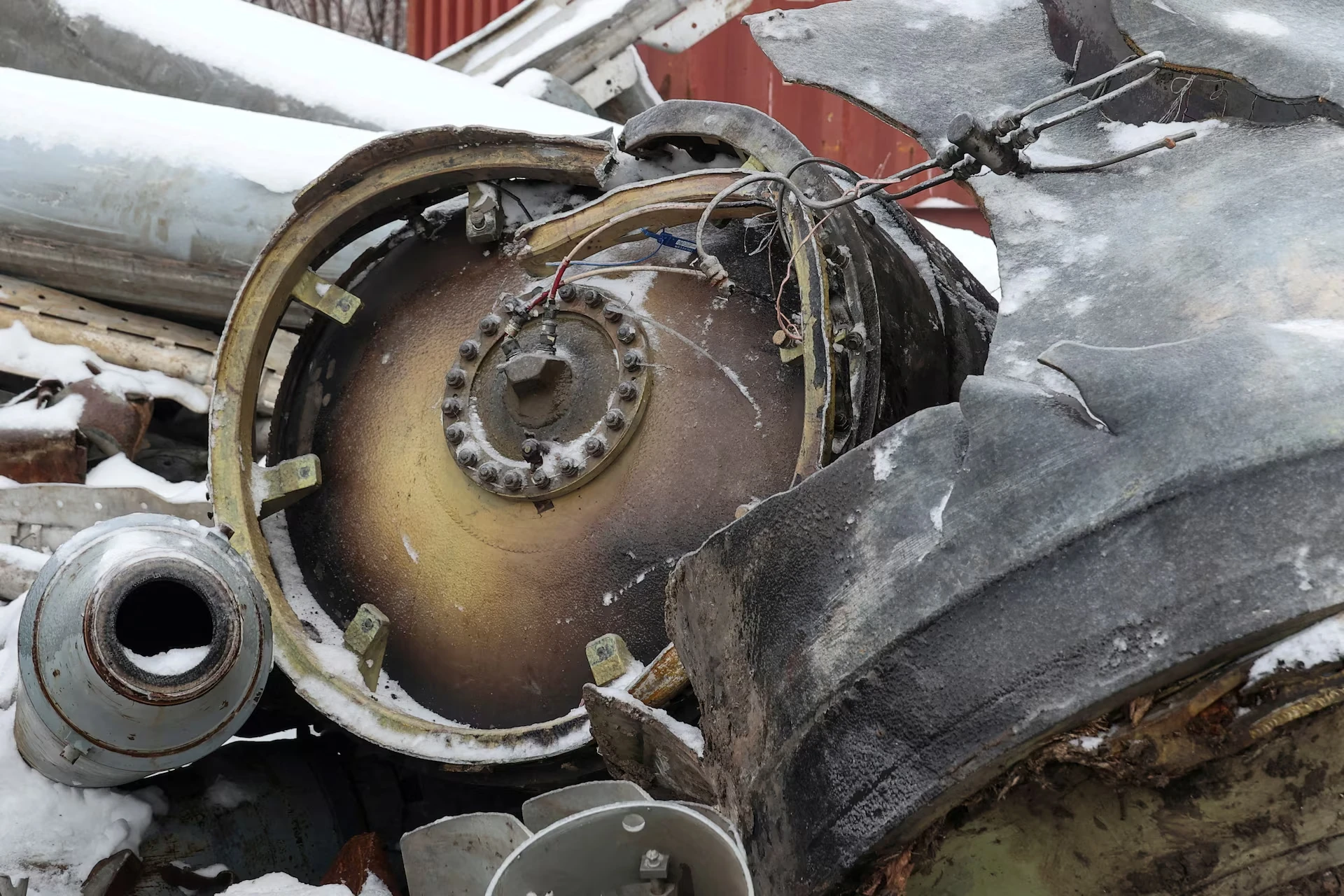
That is why the issue of debris is not a neutral technical detail in this case. In a war where missiles and drones are launched at cities and air defenses operate above residential districts, debris can indeed cause damage. But without the original attack, there would have been no interception, no falling fragments and no fire above Kyiv’s historic center.
The Russian statement also serves a domestic audience. The image of an army that allegedly strikes only military factories is meant to preserve moral distance between Russian society and the reality of the war. If a sacred site burns, someone else must be responsible: Ukrainian air defense, an American missile, the West, accident.
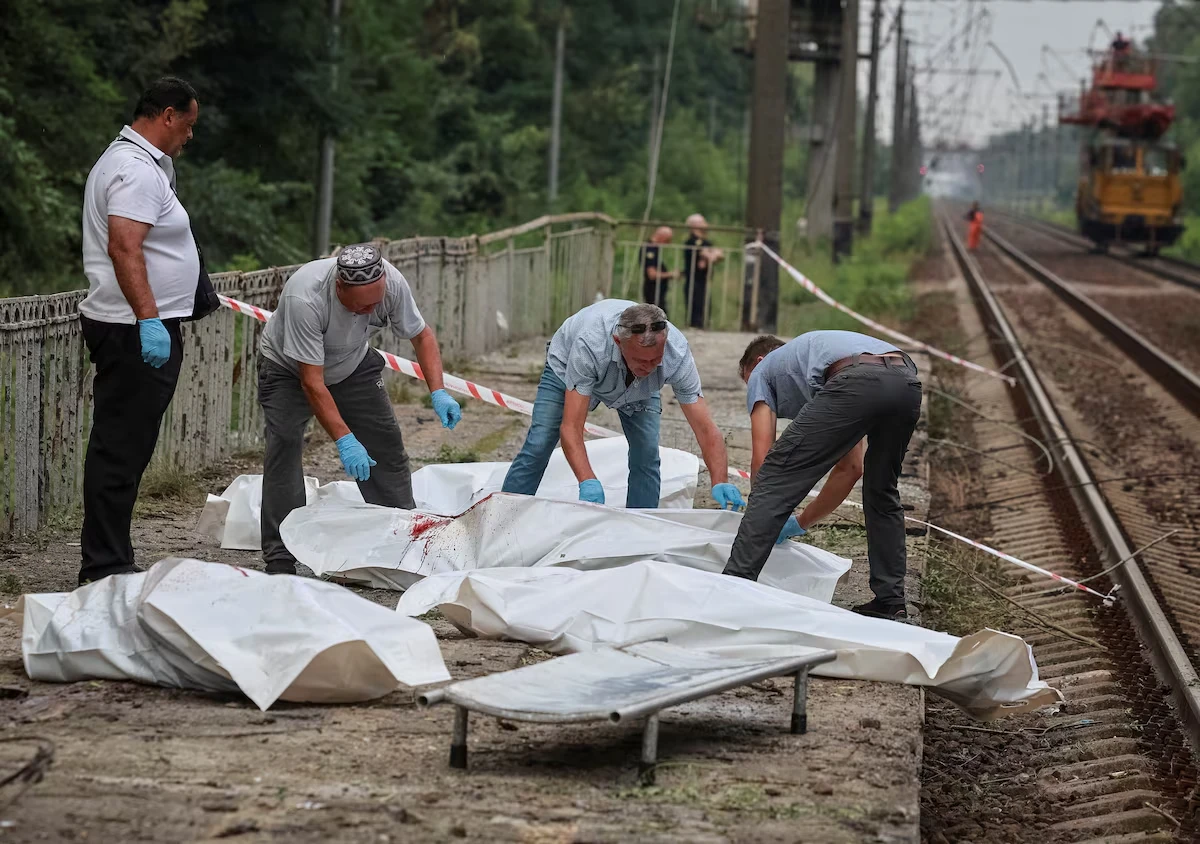
Yet the very repetition of such explanations weakens their credibility. After strikes on energy systems, apartment blocks, railway stations, hospitals, ports, theaters and churches, Moscow keeps speaking in the language of exception. Over the years of full-scale war, those “exceptions” have formed a pattern.
The Kyiv Pechersk Lavra is especially inconvenient for Russian propaganda. The Kremlin has long built part of its ideology on appropriating Kyiv’s Orthodox heritage, but the war keeps exposing the cost of that rhetoric. What is described as a shared spiritual history receives no protection when missiles and drones are launched.


This is where the central contradiction appears. Russia speaks of defending Orthodox civilization, while its attacks place one of Eastern Europe’s most important Christian complexes under threat. It then does not explain why the sacred site was endangered, but offers a version about someone else’s missile.
For Ukraine, the fire at the Lavra became not only a wartime event, but part of the larger archive of destroyed cultural heritage. That archive already includes museums, libraries, churches, historic centers, cemeteries, monuments and buildings that have no military function but carry the memory of the country.
Kyiv’s response therefore inevitably moves to the international level. The issue is not only the trajectory or type of munition, but the protection of cultural heritage in a war where the aggressor combines physical destruction with informational denial.
This tactic has another purpose: to sow doubt among external audiences. If an alternative version is introduced quickly enough, part of the world begins to see not the fact of the attack, but a “dispute over causes.” For Moscow, even doubt is useful, because it blurs political responsibility.
For Ukrainians who spent the night in shelters, without electricity or under the sound of explosions, this argument is not abstract. They saw not an information construct, but fires, damaged homes, rescue crews at work and a church in flames. In those circumstances, Russia’s denial sounds less like an explanation than a continuation of the attack by other means.
The mass strike on Kyiv took place against the backdrop of diplomatic talk about a possible end to the war. That makes Moscow’s denial especially telling. Even when the Kremlin speaks of peace, its practical language remains the language of missiles, drones and shifted blame.
Ukraine’s air defense is not the source of danger for its cities. It is the final barrier between a Russian salvo and civilian space. That is precisely why Moscow is trying to discredit it: its effectiveness determines not only how many buildings are spared, but how long the Ukrainian state can withstand pressure.
After the fire at the Lavra, Russia is not trying to win the truth. It is trying to win time and fog. It wants the world to discuss the Patriot version instead of asking directly about the attack on Kyiv. But at the center of that night remains a simple fact: a Ukrainian sacred site burned during a mass Russian strike.
That is what makes the Lavra story larger than one episode. It shows how destruction and denial work together in modern war. First come missiles and drones; then comes a version designed to convince the world that the aggressor has no connection to the consequences.
For Ukraine, the answer lies not only in investigation and diplomacy. It lies in documentation, air defense, preservation of monuments and refusal to accept Russia’s language of denial as equal to reality. The battle over the Lavra is also a battle for the right to call things by their names.