


















Ukraine’s budget is now unmistakably the budget of a major war. Parliament’s decision to add another 1.56 trillion hryvnias for defence and security was not a technical adjustment, but a political signal: the state is preparing to finance the war at a scale that leaves little room for illusions about a quick end.
Ukraine’s total defence spending in 2026 is set to rise to a record 4.37 trillion hryvnias, or roughly $97.2 billion. That is far above the previous forecast and higher than last year’s level. For a country holding the front while expanding deep strikes inside Russia, this is no longer a choice. It is a condition of survival.
The budget changes passed with 242 votes, above the required majority of 226. That arithmetic reflects not only parliamentary support for the defence course, but also the pressure on state finances. The war is demanding money faster than the economy can generate it on its own.
According to Daycom’s earlier analysis, the main point is not only the record figure, but the changing logic of wartime financing. Ukraine is trying to move beyond living from one aid package to the next and build a longer structure: domestic revenue, loans, frozen Russian assets and tax reform.
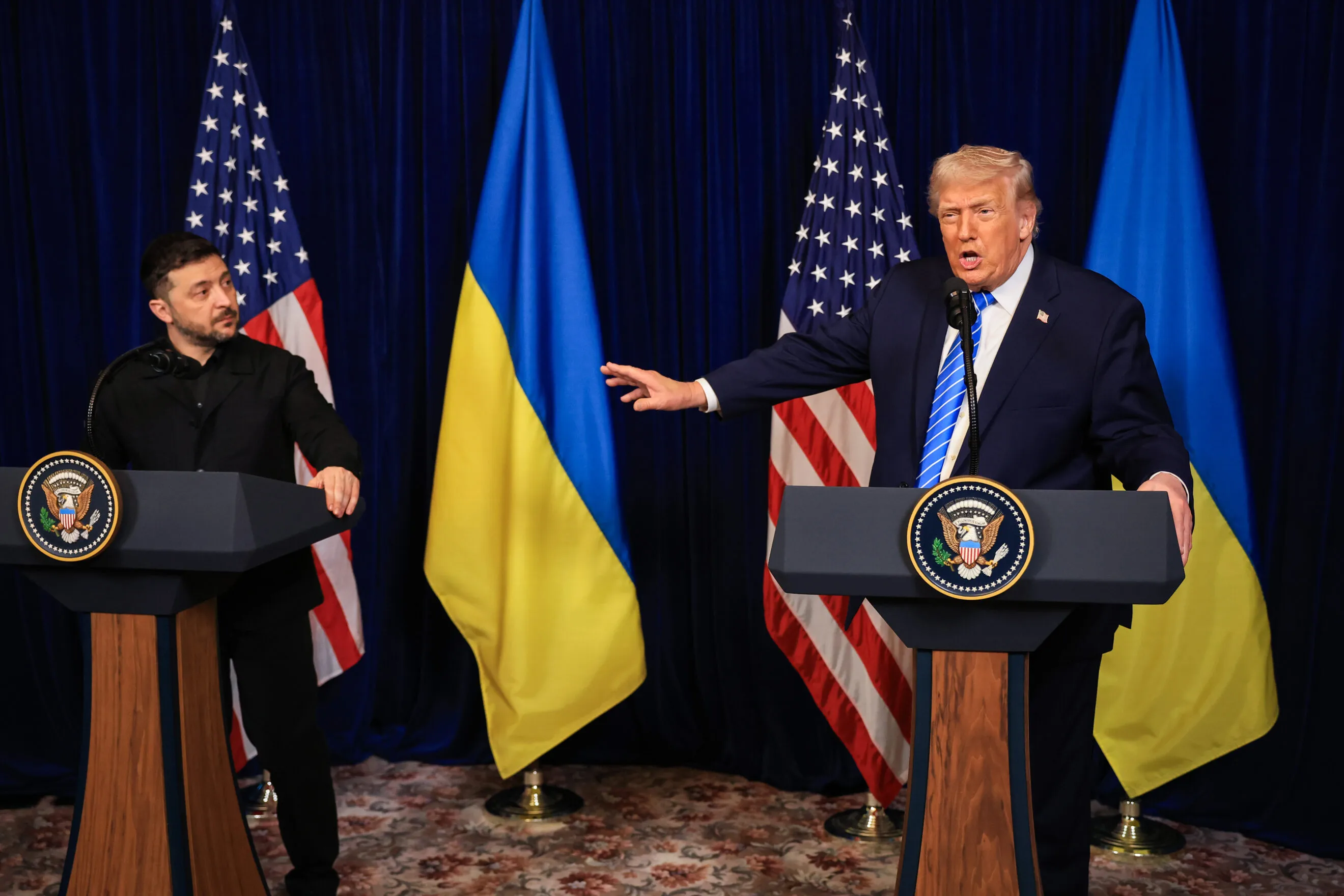
The key resource behind the new budget manoeuvre is the European Union’s €90 billion loan backed by frozen Russian assets. The first €3.2 billion is expected this month. For Kyiv, this creates space for decisions that would be almost impossible without external support.
The political meaning of that mechanism is as important as the financial one. Russian assets frozen after the invasion are gradually turning from a diplomatic symbol into a source of Ukrainian resilience. Moscow has not compensated Ukraine for the damage it caused, but its blocked resources are already being used against the consequences of its own war.
External support, however, does not remove Kyiv’s domestic fiscal challenge. Ukraine still relies on international partners to cover budget needs and finance the war. Each new tranche buys time, but it does not answer the larger question: how long can the state sustain this level of spending.
That is why tax measures are moving in parallel with the defence budget. A law taxing income earned through online platforms such as Uber, Uklon and Bolt is part of a broader effort to expand the fiscal base. War forces the state to look for revenue even in areas where tax control had previously been weaker.
This is not popular politics. In a society exhausted by war, any new taxation is felt sharply. But international creditors are increasingly clear that Ukraine must not only ask for assistance, but also show that it can collect more of its own revenue. Partner solidarity has limits if the state does not strengthen its own financial discipline.
The hardest disputes are still ahead. A parcels tax and additional pressure on small businesses have already faced resistance in parliament. That is understandable: small business remains a socially sensitive part of the economy, and imported parcels affect millions of households. But a wartime budget cannot live with empty lines.
Ukraine is caught in the classic trap of a state at war. To keep fighting, it must increase defence spending. To increase spending, it must borrow, raise taxes or cut elsewhere. Every option carries a political cost, but failure to decide costs more.
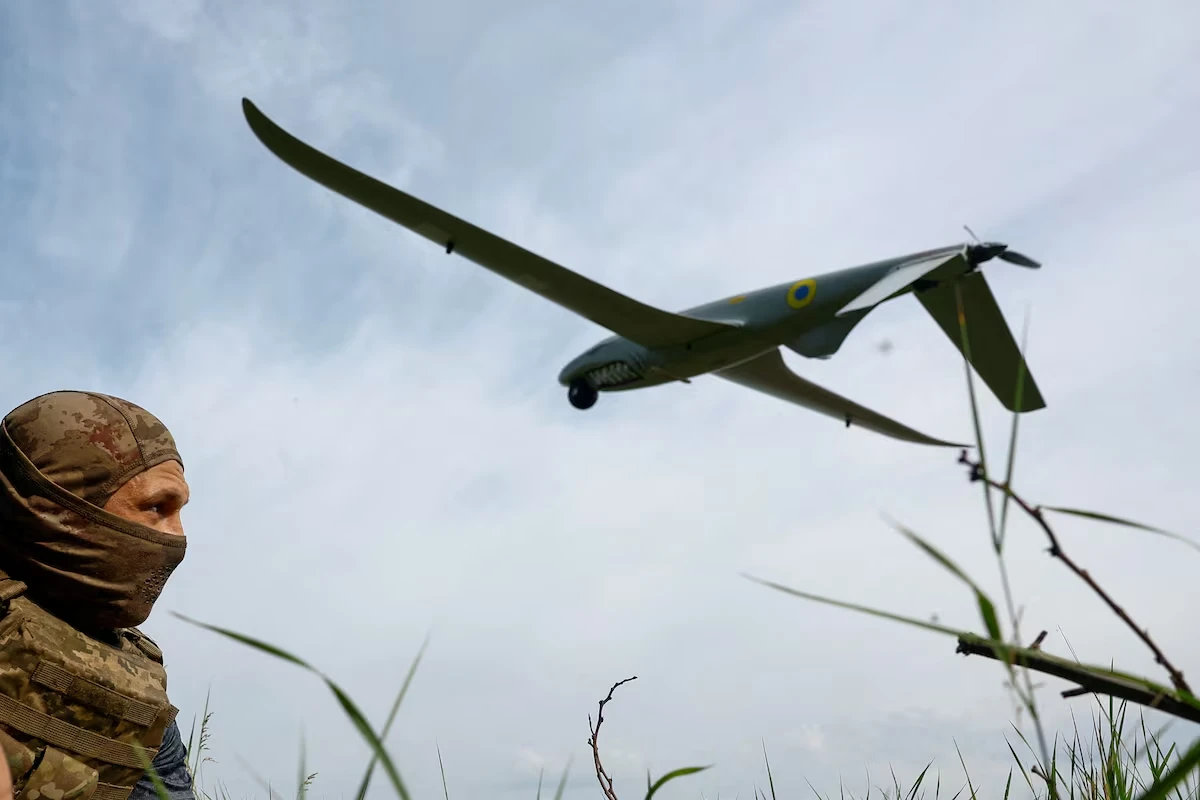
Record defence spending also reflects the changing nature of the war itself. This is no longer only about artillery, armour and soldiers’ pay. It is about drones, long-range systems, air defence, cyber protection, ammunition production, repair capacity, logistics and technological adaptation.
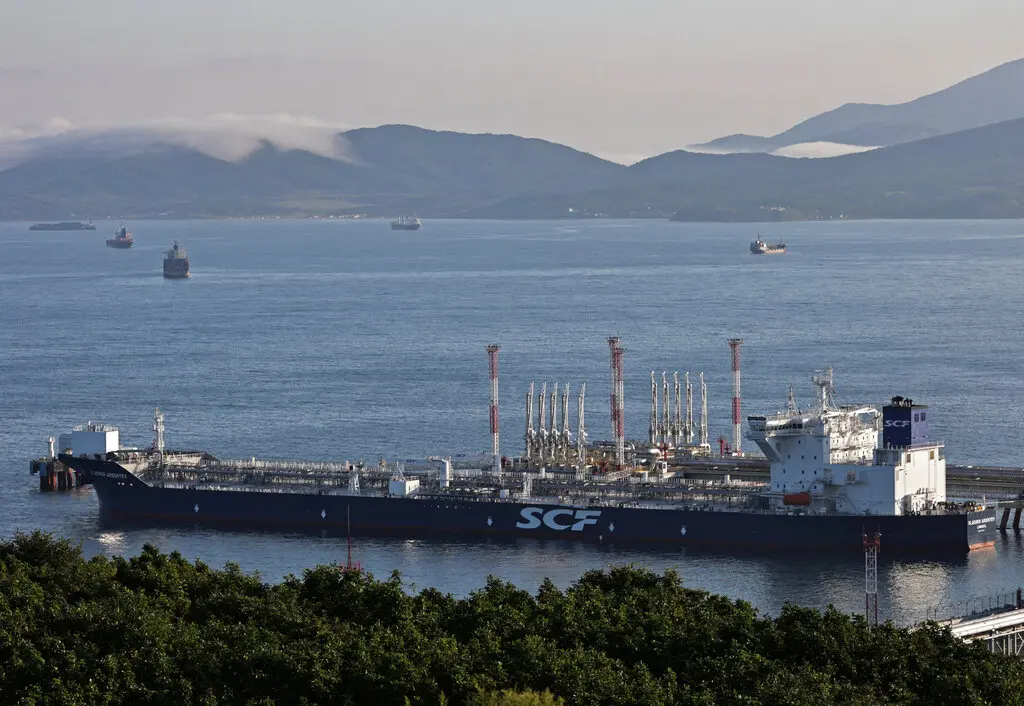
Ukraine’s strikes deep inside Russian territory require industrial scale. Long-range drones, intelligence, navigation, components, production lines and trained operators do not appear from political statements. They require stable financing that does not disappear after one budget quarter.
The front is not static either. Even small successful counterattacks require resources: trained units, ammunition, evacuation, engineering support, fuel and communications. In a large war, every tactical movement depends on the financial and industrial depth of the state behind it.
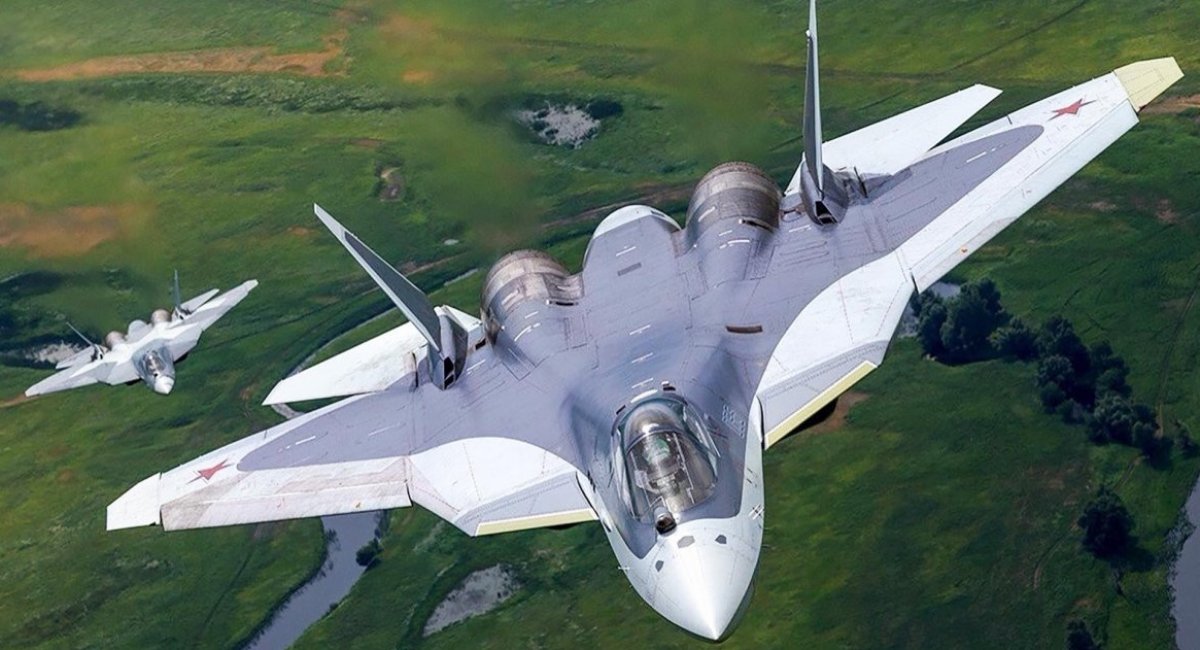
That is why the budget has become part of the battlefield. Russia is trying to exhaust Ukraine not only through missiles and assaults, but through the length of the war itself. Moscow is counting on allies to tire, the economy to weaken and society to demand any kind of peace. Ukraine’s answer is to make resilience systemic.
The risk is that the defence state can crowd out everything else. Education, health care, social support, infrastructure repair and local budgets do not disappear because war consumes the largest resources. The government must hold the balance between the army and the rear, because an exhausted rear cannot support the front for long.
The EU loan, frozen Russian assets and the requirements of international partners are creating a new financial architecture for Ukraine. It gives the country a chance to endure, but it also imposes discipline. Money arrives not simply as support, but as part of a contract: transparency, taxation, reform and control over spending.
That may be painful, but it can also be useful. A wartime economy that relies only on heroism and outside aid quickly becomes vulnerable. A wartime economy that can count, collect taxes, attract loans and direct money into defence production has a better chance of lasting.
Parliament’s decision does not guarantee victory by itself. But it shows that Kyiv is preparing not for a short pause, but for a long round of war in which financial endurance will matter as much as long-range drones or success on a single section of the front.
A record defence budget is the price of a state that has refused to lose. The central question now is whether Ukraine can turn these trillions not merely into spending, but into strength: weapons, production, protected skies, a resilient rear and the trust of partners. In a war of attrition, that is what decides who can withstand the next year.