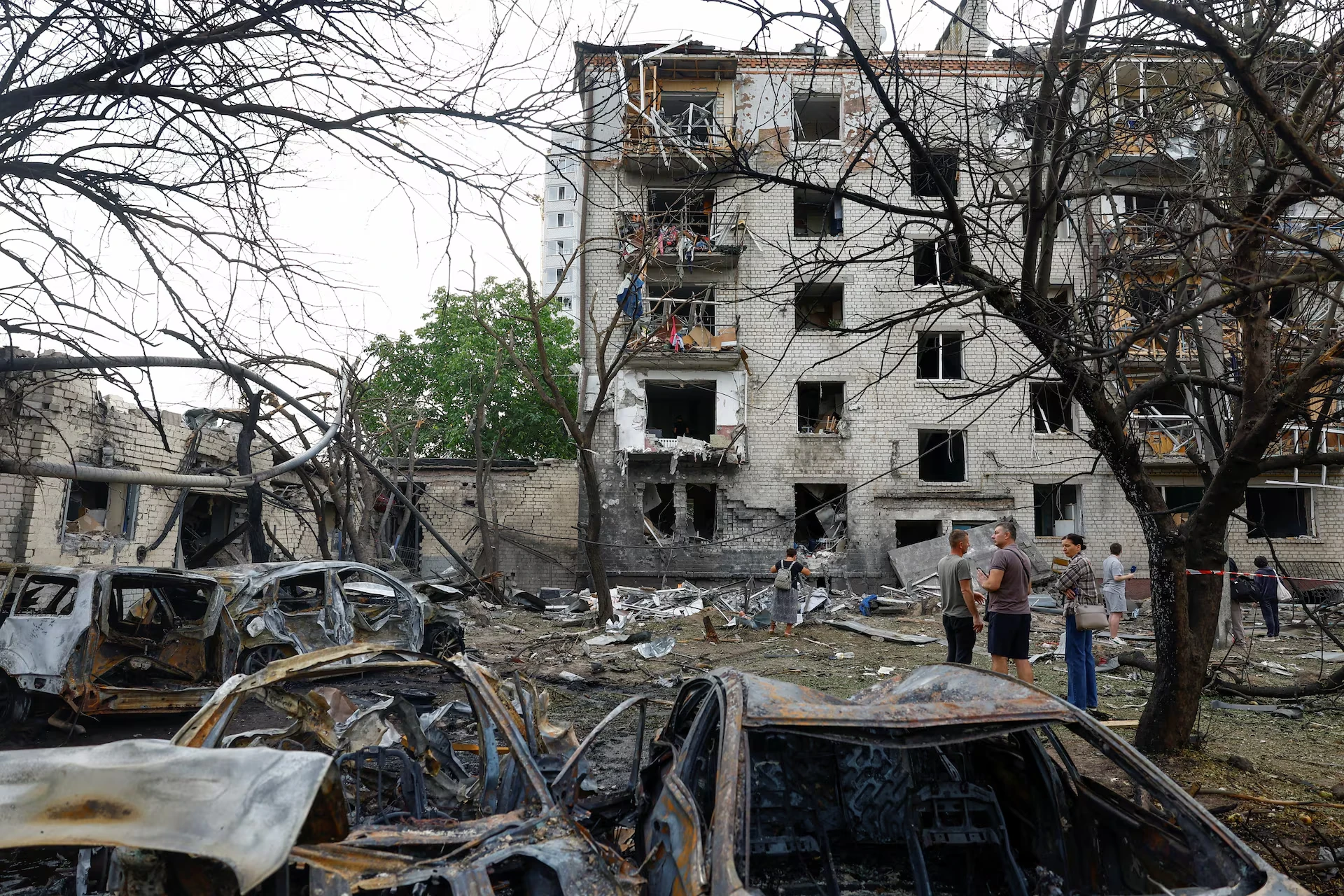






















Donald Trump’s permission for Ukraine to produce Patriot interceptor missiles was an important political signal, but it did not answer the central question of the war: how to protect cities, energy infrastructure and defense factories now, before new production exists. Kyiv has received a promise for the future while living under the strikes of the present.
That is why Ukraine’s bet does not stop with Patriot. Alongside the licensed-production path, another ambition is taking shape: a homegrown missile-defense system capable of intercepting Russian ballistic missiles. Fire Point, a company that has become one of the symbols of Ukraine’s wartime defense industry, is trying to build it.
Fire Point began the war in a country outnumbered by Russia in weapons, resources and industrial capacity. Now its missiles and drones strike targets deep inside Russian territory, and its Flamingo cruise missile has become a recognizable emblem of a new Ukrainian defense engineering culture — fast, bold and born not in comfort, but under the pressure of the front.
According to Daycom’s earlier analysis, the central question around Fire Point is whether Ukraine’s model of “engineering at the speed of war” can move from strike systems to missile defense. Intercepting a ballistic missile is a different level of difficulty, where improvisation helps but cannot replace physics, radars, algorithms and precision.
Patriot remains the only system that has proved capable of regularly intercepting Russian ballistic missiles. That is why every PAC-3 interceptor for Ukraine is measured not only in millions of dollars, but in saved power plants, command posts, residential districts and factory halls. It is a weapon of scarcity, not abundance.
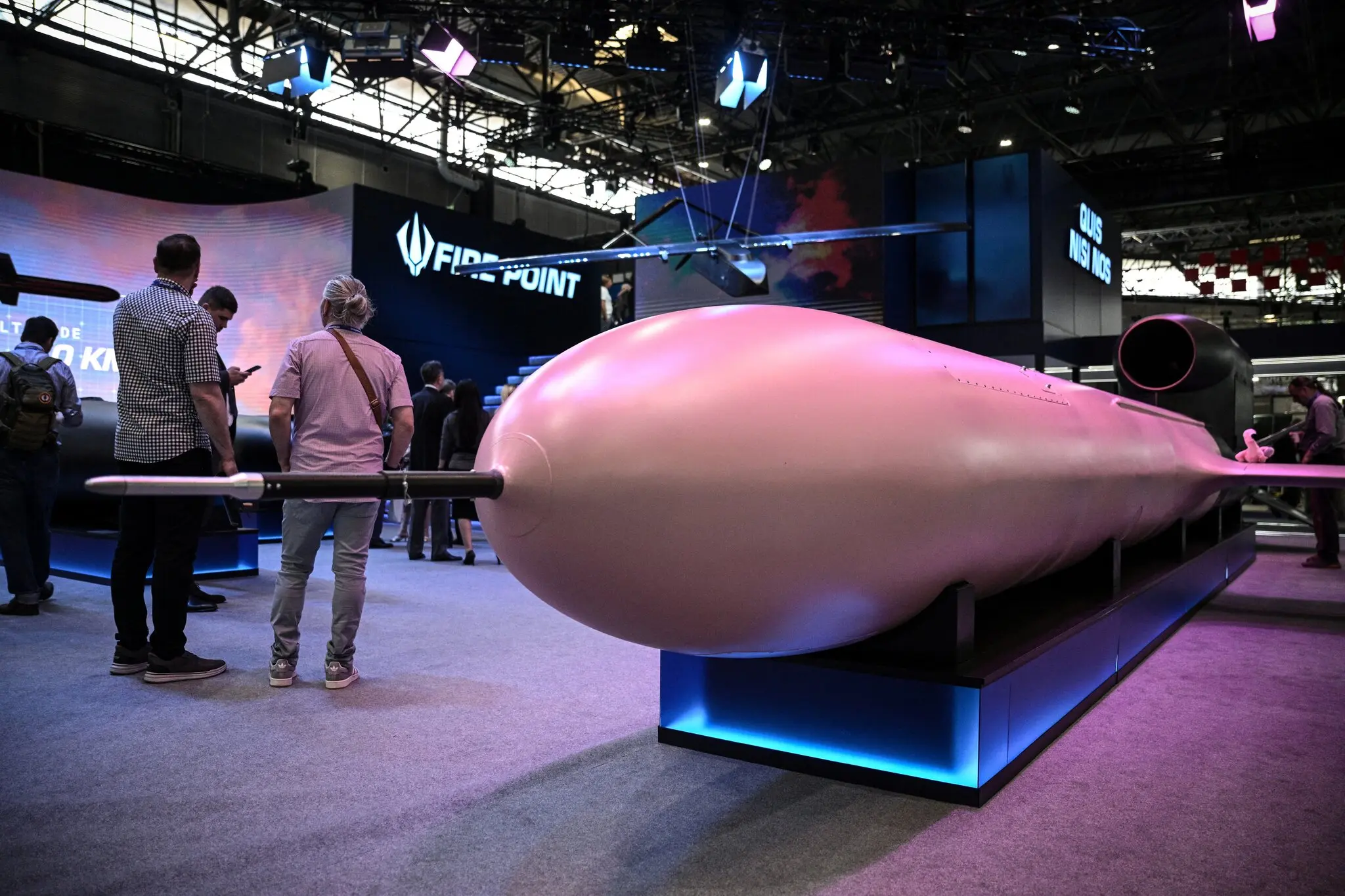
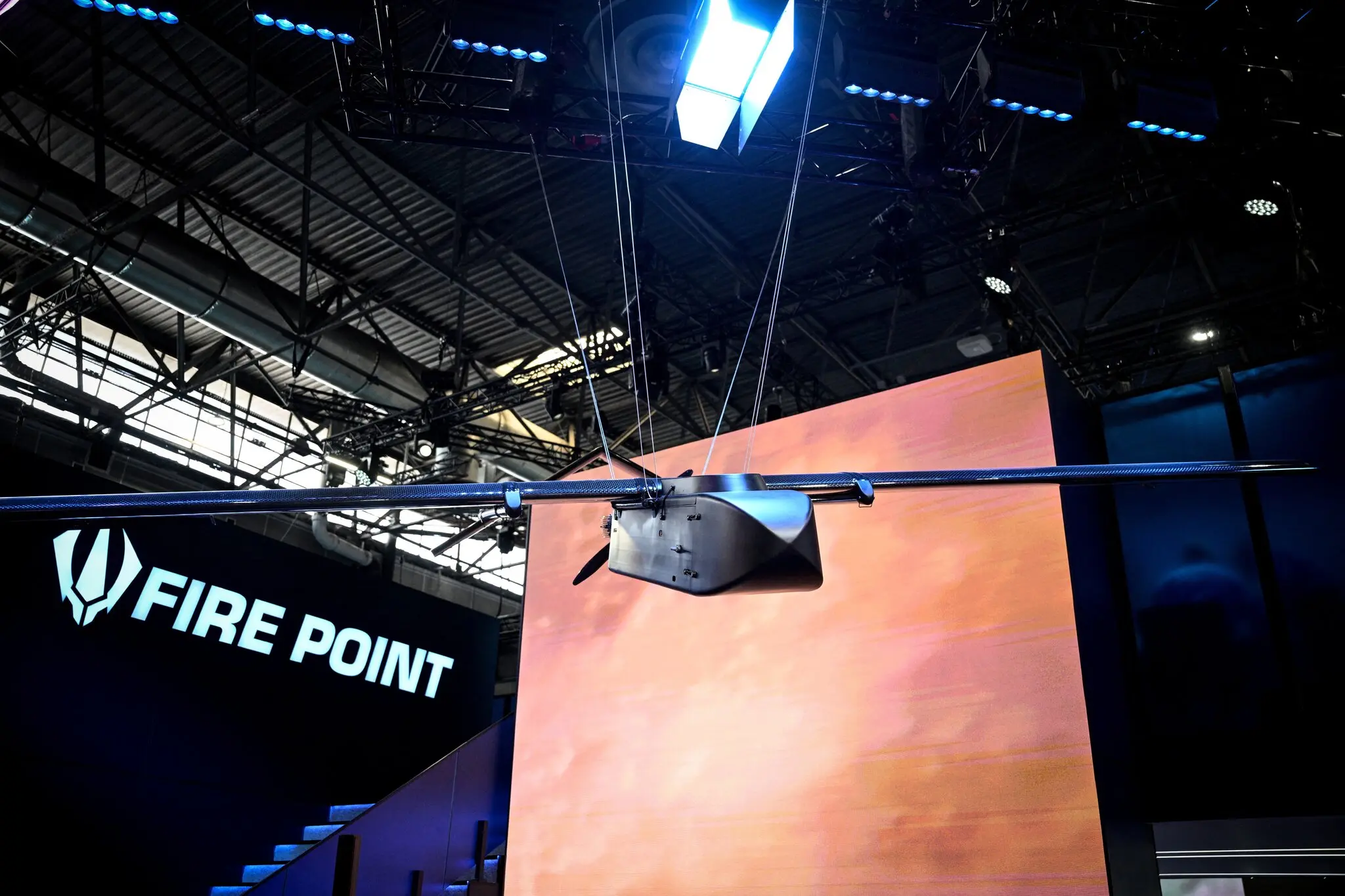 Бойовий безпілотник FP-1, представлений на стенді Fire Point на оборонній виставці Eurosatory у Парижі минулого місяця — Жюльєн Де Роза
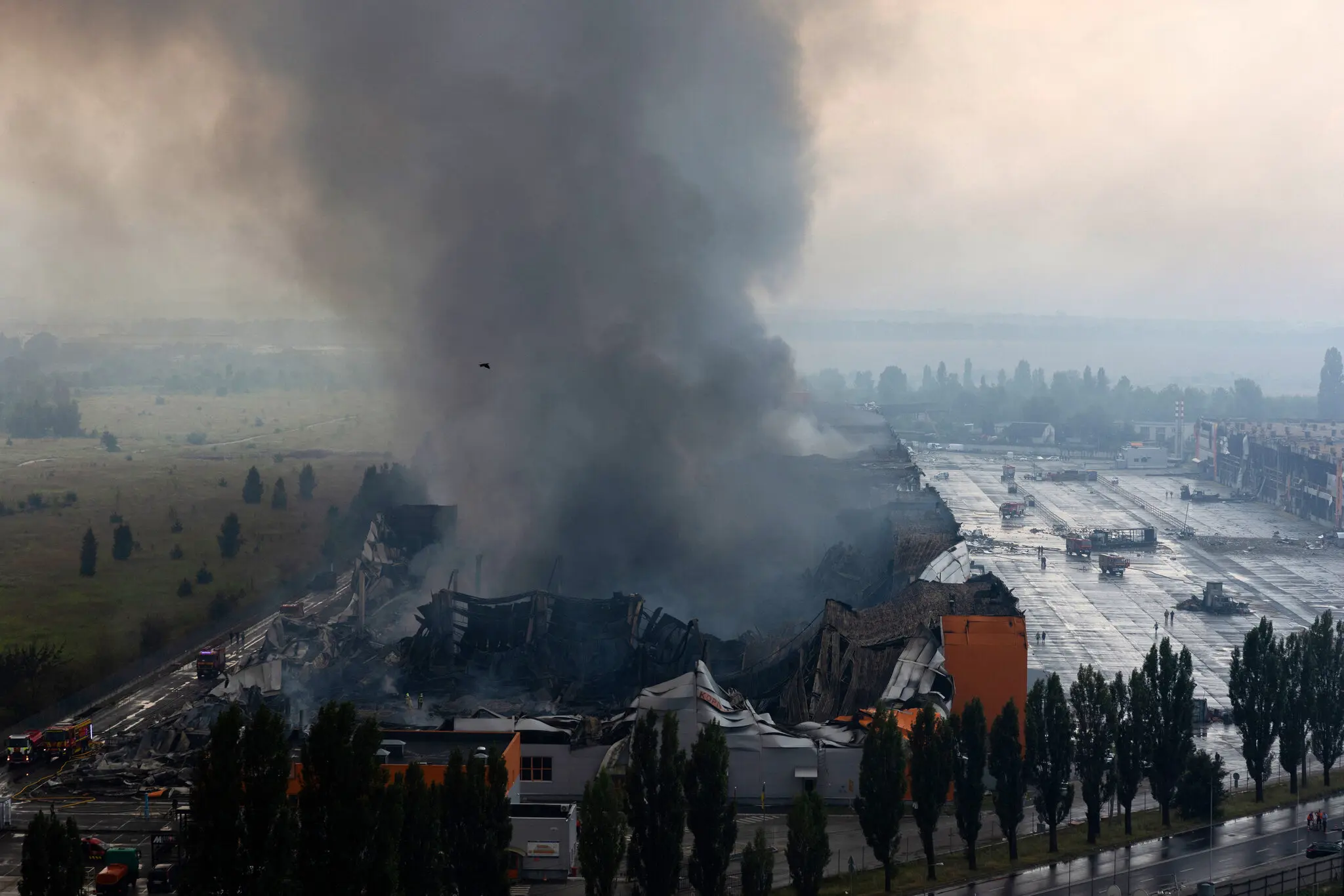
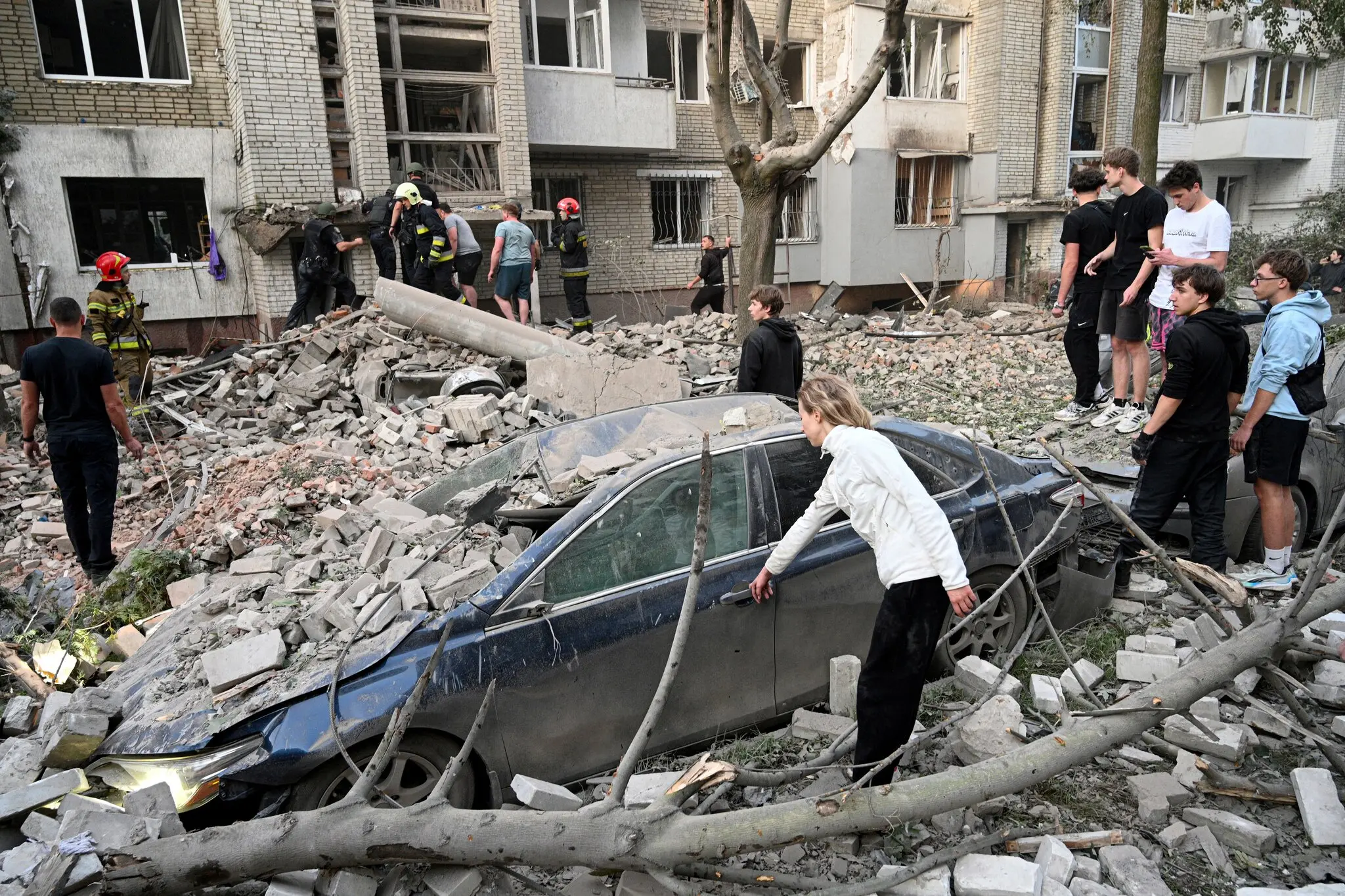
Russia sees this weakness clearly. In July, it sharply increased its use of ballistic missiles, calculating that Ukrainian air defense cannot cover every direction. When only part of dozens of launched missiles is intercepted, Moscow draws a simple conclusion: the pressure must continue because it drains not only infrastructure, but interceptor stocks.
That explains Kyiv’s strategic logic. Licensed Patriot production could become a breakthrough, but it requires years, companies, contractors, components, testing and political stability among allies. Ukraine cannot wait while Lockheed Martin, Raytheon, European partners and governments align a full industrial chain. It needs its own path.
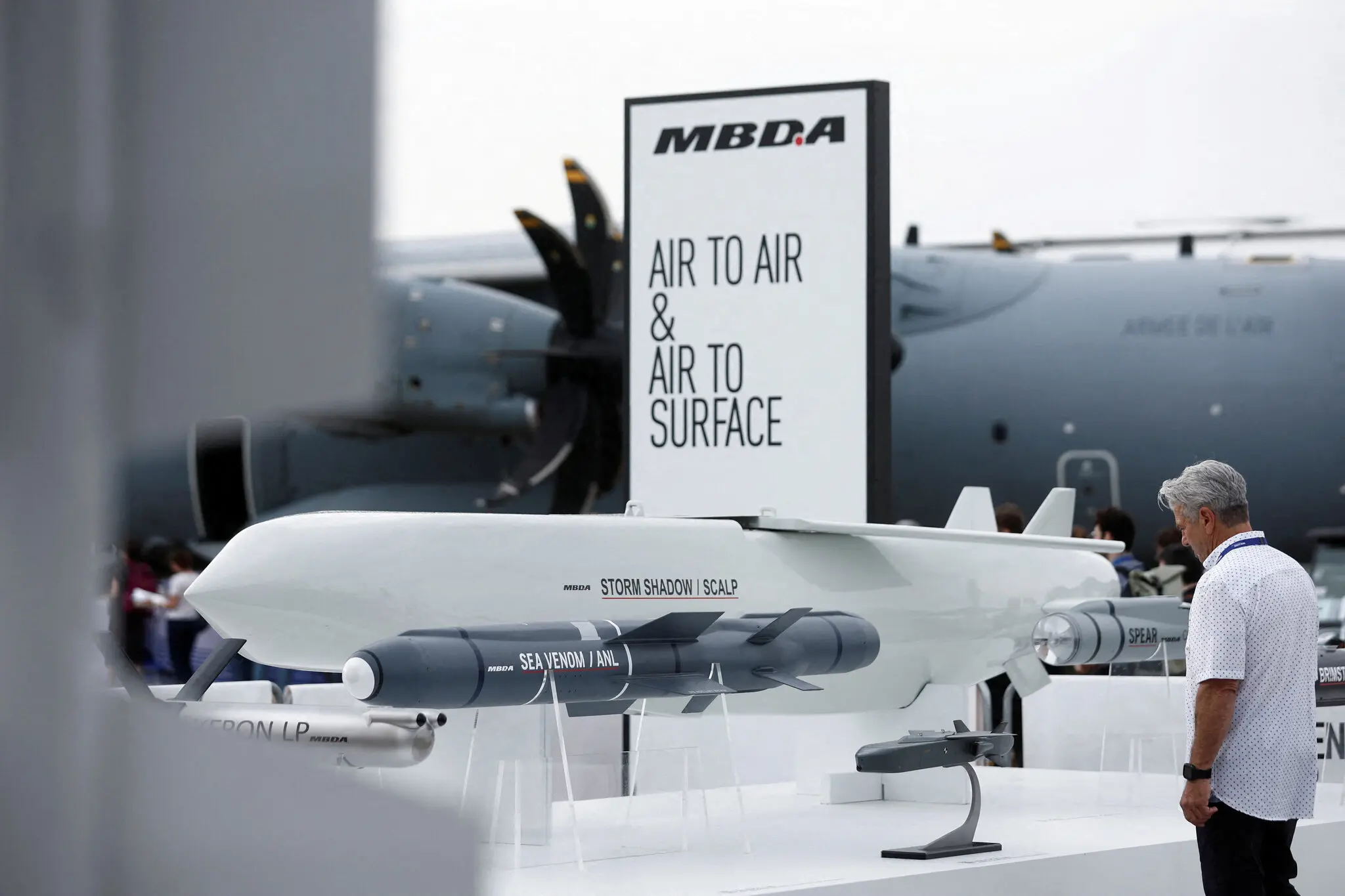
Fire Point describes its future project as a possible core of a pan-European antiballistic shield. The claim sounds bold, even deliberately so. But the ambition has logic: Europe is also searching for alternatives to American systems, because the global shortage of Patriot missiles after the war in Ukraine and the U.S. conflict with Iran has become a political and strategic fact.
The problem is that missile defense is the highest league of missile manufacturing. A drone can be improved through dozens of battlefield iterations. A cruise missile can be made cheaper, simplified and adapted to available materials. An interceptor against a ballistic target has no such margin for error. If the system is wrong by a moment or by a few meters, the target falls on a city.
A Patriot battery is not just a missile. It is a complex system of radar, a command post, launchers, communications links, software and combat doctrine. An interception begins not at launch, but at detection, trajectory calculation, data transfer and decision-making. A Ukrainian alternative must reproduce not one element, but an entire system.
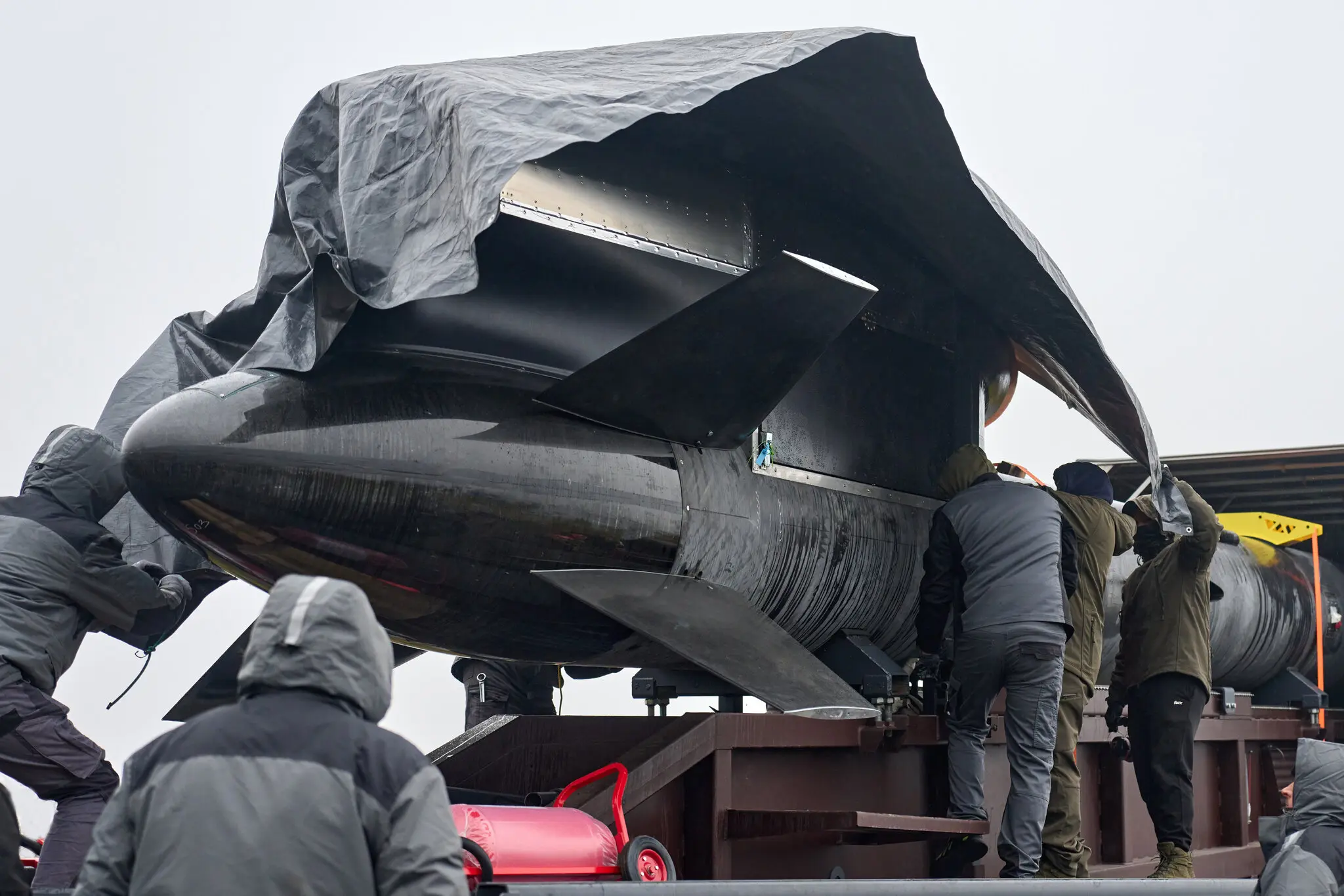
 Крилата ракета, розроблена компанією Fire Point, яка отримала прізвисько «Фламінго» — Жюльєн Де Роза
That is why Fire Point is negotiating with European defense companies over radars, data links and seekers. Without those components, even a good interceptor is only a body with an engine. To counter Iskanders and Kinzhals, Ukraine needs integration that cannot be replaced by patriotism or production speed.
Still, Ukraine’s advantage lies elsewhere. It has become a testing ground of real war, where weapons are judged not at exhibitions, but against an enemy that changes tactics every day. Fire Point grew in precisely that environment: from a small team to thousands of employees, from wartime improvisation to billion-dollar sales, from individual products to a claim on the system of the future.
That speed has a cost. Large defense contracts have already raised questions about transparency, pricing and state procurement. For a country fighting for survival, this is an especially sensitive area. A new defense industry must be fast, but not uncontrolled. Ukraine cannot afford either slow bureaucracy or a corrupt shadow in the sector on which its sky depends.
Yet the Fire Point phenomenon cannot be reduced to scandals or marketing bravado. Ukraine’s defense industry has genuinely created a new culture of production: cheaper, faster, closer to the front and shaped by constant feedback from soldiers. Sometimes that means looking for materials outside classic defense supply chains. Sometimes it means radical simplification. Sometimes it means risk.
For drones, that culture has already proved decisive. For missile defense, it is only now being tested. Fire Point wants to keep the cost of its future interceptor below $1 million. If it succeeds, Kyiv will not receive a full replacement for Patriot, but a cheaper defensive layer that could relieve part of the pressure on scarce American missiles.
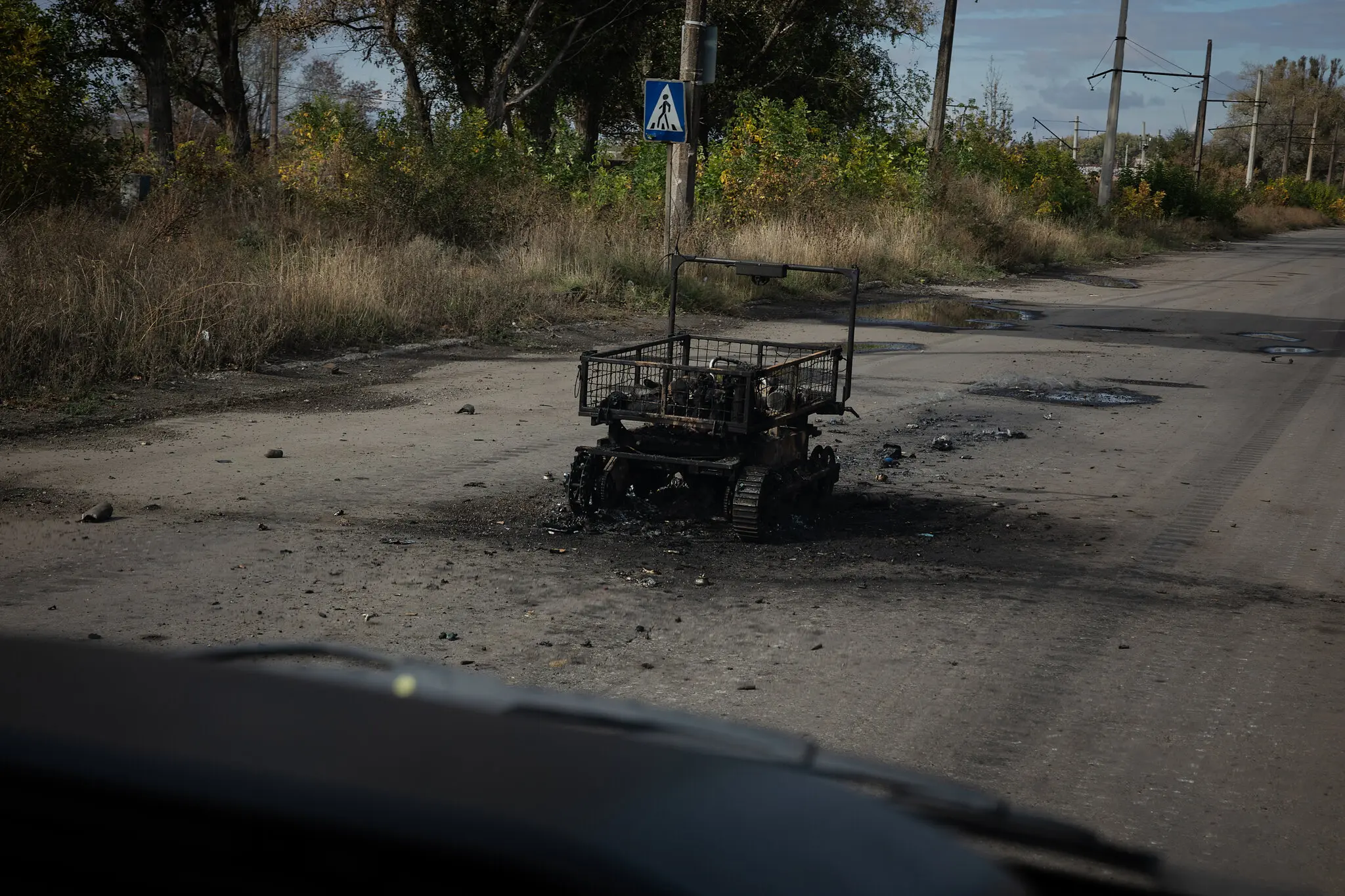
 Працівники пожежної точки доставляли ракети "Фламінго" українським військовим минулого грудня в нерозголошеному місці в Україні — Єфрем Лукацький
That matters because the classic model of firing two interceptors at one target quickly becomes unbearable in a war of attrition. The most advanced Patriot missiles cost millions of dollars. Ukrainian crews are often forced to conserve stocks and fire one missile where doctrine might call for two. In that arithmetic, every cheaper interceptor could change the rules.
But low cost must not create an illusion of simplicity. If Fire Point’s system operates closer to earlier PAC-2 standards, it may be useful but not universal. PAC-3 remains more effective against ballistic targets. Ukraine therefore needs not one answer, but a layered shield: Patriots, European systems, domestic interceptors, radars, passive protection and strikes against the sources of Russian launches.
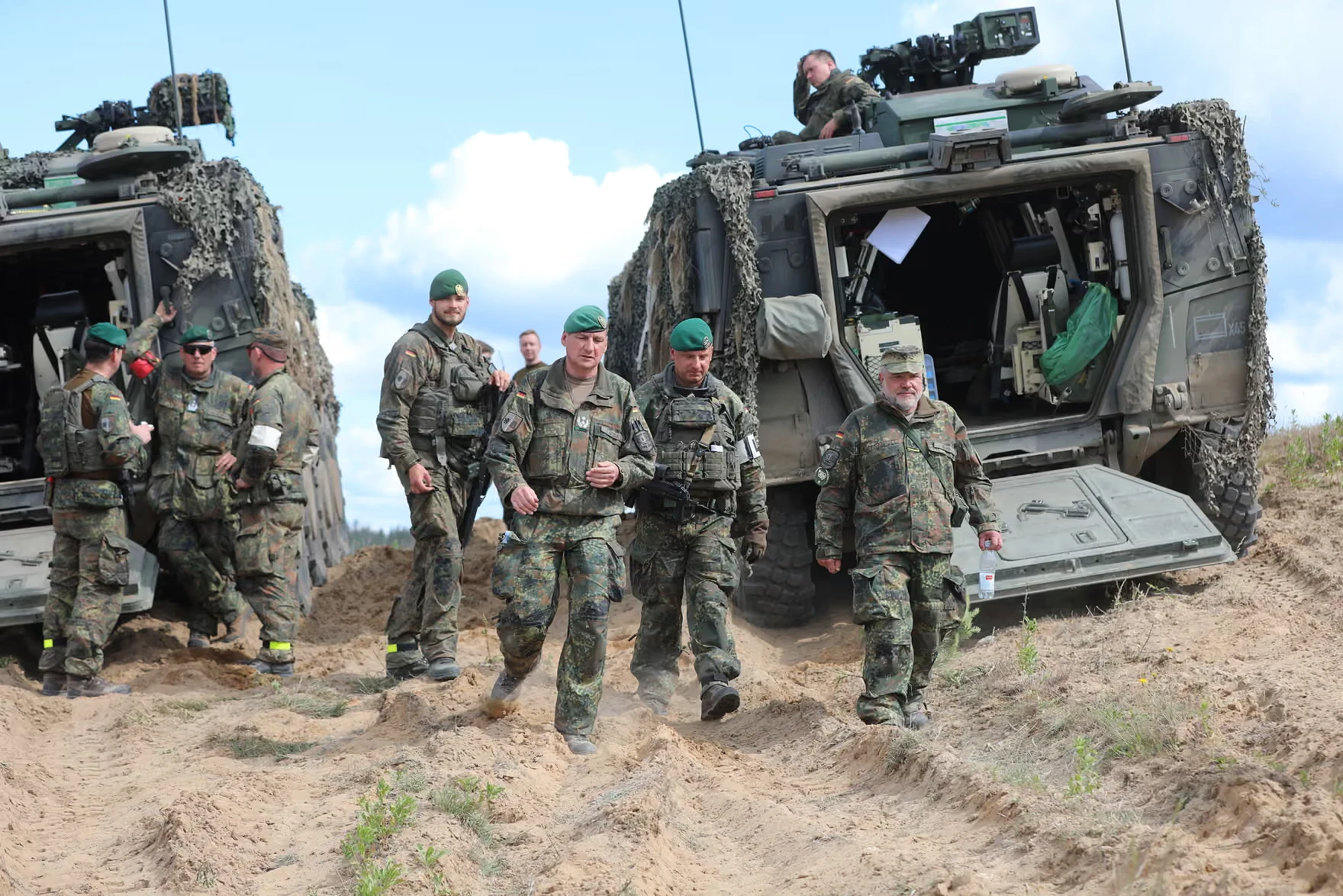
That approach matches a broader European anxiety. Estonian, German, French, Israeli and South Korean solutions are increasingly viewed not as distant alternatives, but as pieces of a future security architecture. After Trump’s demands that Europe take more responsibility for its own defense, dependence on American systems has become politically vulnerable.
For Ukraine, “technological sovereignty” has stopped being a slogan. It means the ability to produce what the state cannot survive without. If interceptors depend only on decisions in Washington, every shift in political mood becomes a threat. If at least part of the chain moves to Ukraine or Europe, the security horizon changes.
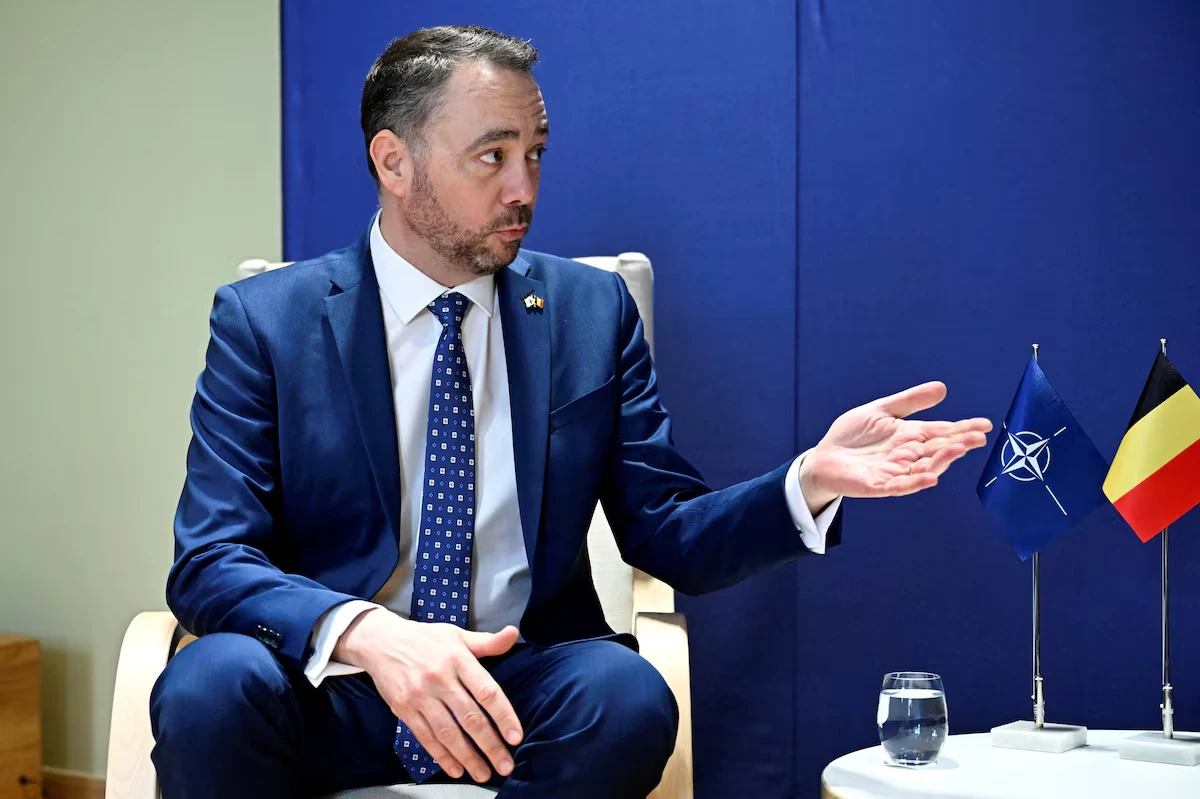
After meetings in Paris, Zelensky has spoken of Europe’s ability to create enough protection against any ballistic threat. It is an ambitious formula, but it reflects a new reality: the war in Ukraine has forced Europe to think of missile defense not as an American service, but as its own infrastructure of survival.
The coming year will show whether Fire Point becomes a genuine breakthrough or only a symptom of a larger shortage. The company has already proved it can build weapons that strike Russia. Now it must prove something far harder: that Ukrainian industry can not only attack, but also intercept the enemy’s most dangerous strikes.
This will be a test not only for Fire Point. It will be a test for the entire Ukrainian defense model, which has grown during the war faster than any peacetime system would have allowed. If it learns to build effective missile defense, Ukraine will change not only its own security, but Europe’s place in the new military-technological hierarchy.
Trump has opened the door to Patriot. But Ukraine’s strategy is already looking beyond it. Kyiv does not simply want American missiles; it wants its own ability to close the sky. In this war, dependence on allies saves lives, but domestic production may decide whether the country is strong enough to survive the next wave of Russian ballistic strikes.