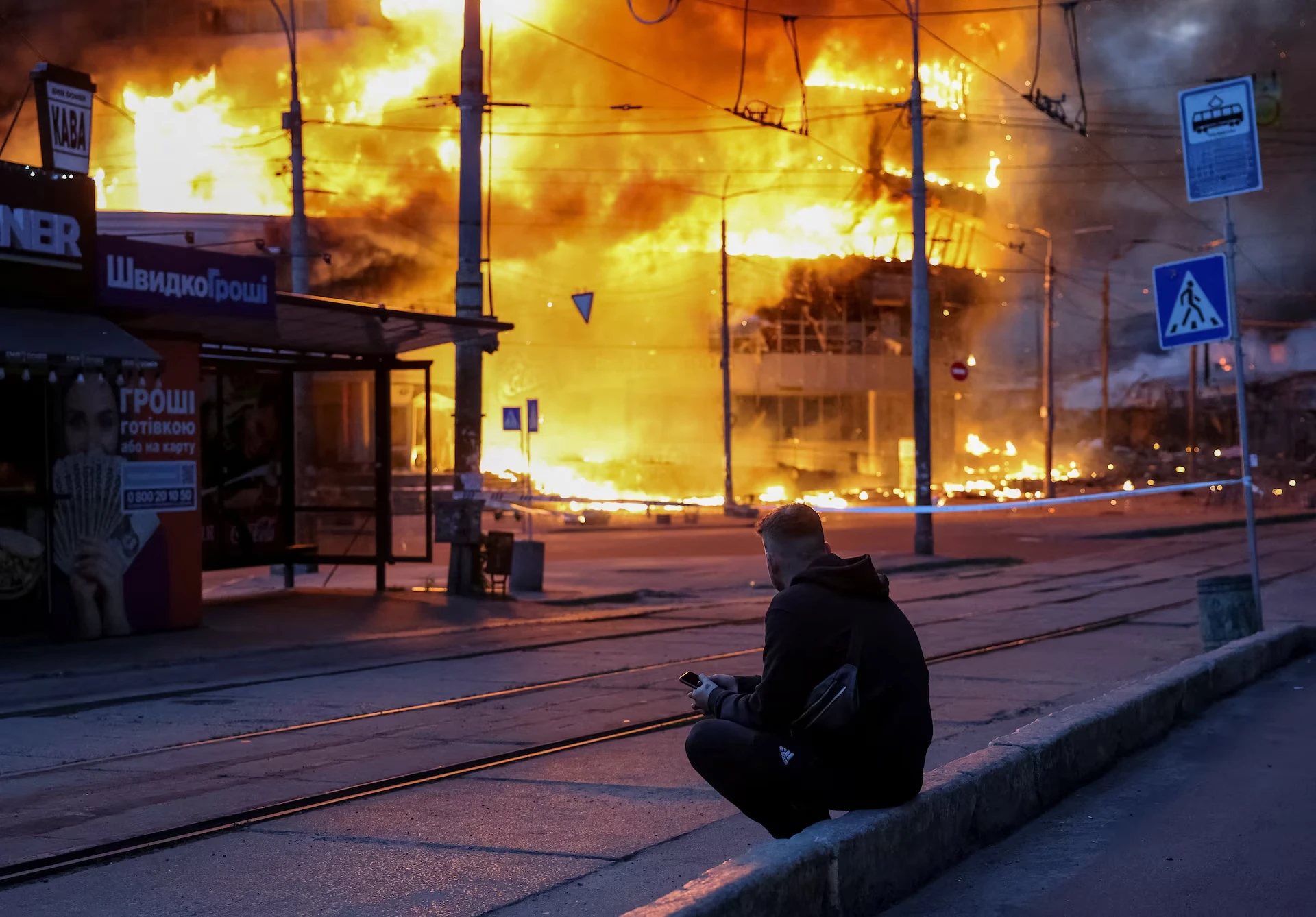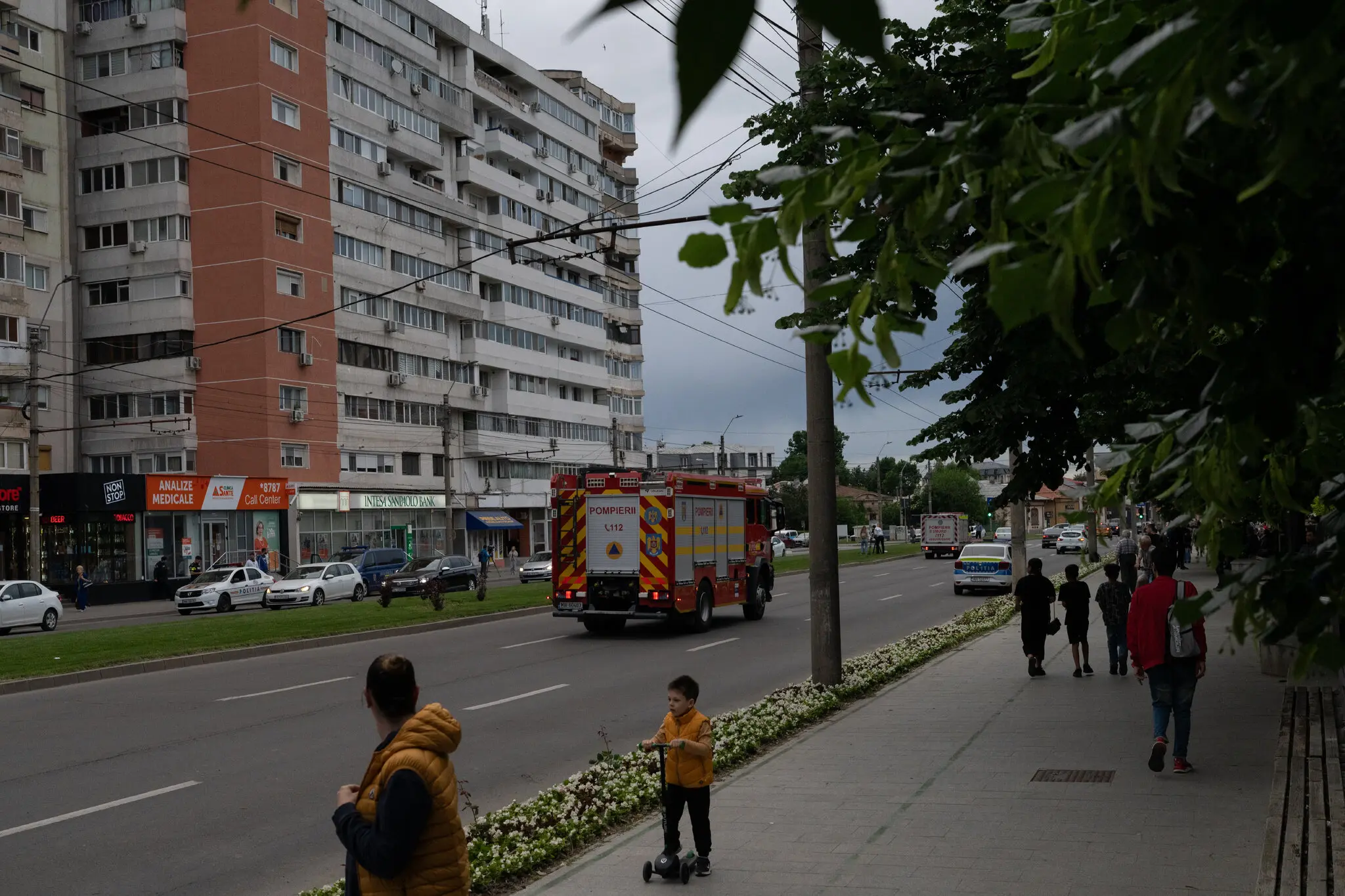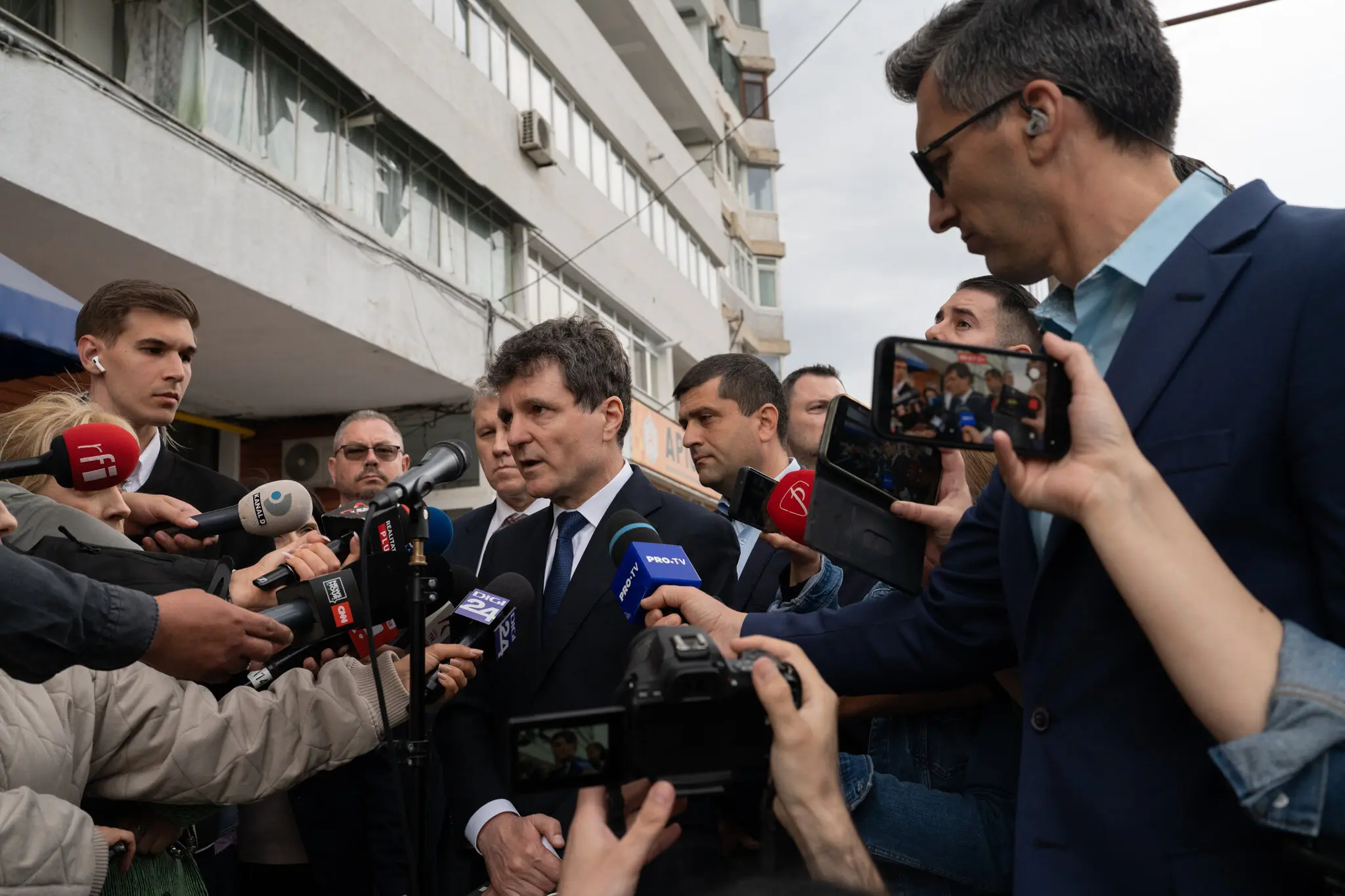




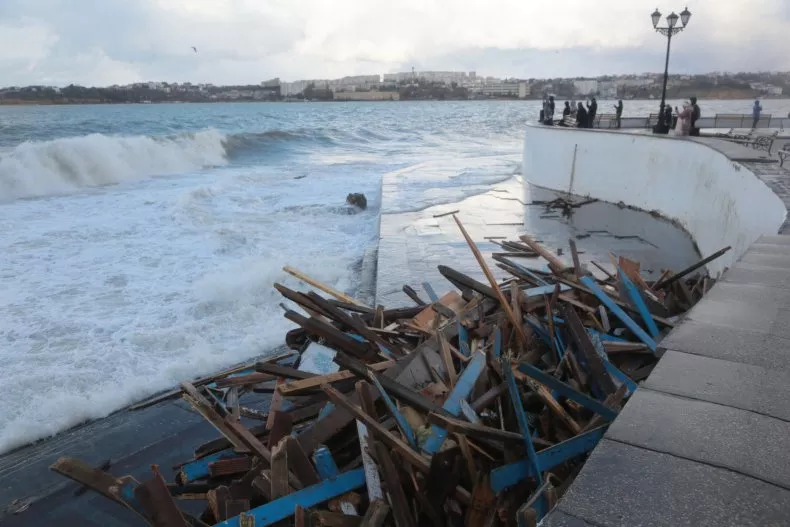





















Overnight Ukrainian drone strikes on Russian energy infrastructure no longer look like isolated episodes. They are becoming a systematic campaign aimed not at symbols, but at fuel, logistics, oil refining and Russia’s ability to sustain a long war.
This time, targets were hit across several Russian regions: the Saratov oil refinery on the Volga River, the Lazarevo oil pumping station in the Kirov region and a fuel depot in Matveyev Kurgan in the Rostov region. The geography of the attack matters as much as the list of targets itself.
Saratov lies roughly 700 kilometers from the front line. The Kirov region is even farther away, about 1,300 kilometers from Ukrainian-held territory. That means Ukraine’s long-range capability is no longer merely crossing the border zone; it is reaching deep into Russia’s infrastructure map.
According to Daycom’s assessment, the most important feature of this series of strikes is not the scale of the fires, but the choice of targets. Kyiv is increasingly attacking the chain that turns Russian oil into fuel for the army, money for the budget and political confidence in the Kremlin that the rear will remain untouchable.
Ukraine’s General Staff reported a strike on the Saratov refinery and a major fire at the site. Russian authorities acknowledged damage to “civilian infrastructure” without detailing the consequences. That gap in wording has become part of the information war: Ukraine points to the military-economic value of the targets, while Russia tries to place the strikes in the vague category of civilian damage.
Zelensky called the attack Ukraine’s “long-range sanctions.” The phrase carries clear political meaning. Western sanctions hit the Russian economy through restrictions, embargoes and technology controls. Ukrainian drones do it differently: by physically disabling parts of the infrastructure that keeps the war running.
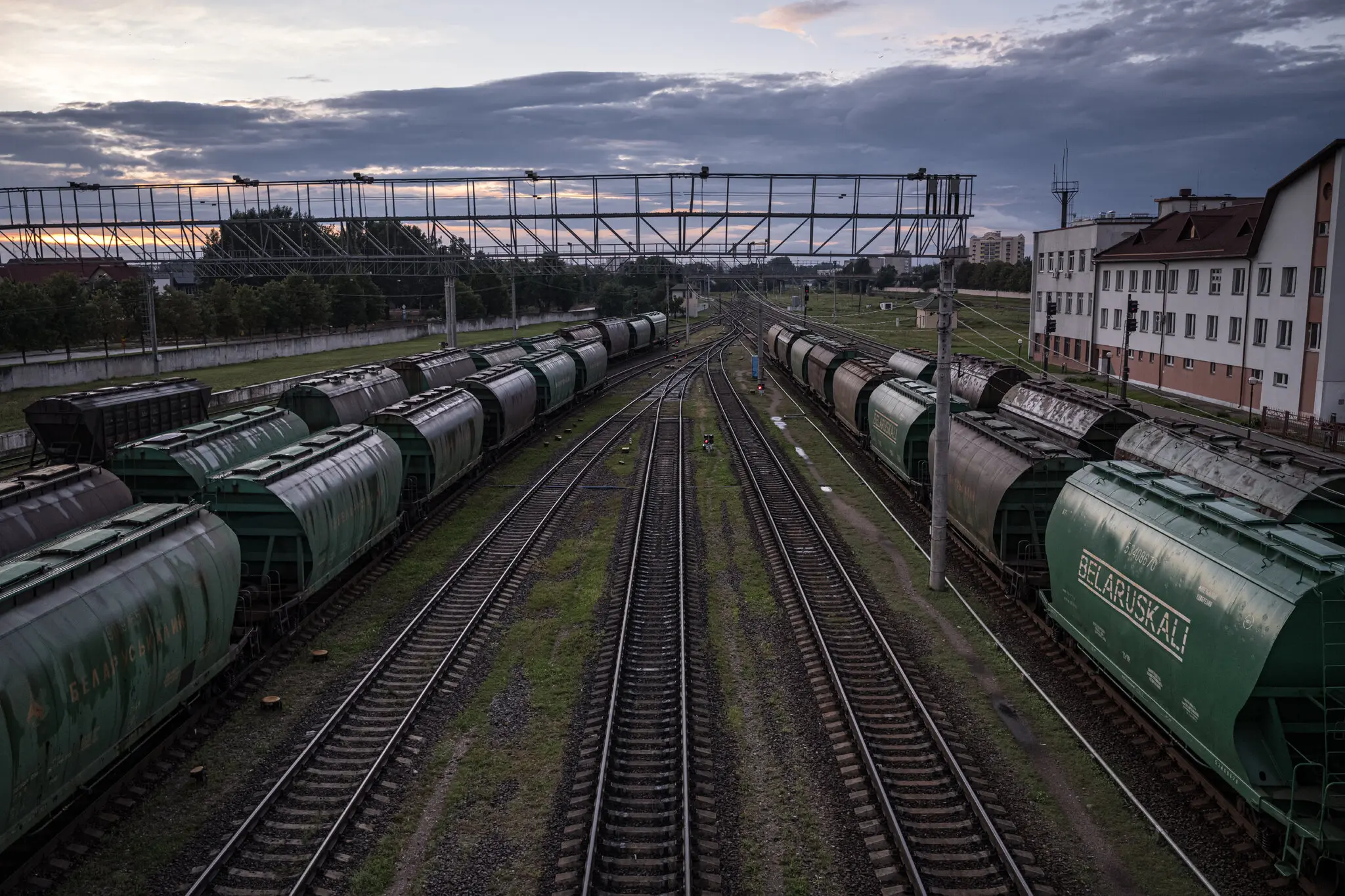
The Lazarevo station has a different significance. It is linked to a route carrying Russian oil from Siberia toward Belarus. A strike on such a node is not merely an attack on a single fuel tank. It is an attempt to disrupt a transport system where repairs, delays or changes in operating mode can create wider logistical strain.
The fuel depot in Matveyev Kurgan sits close to the occupied part of Ukraine’s Donetsk region. There, the strike has a more direct front-line dimension. The Rostov region has long served as a rear corridor for Russian forces fighting in southern and eastern Ukraine, making fuel storage sites in the area anything but accidental targets.
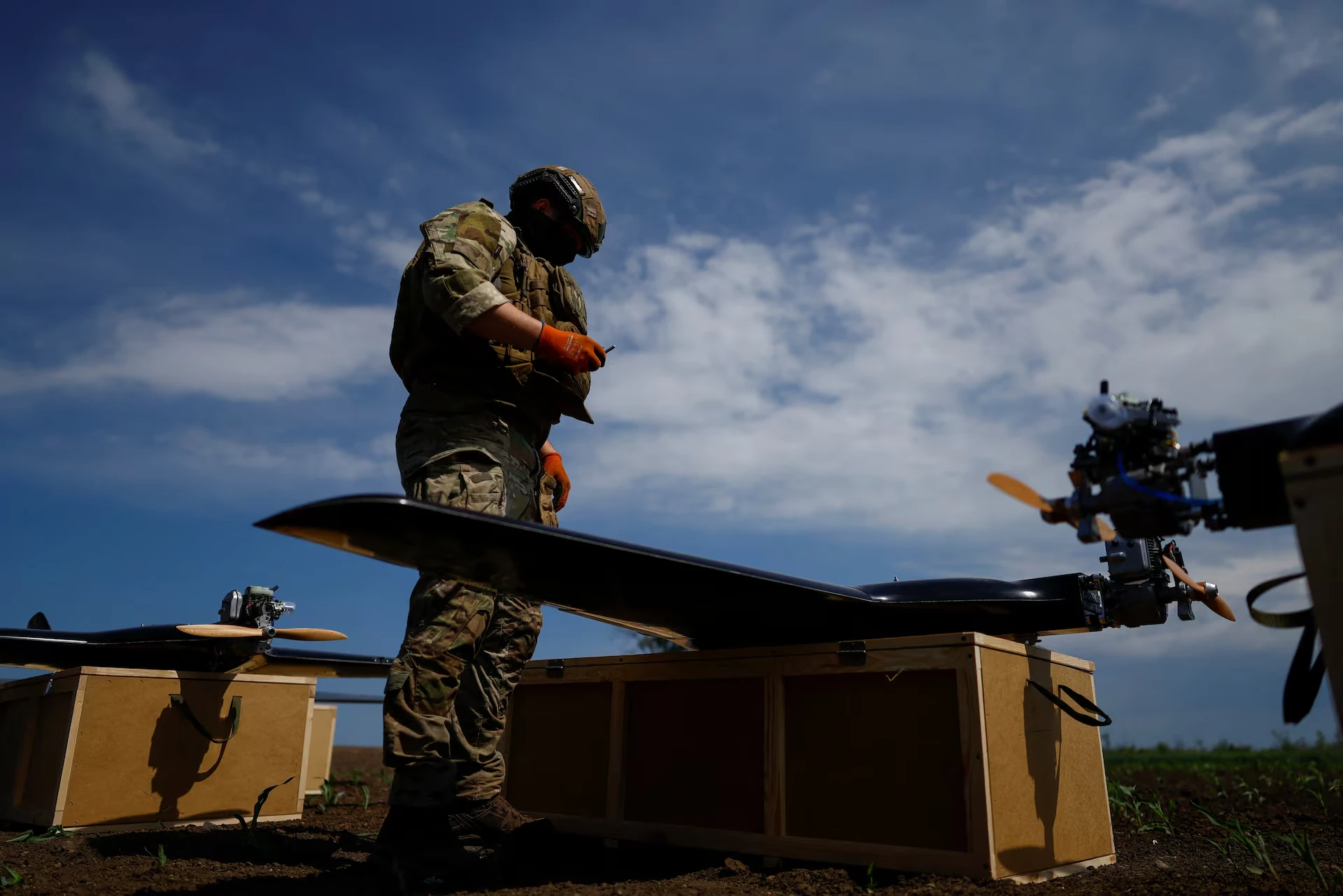
Russia’s Defense Ministry said it had shot down 216 Ukrainian drones overnight. Even if many drones failed to reach their targets, the number itself shows a new level of air warfare. Mass becomes a method of penetration: some drones distract air defenses, others exhaust them, and some search for weak points before breaking through.
That same night, Russia launched 229 drones at Ukraine, 212 of which were intercepted by Ukrainian air defenses. This is the mirror image of the war’s new phase: both sides are expanding drone warfare, but their target sets differ. Moscow mainly attacks Ukrainian cities, energy systems and civilian infrastructure. Kyiv increasingly aims at facilities that feed Russia’s military machine.
That is why the campaign against Russian fuel infrastructure has a double effect. The first is practical: to reduce fuel availability, complicate repairs, logistics, stock redistribution and refinery operations. The second is psychological: to show Russians that the war the Kremlin keeps on television is gradually returning to their material space.
Restrictions on gasoline sales in occupied Crimea sent a separate signal. The local Russian-installed administration did not formally explain the reason, but against the backdrop of repeated strikes on fuel facilities in southwestern Russia, the move looks like part of a broader problem. Crimea depends on supply lines, logistics and vulnerable routes, and fuel there has both civilian and military significance.
For Ukraine, such strikes are a way to offset an imbalance in resources. Russia has a larger mobilization base, more missiles, more aircraft and a deeper industrial rear. Ukraine responds with precision, cheaper tools, technological adaptation and the ability to hit nodes where the economy intersects with the front.
But the campaign also carries risks. Russia repeatedly tries to frame Ukrainian strikes as attacks on civilian infrastructure or as threats to high-risk facilities. The most sensitive episode is Moscow’s renewed accusations around the Zaporizhzhia nuclear power plant, which Russian forces control and have used as a political lever since occupying the site.
Russia claimed a strike hit a garage at the Zaporizhzhia plant. Ukraine denied involvement. International inspectors recorded damage to a turbine building after a drone attack, while radiation levels remained normal. In this part of the war, every formulation requires caution, because the Kremlin has long turned nuclear risk into an instrument of blackmail.
The Zaporizhzhia plant remains dangerous precisely because of the occupation regime around it. It is not an ordinary industrial facility, and any incident on its territory carries broader international consequences. Moscow understands this, which is why it uses the nuclear issue to shift attention from its own responsibility for militarizing Europe’s largest nuclear power plant.
Against this backdrop, strikes on refineries, pipelines and fuel depots look like Kyiv’s attempt to keep attention on the resource base of Russian aggression. Oil gives Russia money, fuel, export resilience and the ability to wage war longer than an ordinary sanctioned economy would allow. That is why energy infrastructure has become one of the central arenas of long-range confrontation.
For years, Russia assumed it could destroy Ukrainian energy sites, ports, cities and logistics while keeping its own deep rear relatively protected. Ukrainian drones are breaking that asymmetry. They do not fully equalize the two sides’ capabilities, but they force Moscow to spend more defending plants, depots, pipelines and regions that previously did not live in wartime mode.
The coming months will show whether Ukraine can turn individual successful strikes into sustained economic pressure. That requires not only drones, but intelligence, production, repetition, accuracy and political endurance from partners. Russia’s oil system is large, but not infinitely flexible; repeated damage can accumulate into a broader effect.
This is no longer a war only for the front line. It is a war for tempo, depth and the endurance of infrastructure. Ukraine is showing that Russian oil, fuel depots and logistical nodes can no longer remain outside the price of aggression. And every new strike on Ukrainian cities is more likely to receive an answer where Russia is used to counting profits, not losses.