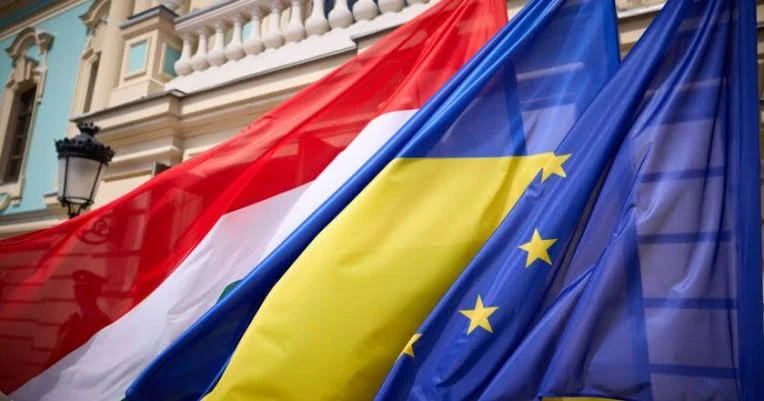














Hungary is voting in an election that has long since outgrown the limits of a domestic contest. On paper, this is a struggle for power in a country of fewer than ten million people. In reality, it is a test of whether one of Europe’s most durable populist systems can survive the moment when public fatigue with it has become impossible to ignore.
For Viktor Orbán, these are the most dangerous elections in years. After sixteen uninterrupted years in power, he enters voting day not as the unquestioned master of the field, but as a leader whose advantage is no longer treated as a natural fact. That shift alone changes the atmosphere. The country is no longer voting in the mood of routine confirmation. It is voting in the shadow of a possible break.
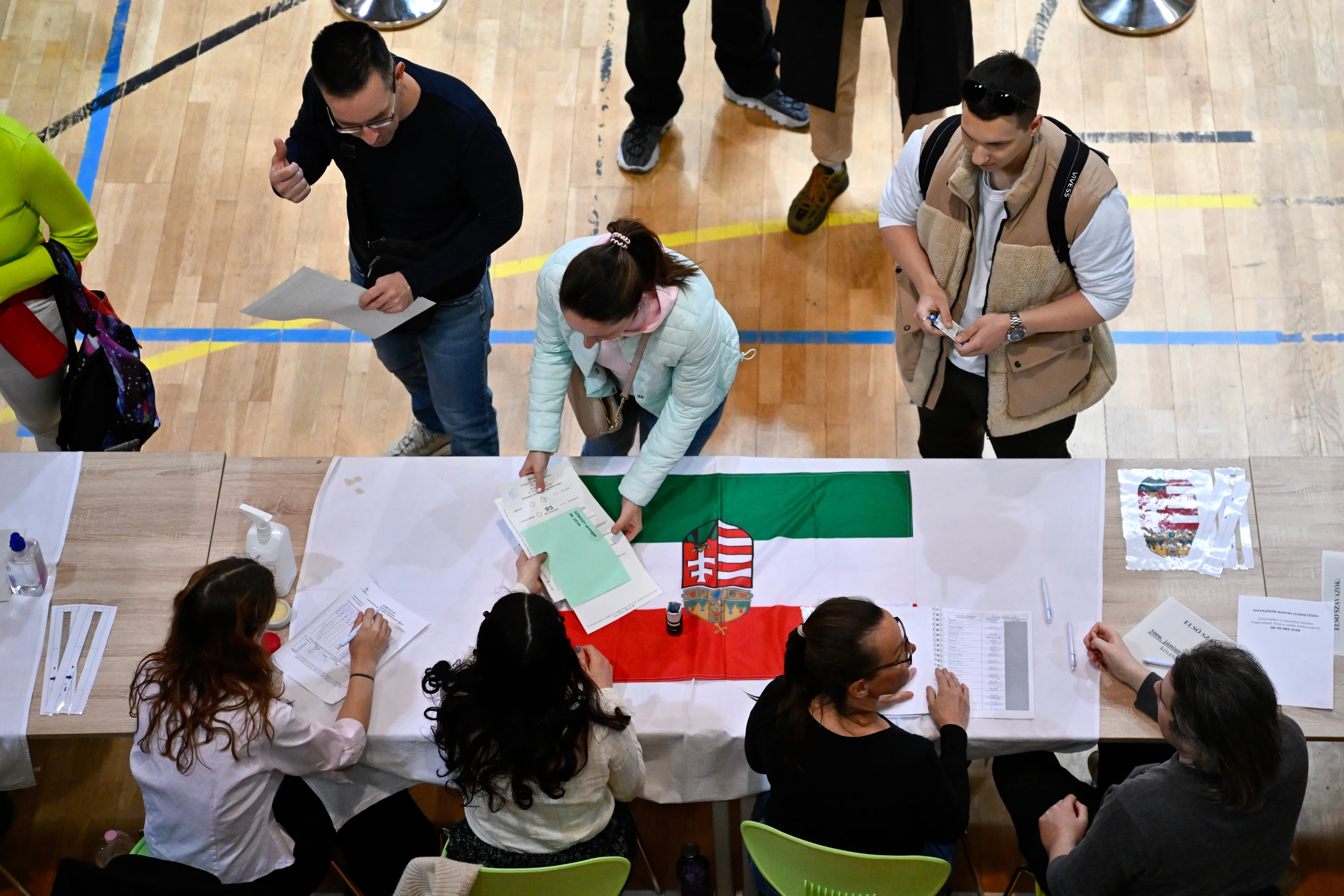
Record turnout only sharpens that sense of rupture. By mid-afternoon, participation had risen to around 66 percent, well above the level seen at the same point in the 2022 election. Long lines outside polling stations in Budapest were more than a visual detail. They were a political sign that voters were behaving as though the outcome were genuinely open.
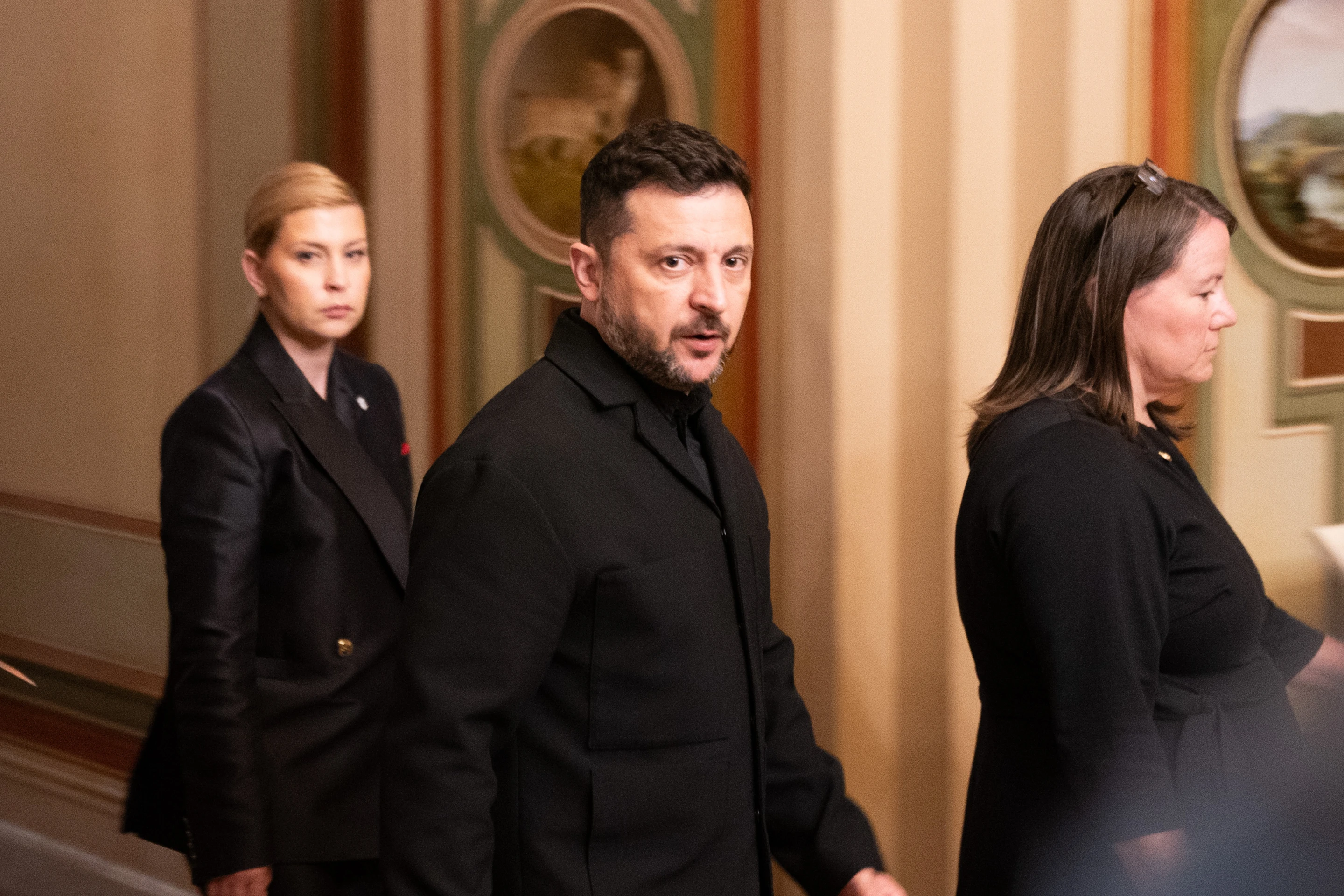
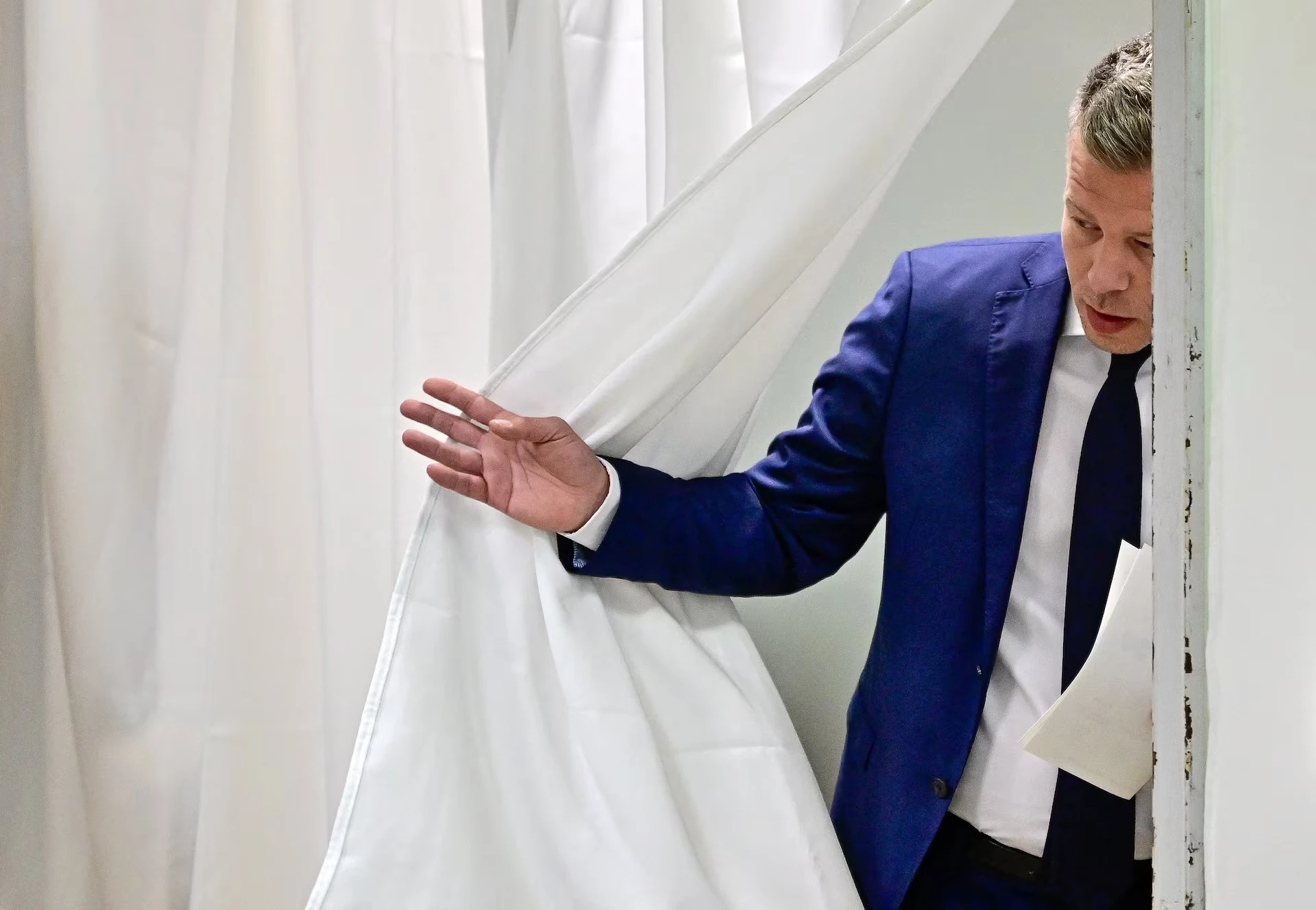
 Петер Мадяр, лідер опозиційної партії «Тиса», виступає перед ЗМІ після голосування на парламентських виборах у Будапешті, Угорщина, 12 квітня 2026 року — Леонард Фогер
According to Daycom’s earlier assessment, that is already a dangerous development for a system that has long depended not only on control, but on the aura of inevitability. Orbán’s power was built not merely on repeated victories, but on the conviction that no matter how much anger accumulated, the final result would still bend back toward him. Once that psychological certainty begins to crack, even a disciplined machine starts to look less permanent.
The threat to Orbán lies not only in the numbers, but in the nature of the challenge itself. Péter Magyar did not come from some alien ideological world, nor is he asking conservative Hungary to renounce its instincts. He emerged from inside Orbán’s own political universe and turned frustration with corruption, falling living standards and prolonged economic stagnation into an alternative that feels legible even to voters who once accepted Fidesz as the only serious option.
That is precisely where the weakness of Orbán’s system begins to show. For years he won by shifting politics into the register of symbolic defense: migration, Brussels, liberal Europe, moral decline in the West, the danger of war. But this campaign kept dragging the debate back to the ground — to prices, hospitals, transport, wages, and the spreading feeling that the state is becoming less and less capable of serving ordinary life. When a grand ideological machine collides with the wear and tear of everyday reality, even the most controlled government begins to lose its monopoly on meaning.
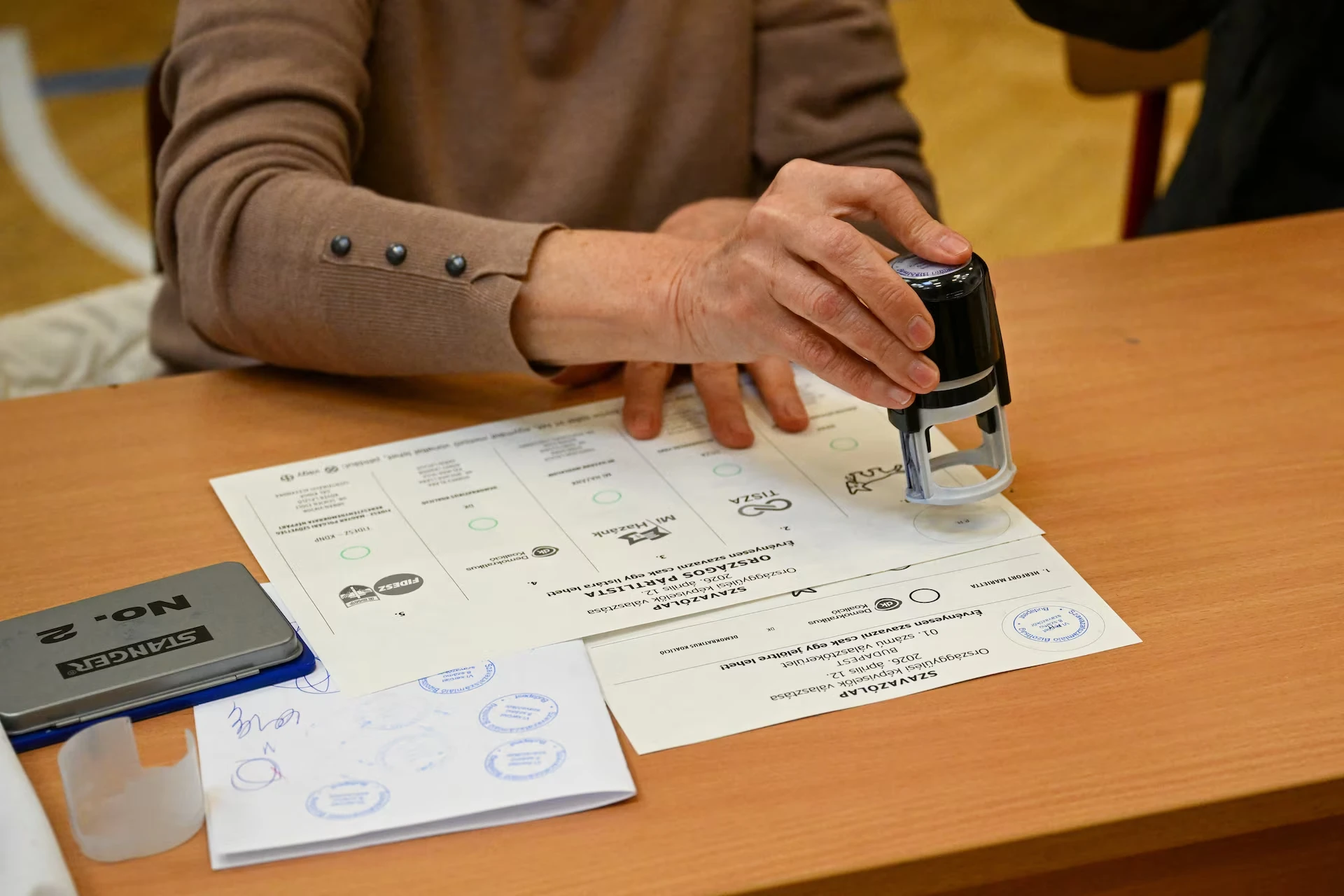 Член виборчої комісії працює на виборчій дільниці під час парламентських виборів у Угорщині в Будапешті, Угорщина, 12 квітня 2026 року — Елізабет Мандл
Orbán tried once again to impose his familiar frame. He described the election as a choice between war and peace, while the government’s campaign machinery blanketed the country with warnings that his opponents would pull Hungary into Russia’s war against Ukraine. It was the classic method of Orbánism: when you cannot convincingly win the argument about the quality of the state, shift the argument toward security, sovereignty and external danger. But this time the maneuver no longer carries the same aura of command.
The election matters so intensely because Orbán has long ceased to be merely Hungary’s prime minister. For much of the global right, he is proof that it is possible to govern for years from within the European Union, weaken liberal institutions, discipline the media, quarrel with Brussels and still retain electoral legitimacy. His model of “illiberal democracy” became not just a national formula, but a political export, studied and admired far beyond Budapest.
That is why the vote is being watched so closely in Washington, in Moscow and across European capitals. Another Orbán victory would suggest that his model can still reproduce itself through elections even after visible public exhaustion. A defeat, by contrast, would strike not only at one government, but at an entire political mythology in which Orbán served as evidence that right-wing populism could harden into a durable governing order inside the West.
The Russian dimension gives the election another layer of importance. For years Orbán remained Moscow’s closest political partner inside the European Union, slowing decisions on Ukraine and turning Hungary into a persistent internal problem for European cohesion. A change of power in Budapest would therefore mean more than a domestic rotation. It could weaken one of the most sensitive channels through which Russian influence has echoed inside European politics. For Ukraine, too, the consequences would be direct: the disappearance of Hungary’s blocking role could alter the fate of major financial decisions long held up in Budapest.
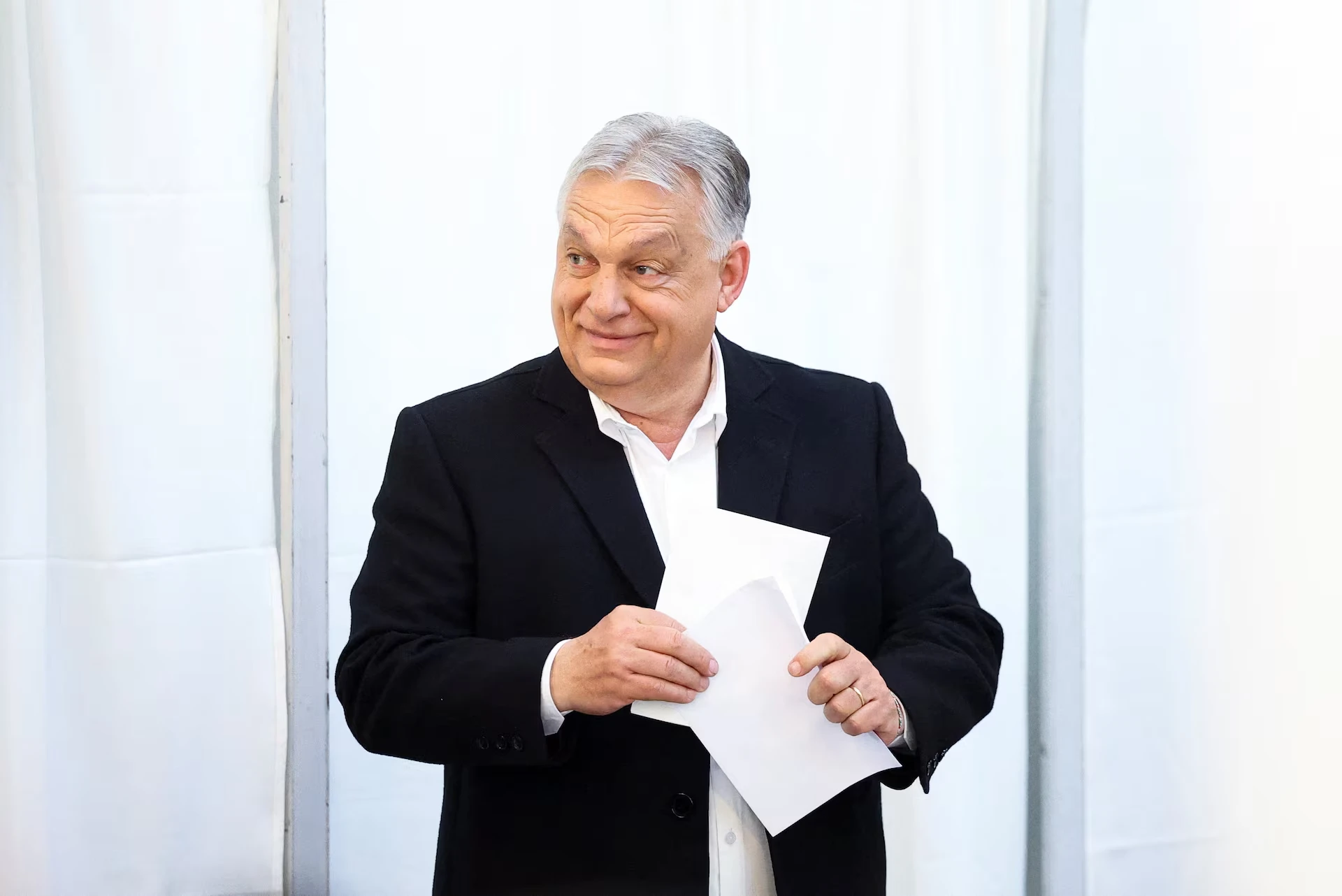
Yet the drama of this election lies in the fact that even a Magyar victory would not guarantee a clean exit from the Orbán era. The Hungarian system, after sixteen years, is no longer just political. It is institutional. Redrawn districts, altered rules, media asymmetry, administrative reflexes and dense networks of loyalty mean that a simple majority of votes does not necessarily translate into a simple transfer of power. The question is not only who wins, but whether a victory would be large enough to pierce the armor of the system itself.
That is the central paradox of the day. The country may vote for change and still discover that the architecture of power was built precisely to soften, delay or absorb the consequences of that choice. This is what makes the Hungarian election so important beyond Hungary. The issue is no longer merely the fate of one cabinet. It is whether a democracy that has lived for years under managed imbalance can recover the real possibility of alternation in power.
Hungary is deciding not only who will form the next government. It is deciding whether political life after Orbán can truly be imagined. If he survives, he will once again show that illiberal democracy can keep winning even when society is visibly tired of its tone, its methods and its promises. If the system cracks, the signal will travel far beyond Budapest: eras that look unbreakable do not end when fear disappears, but when belief in their inevitability begins to fail.