























On April 12, 2026, Hungarians are voting for all 199 seats in the National Assembly. Formally, this is another parliamentary election. In substance, it is the most dangerous political moment for Viktor Orbán since 2010, when Fidesz began constructing a system built not only on electoral discipline, but on control over the agenda, the media environment, and the rules of competition themselves.
What makes this campaign different is that Orbán is not facing a tired opposition coalition stitched together from incompatible parties and exhausted brands. For the first time, he faces a single, recognizable challenger: Péter Magyar and his TISZA movement. His campaign has not been driven by abstract anti-Orbán rhetoric alone, but by a sharper and more practical set of grievances — corruption, inflation, hospitals, public services, relations with the European Union, and the wider sense that the state has grown stale.
That is precisely why this election has become so sensitive for the government. As Daycom noted in an earlier analysis, a political system becomes vulnerable not when public frustration exists, but when that frustration acquires a clear vehicle, a disciplined message, and a credible electoral form. Orbán’s real problem is not discontent itself. He has governed through discontent before. The danger lies in the fact that, for the first time, that dissatisfaction is being articulated by a figure capable of speaking to the broader electorate in the language of everyday life rather than ideological crusade.
On April 12, 2026, Hungarians are voting for all 199 seats in the National Assembly. Formally, this is another parliamentary election. In substance, it is the most dangerous political moment for Viktor Orbán since 2010, when Fidesz began constructing a system built not only on electoral discipline, but on control over the agenda, the media environment, and the rules of competition themselves.
What makes this campaign different is that Orbán is not facing a tired opposition coalition stitched together from incompatible parties and exhausted brands. For the first time, he faces a single, recognizable challenger: Péter Magyar and his TISZA movement. His campaign has not been driven by abstract anti-Orbán rhetoric alone, but by a sharper and more practical set of grievances — corruption, inflation, hospitals, public services, relations with the European Union, and the wider sense that the state has grown stale.
That is precisely why this election has become so sensitive for the government. As Daycom noted in an earlier analysis, a political system becomes vulnerable not when public frustration exists, but when that frustration acquires a clear vehicle, a disciplined message, and a credible electoral form. Orbán’s real problem is not discontent itself. He has governed through discontent before. The danger lies in the fact that, for the first time, that dissatisfaction is being articulated by a figure capable of speaking to the broader electorate in the language of everyday life rather than ideological crusade.
Late-campaign polling largely worked against the governing party. Several notable surveys placed TISZA ahead, and some seat projections suggested a result for Magyar’s party that would have seemed implausible only months ago. That shift matters in itself. For years, the central question in Hungarian politics was how large Orbán’s next victory would be. Now the argument has changed: can he hold on at all?
And that is where the real knot of this election begins. In Hungary, winning the national vote does not guarantee control of parliament. Of the 199 seats, 106 are decided in single-member districts, and that part of the system has long been one of Fidesz’s most valuable structural advantages. Hungary’s electoral model allows a disciplined ruling party with a strong territorial machine to offset a weaker national showing through constituency wins, localized mobilization, and targeted strength where an opposition wave begins to thin.
So the decisive question today is not simply who leads in the polls. It is whether TISZA’s polling advantage can be converted into victories across districts, smaller towns, rural Hungary, and older segments of the electorate that have traditionally been more stable in their support for Orbán. The national number creates the impression of a turning point. The real outcome will be determined by how that number breaks across geography, class, and age.
Turnout adds another layer of suspense. High participation is usually read as a warning sign for an entrenched governing party that relies on a stable core rather than an expanding coalition. But even here the Hungarian case resists simple conclusions. If younger voters and urban electorates turned out heavily for change, that strengthens Magyar. If Fidesz preserved its traditional discipline in provincial areas and among older voters, then high turnout does not become a verdict. It becomes a multiplier of uncertainty.


What is at stake, then, is not merely a contest between two parties. It is a clash between two models of Hungary. The first is Orbán’s: centralized, confrontational, sustained by permanent mobilization against outside pressure, Brussels bureaucracy, migration, liberal elites, and any constraint on sovereign executive power. The second is still untested in office, but already strong enough to offer a different political tone — less ideological siege, more attention to state capacity, living standards, institutions, and a more workable relationship with Europe.
That is why the implications of this election extend far beyond Budapest. For the European Union, it is a test of how durable Orbánism remains inside Hungary itself rather than only as an external irritant. For Central Europe, it raises the question of whether a political system that appeared almost unchangeable can, in fact, begin to crack from within. For Ukraine, it is a signal of whether Budapest will continue under a leader who built a distinctive line toward Brussels, Moscow, and the region — or whether a cautious strategic rebalancing may begin.
There is another point that matters. Even if TISZA wins, that would not mean the instant dismantling of Orbán’s system. Over sixteen years, power in Hungary has been embedded not only in parliamentary majorities, but in institutions, loyal networks, administrative habits, and the deeper structure of the state. A victory for the opposition would therefore mark not the end of an era, but the beginning of a much harder phase: trying to govern a country whose old political architecture would remain intact long after election night.
From that follow three broad scenarios. In the first, TISZA secures a majority and forms a government, but without the leverage needed for rapid institutional change. In the second, Magyar wins strongly enough that the issue is no longer just a change of cabinet, but a remapping of the political system itself. In the third, Fidesz survives through constituency arithmetic, party discipline, and the structural advantages Orbán has spent years building around his own rule.
That third scenario is exactly why this election cannot be read in a straight line. Polls may capture fatigue with the government, a desire for change, and a genuine opposition lead. But a system constructed over a decade and a half does not have to lose power at the same moment it begins to lose the public mood. That is the central drama of today’s vote: an emerging majority for change does not always coincide with an institutional majority capable of delivering it.
The deeper meaning of this election, then, is not only whether power changes hands tonight. It lies in something larger. For the first time in many years, Orbán is defending not merely another mandate, but the idea of his own political invulnerability. And if that idea falters, even without an immediate transfer of power, Hungary will enter a different cycle — less stable, more contested, and no longer anchored in Fidesz’s old certainty that its dominance has no credible alternative.




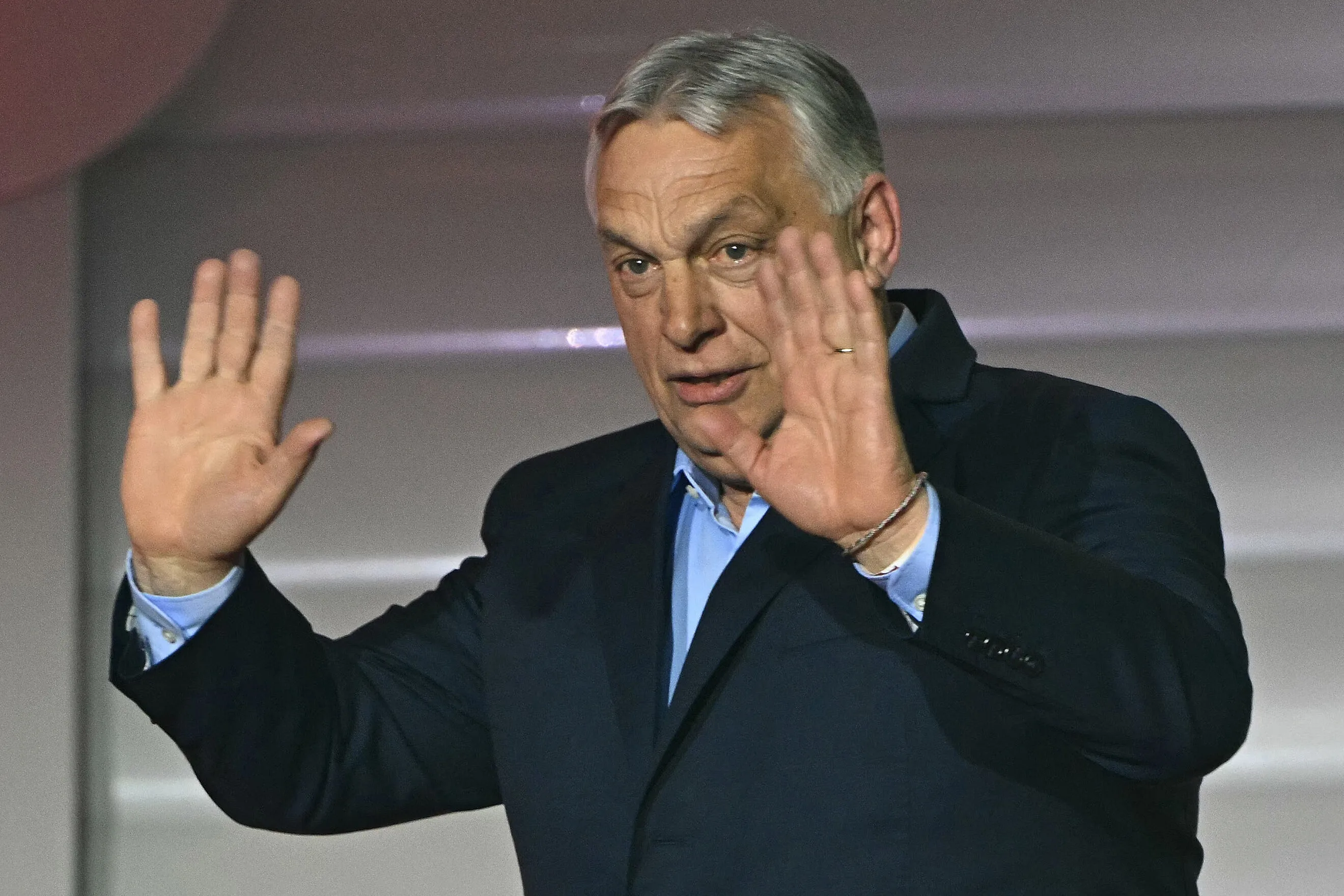





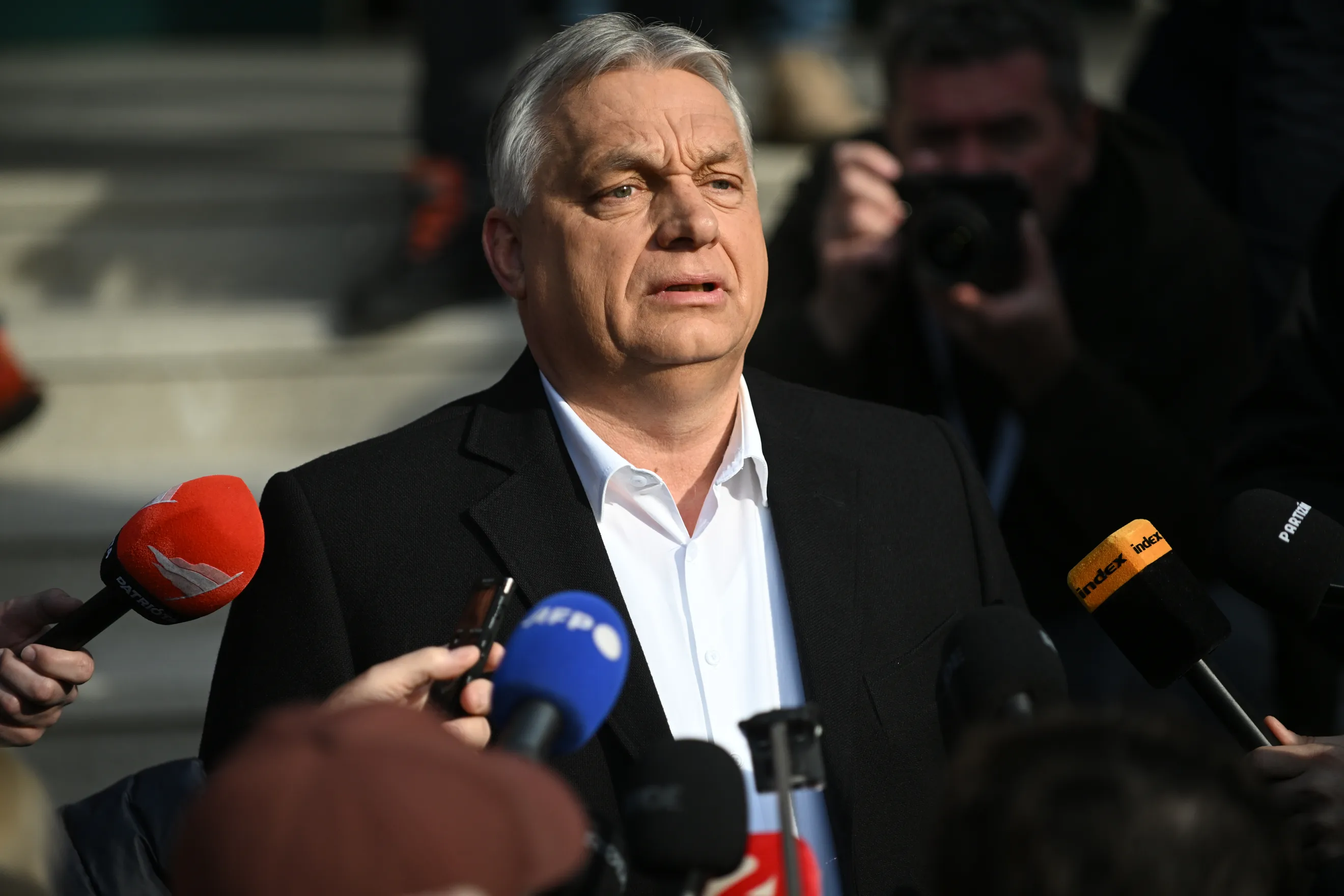

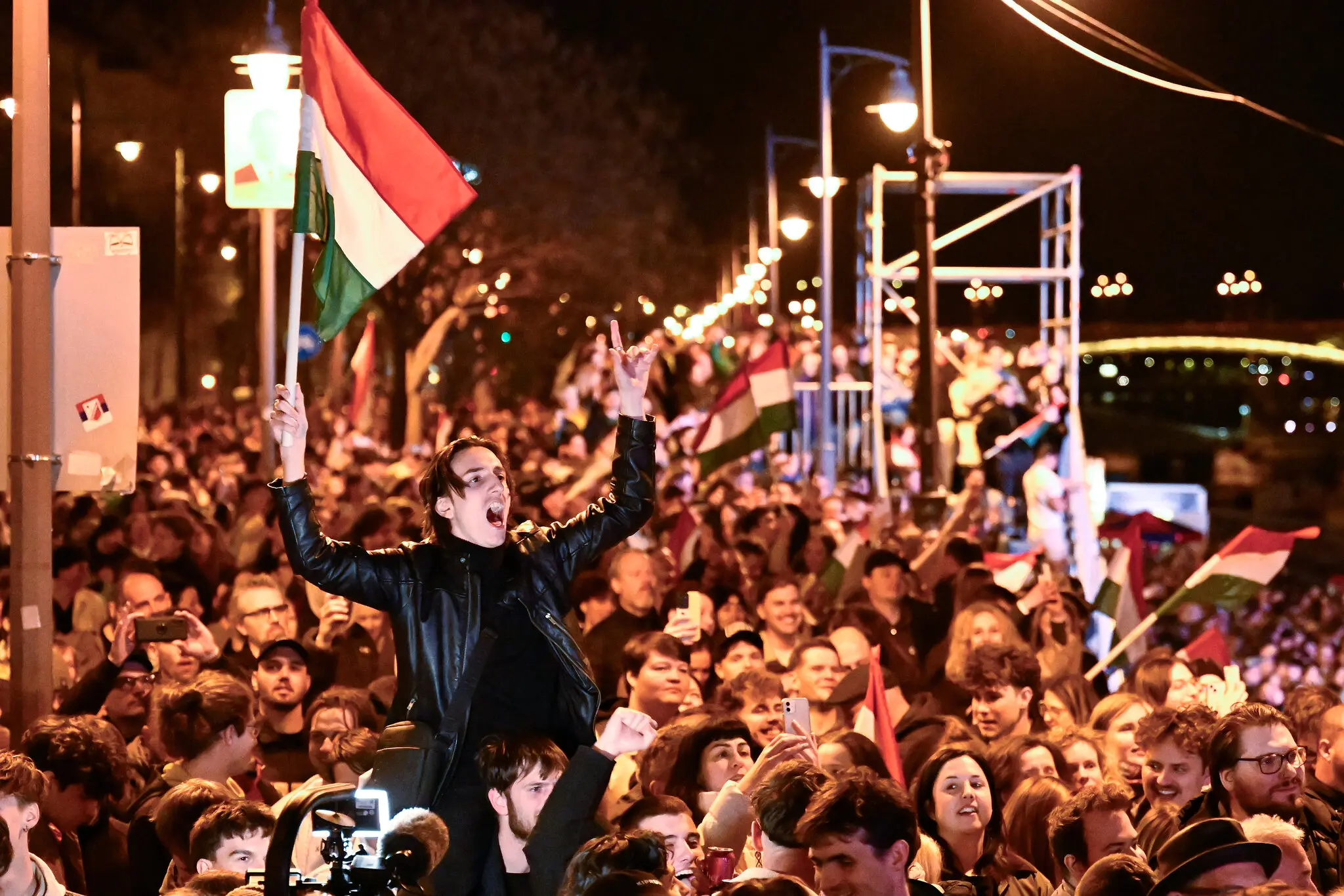
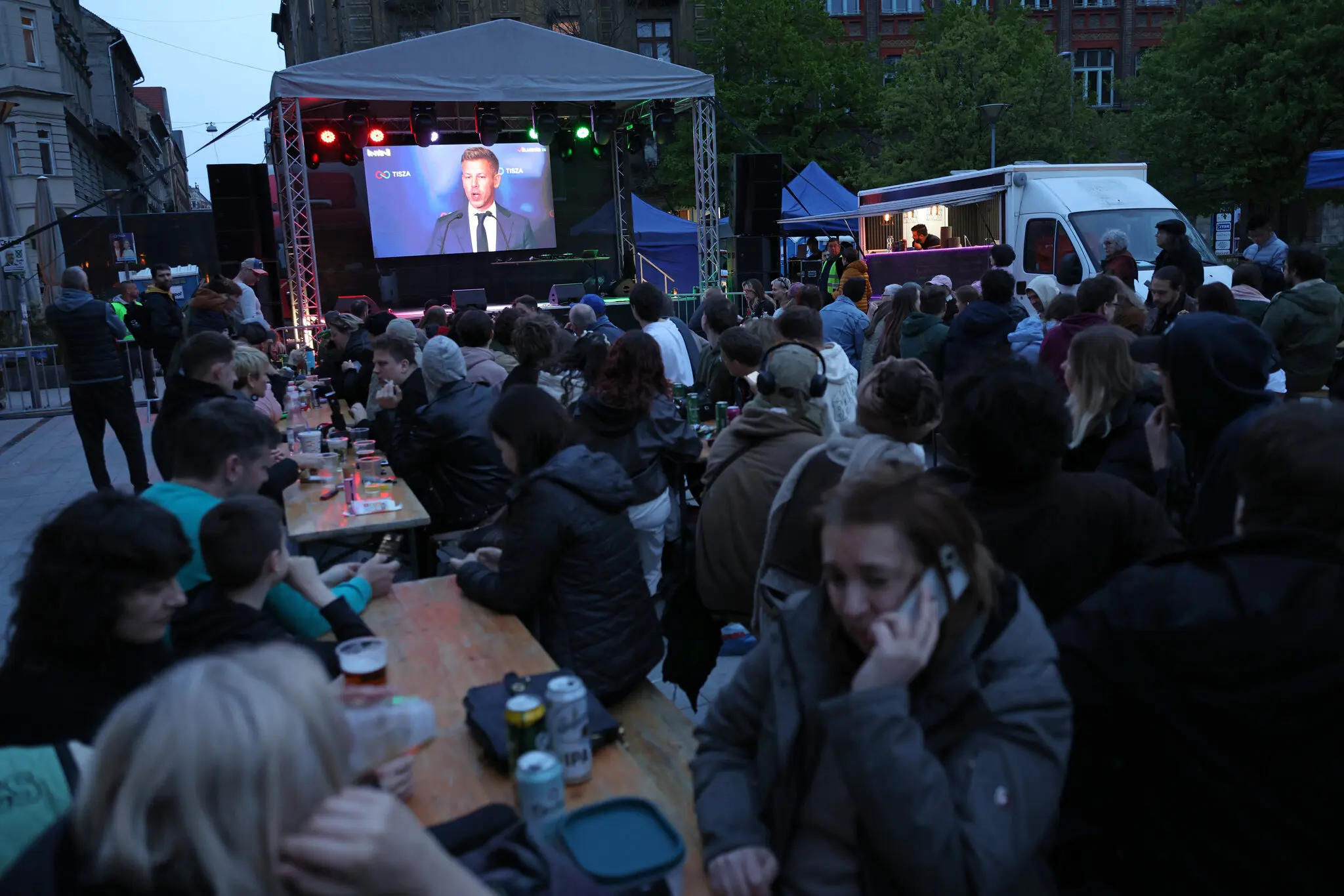
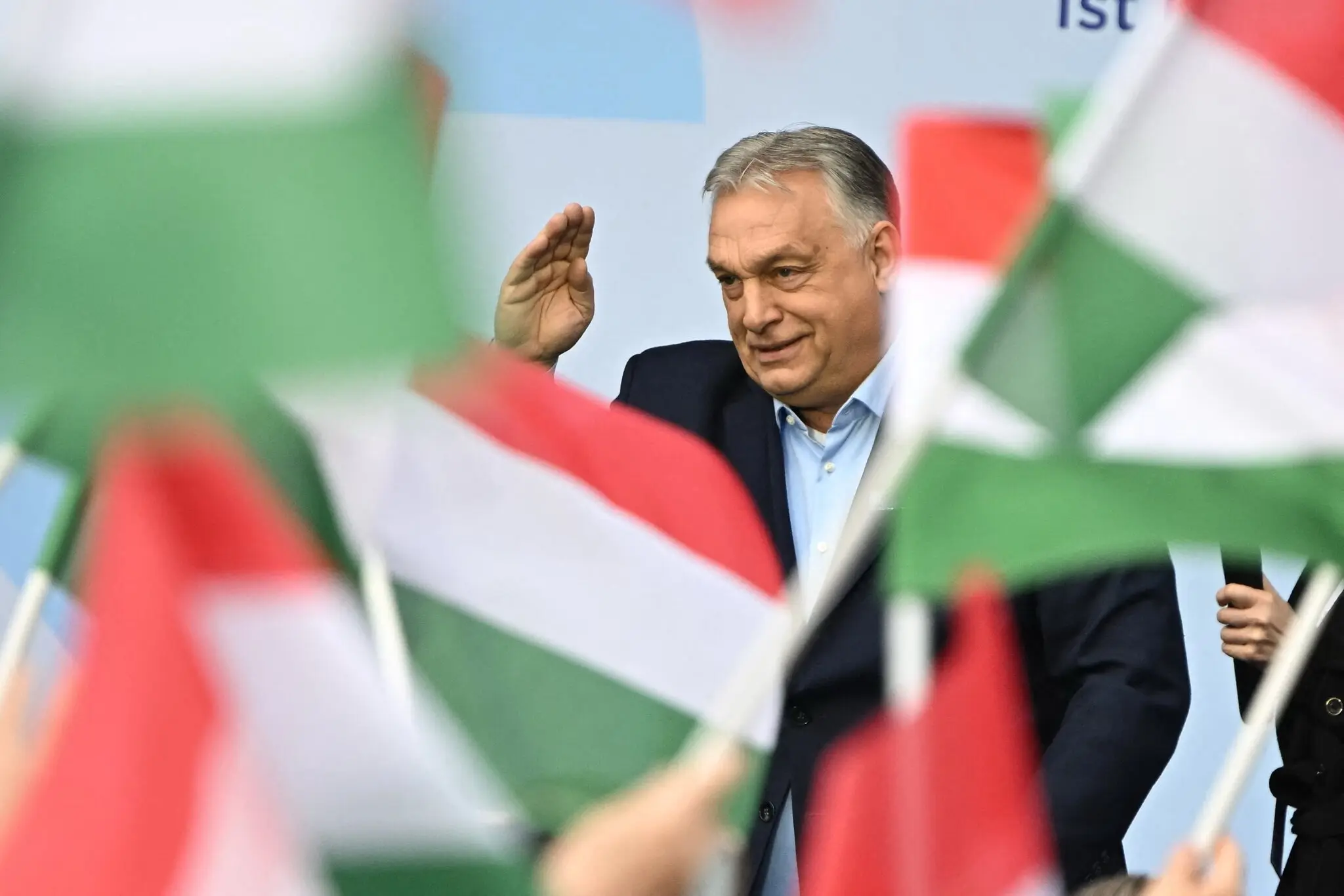
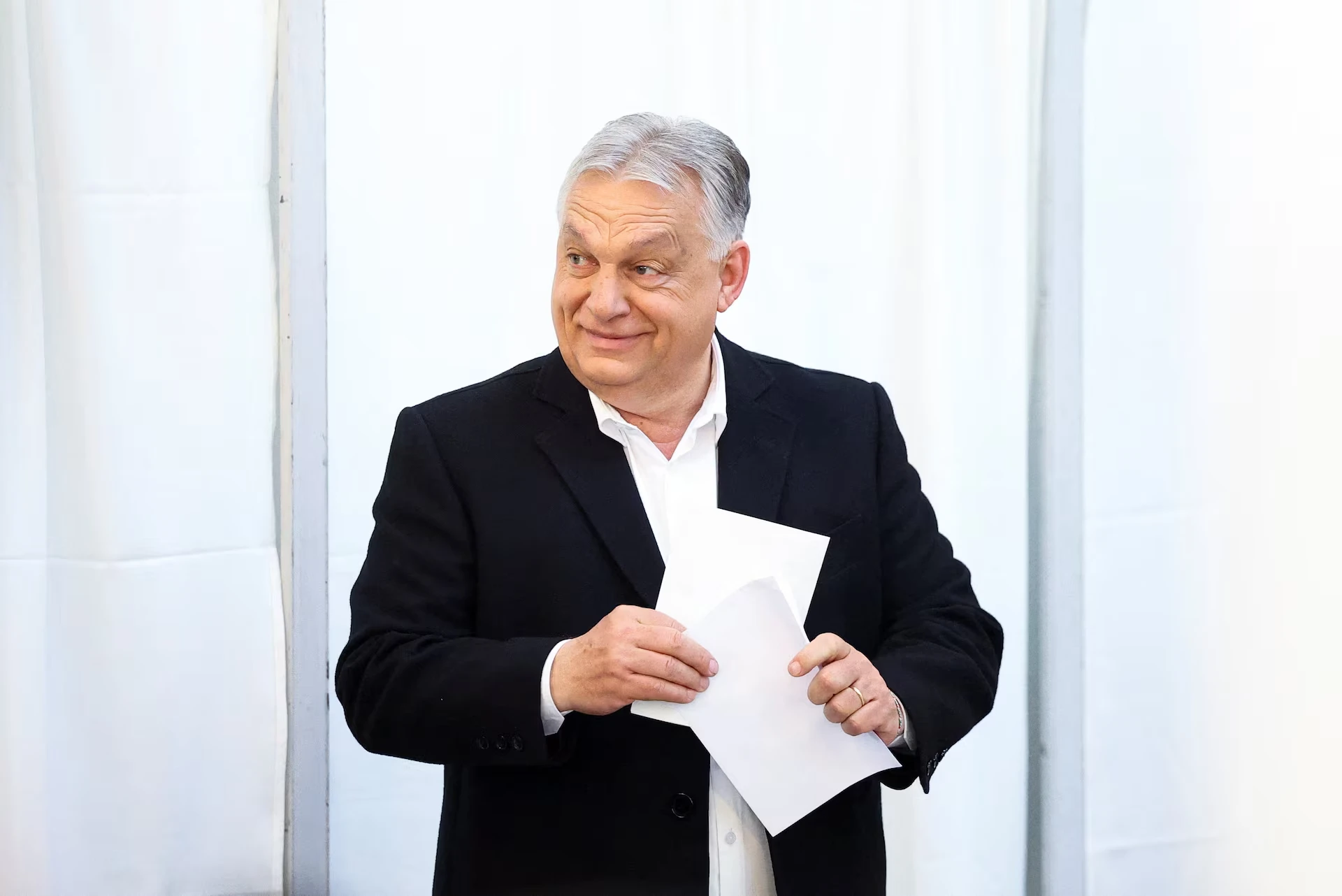
 Віктор Орбан звертається до своїх прихильників в Угорщині в неділю — Аттіла Кішбенедек

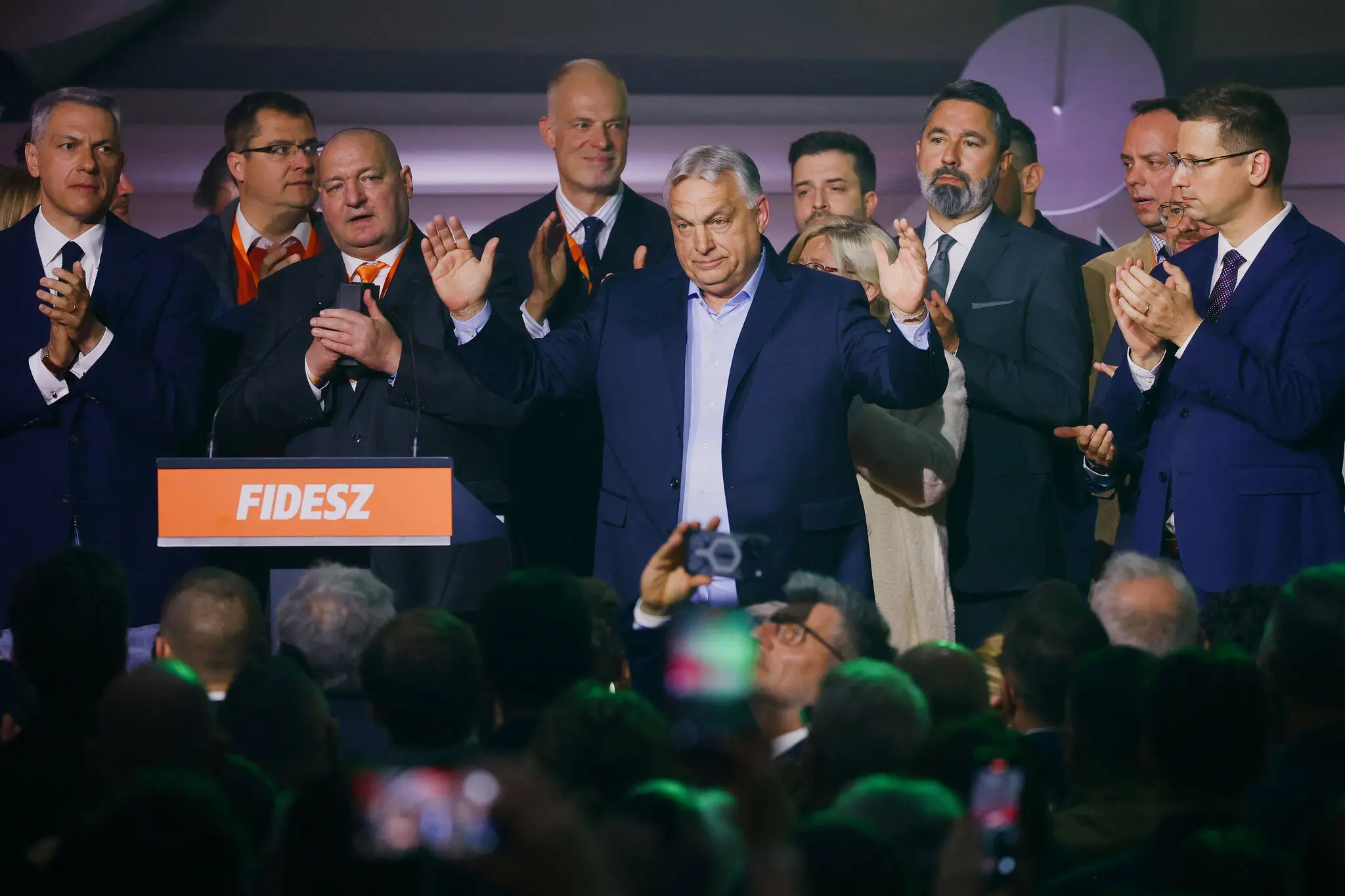
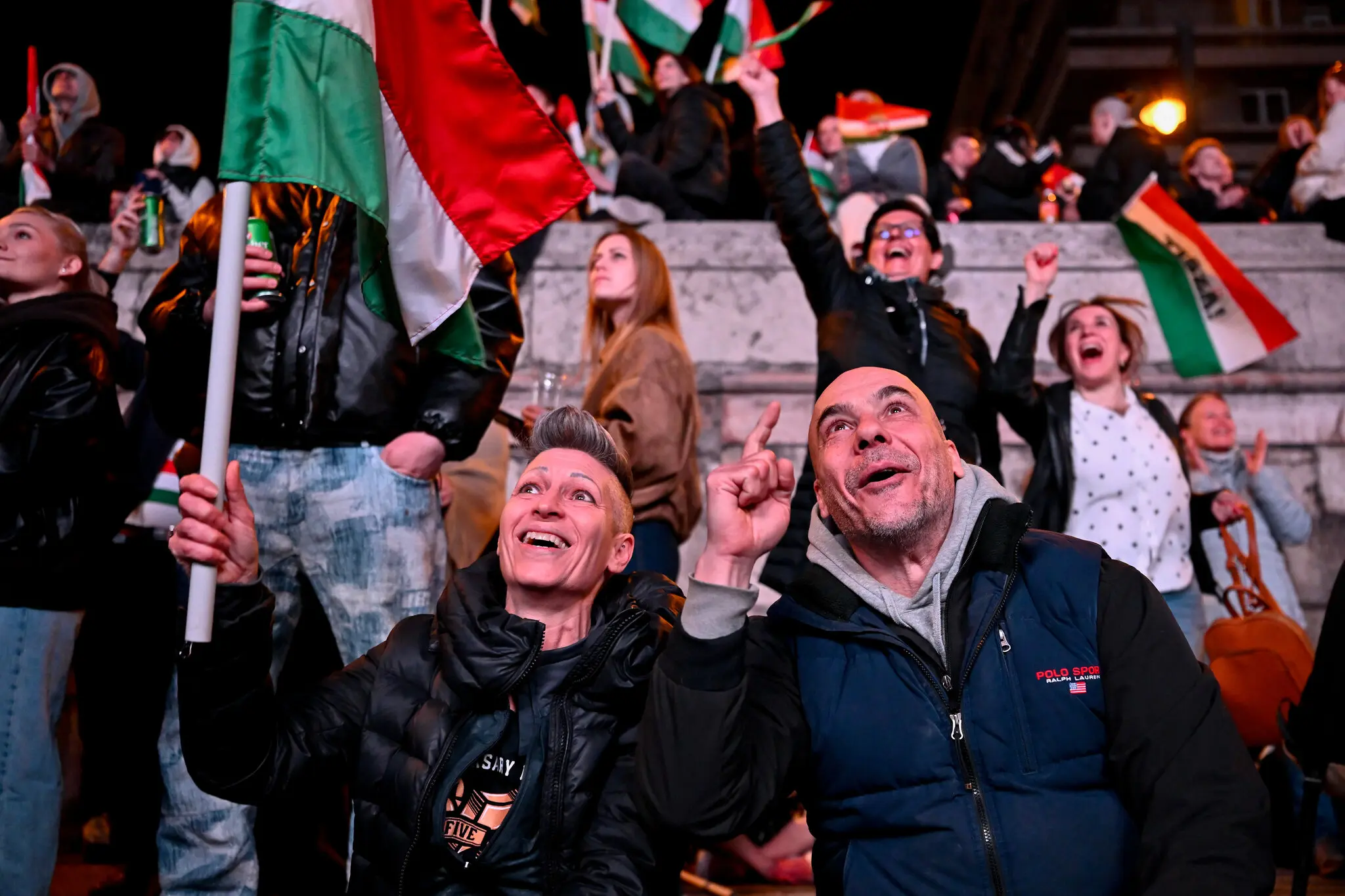 Реакція угорців на оголошення часткових результатів виборів у Будапешті в неділю — Денес Ердос
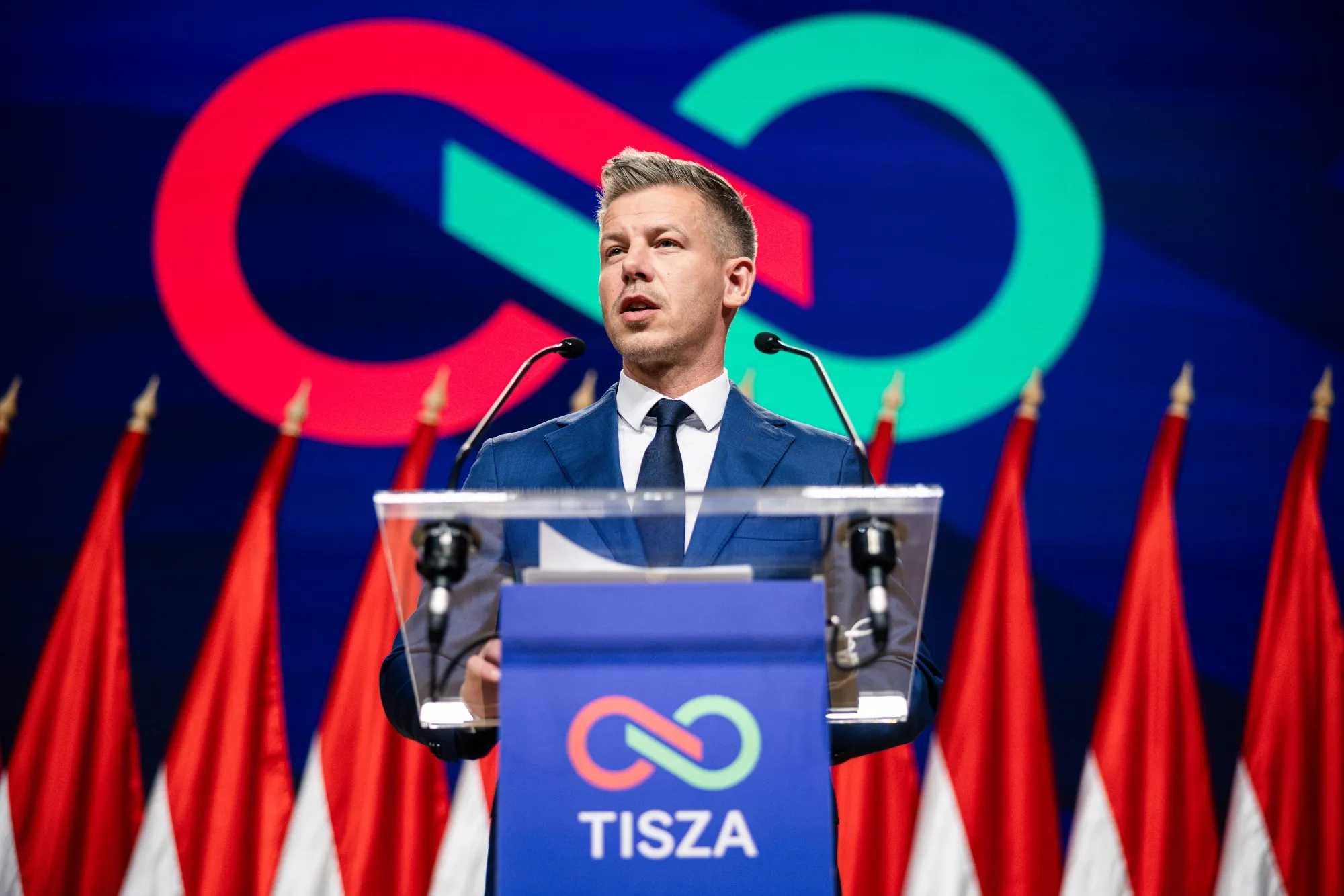
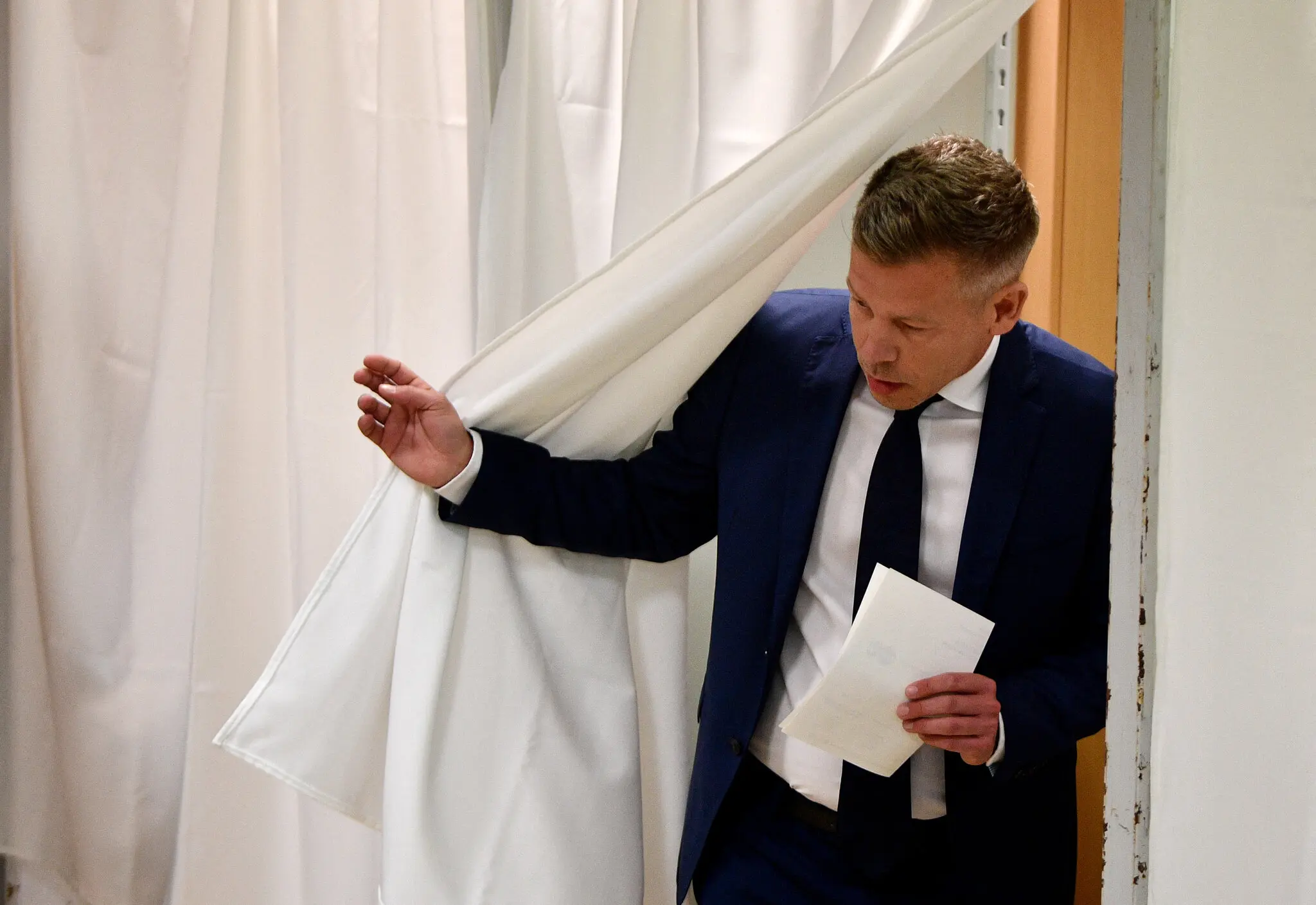 Лідер опозиції Петер Мадяр пообіцяв виборцям остаточний розрив з корупцією, яка збагатила родину та друзів прем'єр-міністра — Ференц Іса
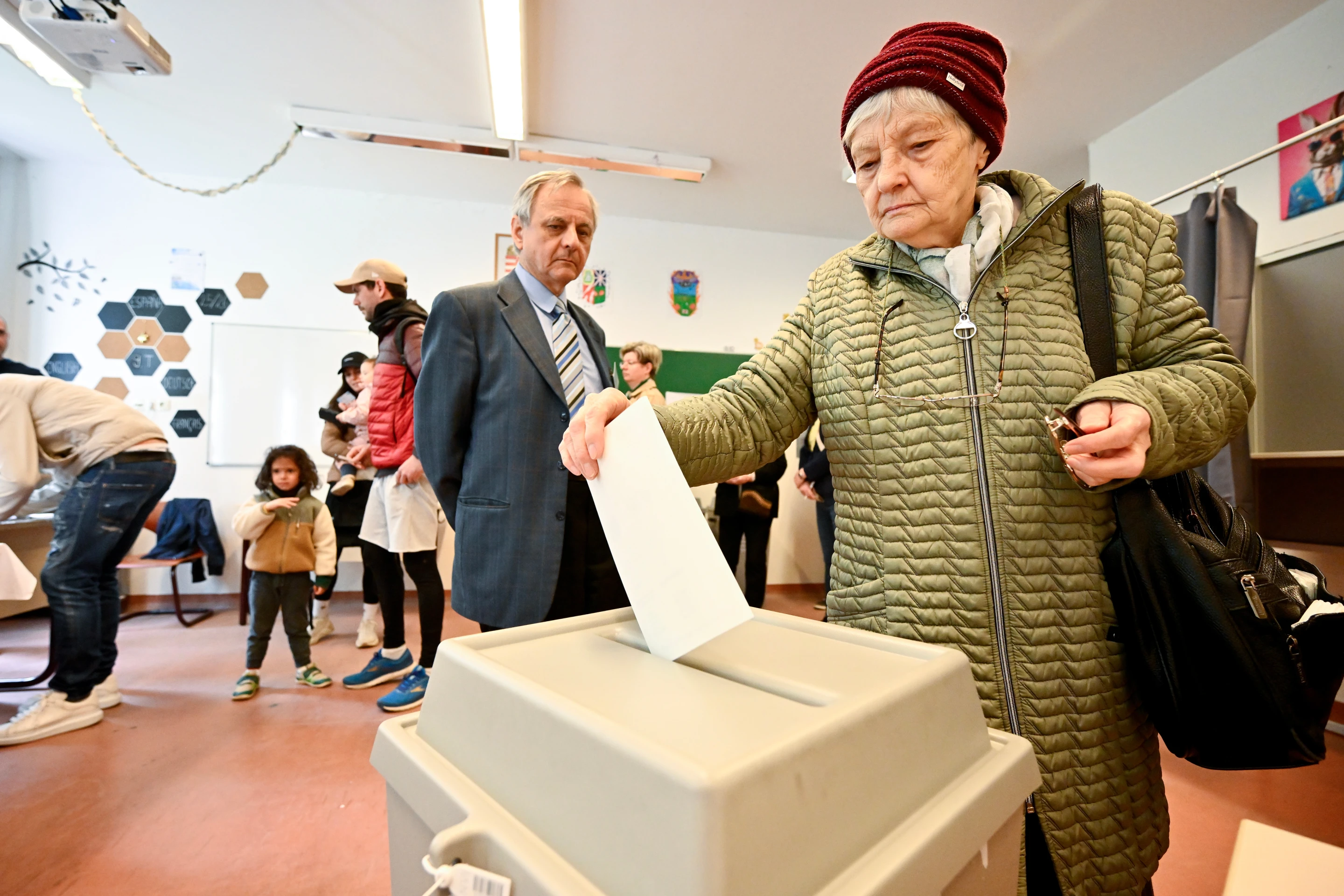
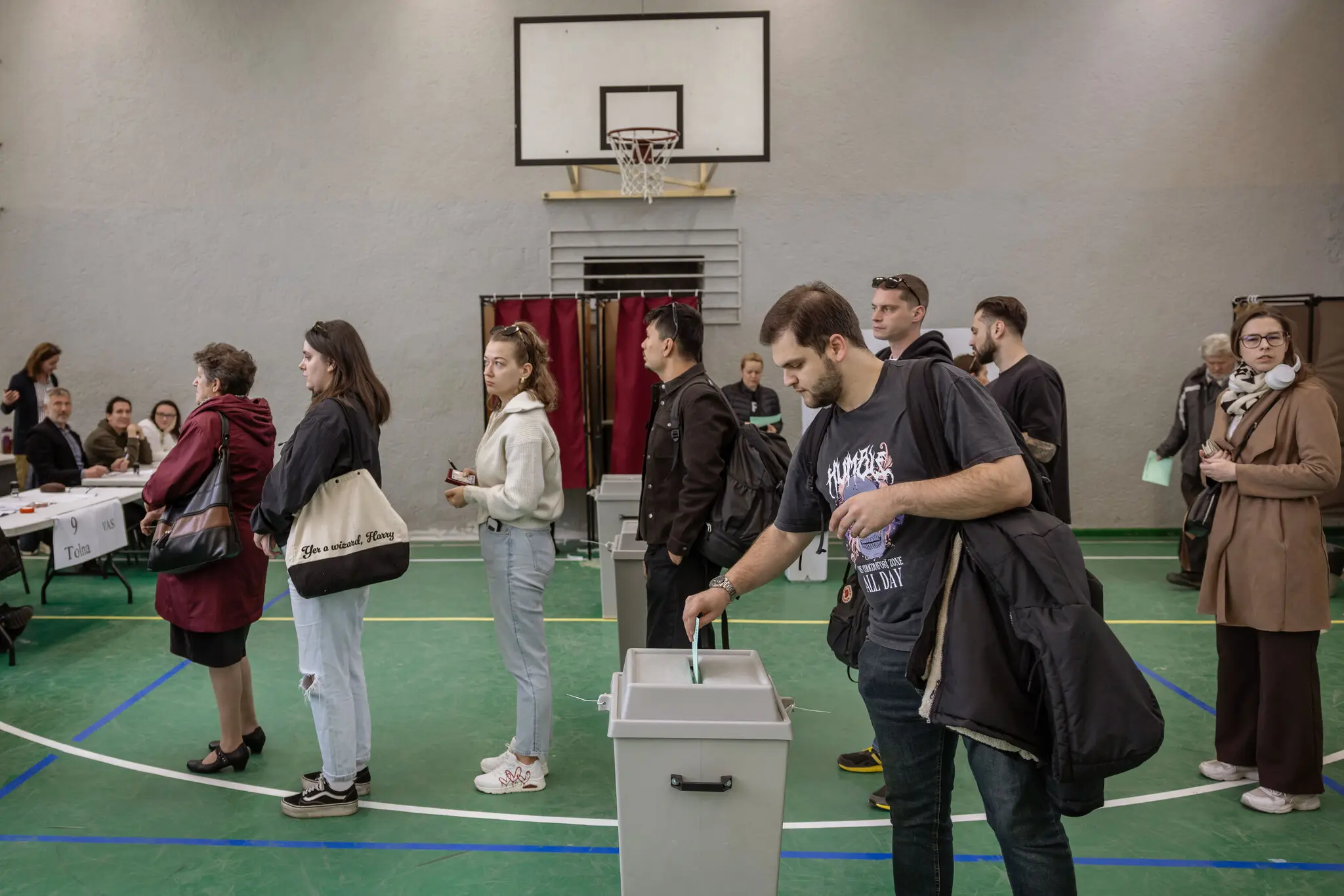 Повідомляється, що явка виборців була дуже високою. Виборча дільниця в Будапешті в неділю — Янош Куммер
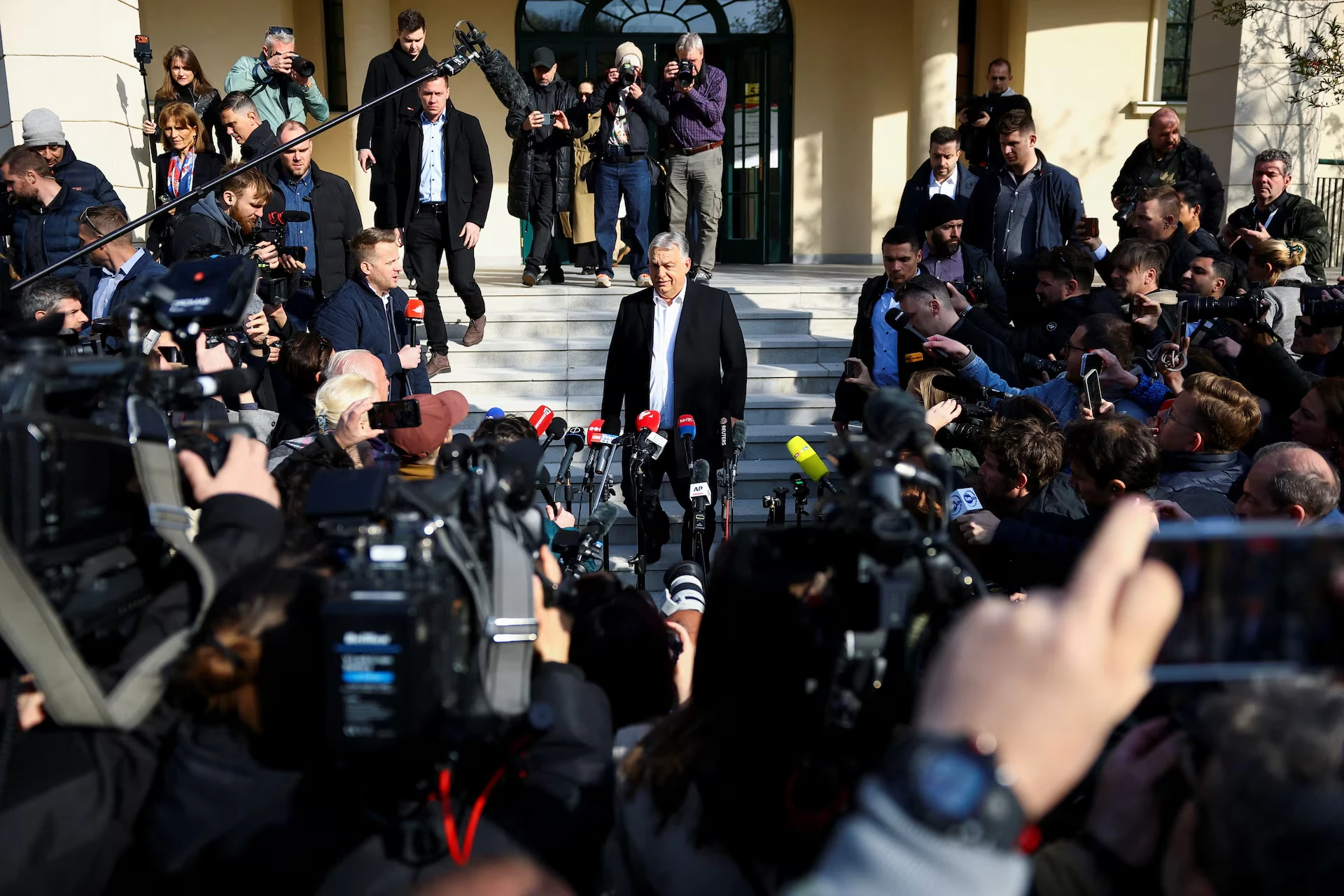
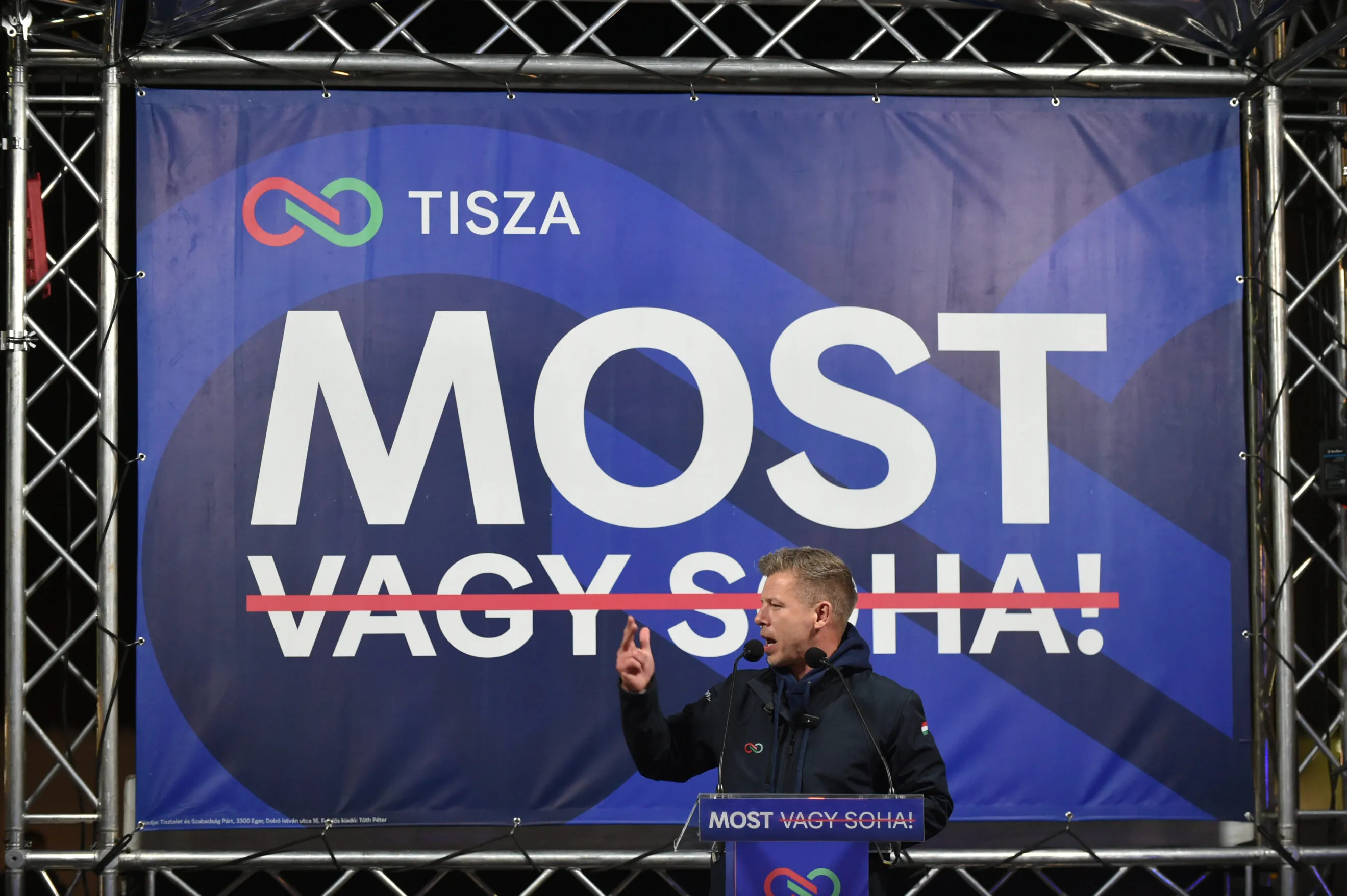
 Петер Мадяр, лідер опозиційної партії «Тиса», виступає перед ЗМІ після голосування на парламентських виборах у Будапешті, Угорщина, 12 квітня 2026 року — Леонард Фогер
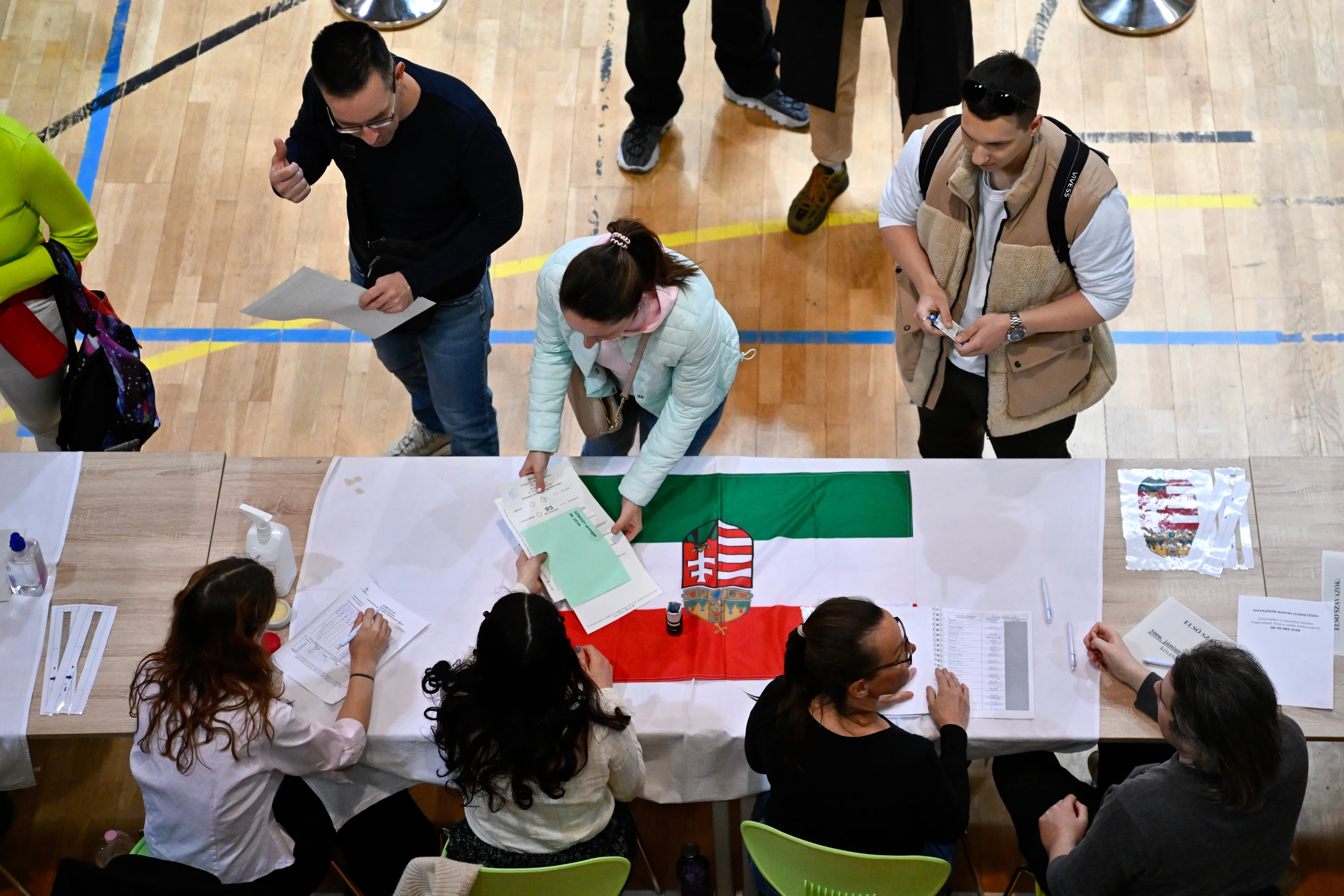
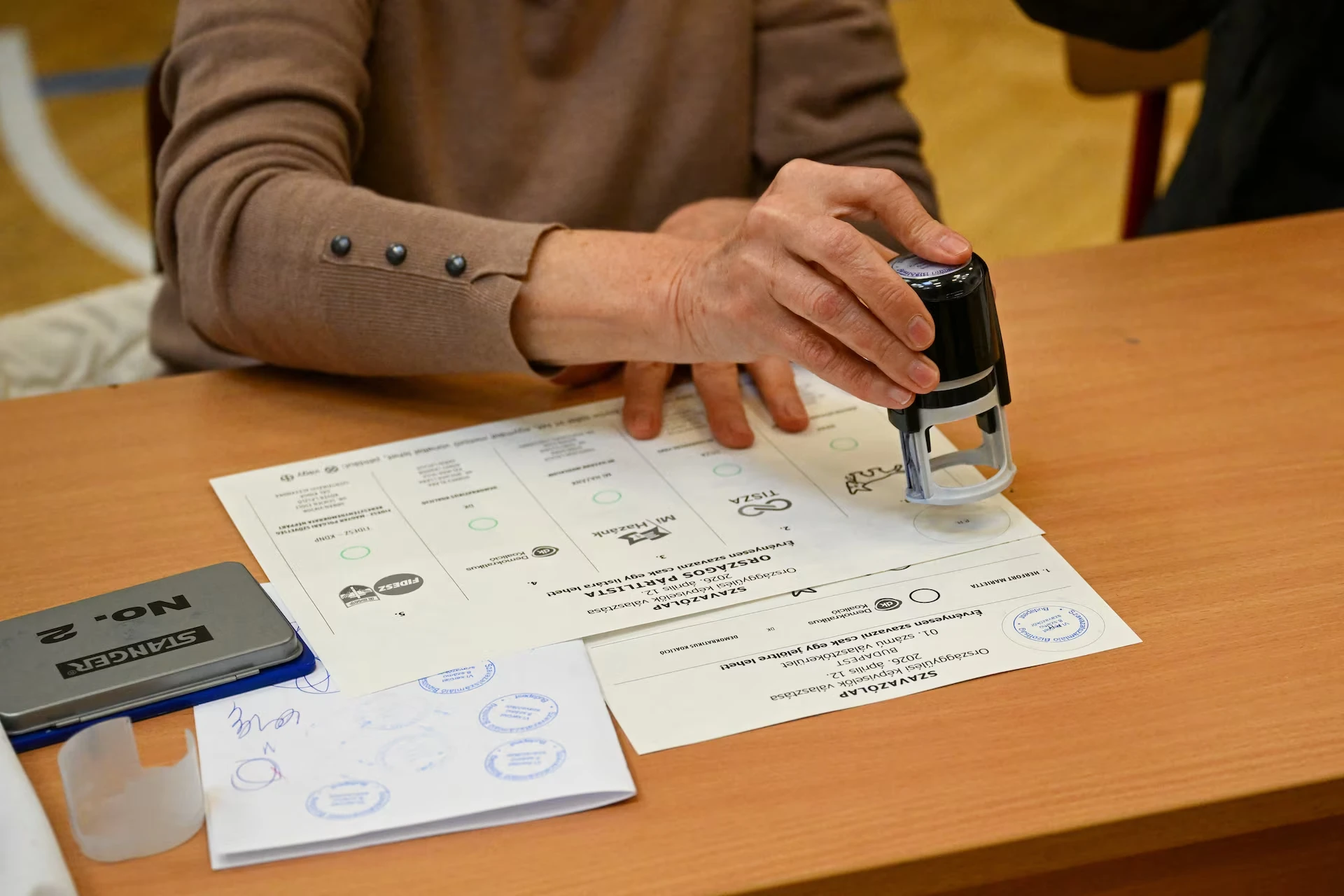 Член виборчої комісії працює на виборчій дільниці під час парламентських виборів у Угорщині в Будапешті, Угорщина, 12 квітня 2026 року — Елізабет Мандл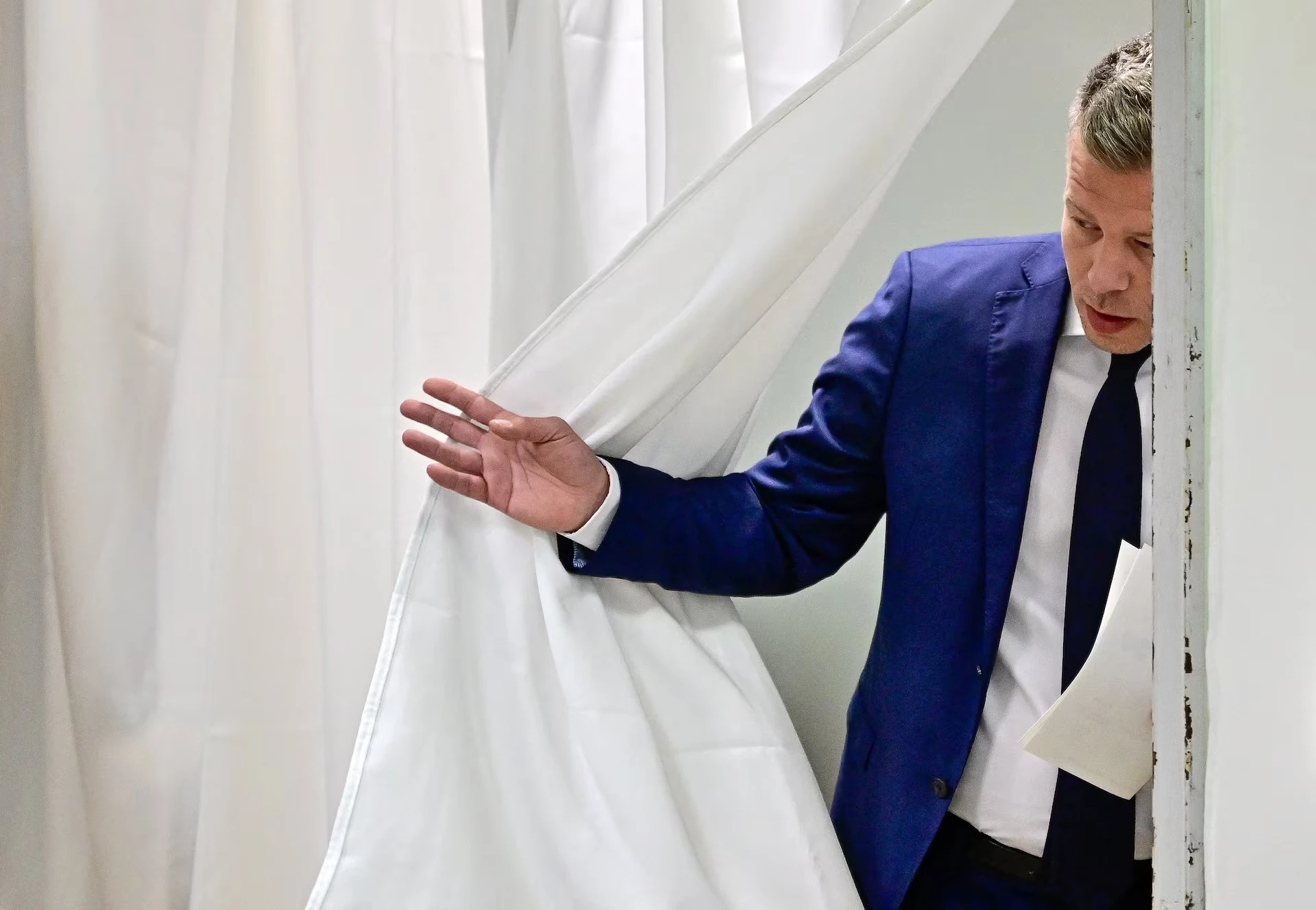
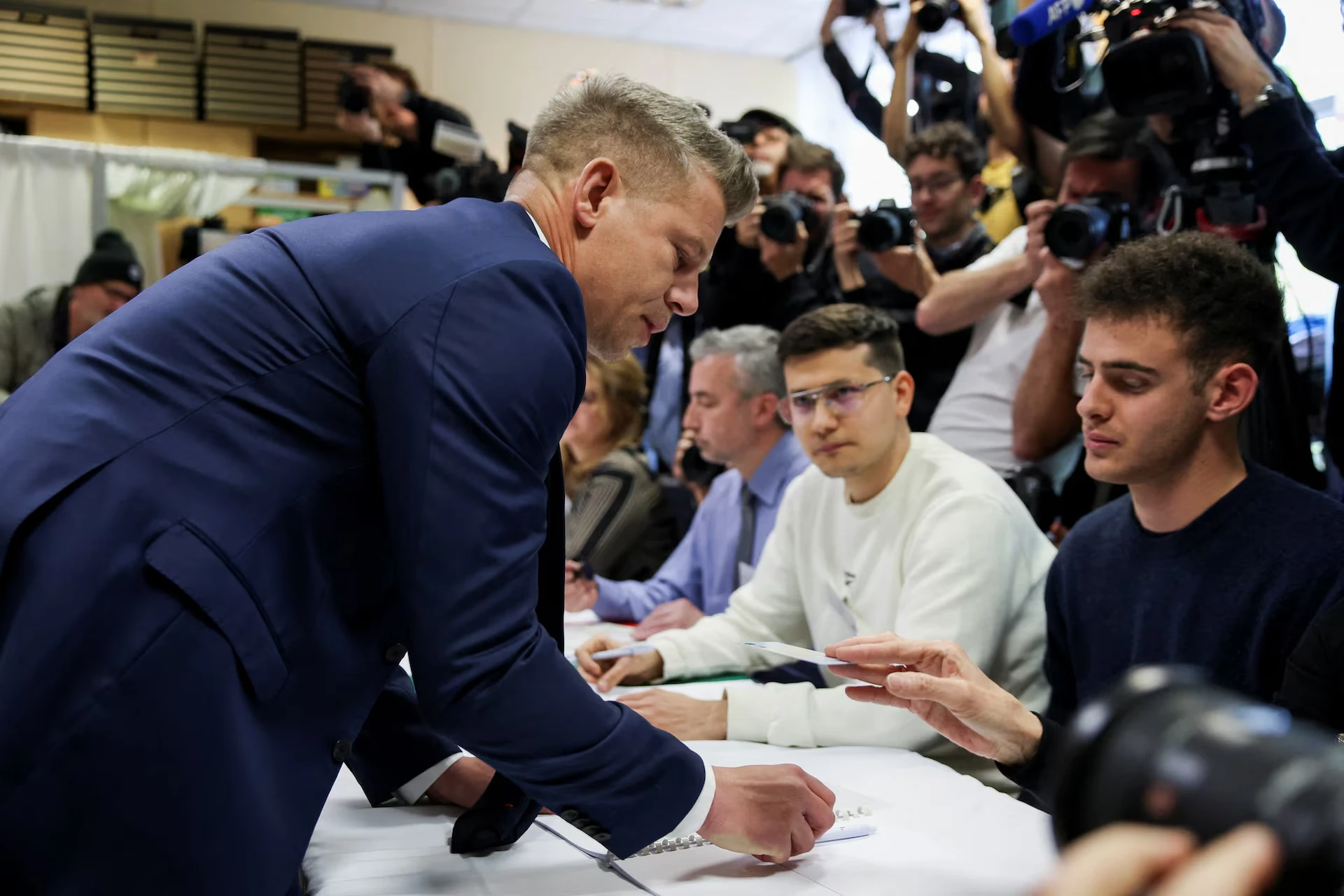
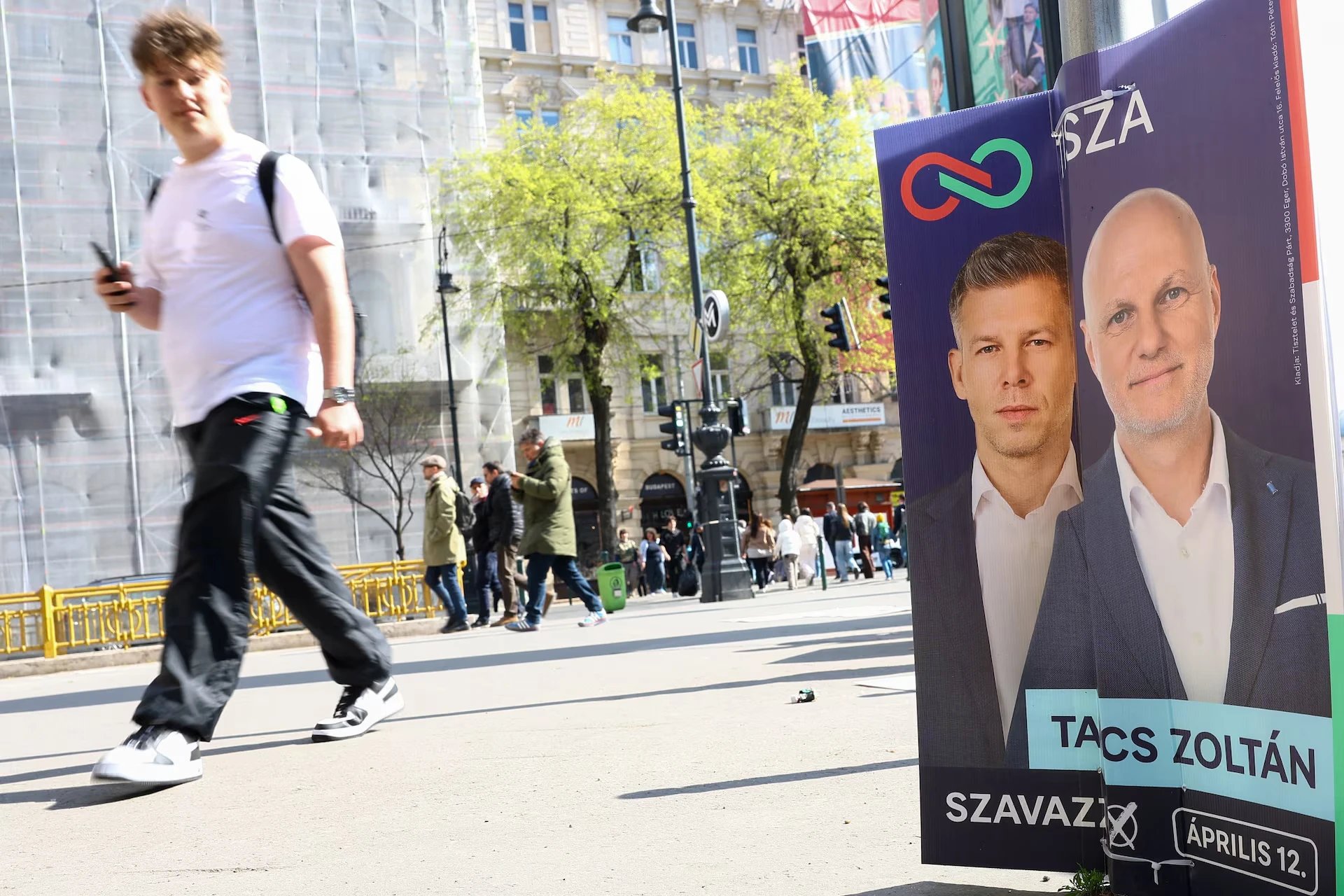 Чоловік проходить повз передвиборчий плакат партії «Тиса», на якому зображені лідер партії Петер Мадяр та член партії Золтан Танач напередодні парламентських виборів на вулиці в Будапешті, Угорщина, 11 квітня 2026 року — Лісі Ніснер
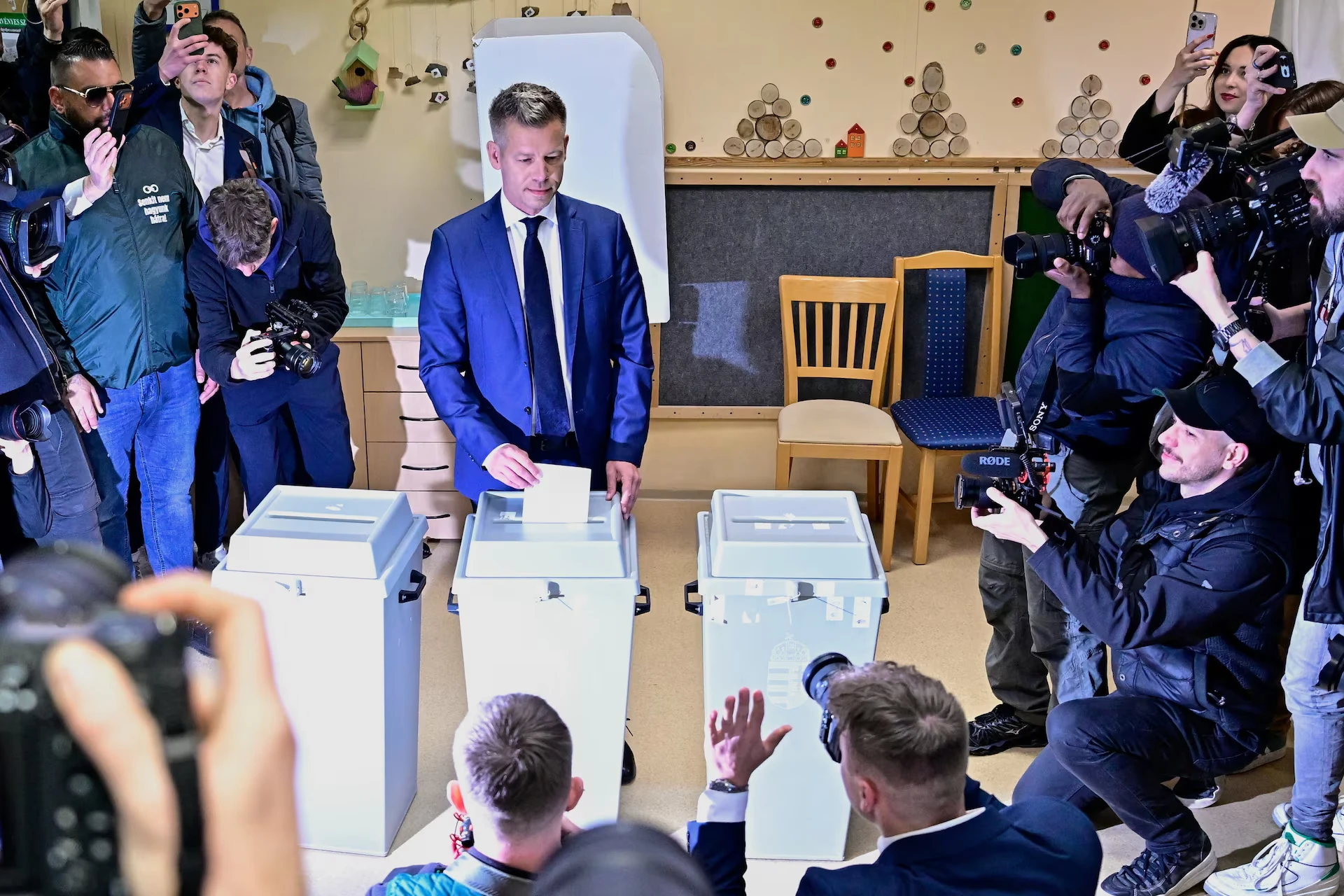 Петер Мадяр, лідер опозиційної партії «Тиса», голосує під час парламентських виборів у Угорщині в Будапешті, Угорщина, 12 квітня 2026 року — Леонхард Фоегер
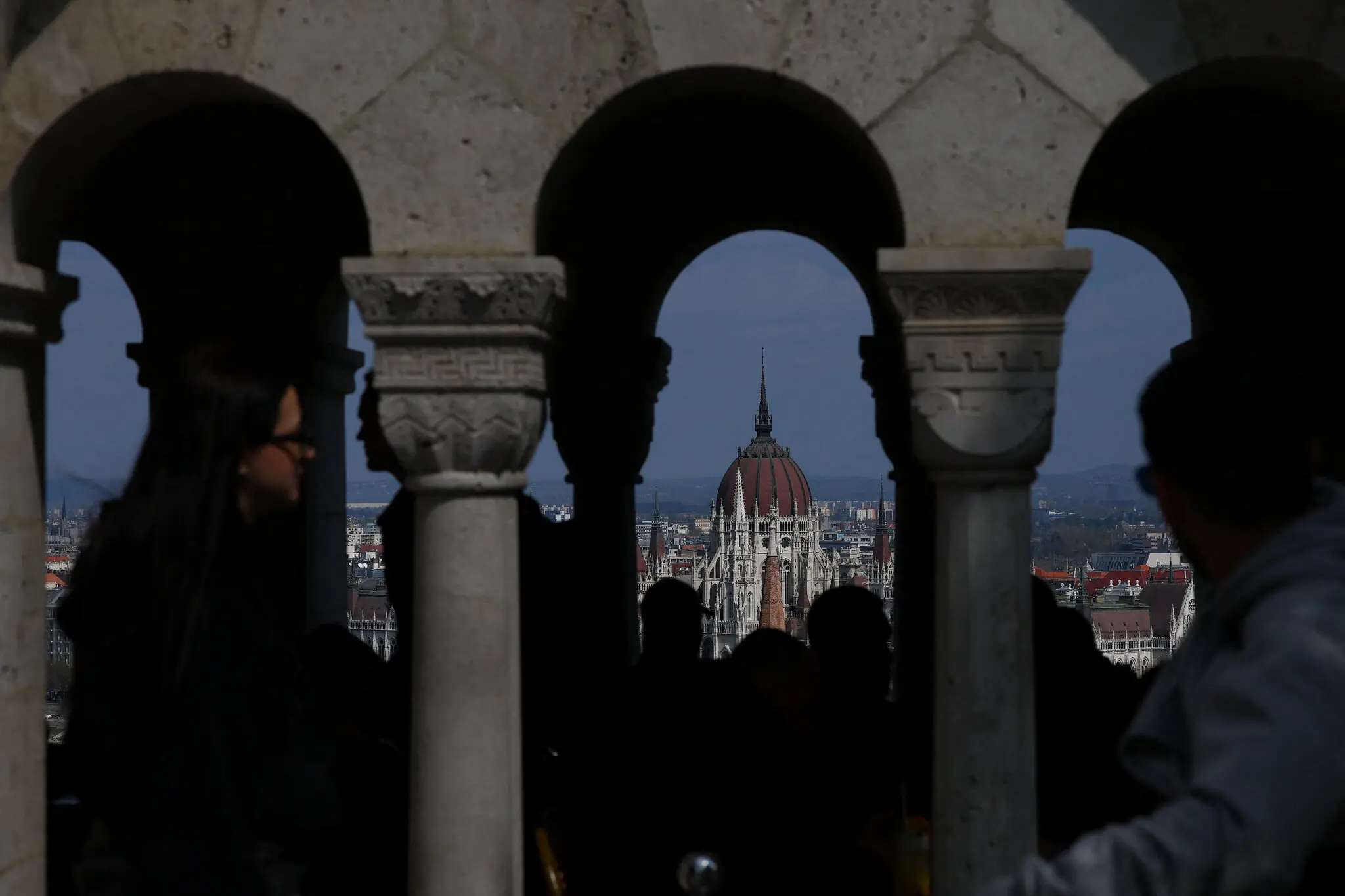 Вид на будівлю парламенту в Будапешті. Головне питання, ймовірно, полягає в тому, чи достатньо сильне розчарування паном Орбаном, щоб забезпечити пану Мадьяру та його партії переважну більшість у парламенті — Лізі Ніснер
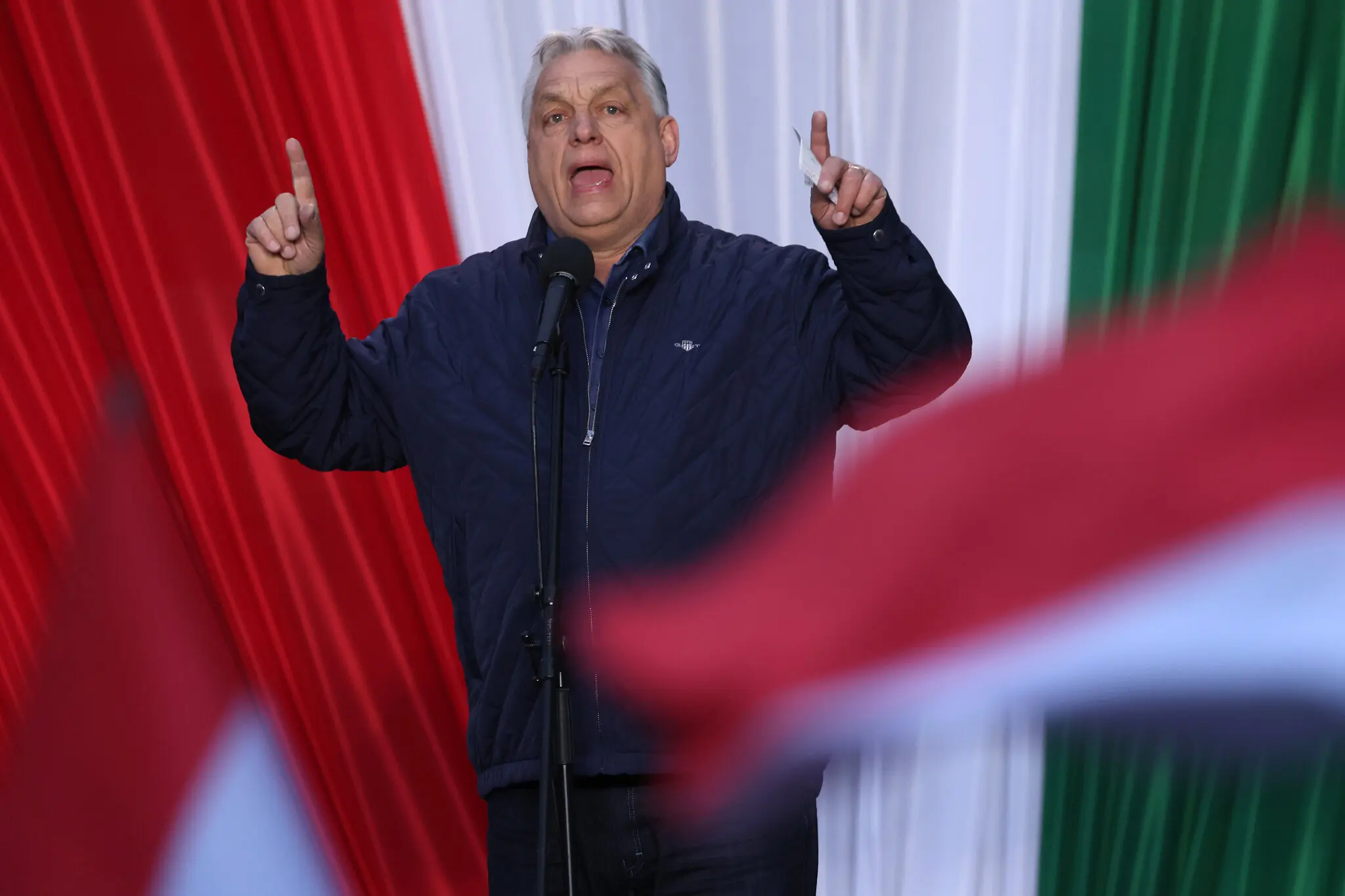 Віктор Орбан, прем'єр-міністр Угорщини, який обіймає посаду 16 років, проводить передвиборчу кампанію в Секешфегерварі, Угорщина, у п'ятницю — Шон Геллап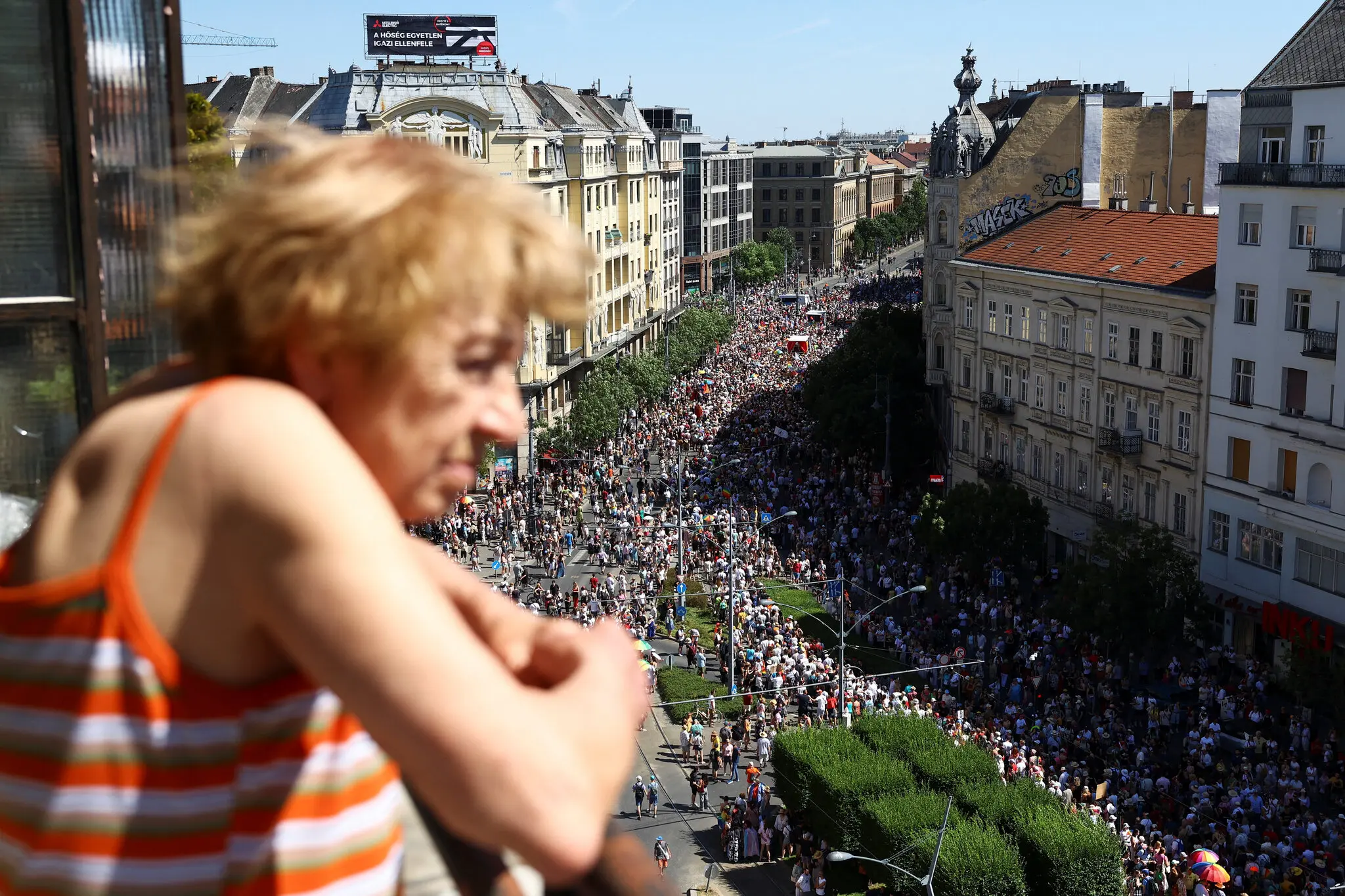

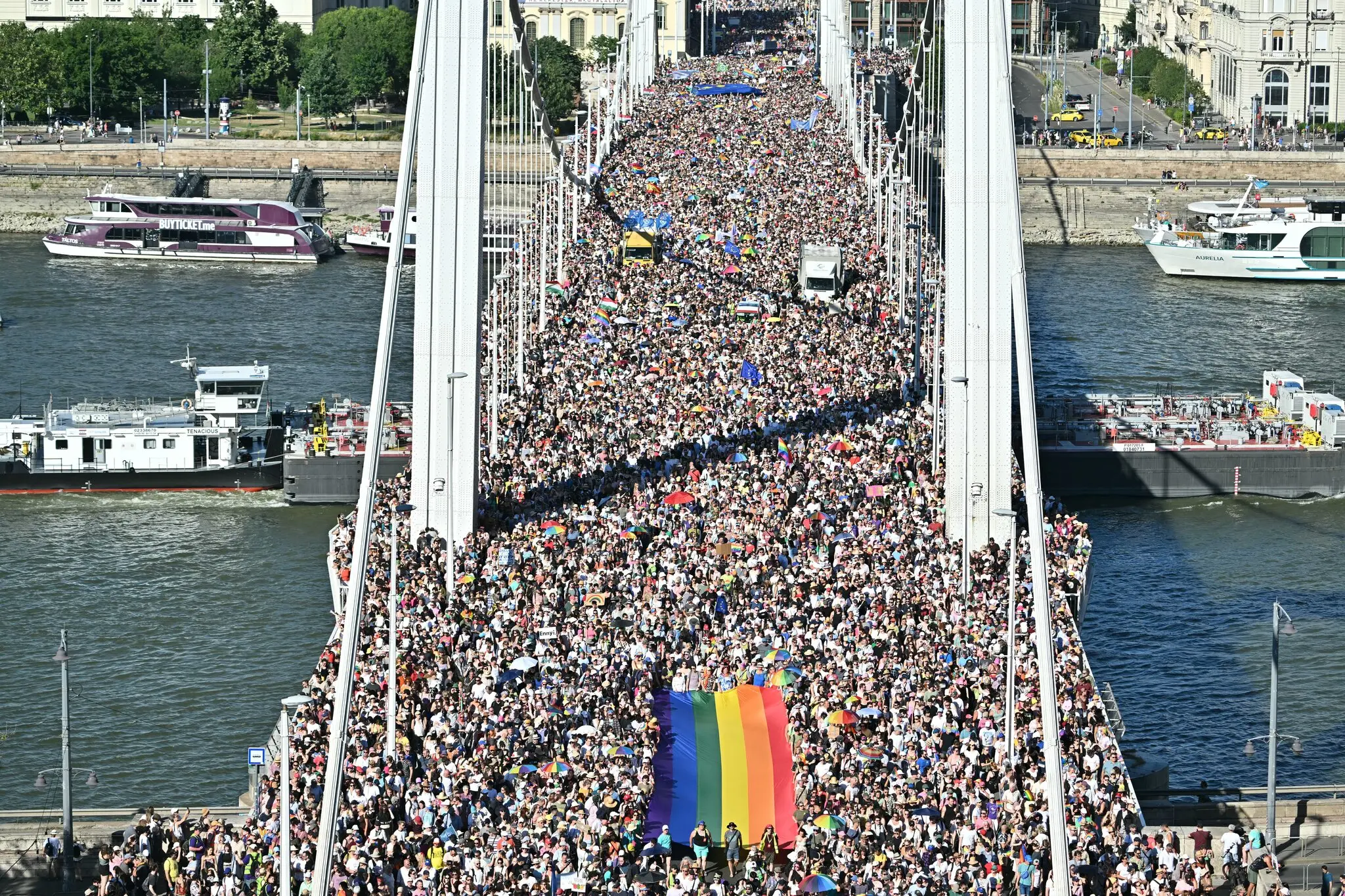
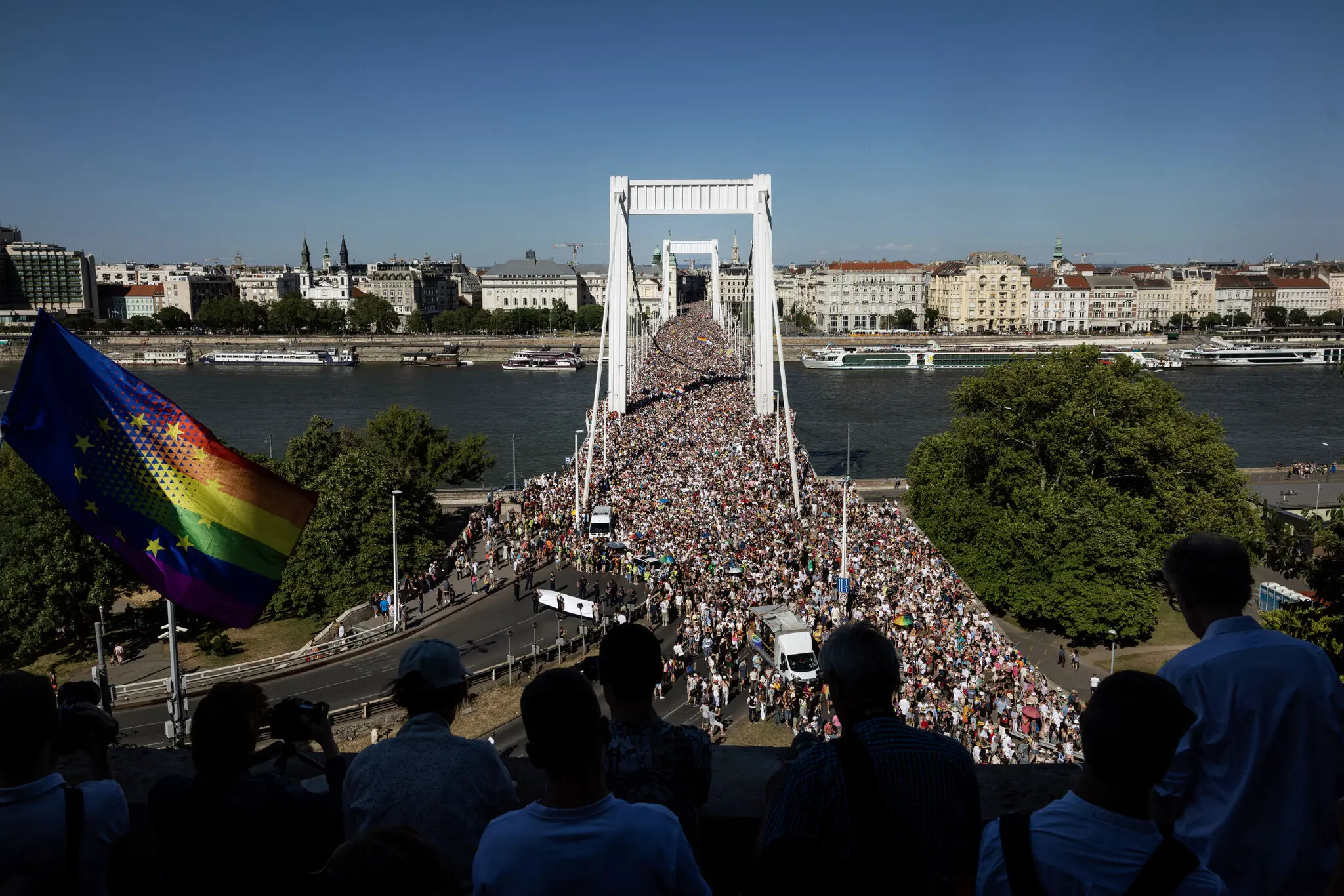 Прайд-парад у Будапешті 2025 року. Уряд пана Орбана намагався заборонити парад того року, але мер переформулював його, і він перетворився на мітинг проти уряду — Янош Куммер