














Russia and the United States expected coercion to deliver quick results. Ukraine and Iran answered differently: by making the conflicts too costly to resolve by force.
Imperial miscalculation rarely begins with a lack of power. More often, it begins with too much confidence in power’s reach. A great state looks at a smaller one as if it were a diagram: a capital, a command chain, a few leaders whose removal should bring the whole structure down. But war does not enter a diagram. It enters a society.
That is how Russia in Ukraine and the United States in the Iran crisis found themselves in different conflicts with a similar strategic mechanism. Moscow sought a rapid political collapse in Kyiv. Washington tried to force Tehran into concessions on its nuclear program and regional power. Both assumed that shock could shorten the road to submission.
Yet smaller states or regimes that appear vulnerable are not always weak where the stronger side decides to strike. Ukraine did not disintegrate after the first blow. Iran did not lose its ability to retaliate, bargain and raise the cost of confrontation for the United States, Israel and the Gulf states.
According to Daycom’s earlier analysis, the parallel between these wars is not moral or legal symmetry. There is none: Ukraine is the victim of an unprovoked invasion, while Iran has spent decades building a confrontational network of influence across the Middle East. The similarity lies in the failure of coercive strategy.
Vladimir Putin entered the war believing that Ukrainian statehood was a thin shell that could be cracked by a strike at the capital. It was not only a military error, but a colonial error of perception. The Kremlin failed to see a distinct political nation where it was accustomed to seeing the outer edge of its own historical space.
 Мешканці шукають укриття в станції метро під час ракетних обстрілів і атак дронів з боку Росії в рамках російського вторгнення в Україну, Київ, Україна, 15 червня 2026 року — Аліна Смутко
More than four years after the full-scale invasion began, Russia still does not fully control even the Ukrainian regions it has declared its own. The front line has become not proof of Russian power, but a map of its limits: the army advances slowly, the cost of each kilometer rises, and the political objective remains larger than the means available to achieve it.
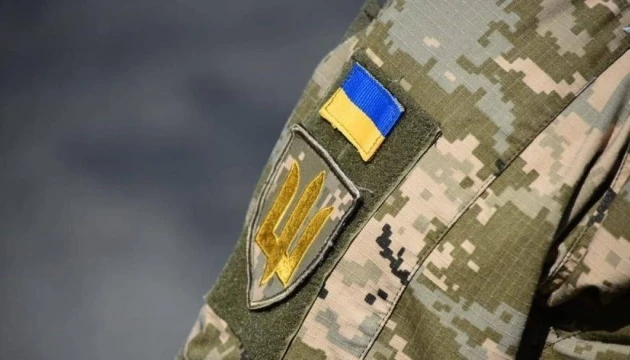
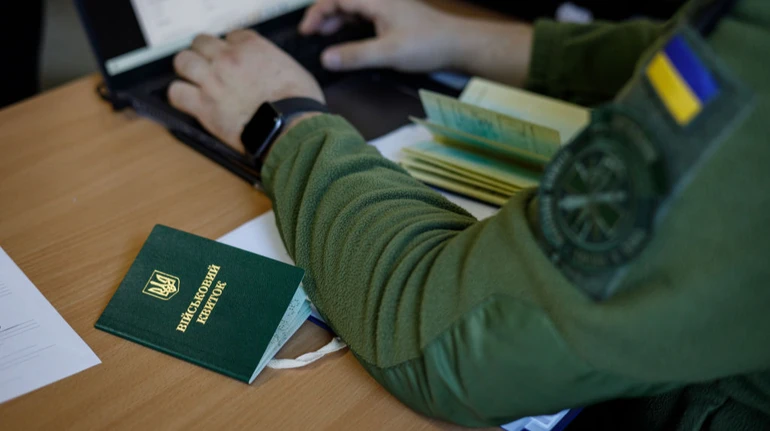
Ukraine survived not because it was stronger than Russia in conventional terms. It survived because it was more complex than the Kremlin had imagined. Decentralized resilience, horizontal mobilization, a fast-learning army and technological adaptation shattered the scenario of swift subjugation.
Drones became the emblem of that transformation. The war in Ukraine has shown that a country with fewer resources can reshape the battlefield not only through endurance, but through mass technological production. Strikes on logistics, depots, bridges, fuel supplies and command chains gradually turned Russia’s advantages into the burden of overextended communications.
The American confrontation with Iran began from a different point. The United States had no territorial ambitions in Iran, but sought to constrain Tehran’s nuclear program, missile capacity and regional networks by force. The problem was that an air campaign can destroy facilities without necessarily changing a regime’s political will.
Iran, despite domestic pressure and economic exhaustion, retained other levers: missiles, allied militias, influence in Lebanon, threats to shipping through the Strait of Hormuz and the capacity to strike at America’s partners. That turned the conflict from a punitive operation into a regional crisis.
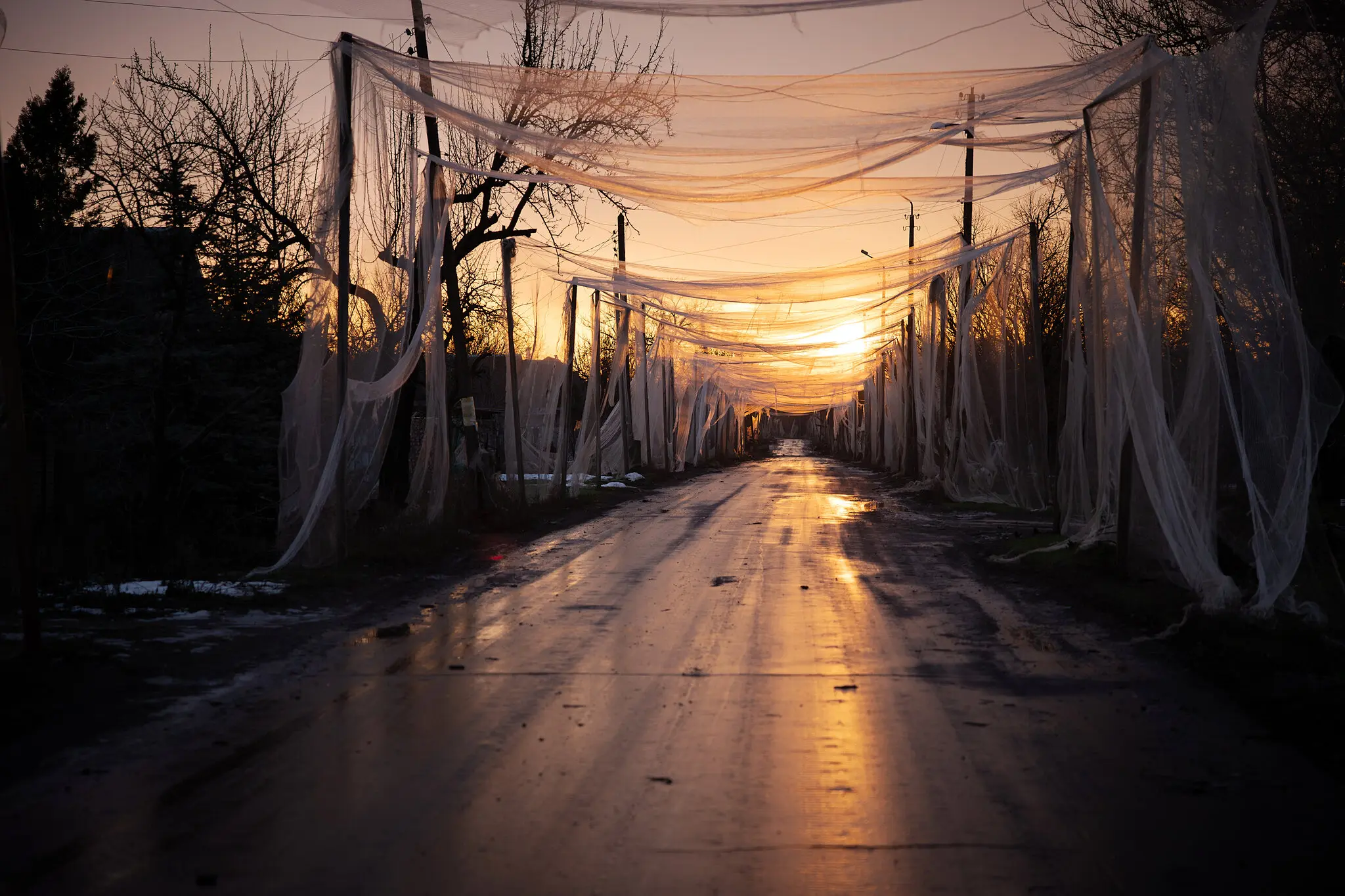
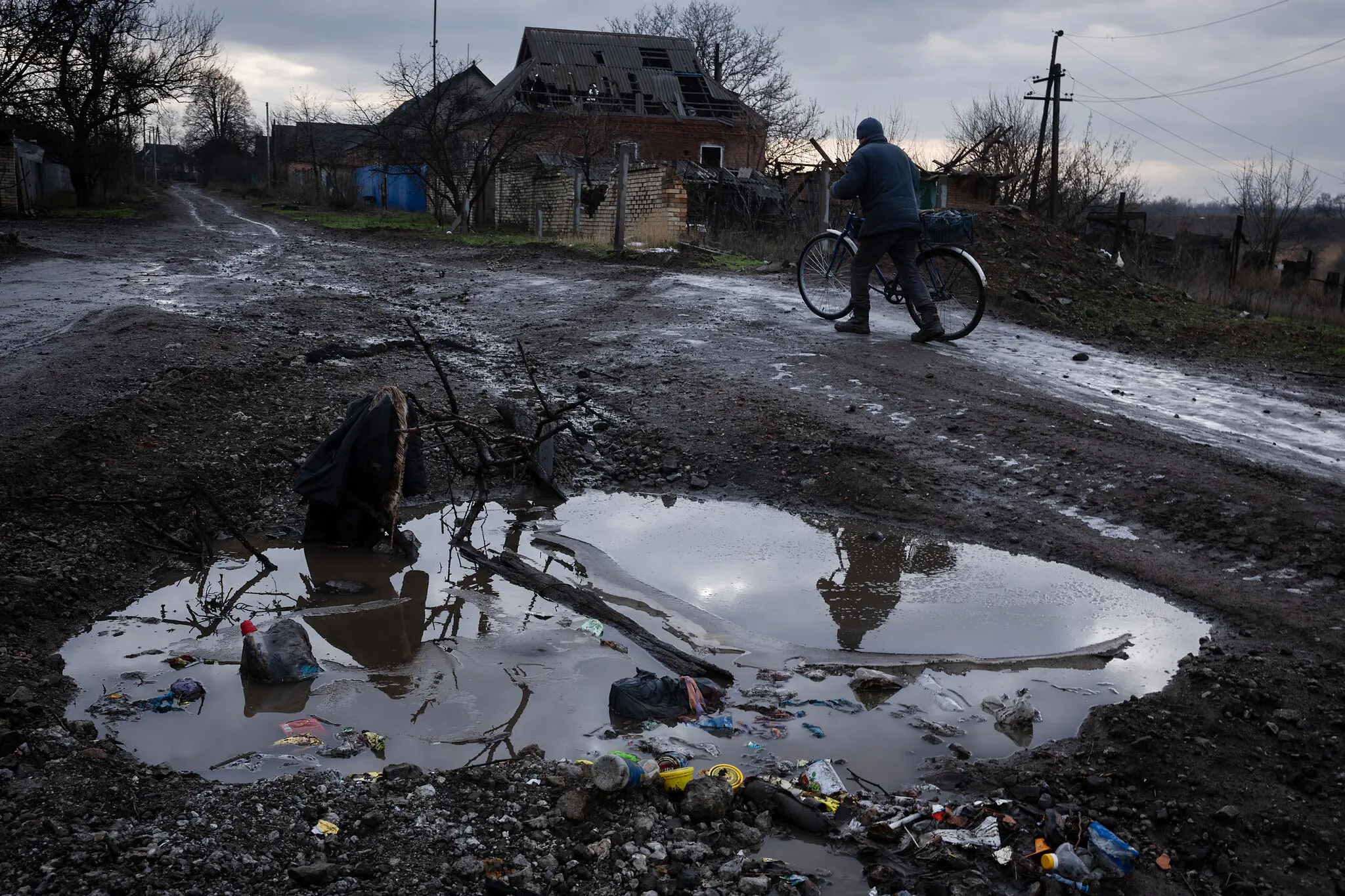 На початку цього року на околиці Костянтинівки, Україна, яка постійно зазнає бомбардувань — Тайлер Хікс

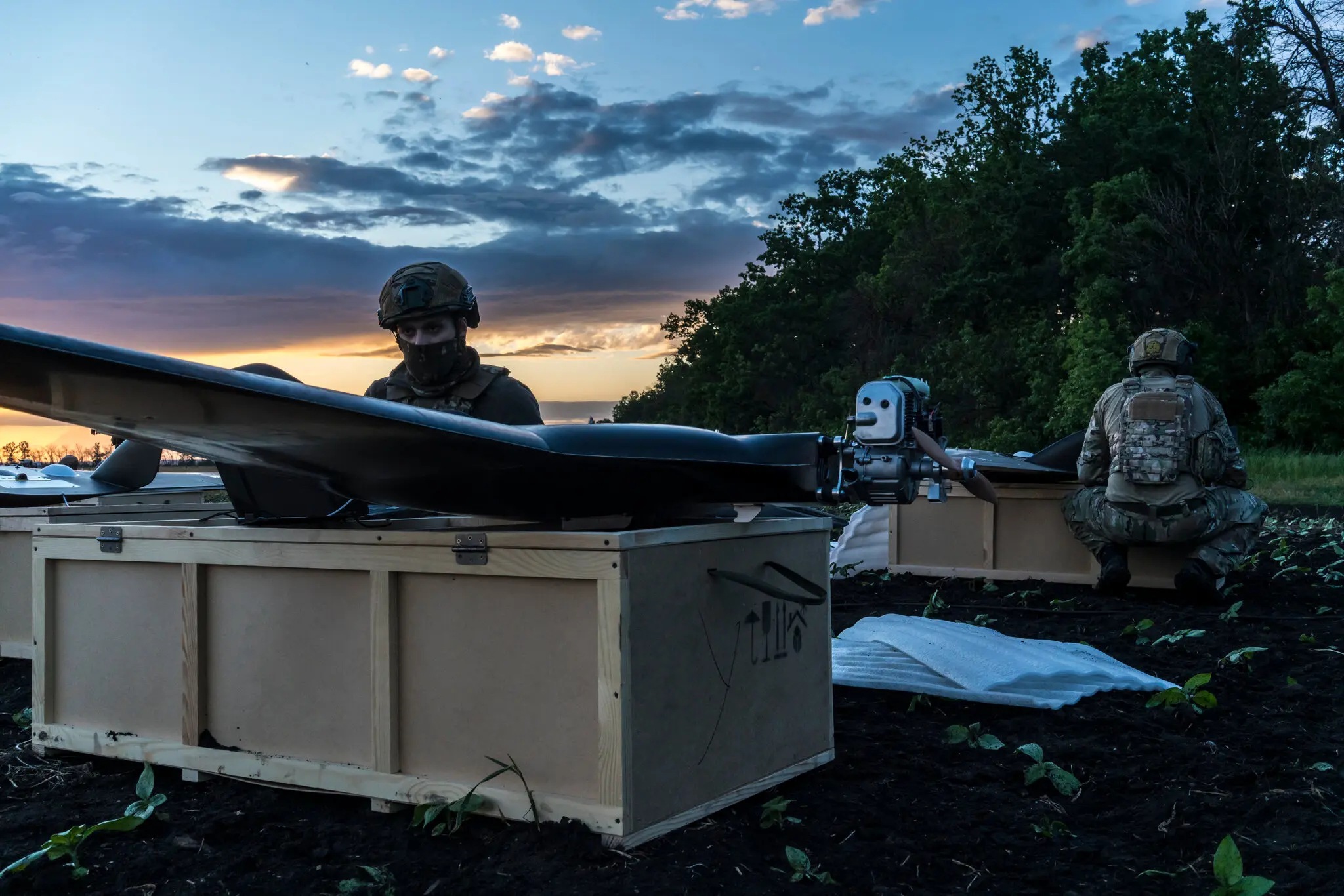 Українські солдати минулого місяця готуються запустити безпілотники Dragon по цілі в Росії з нерозголошеного місця в Україні — Брендан Гоффман
This is the limit of great power. A state may have superior aircraft, a larger fleet, a stronger economy and a broader coalition. But when its political objective requires not destruction, but the remaking of another actor’s will, the strikes themselves become only the beginning of a longer negotiation.
Russia wanted Ukraine to accept a new reality created by tanks. Ukraine responded by preventing that reality from becoming final. The United States wanted Iran, after being hit, to come to the table on the terms of defeat. Iran responded by making any deal dependent on concessions from Washington.
That is why diplomacy moves so heavily in both cases. The Kremlin demands Ukrainian territory it has not been able to fully capture. Washington seeks restrictions Iran does not want to present as surrender. In both wars, the stronger side wants at the negotiating table what it failed to secure on the battlefield.
Ukraine’s peace formula rests on security. No territorial concession can have meaning without guarantees that Russia will not return with another war. For Kyiv, this is not an abstract principle, but the lesson of 2014 and 2022, when previous arrangements failed to prevent the next stage of aggression.
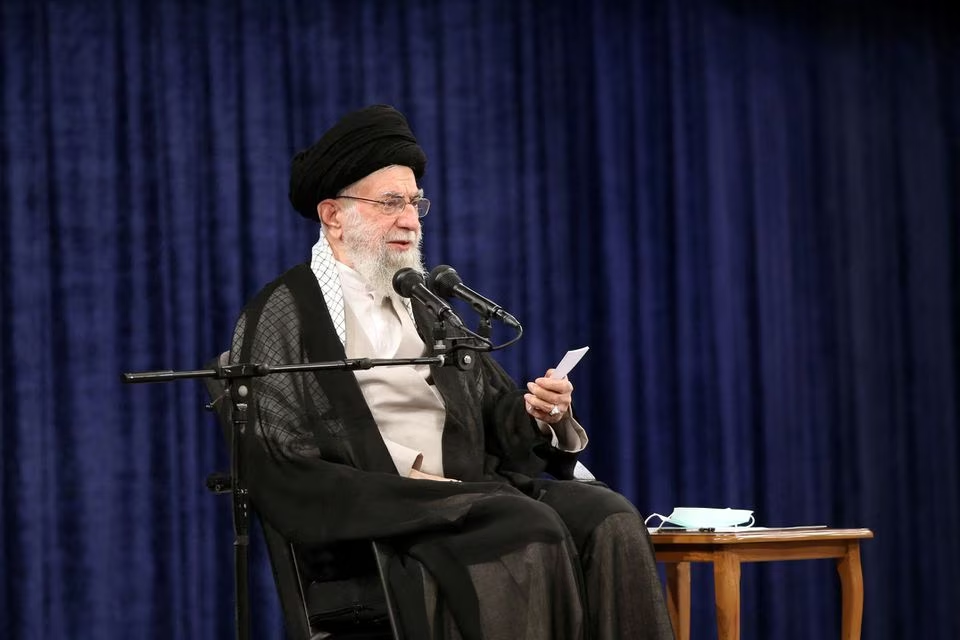
Iran’s formula is different. Tehran wants to test whether Washington can keep its promises: ease sanctions, unfreeze assets, restore shipping and preserve de-escalation around Lebanon. That is why even a framework agreement, if it reopens the Strait of Hormuz, would not yet amount to strategic peace.
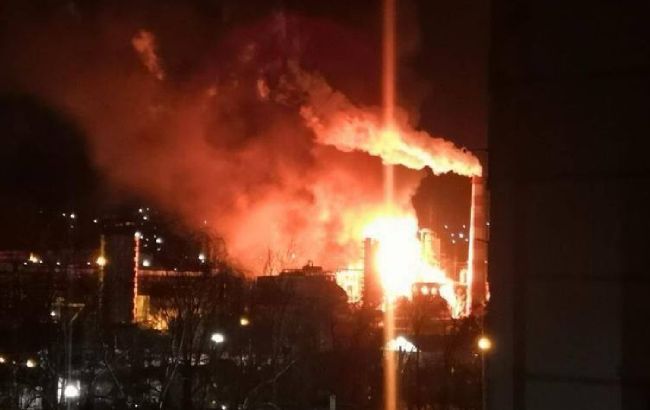
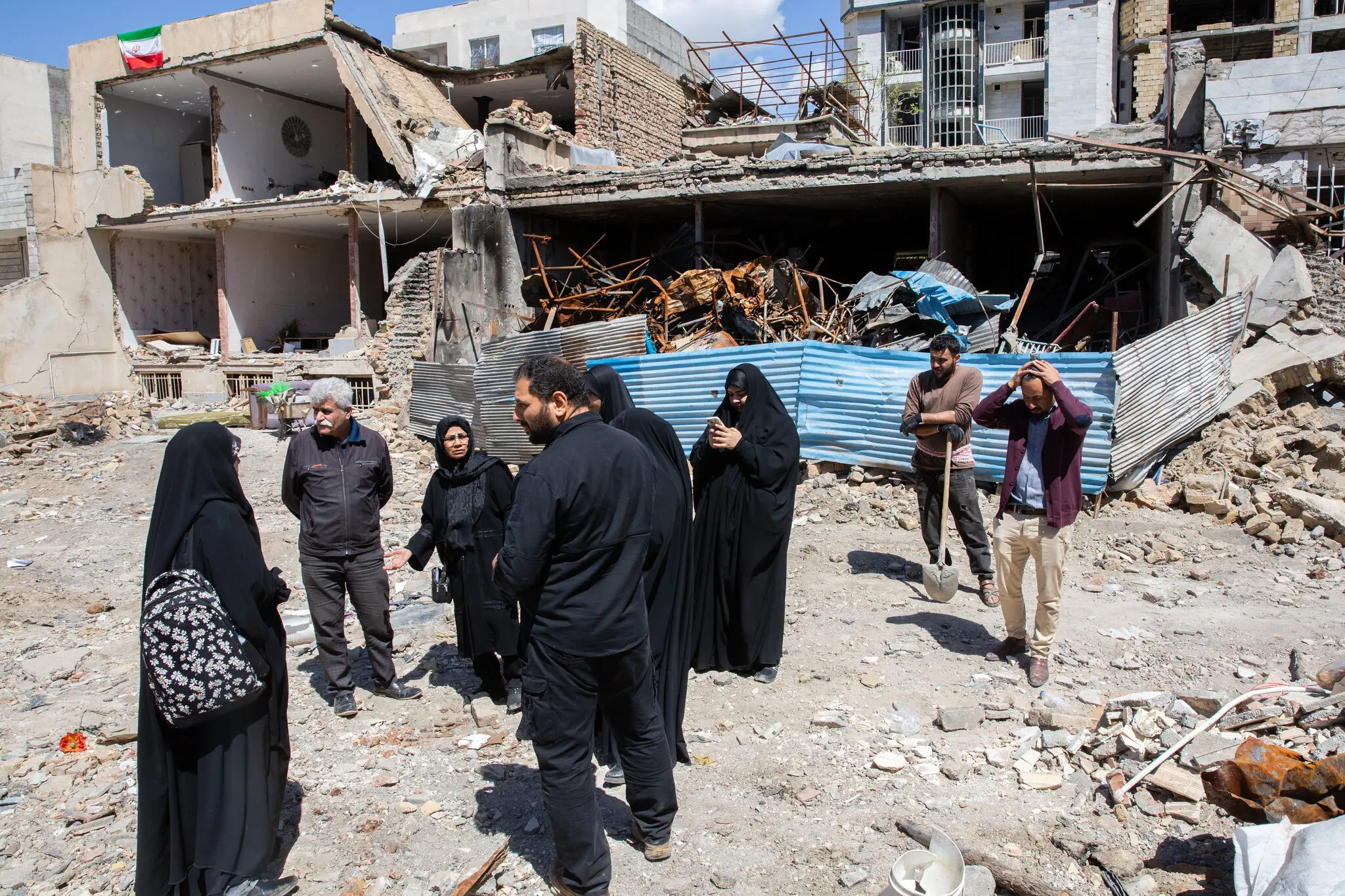 Мешканці перед пошкодженими квартирами після ударів у Караджі, Іран, у квітні — Араш Хамуші/Поляріс

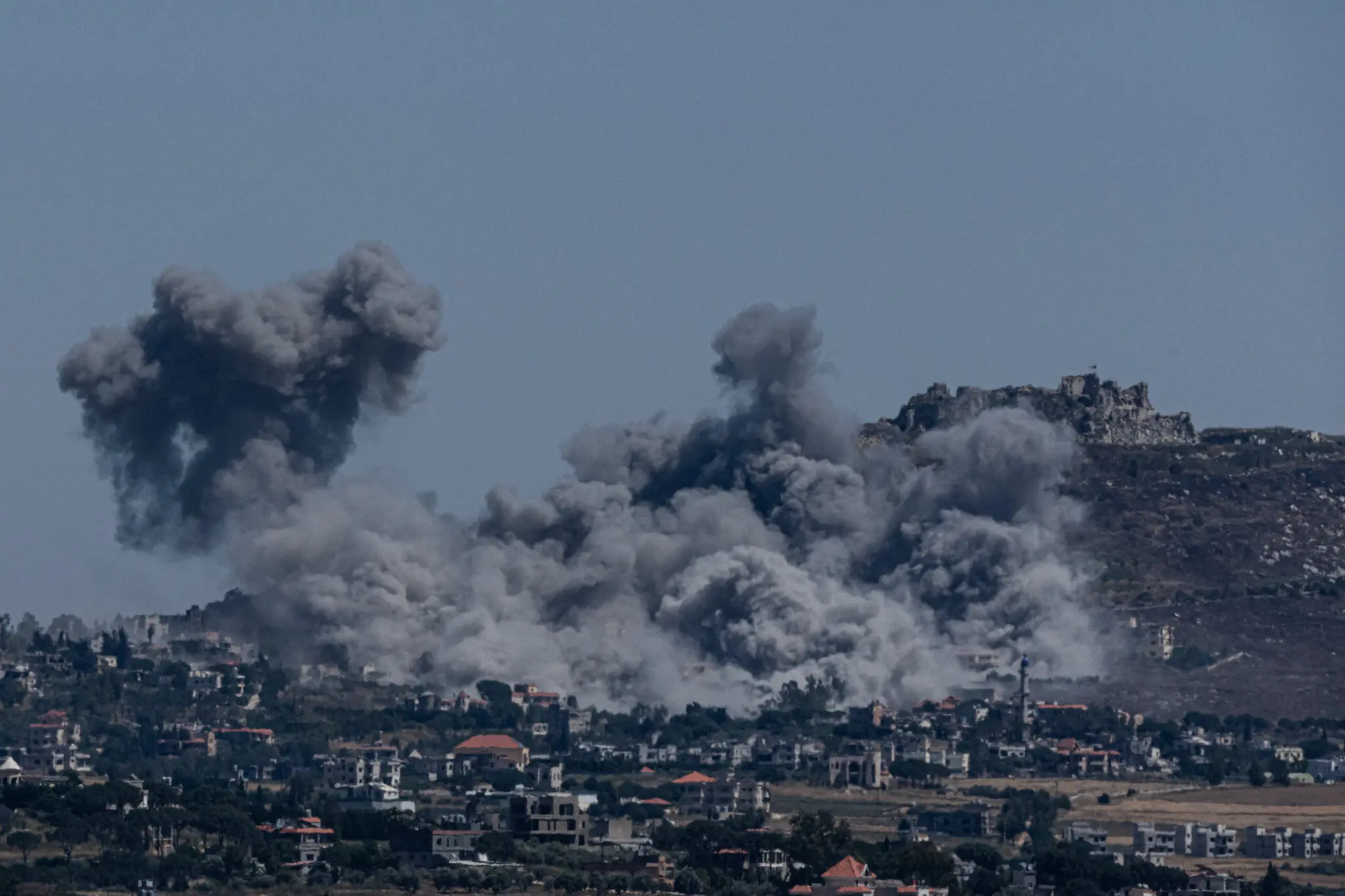 Цього місяця ізраїльський авіаудар приземлився перед замком Бофорт поблизу Набатії, Ліван — Даніель Берегулак
Both conflicts have therefore become suspended between war and negotiation. War no longer produces rapid results. Negotiations do not yet produce trust. Each side fears that a concession will become not the beginning of peace, but a pause the opponent can use for the next round of pressure.
For Putin, this is dangerous because it erodes the image of inevitable force. The Russian army can destroy cities, strike energy infrastructure and throw new resources into the front. But the duration of the war itself shows that Ukraine has not become a space that could be quickly absorbed.
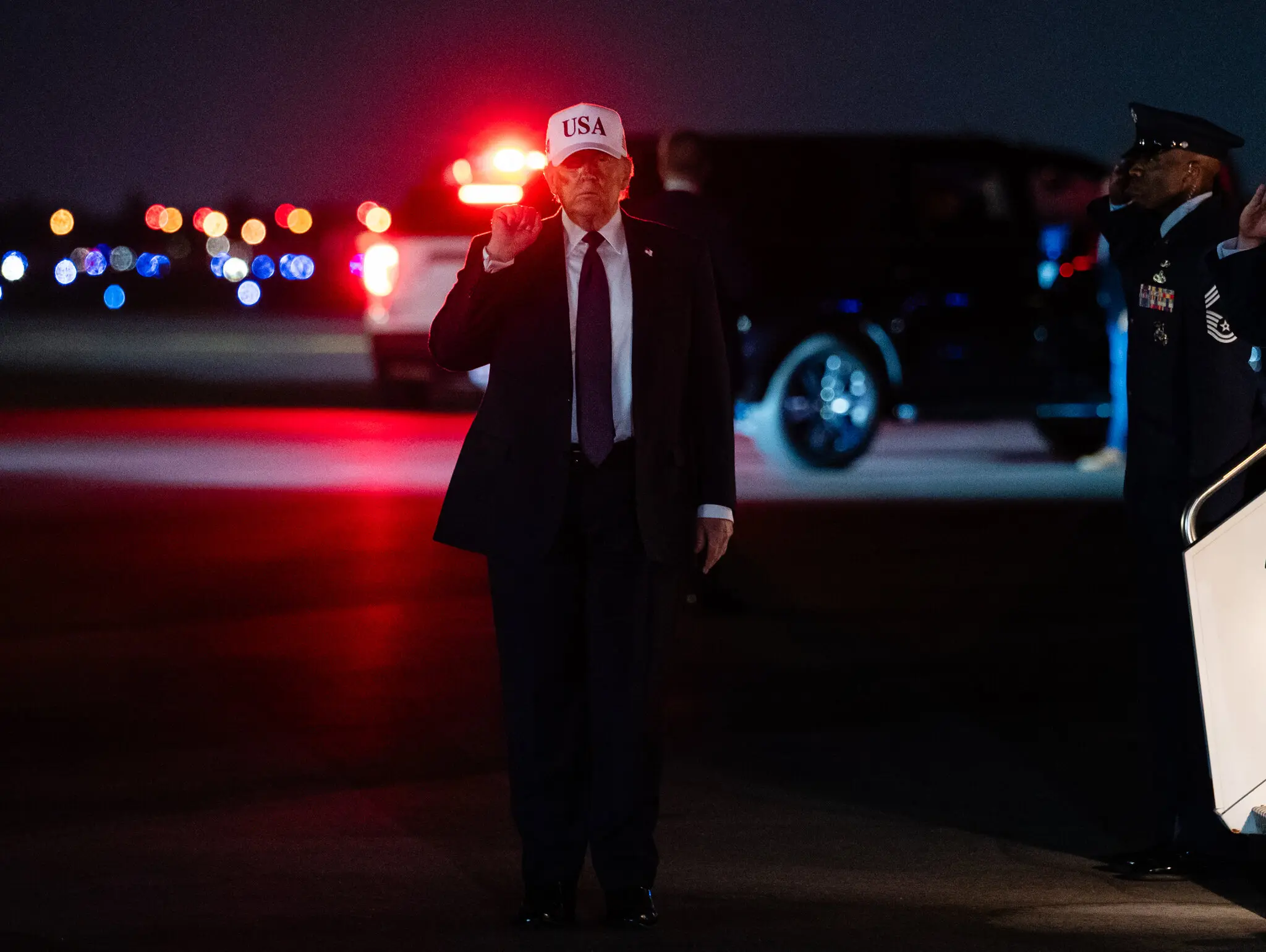
For Trump, the risk is different. If the United States demonstrates enormous military superiority but is then forced to settle for partial and delayed outcomes, allies begin to see not only American strength, but also the limits of American coercion. This is especially true where regional actors can threaten energy flows, trade routes and partner security.
These wars are also accelerating a shift in the international order. The world is becoming less vertical. Smaller states, regional regimes and even non-state networks are learning not necessarily to defeat a superpower directly, but to draw it into an arena where advantage becomes expensive, political will weakens and allies demand results.
Ukraine and Iran are not the same story. Ukraine’s resistance is national and liberating; Iran’s strategy is regime-centered and regionally expansionist. But in both cases, the stronger actor misread the environment it entered. It saw a target, but not a system.
 Минулого тижня люди шукали притулку в Рамат-Гані, Ізраїль, після того, як сирени повітряної тривоги попередили про наближення іранських ракет — Одед Балілті

That is what makes the current deadlocks so revealing. Russia cannot admit that Ukraine broke its plan. The United States cannot easily admit that Iran was not forced into full submission. Both great powers speak in the language of victory while searching, in practice, for a way out of wars that became more expensive than their original calculations allowed.
In the twenty-first century, power is measured less and less by the ability to strike alone. It is measured by the ability to turn a strike into a political result. That is where Moscow and Washington have met the hardest lesson: not every country that can be attacked can be made to fall.