



















The three-day ceasefire tied to Russia’s Victory Day was supposed to offer the simplest test: whether Moscow could stop firing, even briefly, while speaking about the possible end of the war. The answer came almost immediately from the front line.
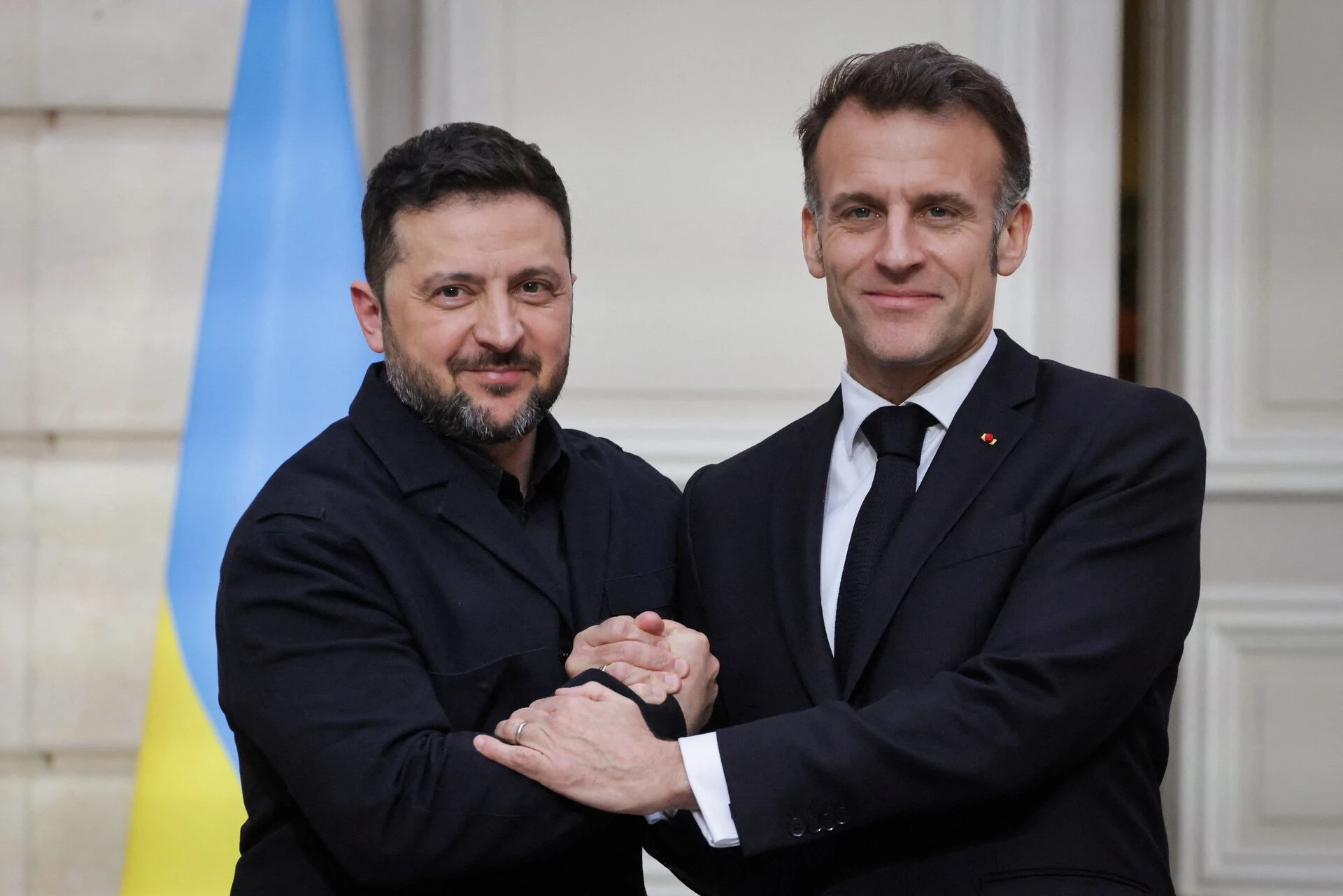
On the evening of May 11, Volodymyr Zelensky said there had been no silence. Fighting continued, Ukraine recorded violations and the country was preparing for new attacks. His central message was not emotional; it was political: Russia has no intention of ending this war.
The statement stood in sharp contrast to Vladimir Putin’s attempt, after the May 9 commemorations, to frame the war as a conflict approaching its conclusion. Once again, the gap between Kremlin language and the conduct of the Russian army proved too large to conceal behind diplomatic formulas.
According to Daycom’s earlier analysis, the meaning of this short pause was not in the number of hours without major strikes. Its real significance was that it exposed the limits of current peace diplomacy. If a brief ceasefire cannot survive a few days, a durable peace cannot exist without enforcement.
Formally, the pause ran from May 9 to May 11 as part of a U.S.-backed effort to push both sides toward de-escalation. Donald Trump had expressed hope that the ceasefire could be extended. By the time it expired, however, it was clear that the pause existed more convincingly in political statements than in military reality.
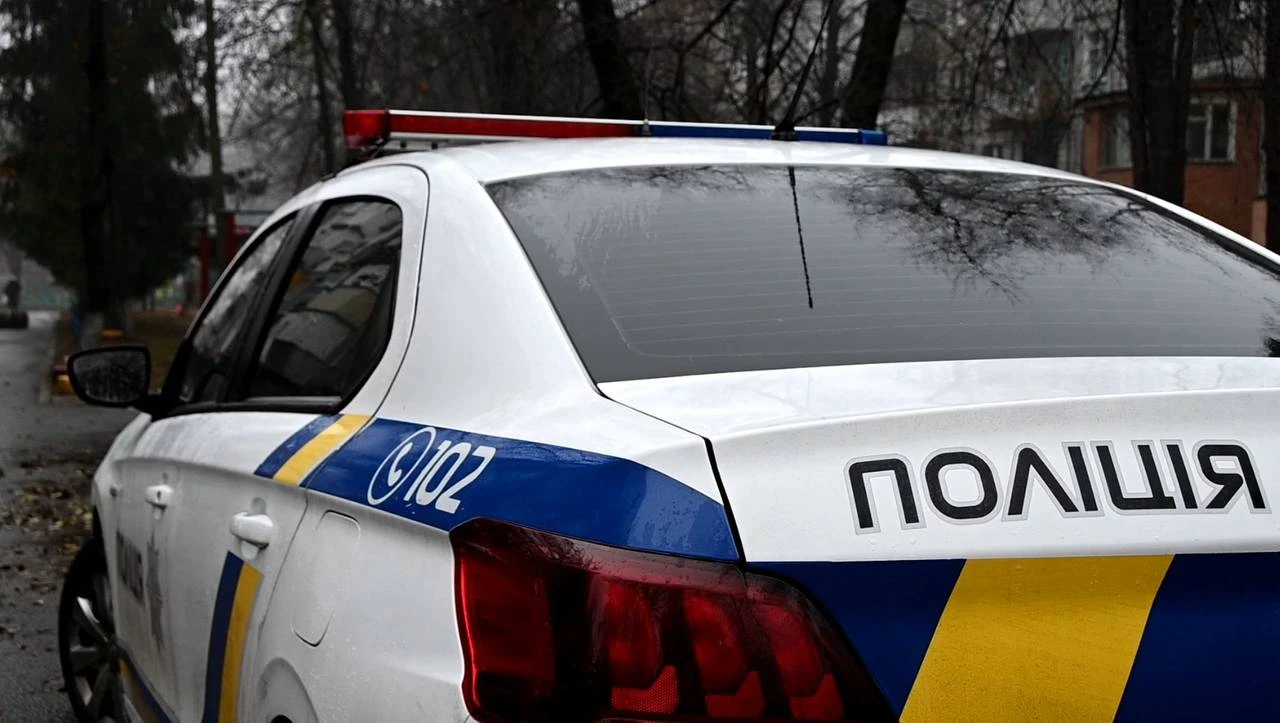
Ukraine and Russia accused each other almost simultaneously of violations. But for Kyiv, the essential point was not the exchange of claims. It was the battlefield picture: artillery fire, drone attacks, clashes along several sectors and continued Russian pressure where Moscow is trying to advance by small, exhausting steps.
Ukraine’s military reported heavy daily combat activity along the front. Further updates pointed to new Russian assaults and shelling in border areas. For diplomats, these may look like figures in a report. For a country living through the fourth year of full-scale war, they are daily evidence that no real ceasefire has taken hold.
That is why Zelensky’s warning about new attacks matters more than the statement that violations occurred. He was not simply describing the previous day. He was setting expectations for what may come next: Russia can use short pauses not as steps toward peace, but as moments for regrouping, pressure and diplomatic maneuver.
This is especially dangerous for Ukraine along a front line stretching roughly 1,200 kilometers. Even local Russian attacks can quickly become a strategic burden, forcing Kyiv to stretch reserves, consume ammunition, keep air defenses alert and hold society in a state of constant tension.
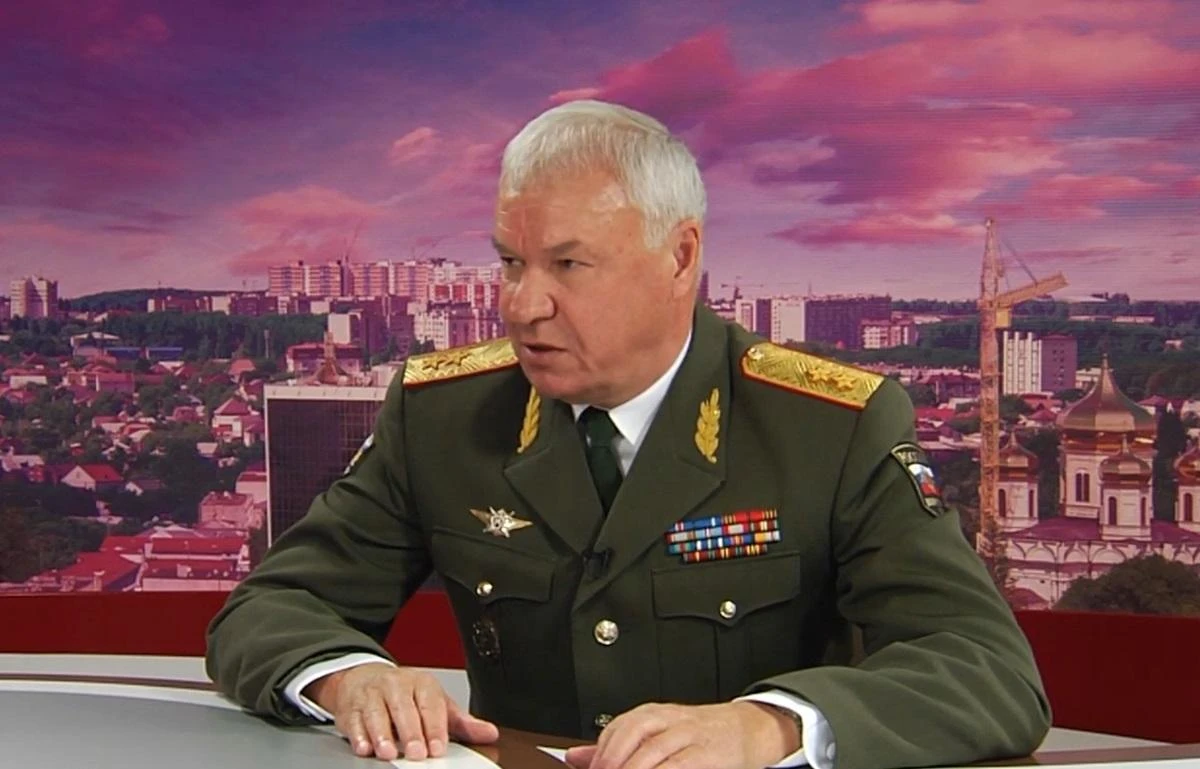
Moscow, in turn, sought to present Ukraine as the side responsible for breaking the pause. Russian officials claimed large-scale Ukrainian violations, while authorities in border regions reported deaths and injuries after attacks. This symmetry of accusation has long been part of the war: the Kremlin tries to blur responsibility and recast aggressor and victim as merely two sides of a conflict.
The timing gave the episode additional political weight. The ceasefire coincided with the 81st anniversary of the Soviet victory over Nazi Germany, a date Russia has turned into a state ritual of war memory, mobilization and legitimized force. In that setting, even the idea of a pause carried the feel of a symbolic performance.
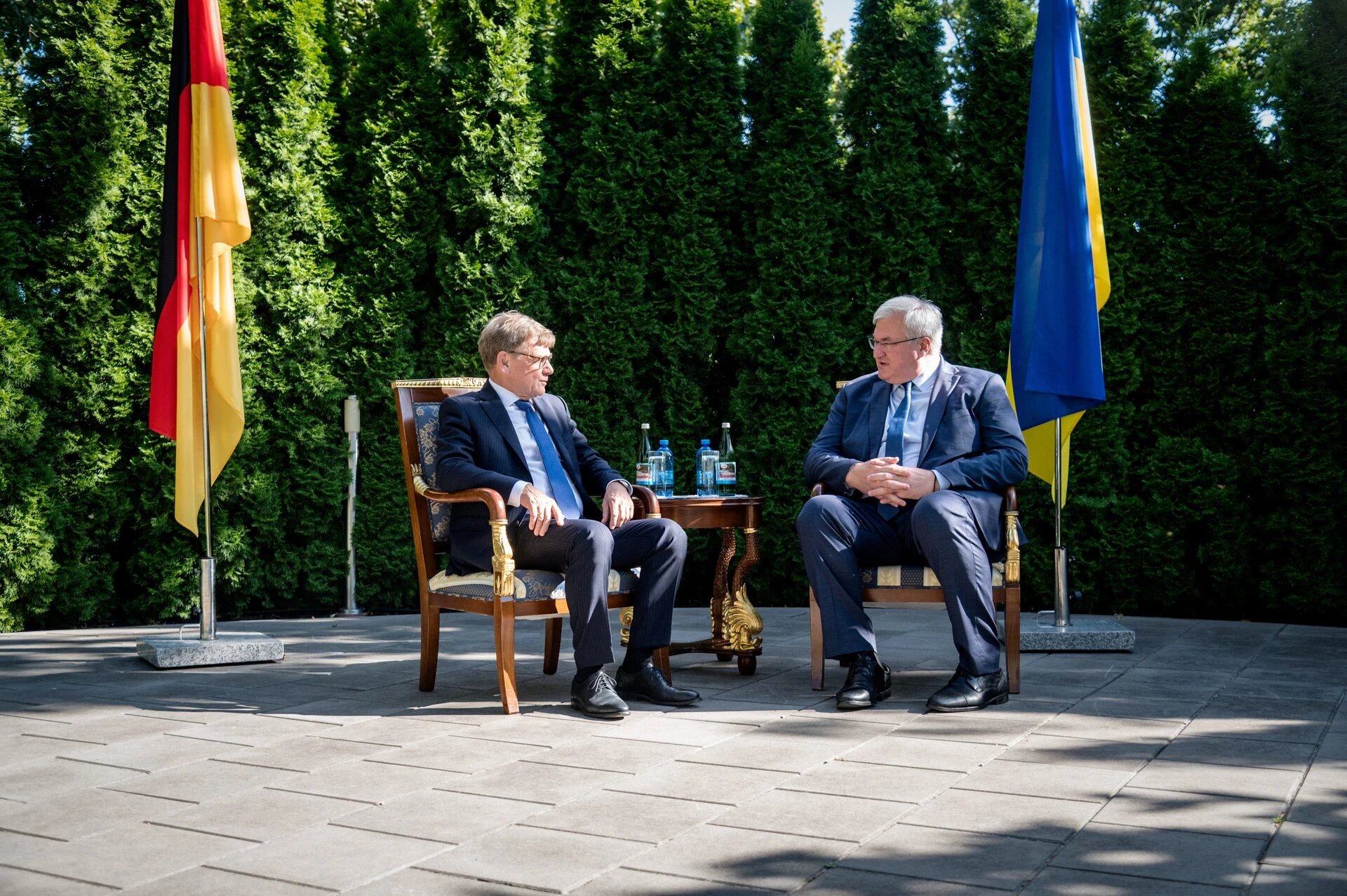
After the commemorations, Putin said he believed the war was nearing its end and spoke of a new European security arrangement. He also floated Gerhard Schröder, the former German chancellor, as a possible interlocutor — a figure whose closeness to Russian energy and political interests has long been a problem in Berlin and Brussels.
Europe’s reaction was swift and cold. The idea of a role for Schröder gained no serious traction because it looked less like neutral mediation than an attempt by Moscow to choose a convenient channel to Europe. For Kyiv, that distinction is vital: talks about Ukraine without Ukraine, or through figures politically close to the Kremlin, are not a path to peace but to imposed concessions.
Zelensky’s message therefore works on several levels at once. It speaks to Ukrainians, who must understand that even a short lull is not a guarantee of safety. It speaks to allies, for whom a ceasefire should not become a reason to reduce military support. And it speaks to Moscow, showing that Kyiv is ready for peace but not for self-deception.
The problem is not that diplomacy has become impossible. The problem is that diplomacy without force quickly becomes a cover for the continuation of war by other means. Russia wants to speak about peace without abandoning offensives, about European security without respecting Ukraine’s security, and about ending the war without stopping its attacks.
For Washington, the pause was also a test. A U.S. initiative that lacks monitoring mechanisms, consequences for violations and clear guarantees for Ukraine risks becoming a diplomatic gesture without leverage. The Kremlin has long known how to use such gestures as space for maneuver.
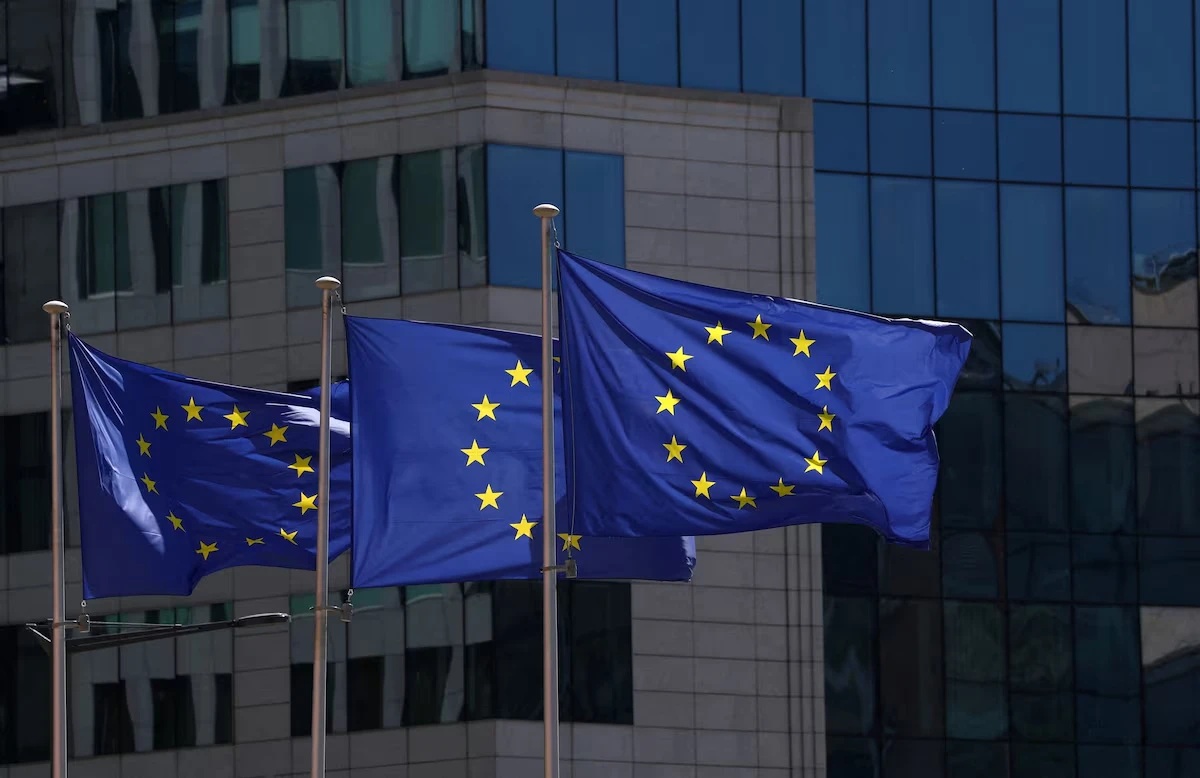
For Europe, the conclusion is equally clear. The question is no longer only whether peace talks are possible, but who defines their framework. If Russia sets the frame, it will speak of “new security” through limits on Ukrainian sovereignty. If Ukraine and its allies set it, the first requirements must be a stable ceasefire, verification and accountability for violations.
That is why this episode does not feel closed. On the contrary, it opens a new cycle of tension. After a failed pause, the risk of intensified strikes usually rises. Zelensky’s warning that Ukraine is preparing for new attacks was not the language of panic. It was the language of a state that has learned not to confuse Kremlin declarations with the intentions of the Russian army.
Peace remains the goal. But after the May 9–11 ceasefire, one thing became clearer: peace will not arrive through a symbolic date, a convenient mediator or a formula spoken after a parade. It will require pressure, weapons, resilience, monitoring and political clarity. That clarity is the core of Zelensky’s message: Russia is not stopping the war, so Ukraine cannot stop preparing for it.