







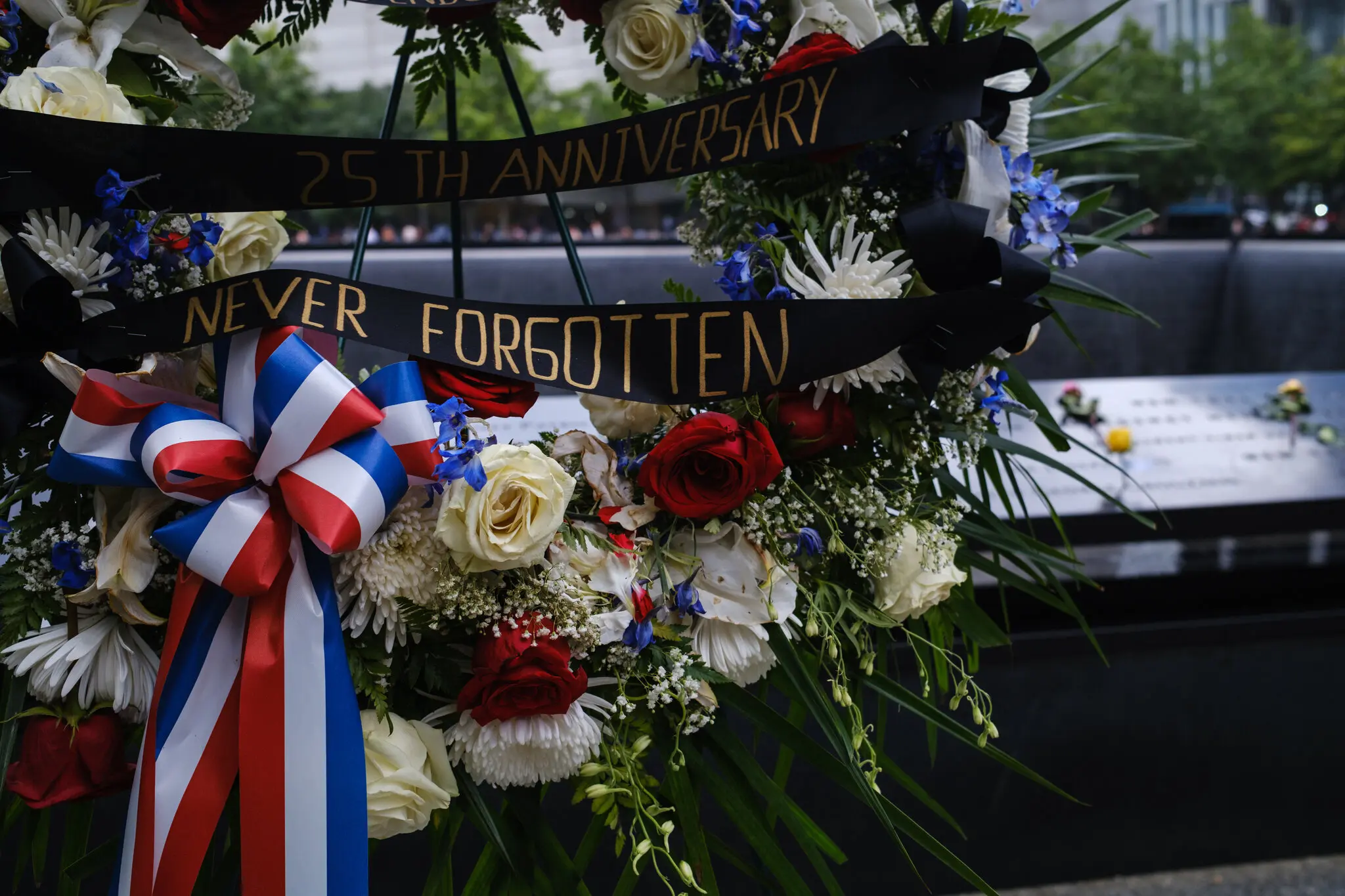






A quarter-century after the attacks on New York, the Pentagon and Flight 93, European capitals again spoke of the nearly 3,000 people killed, the first responders and the families for whom Sept. 11 never became merely a date in history. But alongside the condolences, another theme was unusually prominent this year: the alliance between America and Europe.
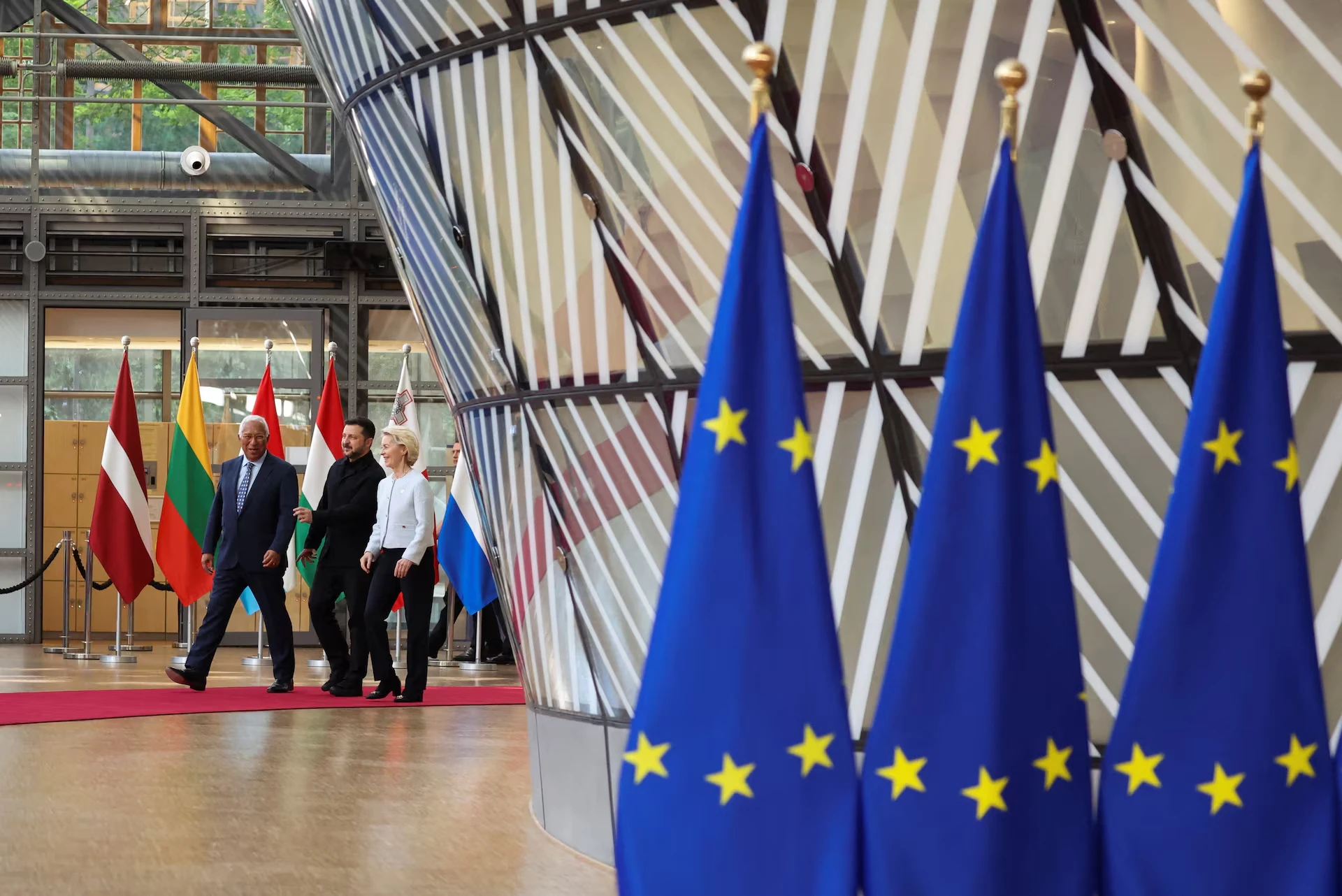
European Commission President Ursula von der Leyen framed that point almost as a strategic reminder. The threats have changed over 25 years, she said, and the world has returned to great-power competition and interstate war, but the lesson of Sept. 11 remains the same: in moments of danger, alliances, unity and shared values matter.
At NATO headquarters in Brussels on Sept. 11, flags were lowered and a ceremony was held at the memorial dedicated to 9/11 and Article 5. At 2:46 p.m. Central European time — the moment when the first aircraft struck the North Tower 25 years ago — alliance representatives observed a minute of silence.
That memorial gesture now carries a political meaning that barely required explanation in 2001. After the attacks, European allies rallied behind the United States on an unprecedented scale. Today it is Europe that lives beside a major war, Russian drones, sabotage and strikes near its borders — and asks how reciprocal that same principle still is.
Daycom’s analysis indicates that the 25th anniversary of 9/11 has become a delicate reminder to Washington of the history of allied solidarity. Europeans are not saying that America has abandoned them. They are making a different point: when the United States was attacked, allies did not demand proof that American security was also their problem.
On Sept. 12, 2001, NATO turned to Article 5 of the Washington Treaty for the first time in its history — the principle that an attack on one ally is considered an attack on all. Its application was formally confirmed on Oct. 2 after the United States presented evidence that the attacks had been organized from abroad by Al Qaeda.
It did not remain a declaration. During Operation Eagle Assist, seven NATO AWACS aircraft patrolled American skies. Some 830 personnel from 13 countries carried out more than 360 sorties. In the Mediterranean, the alliance launched Operation Active Endeavour to monitor shipping and counter terrorist activity.
The war in Afghanistan that followed had a more complicated legal and military history: allies initially supported the U.S.-led campaign mostly through national contributions, while NATO took command of the international ISAF mission in 2003. Even so, Sept. 11 marked the beginning of two decades of military involvement for many European countries.
Kaja Kallas, the European Union’s top diplomat, recalled the hundreds of thousands of European troops who served alongside Americans in Afghanistan over those years. Some never returned home. Her conclusion was direct: the trans-Atlantic bond made both sides of the ocean safer.
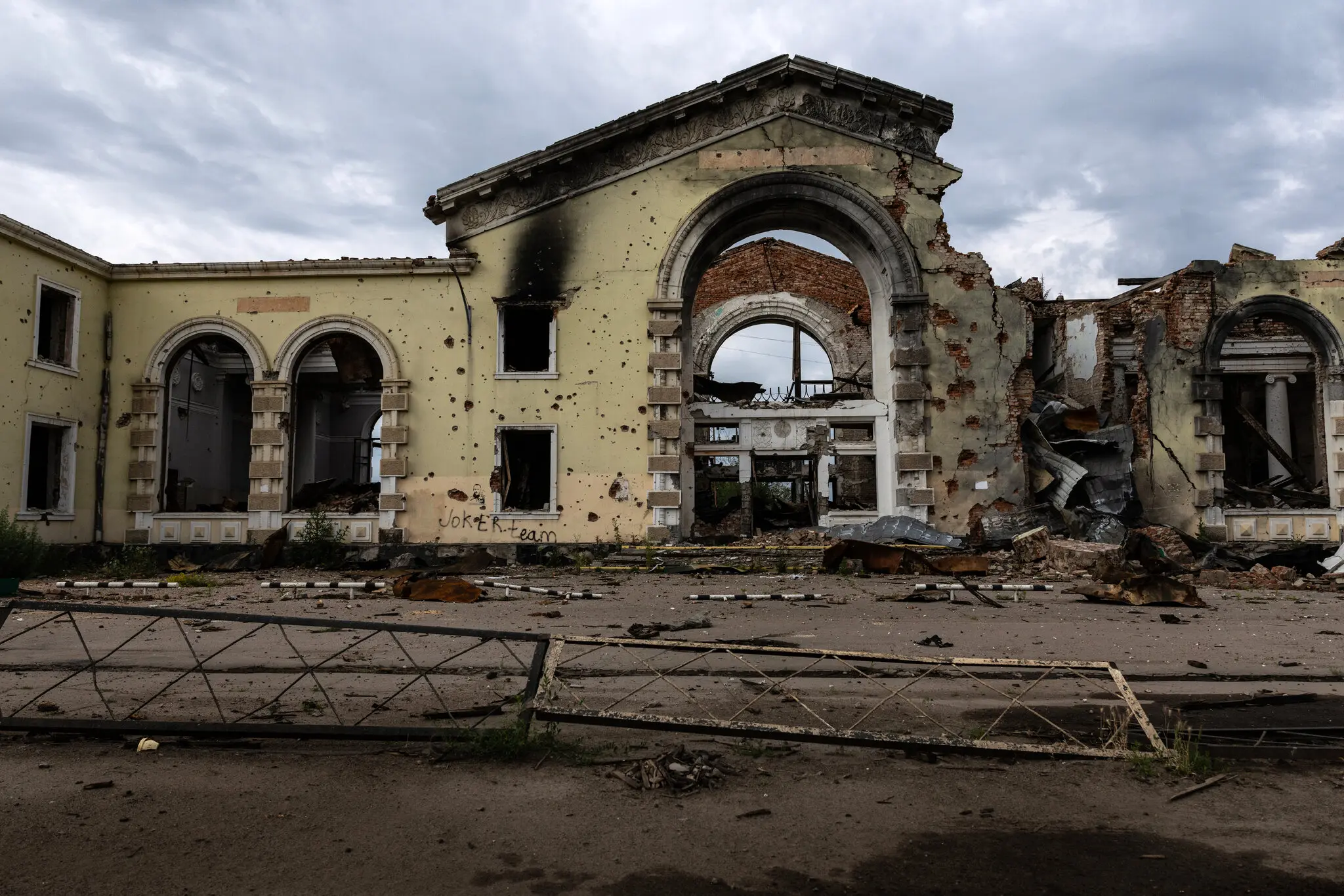
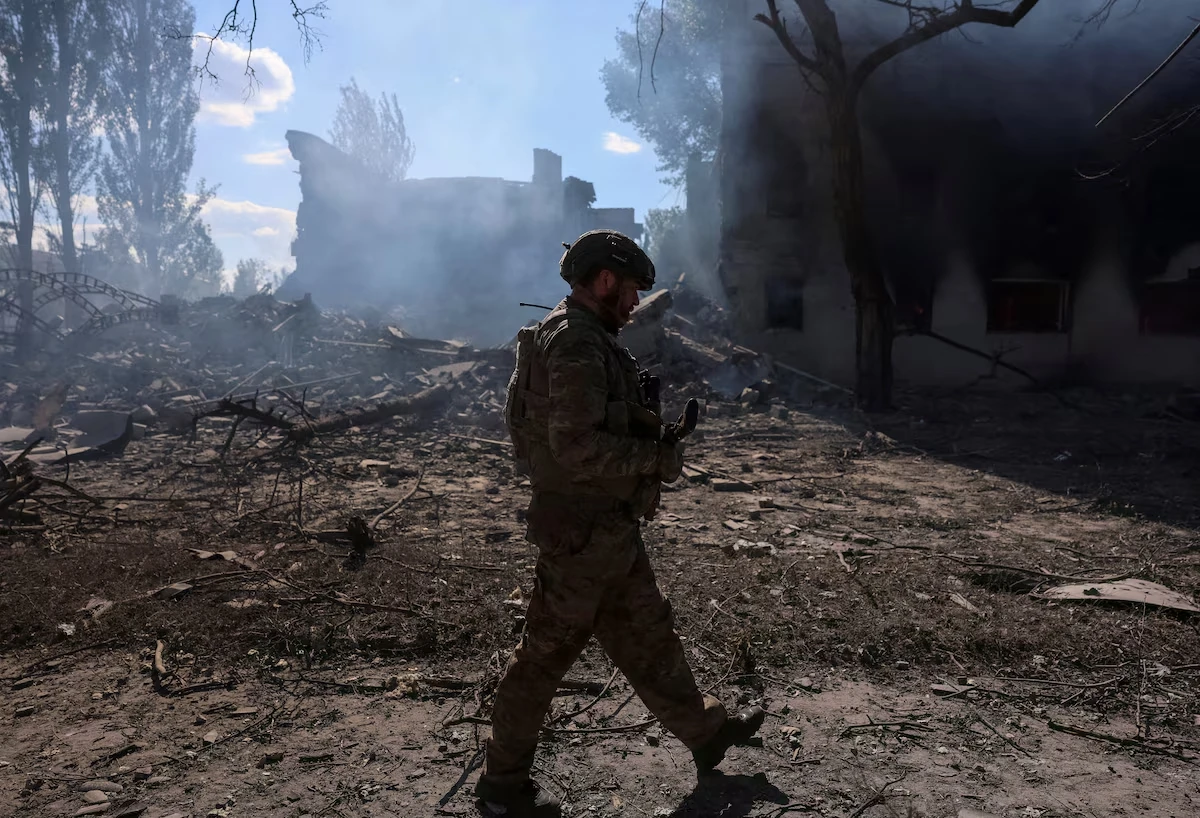
Twenty-five years later, the direction of NATO’s principal threat has effectively reversed. In 2001, America asked its allies to help answer an attack organized by an international terrorist network. In 2026, Europeans are looking at Russia, the war in Ukraine and an expanding gray zone between peace and direct armed attack.
Recent weeks alone have offered several examples of that new reality. Germany has accused Russia of involvement in an attempted explosive-drone attack at Leipzig/Halle Airport. Romanian intelligence has reported disrupting a sabotage operation, while NATO allies have described efforts to counter suspicious activity near critical undersea cables. Moscow denies involvement.
At the same time, Russian drones and missiles are regularly creating risks near NATO borders. Poland has already warned that it expects possible attacks or provocations against crossings with Ukraine, while eastern-flank states increasingly view protection of logistics as part of their own defense rather than simply assistance to Kyiv.
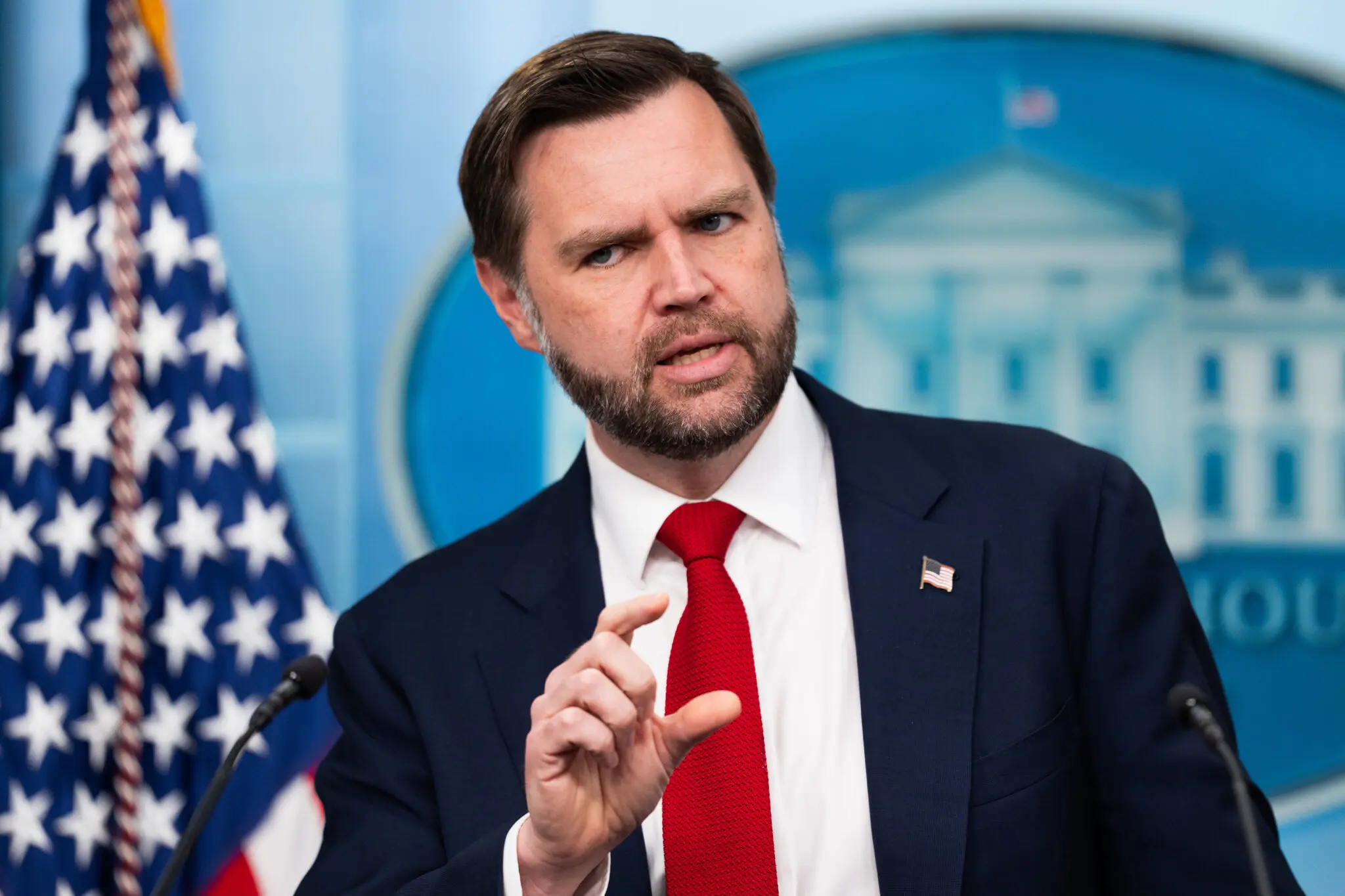
The United States has not formally abandoned its alliance obligations. U.S. Ambassador to NATO Matthew Whitaker said this month that the alliance should not tolerate hybrid attacks against its members and that Washington would support allies confronted by such actions.
But European concern stems from something else: not a legal U.S. withdrawal from NATO, but the gradual shift in American strategic priorities. The Pentagon is reviewing the deployment of roughly 80,000 U.S. troops in Europe and preparing several options for their future size and structure.
No decision has yet been made. Under the review, options are to be presented to the U.S. defense secretary after assessing bases, access to allied territory, airspace, intelligence, cyber capabilities and the contributions of European countries themselves. Yet the review alone is forcing NATO capitals to prepare for a less American-centered model of defense.
Washington explains that shift as more than dissatisfaction with Europe. U.S. military planning increasingly takes account of China, the Indo-Pacific and the simultaneous burden of the war with Iran. Resources, munitions, ships and air-defense systems are finite, so the argument over burden-sharing has stopped being an accounting dispute.
Europe is already responding with a sharp increase in defense spending. At NATO’s 2025 summit in The Hague, allies agreed that by 2035 they would devote a combined 5% of GDP to defense and security: at least 3.5% for core military requirements and up to 1.5% for infrastructure, resilience and related areas.
In 2026, NATO already estimates combined defense and security spending by European allies and Canada at roughly 4% of GDP. Secretary General Mark Rutte describes this as a rebalancing of the alliance: Europe must possess more of its own forces, production capacity and stockpiles instead of automatically relying on American reinforcement.
That is where the memory of 2001 acquires a modern extension. Europe’s position cannot simply be, “America must defend us because it always has.” The American response is becoming equally clear: an alliance remains reciprocal only when allies are capable not just of asking for guarantees, but of carrying a substantial share of the cost.
President Donald Trump has made that logic more explicit. He has repeatedly demanded that Europeans pay more for their own defense and said in September that he intends to seek reimbursement for part of earlier U.S. assistance to Ukraine. For Europe, that underscores how transactional the tone of the conversation with Washington has become.
At the same time, it would be wrong to describe the current relationship as a simple rupture. In 2025, all NATO members again reaffirmed Article 5, and in 2026 the alliance is agreeing new capabilities, contracts and production. U.S. forces remain in Europe, and the United States is still a crucial source of weapons, intelligence and strategic deterrence.
That is why the anniversary statements from European leaders sounded less like a break with Washington than an attempt to preserve the foundation while the structure above it changes. Romanian President Nicușor Dan called his country a reliable U.S. partner, while Poland’s defense minister stressed that when the time came to act after 9/11, the allies acted together.
Romania is a particularly telling example. Bucharest supports the American military presence and, during the war with Iran, allowed its bases to be used in support of U.S. operations. Europe’s call for reciprocity is therefore coming from countries that continue to participate in the wider American security system.
Ukraine, which is not a NATO member, used the anniversary more directly. Parliament Speaker Ruslan Stefanchuk said that 25 years ago the democratic world found the strength to respond to Al Qaeda and that today it must find the same strength to resist Russian terror and the war of attrition against Ukraine.
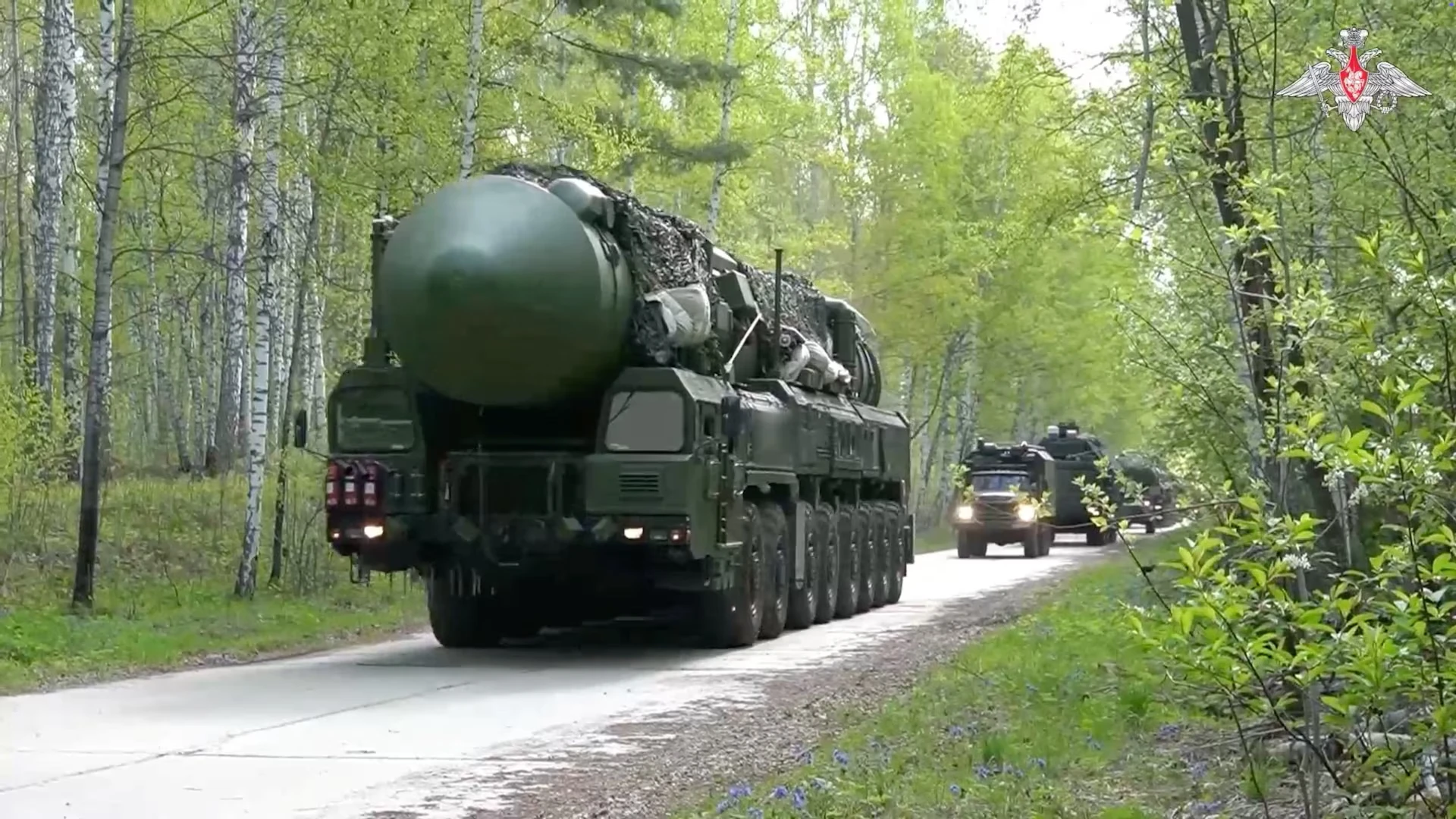
That comparison does not mean the 2001 terrorist attacks and Russia’s interstate war against Ukraine are identical phenomena. On the contrary, the central contrast lies precisely in the changing nature of the threat. Then the alliance responded to a nonstate network. Now it must deter a nuclear-armed state while avoiding a direct NATO-Russia war.
Moscow offers its own interpretation of the same history. The Russian Embassy in Washington recalled that Vladimir Putin was among the first leaders to telephone George W. Bush after the attacks and that Russia and the United States cooperated against terrorism at the time. NATO enlargement, Moscow said, later overshadowed that period.
That interpretation reflects Russia’s longstanding argument that the West bears responsibility for the collapse of post-Cold War cooperation. NATO and its members reject that logic, regarding enlargement as the sovereign choice of Central and Eastern European states and linking the current threat primarily to Russian aggression.
Nor should the unity after 9/11 be romanticized. It began to fray long before the current U.S. administration. Preparations for the invasion of Iraq in 2002 and 2003 divided European allies and demonstrated that solidarity with Washington did not mean automatic support for every American war.
Afghanistan left an even more complicated legacy. Two decades of military presence ended with the Taliban’s return to power in 2021. For many Europeans, that became a painful reminder that even an enormous joint military campaign does not guarantee the political outcome for which it was launched.
But those disputes do not erase the fact of allied participation. After 9/11, European forces patrolled American skies, deployed to Afghanistan, supported maritime operations and worked alongside U.S. forces for two decades. It is that memory European leaders are invoking today.
For present-day Europe, another feature of Article 5 has become especially important. It is not an automatic command requiring identical military action from every member. The Washington Treaty says that each ally will take the action it deems necessary, including the use of armed force.
That matters greatly in an era of sabotage, cyberattacks, drones and attacks on critical infrastructure. The question is increasingly not whether NATO is capable of fighting, but where a provocation ends and an armed attack begins — the point at which collective defense becomes necessary.
It is along precisely that boundary that Russia, according to Western governments, is increasingly testing European resilience. Moscow rejects accusations surrounding many sabotage incidents, but the volume of investigations, drone incursions and threats to infrastructure is pushing allies to develop response mechanisms before they face anything resembling a classic military assault.
Europe therefore needs more from the United States than troops and hardware. The most valuable element of the American presence remains a potential adversary’s confidence that Washington would genuinely come to an ally’s defense. If that political confidence weakens, the number of tanks or aircraft on the continent ceases to be the only measure of deterrence.
The United States, in turn, wants a different kind of assurance: that in a crisis European allies will have enough air defense, ammunition, ground forces, logistics and industrial capacity to prevent Article 5 from becoming an almost exclusively American obligation.
That is why the current moment does not necessarily mark the end of the trans-Atlantic alliance. It more likely marks the end of its previous model — one in which overwhelming U.S. military superiority allowed Europe to spend less while remaining confident that America would almost automatically fill critical gaps.
The memory of Sept. 11 makes that restructuring more emotional. For European countries that sent troops to Afghanistan, the present discussion of an American drawdown can feel less like an abstract force review and more like a test of whether reciprocity still exists a generation after NATO’s greatest test of solidarity.
But reducing the anniversary to an argument over defense budgets would be unfair to the tragedy itself. Sept. 11 remains first and foremost a day of remembrance for the 2,977 people killed, for those in the towers and aircraft, for firefighters and police officers, and for the families who have lived with the consequences for a quarter-century.
That is why European statements operate on two levels. On the first, they tell Americans: we remember your tragedy. On the second — quieter but politically unmistakable — they remind Washington that the alliance after that tragedy was not a metaphor, but a practical commitment that required money, troops and human lives.
In 2001, NATO suddenly faced a basic question: would Europeans truly regard an attack on America as an attack on themselves? The answer was yes, and Article 5 moved for the first time from a political formula into action. It has not been invoked again since.
In 2026, the question is different. Will America remain just as politically engaged if the principal danger emerges on Europe’s eastern flank while its own strategy increasingly turns toward China, the Middle East and the domestic economic cost of global military commitments?
Europe can no longer answer that uncertainty merely with historical claims to solidarity. It has to rearm, expand production, build air defenses and prepare infrastructure for war. But the United States cannot simply bracket European security without weakening an alliance that has multiplied American power for decades.
That is how the 25th anniversary of 9/11 has become a mirror for NATO. It shows the alliance at the moment of its clearest solidarity while forcing a comparison with the present, when allies argue over money, wars, priorities and how much of America should remain embedded in Europe’s defense.
A quarter-century ago, the response to tragedy was stated simply: an attack on one is an attack on all. Europe is now reminding the United States not only of those words, but of the fact that they once had a concrete price — and that allies paid that price together.
The next great test of the trans-Atlantic bond may look nothing like Sept. 11. It could begin with a drone, sabotage, a cable on the seabed or a border strike when no one is initially sure whether the threshold for Article 5 has been crossed. That is why the memory of 2001 has again become part of the debate about the future.
Because 25 years later, the central lesson of Sept. 11 for NATO is no longer only that allies once stood beside America. It is whether they can preserve the belief that they would do so again — regardless of which side of the Atlantic is asking for help next time.