



















There was no reliable connection inside the underground shelter, and therefore no obvious audience. Yet Serhii Krynitskyi kept turning on his phone, greeting the camera and signing off as if someone were waiting on the other side. He later explained that the recordings were meant for people close to him — those he still hoped to see if he made it out.
Krynitskyi, a 42-year-old serviceman with Ukraine’s 24th Separate Mechanized Brigade, spent 346 days on one of the war’s most dangerous stretches near Chasiv Yar. For almost a year, his world was reduced to a cramped shelter, observation duty, the threat of drones and the constant uncertainty of when movement might again become possible.
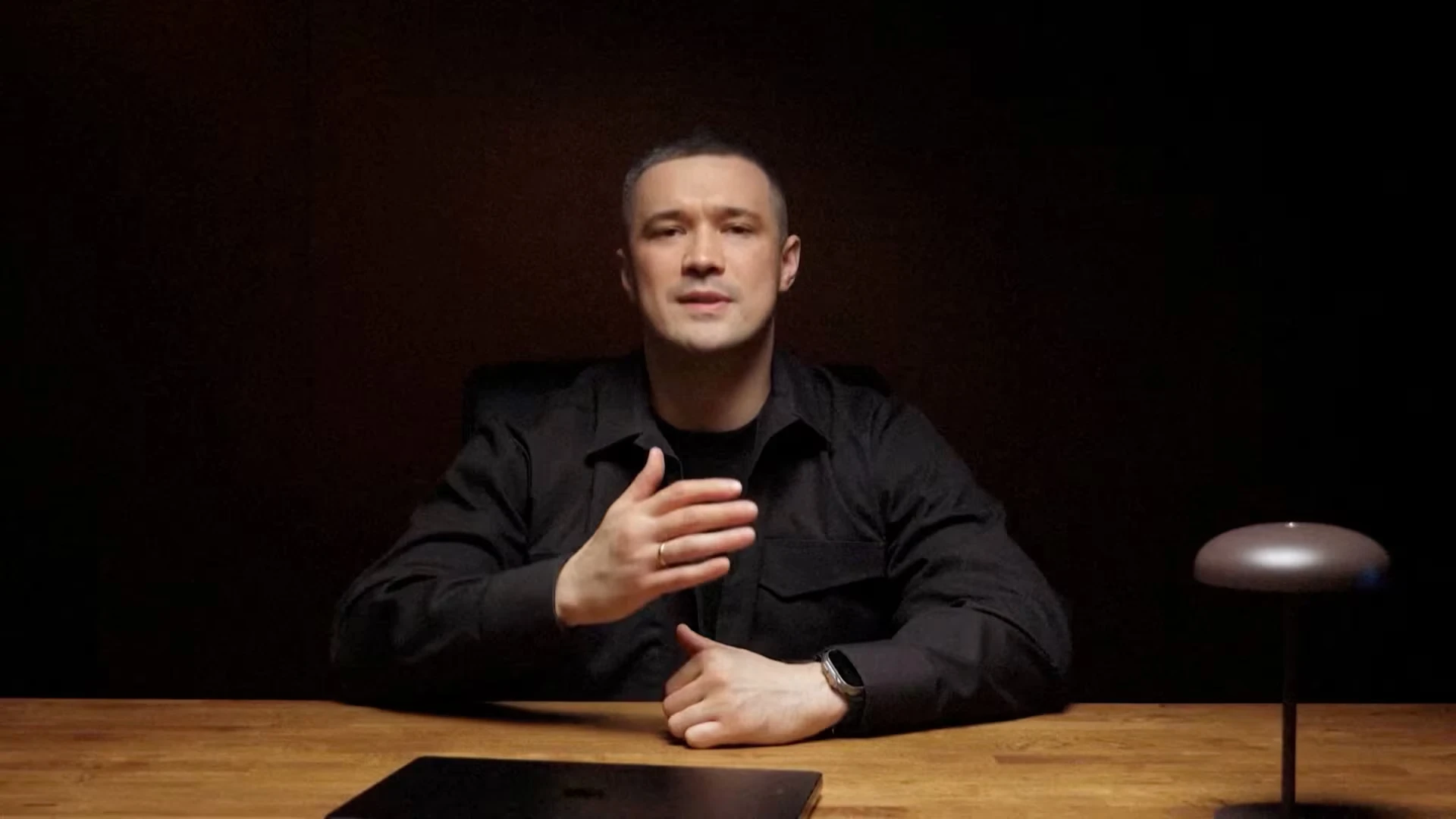
Those recordings eventually became the core of a Reuters documentary. In August 2026, Reuters visuals producer Felix Hoske described how what began as a possible short television interview grew into a far more complex piece of reporting — one that required not only an intimate conversation with a soldier, but painstaking verification of the digital record he had created.
The original idea was modest. Hoske came across an interview with Krynitskyi on the brigade’s YouTube channel and quickly saw the potential for a personal story. What caught his attention was not simply combat footage, but the tone of a man who had spent months recording messages he had no immediate way to send.
According to Daycom’s analysis of the publicly available and verified material, the strength of the story lies in the overlap of two narratives. One is about a soldier surviving nearly a year in isolation under constant threat. The other is about the transformation of a private digital archive into a piece of journalism that can be checked, reconstructed and placed in context.
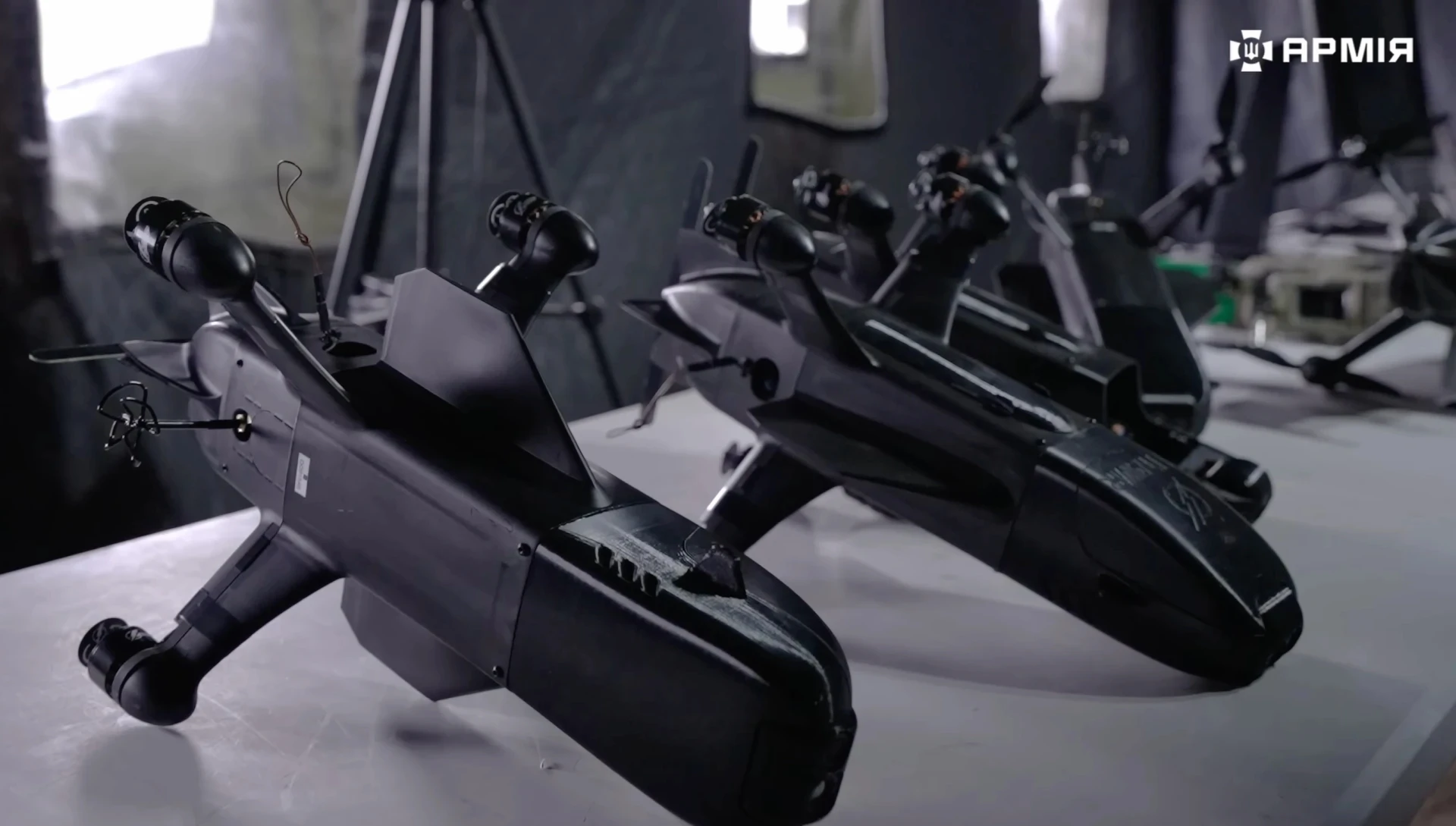
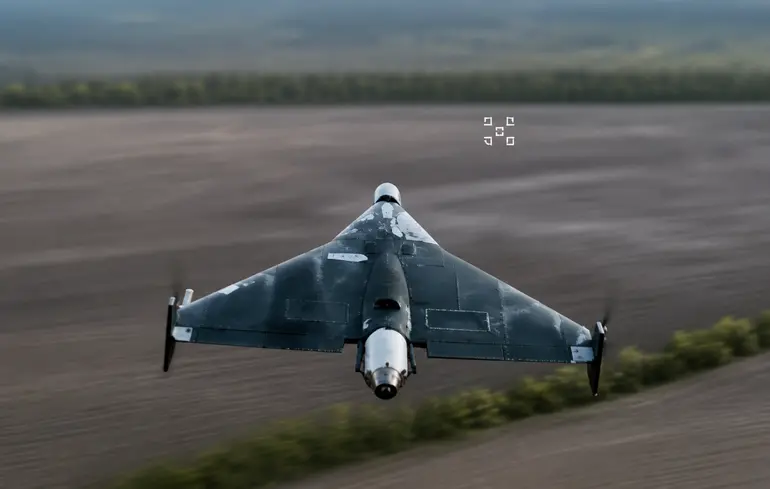
That kind of isolation is becoming an increasingly familiar feature of modern infantry warfare. The widespread use of reconnaissance and attack drones has sharply raised the risks of moving in the open. Resupply, rotation and even short movements between positions can become operations shaped by weather, timing and the narrowest margins of safety.
For that reason, the most revealing parts of Krynitskyi’s diary were not necessarily the attacks. His camera also recorded the long spaces between them: the shelter itself, routines, conversations, fatigue, missing supplies and the gradual erosion of a normal sense of time. Those details gave the footage a texture that conventional battlefield video often lacks.
Reuters could not simply rely on the fact that some of the material had appeared on an official brigade channel. Hoske said the newsroom asked for the original files and treated them as it would any other frontline material. Several videos were geolocated, while metadata helped establish dates and rebuild the sequence of key events.
That process mattered because Krynitskyi himself could no longer place every episode precisely on a calendar. After months in an extreme environment, days and weeks had blurred together. Digital traces — file dates, metadata and the order of recordings — provided a more reliable framework for reconstructing what had happened and when.
One of the most difficult clips showed the aftermath of a fatal drone strike on one of Krynitskyi’s comrades. The brigade shared the footage on condition that the dead soldier’s identity be concealed. Reuters would in any case have obscured the most graphic material, but the recording was also important because its metadata helped fix the event in time.
Krynitskyi said that after his final comrade at the position was killed, he was ordered to leave. A single infantryman, he explained, could no longer defend the position alone. The digital record helped journalists establish the date of the episode, even though Krynitskyi no longer remembered the exact day — or even the month — with confidence.
Not everything he described could be independently verified. That became part of the editorial method rather than a flaw to be concealed. Where Reuters had confirmation, it said so. Where independent corroboration was not possible, the reporting made those limits clear instead of presenting a participant’s memory as uncontested fact.
That distinction is essential in frontline journalism. Reporters are rarely present for every event their sources recount, and different forms of evidence carry different weight. Personal memory, military material, geolocation, metadata and independent corroboration each contribute to the record, but none should be treated as interchangeable.
The interview itself required a different kind of care. When Reuters first contacted the brigade, Krynitskyi was still on leave after rehabilitation and did not want to speak to more journalists. He had already been overwhelmed by attention from local media. The newsroom did not press him to take part.
The opportunity arose only after he decided to return to his unit. Reuters then arranged a reporting trip to Kramatorsk, a city frequently threatened by drone attacks, glide bombs and other strikes. Editors and security staff approved the visit at short notice because conditions there could change rapidly.
It happened to be raining that day — an advantage for the reporting team because poor weather can complicate some drone operations. The journalists met the brigade’s press officer, went to a secure location, interviewed Krynitskyi and left Kramatorsk on the same day rather than prolonging their exposure.
Hoske structured the conversation in reverse chronology. Instead of opening with the deaths of Krynitskyi’s comrades or the most traumatic moments at the position, he began with the present: the return to Kramatorsk, time at home and rehabilitation. Only then did the interview move gradually backward toward the months underground.
When Krynitskyi did not want to discuss the death of one comrade in detail, Hoske changed direction. He asked instead about how the men passed the time, communicated and divided observation duty. That allowed the dead to enter the story first as people with routines and personalities rather than simply as casualties.
Later, when Krynitskyi chose to describe the day he had to leave after his last comrade was killed, Hoske followed his pace. The aim, he said, was to preserve the soldier’s agency and allow him to tell the story on his own terms rather than treating traumatic memory as material to be extracted.
That approach is not only an ethical question. It also affects the quality of the journalism. A source pushed toward an expected emotional response may retreat into silence or begin giving answers shaped by what they think an interviewer wants. Time, pauses and the possibility of refusing a question can produce a more truthful account.
There is also a larger problem behind the documentary. Russia’s full-scale war against Ukraine is now in its fifth year and competes for global attention with other wars, political crises and emergencies. For international newsrooms, one of the central challenges is how to keep reporting a prolonged conflict without allowing repetition to flatten its human consequences.
Hoske has spoken openly about that competition for attention. After years of drone footage, shattered buildings and battlefield video, audiences can begin to experience images of destruction as familiar visual language. The journalistic answer is not necessarily more spectacle, but a story capable of restoring scale to individual experience.
Krynitskyi’s diary did precisely that. Newsrooms already receive enormous quantities of footage from helmet cameras, GoPros and drones. His recordings were different because he was not speaking like someone producing a combat report, nor like a creator addressing followers on social media.
He regularly opened and closed the videos almost as people do when recording messages for friends. Yet there was no connection in the shelter and no way to send them. Asked who he imagined as the audience, Krynitskyi said the videos were for people close to him — those he hoped he might still see after getting out.
That detail changes the meaning of the archive. The phone becomes less a device for documenting combat than a way of maintaining a connection with a future that is not guaranteed. A soldier is speaking to people who are absent, trusting that one day the gap between the recording and its intended audience may still be crossed.
In that sense, the Reuters documentary is not only about one Ukrainian serviceman or one section of the eastern front. It is also about what happens when war is preserved digitally before it becomes history — and when journalism has the tools to test that record rather than merely reproduce it.
The story also resonates because Krynitskyi does not fit neatly into the image of a lifelong professional soldier. Hoske noted that viewers could recognize in him something ordinary and familiar: a person who might have lived an entirely different life had war not reached his country and transformed the boundaries of what was expected of him.
That is what makes the number 346 more than a statistic. It becomes a measure of what prolonged war can do to a person when the world narrows to a few square metres underground, when movement is dangerous and when the connection to home survives largely through memory and short messages recorded for an uncertain future.
The documentary’s reception, Hoske said, was strongly positive, with viewers responding to Krynitskyi’s endurance and to the broader implications of his story. The experience was not read only as a Ukrainian one. It raised a more unsettling possibility: that an ordinary civilian elsewhere could face the same transformation if war reached their country.
Yet the deeper significance may lie not in how exceptional Krynitskyi’s experience was, but in how many comparable experiences never become visible. Countless wartime lives remain undocumented or disappear into private memory. In this case, there was a phone, a surviving archive and later a newsroom willing to verify what it contained.
The video diary began as a conversation without an audience. After 346 days underground, it became a record seen far beyond Krynitskyi’s unit and his country. That is one of the harsher paradoxes of modern war: technologies that make the battlefield increasingly visible to machines can also preserve what is hardest to see — the private human experience between the strikes.