
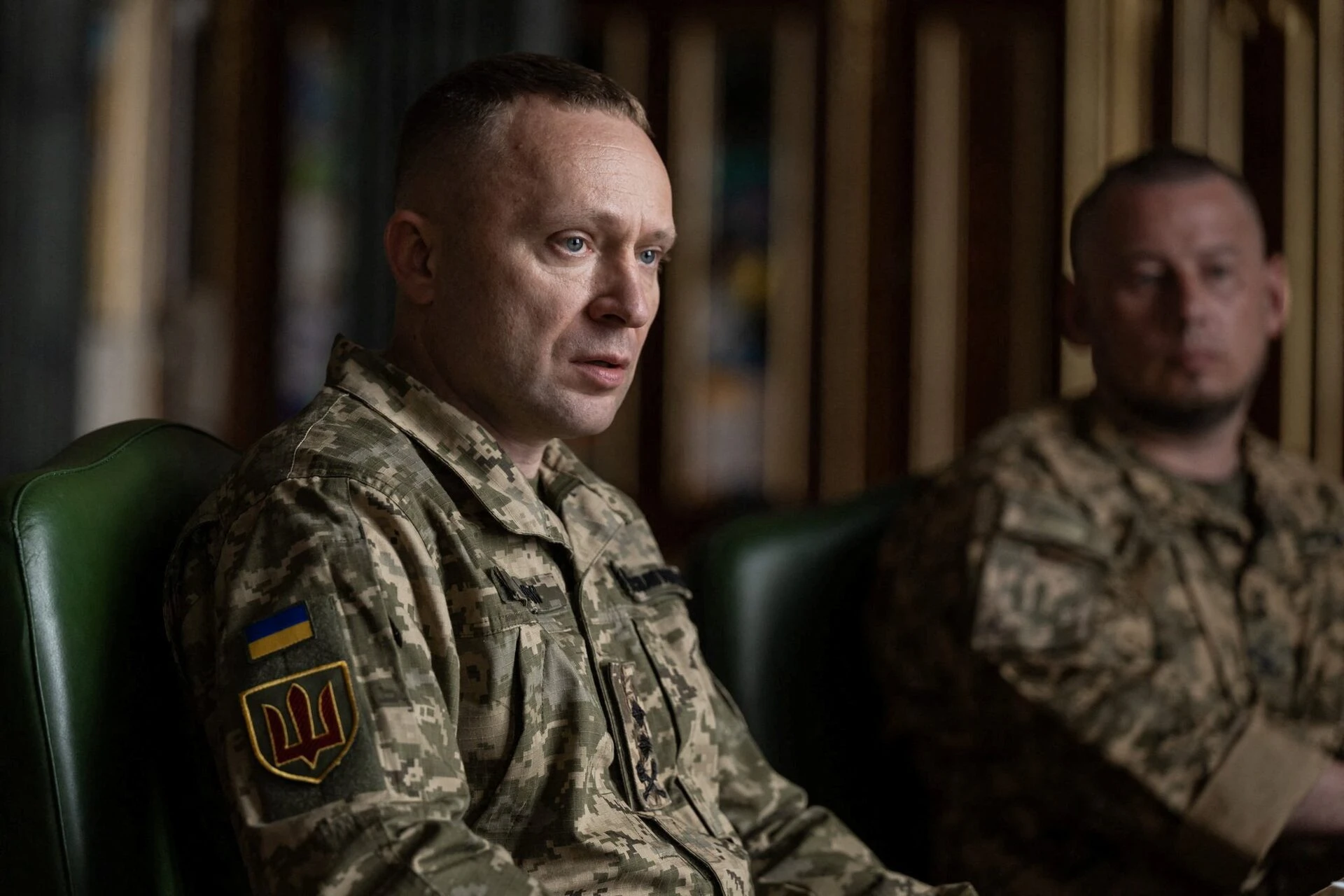




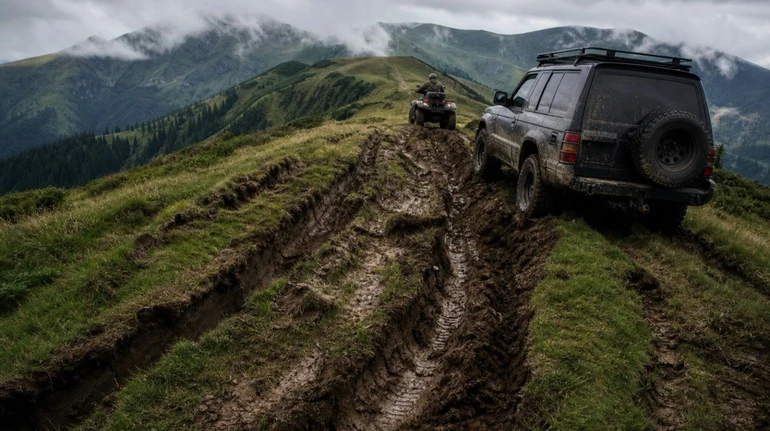

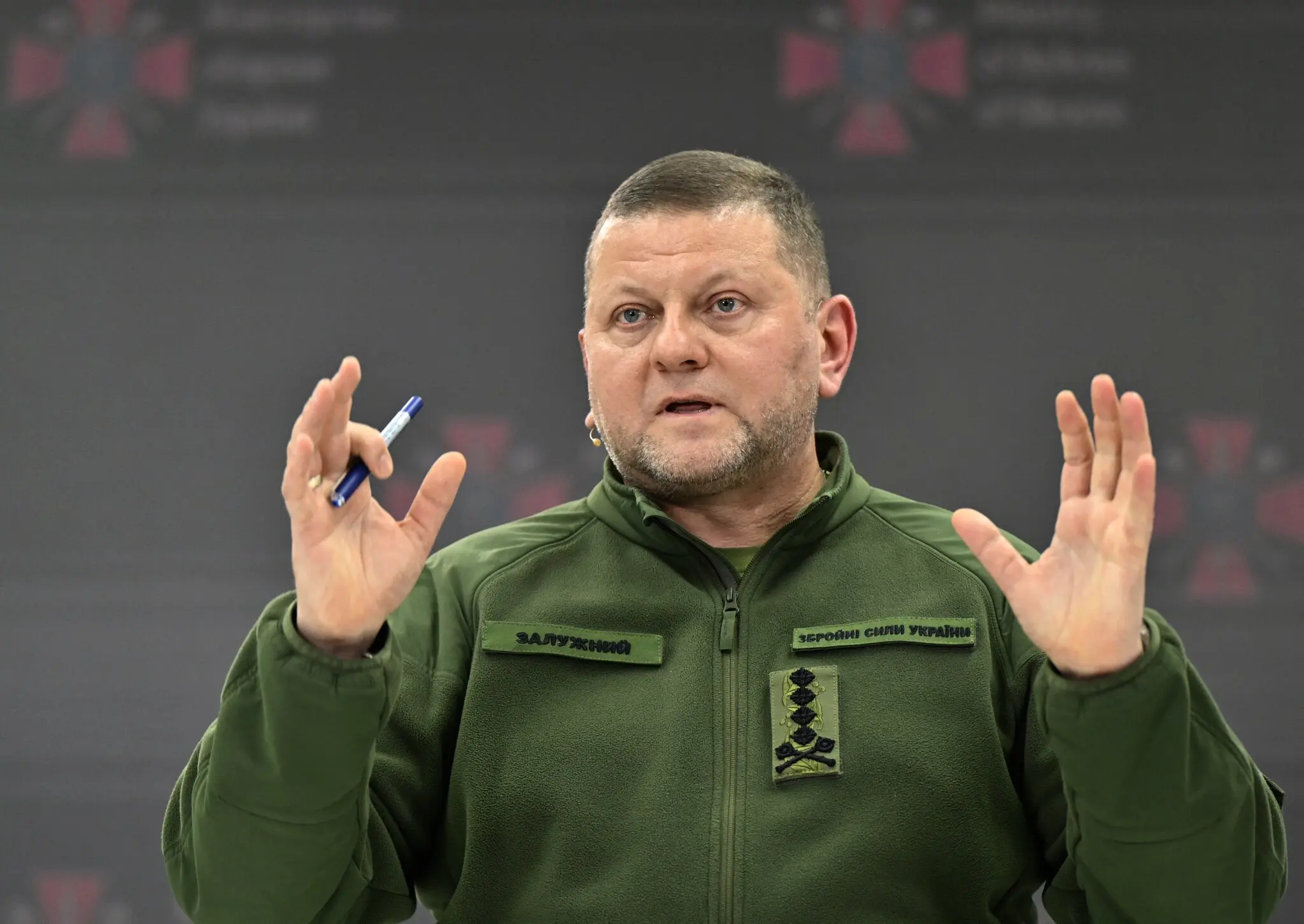









On the 326th day at his position, Serhii Krynitskyi was left alone. The man with whom he had shared a cramped underground shelter for nearly a year died from shrapnel wounds after a drone strike. That morning, they had been joking. By evening, one lay motionless while the other held up a phone and struggled to speak.
Outside the dugout, the war continued in a landscape where almost every movement could be detected by unmanned aircraft. Inside were his friend’s body, the smell of blood, weapons, dwindling food supplies and a few square metres of earth that had served for eleven months as a home, fortress, prison cell and possible grave.
Krynitskyi spent 346 days near the front-line town of Chasiv Yar, from April 20, 2025, until March 31, 2026. For nearly all that time, he lived in a dugout roughly three by four metres, emerging only to fight, observe the surrounding ground or search for food and equipment.
In Daycom’s assessment, his experience offers one of the clearest portraits of how drone warfare has transformed the physical structure of the front. Infantry no longer necessarily holds a continuous trench line. Small groups of two or three soldiers are instead scattered across isolated positions inside a wide zone of constant surveillance.
Soldiers call it the kill zone. It can extend for dozens of kilometres under the watch of reconnaissance and attack drones. Armoured columns, concentrations of infantry, supply trucks and even individual vehicles become conspicuous targets.
Both armies have therefore been forced to break themselves into smaller elements. Mass movement has given way to infiltration by tiny assault groups. Regular rotations have been replaced by months in the same shelter. Large territorial breakthroughs have yielded to battles over tree lines, basements, ruined buildings and a few hundred metres of ground.
A technology designed to make warfare more precise has turned it into the prolonged siege of an individual human being. A drone does not tire, freeze or need sleep. It can wait for hours for a soldier to fetch water, change a sentry or attempt to evacuate a wounded comrade.
For Krynitskyi, this war did not begin as a professional calling. Before mobilization, he had worked in agriculture and construction. After a serious injury left him in a coma for a month, he made a modest living breeding rabbits. He entered the army in late 2024.
Mobilization officers took him from his home in Bilohiria in western Ukraine, brought him to Rivne and sent him through an accelerated training program. He was assigned to the 24th Mechanized Brigade and, by the following spring, was digging a position near Chasiv Yar with two other enlisted men.
They quickly learned the first rule of survival: the deeper they dug, the better their chances. Krynitskyi joked that he could not decide whether to call the hole a shelter or a grave. When drone strikes collapsed the entrance or buried the walls, the men had to excavate it again.
One of the three soldiers was killed early in the deployment. The same strike concussed Krynitskyi and temporarily left him unable to hear. After that, only two men remained. They divided the watches, the supplies, the fear and the long hours of silence between attacks.
Russian assault teams usually advanced in groups of two or three. At times, they came within 20 metres. There was no sweeping operational map in such combat, no grand manoeuvre or elegant military geometry. There were footsteps, a grenade, a rifle and a few seconds in which to decide who would survive.
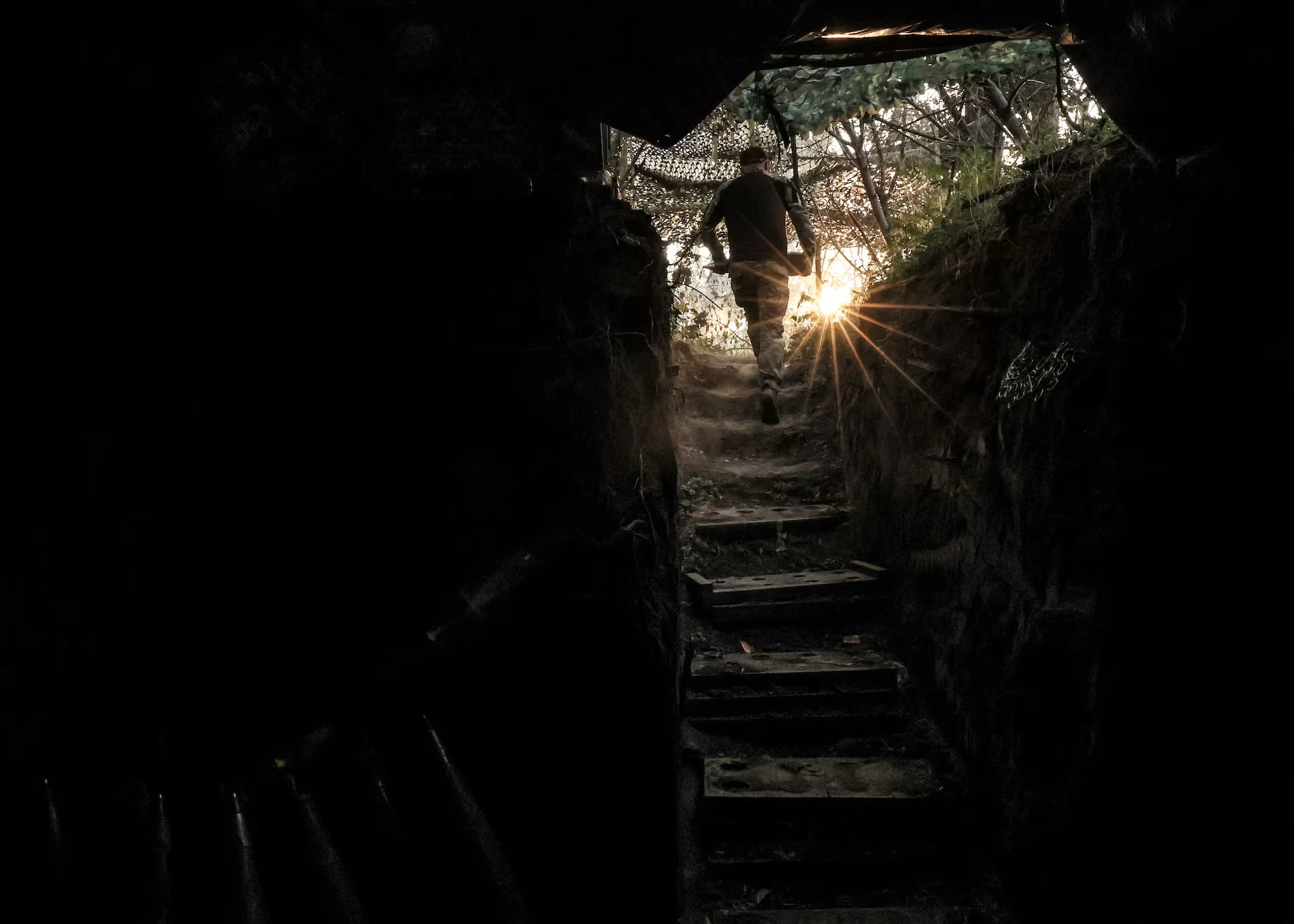 Воєначальник бригади Криницького, що окопався біля лінії фронту, виходить зі снарядом, щоб обстріляти ворожі сили — Олег Петрасюк
Krynitskyi said he killed 23 Russian soldiers during the deployment. He remembered one of the first most vividly: a wounded man appeared to surrender, then raised his rifle. What remained in Krynitskyi’s memory was not the shot itself, but the instant in which he understood that an attempt at mercy might cost him his life.
In November, more than 200 days into the deployment, he filmed the bodies of two attackers near the position. The camera captured the strange stillness after combat — the brief interval in which danger appeared to have passed but could return from the sky at any moment.
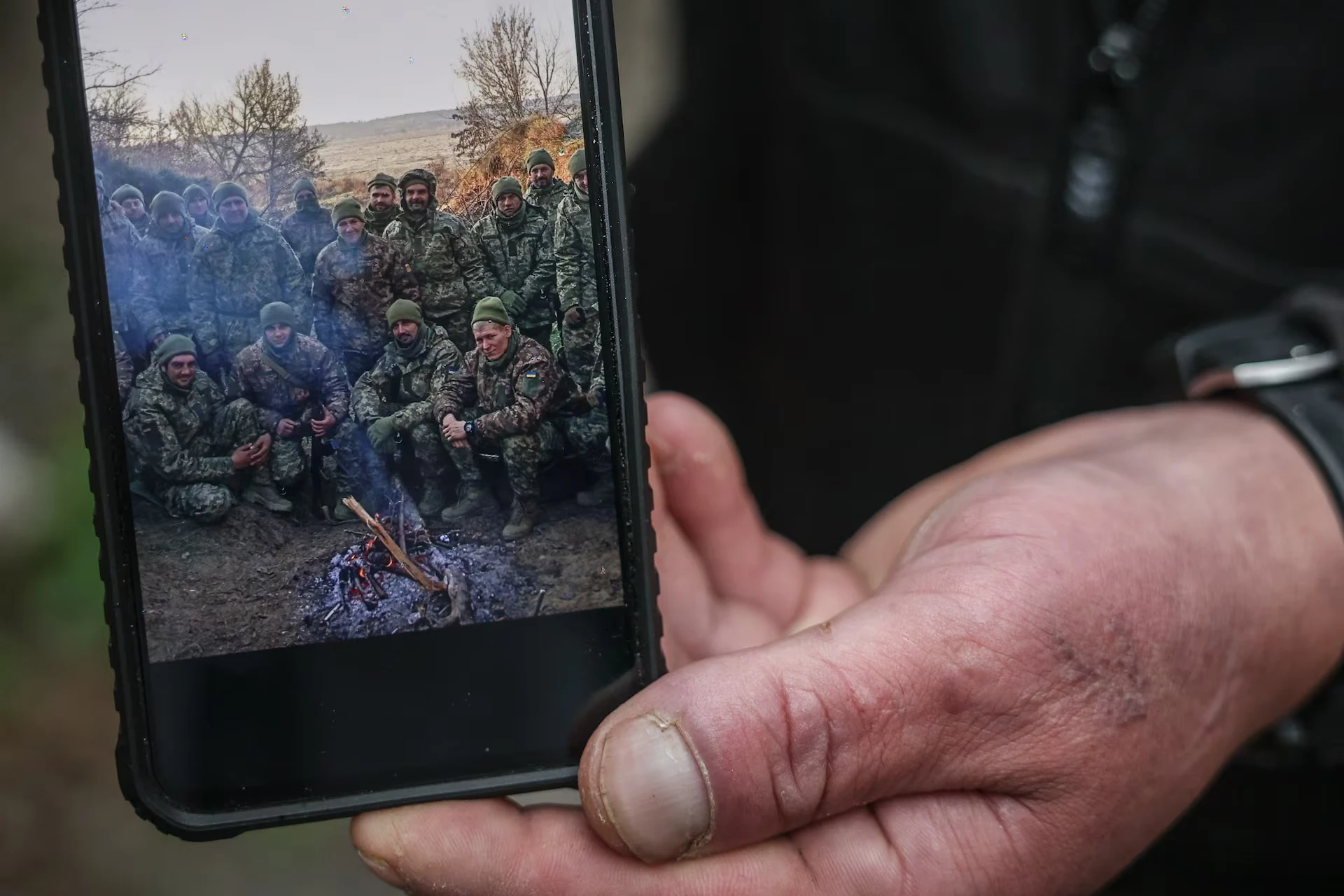
His phone became a way to preserve a sense of time. He began recording video diaries in August 2025 so that one day he could show others what he had endured, and so that he himself would not forget. In a place without windows, calendars or normal sleep, the camera served as memory.
At times, batteries recovered from downed Russian drones powered the device. It was one of the many absurdities of modern warfare: a machine built to hunt a human being could, once destroyed, keep that person connected to the outside world.
Supplies also arrived by drone, but never reliably. Heavy fire sometimes prevented delivery for three or four days. The men rationed food, water, batteries, cigarettes and anything else they had. Krynitskyi scavenged some of what they needed from dead Russian soldiers.
In one recording, he displayed cigarette packets of different brands taken from bodies. He arranged them carefully and joked that he had become like a collector cataloguing rare stamps. In another, he showed thirteen mud-covered rifles and assault weapons laid out in a row.
The scenes might have appeared almost domestic had it not been for the origin of each object. A cigarette, magazine, battery or rifle entered the dugout after someone died. War had erased the distinction between a trophy and an item necessary for survival.
There was no privacy underground. The two men lived almost continuously within arm’s reach, learning each other’s habits, fears, memories and silences. They argued, laughed, waited for attacks and listened to drones moving overhead.
Their world narrowed to sentry duty, radio calls and survival. In winter, they sealed gaps against the freezing wind. Observation shifts were limited to two hours because remaining still in the cold any longer became almost unbearable.
Psychologically, such a deployment destroys an ordinary sense of reality. There is no opportunity to leave the danger, change one’s surroundings or spend time alone. A person lives for months expecting the next strike to collapse a wall, bury the entrance or set the shelter on fire.
Infantry service has always been exhausting, but drones have added a new form of helplessness. Darkness, fog and difficult terrain once offered partial concealment. Thermal cameras and persistent surveillance have sharply reduced the number of safe hours and routes.
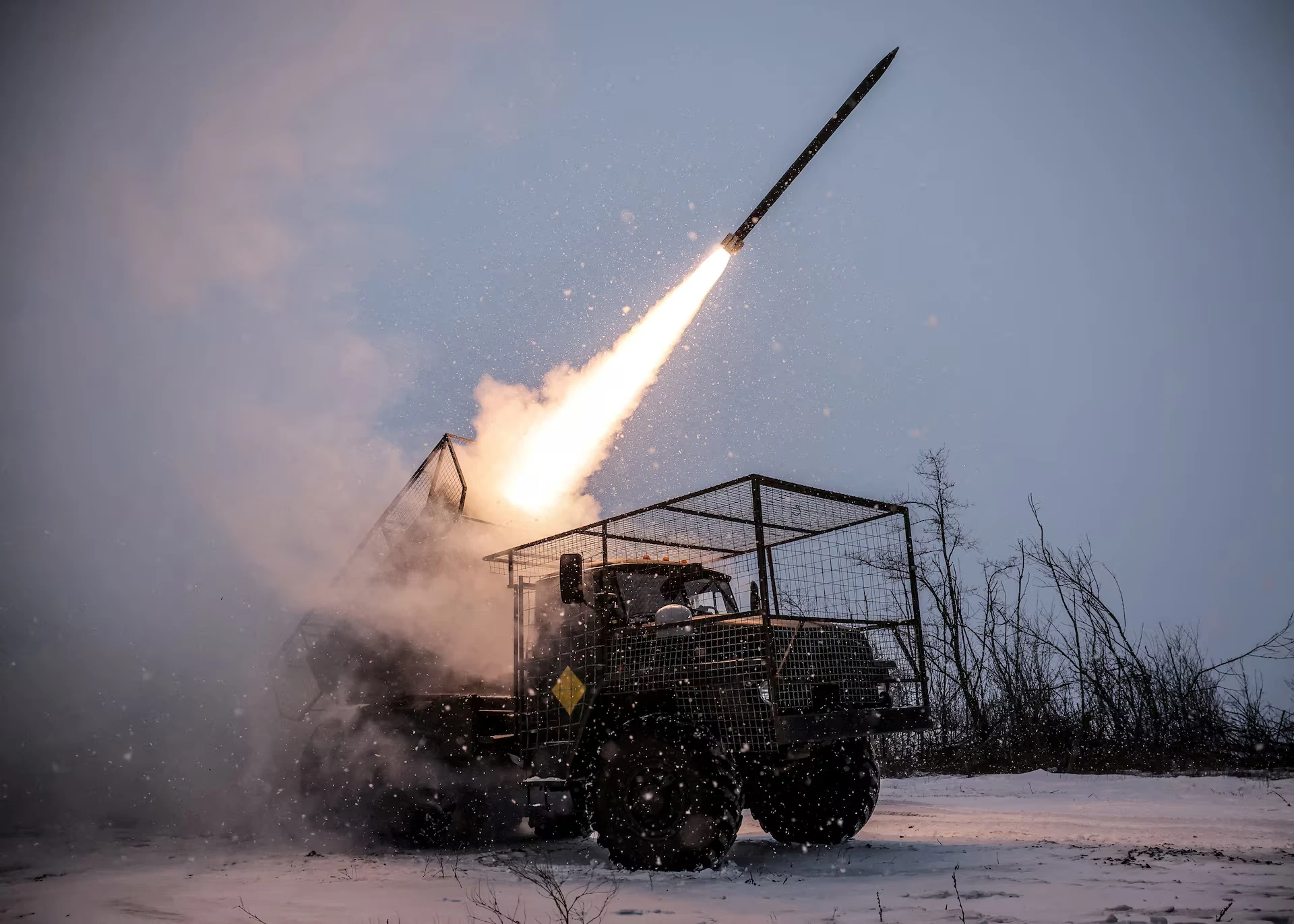 Українські солдати поблизу прифронтового міста Часів Ясів запускають ракету в бік російських військ — Олег Петрасюк
Rotation has therefore become one of the most dangerous missions on the battlefield. To replace two soldiers in a dugout, others must cross terrain where every step may be detected. Resupply, casualty evacuation and the recovery of bodies have become combat operations in their own right.
In March 2026, the system closed around Krynitskyi completely. On March 11, he heard an explosion outside and rushed from the shelter. His comrade was lying on the ground, wounded in the leg by a drone attack.
Krynitskyi dragged him inside, tore through his heavy trousers and found a severed artery. He applied a tourniquet, but too much time had already passed. The bleeding could not be stopped.
“In the morning, you are joking together, and by evening the gates of heaven are calling,” he said into the camera. There was no ceremony in the words, only the exhaustion of a man who had moved in a matter of hours from ordinary conversation to the necessity of leaving behind the body of his closest companion.
After reporting the death, Krynitskyi was ordered to abandon the position as Russian troops closed in. That night, he climbed out of the dugout in which he had lived for nearly a year and joined several Ukrainian soldiers holding another position nearby.
He remained there for almost three more weeks. Only then did he begin a 25-kilometre withdrawal. After months without normal movement, sunlight or adequate nutrition, every kilometre became a test.
He left his friend’s body in the underground shelter. This is one of the harshest moral consequences of drone warfare: the dead cannot always be recovered, the wounded cannot always be evacuated and the rituals of farewell are often reduced to a short message over the radio.
Returning to his unit did not mean returning to ordinary life. In Kramatorsk, his hands trembled, his voice broke and memories returned without warning. He said that many soldiers exposed to such prolonged conditions eventually lost their grip on reality.
In May, President Volodymyr Zelensky awarded Krynitskyi the title Hero of Ukraine for personal courage. The decoration recognized the exceptional nature of his endurance. It also raised an uncomfortable question: should an army accept as normal a deployment survivable only through extraordinary physical and psychological reserves?
Heroism allows society to recognize sacrifice, but it can also conceal the cost of the system that requires it. A soldier spending almost a year in an underground position is not only evidence of resilience. It is also evidence of personnel shortages, logistical paralysis, limited rotation capacity and the character of the new battlefield.
Ukraine is not alone in facing this reality. Russian troops also move in small groups, gather in concealed positions and suffer drone strikes. The challenge is more severe for Ukraine, however, because it has fewer people and must defend an extended front against a numerically larger force.
Technological warfare has not eliminated the infantryman. It has made him more isolated.
A drone can locate a target, deliver ammunition, conduct reconnaissance and guide artillery. It cannot hold a dugout. At the end of the chain remains a human being carrying a rifle.
That person pays the price for the technological transparency of the battlefield. He must move less, remain less visible, stay in position longer and make more decisions alone. At the same time, he becomes increasingly dependent on communications, drone logistics and operators he may never see.
Krynitskyi’s experience shows that the army requires more than additional unmanned systems. It needs a new model for supporting infantrymen exposed to extreme isolation. Psychological care after such deployments cannot consist of a few conversations. Recovery requires time, medical supervision, trauma treatment and a guarantee that a soldier will not be returned to combat before he is stable.
The length of front-line deployments also demands scrutiny. Commanders cannot always create a safe window for rotation. Yet nearly a year of isolation must not become an acceptable standard merely because a handful of people prove capable of surviving it.
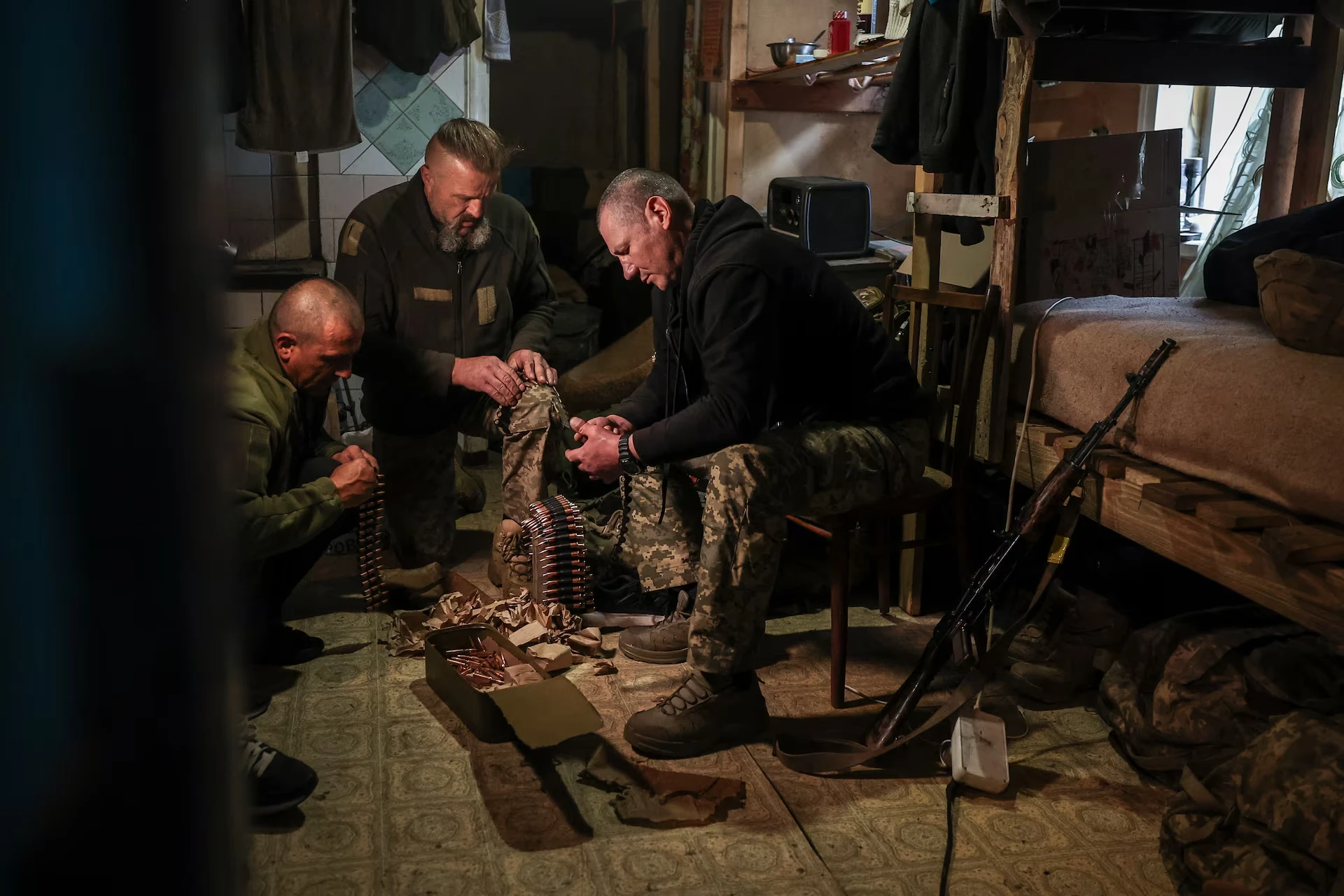 Криницький, ліворуч, проводить час з товаришами у свій перший день після одужання від пережитого. 42-річний чоловік носить душевні шрами цього досвіду — Аліна Смутко
War develops its own language of justification: there are no replacements, no secure route, no window for extraction. Each explanation may be true. But the accumulation of such impossible decisions gradually damages an army from within, leaving surviving soldiers physically present while psychologically estranged from the world beyond the front.
After returning home, Krynitskyi began visiting schools and speaking to children about his experience. There, he said, he began to understand more clearly why his year underground had mattered. Before him sat children who could study, live and look up at an open sky.
That realization did not erase the trauma or restore the dead. It created a connection between the front and the life the front exists to protect. Without that connection, endurance becomes mechanical survival and sacrifice dissolves into statistics.
The story of Serhii Krynitskyi requires no additional mythology. Its power lies in the precision of its details: the cramped hole, batteries taken from downed drones, cigarettes collected from the dead, two-hour watches, three weeks waiting to escape and the body of a friend that could not be carried out.
Those details reveal a future of war that has already arrived. The front is no longer a clear line. It is a broad field of surveillance where people hide underground, machines hunt movement and a few metres of territory can consume months of a human life.
Krynitskyi survived inside that system for 346 days. His medal speaks to his courage. His trembling hands after his return reveal something else: even when a soldier leaves the dugout, the dugout does not immediately leave him.