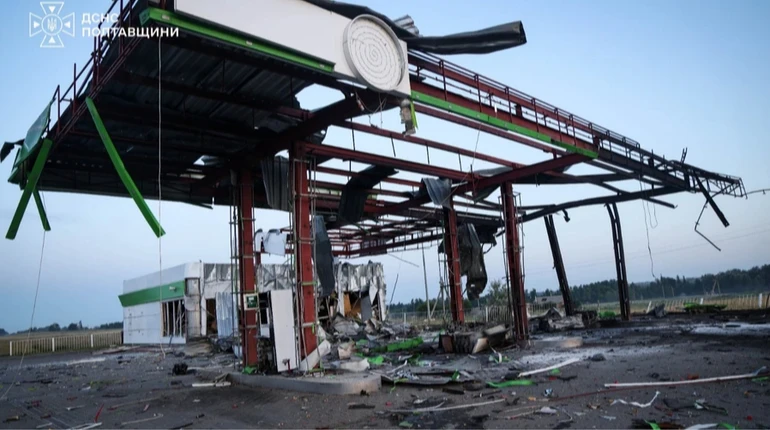





















Russia began July 26 with a ballistic missile attack on Kyiv and continued striking cities across northern, eastern and southern Ukraine throughout the day. At least six people were killed and dozens wounded. The dead included a nine-year-old child and utility workers helping victims of an earlier attack.
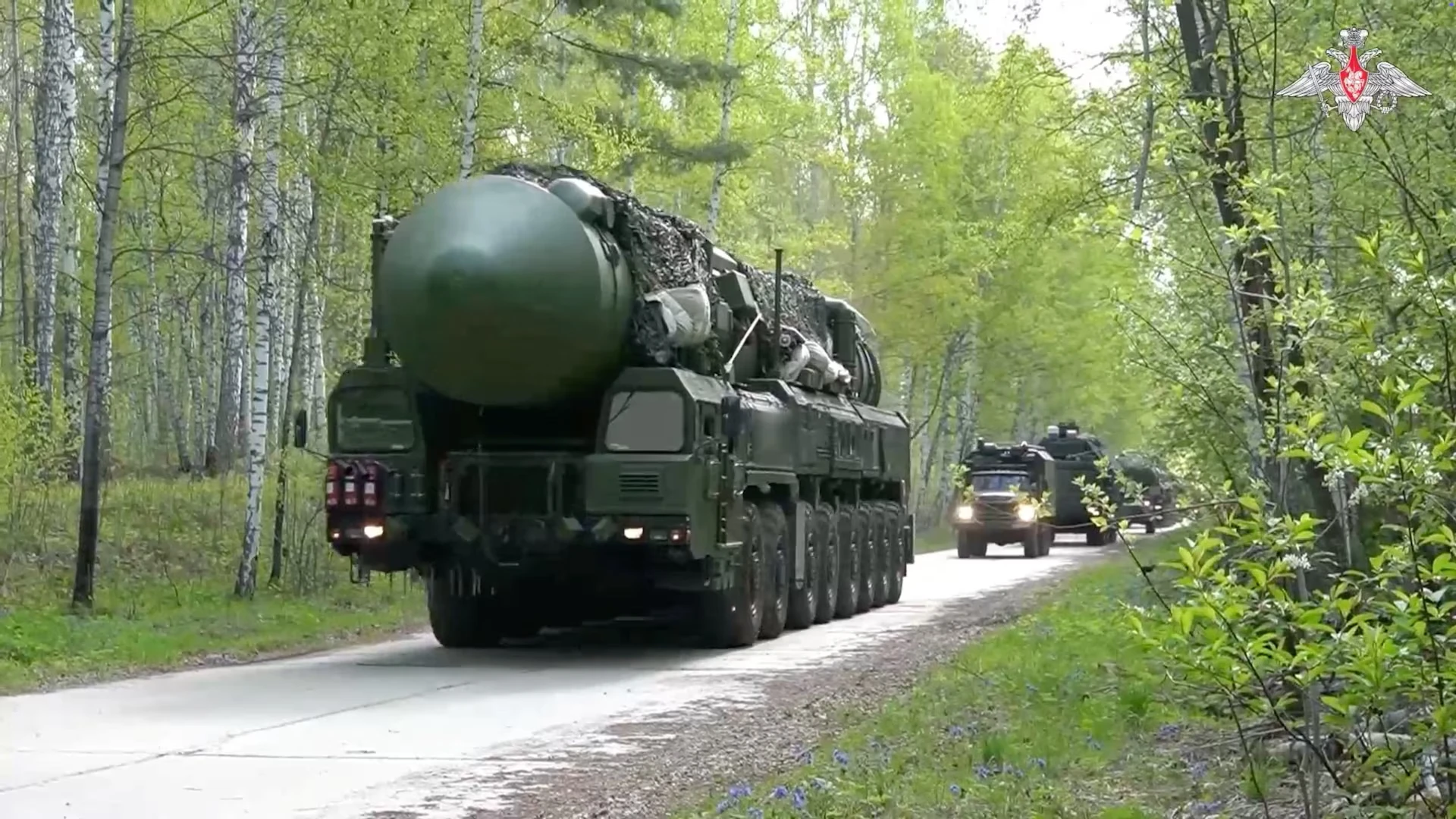
The overnight wave included seven ballistic missiles and 136 drones of several types. Ukrainian air defenses intercepted a large share of the incoming weapons, but even a few successful penetrations were enough to ignite fires, damage buildings and injure residents in the capital.
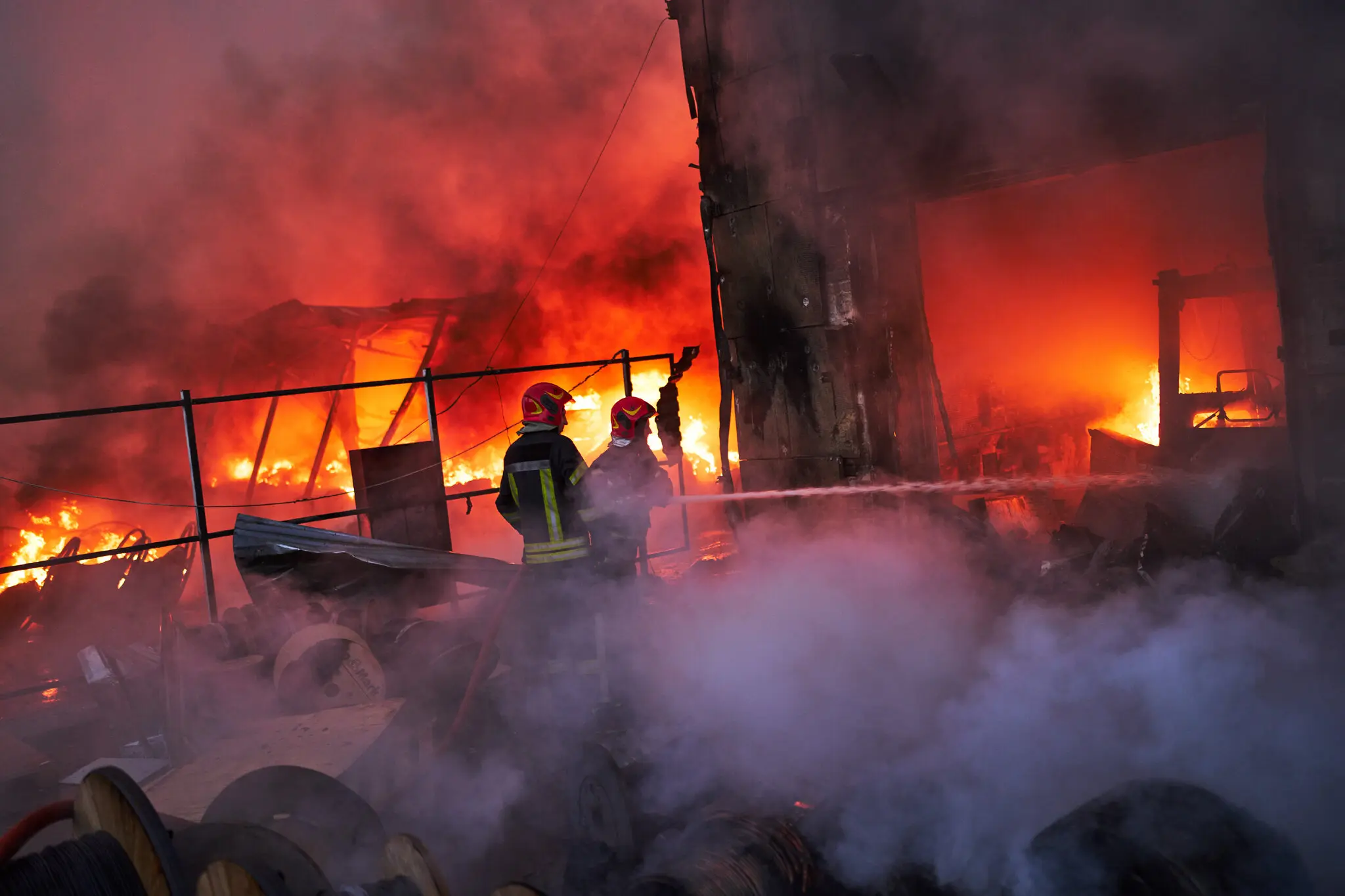
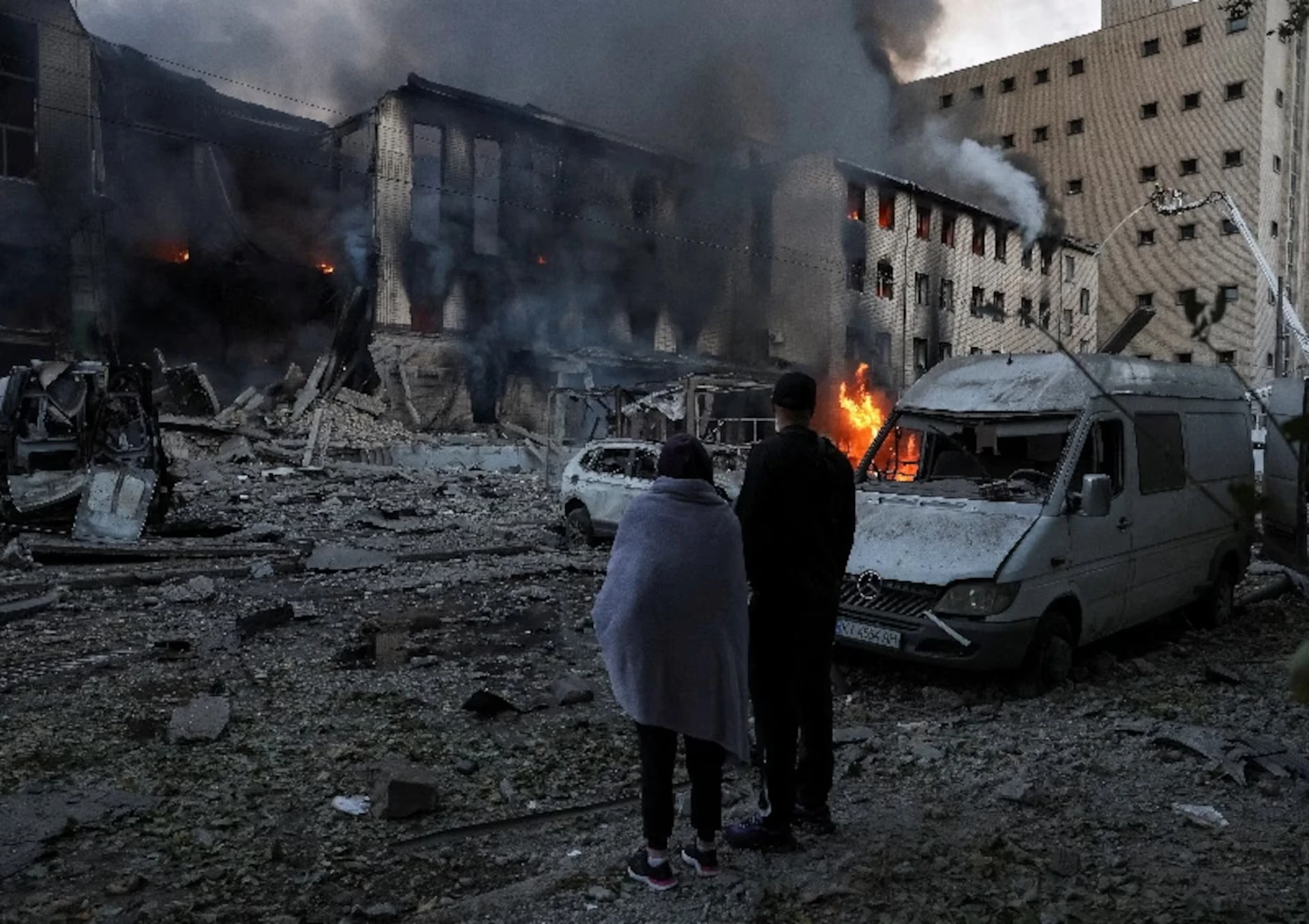
In central Kyiv, flames spread across the seventh and eighth floors of an apartment building. Vehicles burned below, and three people were wounded. A ballistic missile leaves a city only minutes to react, meaning that survival often depends less on evacuation than on whether the right interceptor is already in place.
According to Daycom’s earlier analysis, the July 26 attacks represented more than another increase in the number of airborne targets. Moscow is constructing a layered campaign in which ballistic missiles occupy Ukraine’s most valuable defenses, drones exhaust mobile units, and daytime strikes prevent cities from recovering after the night.
Chernihiv suffered the largest number of civilian casualties. A Russian drone struck a supermarket, killing two people, including a nine-year-old child, and wounding 25 others. The attack occurred while the store was open and civilians were inside.
A supermarket is not merely incidental scenery in a war. It is a place where residents, vehicles and public services converge every day. A strike on such a site is likely to produce mass civilian harm, regardless of how the Russian command describes the intended target.
In Kharkiv, a Russian drone hit a residential area. One person was killed, and 16 others required medical assistance. Homes and vehicles were damaged, and children were among the wounded.
Kharkiv exists within an especially compressed window of danger. Its proximity to the Russian border leaves little warning time, while Moscow can alternate among missiles, drones and guided bombs faster than the city’s civilian infrastructure can adapt.
In Zaporizhzhia, a guided aerial bomb killed one person and wounded six. Such weapons carry hundreds of kilograms of explosives and can be released from distances that make the aircraft delivering them difficult for Ukrainian defenses to reach.
Guided bombs are becoming one of the most destructive threats to major cities near the front. They are cheaper than ballistic missiles, can be used repeatedly and carry enough explosive power to demolish apartment buildings, industrial facilities and fortified positions with a single hit.
In Sloviansk, two energy-sector employees were killed after arriving to help residents affected by an earlier strike. Russia attacked the area again while the emergency work was under way, continuing a pattern in which repair crews, medics and rescuers are exposed to renewed fire.
A second strike on a damaged site creates a distinct form of terror. After the first explosion, workers arrive to restore electricity, gas and communications, while rescuers search for survivors. Another attack turns the act of helping into a lethal risk.
For Russia, this also serves a strategy of exhaustion. When emergency teams cannot work safely, the consequences of a single strike last longer. Neighborhoods remain without basic services, damage accumulates, and residents lose confidence that normal life can be restored quickly.
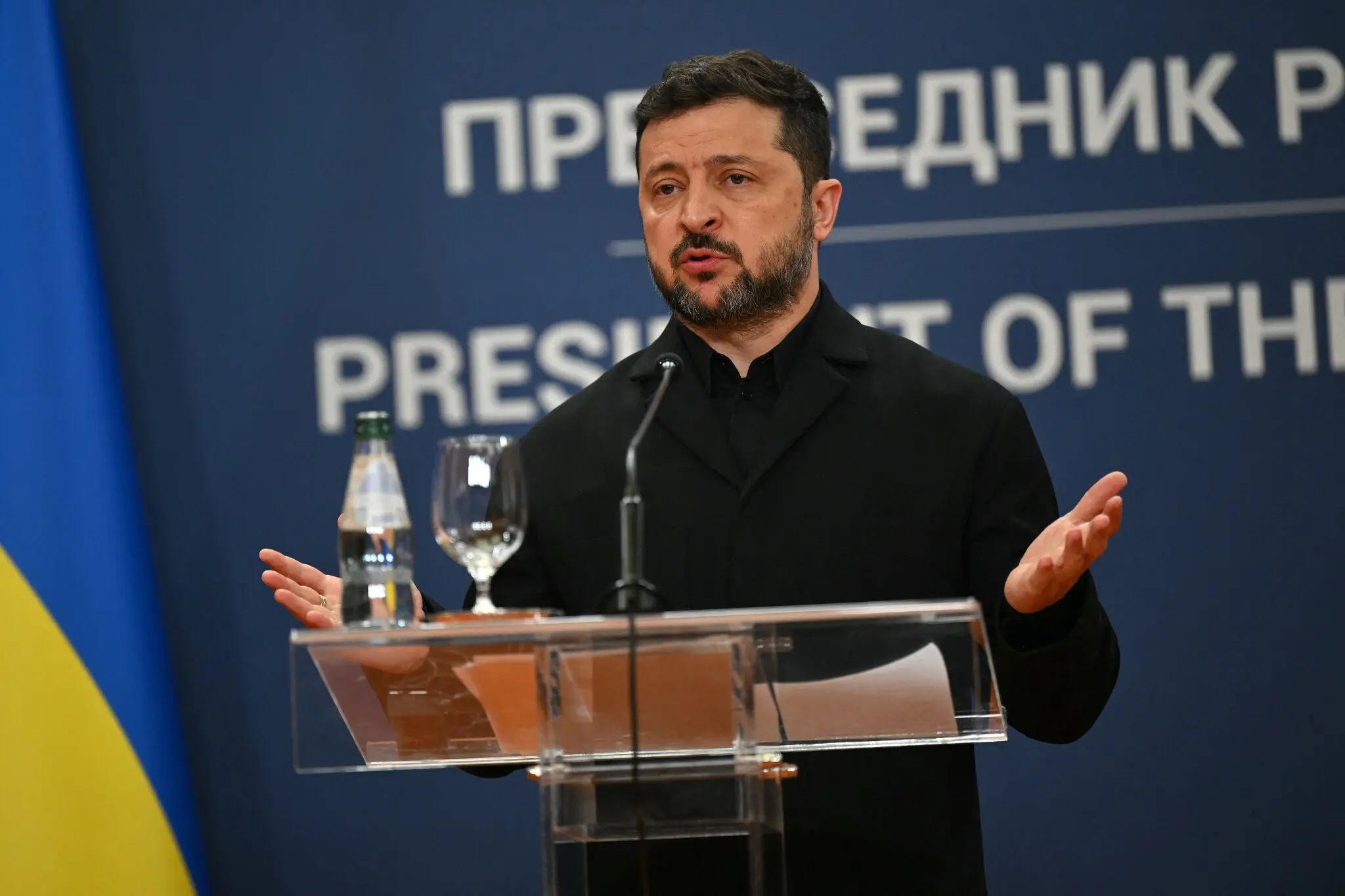
Volodymyr Zelensky had warned the previous day that Russia was preparing missiles for another large attack. The warning allowed defense units to raise their readiness, but it could not solve Ukraine’s central vulnerability: the limited number of systems capable of intercepting ballistic weapons.
The barrage again demonstrated why Patriot batteries and their missiles have become central to Ukrainian defense. Conventional air-defense systems can counter drones and some cruise missiles, but ballistic threats require specialized interceptors.
Moscow is seeking more than immediate destruction. Every overnight assault forces Ukraine to expend expensive missiles, reveal or relocate air-defense positions, and divide limited systems among the capital, ports, industrial centers and frontline regions.
This is the economics of aerial attrition. A Russian drone may cost far less than the missile used to destroy it. Ukraine is narrowing that imbalance through mobile fire groups, electronic warfare and interceptor drones, but ballistic weapons still leave little room for inexpensive solutions.
Simultaneous pressure on Kyiv, Chernihiv, Kharkiv and Zaporizhzhia forces Ukraine to distribute protection among fundamentally different threats. The capital needs missile defense, border cities require rapid drone detection, and frontline regions need systems capable of pushing Russian aircraft farther from launch positions.
The Russian campaign is gradually erasing the distinction between strategic and tactical strikes. A single wave can pursue several objectives at once: damaging military infrastructure, exhausting air defenses, disrupting industry and maintaining constant psychological pressure on civilians.
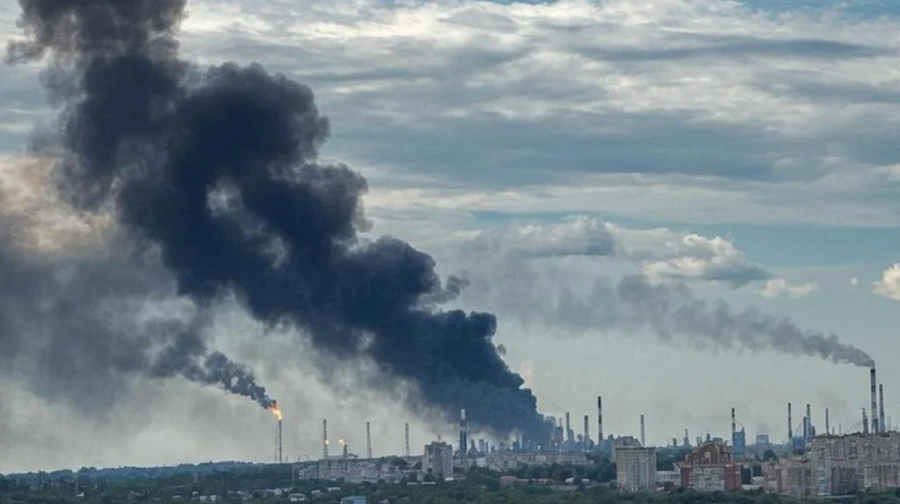
In Russian-occupied Horlivka, the Moscow-installed administration said four civilians were killed in a Ukrainian drone strike. It later reported that another drone hit an emergency vehicle, wounding three medics and one other person. Those claims have not been independently confirmed.
Reports from occupied territory require particular caution. Russian authorities control access to attack sites, establish the initial public narrative and use civilian casualties to justify their wider campaign. At the same time, any credibly documented harm to civilians requires investigation, regardless of which side of the front it occurs on.
The events do not form a symmetrical picture. Horlivka is a Ukrainian city occupied by Russia since 2014, while the attacks on Kyiv, Chernihiv, Kharkiv, Zaporizhzhia and Sloviansk are part of the full-scale invasion launched by Moscow in February 2022.
The overwhelming majority of civilian deaths in this war have occurred in Ukraine. Russia possesses a far larger arsenal of missiles, aircraft, guided bombs and attack drones, and it conducts strikes across the country’s entire depth — from border communities to Kyiv and the Black Sea ports.
The July 26 attacks also revealed how deeply the war now reaches into civilian professions. Cashiers, shoppers, drivers, power workers, municipal crews and medics are endangered not because they are combatants, but because modern air warfare targets a city’s ability to function.
A destroyed supermarket represents more than the immediate dead and wounded. It means lost jobs, damaged utilities, closed streets, additional pressure on hospitals and lasting fear among residents who must return to ordinary routines the following day.
The killing of energy workers has similarly broad consequences. It slows repairs, delays the restoration of services and forces companies to invest more heavily in armored vehicles, protective equipment and security procedures.
Ukraine has learned to intercept most incoming drones, but Russia’s strategy does not require every aircraft to reach its target. A handful of successful strikes — or falling debris in a densely populated district — can start fires, halt transport and force thousands of people into shelters.
The next phase of the contest will depend on reducing the cost of interception. Mass production of Ukrainian interceptor drones, automated detection systems and larger mobile units could weaken the unmanned component of Russian attacks.
There is no comparable shortcut against ballistic missiles. Ukraine remains dependent on a limited number of Western systems and a stable supply of interceptor missiles. Every delay leaves another section of sky insufficiently protected.
Strikes on five cities within a single day show that Moscow is not moving toward de-escalation. It is expanding the air war, combining different weapons and testing how many simultaneous emergencies Ukraine’s defense and civil-protection systems can absorb.
The response cannot be limited to clearing debris and restoring utilities. Ukraine needs the ability to strike launch sites, warehouses and airfields at greater range, alongside more missile-defense batteries and an industrial base capable of producing thousands of affordable interceptors every month.
The nine-year-old child in the Chernihiv supermarket, the resident killed in Kharkiv, the civilian in Zaporizhzhia and the two energy workers in Sloviansk died in different cities but within the same military logic. Russia is attempting to turn everyday Ukrainian life into a continuous field of danger.
That is why the meaning of July 26 cannot be measured only by the number of missiles and drones intercepted. It is also measured by how often, within a single day, ordinary places — an apartment, a supermarket, a car and a repair crew — became part of the front line.