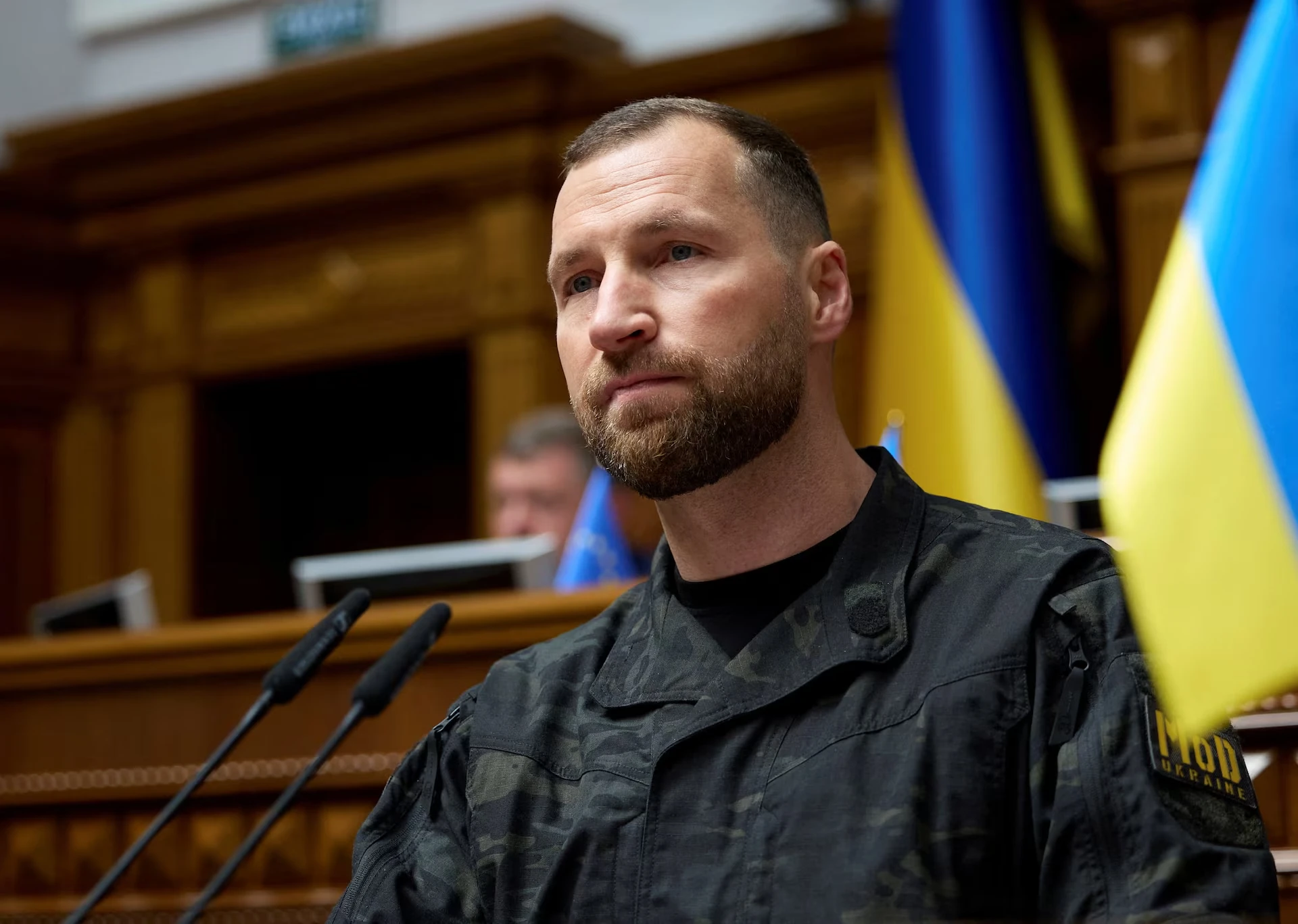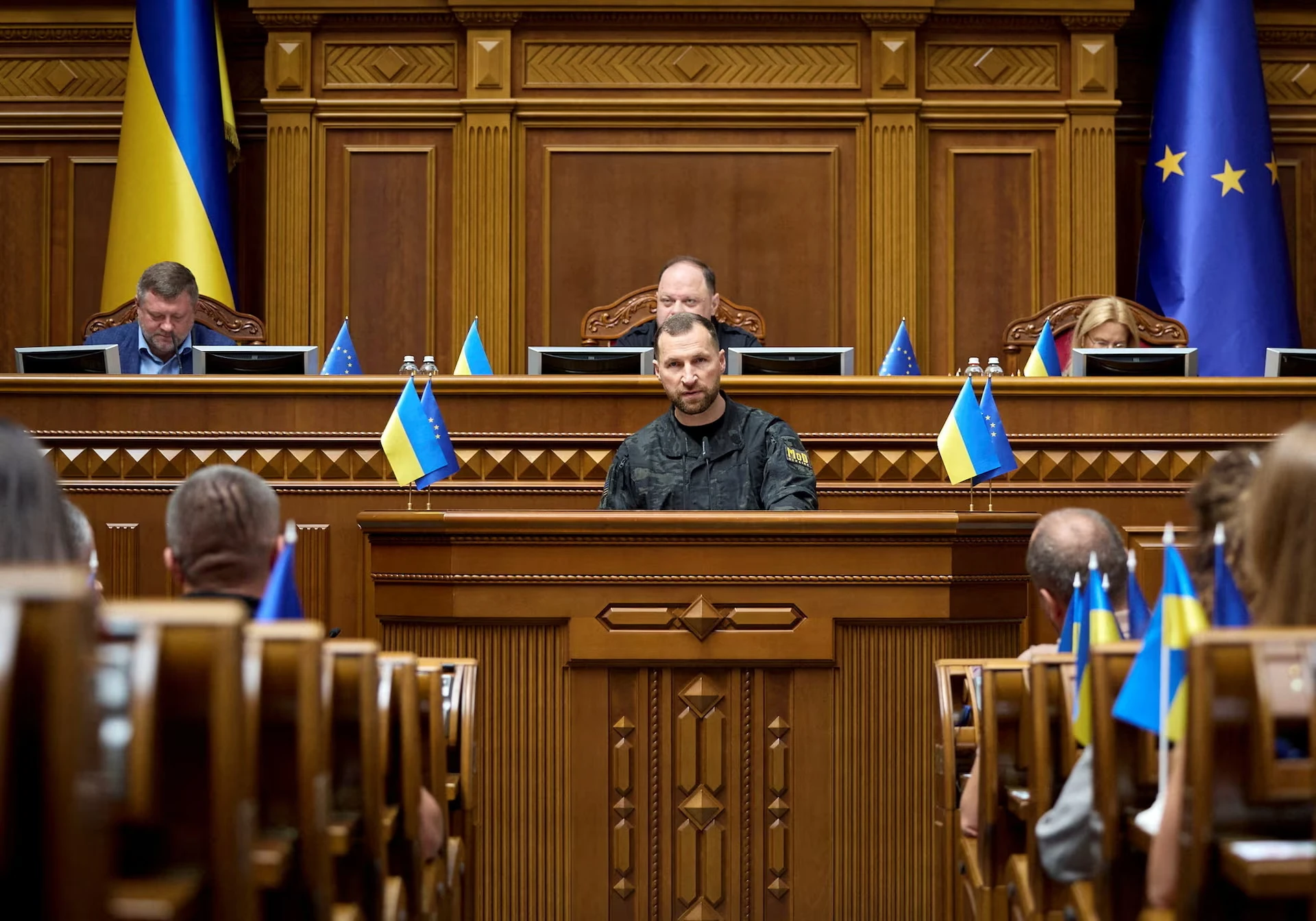





















Ukraine cannot match Russia in manpower, missiles or armored vehicles. It must instead force Moscow to spend more defending itself than Kyiv spends on each operation. Acting Defense Minister Yevhenii Khmara has presented that logic as the foundation of Ukraine’s next military strategy.
This is not a search for one transformative technology. An asymmetric model requires disciplined management of scarce resources: a low-cost drone should destroy an expensive target, timely delivery should strengthen the right unit, and intelligence should shorten the interval between detecting a threat and striking it.
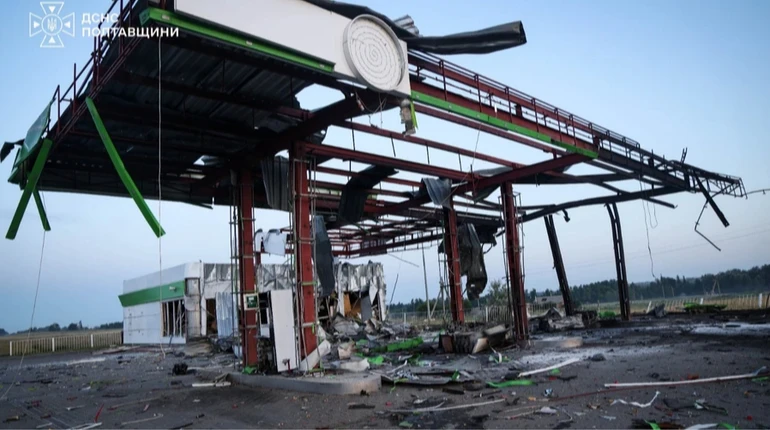
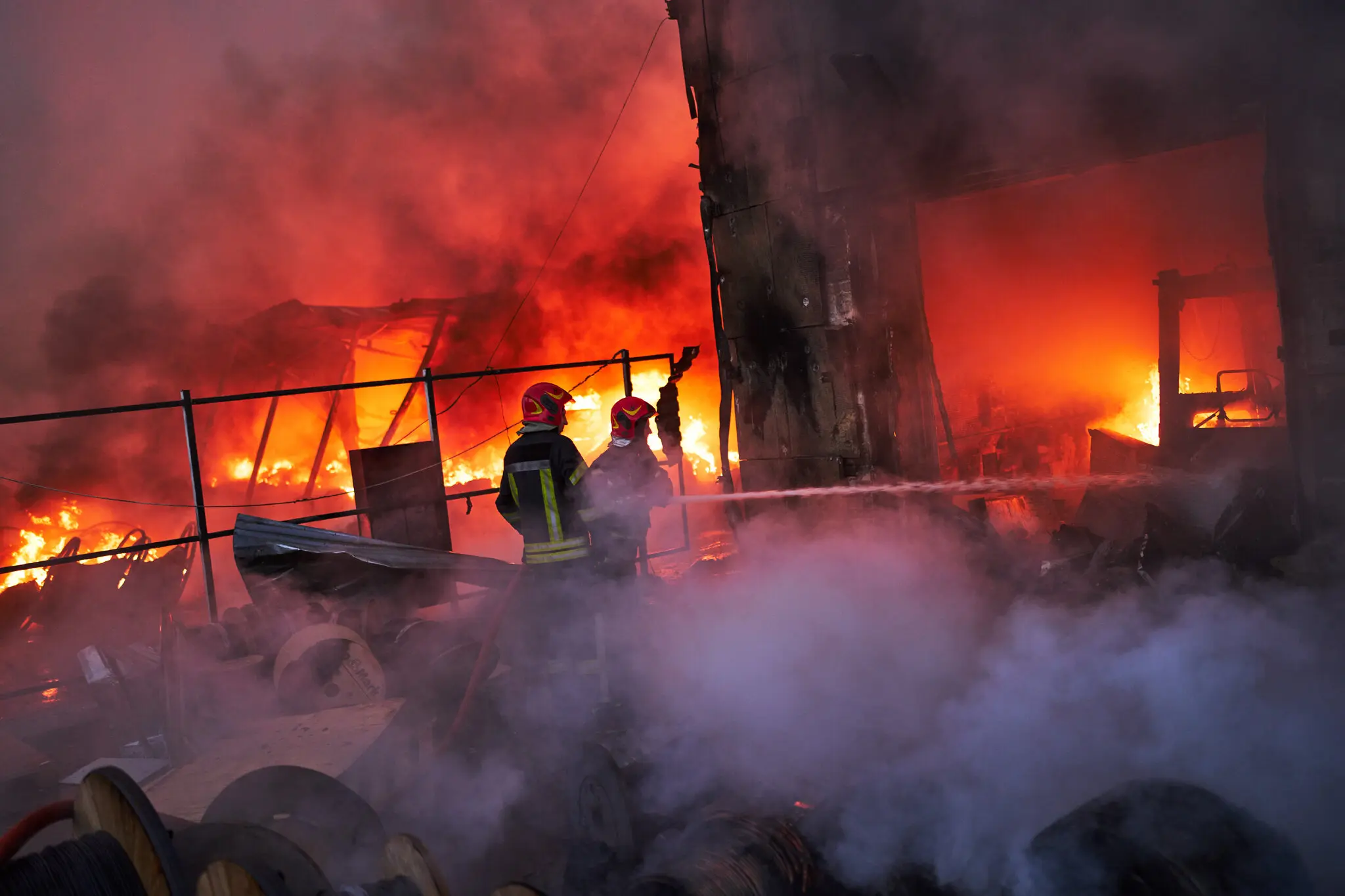
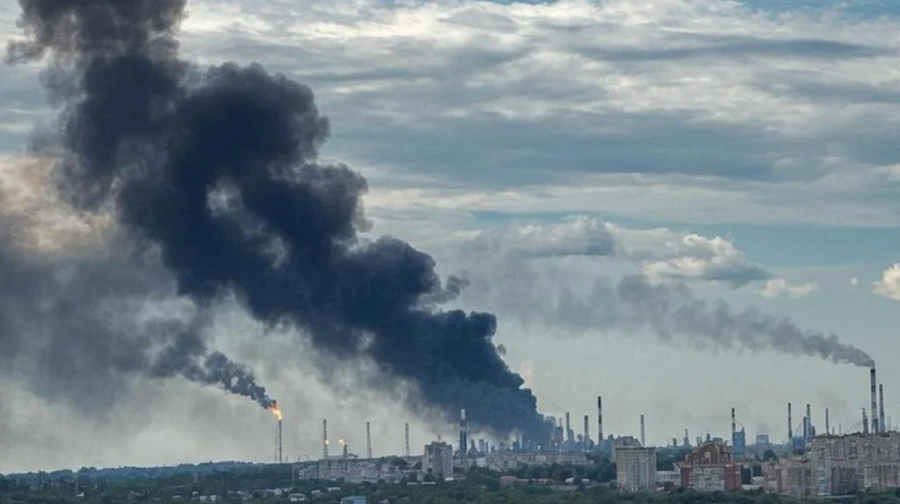
The clearest expression of this approach has been Ukraine’s campaign against Russian oil refineries, storage sites, ports and logistics hubs. Kyiv is not trying to replicate the scale of Russia’s air offensive. It is selecting targets whose disruption creates costs far beyond the price of the weapon used.
According to Daycom’s earlier analysis, Khmara is effectively proposing that asymmetry become more than a collection of successful special operations. He wants it to function as a national defense doctrine linking deep strikes, production, procurement and frontline logistics within one managed system.
Khmara’s appointment underscores that priority. Before moving to the Defense Ministry, he led special operations within Ukraine’s security service and was associated with long-range missions that the president later identified as a central responsibility for the ministry’s new leadership.
Experience in covert operations, however, is not the same as running a vast military bureaucracy. The minister must oversee not only target selection, but millions of routine decisions involving brigade supplies, equipment repairs, ammunition, mobilization, medicine and foreign deliveries.
Khmara has described resource management and logistics as critical elements of battlefield planning. A unit may have trained personnel and a clear mission, but it will lose momentum if drones, batteries, communications equipment or ammunition arrive too late.
In modern warfare, logistics is no longer a separate rear-area function. It directly determines the duration of an operation, the density of fire and the ability to hold ground. The advantage belongs not only to the side with more weapons, but to the side that delivers the right equipment to the right unit faster.
Asymmetry begins at that level. If Ukraine cannot supply every sector of the front equally, it must determine where an additional electronic-warfare system, drone or artillery round will produce the greatest operational effect.
That requires constant information from brigades, digital inventory systems and a short decision cycle. A centralized structure that receives data too slowly risks distributing equipment according to yesterday’s battlefield.
Khmara inherited the Defense Ministry after the controversial dismissal of Mykhailo Fedorov, who linked his removal to procurement reform. The new leadership must now prove that operational discipline will not mean a return to opaque, manually allocated contracts.
There is no contradiction between asymmetric warfare and transparent procurement. Scarce resources demand stricter oversight: every overpayment means fewer drones, protective systems or rounds of ammunition reach the front.
At the same time, a conventional tender does not always move at wartime speed. Critical systems need accelerated procedures, but prices must still be recorded, manufacturers checked and contracts audited later. Otherwise urgency becomes a permanent exception, and the exception becomes a source of dependence.
Deep strikes are the most visible part of Khmara’s doctrine. Their purpose is not limited to physically damaging a facility. A successful attack can create a chain of secondary costs through repairs, lost production, redeployed air defenses, altered routes and more expensive insurance.
A relatively inexpensive drone striking a complex industrial installation may therefore produce more value than a costly missile used against a target that can be restored quickly. The decisive measure is not the size of the explosion, but the time the system remains out of operation.
Ukraine has already applied this logic to Russian refineries, military airfields, ports and defense plants. The new leadership’s broader priorities include scaling battlefield technology, expanding long-range capabilities and reducing Ukrainian casualties.
An asymmetric campaign nevertheless has limits. Russia has vast territory, spare capacity and the ability to repair damaged facilities. Individual successes create pressure, but they do not replace systematic targeting, accurate intelligence and repeated strikes.
A second danger is dispersion. When the target list includes hundreds of factories, warehouses and transport nodes, there is a temptation to attack everywhere. An effective doctrine demands concentration on the elements whose loss disrupts a wider network.
The third constraint is political. Long-range warfare depends on imported components, intelligence cooperation and agreements with foreign partners. Ukraine is expanding domestic production, but several critical technologies still rely on external supply.
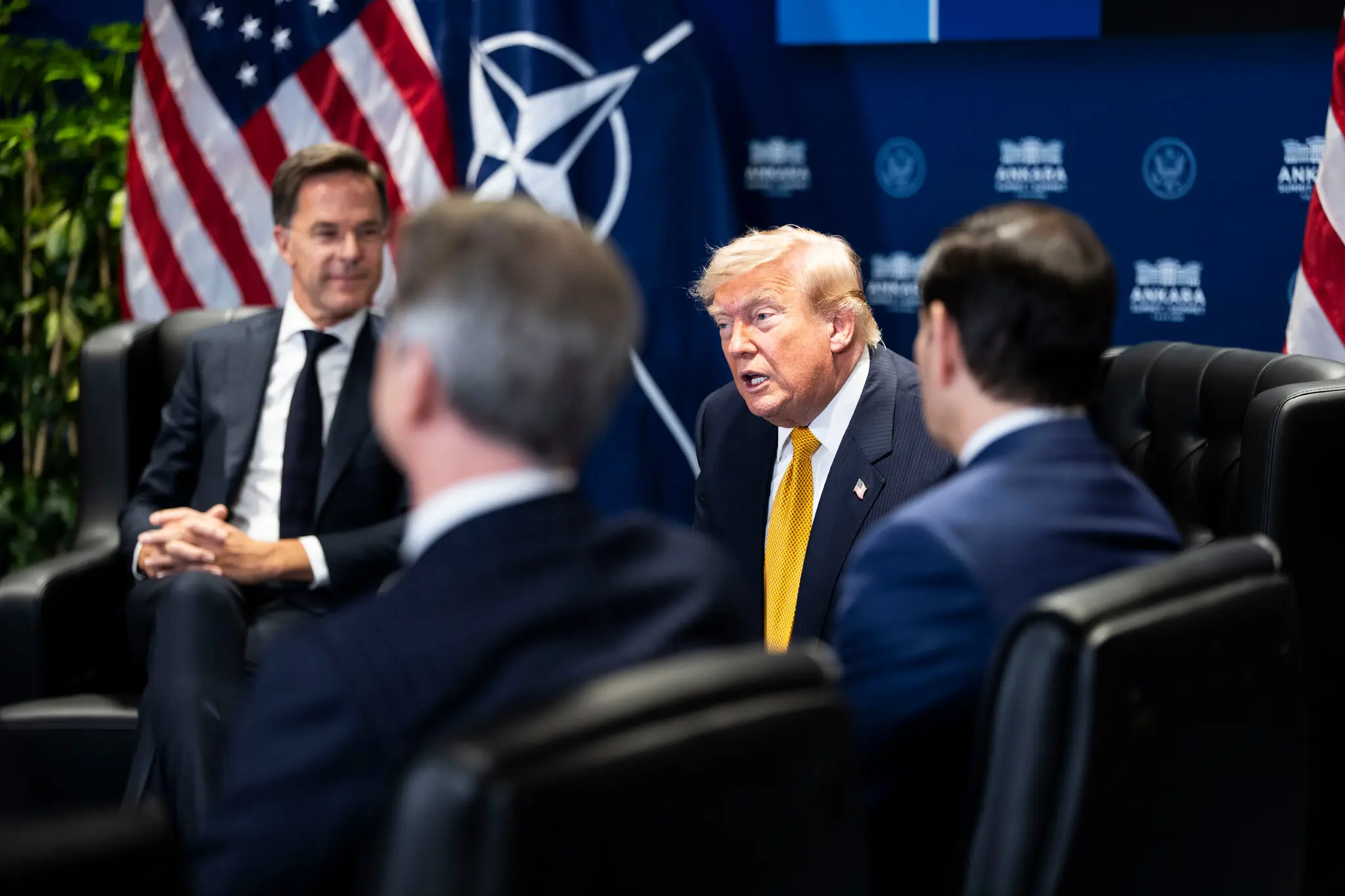
This is why Khmara speaks of a lasting strategic partnership with the United States in which Ukraine offers more than the role of an arms recipient. Its principal asset is experience in technology-intensive warfare gained through daily confrontation with the Russian military.
Washington has capital, industrial scale and access to advanced electronics. Kyiv has rapid battlefield testing, experienced engineering teams and an immediate understanding of how quickly an opponent adapts to new technology.
Combining those advantages could change the structure of cooperation. Instead of relying on one-time aid packages, the two countries could move toward joint production of drones, ammunition, detection systems and missile defenses.
The most ambitious element is the proposed domestic production of Patriot interceptor missiles. Ukraine and the United States have discussed licensing arrangements intended to expand protection against Russian ballistic attacks.
For Kyiv, this is not a matter of industrial prestige. It is a question of whether cities can survive sustained missile warfare. Ballistic weapons leave very little time to respond, and the number of launchers and interceptors determines which regions receive protection and which remain exposed.
A license alone does not produce a missile. Ukraine would need protected manufacturing sites, specialized materials, propulsion systems, electronics, quality controls and integration with the American supply chain.
Under traditional defense procurement timelines, such a project could take years. Ukraine’s task is to compress that schedule without weakening safety standards, because a defective interceptor is measured not only as a failed product, but as a city left undefended.
Domestic manufacturing would not eliminate the need for American deliveries in the near term. Its purpose would be to create a parallel capability that gradually reduces dependence on political decisions, allied stockpiles and competition with other international crises.
Khmara’s proposed exchange is reciprocal: Ukraine gains technology and industrial support, while the United States gains battlefield knowledge and additional manufacturing capacity. If Ukrainian plants eventually produce more interceptors, part of that output could also support allied requirements.
This formula reflects a broader change in Kyiv’s relationship with the West. Ukraine wants to move from dependence toward specialization — becoming a state that develops solutions for modern warfare and trades that expertise for access to more advanced technology.
The success of Khmara’s doctrine will depend on whether he can avoid building a cult around special operations. A deep strike attracts attention, but an army survives through less visible processes: repair, delivery, crew training and the availability of spare parts.
Asymmetry does not mean that the cheaper weapon is always the better one. It means finding the correct relationship between the target, the cost and the effect. Sometimes a drone worth several thousand dollars is sufficient; sometimes the mission requires an advanced missile, fighter aircraft or expensive air-defense system.
The new minister’s central test will be whether he can turn that relationship into a measurable principle. The ministry must know what an operation cost, what effect it produced and whether the same result can be repeated more quickly or cheaply.
Without that assessment, asymmetric warfare risks remaining a persuasive political slogan. With reliable data, it can become a model in which a smaller country does not copy a stronger adversary, but systematically erodes the advantages that make it stronger.
Ukraine cannot sustain an indefinite, symmetrical exchange of strikes with Russia. Its opportunity lies elsewhere: acting with greater precision, learning faster, allocating resources more intelligently and forcing Moscow to spend increasingly more to defend each element of its war machine.
That is how Khmara’s performance will ultimately be judged — not by the number of headline operations or the force of individual statements, but by whether every Ukrainian hryvnia, drone and missile imposes a far greater cost on Russia than it does on Ukraine.