


















A bomb blast in Sevastopol on August 13 killed a Russian military officer and once again showed how far the war in Crimea has moved beyond the conventional front line. Russian authorities arrested a woman suspected of involvement in the killing and alleged a link to Ukrainian special services. Kyiv has not publicly confirmed any role.
The victim has not been officially identified. Unofficial Russian channels named him as Robert Shageyev, described as a former Ukrainian naval officer who switched allegiance to Russia after Moscow seized Crimea in 2014.
Particular attention has focused on his reported past. Shageyev has been linked to the Ukrainian submarine Zaporizhzhia, one of the more recognizable symbols of Ukraine’s naval presence in Crimea before the annexation. If his identity is confirmed, the killing would carry symbolic as well as military significance.
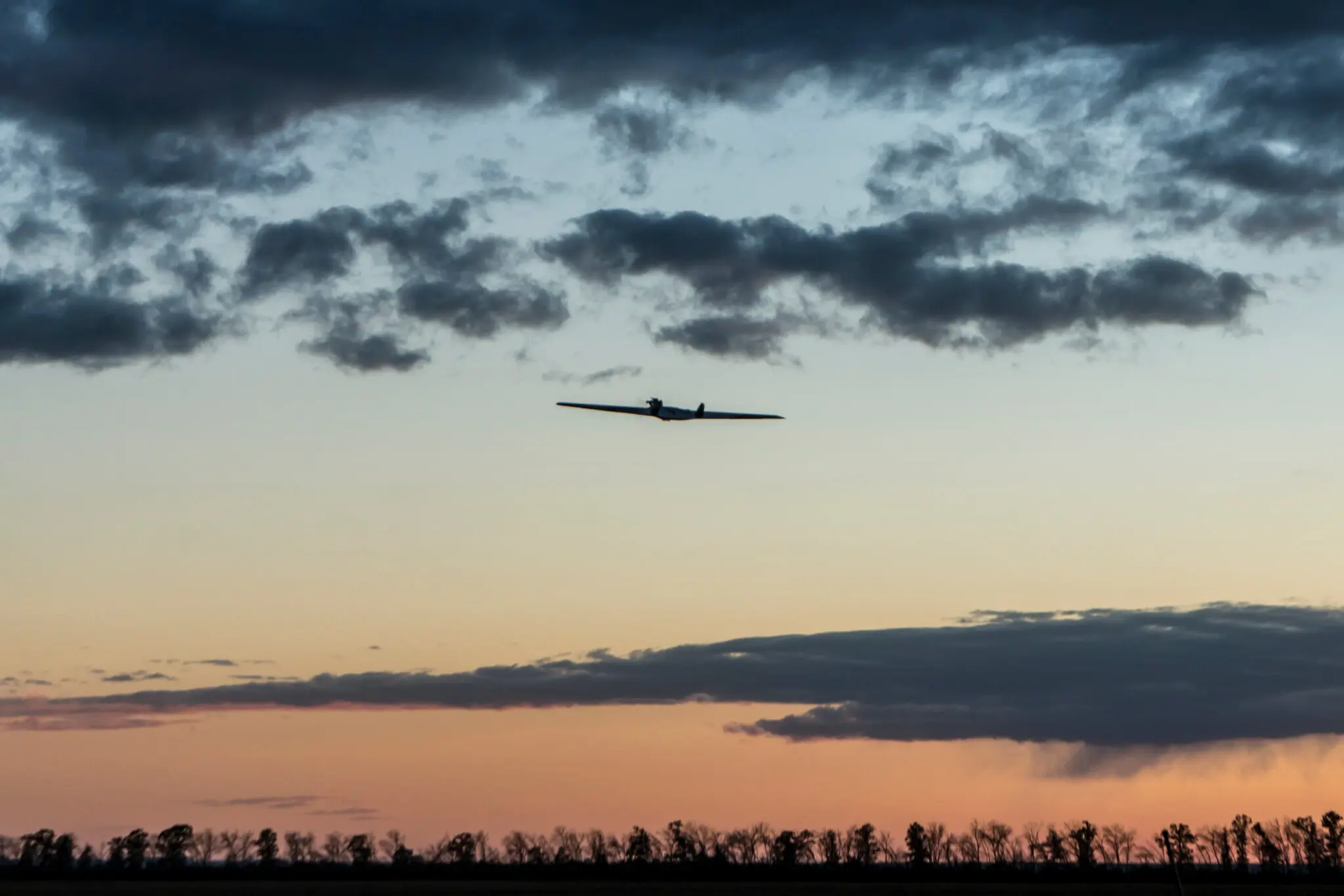
As Daycom has previously noted, the struggle over Crimea is increasingly about more than strikes on ammunition depots, airfields and air-defense systems. The peninsula has become a theater where long-range drones, sabotage operations, counterintelligence and covert networks all operate alongside conventional military pressure.
The personal nature of such attacks makes them particularly disruptive. A destroyed warehouse can be rebuilt. A damaged aircraft can be replaced. A strike against a specific officer has a different effect: it forces military personnel and security officials to reconsider their own vulnerability even far from the battlefield.
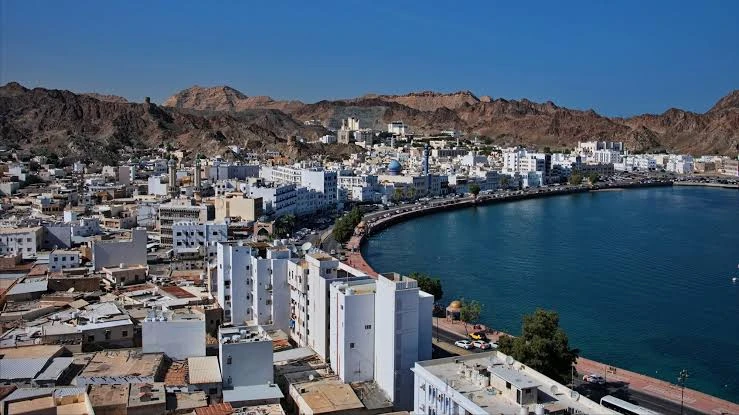
Sevastopol is especially important in that regard. For decades it served as the principal base of the Black Sea Fleet, and after 2014 it became one of the central hubs of Russia’s military presence on the peninsula.
Since the start of the full-scale war, that role has made the city a priority target for Ukraine. Strikes on ships, headquarters, air-defense systems and military infrastructure have steadily weakened the notion that Crimea functions as a protected rear area.
Now another dimension is being added: the physical vulnerability of the people who sustain Russia’s military system there.
If the dead officer was indeed a former Ukrainian serviceman who joined Russia after 2014, the case also brings questions of loyalty and individual choices back into the center of the war.
Russia’s seizure of Crimea fractured Ukrainian military structures on the peninsula. Some servicemen remained loyal to Kyiv and left for government-controlled Ukraine. Others entered Russian service.
Twelve years later, those decisions can still carry consequences. Wars preserve long memories, particularly inside closed communities such as the military, intelligence services and naval forces.
That is why targeted killings can have an effect far beyond the loss of one individual. They generate mistrust: who knows an officer’s movements, who has access to his surroundings, who may be passing information, and who might have been recruited.
For the Russian occupation authorities, that means spending more resources not only on air defense but on internal security.
Protecting senior personnel, screening staff, controlling access, monitoring suspects, searching for explosives and detecting covert networks all become part of everyday military logistics.
This is one of the less visible but important effects of a shadow war. It forces an adversary to protect not just territory, but thousands of individual people, routes and vulnerable points.
For Ukraine, such a model — if its agencies are in fact behind particular operations — has a clear asymmetric logic. Crimea contains a dense concentration of military targets, but Kyiv cannot continuously attack every one of them with expensive missiles.
Sabotage, intelligence networks and targeted operations can create pressure at lower cost and with far less predictability.
But this is also where the line between established fact and information warfare becomes especially important. Russian authorities have alleged Ukrainian involvement, yet no public evidence has so far established who organized the attack.
The victim’s identity has likewise not been officially confirmed. The reports naming Shageyev come from unofficial Russian channels and therefore require caution.
That uncertainty itself becomes part of the psychological effect. Russian military personnel cannot know whether the attack resulted from an external operation, an internal network, a personal dispute or some combination of factors.
An unclear threat is often harder to defend against than a familiar and repeatable pattern of attack.
Sevastopol experienced another deadly explosive incident the same day. Five people were killed while attempting to dispose of an explosive device. There is no basis to automatically link the two events, but their proximity in time reinforces the sense of instability around Russia’s military infrastructure in Crimea.
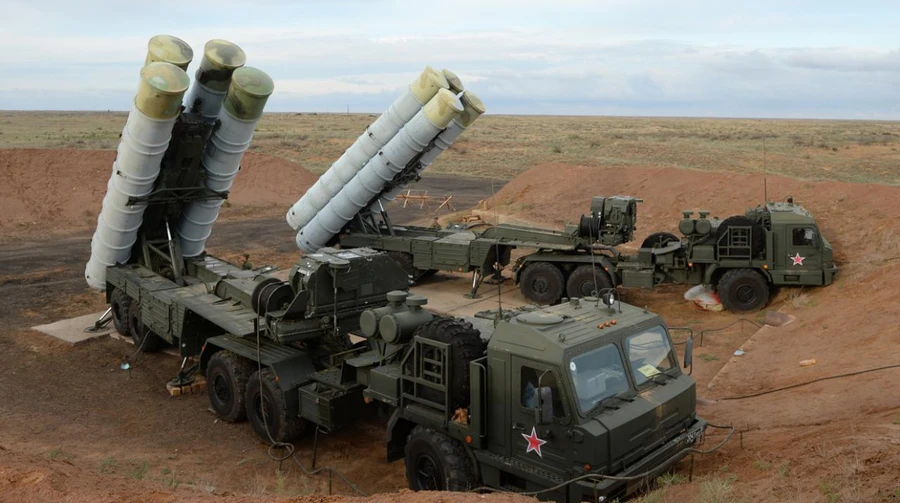
For Moscow, the security problem is becoming increasingly complex. The peninsula must be defended simultaneously against missiles, aerial drones, naval drones, sabotage and possible intelligence operations.
No air-defense system can solve the problem of an explosive device placed along an officer’s route. No counterintelligence service can seal hundreds of kilometers of coastline against drones. Every layer of protection demands separate resources.
That is the strategic value of multi-layered pressure on Crimea. It forces Russia to continually divide resources between external defense and internal security.
The peninsula that Moscow sought to present after 2014 as permanently integrated and secure is increasingly operating under the conditions of a frontline region.
Warships have changed basing patterns, military installations require additional air defenses, commanders must think more carefully about personal security, and security agencies are forced to search for possible underground networks.
If the dead officer is eventually confirmed to be Shageyev, the case will acquire another symbolic layer. A man who may have chosen Russia during the annexation of Crimea would have been killed twelve years later on the same peninsula, during a much larger war born in part from that earlier seizure.
But even without that symbolism, the broader conclusion is already clear.
Crimea is no longer a quiet military rear area for Russia. And if the central question once was whether Ukraine could reach Sevastopol with missiles, it is now becoming something else: whether Russia can protect not only its bases and ships there, but the people on whom its military presence depends.