























The escalation in the Russia-Ukraine war is increasingly unfolding far from the ground front. Russia is intensifying missile and drone attacks against Ukrainian cities, energy systems and logistics, while Ukraine is systematically shifting more of the military pressure deep into Russian territory, targeting fuel, transport and military infrastructure.
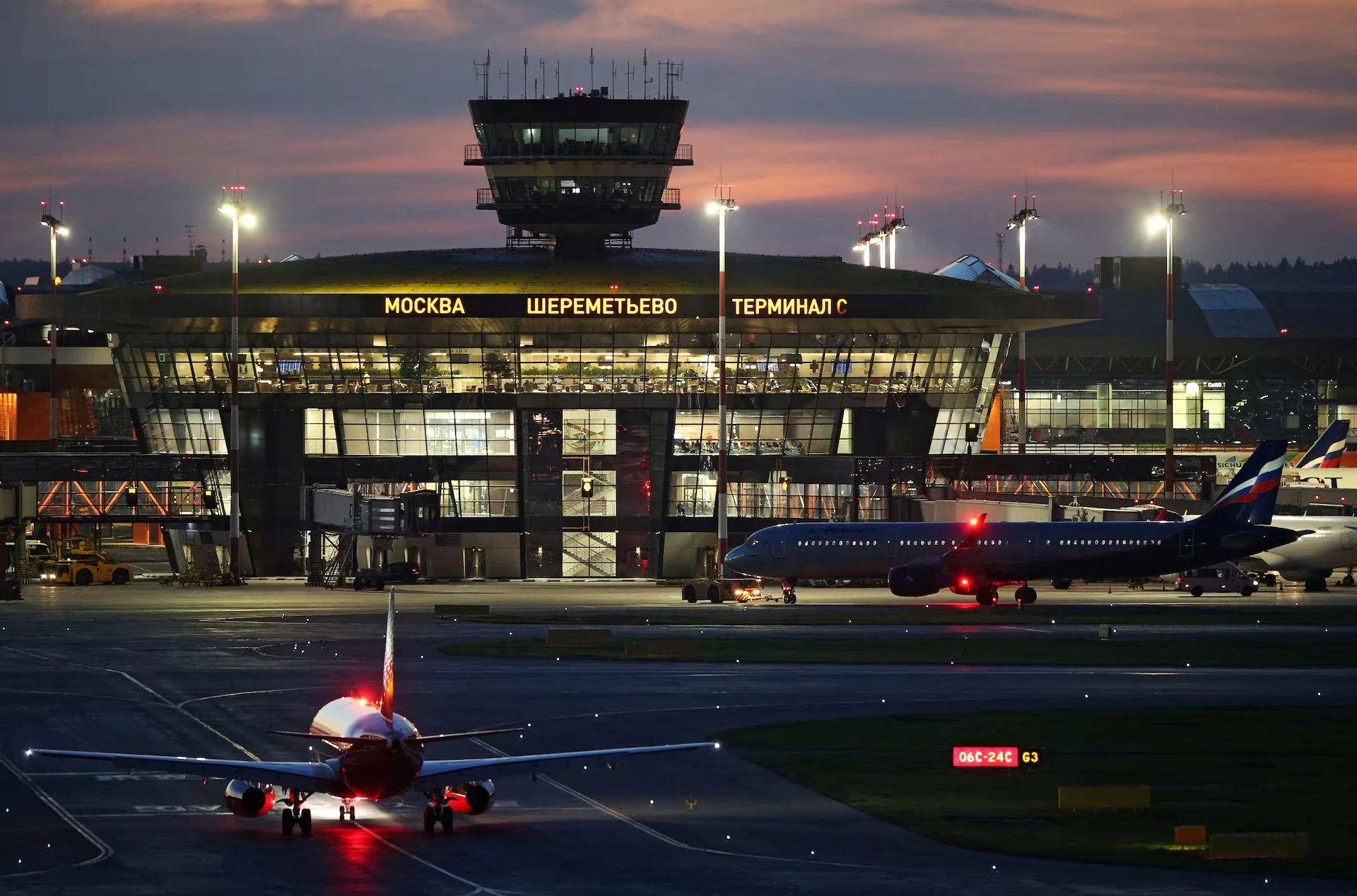
The scale of this air campaign is already changing how the war is experienced. In Ukraine, overnight attacks have become a persistent feature of life in major cities. In Russia, drones are increasingly affecting airports, fuel supplies, warehouses and industrial facilities hundreds of kilometres from the Ukrainian border.
Yet describing what is happening as a symmetrical exchange of strikes would be misleading. Russia launched the full-scale invasion, and the documented civilian toll in Ukraine remains far higher. Ukrainian strikes form part of a defensive war, although operations inside Russia can also create risks for civilians there.
In July alone, United Nations monitors confirmed at least 437 civilians killed and 2,610 injured in Ukraine, the highest combined monthly total since March 2022. During the first seven months of 2026, civilian casualties were 44 percent higher than over the same period a year earlier.
Daycom’s analysis indicates that the defining feature of the current escalation is that both sides are increasingly trying to influence not only the opponent’s military capacity but also its economic endurance. So far, however, there is little evidence that accumulating pain is close to forcing either country to abandon its core war aims.
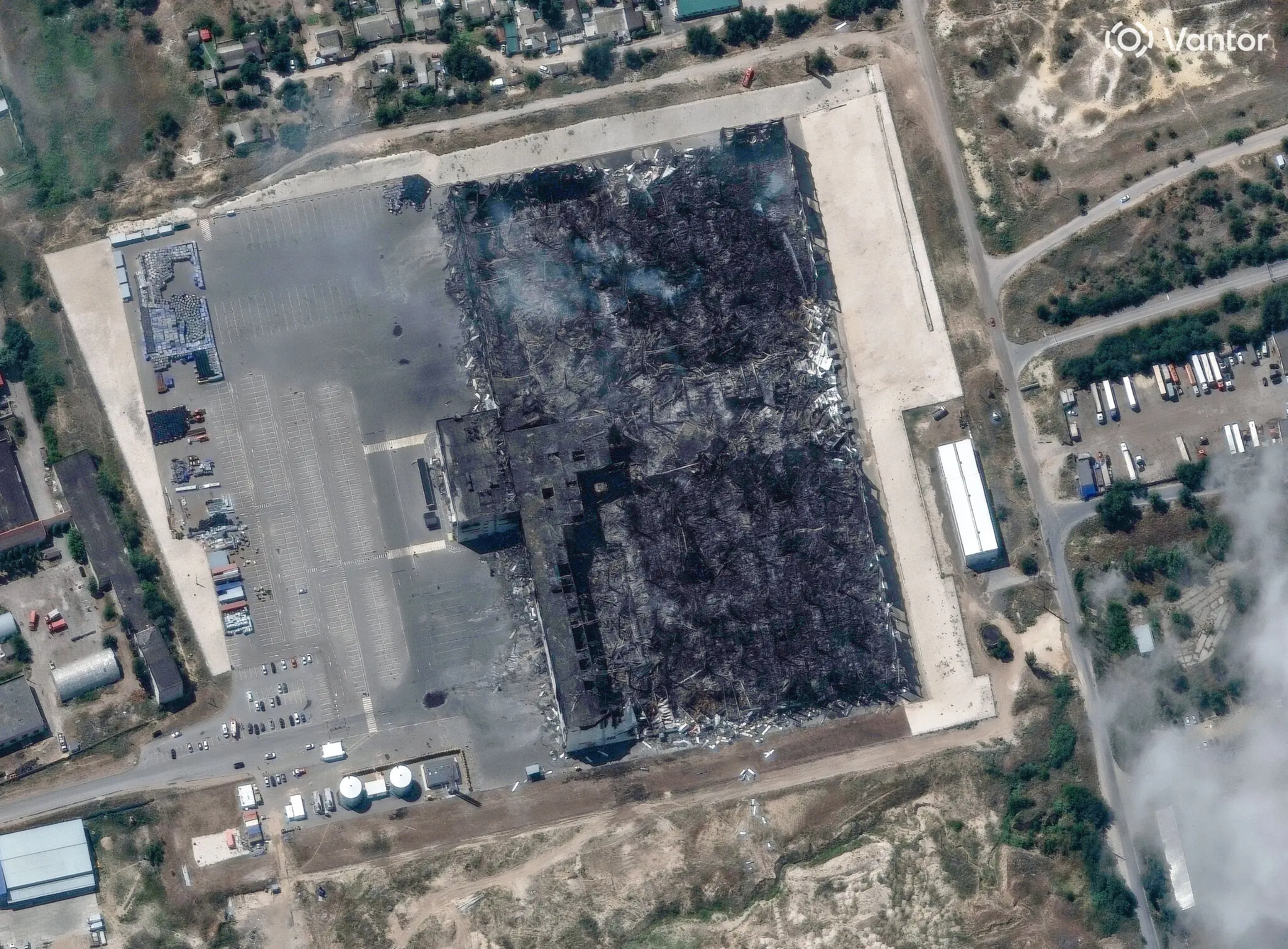 Супутниковий знімок, опублікований розвідувальною компанією Vantor, показує наслідки удару по складу Wildberries у Волгограді, Росія, минулого місяця — Vantor
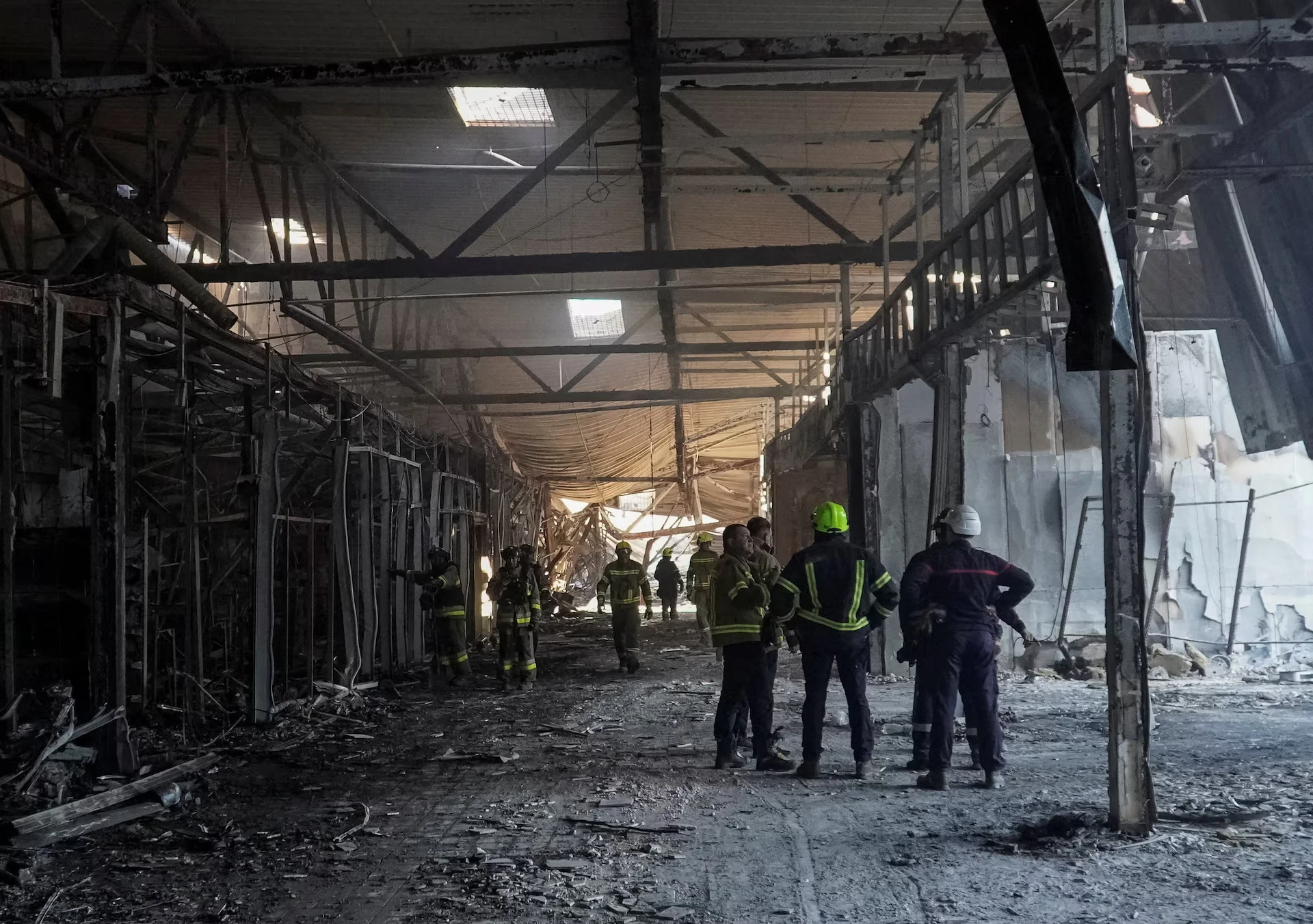 Рятувальники працюють на місці торгового центру, зруйнованого вчорашньою атакою російського безпілотника на тлі нападу Росії на Україну, у місті Кривий Ріг, Дніпропетровська область, Україна, 22 серпня 2026 року — Ігор Кузнецов
Long-range weapons have become one of the main sources of civilian casualties in Ukraine. Missiles and long-range drones accounted for a substantial share of the deaths and injuries recorded during July, with many incidents occurring in large cities well beyond the immediate battlefield.
Kyiv has become one of the clearest examples. The Ukrainian capital has endured repeated waves of missiles and drones, while residents have spent long stretches under air-raid alerts. The purpose is not only physical destruction but the gradual exhaustion of air defences, emergency services, infrastructure and civilian resilience.
Russian operations increasingly function on several levels at once. Strikes against the power system threaten electricity and heating, attacks on warehouses disrupt commercial distribution, and pressure on Black Sea ports increases the cost and uncertainty of Ukrainian exports.
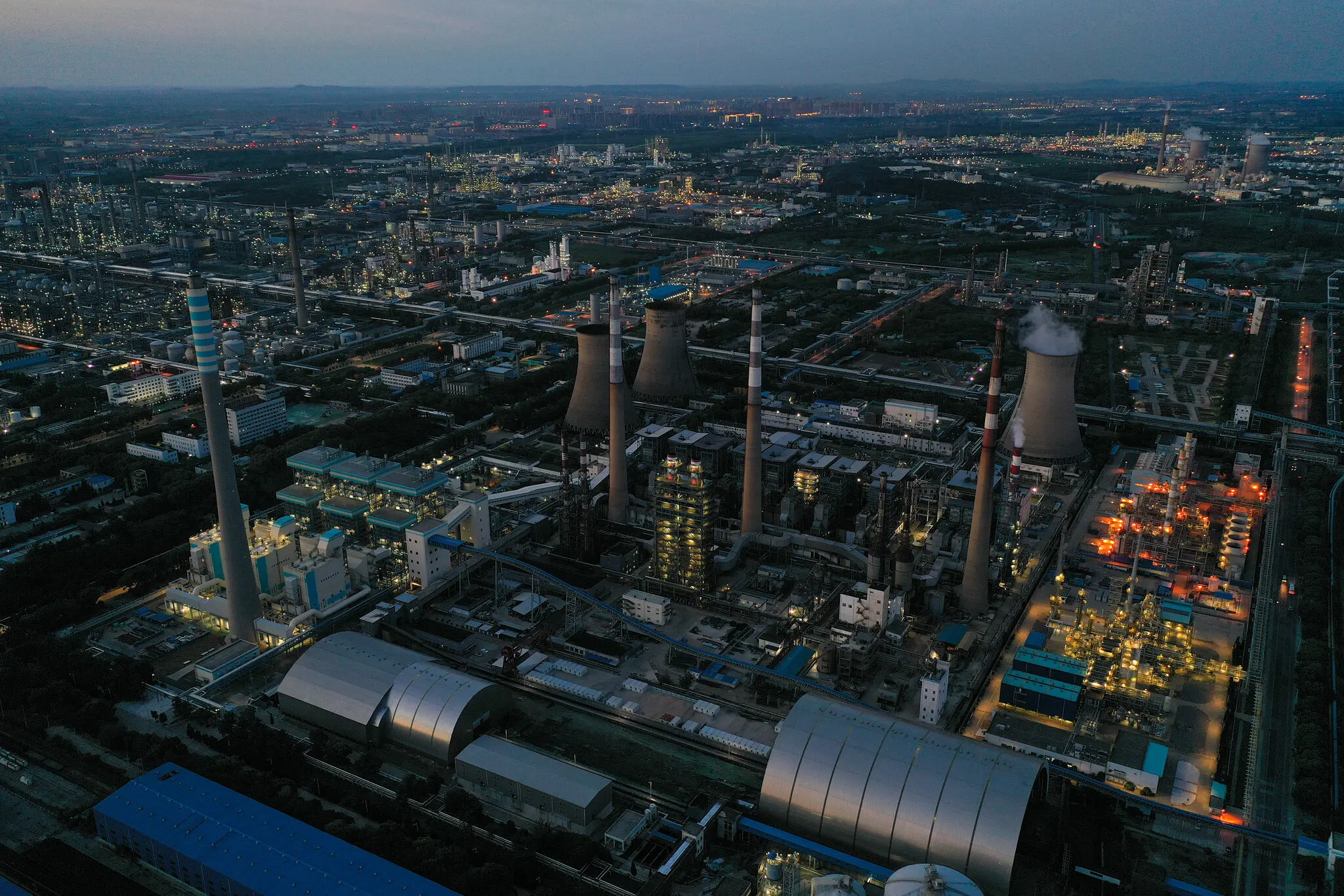
Ukraine’s answer follows a related economic logic but is directed against the state that invaded it. Kyiv has expanded a long-range strike campaign against oil refining, fuel logistics, military production, airfields and other facilities that either sustain Russian forces or generate revenue for the war.
Ukrainian officials increasingly describe these operations as “long-range sanctions”: physical attacks intended to impose costs that ordinary financial restrictions cannot. Their value is measured not only by destroyed equipment but also by production stoppages, repairs, air-defence deployments and disruptions across the wider economy.
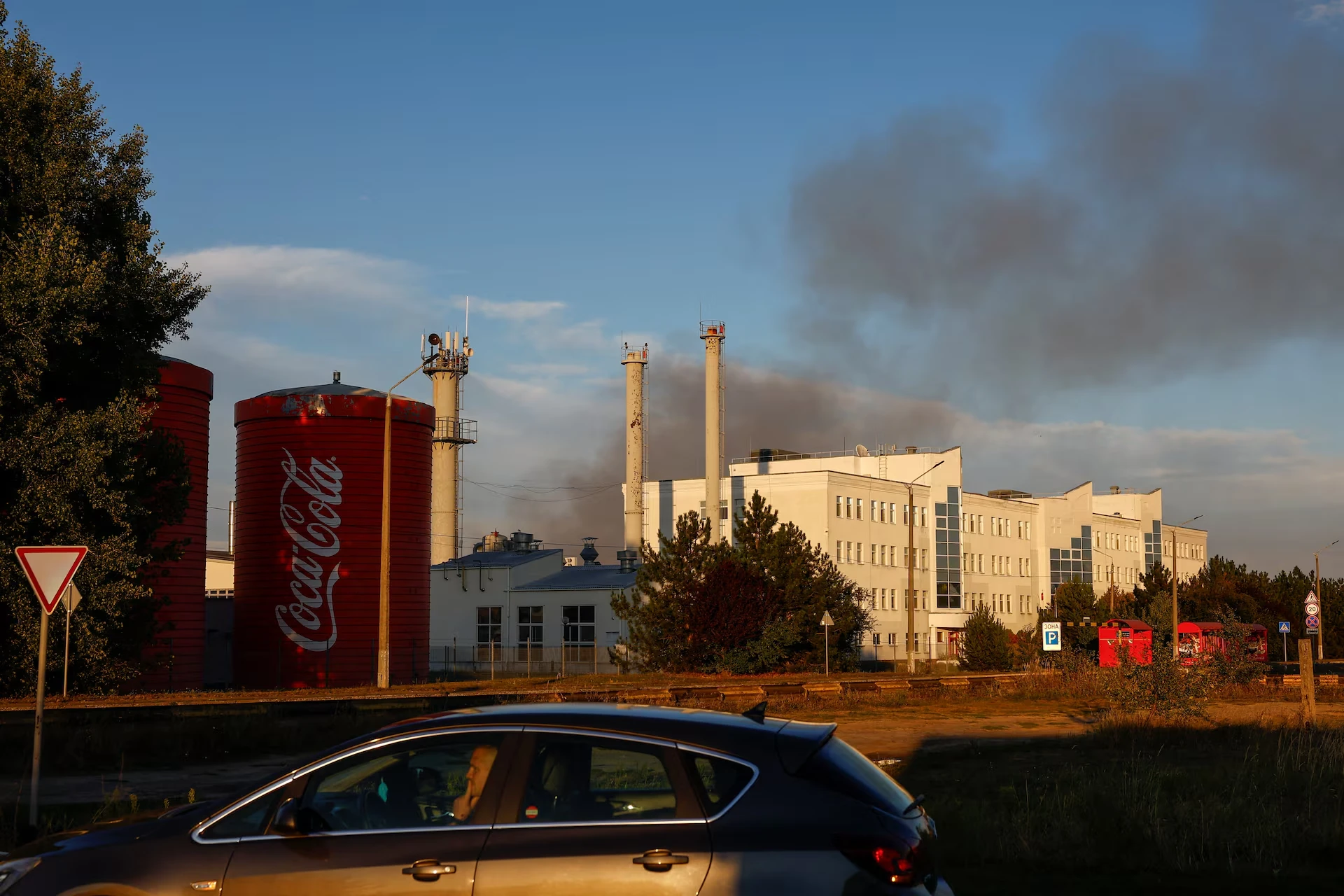
Pressure on Russia’s fuel sector has become one of the most visible effects. Fuel prices have risen sharply in 2026, while several regions have experienced shortages and supply disruptions. The Kremlin has had to intervene repeatedly to stabilise the domestic market.
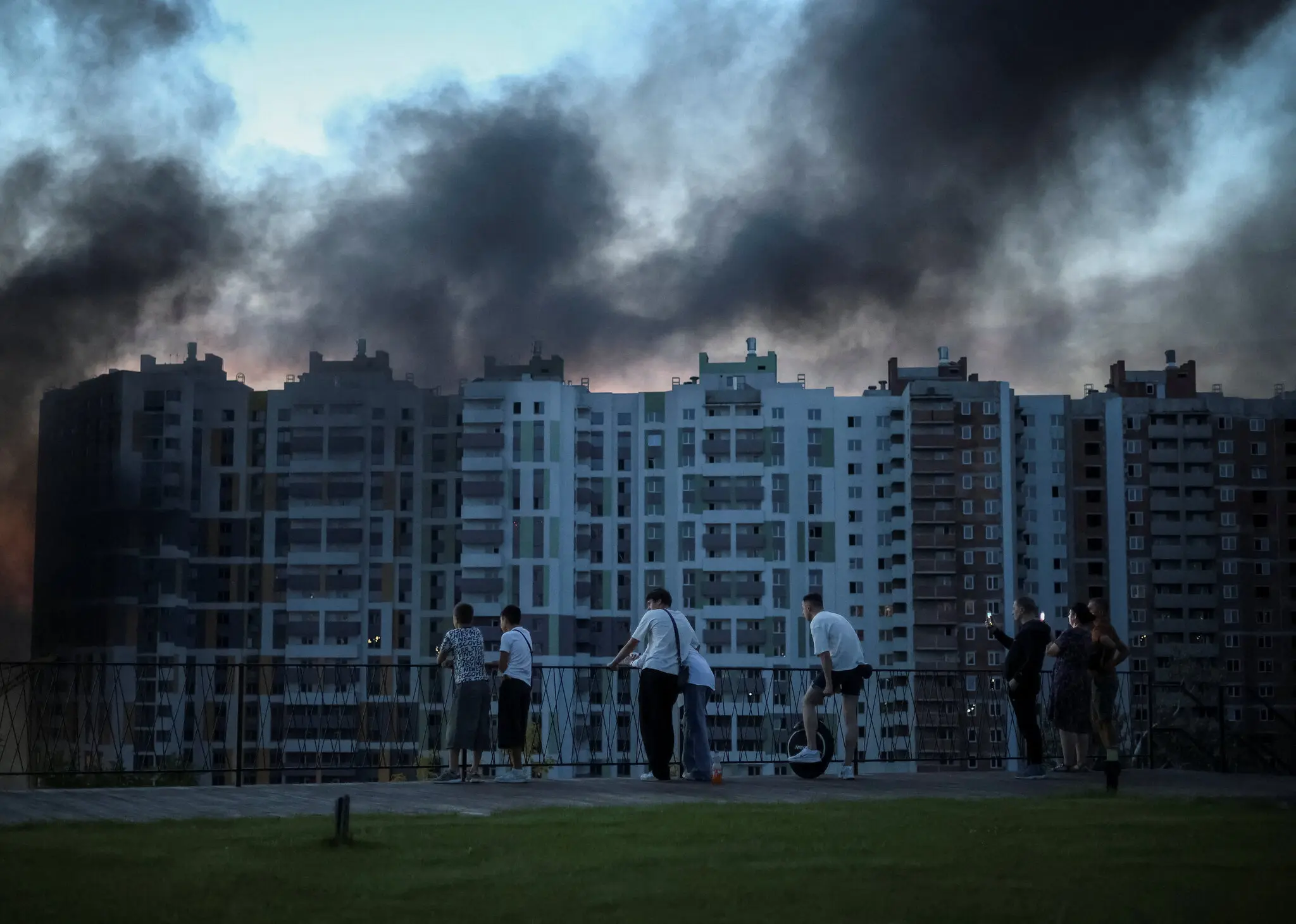 Після нападу на Київ, Україна, наприкінці минулого місяця — Олександр Ратушняк
That does not mean the Russian economy is on the verge of collapse. Industrial growth has slowed close to stagnation and fiscal pressures have increased, but Russia still retains substantial resources, a large industrial base and the ability to redirect spending toward the war.
This is one of the central limits of economic coercion by air power. Destroying a refinery can reduce fuel output, and persistent drone threats can raise transport and insurance costs. Turning those pressures into a political decision to end a war is much more difficult.
The Kremlin has given no indication that it is prepared to abandon its central military demands. Ukraine, meanwhile, cannot accept an end to resistance on terms that would leave it vulnerable to renewed aggression or permanently legitimise the results of the invasion.
The result is a classic coercion problem. Each side is trying to convince the other that continuing the war will become more expensive than compromise. But when both governments believe concessions are more dangerous than additional losses, more pressure may prolong the conflict rather than shorten it.
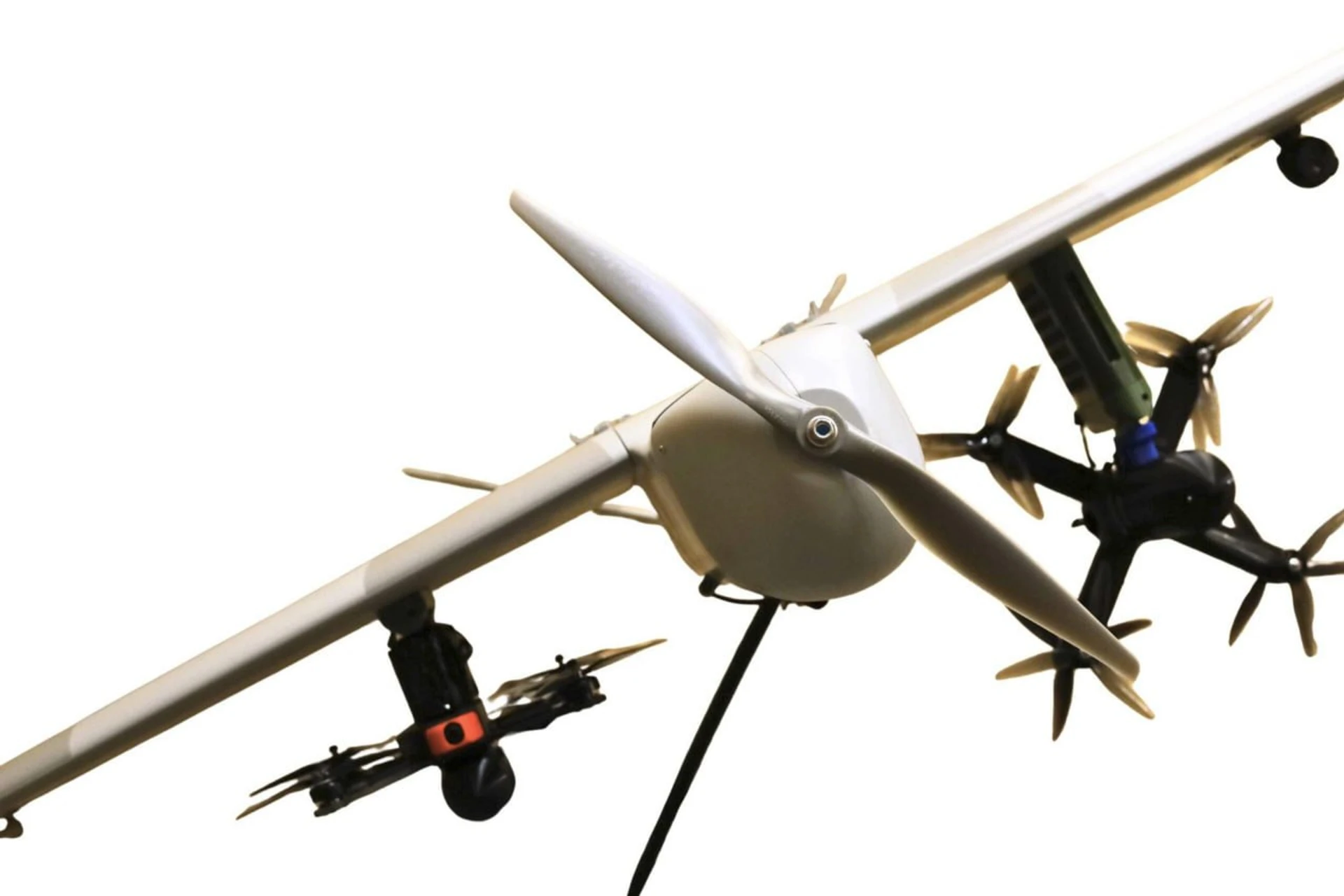
Russia retains an important advantage in the volume of missiles, strike drones and resources available for sustained attacks. Ukraine must destroy large numbers of relatively inexpensive drones while preserving scarce and much more expensive interceptor missiles for ballistic and other high-end threats.
That arithmetic is particularly dangerous over large cities. Even if air defences destroy most incoming weapons, only a handful of successful penetrations into densely populated districts can cause serious casualties and destruction. High interception percentages therefore do not translate directly into civilian safety.
The civilian consequences of this evolution have become increasingly severe. Children are among those being killed and injured, while residential towers, schools, hospitals and transport networks face repeated exposure to attacks that can arrive in waves lasting for hours.
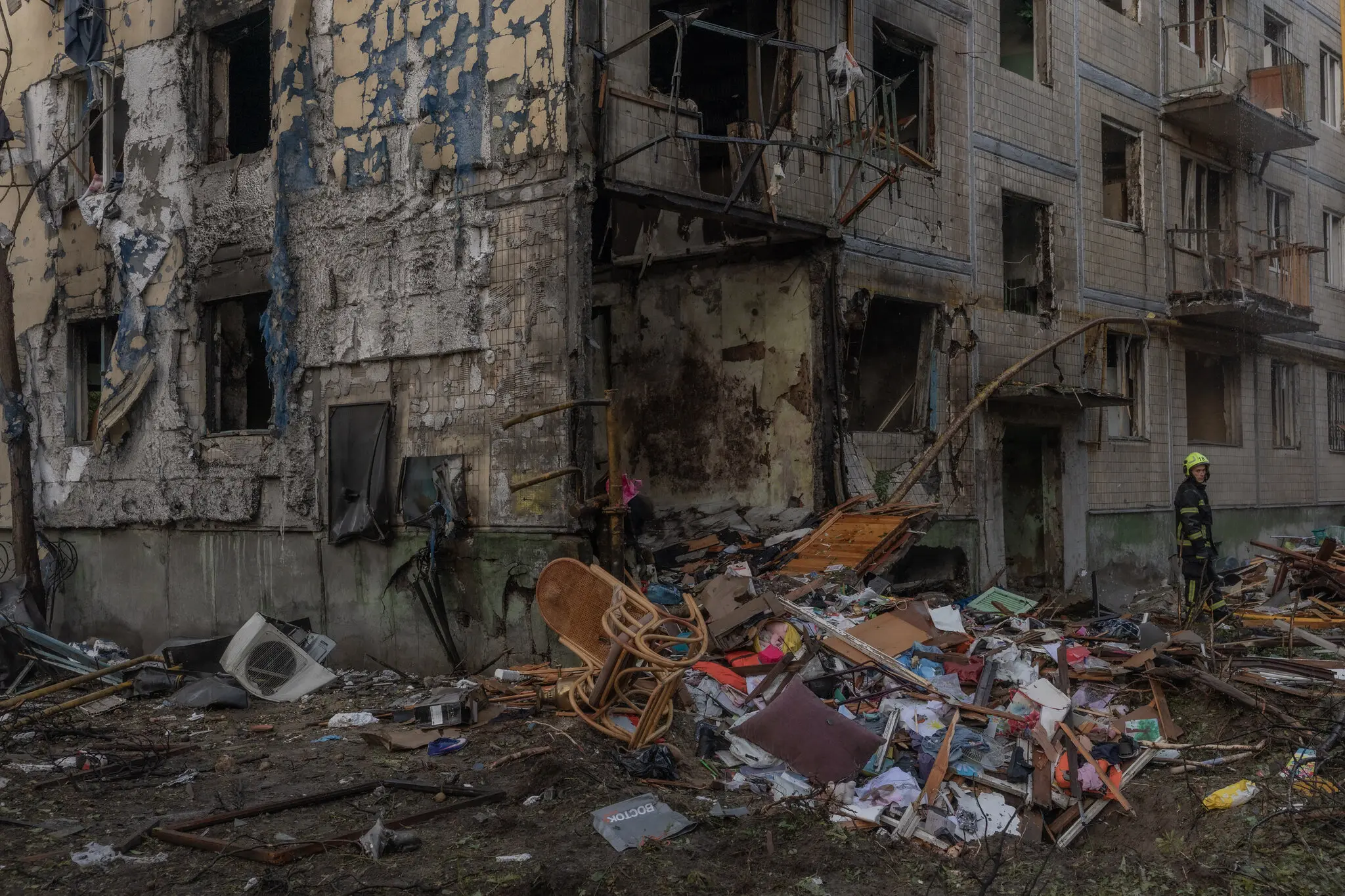 Житловий будинок пошкоджено під час нападу на Київ минулого місяця. Кількість жертв серед цивільного населення України досягла найвищого рівня з перших тижнів війни — Роман Піліпей
Ukraine is simultaneously expanding the range and organisation of its own strike capabilities. Long-range operations inside Russia are no longer treated merely as occasional special missions but as a permanent element of the broader military strategy alongside front-line defence.
Kyiv has also signalled that deeper strikes will continue in response to Russian attacks. At the same time, Ukrainian officials have tried to reassure partners that the goal is to hit military and war-supporting infrastructure rather than endanger foreign civilian aviation or third countries.
Civilian deaths inside Russia are another consequence of the widening war. Russian authorities have reported growing casualties from Ukrainian attacks, although comprehensive independent verification remains much more difficult there than in Ukraine.
That difference in verification matters. Civilian losses in Ukraine are systematically documented by international monitors with access to affected areas, while many Russian casualty claims cannot be independently checked in the same way. It does not, however, eliminate the reality that civilians on both sides can be killed as the strike campaign expands.
The greatest danger in the coming months may be the arrival of colder weather. Russia’s previous winter campaigns demonstrated how damaging repeated attacks against generation facilities, substations and transmission networks can become when power demand peaks.
For Ukraine, the coming winter will therefore test much more than the electricity system. It will test stocks of air-defence interceptors, emergency repair teams, distributed generation, fuel logistics and the ability of businesses and public services to operate through repeated attacks.
For Russia, the strain is different. Ukrainian strikes can force the state to protect refineries, military bases, depots, airports, ports and major cities simultaneously. Even successful defence requires the redistribution of air-defence systems and greater spending on protecting the rear.
In that sense, Ukraine’s long-range campaign does not need to destroy the Russian economy to have strategic value. It can aim instead to create a permanent layer of additional cost: repairs, production losses, fuel shortages, airport closures, insurance pressure and the diversion of military resources.
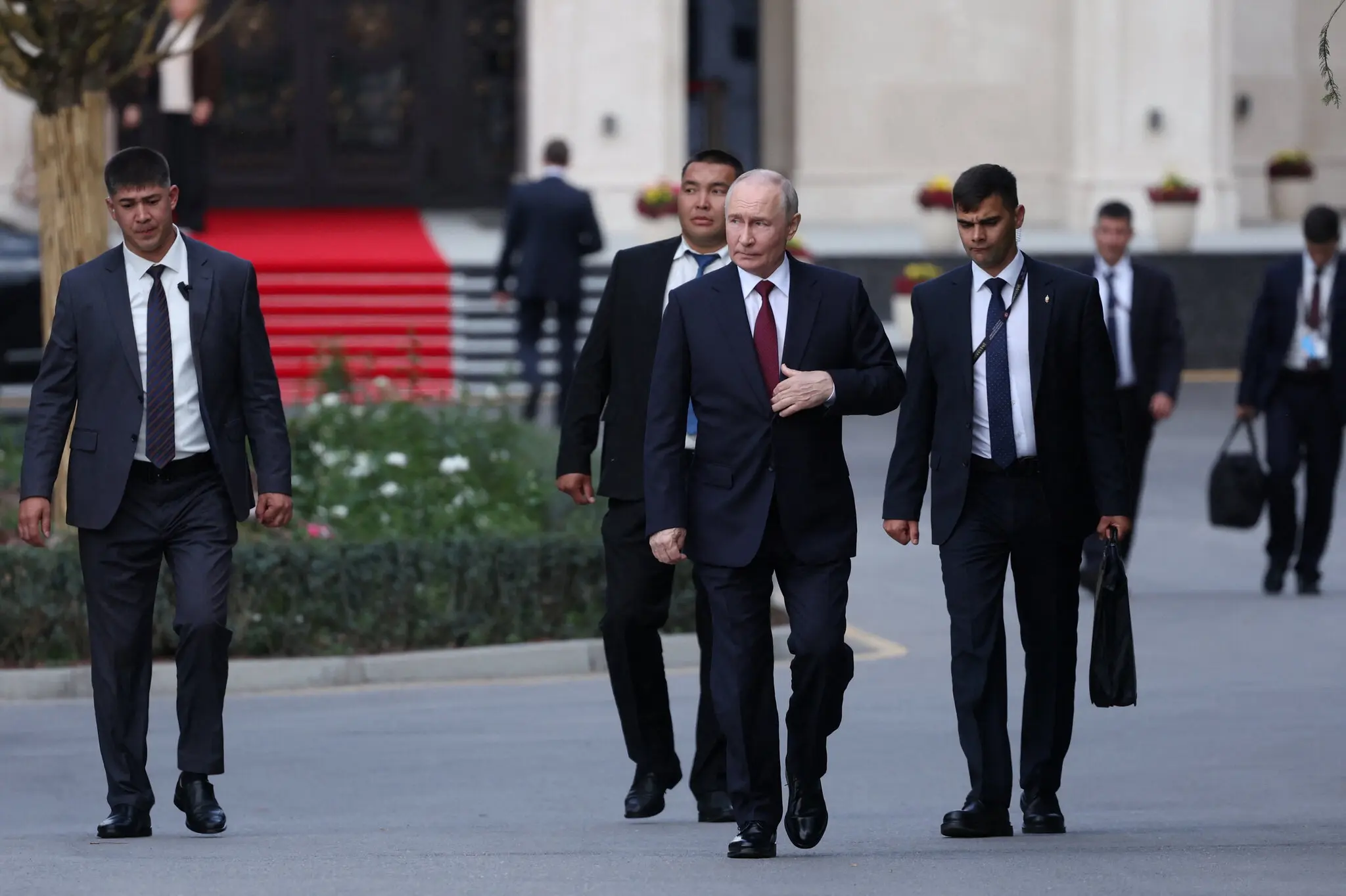 Президент Росії Володимир Путін у Бішкеку, Киргизстан, у вівторок, на фотографії, опублікованій російськими державними ЗМІ. Він пообіцяв ескалувати напади на Україну — В’ячеслав Прокоф’єв/Sputnik
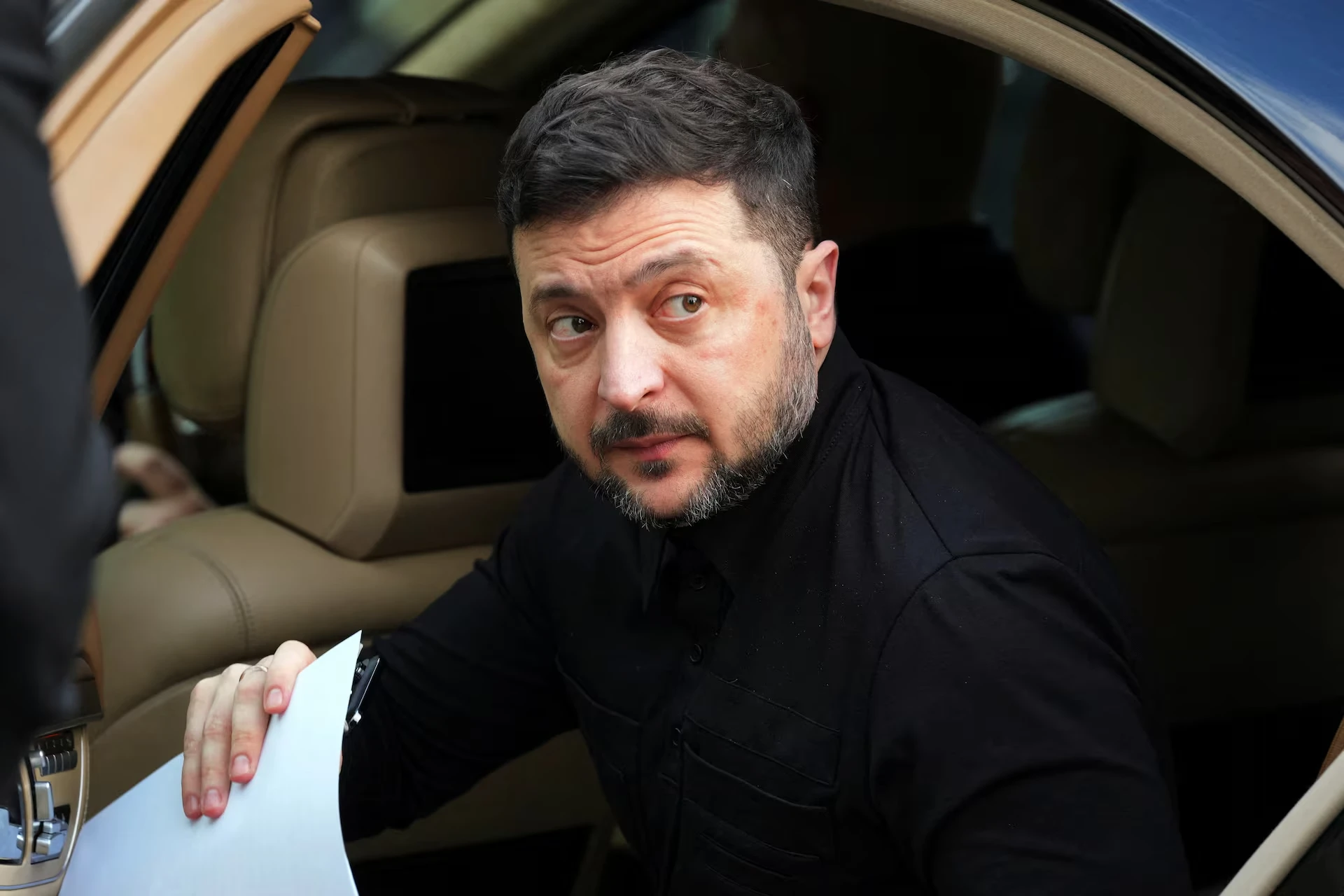 Президент України Володимир Зеленський прибув до президентського палацу в Нікосії, Кіпр, у середу, 7 січня 2026 року — Петрос Караджіас
But Ukraine’s own economy remains far more vulnerable to prolonged aerial warfare. It is smaller, many of its industrial and transport nodes are within reach of Russian weapons, and the state relies heavily on international financing to sustain both civilian expenditure and defence procurement.
That is why the simple question of which country can “take more pain” has no easy answer. Russia possesses the larger resource base. Ukraine has the far stronger existential motivation because the war is being fought over its territory, sovereignty and survival as an independent state.
These factors pull in opposite directions and help explain why mutual pressure has so far failed to produce a decisive breaking point. Russia has absorbed significant costs without changing its central political position. Ukraine has endured far greater physical destruction without giving up its defence.
Diplomatic channels remain formally open, but there has been no breakthrough capable of reversing the military trajectory. Ukrainian officials continue contacts with US representatives over possible negotiations, while Moscow has shown little evidence that it is ready for a settlement on terms Kyiv could accept.
That interaction between diplomacy and warfare creates another danger. If either side believes several more months of attacks will improve its bargaining position, the prospect of future negotiations can paradoxically encourage escalation before talks rather than restrain it.
The military logic then begins to reinforce itself. A Russian attack on Ukrainian energy infrastructure produces an argument for another Ukrainian strike on Russian refining. A Ukrainian operation provides Moscow with justification for another announced retaliation. Each new cycle is presented as a response to the previous one.
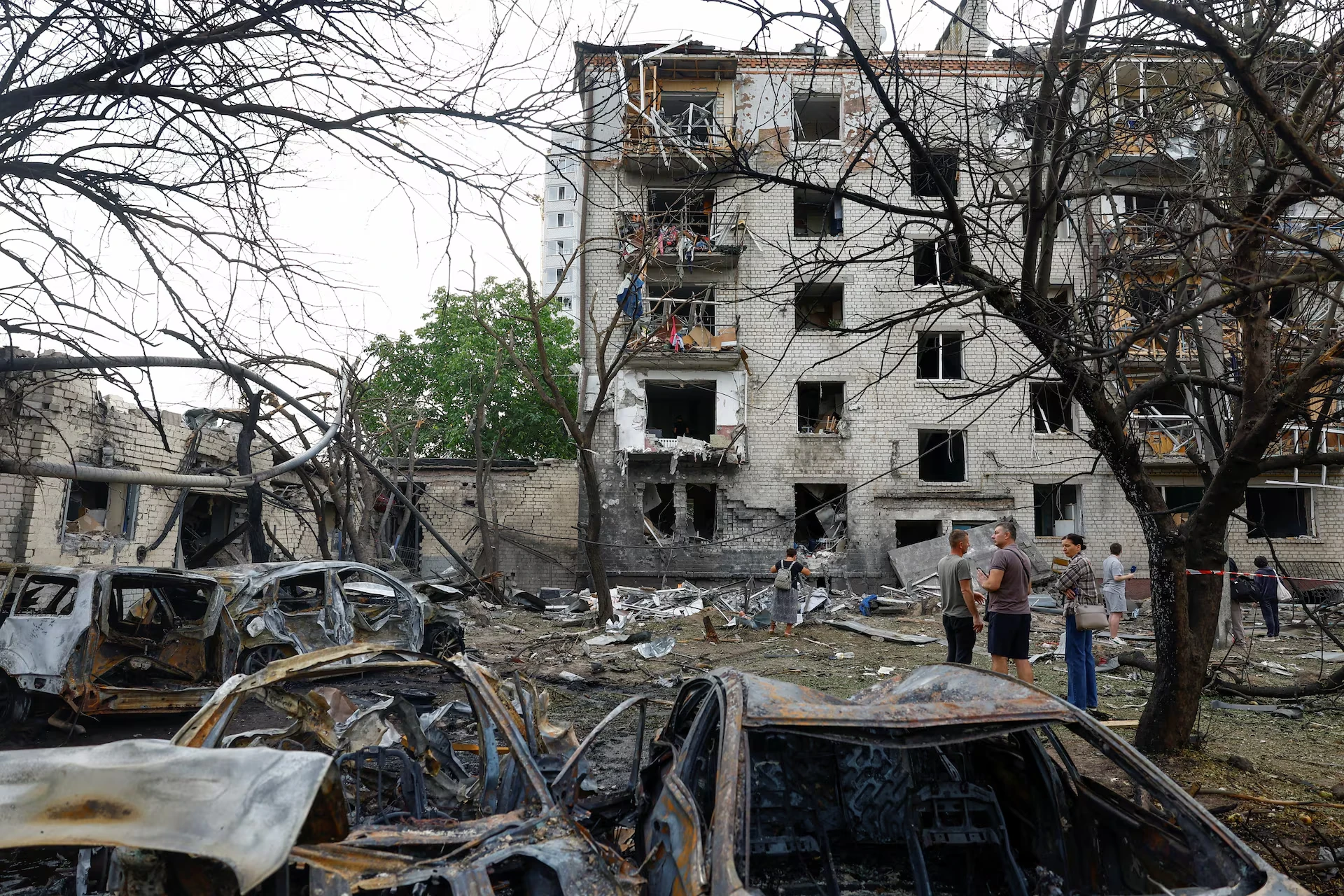 Мешканці стоять перед своїм багатоквартирним будинком, пошкодженим російським ракетним ударом, у місті Бориспіль на тлі нападу Росії на Україну, у Київській області, Україна, 1 вересня 2026 року — Валентин Огіренко
The responsibility for the origins of this spiral remains unequal. It did not begin with mutually exchanged long-range attacks. It began with Russia’s invasion of Ukraine in 2022, a fact that defines the political and international legal framework surrounding everything that followed.
But identifying how the war began does not by itself explain how it will end. As of early September, Moscow has not demonstrated a willingness to terminate the invasion on conditions Ukraine considers sustainable, while Kyiv sees little reason to surrender weapons capable of imposing costs inside Russia.
The most likely near-term trajectory is therefore further expansion of the air war. Russia will try to exhaust Ukrainian air defence, energy systems and urban infrastructure. Ukraine will seek to increase the range, frequency and economic consequences of its strikes inside Russia.
The main danger is not that one side is already on the edge of imminent collapse. It is almost the opposite. Both have shown an ability to adapt, and that absence of a quick result makes further escalation more tempting: each may conclude that the previous level of pressure simply was not high enough.
If that logic survives into winter, the war will increasingly be measured by more than kilometres gained or lost at the front. Its cost will be counted in hours without electricity, destroyed warehouses, closed airports, disrupted fuel supplies, damaged export routes and civilians caught far from any trench.
That is what makes the current escalation in the Russia-Ukraine war particularly dangerous. Both sides are trying to demonstrate that the next month can be made more painful than the last, while no credible mechanism has yet emerged that can persuade them the cycle should stop.