


















The United States Senate has taken its first decisive step toward adopting one of the most ambitious sanctions packages aimed at Russia’s wartime economy. By a vote of 86 to 12, lawmakers cleared a procedural barrier for legislation designed to pressure not only Moscow, but also the countries purchasing its oil and gas.
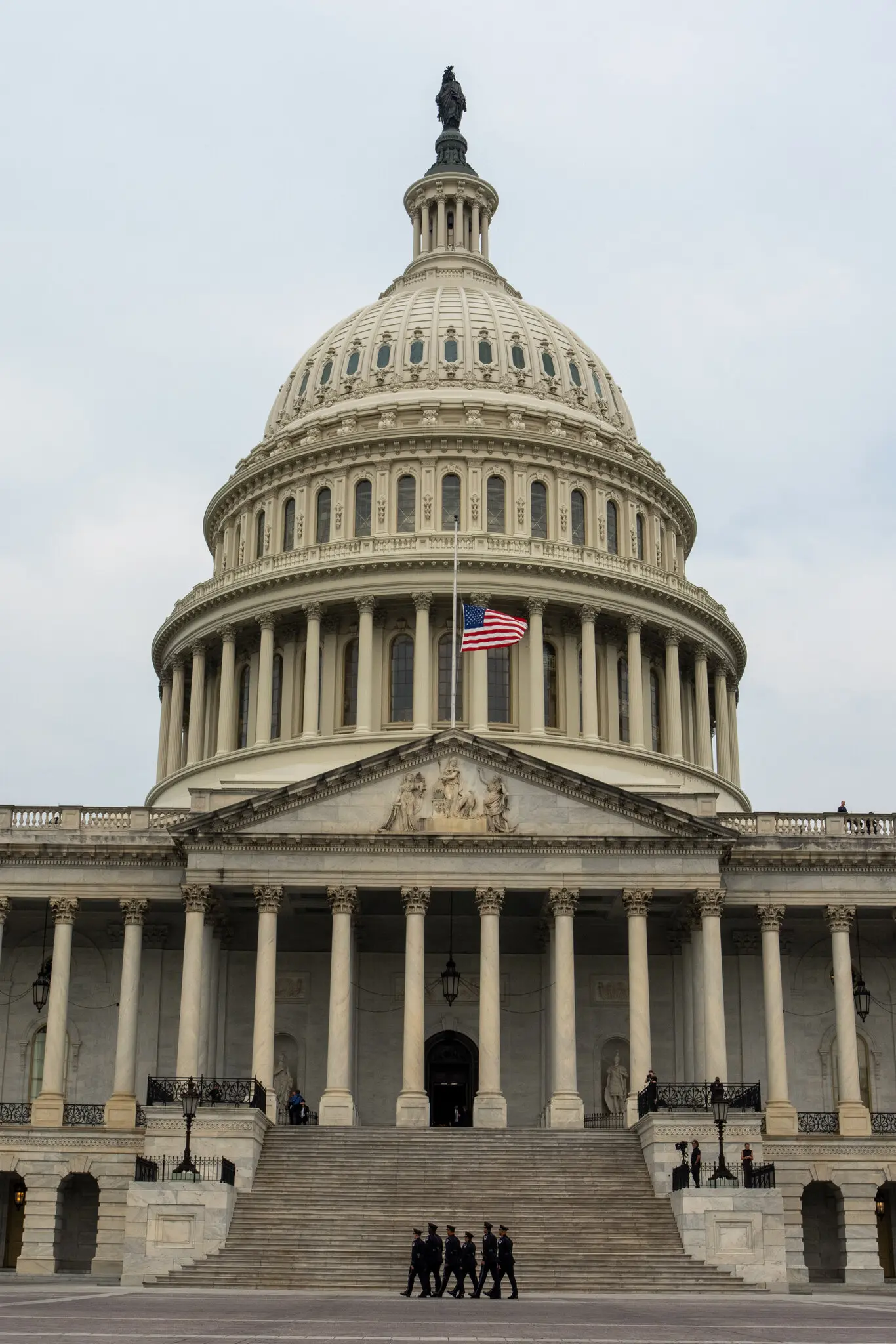
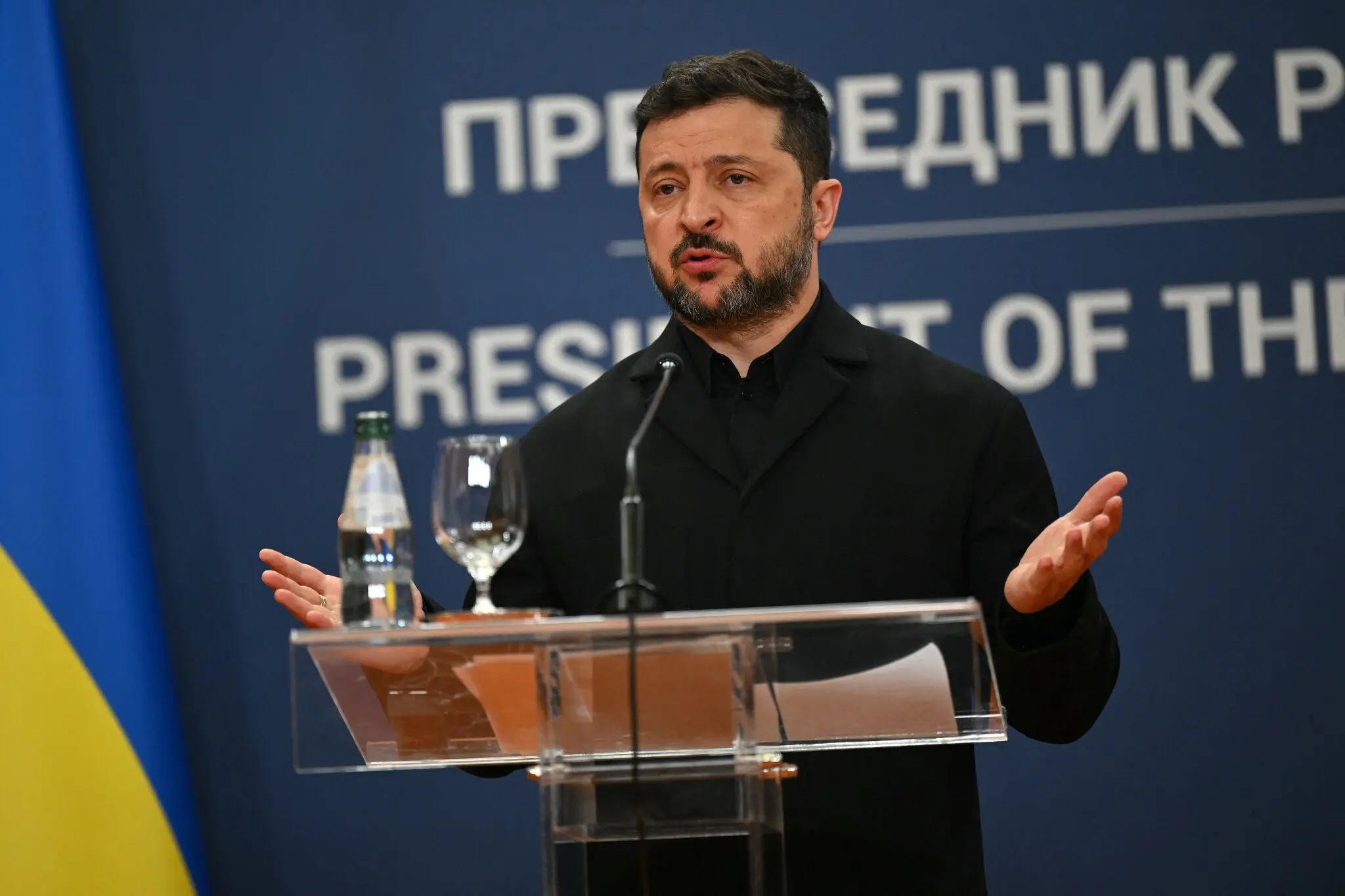
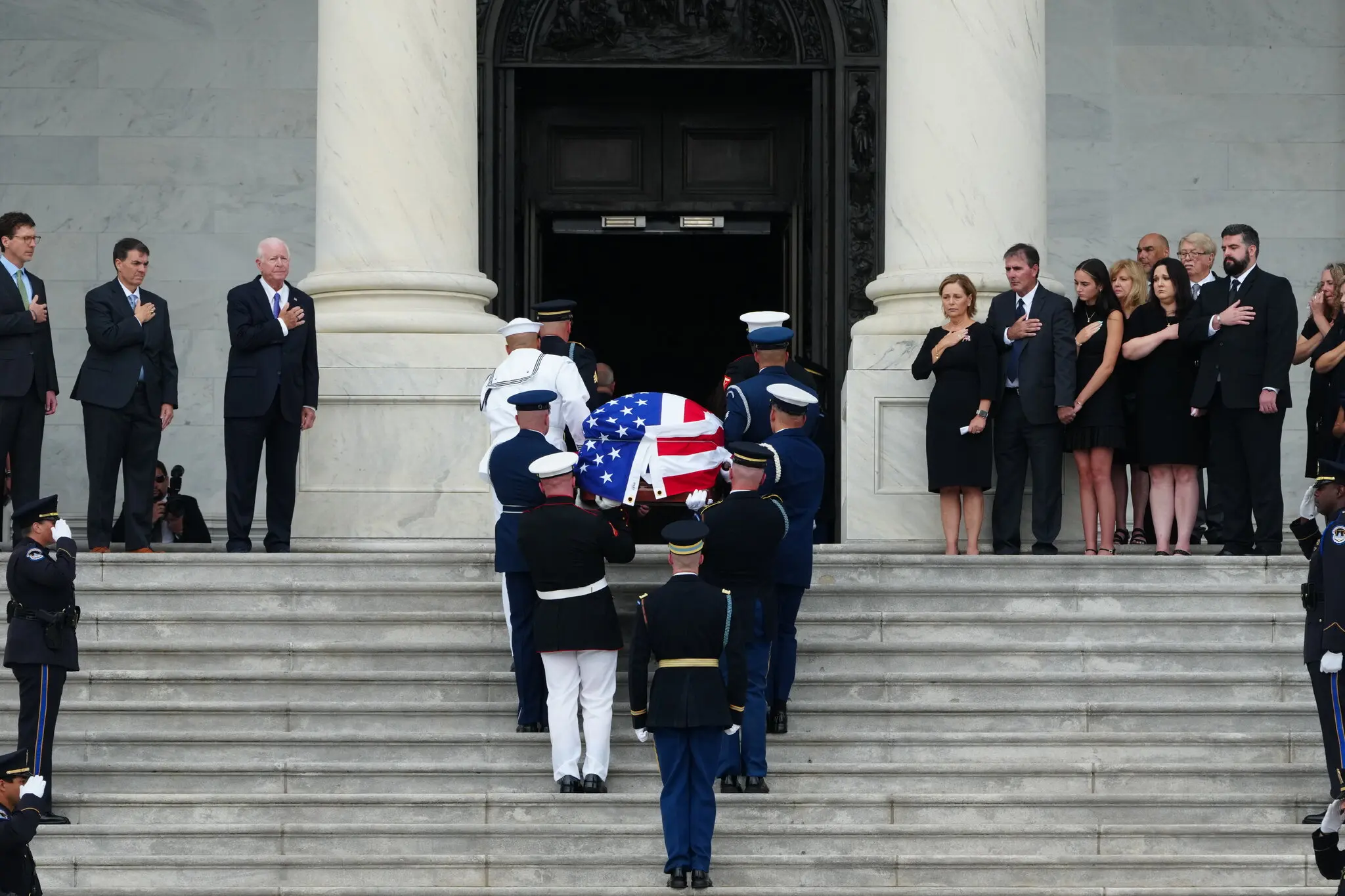
The vote took place on the day of Lindsey Graham’s funeral. Graham had been one of Ukraine’s most persistent supporters in Congress and the principal architect of the sanctions initiative. Volodymyr Zelensky visited the Capitol, met senators and watched the proceedings from the chamber’s gallery.
The political symbolism was powerful, but the bill has not become law. It must still survive amendments and final passage in the Senate, clear the House of Representatives and receive the president’s signature.
According to Daycom’s earlier analysis, the central question is not whether the Senate can assemble a majority against Russia. It is whether the United States is prepared to turn sanctions into a trade ultimatum against major economies whose relationships with Washington matter far more than their ties to Moscow.
The bill changes the structure of American economic pressure. Earlier sanctions packages focused mainly on Russian officials, banks, companies and specific transactions. The new approach shifts much of the risk toward foreign buyers, financial intermediaries and governments that sustain Russian energy exports.
The legislation includes primary sanctions against Russia’s political leadership, oligarchs, state-owned companies, financial institutions and defense suppliers. Potential targets include the Russian central bank, Sberbank, Gazprombank, major Arctic gas projects and participants in the shadow fleet.
Its most powerful tool, however, is not asset blocking. The president would be able to impose tariffs of up to 100 percent on goods from countries ranked among the five largest buyers of Russian oil or gas.
A second group would cover the five leading jurisdictions associated with sanctions evasion. These could include countries where companies finance shipments, service sanctioned tankers, provide port access, insure cargoes or otherwise support Russia’s shadow-fleet operations.
That represents a fundamental escalation. The penalty would not necessarily be confined to a single cargo of Russian oil or one intermediary. A country’s entire export relationship with the United States could become exposed to higher tariffs.
This is why the proposal carries particular significance for China and India. Discounted Russian energy gives them an economic advantage, but access to the American market is vastly more valuable. The bill is designed to force governments and businesses to choose between those benefits.
For Moscow, the immediate consequence may not be the total loss of customers. It may instead be another decline in the price Russia can command. Buyers facing tariffs, financial restrictions and secondary sanctions would demand deeper discounts to compensate for political and commercial risk.
Russian exports do not need to stop completely for the pressure to become damaging. More expensive shipping, complicated payments, insurance premiums and reduced prices all shrink the amount of revenue that ultimately reaches the state budget and finances the war.
The shadow fleet is central to that system. Russia relies on aging tankers with opaque ownership, frequently changing flags and uncertain insurance to evade price restrictions and move crude outside traditional Western shipping networks.
The bill would allow sanctions to reach vessels, owners, operators, ports and foreign intermediaries. Its aim is to target the entire logistics chain rather than a single tanker whose name, registration and ownership can quickly be altered.
Russia’s future energy expansion would also come under pressure. The measures cover Yamal LNG, Arctic LNG developments and new projects dependent on specialized vessels, advanced equipment, financing and foreign technology.
Those restrictions may not reduce income immediately, but they can make expansion more difficult and expensive. Russia can replace some components, yet reproducing the full technological chain required for Arctic liquefied natural gas is far more challenging.
The original proposal contemplated nearly universal tariffs of 500 percent. Negotiators later narrowed the mechanism to the five largest energy buyers and five most important sanctions-evasion hubs, while reducing the maximum tariff to 100 percent.
That compromise made the legislation more politically viable. A 500 percent tariff would have amounted to a trade embargo and risked alienating China, India, parts of Europe and other major U.S. partners at the same time.
Even a tariff of up to 100 percent remains an extraordinary power. Applied broadly to imports from a major economy, it could raise prices for American consumers, provoke retaliation and develop into a wider trade confrontation.
That concern explains resistance among some Democrats. They support economic pressure on Russia but fear that the White House could use a sanctions bill as a broader instrument for tariff wars unrelated to Ukraine.
The definition of a country that “facilitates” sanctions evasion is especially contentious. It can include jurisdictions where companies knowingly support Russian oil transactions, even when the government itself is not directly involved.
Legally, that allows Washington to target genuine centers of evasion. Politically, it creates room for selective enforcement because the same transaction may involve a shipowner in one jurisdiction, an insurer in another and a bank in a third.
The legislation includes safeguards for allies that still purchase limited amounts of Russian gas while reducing their dependence. An exemption may apply when a country accounts for less than 15 percent of Russia’s total gas exports and is taking meaningful steps to cut those purchases.
The list of major buyers would be reviewed every 180 days. That turns tariffs into both a punishment and an incentive: a country could reduce imports, leave the high-risk category and seek relief from the measures.
The president would nevertheless retain decisive authority. The bill makes the sanctions mandatory, but it also permits the White House to grant waivers after certifying to Congress that an exemption serves U.S. national-security interests.
That flexibility helped align the legislation with Donald Trump’s administration. Before Graham’s death, he had reached an understanding with the White House to move forward with a revised version, backed by more than 60 senators.
Presidential waiver power is also the bill’s principal weakness. If major buyers of Russian energy receive exemptions because of strategic, military or commercial considerations, the law may remain a threat without consistent enforcement.
Trump could use it as a bargaining instrument: a country reduces Russian oil purchases in exchange for delayed tariffs or concessions elsewhere. That may change behavior quickly, but it would also turn sanctions into part of a broader political transaction.
For Ukraine, the model is both promising and risky. It offers a mechanism for long-term pressure on Russian revenue that does not depend on repeated military-aid votes. Yet its effectiveness would be determined by executive decisions, not by the statutory language alone.
The Iran provisions add another dimension. They extend sanctions authority over Iranian energy and weapons, preserving restrictions against a government that supports Russia’s war effort while also confronting the United States in a separate conflict.
Combining the Russian and Iranian tracks strengthened White House support but made the bill more politically complex. It now functions simultaneously as support for Ukraine, an instrument of U.S. policy toward Iran and a source of expanded tariff authority.
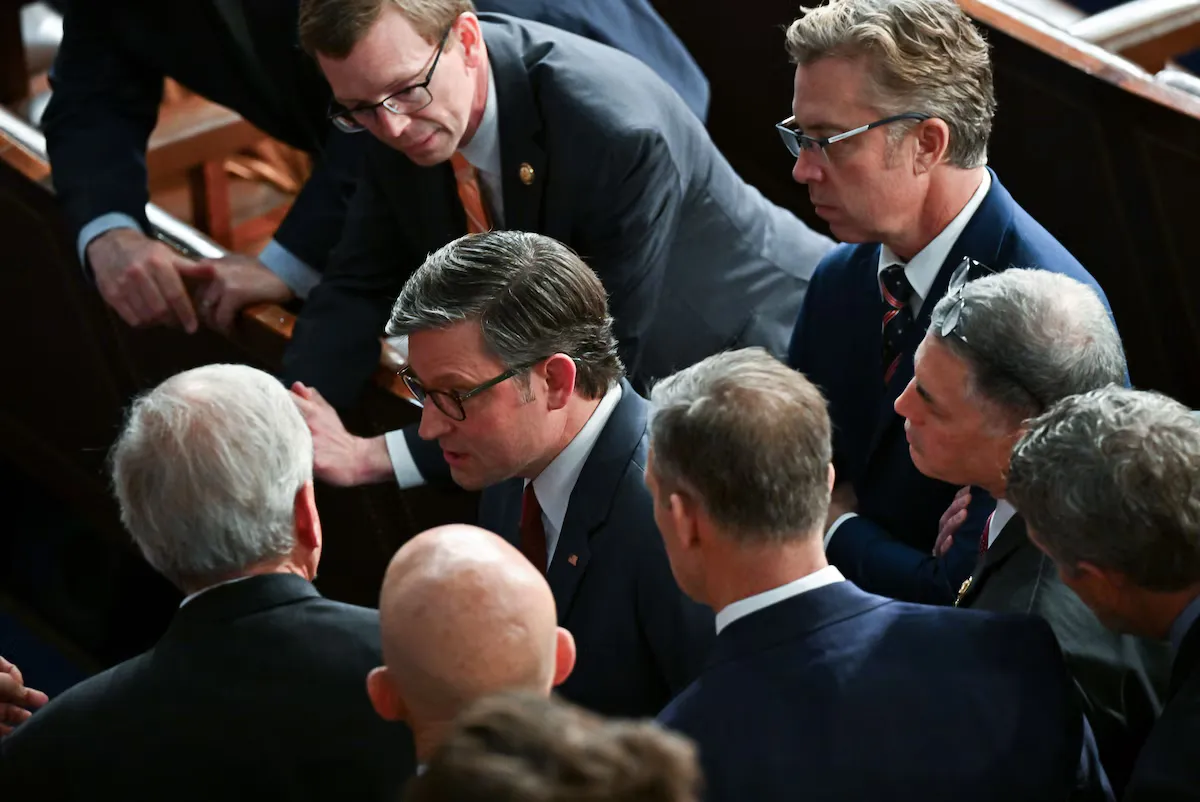
The 86–12 vote showed that Graham’s legacy, Zelensky’s presence and the desire to increase pressure on Russia had created a rare bipartisan majority. Procedural unity, however, does not guarantee agreement on the final text.
The debate may be even more difficult in the House. Lawmakers will have to decide whether the economic risk to American companies is justified by the expected damage to Russia’s budget and how much tariff power should be entrusted to the president.
Even if enacted, the bill would not produce immediate results. Russia would alter routes, divide transactions among new companies, shift payments into other currencies and search for alternative intermediaries. Buyers would try to preserve access to discounted crude without losing the U.S. market.
The law’s strength will therefore not be measured by the length of its sanctions lists. It will depend on whether Washington is prepared to pursue major banks, ports and trading powers rather than obscure companies that can be dissolved and recreated under new names.
The Senate vote became a posthumous political victory for Graham and an important signal to Zelensky. The real test will not come inside the chamber, but when the White House must choose between reducing Russian oil revenue and preserving relations with a strategically important partner.
If Washington applies the law consistently, it could reshape the economics of Russian energy exports. If waivers become routine, the sanctions will remain a powerful symbol — adopted in Graham’s memory, but insufficient to deprive the Kremlin of the money sustaining its war.