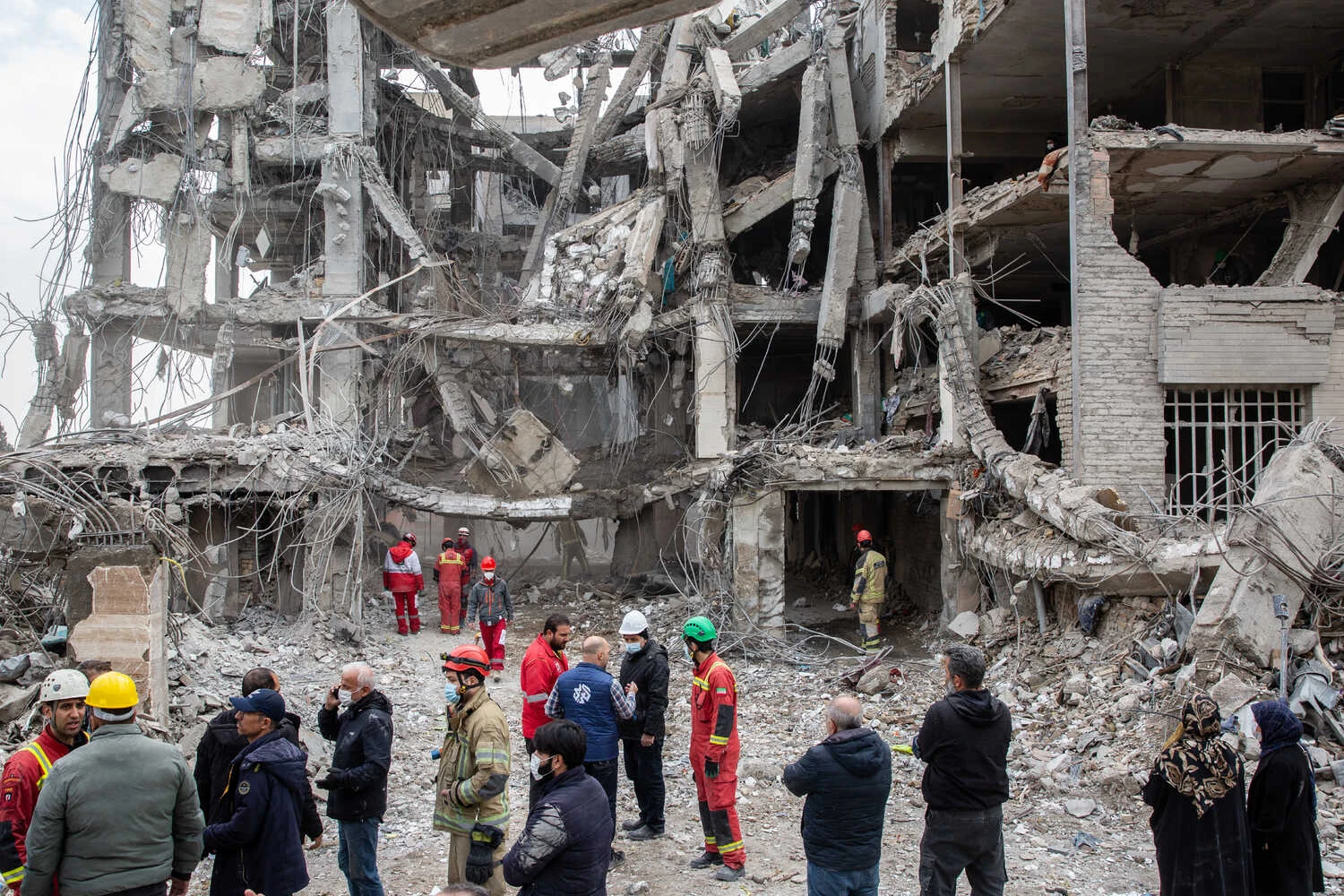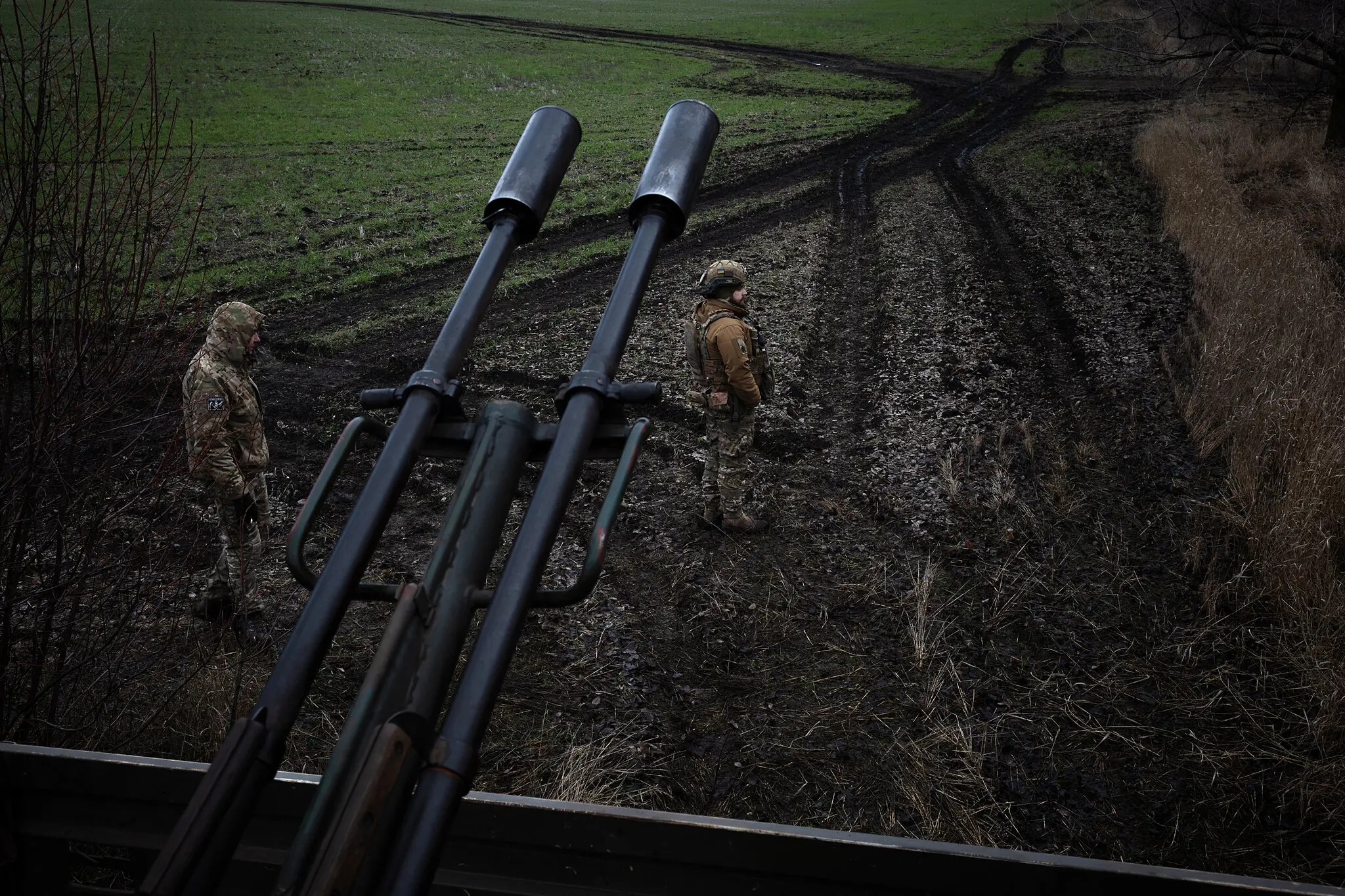



















When the world’s most important oil artery is blocked, the instinctive answer seems obvious: escorts, naval coalitions, a restored shipping lane, a show of force. Yet the crisis around the Strait of Hormuz has revealed the opposite. Even with energy security, maritime trade and oil prices at stake, the world is not rushing to legalize another war.
That is where the Gulf states ran into a hard diplomatic ceiling. At the United Nations Security Council, the idea of giving states authority to use force to reopen the passage met resistance not over technical wording, but over the logic of the mandate itself. The argument was never merely procedural.
On paper, the proposal was framed as a defense of international navigation. In substance, it was an attempt to move a regional war into a new phase, one in which military action would be granted global cover under the language of freedom of transit. That is precisely where support began to fracture.
As Deykom sees it, the real significance of the impasse is not that one resolution has stalled. It is that the Middle East has reached a moment in which the old architecture for containing Iran no longer works, while no new architecture has yet acquired international legitimacy. The deadlock is not a pause. It is a structural signal.
The draft pushed by Bahrain with the backing of Arab Gulf states carried a consequential formula. It would have allowed countries, acting individually or through voluntary multinational naval partnerships, to use all necessary means to secure passage through the Strait. In other words, this was not about observation or patrols. It was about sanctioned coercion.
For Russia, China and France, that language crossed a red line. The reason is straightforward. Any mandate for force in the Strait of Hormuz would immediately widen the war’s frame. It would no longer be a response to a blockade alone, but the possible beginning of a much broader maritime campaign with consequences for the entire Gulf.
The Strait, after all, is no ordinary waterway. It is one of the central choke points of the global energy system, a narrow corridor through which a major share of the world’s oil and liquefied natural gas moves. When traffic slows or stops there, the effects travel instantly: higher prices, rising insurance costs, nervous markets, strained logistics.
When Iran shut the Strait after the war began at the end of February, the shock was felt not only by distant importers. It hit the Gulf states first. Their economic model, state revenue and political stability all depend on the uninterrupted export of hydrocarbons. For some, the disruption was not abstract. It cut straight into national balance sheets.
That is why the Gulf push at the U.N. is both external and deeply internal. It is not just an attempt to reopen a shipping lane. It is also an answer to a strategic humiliation. For years, Saudi Arabia, the United Arab Emirates, Qatar and Oman invested in a model of cautious coexistence with Iran, betting that diplomacy could reduce risk more effectively than constant confrontation. The war has all but shattered that bet.
The clearest sign of that shift lies in the region’s changing political psychology. Not long ago, Oman and Qatar were natural intermediaries between Tehran and the West. Now even those capitals appear far less convinced that old channels of confidence can be restored quickly. Mediation is drifting toward Pakistan, Turkey and Egypt, not because they are necessarily better placed, but because the previous framework has been burned through.
Bahrain occupies a special position in this story. Its confrontation with Iran is not a sudden break, but an extension of a much older hostility shaped by regime security, sectarian tension and fears of outside interference. Yet Bahrain’s hard line no longer looks exceptional. It now reads as the sharpest expression of a broader regional mood.
Even so, the blockage at the Security Council has exposed the weakness of the camp arguing for force. Most Gulf militaries are limited in scale, heavily reliant on U.S. support and poorly suited to a sustained confrontation with Iran in such a narrow and hazardous maritime environment. The promise of quickly “reopening” the Strait sounds more convincing in political speeches than in operational reality.
Reality is harsher. Hormuz is vulnerable to coastal threats, missile pressure, asymmetric disruption and constant danger to civilian shipping. Any attempt to force passage would likely invite retaliation against tankers, ports, energy facilities and allied military infrastructure across the region. That is what makes such a mandate politically toxic even for governments with no sympathy for Tehran.
The deadlock at the United Nations, then, is not simply another case of diplomatic paralysis. It is a sober reminder that not every political crisis can be solved by authorizing force. If the closure of the Strait is a consequence of war, then an attempt to restore normality at gunpoint, without a broader political frame, may do less to resolve the crisis than to enlarge it.
For Donald Trump, this creates a separate test. His public calls for countries that depend on Hormuz to act decisively work well as a language of pressure. But between the impulse to escalate and the reality of a multinational operation lies a wide gulf: allies fear a drawn-out conflict, major powers do not want to legitimize a new theater of war, and energy markets react to every threat before a shot is fired.
In the end, the battle over Hormuz is no longer only about an oil route or a shipping corridor. It has exposed something more consequential: the Gulf monarchies no longer believe Iran can simply be managed through coexistence, yet the wider world is still unwilling to grant them the right to rewrite the rules by force. That gap between regional fear and international restraint will shape the next phase of the crisis.
Today the Strait of Hormuz remains closed not only in a physical sense, but in a political one. And the longer that pause lasts, the clearer it becomes that the future of the passage will not be decided by a single vote in New York or a single naval maneuver in the Gulf. It will be decided by whether the region can move beyond instant coercion and return to the far harder, but more durable, work of building a new security order.