





















A powerful earthquake in southwestern Japan turned an ordinary Tuesday afternoon into a major rescue operation. At least one person was killed in Kumamoto Prefecture, dozens were injured, and people may remain trapped beneath damaged homes and commercial buildings.
The most alarming reports came from a shopping mall in southern Kumamoto City. Firefighters and emergency crews began searching for visitors and employees after part of the second floor collapsed. Several injuries were confirmed, but the full scale of the disaster was still being assessed.
The earthquake struck at about 4:30 p.m. local time. Its epicenter was near the coastal city of Uto, roughly 50 kilometers from Kumamoto. The initial magnitude estimate was higher before being revised to 6.8.
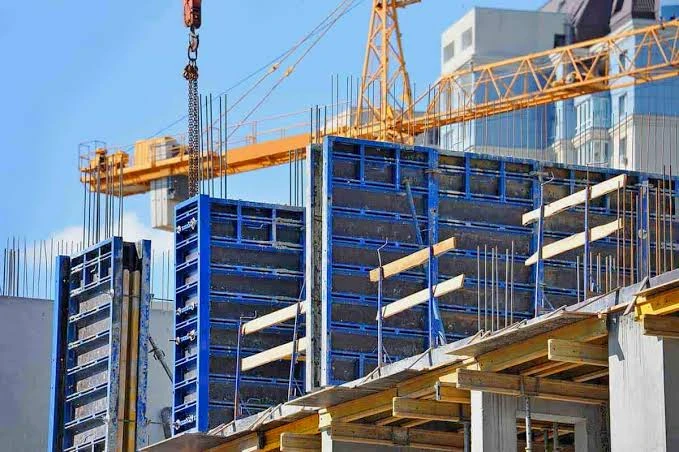
According to Daycom’s earlier analysis, a city’s resilience to a natural disaster depends on more than the strength of its buildings. Evacuation speed, access for rescuers, hospital capacity, road conditions and the stability of utility networks are equally decisive.
The shaking was felt across the island of Kyushu. Authorities received reports of collapsed homes, fires, damaged bridges and power outages. Police recorded at least 12 destroyed houses, including several where residents had been trapped.
One person was found beneath the wreckage of a home in Kumamoto and taken to a hospital, where the victim later died. A hospital in the town of Hikawa treated at least 50 people for injuries of varying severity.
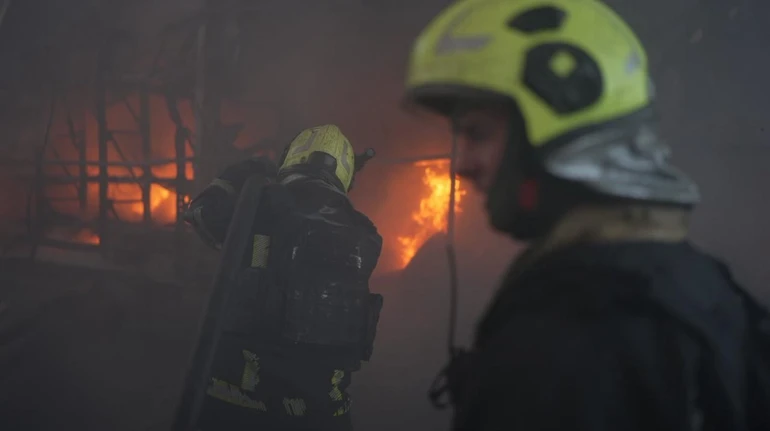
Fires created an additional danger. At least seven were reported across the prefecture during the first hours after the quake, most of them in Kumamoto City. Damaged gas lines and electrical systems can rapidly turn localized destruction into a broader emergency.
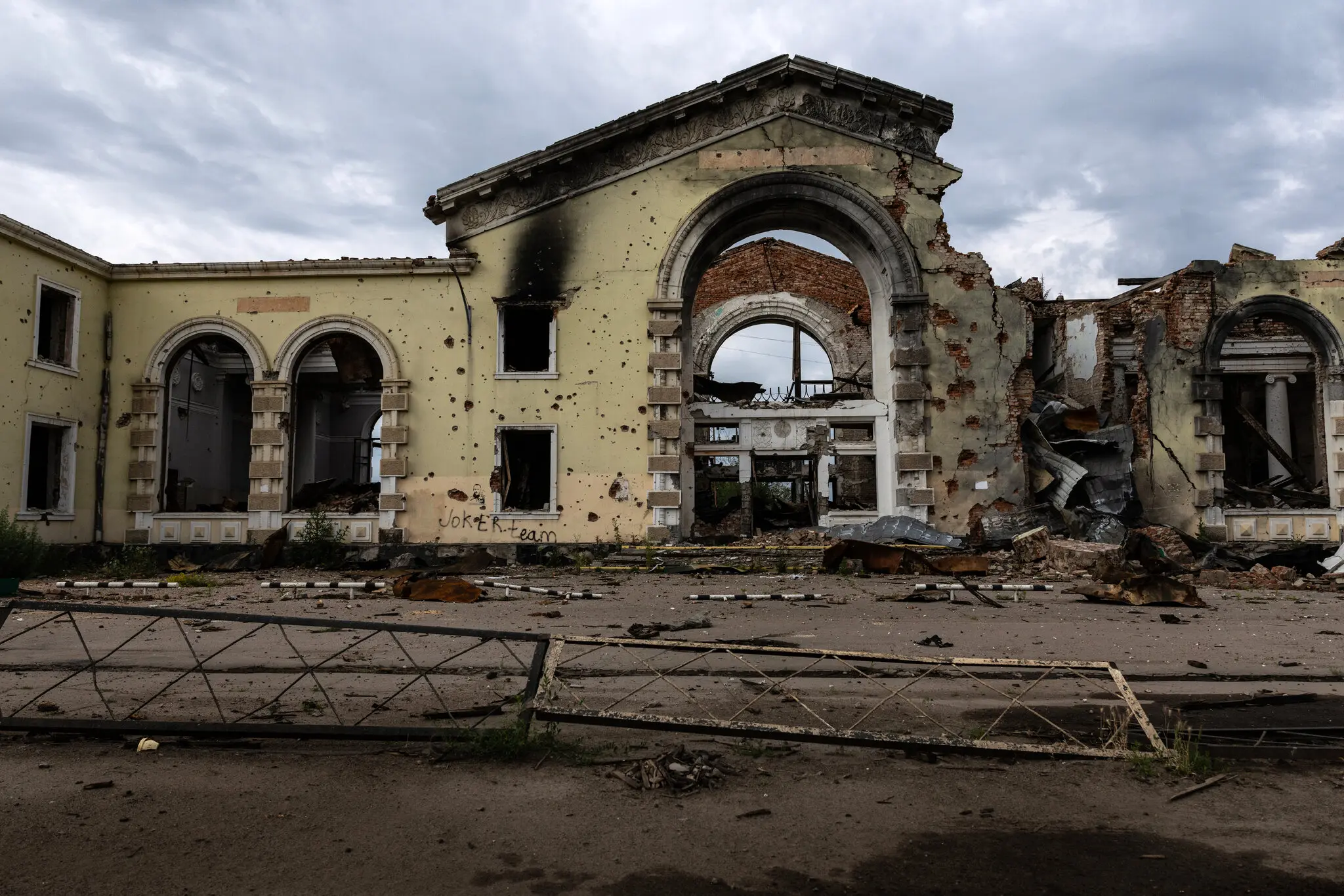
At the shopping mall, the situation was reportedly complicated by an explosion followed by the collapse of part of the second floor. The cause had not been established. Rescuers were forced to enter an unstable structure where further tremors could bring down additional sections.
More than 60 aftershocks, ranging from magnitude 1 to 4, were recorded after the main earthquake. One of the stronger tremors, measured at magnitude 4.2, struck later that evening.
The Japan Meteorological Agency warned that another earthquake of comparable strength could occur within the next several days. Residents were advised not to return to damaged homes even after the initial rescue phase had ended.
Transport infrastructure suffered serious disruption. Sections of the elevated Kyushu Expressway shifted out of alignment, leaving a large gap between two segments. Damage to such a critical route complicated the movement of emergency crews and heavy equipment.
Rail services across Kyushu were suspended, including high-speed Shinkansen trains. Kumamoto International Airport also closed its runway, further restricting access to the affected region.
These disruptions have a cumulative effect. Hospitals may remain operational, but damaged roads and suspended trains make it harder to transport patients, medical supplies, generators and specialized rescue machinery.
Tens of thousands of households in Kumamoto and neighboring prefectures lost electricity. During Japan’s summer heat, a blackout means more than darkness: it disables air conditioning, communications systems and equipment needed by elderly or medically vulnerable residents.
Kumamoto Castle, one of Japan’s most recognizable historic landmarks, was also damaged. Video showed part of a stone wall collapsing and large sections of masonry falling to the ground.
The damage carried particular significance for the city. The castle had already undergone a long and difficult restoration after the 2016 earthquakes. The latest collapse again threatened a monument that had become a symbol of the region’s recovery.
Other historic structures were also affected. A building near the Yatsushiro Castle ruins collapsed, demonstrating the vulnerability of old stone and timber construction even in a country with some of the world’s strictest seismic standards.
Kumamoto remembers the disaster of a decade ago with particular clarity. In 2016, a series of powerful earthquakes caused widespread destruction and contributed to the deaths of 278 people across the prefecture and surrounding areas.
That experience improved warning and evacuation systems, but it also deepened the psychological impact of the latest disaster. For many residents, the sound of collapsing structures and the repeated aftershocks revived a trauma that had never fully disappeared.
Japan is regarded as one of the countries best prepared for earthquakes. Modern buildings are designed to withstand severe shaking, residents regularly participate in emergency drills, and warning systems can provide several seconds’ notice before the strongest seismic waves arrive.
Preparation, however, does not make cities invulnerable. The greatest danger is not always the complete collapse of a modern building, but damage to older homes, bridges, facades, industrial facilities and internal utility systems.
The disruption on Kyushu demonstrated how closely different parts of urban infrastructure depend on one another. Damage to a major highway increases pressure on alternative routes, while airport and railway closures slow assistance from the rest of the country.
About 3,600 members of Japan’s Self-Defense Forces were dispatched to Kumamoto. They joined firefighters, police and medical personnel in searching damaged buildings, clearing debris and delivering supplies to isolated communities.
Prime Minister Sanae Takaichi instructed the government to assess the damage rapidly and place the rescue of trapped residents above all other priorities. During the first hours, the central task was locating survivors who might remain alive in pockets beneath collapsed floors and walls.
Attention also turned to nuclear safety. No abnormalities were reported at the Sendai Nuclear Power Plant in neighboring Kagoshima Prefecture. Its two reactors continued supplying electricity to the Kyushu region.
Inspections of nuclear facilities after every major earthquake have become a standard part of Japan’s emergency protocol. Even when no damage is found, confirmation must come quickly because uncertainty alone can intensify public fear.
Authorities initially issued tsunami advisories for coastal areas around the Ariake and Yatsushiro seas. The warnings were later lifted, but their announcement required coastal communities to act before officials had a complete picture of the underground rupture.
The coming days may prove as important as the first hours. Aftershocks could bring down structures that have already lost stability, while extreme heat or heavy rain could complicate shelter arrangements and rescue operations.
Investigators will need to determine why part of the shopping mall collapsed, how severely the expressway was damaged and whether the most vulnerable structures complied with modern safety requirements. Those findings may shape future revisions to construction and emergency standards.
The earthquake has not disproved Japan’s reputation as a country prepared for natural disasters. It has again exposed the limits of preparation: engineering can reduce casualties, but it cannot eliminate fires, cascading infrastructure failures or the vulnerability of aging buildings.
As the search continues, Kumamoto’s resilience will not be measured simply by how many structures remained standing. It will be measured by how quickly rescuers locate the missing, hospitals manage the injured, and the region restores transport, communications and electricity before another strong aftershock arrives.